




How to Style an Entryway Table: Design Tips for a Warm and Modern Welcome
Your entryway sets the tone for your entire home—it’s the first space you and your guests see when walking through the door. A beautifully styled entryway table can make that first impression truly memorable. But how to style an entryway table the right way?
The secret lies in balance—between aesthetics, functionality, and personal expression. Whether you live in a spacious house or a cozy apartment, this guide will help you create a stylish yet practical entryway using timeless décor techniques and modern furniture design principles.
Understanding the Role of the Entryway Table
Before diving into design, it’s important to understand what the entryway table does for your home.
An entryway console table serves as both a decorative and functional centerpiece. It’s a place to drop your keys, mail, or sunglasses, but also an opportunity to express your personality through design. The right table anchors the space, while your styling choices turn it into a warm, welcoming vignette.
For homes with minimalist or boho-modern furniture, the entryway table often becomes an extension of the interior’s character—simple, elegant, and balanced.
Step 1: Start with a Strong Foundation
When learning how to style an entryway table, start with the foundation—the table itself.
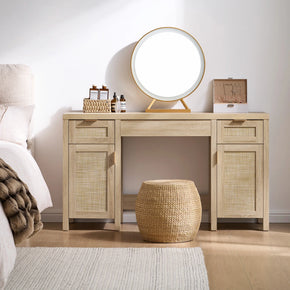
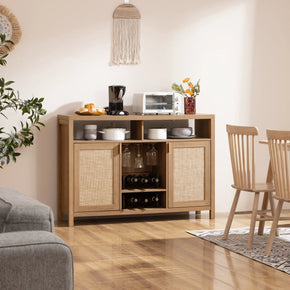
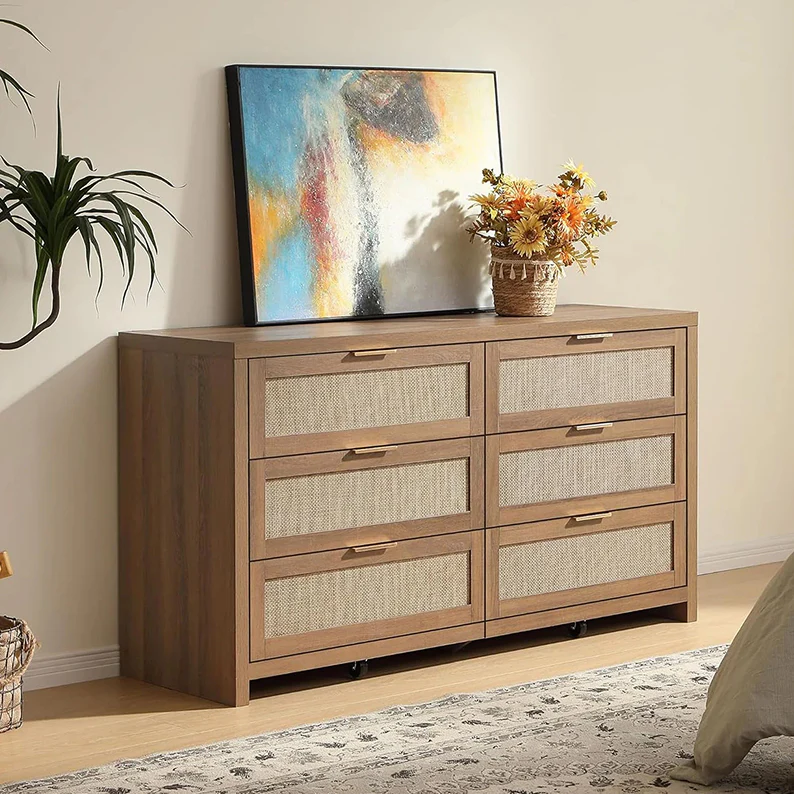
Choose a design that fits your space. Narrow consoles work well in compact hallways, while wider tables with storage drawers suit larger foyers. Finishes like natural oak, white alder, or beige bring warmth and light to the entryway.
A table with clean lines and a neutral tone blends easily with other furniture in your home, creating visual harmony.
Step 2: Anchor the Table with a Focal Point

Every entryway needs an anchor. It draws the eye and defines the visual balance of your setup.
The most popular focal pieces include:
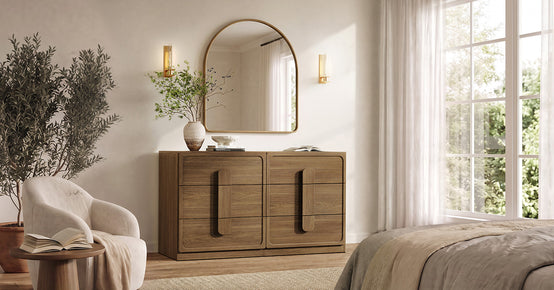
- A large mirror centered above the table—perfect for quick checks before leaving.
- A piece of wall art that reflects your personal style.
- A statement lamp that adds height and glow.
If your entryway feels dark, mirrors and lamps double up as design and lighting solutions. The reflection also makes small areas feel larger.
Step 3: Layer Decorative Elements Thoughtfully
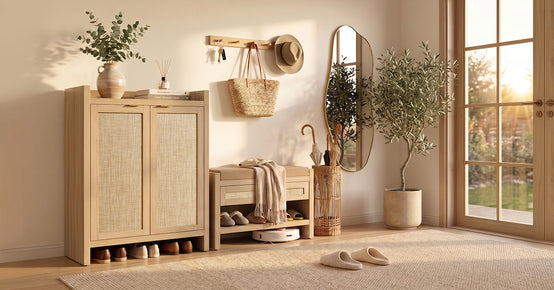
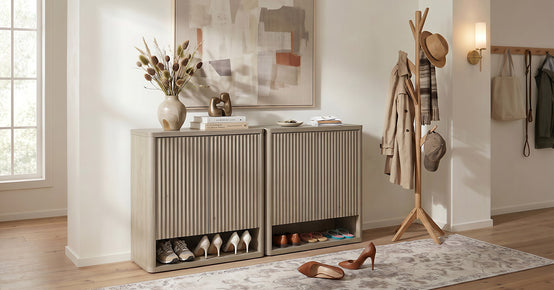
Styling is all about layering—mixing objects of different heights, textures, and colors. To style an entryway table that looks natural yet polished, follow the visual triangle principle: a tall item (like a lamp or vase), a medium-height décor (like framed art), and smaller accent pieces.
For example:
- One side could hold a tall lamp or vase with greenery.
- The center might feature a tray with keys or candles.
- The other end could balance it with a stack of books or a small sculpture.
This layered symmetry gives your table depth and personality without cluttering the surface.
Step 4: Add Function with Style

When deciding how to style a console table in an entryway, functionality is key.
Decorative trays, small baskets, or catchall bowls add practicality while keeping things organized. A drawer console is even better for storing daily essentials out of sight.
Choose textures that complement your furniture—woven baskets, ceramic trays, or glass jars all add warmth and diversity.
If your console has open shelves, use decorative boxes or baskets to keep the lower level tidy while maintaining the aesthetic.
Step 5: Bring Nature Indoors
A touch of nature instantly freshens the atmosphere.
Style your entryway table with:
- A small vase of fresh flowers.
- A potted plant like peace lily or snake plant.
- Dried eucalyptus for long-lasting scent and simplicity.
Natural elements bring movement and life into structured spaces, softening the lines of wood or metal furniture.
Step 6: Play with Lighting
Lighting is often overlooked in entryway styling, but it can transform the entire mood.
A table lamp adds elegance and ambiance, especially if your home doesn’t have direct entryway lighting. Warm-toned bulbs create a cozy atmosphere, while matte or linen shades diffuse the light softly.
For modern homes, a paired lamp and mirror setup creates a balanced, symmetrical focal point that feels effortlessly chic.
Step 7: Create Balance Between Height and Space

Balance is what separates professional styling from cluttered arrangements.
Avoid crowding both sides of the table. Instead, play with asymmetry—one tall piece balanced by several smaller accents. Keep open space between objects to let the design breathe.
If your console sits beneath a wall mirror or art, ensure there’s at least 6–8 inches between the tabletop and the lower frame edge for comfortable visual spacing.
Step 8: Personalize with Meaningful Touches
An entryway should tell your story. Incorporate personal elements that make your space feel uniquely yours:
- Framed family photos in simple, uniform frames.
- Souvenirs from travels that evoke warm memories.
- A signature scent—candle or diffuser—to greet guests with a pleasant aroma.
When styling an entryway table, personality is what transforms it from showroom-perfect to authentically welcoming.
Step 9: Keep It Seasonally Fresh
Refresh your console styling every few months to reflect the seasons or upcoming holidays.
In spring, opt for greenery and light woods.
In autumn, add warm tones like caramel or rust.
During winter, layered candles and neutral textiles create coziness.
Seasonal updates help keep your home dynamic and visually engaging without requiring major redecorations.
Step 10: Don’t Forget What’s Beneath the Table
If your console design leaves space underneath, use it wisely.
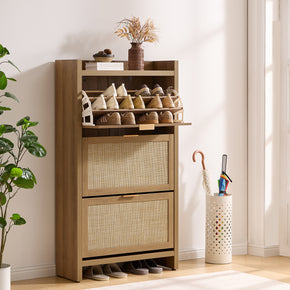
Add two woven baskets for hidden storage or tuck a small stool beneath for visual balance. In small apartments, this area is perfect for shoes, umbrellas, or reusable shopping bags—keeping your entryway functional and uncluttered.
Styling Entryway Tables for Different Homes

For Small Spaces
Use narrow, wall-mounted consoles or floating shelves to save floor space. Mirrors are essential—they visually double the area.
For Open-Concept Homes
Choose wider tables with drawers and décor that complements the living room style—your entryway should feel like a natural extension of your main space.
For Modern Apartments
Opt for minimalistic consoles with clean lines, neutral tones, and subtle metal details. Keep the top surface clutter-free for an airy, modern vibe.
Common Mistakes When Styling Entryway Tables
Avoid these easy-to-make errors:
- Overcrowding with too many objects.
- Ignoring height balance between décor items.
- Using mismatched color tones that break harmony.
- Forgetting practical storage for daily essentials.
A good rule is to edit—less is often more.
Final Thoughts: The Entryway as Your Home’s Handshake
Styling an entryway table isn’t just about décor—it’s about the feeling you create the moment someone steps inside.
When done right, this small corner can express your design taste, set the tone for the rest of your home, and make everyday routines smoother.
Choose a well-crafted table that fits your layout, add thoughtful layers of light, texture, and greenery, and finish with personal touches that make your home uniquely yours.
To explore timeless, modern designs that blend function and beauty, visit the Entryway Furniture Collection.
Frequently Asked Questions
How do I style an entryway table for small spaces?
Choose a slim or wall-mounted console, keep décor minimal, and add a mirror to make the space feel larger.
What should I put on my entryway table?
Mix practical and decorative items—like lamps, trays, vases, or framed art—for both function and charm.
How can I style an entryway console table for a modern home?
Stick to clean lines, neutral colors, and balanced composition. Incorporate wood or matte finishes for warmth.
Should my entryway table match my other furniture?
Not exactly, but it should complement your home’s tone—whether modern, minimalist, or boho.
How often should I restyle my entryway table?
Seasonally or whenever you refresh your home décor. Even small swaps—like flowers or lamps—can make a big difference.


Looking for something else?

Burl Wood Furniture: The Complete Buying Guide
LEARN MORE
What Is a Hope Chest? Meaning, History, and Modern Uses
LEARN MORE
What Is a Foyer? Meaning, Purpose and Design Guide
LEARN MORE
GREENGUARD Gold Certified Furniture: What It Really Means for Your Home
LEARN MORELooking for something else?

How to Clean a Mirror Without Streaks: Simple Step-by-Step Guide
LEARN MORE
21 Above-Bed Decor Ideas for a Stylish Bedroom Wall
LEARN MORE
Furniture Materials Guide: Picking the Right Material Room by Room
LEARN MORE


Further reading

18 Decorative Storage Box Ideas That Hide Clutter Well

How to Store Comforters Without Losing Space or Loft


