
























How to Buy a Rattan Buffet Cabinet That Will Hold Up to Daily Use
|
Short Answer
Buy for the frame, not the weave. A rattan-front buffet survives daily use with a solid-wood frame, a spline-and-groove cane joint, hinges in solid stock, and synthetic weave for sunny or spill-prone rooms.
|
At a Glance: Synthetic cane in a solid-wood, spline-set frame beats natural for daily use. Natural looks warmer but dries in sun, drinks stains, needs moisturizing.
Natural Rattan vs. Synthetic Cane Webbing
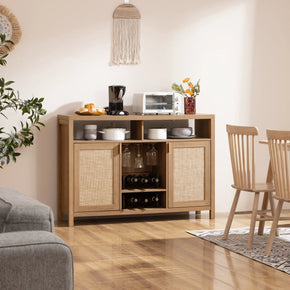
First, a terminology reset. A "rattan buffet cabinet"? Almost never contains actual rattan. It’s a wood-framed cabinet with woven cane webbing set into the door fronts — usually that hexagonal "radio weave." Natural? Shaved rattan peel. Synthetic? Polyethylene/PVC strands. What most shoppers miss: the weave is just a panel insert. Zero strength — every bit of daily stress lands on the wood frame.
Natural cane is what everybody falls for: tonal variation, that honeyed warmth, a texture plastic honestly can’t copy. But it’s dried plant matter. One industry supplier is blunt: natural webbing shows breakage at 1 to 2 years, where synthetic goes 3 to 4+ without it, and natural costs roughly twice as much. Double the price, shorter life.
Synthetic wins on durability: waterproof, UV-stabilized, wipe-clean — no soaking, no moisturizing schedule. The trade-off? Honesty, not quality. Across the room it reads as cane; up close it’s flatter, less alive. My verdict: for a buffet facing daily plates and the odd wine splash, go synthetic.
|
|
Natural cane
|
Synthetic (PE/PVC)
|
|
What it is
|
Shaved rattan peel
|
Plastic strands mimicking cane
|
|
Panel life
|
1–2 years
|
3–4+ years
|
|
Cost
|
≈2× synthetic
|
≈half of natural
|
|
Water/spills
|
Absorbs; stains set
|
Waterproof; wipes clean
|
|
Sun
|
Dries, fades, brittle
|
UV-stabilized
|
|
Upkeep
|
Monthly moisturizing
|
Damp cloth
|
|
Up close
|
Tonal, warm
|
Uniform, flatter
|
What the Cane Is Actually Mounted On
Think of it this way: the cane is decoration on a wooden skeleton, and the skeleton does all the surviving. Say ten openings a day — hinge screws, frame joints, mounting method absorb every single one. The cane just rides along.
Spline-and-Groove vs. Staples-and-Glue
Two honest methods. Plus one cheap one. The craftsman’s method is spline-and-groove: a channel cut around the panel opening, the cane soaked 20–30 minutes, pressed in, glued, and a reed spline hammered on top. As it dries it pulls drum-taut — the soaking is the whole trick.
The cheap method is staples or face-glueing — webbing stapled or glued to the frame, sometimes with trim hiding the raw edges. Fine on day one. But the panel hangs from fasteners instead of wedged tension, so it sags sooner and can’t be re-tensioned. Shop tip? Check the door’s back: a spline line is a good sign. Bare staples and glue smears? Shrug.
The Backing Panel Question
Some cabinets add a backing panel behind the weave for dust protection. It keeps dust off the linens — but it kills the cane’s best trick, which is airflow. Fine for a linen-and-dishes buffet. For electronics or wine, skip it. Also check the cabinet’s own back: a screwed-in back keeps the case square; thin tacked-on hardboard racks and wobbles.
Hinges on Cane-Front Doors: Where Daily Use Breaks Things First
Daily use kills cane cabinets at the hinges. Not the weave — the hinges. Hinge screws bite into the frame’s stile, narrower than it looks once you subtract the cane channel. If the hinge cup crowds the weave, or the screws bite thin stock, that door loosens fast. Weeks, not years.
So insist on concealed (European-style) hinges with soft close. Not a luxury add-on for a cane door — it stops the daily slam from rattling staples loose and cracking spline joints. Makers who work with rattan fronts recommend them for exactly this — less impact on the weave, longer life.
|
The tug test
Pull a showroom door gently sideways. If the door flexes at the hinges before the cabinet moves, the screws are working thin stock.
|
The Breathing Panel: Airflow Through Cane Weave
The cane front’s genuine superpower: it breathes. The open weave moves air between room and interior, so contents don’t go musty. Great for linens and board games. Routers and media gear too — heat escapes through the weave.
The trade-off: dust. An open weave is a slow dust filter — over months your contents collect a fine layer. Add a fabric backing, or accept the twice-a-year shelf wipe-down.
Spills, Sticky Fingers, and Stain Cleanup on Cane
A dining-room buffet lives in the splash zone: curry flecks, wine drops, sticky fingers. Natural cane is porous plant fiber, and it drinks. The cardinal rule? Clean spills immediately, while still on the surface.
-
Blot, don’t rub. Press a dry cloth into the spill; rubbing drives liquid deeper and frays strands.
-
Soap and water. A few drops of dish soap in warm water, then a clear-water pass. Wring well.
-
Stubborn spots: soft brush. More soap plus a medium-soft brush handles most food and drink stains.
-
Bleach as a last resort. Dab it on, rinse right after. Never let bleach sit on cane.
Humidity and Sun: The Two Things That Age Natural Cane Fast
Natural cane is the Goldilocks of furniture materials — not too dry, not too damp. Direct sun is its worst enemy: UV dries the fibers, fades honey to gray, and brittle cane simply snaps. One restorer’s line: keep cane "moisturized," like a cigar humidor.
Strong afternoon sun? UV-stabilized synthetic webbing is the sane choice. For natural cane, do the monthly spritz: diluted oil- or glycerin-based soap (Murphy’s Oil Soap in a spray bottle) on the backs and undersides — never the visible fronts. That keeps fibers supple.
Damp is the other extreme — persistent humidity with no airflow brings mold and mildew, and that musty smell is your first warning. Keep natural cane away from wet zones. If it gets wet, dry it and air it out. Completely.
Doors That Stay Aligned Over Time
Cane-front doors move. They shift with the seasons, with humidity — and ten openings a day work the hinge screws loose. Alignment drift — a door that rubs, gaps, or won’t sit flush — is normal wear, not a defect. The fix is usually just a screwdriver.
European concealed hinges give three adjustments — depth, height, horizontal. Start by tightening the big mounting screws; they loosen over time and drift before real damage exists. Adjust in quarter turns, closing the door to check. Spinning screw? Tap in a glue-coated dowel, re-drill — fresh wood to bite.
Prefer adjustable hinges over fixed decorative ones: a two-minute tune vs a door you live with, annoyed, forever. Check the back panel and leveling feet too — a case that racks out of square defeats even perfect hinges. And cane tightens as it dries — a light mist re-tensions slight slack.
The Buying Checklist: 10 Things to Check Before You Order
-
Solid-wood frames. Knock on it — solid wood sounds dull and heavy; hollow means MDF, which strips hinge screws faster.
-
Spline-and-groove mounting. Ask for a photo of the door’s back — a spline line beats staples and glue, and it can be re-tensioned later.
-
Match the weave to the room. Synthetic for sun and spills, natural for shaded, low-traffic rooms.
-
Hinges in solid stock, not cane. Concealed soft-close hinges protect the weave from daily slams.
-
Adjustable hinges. Three-way European hinges fix drift with a screwdriver, not a repair bill.
-
A real back panel. A screwed-in back keeps the case square; tacked-on hardboard racks into misalignment.
-
Shelf strength. Buffets hold plate stacks and bottles — check shelf thickness and whether the shelves adjust.
-
Sealed finish all around. Sealed wood resists humidity swings — raw backs absorb moisture and swell.
-
Even door gaps. Consistent 2–3 mm gaps signal a square case; spots already rubbing will only worsen.
-
A usable return policy. Check alignment after assembly; send it back if the case racks.
Solid Wood Fronts vs. Cane Fronts: An Honest Note
One honest disclosure: the SICOTAS sideboard line — including the Stria Sideboard with 2 Doors (34.1"H x 30.9"W x 15.6"D) and the Savanna Buffet Cabinet 2 Arched Doors (35.4"H x 34.2"W x 13.9"D) — is wood-front, not rattan. They skip cane’s trade-offs entirely: no weave to tension, no dust filtering through, no sun-fading panel. Love the cane look but want zero maintenance? A wood-front buffet gives you the storage without the humidity homework.
The SICOTAS homepage and the sideboards collection show the full range. Still planning the room? See our guide to choosing dining-room storage.
Final Word
A rattan-front buffet is a wood cabinet wearing a cane sweater. Buy it like any cabinet — solid frames, a real back panel, adjustable soft-close hinges — then pick the weave for the room: synthetic for sun and spills, natural for a shaded spot.
FAQs
Will a rattan buffet cabinet hold up to daily use?
Yes — buy for the frame, not the weave: solid-wood frame, spline-and-groove webbing, soft-close hinges sunk in solid stock. Sunny or spill-prone room? Go synthetic. Shaded and quiet? Natural’s fine.
Is synthetic cane webbing better than natural for a buffet cabinet?
For daily use, yes. Synthetic (PE/PVC) handles water and sun, wipes clean, lasts 3–4+ years, costs roughly half. Natural looks warmer but absorbs spills, dries in sun, needs moisturizing.
How long does cane webbing last on cabinet doors?
Natural: 1–2 years to first breakage; synthetic: 3–4+ years. Mounting matters too — spline-and-groove stays taut far longer than staples or glue.
How do you clean a rattan-front buffet cabinet?
Blot immediately, never rub. Diluted dish soap, then a clear-water pass, cloth wrung well. Stubborn spots: soft brush. Bleach only as a last resort — it eats plant fiber.
Can you put a rattan cabinet in direct sunlight?
Natural cane? Don’t. UV dries the fibers, fades honey to gray, and brittle cane snaps. Keep it shaded; moisturize panel backs monthly. Synthetic handles sun far better.
Why is my cane-front cabinet door sagging or rubbing?
Normal wear. Frames shift with the seasons, cane moves with humidity, and daily use works screws loose. Tighten the hinge screws first, then adjust depth, height, and horizontal in quarter turns. Spinning screw? Plug with a glued dowel, re-drill.
Should cane cabinet doors have a backing panel?
For a linen-and-dishes buffet, yes — backing keeps dust off contents and hides clutter. Skip it for electronics or wine, since it blocks airflow.
Does cane webbing help ventilate the inside of a cabinet?
Yes. Open weave circulates air, keeping contents from going musty and letting heat escape. Expect a fine dust layer — wipe down twice a year.


Looking for something else?

20 Small Media Room Ideas for a Cozy, Space-Smart Setup
LEARN MORE
18 Jewelry Storage Ideas for a Tangle-Free Collection
LEARN MORE
10 Coffee Table Alternatives That Work Better in Small Living Rooms
LEARN MORE
15 Home Theater Furniture Ideas That Make a Room Work
LEARN MORELooking for something else?

Open vs Closed Floor Plan: Which Layout Suits Your Home?
LEARN MORE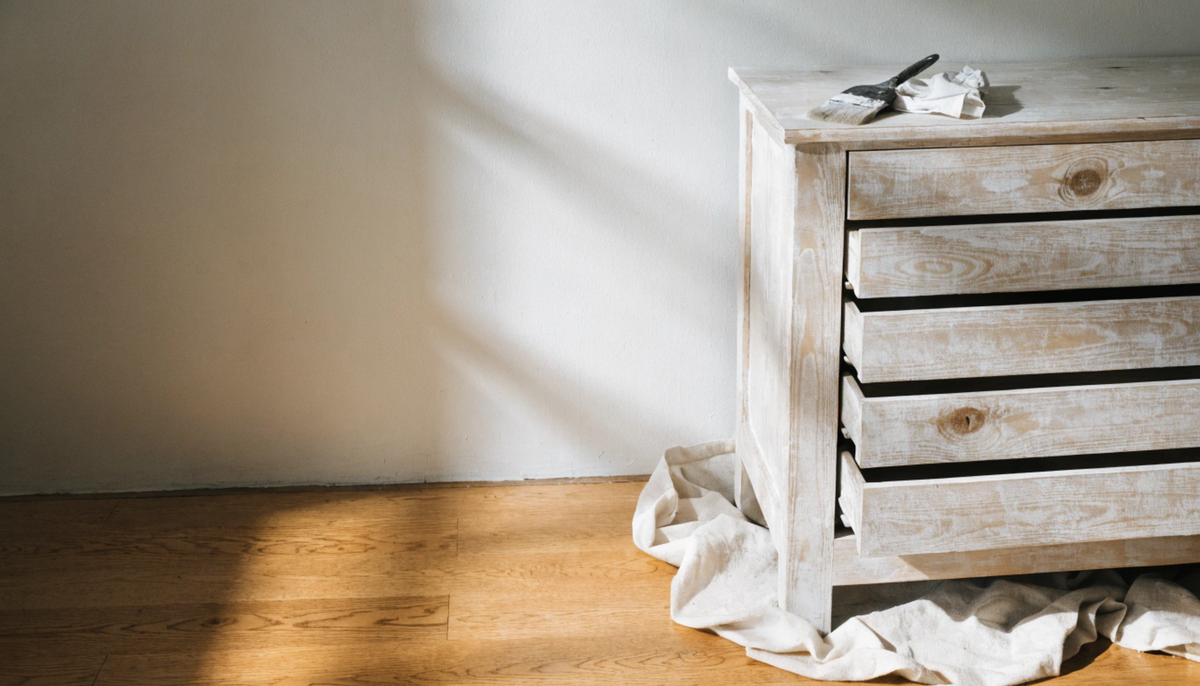
Whitewashed Wood Furniture: Getting the Finish Right at Home
LEARN MORE
18 Accent Table Decor Ideas That Work in Real Rooms
LEARN MORE


Further reading

How to Choose a Dresser for Sweaters, Denim, and Bulky Clothes
The category name is not the answer. Drawer count is a weak capacity proxy. Bulky clothing fit is controlled by usable drawer height, width, extension, bottom support, and the way each garment is ...

Adjustable vs. Fixed Bookcase Shelves: Which Is Better for Real Storage?
The Short Answer
Neither wins outright — the best bookcase usually has both. Fixed shelves make the case rigid: at least one shelf locked into the sides (ideally near the middle) stops the who...

One-Drawer vs. Two-Drawer Nightstands: Which Is More Useful?
One drawer or two — sounds like a coin flip till you've lived with the wrong one. Two months in, that single drawer has quietly become a junk drawer. Or the bottom drawer of your two-drawer unit h...


