
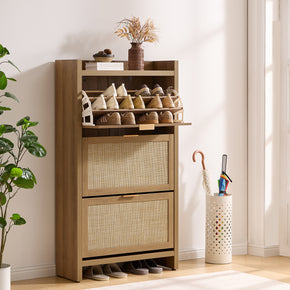
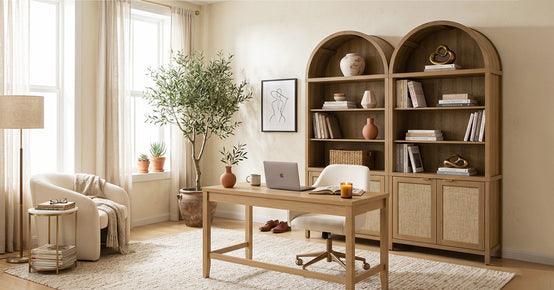
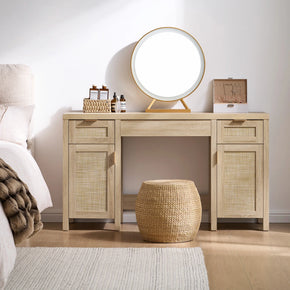
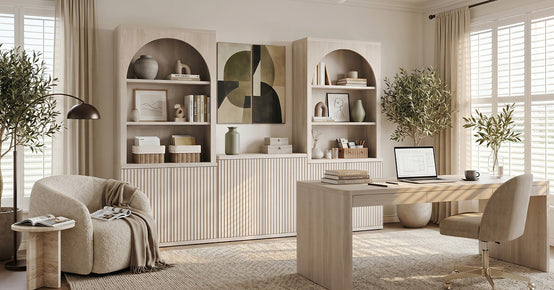
How many pairs will a cabinet or bench hold?
Capacities vary—check each product’s specs; most list estimated pair counts so you can find the right fit.
Will shelves fit tall boots as well as sneakers?
Yes—many units include adjustable shelves to accommodate boots, sneakers, and mixed items.
Are benches sturdy enough to sit on?
Benches are designed for daily seating within listed weight limits; see the product page for the exact level.
What’s better for a small entryway: a shoe bench or cabinet?
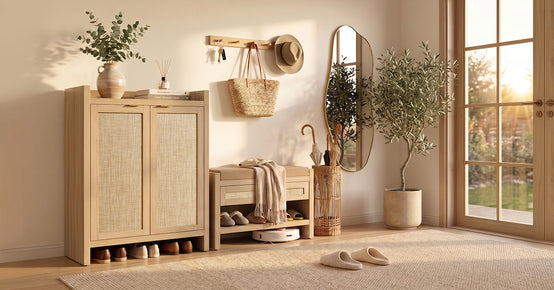
A shoe bench saves depth and adds seating; a tall cabinet maximizes vertical storage in limited space.
Do you offer closed storage to keep dust down?
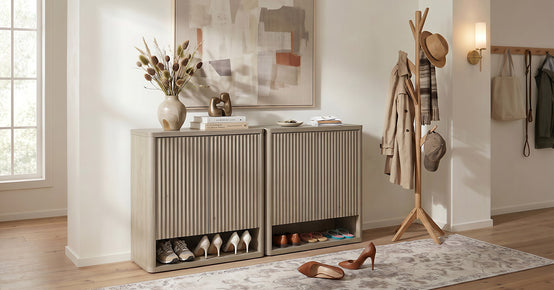
Yes - door-front cabinets help keep shoes clean and protected from dust.
What materials do you use?
Durable framing with quality finishes; some styles include metal hardware for longevity.
How do I choose the right size?
Count daily pairs, measure your entryway width/depth, and leave clearance for doors. Then select by capacity and shelf adjustability.
Where can I get help before purchase?
If you have a question, contact support - happy to help with sizing, options, and compatibility.
What’s the difference between a shoe rack, a shoe cabinet, and a shoe bench?
A shoe rack is open shelving for quick grab-and-go access. A shoe cabinet has doors (and often adjustable shelves) to hide clutter and reduce dust. A shoe bench combines storage with a seat for putting on shoes—great for entryways and small spaces.
Is a shoe rack or a closed cabinet better for dust and cleaning?
Open shoe racks are convenient but collect dust faster. Closed shoe storage with doors keeps shoes clean longer and makes quick sweeping easy around the base.


