






What Is Sherpa Fabric? A Complete Guide to This Cozy Material

Pull a sherpa-lined jacket off a rack and touch the inside. That’s all the explaining most people need. But for those who want actual answers — what is Sherpa fabric, where it came from, what’s actually in it — there’s more to it than just “the soft stuff.” It’s a two-sided synthetic textile: thick and curly on one side, flat and knit on the other. Made mostly from polyester. Designed to feel like sheepskin without costing like it.
I’ve bought it, used it in sewing projects, tested it through a dozen washes, and styled rooms around it. None of that makes me a textile engineer — but it does mean I know which claims about this fabric hold up and which don’t. This guide skips the padding and gets to what actually matters.
What Is Sherpa Fabric?

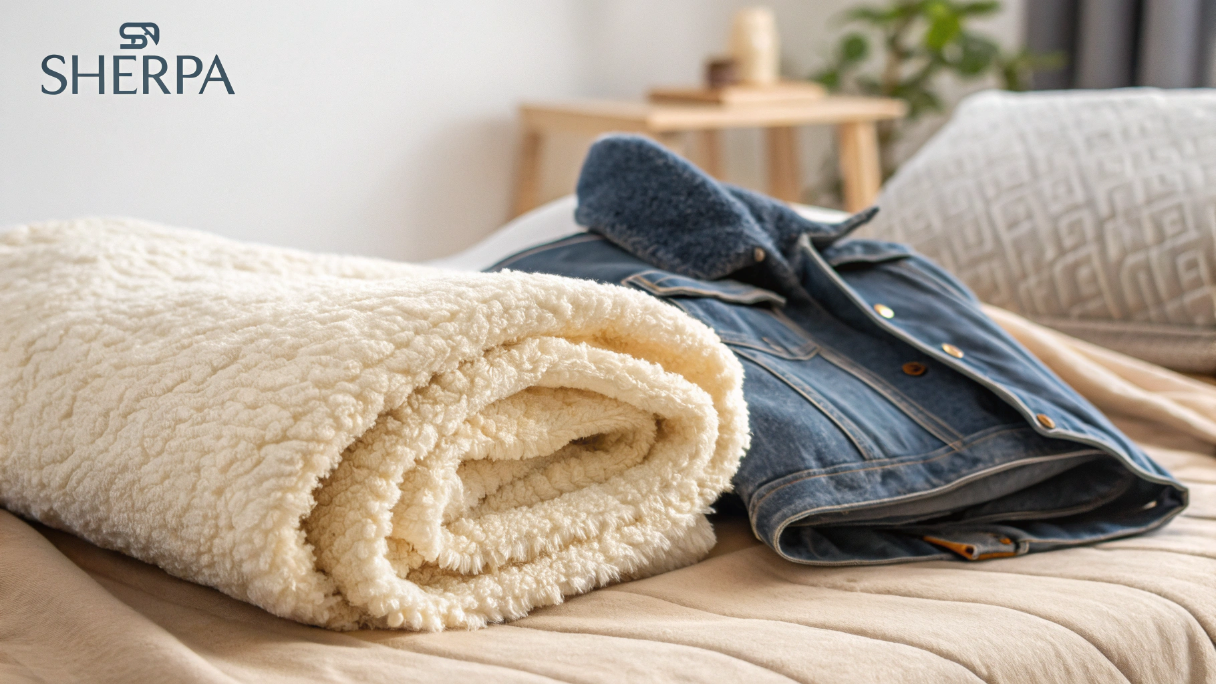
Feel both sides of a sherpa blanket. One side — thick, bumpy, ridiculously soft. The other — smooth, flat, normal-looking knit. That difference isn’t decorative. The curly pile side mimics shearling or natural wool. The flat side gives the fabric enough stability to bond with other materials — denim, canvas, twill — which is why sherpa works as a lining rather than just sitting there looking cozy.

The fabric started as industrial lining material, honestly. Used in niche outerwear in the sixties and seventies. Then Levi’s put it inside their denim trucker jackets in the nineties, and suddenly everyone wanted it. That crossover changed everything. Now, Sherpa shows up in $600 coats, $12 throw blankets, and everything in between. The material itself didn’t change. Just where it ended up.
Not real wool. Not shearling. Fully synthetic — mostly polyester — built to look and feel like those things while being cheaper, easier to wash, and animal-free. That combination is hard to beat at the price.
Where the Name Actually Comes From

The Sherpa are a Himalayan people from Nepal. Mountain guides. High-altitude cold weather is their everyday reality, and their traditional clothing — thick wool, sheepskin lining — reflected that. An American textile company called Collins & Aikman looked at that tradition in the early 1960s and said, "We can make a synthetic version of this." They called it Sherpa, trademarked the name, and sold a lot of it.
The trademark eventually stopped being actively enforced. By the time Sherpa became mainstream in the nineties, the name had become a generic descriptor for any curly-pile synthetic fabric. Nobody checks whether a product was made by Collins & Aikman. The name just means “that fluffy stuff that looks like wool.”
One thing to say plainly: the modern fabric has no real connection to how the Sherpa community dresses today. It’s a name that referenced an idea about warmth, not a cultural textile tradition being replicated. Tint of Mint’s sewing guide puts it well: the fabric is defined by its construction, not its name.
What Is Sherpa Fabric Made Of?

Mostly polyester. Stop reading if that’s all you needed. For the rest:
Polyester Sherpa
The standard. Soft from day one, survives machine washing without drama, dries in a few hours, and costs less than almost any natural alternative. The pile holds together well if you don’t abuse it in the dryer. Most jacket linings, hoodies, blankets, and slippers are made of polyester. Has been since the seventies. There’s a reason nothing has replaced it.
Acrylic Sherpa
Looks similar to polyester sherpa, pills faster. You’ll find it in cheaper blankets and some accessories. If you’re buying something decorative that doesn’t get washed often, acrylic is fine. If you plan to wash it every week, it’ll start looking rough within a few months. Not a knock on acrylic — just honest about where it fits.
Cotton-Blend Sherpa
Pure cotton sherpa is rarely found in commercial products. Cotton can’t build the dense curly pile on its own. But polyester-cotton blends do show up — especially in baby blankets and children’s clothing, where the gentler feel against skin matters more than durability stats. If your skin is sensitive or you’re buying for a baby, a blend is worth looking for specifically.
Recycled Polyester Sherpa

Same material, different source — polyester yarn spun from plastic bottles instead of petroleum. Performance is genuinely comparable to virgin polyester in most real-world situations. Softness, durability, how it washes — all close enough that the difference is environmental rather than functional. A growing number of outdoor brands now use it by default. Look for “rPET” on the label.
How Sherpa Gets Its Texture

Knit base fabric. Then one side goes through a brushing and looping process that builds up the pile layer — fibers raised, crimped, and densified until they look and feel like tiny curls of wool. The other side stays flat. That’s the whole construction in plain terms.
Bonded Sherpa takes it a step further. The fleece layer gets permanently fused to a second fabric — often denim or canvas. The result is a single two-layer material that behaves like outerwear rather than a floppy fleece insert. Most sherpa-lined jackets use this construction. It’s why the lining doesn’t bunch or shift when you wear the jacket — it’s literally attached.
For sewing, bonded sherpa is the version to buy. The backing keeps it stable under a sewing machine foot, and you get a clean surface to mark and cut on. Unbonded sherpa stretches around and causes problems.
How Warm Is Sherpa Fabric?

Actually warm. The curly pile traps air against your body, which slows heat loss—same physics as wool, just synthetic. A sherpa-lined jacket or a good, thick sherpa blanket holds heat well enough not to notice
The honest range: a light sherpa hoodie handles cool evenings and drafty offices just fine. A heavy bonded sherpa coat liner handles genuine winter cold. Neither replaces a down jacket at -20°C — but that’s not what sherpa is for. For daily cold weather use — errands, commuting, sitting in your living room when the heating hasn’t kicked in yet — Sherpa is plenty.
Against wool at similar warmth: Sherpa is lighter and dries faster. A thick wool sweater that keeps you warm around freezing might weigh 800 grams. A comparable sherpa layer probably weighs half that. And if it gets wet, the sherpa dries in two or three hours. The wool is still damp the next morning.
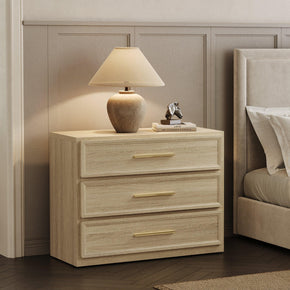
In a bedroom styled around sherpa throws and blankets, the rest of the room needs to be tidy for it to look intentional. The Crescent Nightstand 3 Drawers keeps the bedside surface clear — just the lamp, a book, a glass of water — so the sherpa pieces read as chosen rather than piled on by default.
Sherpa vs Regular Fleece

People say “fleece” when they mean Sherpa half the time. Understandable. But they’re different, and the difference matters when you’re buying.
Texture
Regular polar fleece: smooth and consistent on both sides. Flat nap, same everywhere. Sherpa: curly, bumpy, wool-looking pile on one side, flat knit on the other. Run your hand over both sides of the fabric. If they feel identical — fleece. If one side is noticeably different, fluffier, more textured — that’s sherpa. Takes two seconds to tell them apart in person.
Warmth
Sherpa runs warmer at the same weight. The irregular pile traps more air than a flat fleece surface. But polar fleece breathes better — which is genuinely important for outdoor activities where you’re generating heat through movement. On a trail: fleece. On a sofa: Sherpa. Both valid. Different jobs.
Bulk
Sherpa is bulkier. That’s fine in a throw blanket or a statement jacket. Less fine if you need to stuff something into a daypack or layer under a fitted outer shell. Fleece compresses. Sherpa mostly doesn’t. Buy the right one for the actual use case.
Where Each Works Best
Sherpa: coat linings, blankets, slippers, boots, furniture throws, casual hoodies. Fleece: base layers, activewear, lightweight packable jackets. A lot of quality outerwear uses both in the same garment — fleece shell and a sherpa lining — which is probably the ideal combination for most people in most climates.
Is Sherpa Fabric the Same as Wool?
No. Different materials entirely. They’re just solving the same problem — warmth, softness, texture — through completely different means.
Wool is animal fiber. Grows on sheep. Naturally breathable, regulates temperature in both directions, resists odors without washing, biodegrades. Also itchy against sensitive skin for many people, needs careful laundering, and costs more than polyester at comparable quality.
Sherpa is synthetic. Built to feel like shearling or wool without the sourcing, the cost, or the care requirements. Most people find sherpa noticeably softer against bare skin than standard wool. Machine wash, tumble dry low, done. The tradeoff: it doesn’t breathe as well, won’t last as long under decades of hard use, and is made from petroleum-based materials in most cases.
If natural fibers are important to you, wool. If you want something easy to maintain, cheaper, and animal-free: sherpa. Not a competition — they serve slightly different buyers.
A bedroom built around sherpa textures needs structural furniture to stop it looking like a textile showroom. The Savanna 6-Drawer Dresser handles storage well — wide, flat-fronted, and organized. The sherpa does the soft work once the room is anchored.
What Sherpa Fabric Gets Used For
Jacket and Coat Linings
Sherpa lining started in workwear and outerwear, where it still performs best. The flat back bonds to denim or canvas; the pile faces inward against the body. A denim jacket that’s cold without the lining becomes genuinely warm with it. No bulk on the outside. All the warmth on the inside. Thirty years after Levi’s made this combination mainstream, it’s still one of the most practical cold-weather layering choices available.
Blankets and Bedroom Throws

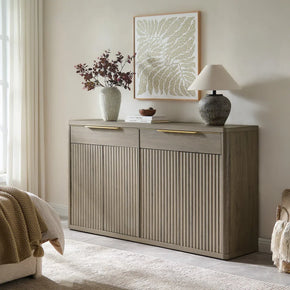
Sherpa blankets are low-effort, high-reward. Pile up, flat side down, cold-water wash, that’s basically the whole maintenance plan. They hold heat better than thin cotton throws and look better draped over a bed or a sofa arm. Pair them with furniture that keeps surfaces clean. The Stria Dresser with Large Drawers keeps clothing out of sight, so the sherpa pieces in the room read as chosen rather than deposited.
Hoodies and Casual Pullovers

Full-zip sherpa hoodies replaced light jackets for many people during autumn and early winter. Warm enough to go outside briefly, comfortable enough to wear all day indoors. The texture registers visually in a way that plain fleece doesn’t. If you’re making one at home, the relaxed silhouette is forgiving — sherpa hides seam imperfections in a way that most fabrics don’t.
Footwear and Winter Accessories

Sherpa lining inside slippers, boots, hats, and gloves does something simple: it puts warm fiber directly against skin. No intermediary. The pile traps heat almost immediately. Sherpa-lined slippers are noticeably warmer than unlined ones within the first minute of putting them on. That’s not a small thing in the morning in winter.
Home Décor and Furniture

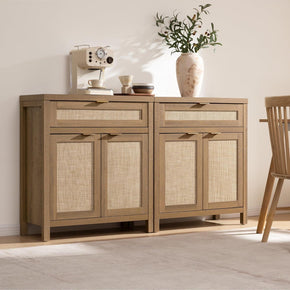
Sherpa on accent chairs, ottomans, and throw pillows became a real trend — and stayed one. The texture brings warmth into a room without requiring any effort beyond buying the piece. Living rooms and bedrooms with sherpa-upholstered accents benefit from clean storage nearby so the soft pieces feel curated rather than accumulated. The Helio Decorative Sideboard Cabinet does exactly that — grounded, structured, low profile, letting the sherpa pieces carry the softness.
Pet Products
Pets find Sherpa surfaces on their own. They don’t need to be introduced. The fabric is soft, warm, and — the part that actually matters for daily use — most versions survive machine washing without losing texture. Pet beds take a beating. Sherpa handles it better than many other soft fabrics in that space.
The Honest Pros and Cons
What Sherpa Does Well
- Soft the first time you touch it, no break-in
- Lighter than wool for similar warmth
- Affordable and easy to find anywhere
- Animal-free; recycled versions exist and work
- Machine-washable in most cases
- Flexible — clothing, blankets, furniture, accessories
Where It Lets You Down
- Pile mats and flatten with rough washing or high heat
- Attracts lint and pet hair like a magnet
- Acrylic blends start pilling within months
- The dryer on high heat is the fastest way to ruin it permanently
- Less breathable than real wool or polar fleece
- Sheds synthetic microfibers into wash water
How to Actually Wash Sherpa Fabric

The pile is the vulnerable part. Once it mats or clumps badly, getting it back is difficult and sometimes impossible. Every care decision is about keeping that pile intact.
Cold Water, Gentle Cycle Every Time
Hot water weakens synthetic fibers faster than anything else. Cold water cleans the sherpa fine. Gentle cycle. That’s non-negotiable if you want the pile to last. There’s no benefit to warmer water and a real risk in it.
Mild Detergent Only
Regular gentle detergent. Small amount. No fabric softener — it coats the fibers and makes the pile flat and slightly greasy over time, which is the opposite of what you want. No bleach. Bleach breaks down polyester and acrylic fibers fast and permanently discolors the pile.
Check Labels on Bonded Sherpa
A jacket with a denim exterior and sherpa lining has care needs driven by both fabrics, not just one. The label accounts for the full construction. Don’t assume a generic Sherpa Care approach applies to every bonded product — follow what’s printed on that specific item.
Air Dry If You Can
Dryer heat — even low heat, applied repeatedly over time — gradually flattens the pile. Hanging or laying flat to air dry keeps the texture longer. If a dryer is unavoidable, use the lowest heat setting; pull it out while still slightly damp, then reshape while warm.
Brush Carefully to Restore Fluffiness
Matted sections can often be lifted with a soft-bristled brush or a pet slicker brush. Gentle strokes in one direction. The goal is to separate the fibers, not scrubbing them — scrubbing does more damage than the matting did.
Using Sherpa for Sewing Projects

Bonded sherpa is manageable on a standard home sewing machine. The woven backing stabilizes it — prevents the stretching and shifting that makes unbonded sherpa frustrating to work with. If you haven’t sewn with pile fabrics before, bonded is the right starting point.
Practical things nobody warns you about: it sheds fibers when cut — a lot of them. Cut on a clean surface, cut once, and have a lint roller ready. Mark on the flat backing side because chalk and pen disappear into the pile immediately. Use clips in thick seam areas rather than pins. Trim seam allowances after construction to reduce bulk, and press open with a low iron. Sherpa doesn’t suit tailored or structured patterns — relaxed coats, vests, blankets, and casual accessories are its natural territory.
A bedroom with a lot of sherpa styling needs organized furniture underneath, or it reads as cluttered. Sicotas bedroom furniture — proper dressers, nightstands with actual drawer space — gives the room structure so the sherpa elements feel deliberate rather than piled on.
What to Look for When Buying a Sherpa
Not all sherpa is equal. The gap between a good piece and a cheap one shows up fast in regular use. Here’s what separates them:
- Pile density: thin, sparse pile mats within weeks. Dense pile holds shape and warmth significantly longer
- Backing quality: a firm, stable knit backing keeps the sherpa from stretching out with use
- Fiber content: polyester holds up better than acrylic under repeated washing
- Care label: machine-washable is worth more than dry-clean-only in everyday, real-world use
- Weight match to use: heavy bonded sherpa for outerwear and blankets, lighter unbonded for linings and accessories
FAQ
Is Sherpa a good fabric?
For cold-weather comfort, casual winter wear, blankets, slippers, home accessories — yes, genuinely good. Warm, soft, affordable, and usually washable at home. Not the right pick for high-sweat outdoor activities where you need breathability, and it won’t outlast quality natural wool under decades of hard daily use. But for most people’s actual sherpa use cases — a cozy jacket, a bedroom throw, slippers by the sofa — it delivers reliably.
Is Sherpa the same as wool?
No. Wool is a natural animal fiber. Breathable, odor-resistant, biodegradable, and expensive. Sherpa is synthetic, made to feel like shearling or wool without using animal products or costing as much. Sherpa is softer against bare skin for most people, machine-washable, and significantly cheaper. Wool breathes better, lasts longer under hard use, and has a smaller environmental footprint at the end of life—different materials do similar jobs.
Is Sherpa cotton or polyester?
Polyester is used in the vast majority of products. Sometimes acrylic, sometimes a polyester-cotton blend. Pure cotton sherpa is rare because cotton fibers don’t naturally build the dense, curly pile that defines the fabric. If you need to know exactly what’s in a specific product, the fiber content is on the care label.
Is sherpa 100% cotton?
Rarely. Most commercial sherpa is polyester-based or a blend. If you see 100% cotton on a sherpa-textured fabric, it’s likely a different construction than standard sherpa fleece. In everyday products — jacket linings, blankets, hoodies — cotton-only sherpa is essentially nonexistent.
Is sherpa 100% polyester?
Some products are. Others blend in acrylic, cotton, or recycled fibers. The label on that specific product is the only reliable answer. Recycled polyester sherpa (made from plastic bottles) performs comparably to virgin polyester — worth looking for if environmental impact matters to you.
Why is Sherpa expensive?
Basic sherpa fabric isn’t expensive. Prices climb when the pile is denser, the backing is higher quality, the fibers are recycled or premium-sourced, or when it’s bonded to quality outerwear fabric. Branded products incur design and construction markups on top of fabric costs. You’re usually paying for how the garment is made, not just what the sherpa is made of.
Is Sherpa very warm?
Yes. The raised pile traps air against your body the same way wool does — that’s where the warmth comes from. Sherpa-lined jackets, blankets, and slippers all perform noticeably well for everyday cold weather. For serious outdoor work in extreme temperatures, technical insulation outperforms it. For regular daily cold — the commute, the sofa, the morning kitchen before the heating warms up — sherpa is plenty.
The Short Version
Synthetic. Usually polyester. Two-sided — curly pile on one, flat knit on the other. Built to feel like shearling or wool at a fraction of the price. Warm, soft, machine-washable if you treat it right. Cold water, no fabric softener, away from high heat. Do those three things, and a good sherpa piece stays soft for years.
Whether it’s a jacket, a blanket, a chair, or slippers — now you know exactly what you’re buying.
Sources
- Wikipedia — Sherpa (fabric) — Trademark history, fiber composition, and textile classification.
- Jong Stit — What Is Sherpa Fabric? — Material types, fleece comparison, and construction properties.
- Living Textiles — 6 Amazing Characteristics of Sherpa Fabric — Insulation, moisture-wicking, maintenance, and softness characteristics.
- Tint of Mint Patterns — Sherpa Fabric Guide for Sewists — Construction, bonded sherpa behavior, and sewing guidance.
- Free Fly Apparel — What Is Sherpa Fleece? — Sherpa vs polar fleece, care instructions, and wear advice.
- Ice Fabrics — Faux Fur vs Sherpa — Texture, construction, warmth, and use-case comparison.
- Better Homes & Gardens — Sherpa in home décor and cozy interior context.
- The Spruce — Types of Fleece Fabric — Fleece vs. Sherpa Types, Warmth Ratings, and care by fabric type.


Stay In The Know
Expert advice. Very good deals. The absolute best (and worst) things we've tested lately.
Looking for something else?

10 Entryway Organization Ideas That Actually Work
LEARN MORE
Rattan Shoe Cabinet: A Practical Guide to Style, Storage, and the Right Fit
LEARN MORE
Arched Bookcase Ideas 2026: How to Build, Buy, and Style 15 Stunning Picks
LEARN MORE
TV Stand Height Guide: Find the Perfect Height for Your TV
LEARN MORERead more from Blogs
Looking for something else?

Buffet vs Sideboard: What Is a Buffet Cabinet and Which One Do You Need?
LEARN MORE
How to Style a Rattan Sideboard in Your Living Room
LEARN MORE
Large TV Stand Buying Guide: What to Consider for 65, 75, and 100-Inch TVs
LEARN MORERead more from Blogs
You may also like


Further reading

Dining Room Rugs: How to Choose the Right Size, Shape, and Material

Living Room Rug Placement: How to Choose the Right Size and Rug Placement Layout