




Rattan Shoe Cabinet: A Practical Guide to Style, Storage, and the Right Fit
Okay, real talk. For roughly the first half-year after we moved into our place, the entryway was a disaster. Not cluttered. Disaster. My running shoes flopped open by the welcome mat. My husband's work boots ended up wherever he kicked them, usually angled into the wall. There were these black sandals I'd worn maybe twice that I kept meaning to put away, and a pair of glossy dress shoes from a 2023 wedding still sitting inside their cardboard box. Visitors did the little side-step dance to clear the pile every time they walked in. Mortifying. I bought a basket from Target — it overflowed by the second weekend. Tried a wire rack from Amazon next, and that thing actually tipped over on day three. So one random Sunday evening in February, I scrolled until I found a rattan shoe cabinet that didn't look like a piece of storage equipment, more like something I'd actually want to look at, and ordered it. About three winters back now. The pile hasn't returned since. If you're standing there, staring at your own heap of shoes, wondering whether a single cabinet can really change anything in your hallway, the short answer is yes. The rattan kind has a few quiet advantages over plain wood, though, and getting a good one comes down to four or five small choices most shoppers don't think to make. Walking you through every one of them below.
Why a Rattan Shoe Cabinet Belongs in Your Entryway

Talk to anyone who's switched from a basic wooden shoe cabinet to a rattan one, and they usually circle back to the same handful of things.
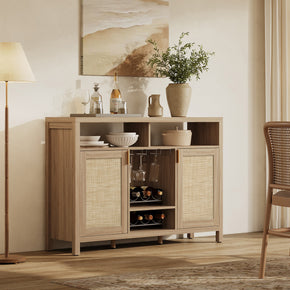
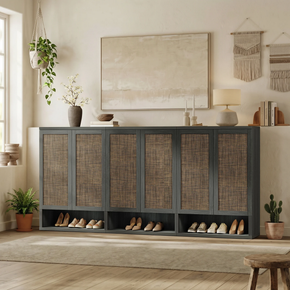
The look is the easy one. Rattan's just easier on the eyes. Solid wood can dominate a hallway, especially in darker stains — the cabinet starts feeling like furniture from a hotel lobby. Laminate looks cheap regardless of what you paid. Woven panels behave differently. Light hits them and breaks up. The texture pulls focus. The whole piece reads like furniture rather than something you bought to solve a clutter problem.
Then there's the smell, which nobody warns you about until you've lived through it. Boots and sneakers trapped behind a sealed plywood door will absolutely start fermenting after about ten days. Maybe two weeks if your shoes were dry when you went in. Open weave fixes this. Air moves through the cabinet. You stop noticing what's inside.
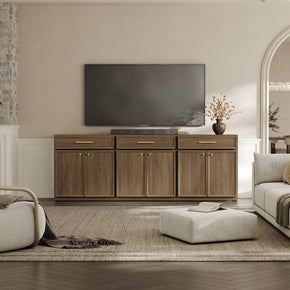
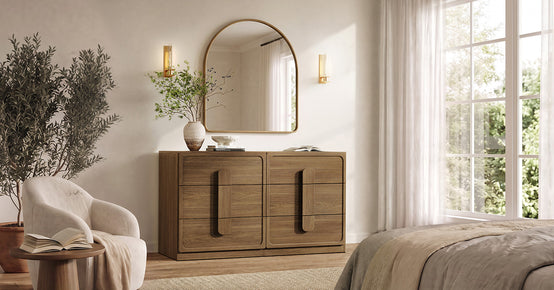
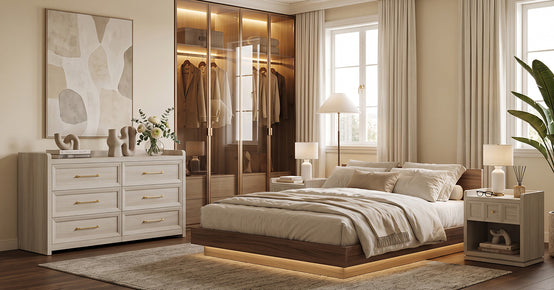
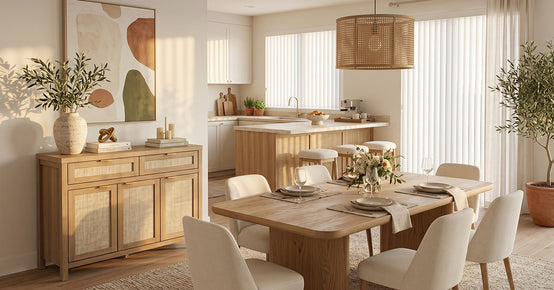
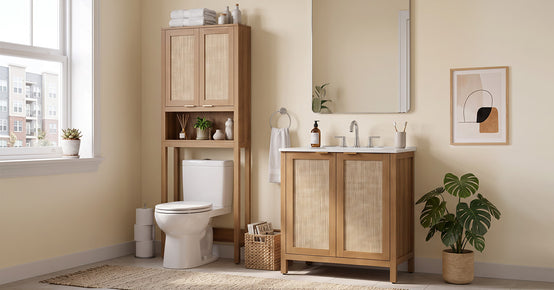
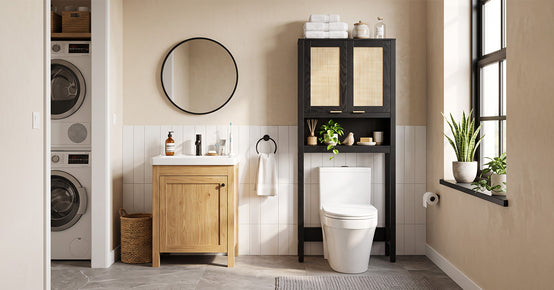
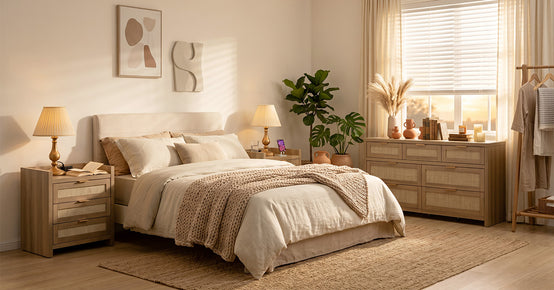
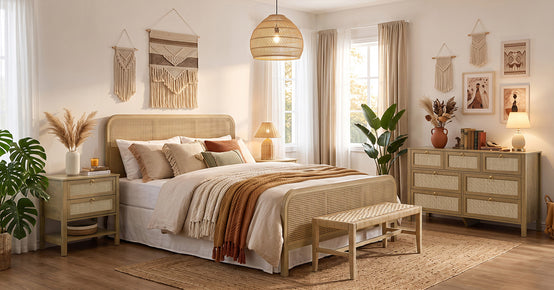
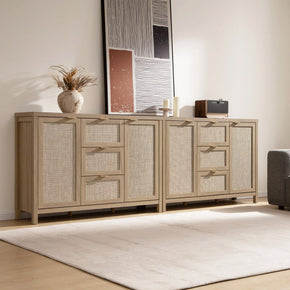
Versatility is the third thing. I've seen this style of cabinet sit naturally in spaces as different as a friend's converted-warehouse loft in Brooklyn and my aunt's century-old colonial up in Vermont. Try doing that with a brushed steel locker. Sicotas's broader catalog — you can browse the whole thing through modern furniture pieces from Sicotas — threads this same rattan look through dressers, nightstands, and sideboards. The shoe cabinet is the smallest piece in the lineup. Probably the one that earns its keep fastest, day to day.
What to Look For When Choosing a Rattan Shoe Cabinet
Four calls to make before clicking checkout. How many pairs does the cabinet have to hold? Whether the doors flip or swing. What it's actually built from. And whether the dimensions match the wall you're putting it on. Get any one of those wrong and you'll either end up shipping it back or quietly resenting it for the next year.
Pair Capacity

Most people skip counting—big mistake.
Walk to your door and just look. How many pairs are out right now? Then think about the ones tucked into your closet that you still wear — flip flops for July, snow boots come December, the dress pair you barely touch but won't toss. Most adults living alone have between six and twelve pairs total. Multiply by however many people are in the house. Add a small buffer for visitors and the seasonal stuff that hibernates for ten months at a time.
Don't buy a cabinet that holds exactly that. Buy bigger. The single most common 'I should've sized up' comment I hear from friends is exactly this one — they matched current shoe count to capacity, and a year later they were back at a pile around the cabinet. The Savanna rattan shoe cabinet lineup runs from a 20-pair slim flip up to a 30-pair tall version, all in the same caramel-oak finish. Useful when you eventually need a second cabinet and don't want your hallway looking like a mismatched garage sale.
Door Type: Flip vs. Swing vs. Sliding

The hallway width pretty much makes this decision for you.
Standard residential hallways are 36 inches wide. Every swing door eats six to ten inches of that space the second it opens. In a real foyer with breathing room? Whatever, no big deal. In a tight apartment hall? You'll resent it inside a week, easily.
- Flip-down doors tilt open from the top and stay within the cabinet's own depth. Best pick for tight entries and apartment hallways.
- Swing doors open like a kitchen cabinet. You see the whole interior at once, which is nice, but you need clear floor space in front of you: foyers, not hallways.
- Sliding doors. Pretty rare on rattan, but they exist. Save floor space at the cost of only being able to see half the cabinet at any given moment.
Narrow entry? Flip-doors. End of conversation. The Savanna Rattan Double Flip Shoe Cabinet is exactly what to look at if you're shopping right now — two flip drawers, slim depth, woven fronts that keep the cabinet from feeling like a slab pushed flat against the wall.
Material Quality: Real Rattan vs. Rattan-Look
Two main types of rattan are sold to shoppers. Worth knowing the gap between them before you spend anything.

Real rattan is woven from cane or stripped palm vine. Get close to a piece, and you'll spot small irregularities — a strand running a bit crooked, a tiny shade variation across the weave. Feels warm under your hand. That tactile thing is half the reason rattan even sells the way it does in 2026.
The other version is PE rattan. Plastic resin shaped to mimic real weaving. It handles outdoor use much better than natural rattan, which is fine for porch furniture. Indoors, though, in a hallway, you touch every single day? Get the real material. Plastic loses the entire warmth thing that probably drew you to rattan in the first place.
Frames will pretty much always be engineered wood. That's totally fine. Two things to double-check, though. The back panel needs to be rigid (not the stapled cardboard you'll occasionally find on budget pieces), and the shelves have to adjust. Fixed shelves waste a stupid amount of vertical room, and the second is a pair of boots that refuse to fit. The Terra rattan shoe cabinet for entryways is a reasonable example to compare against — real woven front, solid frame behind it, adjustable shelves, a footprint that doesn't dominate the entry.
Dimensions: Width, Depth, and Height
Get a tape measure out before you start shopping. Seriously. Three numbers to write down:
- Depth typically runs 10 to 14 inches on most rattan shoe cabinets. Past 14, the cabinet starts visually crowding the hallway.
- Slim units land at 24 to 32 inches wide. Standard ones are 36 to 48. Anything over 60 inches wants a real foyer or mudroom — wedge that into a narrow hall and the whole layout looks off.
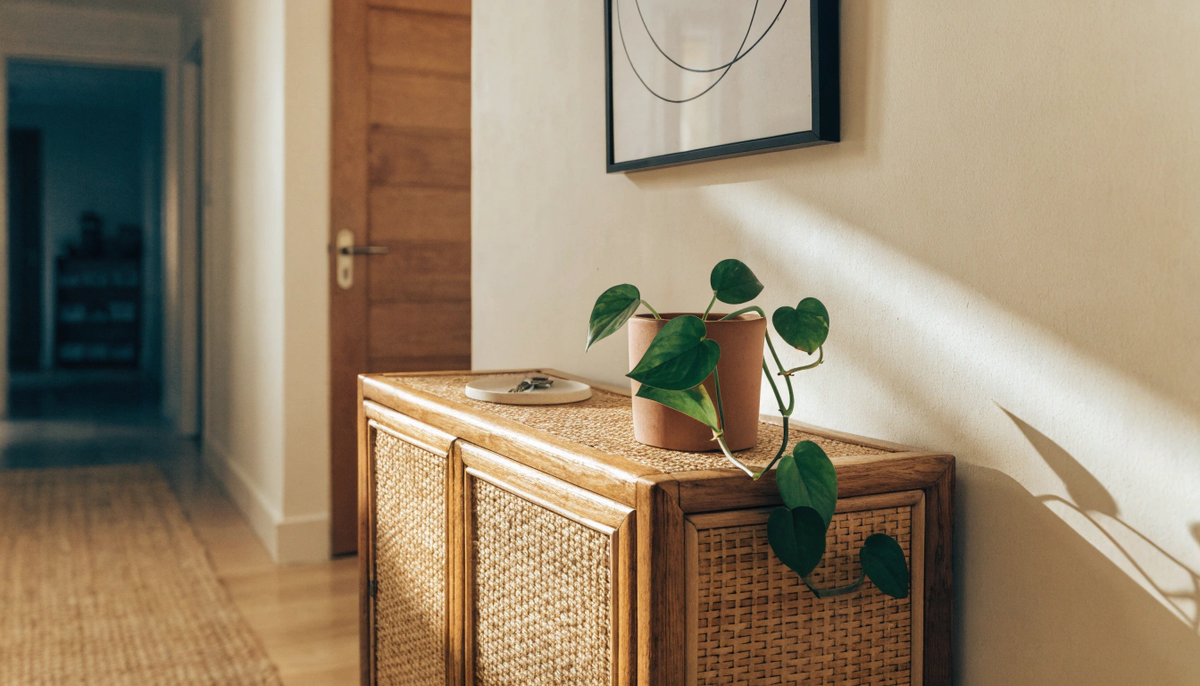
- Height matters more than people guess. Shorter cabinets (34 to 38 inches) work as a console too — set a tray, a lamp, a small plant on top. Taller ones hold more shoes, but you lose that surface area.
|
Cabinet Type |
Width |
Depth |
Best For |
|
Slim flip |
24–32 in |
10–11 in |
Narrow hallways, apartments |
|
Standard 2-door |
36–48 in |
12–14 in |
Most homes and foyers |
|
Tall multi-tier |
32–40 in |
12–14 in |
Higher pair counts, vertical space |
|
Modular set |
60+ in |
12–15 in |
Mudrooms, large families |
Rattan Shoe Cabinet Sizes Matched to Household Type

A 20-pair cabinet is plenty for one person and pretty hopeless once you've got a family of five. Here's roughly how I'd tell a friend to think about sizing, depending on who lives in their place.
|
Household |
Recommended Capacity |
Cabinet Style That Usually Works |
|
Solo/couple |
20 pairs |
Slim flip-door, 24–32 in wide. Doubles as a console. |
|
Small family (3–4) |
24–30 pairs |
Standard 2-door or tall multi-tier with adjustable shelves. |
|
Larger household (5+) |
50–70 pairs |
Modular sets or paired tall units. Mudroom-friendly. |
|
Frequent guests / Airbnb |
30+ pairs |
Open the lower shelf for visitors, plus the closed top tier. |
Bigger households tend to outgrow a single cabinet pretty quickly — usually within the first twelve months of moving in. Going modular from the start is a smarter play. The Zura 3-Piece Rattan Shoe Cabinet combines three units into a single 70-pair setup that reads as one piece of furniture rather than three cabinets shoved side by side.
Styles of Rattan Shoe Cabinets and How to Pick Yours
Same rattan, different frame around it, and you'd swear you were looking at completely different rooms.

The material flexes hard depending on what's surrounding it.
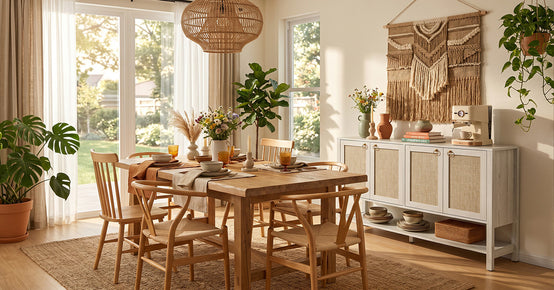
- Boho and farmhouse. Honey or caramel oak frame, natural rattan front. Pair it with a linen runner, a stoneware planter, and brass hooks above. You've already seen this version a hundred times on Instagram.
- Modern minimalist leans on black or white frames with rattan panels. The contrast keeps the piece from going rustic. Slots into clean apartments without arguing with anything.
- Coastal: light wood, sun-bleached rattan, baskets nearby. Anywhere you've got good natural light, this version really lands.
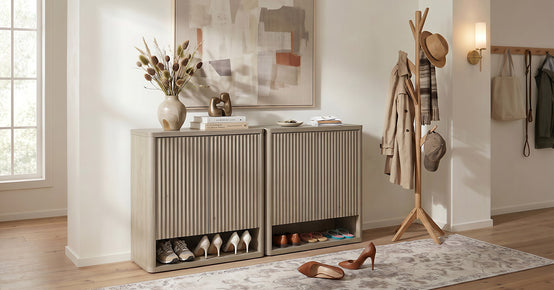
- Japandi is the quiet one. Pale frame, tight cane weave, cabinets that hug the floor. Intentional. Almost gallery-like if you do it right.
- Mid-century gives you tapered legs, a walnut- or teak-toned frame, and a finer weave. Sits well next to a vintage runner or a brass pendant overhead.
If you'd rather just scroll formats side by side, the full entryway shoe storage and benches lineup puts cabinets, benches, and modular sets in one place. Worth a few minutes if you're matching to something you already own.
How to Style a Rattan Shoe Cabinet in Your Entryway

A cabinet against a blank wall looks like a furniture showroom shot. A couple of small additions, and the whole entryway suddenly feels like it was actually designed rather than assembled.
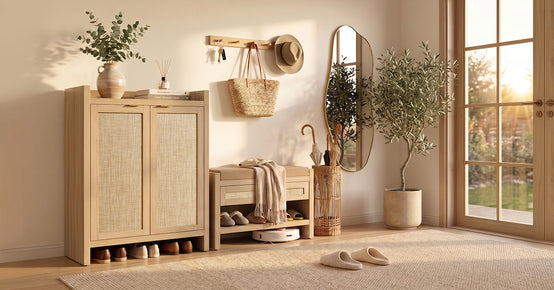
- On top, keep it simple. A shallow ceramic tray for keys and sunglasses. A low planter. Something framed on the wall above — print, mirror, whatever. Three things. Don't add five; it'll start looking cluttered.
- Beside the cabinet, run a thin rug or runner that picks up one of the tones from the rattan. Tan, cream, rust — borrow the color from somewhere else in the room so nothing fights.
- Near it, if you've got floor space, add a shoe bench. Tying laces standing up gets old around year two. A bench with a cushion or a lift top adds function and visual balance.
- Above the cabinet, hooks at shoulder height for jackets. Skip the full coat rack unless your ceilings can carry one without it looking out of proportion.
The Savanna Flip-Open Rattan Shoe Bench is the natural partner to a tall cabinet from the same family. Same finish, matching rattan tone, and the lift-top seat hides off-season shoes that the cabinet itself can't fit. Function and a cohesive look, both ticked.
For broader styling reference points, HGTV's collection of shoe storage and entryway ideas features 20+ real-home setups across budgets and styles. Useful for picturing how a cabinet actually integrates into a room, rather than how it photographs on a manufacturer's catalog page.
Caring for a Rattan Shoe Cabinet (So It Actually Lasts)

Rattan asks less of you than you'd guess. Tiny bit of regular care, though, and it'll outlive most of the engineered furniture sitting in your house.
- Dust it once a week with a soft brush, or use the brush attachment on your vacuum. Dust catches in the weave faster than on flat wood, and it'll dull the color over time if you let it build up.
- For a deeper clean, use a slightly damp cloth with a drop of dish soap. Don't soak it. Water sitting on rattan invites mold within weeks.
- Keep it out of direct sunlight if you can. UV fades natural fibers — park a cabinet in front of a south-facing window for two summers, and you'll see the color shift.
- Indoor use only. Real rattan isn't built for porches or unheated garages. Synthetic PE rattan is the version that handles outdoor conditions.
- If a strand pops loose, push it back into place and dab a drop of wood glue on it with a toothpick. Catch the problem early before it spreads down the row.
Stay on top of those five things, and you're easily looking at a decade-plus of use. I've seen rattan pieces from the 1970s still holding up fine.
Pros and Cons of a Rattan Shoe Cabinet

Quick,k honest take on both sides before you commit to one.
|
Pros |
Cons |
|
Natural airflow keeps shoes from smelling |
Not suitable for damp or outdoor spaces |
|
Lighter than solid wood — easier to move |
Dust settles in the weave and needs regular care |
|
Adds warm texture, softens cold hallway walls |
Direct sunlight fades the natural fibers over time |
|
Works across boho, modern, coastal, and Japandi |
Real rattan costs more than rattan-look PE |
|
Sustainable material — fast-growing palm vine |
Less impact-resistant than steel-framed options |
FAQs
What is a rattan shoe cabinet?
It's basically a storage cabinet for shoes that uses woven rattan panels on the doors, the sides, or both. The frame underneath the weave is normally engineered wood or solid wood. The weaving isn't only there for looks, either. It lets air circulate inside the cabinet, which is what keeps closed shoes from getting funky after a few weeks.
How many pairs of shoes can a rattan shoe cabinet hold?
Depends entirely on the model. A standard two-door cabinet usually holds somewhere between 15 and 24 pairs. Tall multi-tier units fit closer to 30. Modular and triple-unit cabinets push capacity into the 50 to 70 pair range. Watch what the manufacturer lists carefully, though — those capacity numbers almost always assume thin shoes, so plan for less if your collection is mostly boots and chunky trainers.
Is a rattan shoe cabinet durable?
Yes, if you keep it indoors. Real rattan is a strong palm fiber that handles years of daily wear without complaint. The engineered-wood frame underneath is fine for normal loads, too. The actual catch here is moisture — leave a rattan cabinet sitting in a damp garage or on an unheated porch, and you'll see it deteriorate way faster than one living in a dry hallway.
How wide should a rattan shoe cabinet be for a narrow entryway?
Target a width somewhere in the 24 to 32-inch range and a depth of around 10 to 11 inches. A flip-door design is genuinely worth paying a little extra for if your space is tight. The doors stay within the cabinet's depth when open, so you can stand right in front of them without doing that awkward side-step every single time you need a pair of shoes.
Is rattan or solid wood better for a shoe cabinet?
Honestly, it depends on what matters most to you. Rattan beats solid wood in airflow, weight, and warmth — visually and physically. Solid wood beats rattan in dent resistance and ease of wiping down. For an entryway, you actually want to feel welcoming when guests arrive, so go with rattan. For a mudroom that gets beaten on daily by kids, pets, and dirty sneakers? Solid wood is the smarter call.
How do I clean a rattan shoe cabinet?
Weekly dusting with a soft-bristled brush or even an old, clean paintbrush — anything that can poke into the weave. About once a month, wipe the cabinet down with a damp cloth and a drop of mild soap, then dry it off right after. Stay away from bleach and harsh cleaners. They eat into the natural fibers, and the damage is mostly permanent once it starts.
Can a rattan shoe cabinet be used in a humid bathroom or porch?
Natural rattan should really stay indoors in a climate-controlled space. Humidity invites mold into the weave, and once it starts, it's a nightmare to clean out fully. If you need shoe storage somewhere damp — bathroom, garage, covered patio — look at synthetic PE rattan instead—same woven look, but built specifically to handle moisture.
Are flip-door rattan shoe cabinets better than swing-door versions?
For tight spaces, yeah, no question. Flip doors stay tucked inside the cabinet's depth when open, so they never block a narrow hall. Swing doors are honestly better in some ways — easier access, more flexible stacking — but they need clear floor space in front of them, which not every entryway has. Pick the door type based on your actual floor plan, not on which one photographs better in product shots.
Sources
The recommendations and care guidance throughout this article draw on these published sources:
- Apartment Therapy — Here's a Primer on the History of Rattan Furniture and Decor. Background on rattan as a material, its origins, and why it has returned to interior design.
- HGTV — 24 Best Shoe Storage Ideas. Roundup of entryway shoe storage formats with practical use cases.
- Family Handyman — 9 Entryway Shoe Storage Ideas You Must Know. DIY-friendly entryway organization tactics with capacity guidance.
- Homes & Gardens — Organize Shoes: 10 Top Tactics to Keep Footwear Neat—designer-led guidance on rotating shoes by season and entryway-specific storage.
- Drew & Jonathan (Property Brothers) — 14 Entryway Shoe Storage Ideas to Cut the Clutter. Real-home examples of slatted-door cabinets and dimension guidance for narrow entries.
- Driven by Decor — 7 Entryway Shoe Storage Ideas. Practical solutions for shoe-free households, including small-cabinet setups and storage bench pairings.
- Homes & Gardens — How I Keep Shoes Hidden in My Small Entryway. First-person breakdown of solving entryway shoe clutter with closed storage in a small home.


Looking for something else?

Furniture Materials Guide: Picking the Right Material Room by Room
LEARN MORE
How to Mix Wood Tones Without Making a Room Look Mismatched
LEARN MORE
18 College Apartment Furniture Ideas That Save Space and Money
LEARN MORE
Types of Entertainment Centers: 11 Designs and How to Pick One
LEARN MORELooking for something else?

Curio Cabinet Decor Ideas: How to Style a Display Cabinet Without the Clutter
LEARN MORE
Curved Furniture: How to Style, Measure, and Buy It in 2026
LEARN MORE
What Is Rattan Furniture? A Buyer Guide to Types and Care
LEARN MORE


Further reading

How to Choose a Nightstand for a CPAP Machine

How to Choose a Shoe Cabinet for Men's Sizes, High-Tops, and Bulky Shoes


