

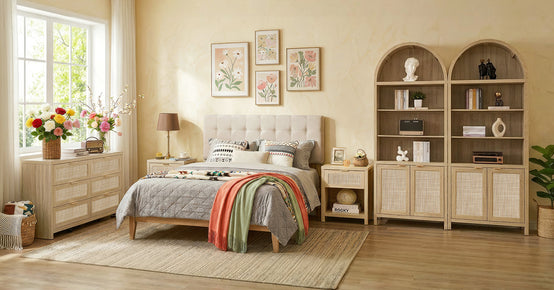
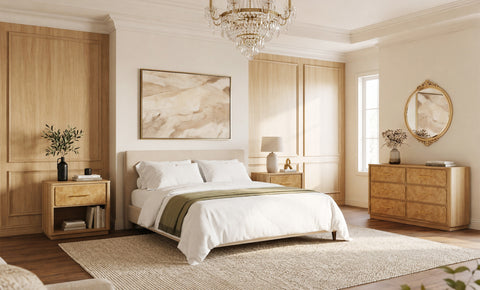
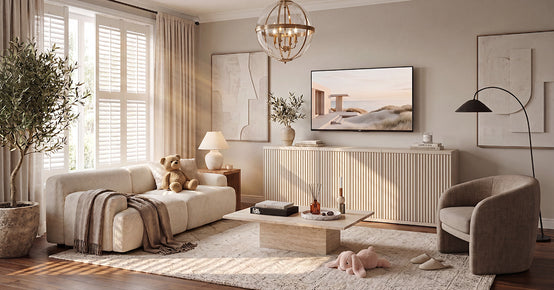
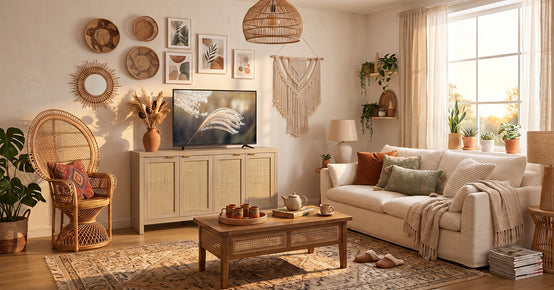
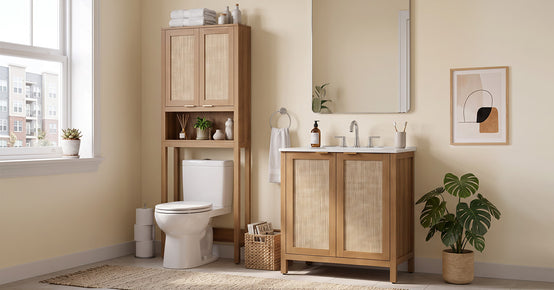
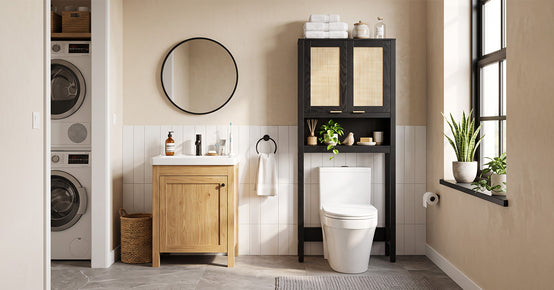
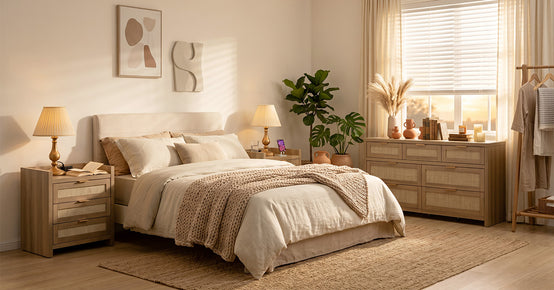
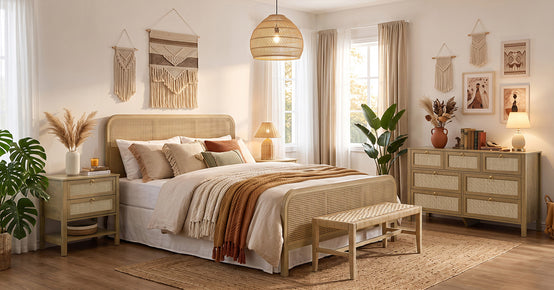
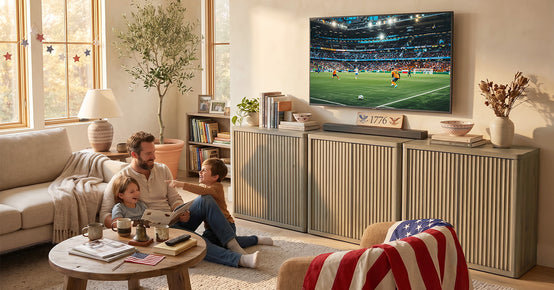
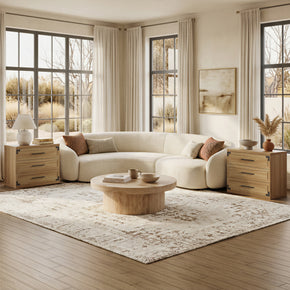


How to Style a Rattan Sideboard in Your Living Room
Let me set the scene first. About three years ago, we moved into our current place — tall white walls, dark hardwood floors, the kind of clean apartment that photographs beautifully on Zillow and feels like a doctor's office once you actually live in it. The dining room was the worst offender. My grandmother's long oak table sat in the middle with absolutely nothing around it. No art yet. No rug. Zero warmth anywhere. Every dinner-party guest who walked in did this thing where their eyes scanned the room real quick, and they said something diplomatic like 'oh wow, it's really clean!' — which is basically the polite way of saying 'I have literally nothing nice to say about this space.' Mortifying. I tried fixing it for months. Bought a rug. Hung a couple of prints. Marginal improvement, the room still felt like a showroom display.
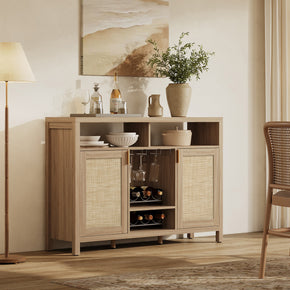
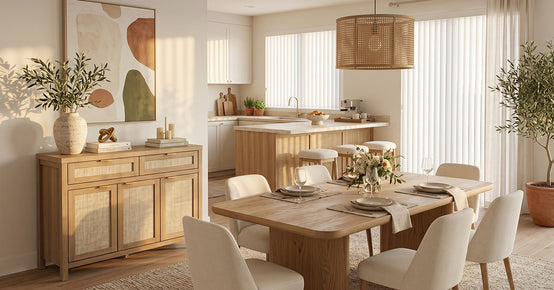
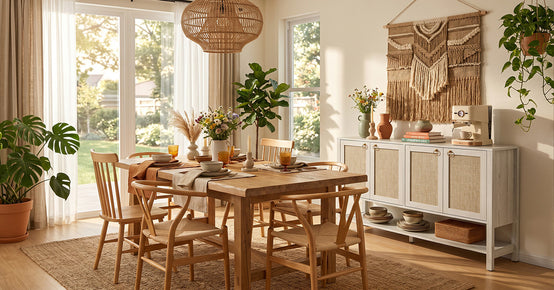
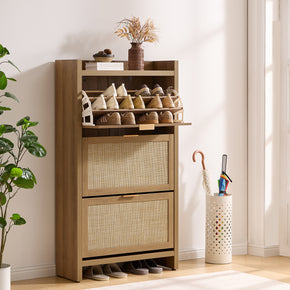
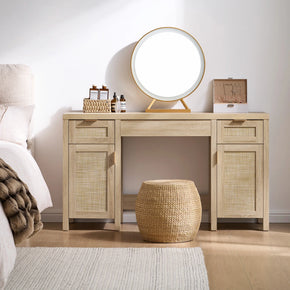
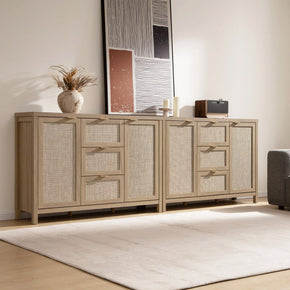
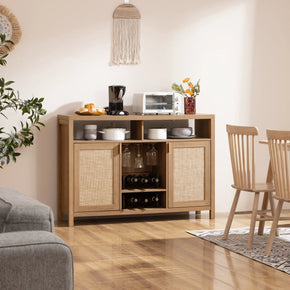
Then last summer I caved and ordered a rattan sideboard off an Instagram ad — caramel-oak frame, cane fronts, three drawers, two cabinet doors — and shoved it against the back wall opposite the table.This Homes & Gardens styling guide has plenty of inspiration if you're trying to picture how a piece like this can shift the feel of a room, though the difference it made in mine was honestly bigger than any of the staged photos let on.
Within a week, the room transformed completely. Suddenly, there was texture. Warmth. A flat surface to pile dinner-party junk on. Honestly, I should've done it about eighteen months earlier. If your own living or dining room is in that 'looks fine, feels off' zone right now, this is probably the missing piece. Below is what I'd tell a friend who texted me asking what to buy. Start with five styling tips to help your rattan sideboard actually earn its spot in the room. Then, sixteen rattan sideboards I'd genuinely recommend, followed by how to pick a good one — and keep it looking right for the next decade.
Five Ways to Style a Rattan Sideboard
Buying the cabinet itself is the easy part, weirdly enough. The styling around it is what makes the difference between a room that looks pulled-together and one that just happens to contain a nice piece of furniture. Five things that genuinely matter.
Pair It with Contrasting Textures

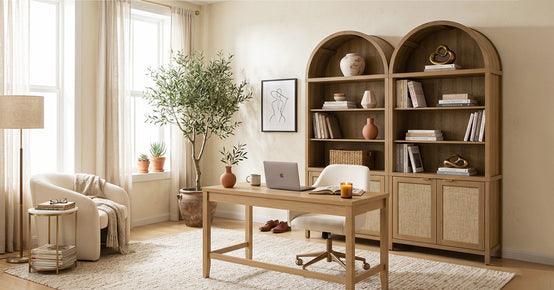
Rattan is texture-heavy, so it can visually disappear if everything around it is, too. Counterintuitive but true. The trick is leaning hard into contrast — not into matching. Smooth linen sofa, chunky knit throw, slim brass floor lamp, glossy ceramic vase. Smooth meets woven. Hard meets soft. The cabinet suddenly stands out instead of melting into the room.
Don't go rattan-on-rattan-on-rattan. I made that mistake exactly once — bought the sideboard, a rattan armchair, and a woven pendant light, all for the same dining area. Mixing too many rattan furniture pieces in one space stops feeling intentional and starts feeling like a beach rental. Looked like a Pottery Barn catalog from around 2009. The armchair went to my mother-in-law's beach house within a month.
Layer in Earthy Color Accents

Rattan's natural tone sits in the warm honey-beige range. Plays well with almost anything, but really sings against deep greens, terracotta, rust, ocean blue, and matte black. Throw pillows are the easiest entry point — small commitment, big visual return. Artwork above the cabinet works the same way.
Avoid the trap of going all-neutral. Beige cabinet + beige walls + beige pillows + beige rug is the surest way to make rattan disappear. Even one bold color in the room (a single rust pillow, a sage planter, a forest-green print on the wall) wakes everything up.
Anchor the Zone with a Rug

Throw a rug under or directly in front of the sideboard. It grounds the whole area. Jute, sisal, vintage Persian, Moroccan — pattern is a friend here, not the enemy. The visual weight of a patterned rug balances the rattan's texture above it.
Then drape a throw over a nearby armchair or sofa arm so the warm neutral tones echo around the room—wool, cashmere, faux fur, chunky knit, all good. Skip the thin polyester throws — they look cheap next to natural fiber, and the contrast is brutal in person.
Bring In Plants and Greenery

Plants are honestly the cheat code. Pick one: a tall fiddle-leaf fig in a ceramic pot beside the cabinet, a low pothos on top of it, dried pampas grass in a stoneware vase. Don't try to do all three. Terracotta planters best echo the natural-materials feel. Ceramic and stoneware work too.
Nervous about real plants? Buy one decent faux fig from a reputable home brand. Nobody can tell from across a room. It never dies. The 'I'm bad with plants' excuse stops being an excuse in 2026 — fake plants got really good somewhere around 2022.
Light It Properly (Most People Skip This)

Lighting is the one thing almost everyone skips, and it's the one thing that genuinely transforms a sideboard at night. A pair of small table lamps on either end, warm bulbs around 2700K, and suddenly the woven panels start catching light and throwing shadow patterns you don't get during the day. Pendant or wall sconces above also work. Cool white bulbs absolutely kill the vibe, though — don't do it. BrowsingSicotas's rattan sideboard and buffet collection is genuinely useful here — the same piece is shown in a few different room setups and lighting conditions, which tells you a lot more than the studio-lit hero shots most furniture brands rely on.
16 Rattan Sideboards Worth Considering
Picked these because they cover the actual range of what a cane or rattan sideboard can be — slim entryway pieces, big dining-room buffets, modular sets, arched mid-century shapes, glass-fronted display cabinets. Mix of finishes, door styles, and sizes. Most have adjustable shelving inside, which matters more than people realize once you start actually storing things.
1. Savanna Boho Sideboard

This is the one I'd point a first-time buyer toward. The Savanna Boho Sideboard in natural rattan hits the sweet spot: looks expensive, functions like real storage, and doesn't shout. Cane fronts, caramel-oak frame, two cabinet doors with adjustable shelves behind them. Hard to make a mistake here. Honestly, my own dining room is the closest cousin of this one, and three years in, I still like it.
2. Zura Rattan Sideboards, 3-Piece Sectional Set

Big family? Serious dining room? The Zura 3-Piece Sectional Rattan Sideboard Set answers both. Three modular units connect into one long credenza-style piece — plenty of room for dinnerware, linens, glassware, and the random board-game collection nobody admits to owning. The sectional design reads as one cohesive piece, not three cabinets jammed together. That last part matters more than the spec sheet suggests.
3. Terra Rattan Sideboard Cabinet

Style runs cleaner than boho? Japandi, organic modern, Scandinavian? The Terra Rattan Sideboard Cabinet, with its modern storage console design, is probably more your speed. Pale frame, tighter cane weave, lower profile that doubles nicely as a TV console if your living room needs it to. Quieter piece overall. Doesn't yell 'I'm rattan, look at me' the way some of the chunkier boho versions do.
4. Terra Buffet Cabinet with Rattan Doors

Pure dining-room workhorse. Deeper interior shelves than most slim sideboards offer — a detail nobody ever mentions in product copy until you actually try to fit a Thanksgiving platter inside one of the slimmer versions and discover it doesn't go. The Terra Buffet Cabinet with rattan doors for dining storage holds real-sized serving dishes. Cane fronts also keep dust out of your dinnerware between parties. If you've ever owned a glass-fronted display cabinet, you'll appreciate that point.
5. Savanna Sideboard with 3 Drawers and 2 Doors

Look at the layout, not just the look. The Savanna Sideboard with 3 drawers and 2 doors combines both kinds of storage in one piece. Drawers for cutlery, napkins, candles, and the small, findable stuff. Doors for serving bowls, platters, and table linens. Most rattan sideboards force you into one or the other. This is the hybrid that actually makes day-to-day use easier.
6. Savanna Cabinet with Arched Rattan Doors

Arched doors are the trend that hasn't worn out yet. Doesn't look like it's going anywhere either. The Savanna Cabinet with 2 arched rattan doors is one of the more elegant arched versions in this price bracket. The curve softens the boxy silhouette in a way that flat-door cabinets just can't match. Looks especially good under a large leaning mirror or a horizontal piece of wall art.
7. Savanna Buffet Cabinet with 2 Arched Doors

Same arched-door look as number six, but taller and deeper, sized properly for actual dining use. The Savanna Buffet Cabinet, with 2 arched doors, has interior shelves specifically designed for serving platters. The double-arch front has a faintly Moroccan vibe. Works really well in transitional dining rooms that mix older and newer pieces and need something to bridge them.
8. Savanna 43.5-Inch Wide Buffet Cabinet

Working with limited wall space? The Savanna 43.5-Inch Wide Buffet Cabinet with dining storage is the apartment-friendly cousin to the bigger Savannas. Same cane-front look, smaller footprint, plenty of capacity for households of two to four. Also, a solid choice for breakfast nooks where a full-size buffet would dominate the corner.
9. Stria Sideboard Cabinet with 2 Doors

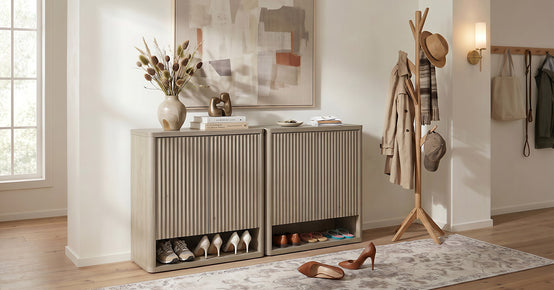
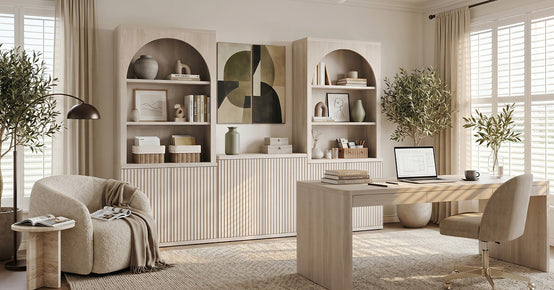
Slight departure from rattan here — worth including anyway. The Stria Sideboard Cabinet with 2 doors trades cane weaving for vertical fluted door panels. Same kind of warmth, more architectural feel. If your living room leans mid-century or contemporary and pure boho feels too loose, this is the swap. Adjustable interior shelving is standard.
10. Stria Buffet Cabinet with 3 Doors

Wider, same fluted aesthetic, more storage. The Stria Buffet Cabinet with 3 doors for dining room storage offers three separate enclosed compartments rather than a single cavernous interior. Useful when you entertain a lot and don't want to dig through every cabinet looking for a particular serving spoon. Organization-by-section is genuinely underrated.
11. Helio Glass-Door Sideboard Cabinet

It's a whole different category from everything else on this list. The Helio Glass-Door Sideboard Cabinet is for displaying, not hiding. Glass-paneled doors instead of cane or solid wood. Great pick for ceramic collections, glassware sets, art books, vintage china — anything you've built up over the years and want actually to see. Two warnings before you commit: keep the inside lit so the contents don't disappear into shadow, and skip this one entirely if you've got curious kids or cats.
12. Crescent Sideboard with 2 Doors

Quieter silhouette than most of the Savannas. The Crescent Sideboard with 2 doors has cleaner lines and a slightly more European feel. Best fit for smaller dining rooms, where a busier cabinet would visually compete with everything else in the room. Pair it with one decent piece of art above, one vase, maybe a small plant. Stop there. The piece looks better with restraint.
13. Cas Sideboard with 4 Doors

Need to store actual quantities of stuff? The Cas Sideboard with 4 doors for the living or dining room is wider than most pieces on this list — with four separate cabinet doors and interior shelving throughout. Modern silhouette, less explicitly boho, more clean-lined contemporary. Earns its keep in home offices and media rooms just as easily as dining spaces. Versatile in a way fewer pieces actually are.
14. Willow Sideboard Buffet with Doors

Farmhouse-leaning version for people whose interior style runs more rustic than boho. The Willow Sideboard Buffet with doors pairs natural wood tones with simpler door panels — looks like the kind of piece you'd find at a really well-curated estate sale, in the good sense, not in the 'needs three weekends of refinishing' sense: roomy interior, solid build, and easy blending with vintage and reclaimed elements.
15. Savanna Black Rattan Credenza

Want the piece to be the statement instead of the supporting actor? Go dark. The Savanna Black Buffet Cabinet in boho rattan credenza style swaps the caramel oak for a deep black finish, turning the cabinet into the focal point of the room. Looks best against pale walls, near tall windows, or in rooms with lots of light-wood elements that need a visual anchor. Just be sure. Black is a commitment. Pretty hard to walk back if you change your mind.
16. Savanna Bar Cabinet with Glass Holder

Closing out the list with a niche-but-useful pick. The Savanna Bar Cabinet with glass holder in light oak technically falls into the bar-cabinet category, but functions as a slim sideboard with built-in stemware storage. Entertain even occasionally — wine nights, weekend cocktails, the random Friday-evening negroni? This one pulls double duty, and the built-in glass rack ends up being one of those small features you didn't know you wanted until you have it.
How to Choose the Right Rattan Sideboard

Reading product specs only gets you so far. The actual difference between 'great purchase' and 'returned within two weeks' usually comes down to how the cabinet plays with your existing room — not the cabinet itself. A few things worth thinking through first.
Measure the Space First. Always.
Width, depth, height. In the exact spot the cabinet will live, not a rough estimate. Then add about ten inches of breathing room on each side so the piece isn't crowding whatever's beside it. People consistently underestimate the visual footprint of furniture compared to the physical one. A 60-inch cabinet feels noticeably bigger once it's actually parked in a room than the dimensions suggest on paper.
Think About What You'll Actually Store
Drawers handle small stuff: napkins, flatware, candles, table runners, the things you need to grab quickly. Doors hide bigger items: serving bowls, platters, linens, decorative trays, you only use sometimes. Most rattan sideboards are one or the other. A handful gives you both. For dining use, lean toward something with at least one drawer plus cabinet space. Pure living-room display piece? Doors are fine on their own.
Match the Style to Your Existing Room
Match the cabinet to the room you already have. Not the room you wish you had. This is where people trip up constantly — the rattan sideboard that looked stunning in the product photo can absolutely fight every other piece in your real living room, and once it's home and assembled, it's pretty much too late. Scandinavian-leaning space? Go pale frame with tight cane. Farmhouse? Warmer oak. Mid-century? Tapered legs or arched fronts. Coastal? Sun-bleached tones. Don't force a mismatch. You'll lose every time.
Check What's Under the Rattan

Look past the cane weave at what's actually holding the cabinet together. Rigid back panels (not stapled cardboard), shelves that adjust, drawer glides that move smoothly, hinges that don't sag after a few months — these matter way more than how tight the weave is on the doors. Sicotas's best-selling furniture pieces lean heavily on engineered-wood frames with real rattan fronts, which hold up well over the long term as long as you're not parking the cabinet on a humid porch.
How to Care for Your Rattan Sideboard

Rattan asks for way less than people assume. A bit of regular care, and the cabinet will easily last 10 to 15 years indoors — and often longer, outlasting most of the engineered furniture in the rest of your house. Pieces from the 1970s still show up in vintage stores in great shape — those weren't built any differently; they were just kept inside and treated with basic respect.
- Dust once a week with a soft brush or the vacuum brush attachment. Dust gets caught in the weave faster than on flat wood, and it'll dull the color over time if you let it pile up.
- For deeper cleaning, use a slightly damp cloth with a drop of mild soap. Wipe and dry right after. Don't soak the rattan — water sitting in the weave invites mold within a few weeks.
- Keep it out of direct sunlight if you can. UV fades natural fibers fast, especially the lighter caramel-oak finishes.
- Indoor only. Real rattan doesn't belong on porches, in unheated garages, or anywhere humid. Synthetic PE rattan is specifically for outdoor use; natural rattan is not.
- Strand pops loose? Push it back in and dab on a drop of wood glue with a toothpick. Catch it early. Loose strands tend to catch on clothing or bags and pull more strands out before you notice.
An annual deep clean is more than enough for an indoor piece. If you want to push longevity further — applying linseed oil treatments, doing seasonal inspections — Networx's lifespan-extending rattan furniture guide walks through the steps that genuinely add years to natural rattan over the long haul.
FAQs
What interior style is rattan?
More versatile than people give it credit for. Boho is the obvious one — woven materials are basically the boho calling card. But rattan also slots into coastal spaces (especially with sun-bleached tones), Scandinavian rooms (paired with pale wood and white walls), farmhouse interiors (next to warm oak and vintage finds), mid-century modern (especially with tapered legs and cane fronts), and organic modern. Strict traditional or industrial spaces are usually the only places where rattan feels actively misplaced.
How long does rattan furniture last indoors?
Properly cared-for indoor rattan easily lasts ten to fifteen years. Sometimes longer. The 1970s pieces that turn up in vintage shops in great shape didn't get lucky — they were kept inside, out of direct sun, and dusted regularly. Build quality matters as much as the rattan itself. A flimsy frame with beautiful cane weave won't outlast a sturdy frame with average weave.
How to make rattan furniture more comfortable?
It depends on what you're working with. For chairs and benches, comfort comes down to cushions — a thick seat cushion plus a couple of throw pillows in linen or wool, done. For a rattan sideboard specifically, comfort isn't the primary goal, since it's furniture, not seating. But you can soften the feel of the zone around it: warm-bulb lamps on top, a jute rug underneath, plants on either side. Visual coziness does the work.
What is real rattan made of?
Real rattan comes from climbing palm vines, grown mostly across Southeast Asia and parts of Africa. Mature vines stretch hundreds of feet. After harvesting and peeling, the fiber is flexible but strong. Both the inner core (called cane) and the outer skin (rattan webbing) are used in furniture. Cane is denser and often used to weave chair seats and cabinet door panels. Outer rattan goes into more decorative patterns.
Which type of rattan is best?
For indoor sideboards, natural rattan with cane webbing on the doors is almost always the right call. Looks warmer, feels better to touch, ages with character. Synthetic PE rattan absolutely has its place — outdoor furniture, humid environments — but for an indoor cabinet you touch every day, the real material wins every time. Look for sideboards where the rattan is the surface and the structural frame underneath is solid or engineered wood.
What are the benefits of using rattan?
Few practical wins. Rattan is lightweight, so cabinets and chairs are easier to move than their solid-wood equivalents. The natural texture instantly warms up cold or minimalist rooms. It's reasonably sustainable since the vines regrow fast after harvest. And it fits multiple interior styles, which makes it a safer long-term purchase than something tied to a single design trend that might fade by 2028.
What are the characteristics of rattan?
Flexible, lightweight, warm-toned, breathable when woven. The weave creates tiny gaps that let air pass through — which is why rattan-front cabinets keep their contents from going musty the way fully sealed cabinets sometimes do. Visually, the texture catches light and adds shadow detail that flat surfaces can't replicate. No two woven pieces look identical, and the slight variations are part of the charm, not flaws to worry about.
What are the best uses for rattan?
Sideboards and buffet cabinets are honestly one of the strongest applications — the door panels are the perfect canvas for the weave. Beyond that: dressers, nightstands, headboards, accent chairs, benches, baskets, lampshades, mirrors, and small decorative trays. Anywhere the woven texture can show, rattan adds something. Where it doesn't work as well: tabletops you actually eat off (the texture catches dust and traps crumbs), and any room with consistent humidity.
Sources
The styling advice, care recommendations, and design reference points throughout this article draw on these published sources:
- Homes & Gardens — Sideboard Decor Ideas: 10 Buffet Styling Tips. Designer-led guidance on styling sideboards in dining rooms, including lighting, layering, and proportion.
- HGTV — Living and Dining Room Decorating Ideas. Curated archive of room shots and storage solutions across credenzas, sideboards, floating buffets, and banquettes.
- CharmyDecor — 30 Designer-Approved Sideboard Decor Ideas. Visual reference for sideboard styling vignettes, including buffet lamps, art layering, and seasonal swaps.
- StoneGable — How to Decorate a Buffet, Sideboard, or Console Table. Step-by-step process for styling a sideboard from a blank surface, including the rule-of-threes design principle.
- Aosom — How to Style a Sideboard Buffet: A Complete Guide. Practical styling guide covering height variation, anchor pieces, and room-specific advice.
- Networx — 10 Tips for Extending the Lifespan of Rattan Furniture. Maintenance and longevity tips specific to natural rattan and cane furniture pieces.
- Versmissen — Rattan Care and Maintenance Guide. Manufacturer-grade care guidance covering humidity, sunlight, and reweaving considerations.


Looking for something else?

Burl Wood Furniture: The Complete Buying Guide
LEARN MORE
What Is a Hope Chest? Meaning, History, and Modern Uses
LEARN MORE
What Is a Foyer? Meaning, Purpose and Design Guide
LEARN MORE
GREENGUARD Gold Certified Furniture: What It Really Means for Your Home
LEARN MORELooking for something else?

How to Clean a Mirror Without Streaks: Simple Step-by-Step Guide
LEARN MORE
21 Above-Bed Decor Ideas for a Stylish Bedroom Wall
LEARN MORE
Furniture Materials Guide: Picking the Right Material Room by Room
LEARN MORE


Further reading

18 Decorative Storage Box Ideas That Hide Clutter Well

How to Store Comforters Without Losing Space or Loft


