

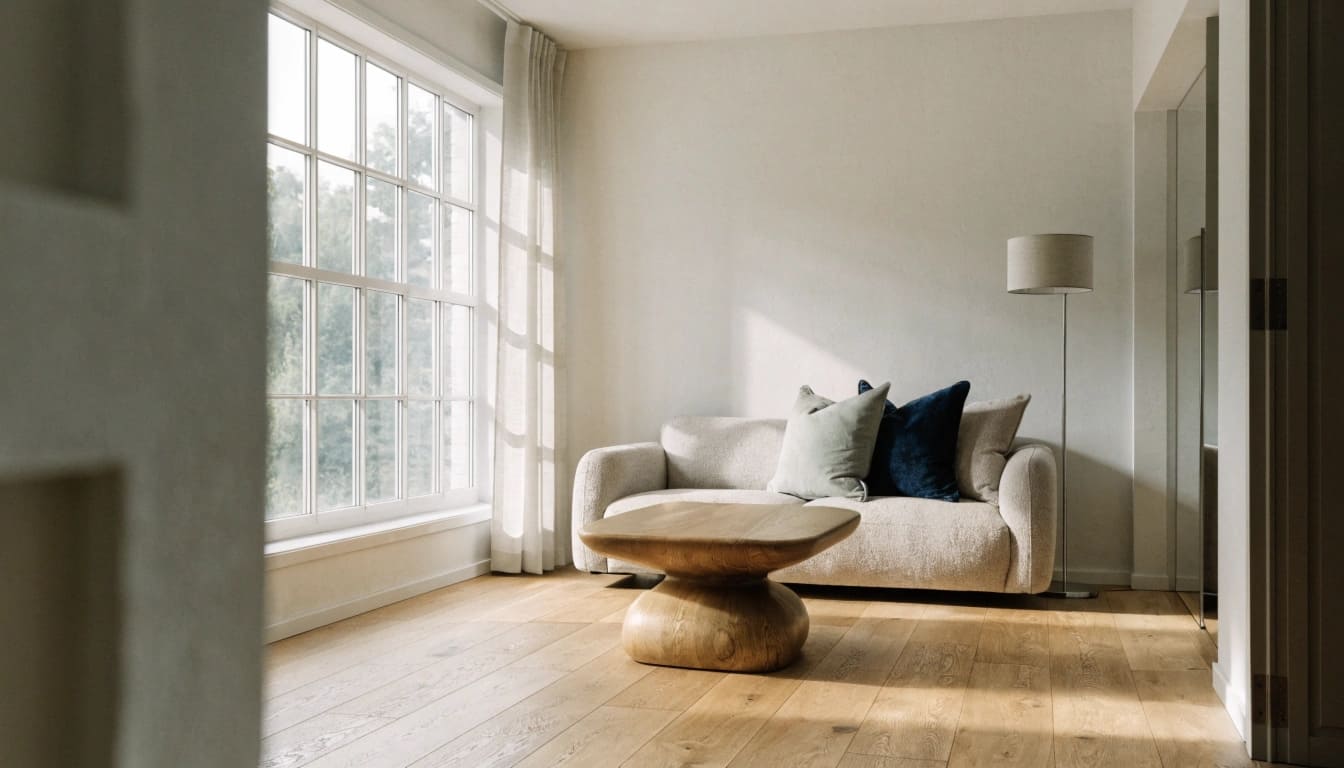

What Color Sofa Should I Get? A Simple Guide
Picking a sofa color is where the overthinking starts. The couch is a big buy. The shade you choose sets the tone of the whole room for years. No pressure, right? The good news is that the choice gets much simpler once you know what to look for. This guide walks you through your walls, your light, your daily mess, and the mood you want to create. You will see which sofa colors never date, which ones suit small or large rooms, and a few to skip. Designers at Homes & Gardens weigh in, too.By the end, you'll know exactly what color sofa you should get for your space.
Start With the Room, Not the Sofa

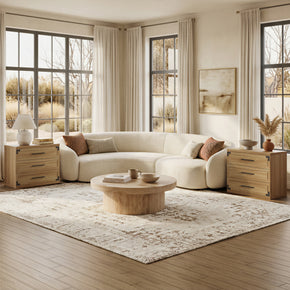
This is where almost everyone trips up. They lock onto a color, fall for it hard, then spend the next month wrestling the rest of the room into agreeing with it. Do the opposite. A couch never lives on its own little island. It is right there, rubbing elbows with your walls, the floor, the rug, the light pouring in the window. Read those first, because they are not changing. Warm oak underfoot tugs the palette one way. Cool gray tile yanks it to the other. Nail down the undertones already sitting in the room, and suddenly, the sofa color is not a coin flip anymore. Scroll through the Sicotas sofa range with that palette in mind, not whatever swatch caught your eye first.
Neutral Sofas: The Safe, Smart Starting Point

Neutral colors don't really fall out of fashion, and the reason is pretty clear. So if you're wondering what sofa color stays in style for years, neutral is usually the safe pick.
These sofas hang back and let the rest of the room speak. Pillows, rugs, a framed print, all of that can carry the personality instead. Trade out a couple of pieces and the space reads differently, while the couch stays put.
Colors worth a look: beige, greige, taupe, a warm gray, soft off-white. They get along with everything. They sit back and hand the spotlight to your art, your rugs, your pillows. Best part? They age without complaint, so the room can wander wherever your taste takes it over the years instead of locking you in.
White and Cream Sofas

Few things open up a cramped room like a white sofa. Crisp, bright, instantly airy. The downside is real, though, because white misses nothing; every crumb, every muddy paw, every coffee ring shows up as a spotlight hit. That makes it a fit for quieter households, or for anyone happy to live in a modern living room collection of washable covers. Cream is the easygoing sibling. You keep that light, open feel, but it quietly forgives the little messes white refuses to.
Gray and Greige Sofas

Reach for a gray sofa, and you are playing it safe, which is fine; plenty of great rooms start there. It gets along with almost any wall color and never elbows its way to the front. The thing to actually watch is the undertone. One gray leans cool and a touch blue. Another leans warm and faintly brown. Side by side, they behave like two different colors. That gray-meets-beige blend everyone calls greige? It is the warmer middle ground that a lot of rooms keep gravitating toward lately.
Beige and Tan Sofas

Neutral colors don't fall out of style. The reason is simple. So if you're asking which sofa color lasts the longest, neutral is the safe answer.
A neutral sofa stays in the background. The room speaks through other things. Pillows, a rug, art on the wall. Swap a few and the mood shifts, but the couch never moves.
Beige, greige, taupe, warm gray, off-white.
Now the warm end. Beige, camel, tan. These add warmth and drop the chilly edge flat gray carries. Designers keep returning to camel and oatmeal. They wear well and brush off daily chaos. So if neutral is your lane, but you want a room that feels like a hug, not a hospital, a beige sofa earns its spot.
Bold Sofa Colors That Make a Statement

Feeling braver than that? Then a bold sofa becomes the thing the whole living room revolves around, its focal point. One catch worth noting: pick a shade with genuine depth. That is the difference between rich and loud, between a color you settle into for years and one you cannot believe you bought by next spring.
Navy Blue Sofas

Call a navy blue sofa bold if you want, but it behaves more like a neutral in disguise. Deep, steady, calm. Wood tones, white walls, a little warm brass. Navy settles in next to all of it without raising its voice. Here's the part nobody mentions: scuffs and crumbs basically disappear on navy, so it quietly outlasts brighter colors in a living room that takes a daily beating.
Green Sofas

You cannot scroll a design feed lately without a green sofa in it, and the hype holds up, soft sage, deep forest, or that muddy olive everyone suddenly wants. Put green near raw wood and a trailing plant or two, and the whole thing just clicks into place, no styling degree required. Drop a round living room coffee table in warm wood in front of it, and the corner stops looking decorated and starts looking lived-in.
Earthy and Jewel Tones

On the warm end, you have got rust, terracotta, clay, mustard, and the odd moody burgundy. Color with some guts to it. Head the cooler direction and the jewel tones show up, emerald and deep teal, the kind of shades that feel expensive without trying. The side hardly matters, really. Earthy tones in this range are the buy for someone after a color to grow old beside, not a flash-in-the-pan shade they will be side-eyeing by next winter.
Should a Sofa Be Lighter or Darker Than the Walls?

I get this question constantly, and the honest answer is the annoying one: it depends. Lighter or darker than the walls comes down to one choice: blend in or stand out.
Match the sofa to your wall color, and it dissolves into the room. The space feels calm and a little bigger. That's the trick for making a small room feel roomier and more restful.
Go several shades darker or lighter, and the sofa flips into the centerpiece instead. Take it the other direction, into real contrast, and it leaps forward as the focal point nobody can miss. Tight room? Match the tones, keep it serene and open. Big room with space to burn? Go darker and let it contrast; that combination hands you depth and a little drama, and a generous room soaks it right up.
What Color Sofa Makes a Room Look Bigger?

Pale gray, cream, soft blue, sage. These are the sofa colors that reliably make a room look bigger. Light and cool is how you fake square footage you never had.
Take a pale gray, a soft blue, a quiet sage, a cream. Each one scatters light around the room, then politely steps back. The place breathes. It reads bigger than the tape measure would ever admit.
Keep the sofa in the same tonal family as the walls and floor, and that illusion only deepens. A slim living room bookshelf with storage in a matching pale finish chips in too, drawing the eye up and leaving the floor open. Heavy dark colors? They do the exact reverse, grabbing your attention and shrinking the place, so keep those for rooms with space to give away.
Match the Color to Your Lifestyle

Those flawless magazine rooms? They conveniently leave out the juice spills, the tumbleweeds of pet hair, the flattened cushion where you plant yourself every night. Take an honest look at how your home really runs before you commit a dime.
Best Sofa Colors for Pets and Kids

Kids in the house? A shedding dog? Then pure white and the very dark solids are traps; both turn into billboards for every stray hair. Picking a couch for pets and kids? Go medium-tone and textured. Nothing too pale, nothing too dark. Taupe, camel, oatmeal all work. A muted sage or denim blue does too, and it hides daily grime without looking like it's trying. Throw a performance fabric over acomfortable three-seater sofa on top of that, and the spills just wipe away, a tiny win you end up grateful for over and over.
Fabric Changes the Color
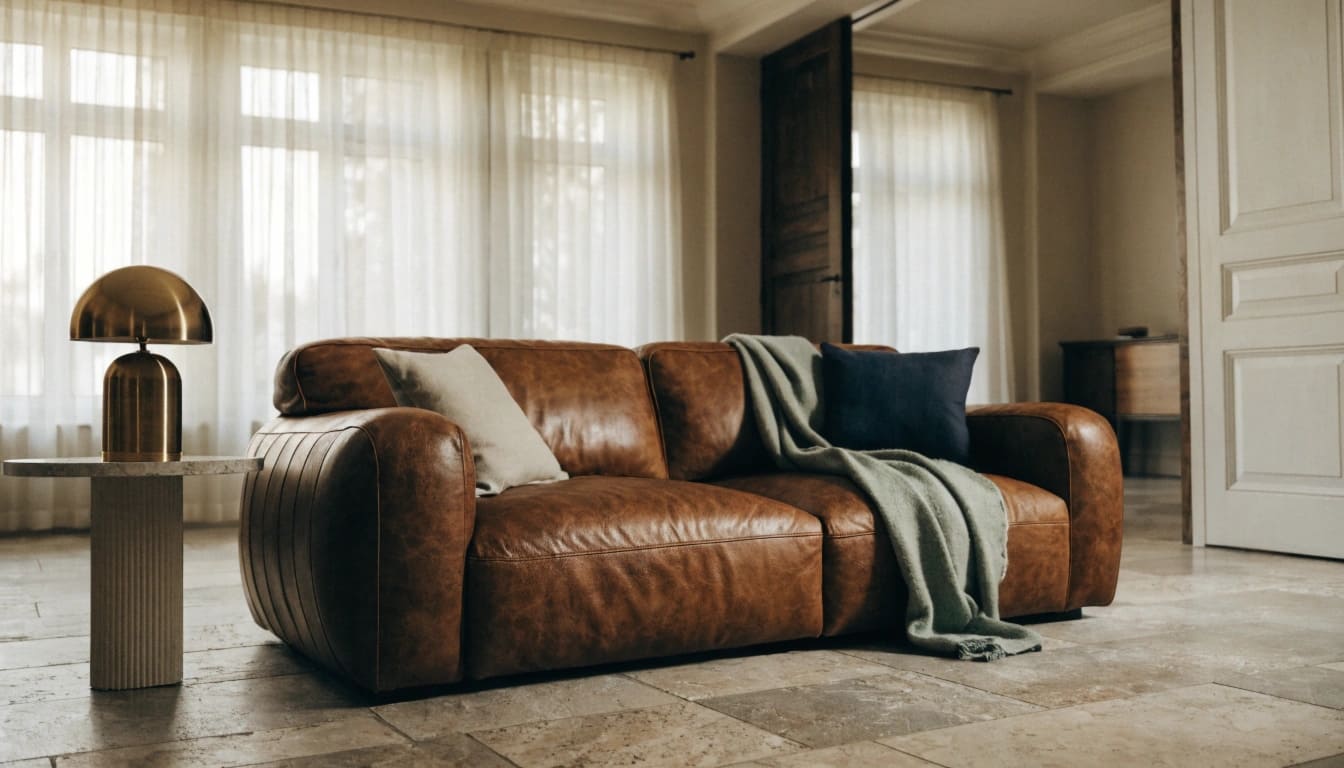
One shade can look like three different colors depending on what it is woven into. Velvet swallows light and comes back richer, moodier, deeper than the chip suggested. Linen flips that, throwing light back so the color turns soft and relaxed. Leather brings a polish all its own and can nudge a plain neutral up a class. The rule is simple: judge the color in the exact fabric you intend to buy, never the glossy photo.
Test the Color Before You Buy

Skip every other tip if you have to. Don't skip this one. Order the swatches. Get them home. Tape them right where the sofa will sit, then lay a few by the rug and along the floor.
Here's the part most people blow past. Look at them across the day. Once in flat morning light. Once under full afternoon sun. Once in the warm wash of the evening lamps. One fabric can read like three different colors over a few hours, and a ten-dollar swatch is the only thing between you and a thousand-dollar regret.
Use the 60-30-10 Rule to Balance Color.
When people ask what the 60-30-10 rule is for sofa color, it simply means splitting a room's palette into three uneven slices so nothing fights for attention. Picture it in thirds, roughly. Sixty percent is the dominant color, your walls and the big furniture doing the heavy lifting. Thirty percent is a supporting color, maybe the curtains or an accent chair. The final ten is pure accent, your pillows and the art on the wall. So where does the sofa land? In most living rooms it sits in that 30 percent supporting slice, since the walls usually take the dominant 60. But a big sectional in a small room flips that. The sofa becomes the 60 itself. So a loud color hits harder in a studio than in some sprawling great room. Find your slice. Then you know how bold to go and what to gather around it.
What Color Sofa Never Goes Out of Style?
Buying for the long game? Stick with the classic neutrals. Warm gray, greige, beige, camel, deep navy, and every single one of them has hung around for decades, for the plain reason that they bend to whatever else walks into the room. Push a step past that, and the current thinking leans into warm earthy neutrals and rich darks too, the indigos and olives, naming those as the real keepers. Settle on something from that pool, and you can redo the room around the sofa as many times as you like, and the sofa itself never sees the curb. These are also the best sofa colors for most living rooms if you're not sure how to choose a sofa color and just need a starting point.
Making the Final Decision

Let it all come together now. Begin with the colors already nailed down in your room. Settle on a value, light, medium, or dark, that matches your light and the size of the space. Line the undertone up with what you already own. Choose a fabric tough enough to ride out your real, messy life. Then test it at home before one dollar leaves your account. And when the choice finally clicks, the Sicotas furniture lineup carries the sofas plus everything that orbits them, each piece made to sit together comfortably from the first day home.
FAQs
What color sofa should I get for a small living room?
Keep it light and in the same family as your walls. A pale gray, cream, soft blue, or sage sofa scatters light around the room and quietly sinks into the background, so a small space feels bigger and calmer than it really is. Heavy dark solids do the opposite. Easy pass here.
What color sofa never goes out of style?
Classic neutrals are the dependable bet: warm gray, greige, beige, camel, deep navy. They bend to almost any decor and have hung on for decades. The warm earthy tones and rich darks like olive and indigo are proving they have that same long shelf life now, too.
Should my sofa match my walls?
No, not an exact match, but the tones should at least be on speaking terms. A sofa kept close to your wall color melts into the room and opens up a small space. Send it the other way, into contrast, and it turns into the focal point, which a bigger room can carry. Harmony is the goal, not a clone.
What is the 60-30-10 rule for sofa color?
A simple balance trick. Sixty percent is your dominant color, the walls, and the big furniture. Thirty is a supporting color, think curtains or an accent chair. The last ten is accent, your pillows, and art. Pin down which slice the sofa sits in, and you will know exactly how much color it should bring.
What color couch is best for pets and kids?
A medium-value, textured fabric in a warm neutral is your workhorse here: taupe, camel, oatmeal, or a muted sage or denim blue. Those hide hair and marks better than anything else. Back it with a performance fabric, and the spills lift straight off rather than soaking in and staining for good.
What color sofa makes a room look bigger?
Reach for the light, cool ones, pale gray, soft blue, sage, cream. They throw light back and slip quietly into the room, so the space feels more open than its real footprint. Keep the sofa close in tone to the walls, and that effect stretches even further.
Is a gray sofa still in style?
It is, though the needle has drifted toward warmer grays and greige and well away from that cool, flat gray that was on every showroom floor a few years back. A warm-toned gray still teams up with nearly any palette, and it lands a whole lot friendlier than those chilly versions ever managed.
What is the most popular sofa color?
Neutrals still hold the top spot, with gray, beige, and greige out front since they slot into so many rooms. Navy takes the prize among the bold choices. And the warm, earthy tones and greens have been climbing quickly as people drift away from cool grays.
Sources
- Homes & Gardens – How to Choose a Couch Color: 7 Tips From Designers
- Living Cozy – How to Choose a Sofa Color: Expert Advice
- The Spruce – How to Choose a Sofa Color
- Better Homes & Gardens –The 7 Best Couches to Lounge
- Real Simple – How to Choose the Right Sofa, According to Designers
- Fat Sofa– How to Choose a Sofa: The Ultimate Guide
- Benjamin Moore – Living Room Color Ideas & Inspiration


Stay In The Know
Expert advice. Very good deals. The absolute best (and worst) things we've tested lately.
Looking for something else?
Rug Under Bed Guide: How to Style Rugs With Dressers and Nightstands
LEARN MORE
Rug Bed Placement: Bedroom Rug Rules for Size, Layout, and Style
LEARN MORE
End Table Decor Ideas: How to Style a Living Room Table Beautifully
LEARN MORE
Small Living Room Layout With TV: How to Choose the Right TV Stand
LEARN MORERead more from Blogs
Looking for something else?
Bedroom Furniture Essentials: 21 Things Every Bedroom Really Needs
LEARN MORE
15 Living Room Arrangement Ideas to Transform Any Space
LEARN MORE
9 Rectangular Long Narrow Living Room Layout Ideas That Actually Work
LEARN MORERead more from Blogs
You may also like


Further reading
What Color Sofa Should I Get? A Simple Guide
What Color Goes With Brown Leather Sofa? 31 Ideas That Work