



What Is a Platform Bed? A Simple Guide to Types, Benefits & Buying Guide
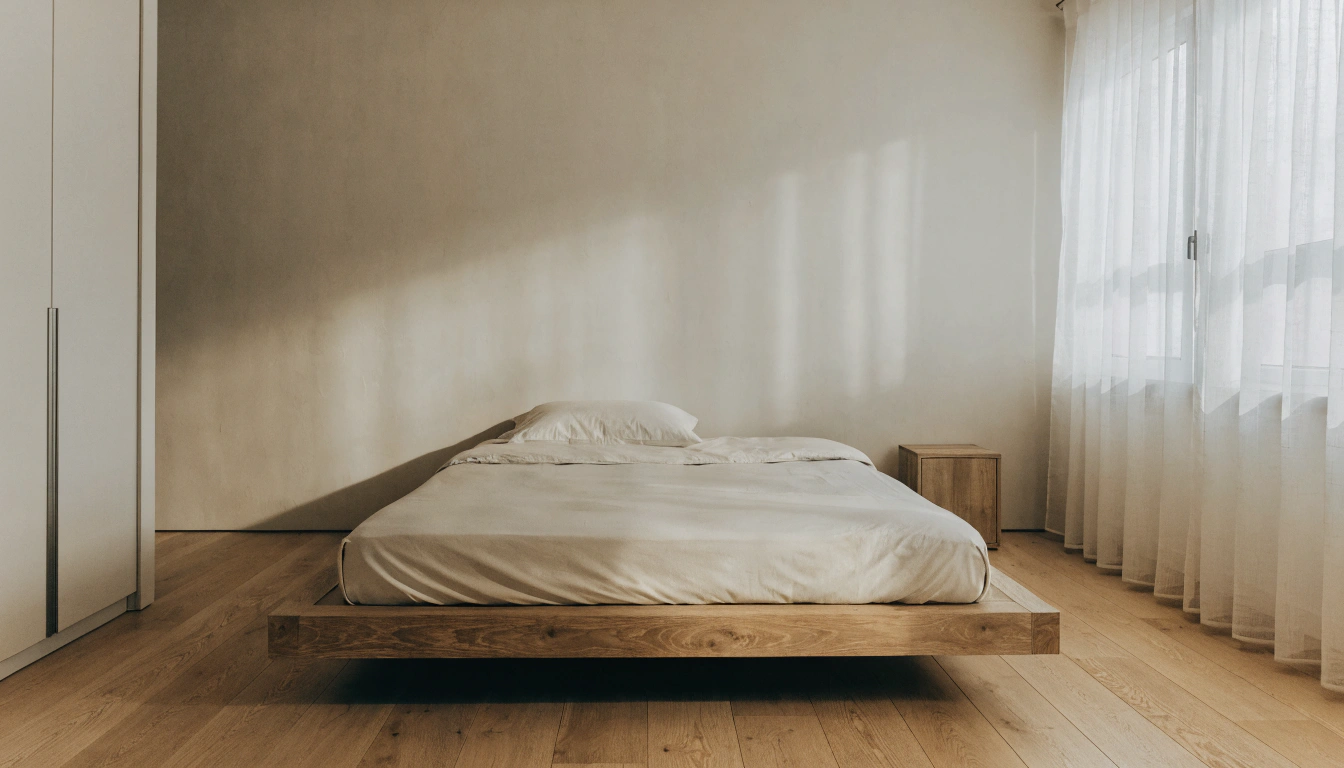
Platform beds have crept into modern bedrooms everywhere lately, and honestly, it is easy to see why. A platform bed is a bed frame with a base built right in, either a solid surface or slats set close together, that props your mattress up without a box spring. In other words, it rolls the frame and the foundation into a single piece, so there's no separate box spring to buy or stack. That all-in-one build is where the benefits of a platform bed start to show: clean lines, a low profile that sits close to the floor, and built-in support straight out of the box.
That low height is really the one thing that splits a platform bed from a traditional bed. The payoff is a lower, cleaner profile that works in contemporary and minimalist rooms, and a lot of them hide handy storage right underneath. In this guide, I'll cover what a platform bed actually is, the main types you'll come across, the real perks, the honest drawbacks, and how it holds up next to a regular bed, so you can figure out if one fits your room. Have a look through a fewmodern bed frame options as you read, and the differences will make a lot more sense.
What Is a Platform Bed, Exactly?

Forget the technical talk for a second. A platform bed is a frame that supports your mattress directly, resting on either a single solid panel or a set of wooden slats spaced 2 to 3 inches apart. Platform bed frames do not require a box spring; the platform itself supports the mattress, which is the whole point of the design and what sets it apart from older frames. The base handles the job a box spring once did, which means there's no need for a separate foundation at all. These frames usually ride lower to the ground than the older kind, and that is exactly where the sleek, low-profile look comes from. You will find them in wood, metal, or padded upholstered fabric, ranging from plain, no-frills frames to ones loaded with headboards, footboards, and built-in drawers.
How a Platform Bed Supports Your Mattress

The base is what it all hinges on. A solid platform spreads even support clear across the mattress, while a slatted base hands you support and a bit of airflow underneath at the same time. Either route works, as long as the surface is sturdy and the slats sit tight together, the mattress starts to sag down the line. A well-built frame like the Savanna queen bed keeps that base firm and level, which is precisely what most mattresses were built to sit on.
Why People Choose Platform Beds

Clean lines, a low height, and a setup that requires little effort are the usual draws. No box spring to track down, the frame is good to go straight out of the box, and plenty of designs sneak in storage right where a regular bed would waste it. As one mattress brand puts it, a platform bed doubles as both a base and a frame, so it genuinely is an all-in-one deal.
Types of Platform Beds
Platform beds are not all the same. The base, the material, and the extra features divide them into a handful of styles, each suited to a different room and sleeper.
Solid Platform Beds

A solid platform bed rests your mattress on a single, unbroken surface. Support stays even and steady right across the bed, which is why memory foam mattresses love it; they hold their shape far better on a flat base. The catch? You lose some of the airflow that a slatted version would give you.
Slatted Platform Beds

Slatted beds use wooden slats or metal bars set close together. The little gaps between them let air move under the mattress, which is why closely spaced slats work especially well for a memory foam mattress, since foam runs hot and airflow helps it dissipate heat. Spacing really matters, though. Keep the slats close, ideally under 3 inches apart, and they will properly support the mattress across its entire base. Push them past that three-inch mark, and the mattress starts sagging into the gaps. Slatted is the style you'll see most often, including on frames like theSavanna 4-piece bedroom set, which comes with matching pieces.
Upholstered Platform Beds

Upholstered platform beds have padded fabric over the whole frame, and the headboard is usually included. It's a softer, more put-together look — and that cushioned headboard earns its place the second you lean back to read or catch up on a show. Downside: fabric needs the odd vacuuming to keep it looking decent, especially if you've got pets or kids.
Storage Platform Beds

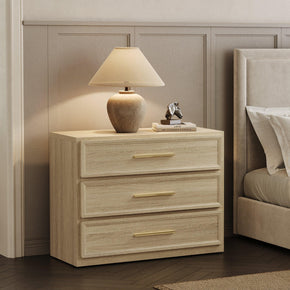
Storage platform beds build drawers or compartments straight into the frame, usually beneath the mattress or down in the footboard. In a small bedroom or a studio, they are a genuine lifesaver, swallowing up a whole dresser's worth of stuff. Team one up with a compact piece like the Ripple nightstand, and even a cramped room stays tidy.
Metal and Floating Platform Beds

Metal platform beds have that industrial, stripped-back feel, and the frame holds up to just about anything. The catch is they can press into some foam mattresses, so it's worth checking it'll work with yours before you buy. Floating platform beds hide the supports underneath, so the frame looks like it's floating a few inches above the floor — the kind of thing that really stands out in a modern bedroom.
Benefits of a Platform Bed
The benefits of a platform bed go deeper than good looks. These frames quietly fix a handful of everyday annoyances that older beds never bothered to.
No Box Spring Required
Platform beds do not require a box spring, and that saves you cash and grief from the very first day. The built-in base supports the mattress on its own, which means one less bulky thing to buy, haul home, and fight into position. Designers will tell you that doing away with the box spring ispart of what makes these frames so cost-effective, especially when you stack them against a traditional bed.
Space-Saving and Built-In Storage

A low bed frame opens up a room in a way that's hard to explain until you see it. The storage versions go a step further — they finally use the space that a regular bed just wastes.
The drawers tuck in right under the mattress. So your spare sheets, clothes, and winter stuff all have a place to land — no separate dresser hogging the floor. And if you want the room to feel like one piece, a matching 6-drawer dresser keeps the same lines going as the bed.
Better Support and Airflow
A slatted base lets air move under the mattress, so you sleep cooler and moisture doesn't get a chance to build up. And since the surface stays flat and firm, it supports the mattress the way it should — easier on your body, and the mattress holds up longer too.
Style That Fits Modern Rooms
Their clean lines and low height make platform beds an easy fit for contemporary and minimalist bedrooms. And since they come in so many materials and finishes — warm wood, sleek metal, soft upholstery — you can match pretty much whatever decor you've already got.
Drawbacks to Keep in Mind

Platform beds are not a perfect fit for everyone, and it would be dishonest to pretend otherwise. Weigh these few downsides before you hand over your money.
- Low height. That low profile can make climbing in and out a chore for seniors, or for anyone nursing a bad back or stiff knees. A taller frame takes the edge off.
- Heavy to move. Solid frames carry real weight and are a pain to shift compared with a basic metal bed.
- Limited clearance. Floating designs leave barely any gap underneath, so cleaning down there means lifting or dragging the whole thing.
- Cheaper frames squeak. Budget frames built from MDF or particleboard tend to squeak once the joints work themselves loose.
Platform Bed vs. Regular Bed: What's the Difference?
The main difference between a platform bed and a regular bed, or a panel bed, is what supports the mattress: a platform bed uses a solid or slatted base with no box spring, while a regular bed still needs a box spring or foundation underneath. Platform beds and regular beds split on exactly that one thing. With a platform bed, the mattress sits right on the base. A regular or panel bed wants that box spring or foundation tucked under it. And that changes the height. Platform beds stay close to the floor, while older-style beds rise higher once the box spring is added. A regular panel-style bed also reads more classic, with its tall headboard and footboard, where platform frames keep everything pared back.

In terms of cost and storage, the platform bed comes out ahead. No box spring to buy, and loads of frames thrown in drawers. A traditional setup ends up costing more once you factor in the foundation, and it almost never comes with built-in storage. Either way you go, a piece like theSavanna 3-drawer nightstand ties the whole bedroom together.
How to Choose the Right Platform Bed
Treat this as a practical platform bed buying guide: check the base, mattress size, height, material, and storage before you commit to anything. Picking the right platform bed really comes down to those few checks, so run through each one below.
Match the Base to Your Mattress
Memory foam and latex mattresses are happiest on a solid base or one with tightly packed slats. Innerspring and hybrid mattresses are a lot less fussy about it. Whatever you go with, just make sure the slats are spaced less than 3 inches apart — any wider and the mattress won't get the support it really needs.
Pick the Right Height
Lower frames look sharper, sure, but they can be a real stretch to climb out of. Got knee or back trouble? Lean toward a taller platform, or one you can prop up higher. Most of them land somewhere between six and eighteen inches off the floor anyway.
Choose a Material and Style

Wood feels warm and never really goes out of style, metal looks modern and industrial, and upholstery softens everything up. Pick a frame that works with what's already in the room, then build out from there. A clean Crescent nightstand sitting beside the bed keeps the whole setup hanging together.
Decide If You Need Storage
Tight on space? A storage platform bed pays for itself in no time. But if your room is already swimming in drawers, a plain low-profile frame keeps things uncluttered and costs you less.
Final Thoughts: Is a Platform Bed Right for You?

Platform beds bring it all together — clean style, solid mattress support, and smart storage in a single frame. And on top of that, you get to skip the box spring entirely. Where they really shine is in modern bedrooms that are short on space, and they'll take most mattress types without a fuss. Two things are worth really sitting with: the low height and the heavier build — especially if getting in and out of bed is something on your mind. Once you understand how a platform bed works and how the base, height, and style match up with what you actually need, the choice tends to sort itself out. And when you're ready to start looking, the full lineup of Sicotas bed frames is a great place to begin.
FAQs
What is the point of a platform bed?
A platform bed props your mattress up all by itself, no box spring in sight. You get a lower, cleaner look, a base you can trust, storage built right in more often than not, and a smaller bill, since it is one purchase instead of two.
What is the difference between a platform bed and a regular bed?
A platform bed carries the mattress on a solid or slatted base and skips the box spring entirely, whereas a regular bed still leans on a box spring or foundation underneath. Platform beds sit lower, cost less to set up, and often include storage.
What are the disadvantages of a platform bed?
That low height can be tough on anyone with back or mobility trouble. Solid frames are a workout to move; floating ones leave hardly any room to clean beneath, and cheap frames start squeaking once the joints give a little.
Can you put a regular mattress on a platform bed?
Absolutely. Platform beds get along with nearly every mattress type, memory foam, latex, hybrid, innerspring, you name it. Just match the mattress size to the frame and keep the slat spacing under three inches so it holds up properly.
Do platform beds only need a mattress?
Pretty much, yes. The built-in base serves as the box spring, so all you really need is a mattress. You can toss a box spring or a topper on for extra height if you want, but that is your call, not a requirement.
What are the four types of beds?
Four bed frames you will run into a lot are platform, panel, canopy, and sleigh beds. Platform beds ditch the box spring, while the other three usually need a foundation and carry a more traditional look.
How comfortable is a platform bed?
Platform beds feel firm and well-supported, and plenty of sleepers prefer exactly that. The mattress on top matters more than anything. Foam and latex feel wonderful on a solid base, and a slatted frame pulls in extra airflow to keep you cooler through the night.
What is the German bed method?
The German bed method puts two separate single duvets on one bed instead of a single shared comforter. It has nothing to do with the frame, really, but it suits a platform bed's clean, minimalist look and ends the nightly tug-of-war over the blanket.
Sources
- Casper – Platform Bed vs. Box Spring: Your Buying Guide
- Purple – Panel Bed vs. Platform Bed: Key Differences and Pros and Cons
- Mattress Warehouse – What Is a Platform Bed?
- Castlery – What Is a Platform Bed and Do You Need One?
- NapLab – What Is a Platform Bed?
- Cabinfield – What Is a Platform Bed and Do You Need One?
- Woodstock Furniture & Mattress Outlet – Platform Bed vs. Panel Bed


Stay In The Know
Expert advice. Very good deals. The absolute best (and worst) things we've tested lately.
Looking for something else?
What Is Organic Modern Style? How to Use Warm Wood, Rattan, and Storage Furniture
LEARN MORE
Rug Under Bed Guide: How to Style Rugs With Dressers and Nightstands
LEARN MORE
Rug Bed Placement: Bedroom Rug Rules for Size, Layout, and Style
LEARN MORE
End Table Decor Ideas: How to Style a Living Room Table Beautifully
LEARN MORERead more from Blogs
Looking for something else?

Small Living Room Layout With TV: How to Choose the Right TV Stand
LEARN MORE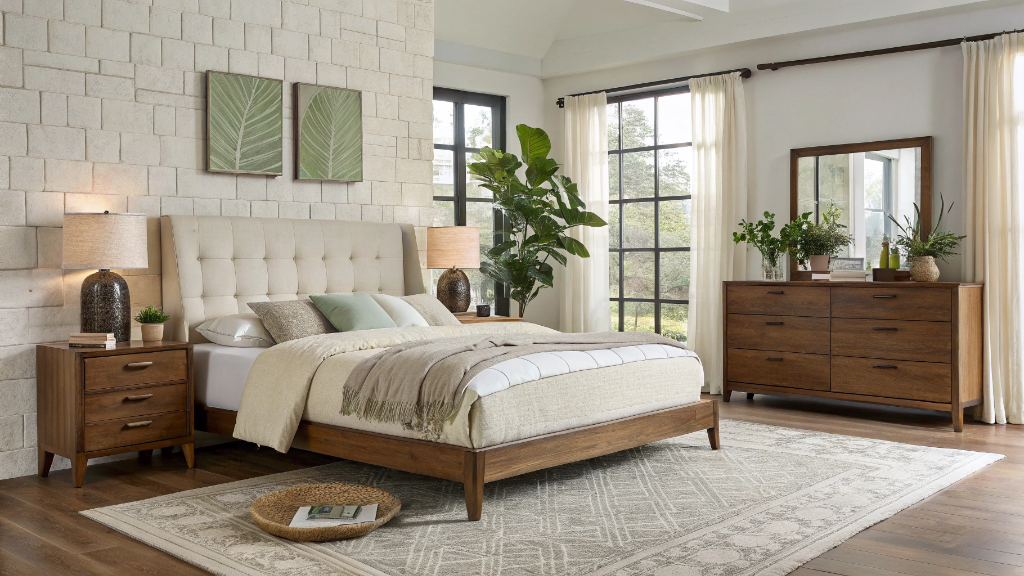
Bedroom Furniture Essentials: 21 Things Every Bedroom Really Needs
LEARN MORE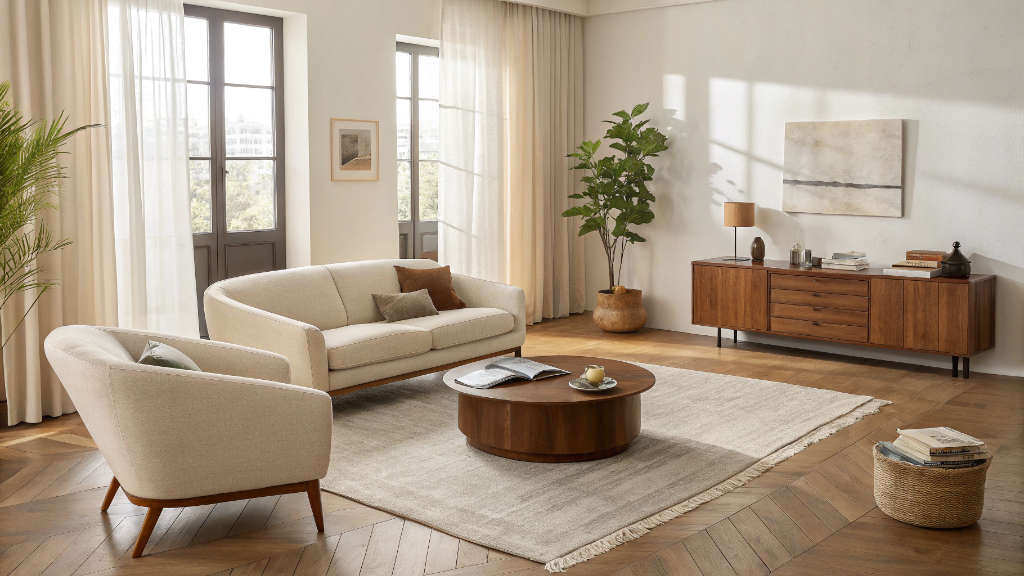
15 Living Room Arrangement Ideas to Transform Any Space
LEARN MORERead more from Blogs
You may also like


Further reading
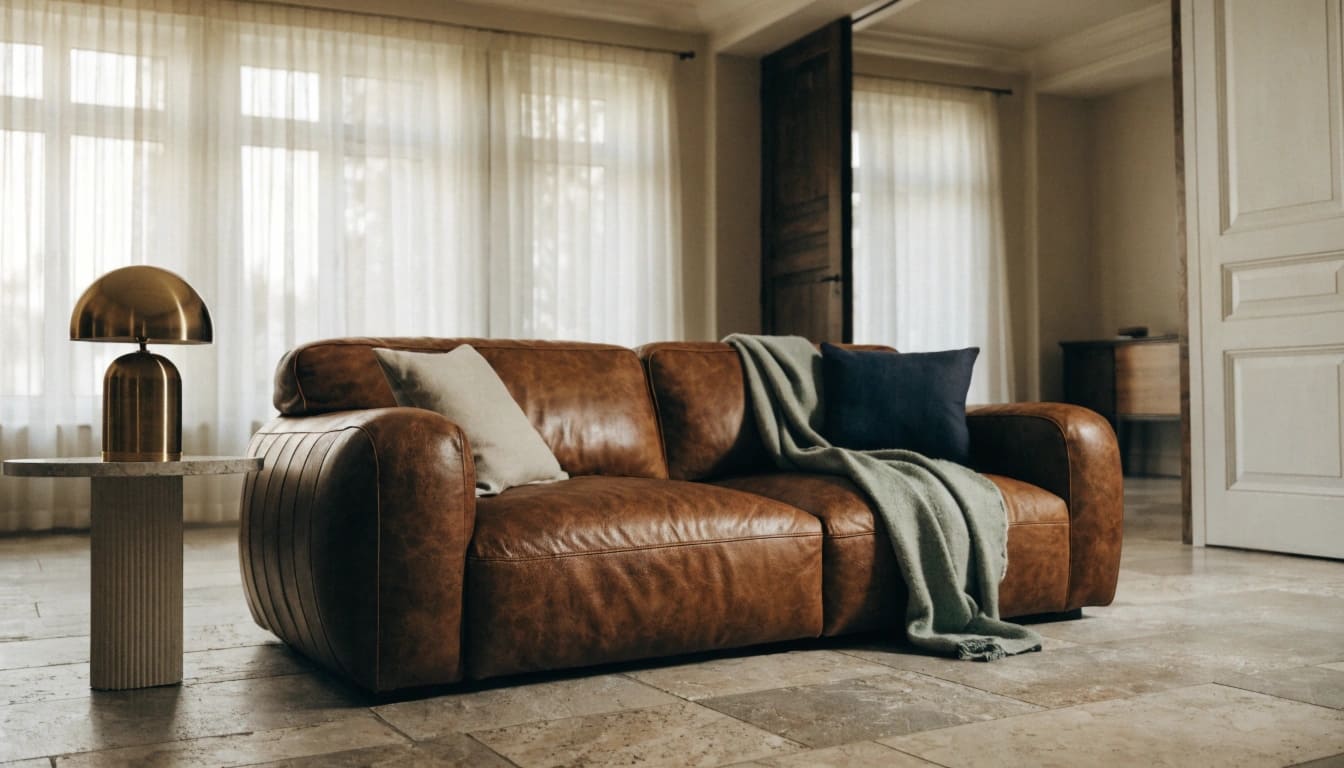
What Colour Goes With Brown Leather Sofa? 31 Ideas That Work.docx
What Is a Platform Bed? A Simple Guide to Types, Benefits & Buying Guide