




Rustic Italian Interior Design: How to Bring Old-World Italian Style Into a Modern Home
Came back from two weeks bumming around Tuscany a couple of summers ago and was ready to gut my entire apartment. I went a little crazy with terracotta pots. Tried aging a brass lamp with vinegar — smelled like a salad gone bad for a week. The whole project flopped pretty badly, and I ended up with a place that looked more Olive Garden than anything I'd actually seen in Italy.
What turned it around for me wasn't a Pinterest board. It was a tiny family-run B&B outside Pienza where the owner had clearly spent zero on "Tuscan decor," and the place still looked unbelievable. rustic Italian interior design, at its core, is mostly that — a feeling, not a checklist.
What Is Rustic Italian Interior Design?

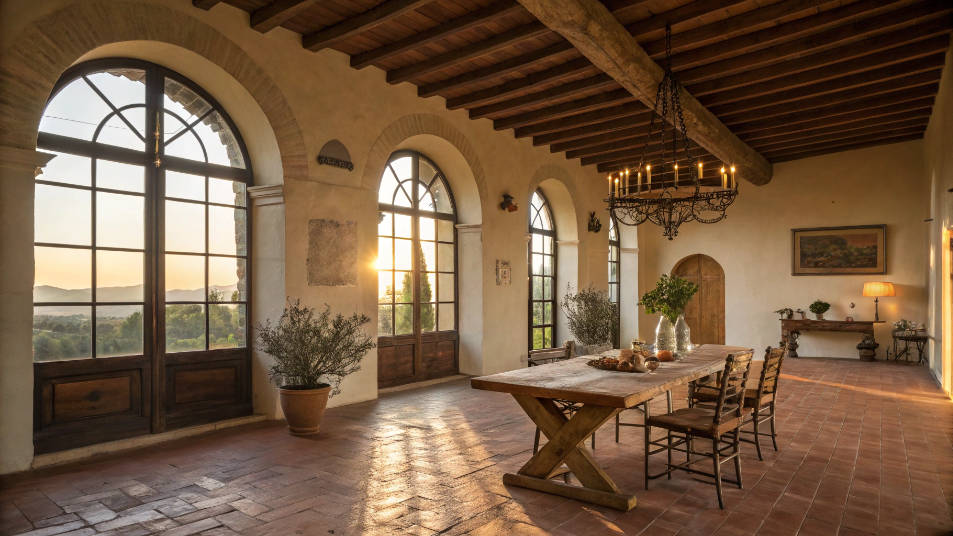
My quickest way to describe it is this. An old Italian country home — could be a centuries-old villa, could be a Tuscan farmhouse, could be one of those tiny apartments stacked above a piazza somewhere. Doesn't really matter which. The whole look depends on real natural materials, mostly stone, wood, and clay, and linen, plus warm, earthy color, plus walls that have actually been touched by human hands rather than rolled flat with a paint roller. You won't find chrome in these places. You won't find much gloss either. And matchy-matchy isn't really the goal — half the charm is that nothing in the room quite matches, like the owner collected the pieces over thirty years instead of one weekend at a furniture store.
Most people associate the style with Tuscany, which is fair enough, but it really spans much of Italy. The blue tones along the Amalfi coast. The chalky whites all over Puglia. Those patinated, painted-and-repainted walls in old Lazio apartments that have absorbed about six decades of cigarette smoke and afternoon sun. The general feeling stays the same everywhere — warm, imperfect, slow, lived-in.
The Core Elements That Make Rustic Italian Work

In my experience, there are basically five things you need to have locked in before doing anything else. Spending money on paint or furniture without these in place is honestly a waste — that's something I learned the hard way on my first project.
Natural Materials
My rule for picking materials is whether something is actually natural — meaning it grew or was dug out of the ground. Stone qualifies, obviously. So does real wood, clay, wool, linen, leather, jute, marble, and the kind of iron a blacksmith actually hammered. The trouble starts when you bring in stuff pretending to be those things — vinyl wood-look flooring is the worst offender, in my opinion. There's something about how light bounces off real materials that your eye picks up on instantly, before your brain even figures out what's wrong.
Earthy Color Palette
Stare at the colors in old Italian homes long enough, and you'll notice they all look kind of dug-up. The list runs something like terracotta, sienna, ochre, soft cream, gray-stone, olive, rust, deep brown — not an accident, since the original palettes came straight from local clay and stone. The shades you almost never see are the ones we Americans tend to love. Pure white. Icy gray. That weird beige that took over every flip house from 2014 through 2022. When I'm picking a paint chip, I more or less hold it up and ask whether it looks like dirt.
Imperfect, Timeworn Finishes
This is the step where I see most rustic Italian projects go off the rails — and where I went off the rails myself for years. You can spend three weekends picking out a perfect terracotta paint and still end up with a wall that feels weirdly generic. The reason is that perfectly smooth drywall painted any color in the world is still drywall. The whole effect of this look depends on actual texture — slightly cloudy lime plaster, wood that shows its knots, ceramics where the rim isn't quite even. Stop chasing "perfect" and start chasing "looks like the room has been here forty years."
Substantial, Simple Furniture
One thing I always notice when I walk into a real Italian home is how heavy the furniture feels. Not visually heavy — physically heavy. The kind of farmhouse dining table you genuinely can't move alone, even if you're motivated. Beds tend to be iron or thick solid wood. Sofas come with linen-covered deep cushions that swallow you a little when you sit. Nothing dainty, no skinny tapered legs. A lot of these pieces were built to last for two or three generations, which is, honestly, the opposite of how most of us shop for furniture now.
Soft, Warm Lighting
Lighting is honestly the thing I see people get most wrong, and the fix is simple. One bright overhead at 5000K wrecks this whole vibe in maybe three seconds — I've watched it happen at client walk-throughs more times than I'd like. Italian homes glow at sunset because of how they're lit. Lamps with linen shades. Sconces on iron arms. The occasional candle. Almost never one big ceiling fixture trying to do everything. Replace every bulb you own with 2700K (I personally go with 2400K) and put three or four smaller sources around the room.
Best Rustic Italian Color Palettes

If color decisions are paralyzing you — and I get it, the paint section of any home store is overwhelming on a good day — just grab one of the three combinations below and run with it. They each work slightly differently, but all three work.
Terracotta, Cream, and Olive Green (Classic Tuscan)
This is the palette most people picture first when they hear "rustic Italian," and there's a reason — it's basically the textbook Tuscan look. Works really well in kitchens and dining rooms, where all the warmth lines up with food and people gathering around a table. The trick is to put your terracotta on the floor or in pottery, keep the walls in a warm cream, and let olive green creep in through textiles or actual potted plants. One serious word of warning here. Do not paint a whole wall in terracotta. I know it sounds appealing on paper. I tried it in 2020 and lived with it for about six months before I gave up and repainted. It was way too much.
Sienna, Rust, and Aged Gold (Rich Mediterranean)
Reach for this combination when you want something a little richer or moodier without going completely dark and broody. Sienna works really well on a single accent wall. Rust pulled into the throws and layered rugs underneath. Aged gold or brass on the lighting and picture frames. I used roughly this palette in a friend's Brooklyn entryway last year, and honestly, the whole apartment shifted — like, people walked in and immediately wanted to sit down on her bench by the door, which had basically never happened before. The palette reads expensive in a way that has very little to do with how much money you actually spent.
Chalky White, Taupe, and Black Iron (Modern Rustic)
If you live in a newer apartment and full Tuscan-villa cosplay isn't really your thing, this is the palette to grab. Walls are a chalky off-white. Taupe upholstery on the seating. Matte black iron threaded through the lighting and hardware. The whole thing feels cleaner than the other two combinations while still retaining the warmth. Of these three, I'd recommend this one if you're starting from a builder-grade space with totally smooth, flat walls and basically no architectural personality. It works because it doesn't fight what you're already starting with — it just leans into a quieter version of the look.
Key Materials for Rustic Italian Interiors

Materials, in my experience, matter more than color does. You can pick the most perfect terracotta paint chip in the entire store, and your room is still going to feel weirdly off if everything else is laminate and polished chrome. Lock in these three material categories, and most of your styling decisions just sort of fall into place after.
Terracotta and Stone
Terracotta is the centerpiece of this whole look. It shows up everywhere in old Italian homes — floors, pots, vases, lamp bases, you name it. A real terracotta floor is gorgeous, but I'll be honest, it's a major commitment in money and labor. Most clients I work with don't go that route. What works almost as well is a row of clay pots on a windowsill or a single large terracotta lamp in a corner. Stone is the second piece — limestone, travertine, flagstone, marble with warm veining. Warm being the operative word, not the cool gray-blue marble that's everywhere in modern bathrooms. Whatever stone you pick needs to be matte and a little uneven.
Wood and Plaster Walls
For wood, you want reclaimed pieces with visible grain and a little weathering. Real ceiling beams are the dream, but they usually aren't realistic unless you're doing a major renovation — faux beams in a darker stain do most of the visual work for a fraction of the cost. The biggest single upgrade you can make to any rustic Italian room is the wall finish itself. Lime plaster, lime wash, or one of those Roman-clay-effect treatments from a brand like Portola or Bauwerk. Drywall painted flat is sort of the enemy here. Every time I've talked a client into doing a textured plaster wall, they've come back to thank me. Every single time.
Iron, Linen, and Ceramic
This is the smaller category, and it's the one beginners almost always skip — which is a mistake. You want some wrought iron worked into the bigger pieces, like bed frames, candelabras, and sconces. Linen needs to show up in your curtains, bedding, and slipcovers. Handmade ceramics should be in the plates, bowls, vases, and even some lamp bases if you can find them. Without these three categories to pull things together, the heavier materials start to make the room feel cold or weirdly museum-like. That's the trap to avoid.
Rustic Italian Interior Design Ideas, Room by Room
None of these needs a 1600s villa as a starting point. They translate fine to apartments, suburban homes, and even rentals where you can't change anything structural.
Living Room

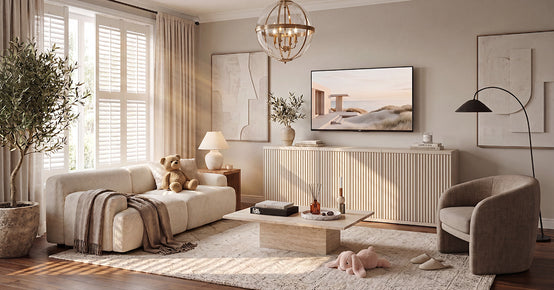
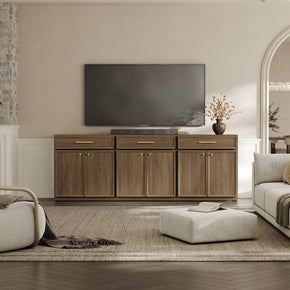
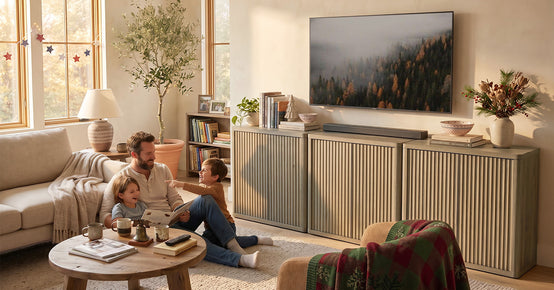
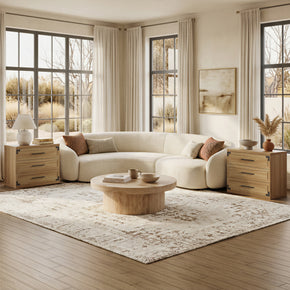
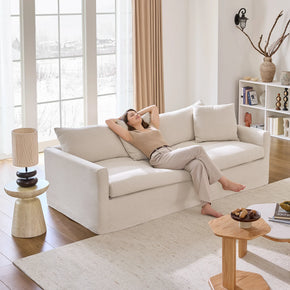
For the living room, work outward from one anchor. Start with a linen-slipcovered sofa in cream or warm gray. Pair it with a heavy wood coffee table — genuinely heavy, not one of those hairpin-leg things pretending to be solid wood. The jute rug underneath needs to be large enough for the front legs of all your seating to sit on it. (Quick side note: getting that rug size wrong has killed more rustic Italian living rooms than anything else, including bad paint. I'm not exaggerating.) For storage, something like a Stria buffet cabinet with large drawer handles your media and doubles as a sideboard. Two table lamps, one iron-framed mirror, and you can stop. The temptation is always to keep adding little tchotchkes. Resist it.
Kitchen

In the kitchen, the move I always push for is open shelves instead of upper cabinets, provided the space allows it. Counters in stone or marble with warm veining — the warm part matters, as I mentioned earlier. Hardware in aged brass or matte black, never polished chrome. If your floor budget can stretch to it, terracotta or stone tile underfoot. Honestly, the styling is half the work in any kitchen — actually display the ceramics you own, hang the copper pots, leave a wooden bowl of lemons or fresh garlic out on the counter. The kitchen should look like it's about to cook dinner for eight people.
Dining Room

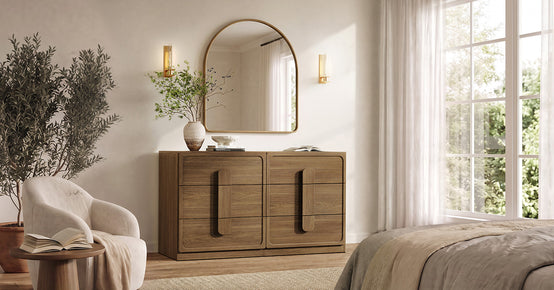
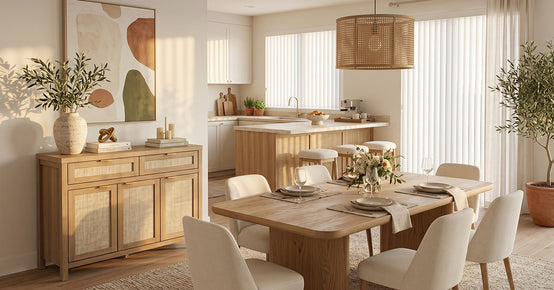
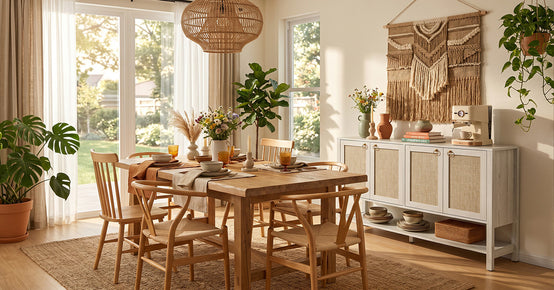
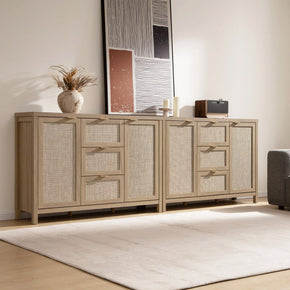
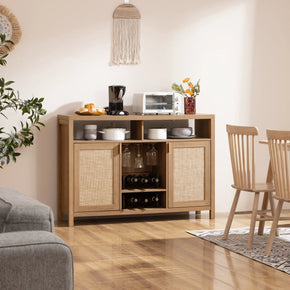
The dining room is, honestly, where rustic Italian really earns its reputation. The centerpiece needs to be a heavy farmhouse dining table — long, real solid wood, no veneer business. Around it, mismatched wood chairs work better than matching ones in my opinion (I always go slightly mismatched because the room ends up feeling less staged). Linen napkins. Ceramic serving pieces you actually use. A wrought iron candelabra in the middle, lit when you have people over. A piece like the Savanna sideboard with three drawers and two door handles, the storage and visual weight without taking the room over. One large piece of art on the wall above. Two wall sconces or a single linen-shade pendant overhead. Done.
Bedroom

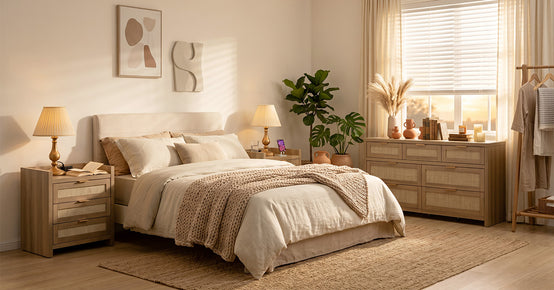
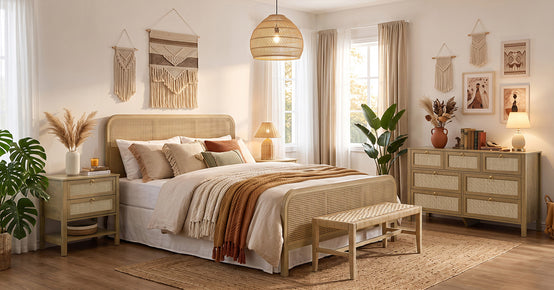
Start with the bed — wrought iron in black or aged bronze, both work. Layer crisp white or cream linen bedding on top. Now about those wrinkles in linen: please, please don't iron them out. The wrinkles are literally the look. Hunt around for antique nightstands and don't try to make them match each other — mismatched is the entire point. Plaster-textured walls in some warm neutral tone. One wool throw at the foot of the bed. A reading lamp on each side, ideally with a linen shade. And whatever you do, please skip buying a matching bedroom set from a showroom floor. That's where this style goes to die a slow, predictable death.
Bathroom

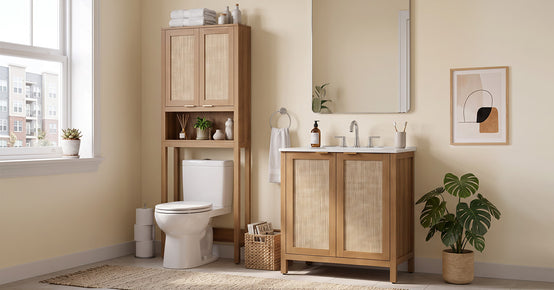
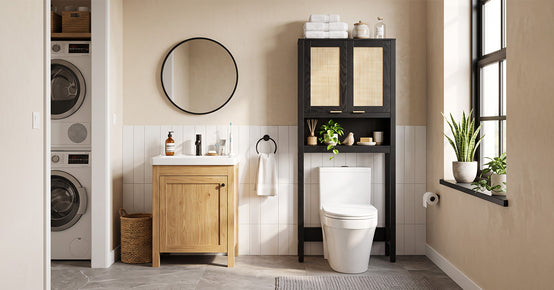
For the bathroom, you want stone or marble tile, aged brass fixtures (matte, not polished — please), an arched mirror over the sink, and plaster-finish walls in warm taupe or cream. Soft, neutral towels in linen or heavy cotton. A small terracotta pot on the counter with olive or eucalyptus, nothing dramatic. And steer clear of anything labeled "spa" or "modern luxe." This room should feel like an old villa bathroom that's been loved and used for years, not a Marriott on a business trip in Tampa.
Entryway

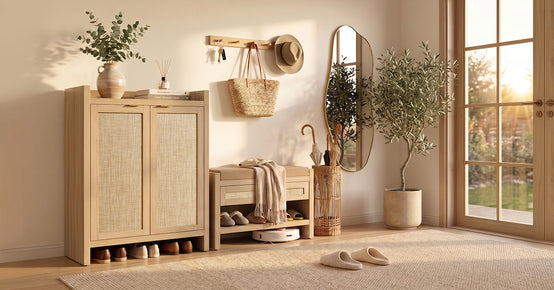
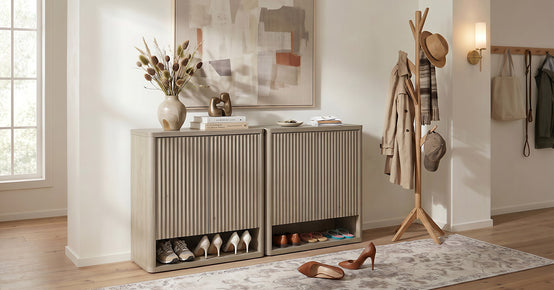
Entryways tell people what kind of home they've walked into within roughly three seconds, which is why this room punches above its weight. You want a reclaimed wood bench. Stone or terracotta floor (or a runner mimicking the look if your floor isn't changing). A vintage mirror. A woven basket for shoes. A piece like the Savanna console table with three drawers hits the right scale for most halls — narrow enough to fit, substantial enough to feel intentional. Top it with one ceramic bowl for keys and a single olive branch in a clay vase. Stop right there. Adding more to an entryway is one of the easier ways to ruin it.
Patio or Outdoor Space

Outdoor space is honestly where rustic Italian comes alive the fastest and most cheaply, even if all you've got is a small balcony. The ideal floor is gravel if you can manage it. Pots in terracotta stuffed with rosemary, lavender, and a lemon tree, if your zone allows them. A small iron table with mismatched chairs around it — and I mean genuinely mismatched, as you grabbed them from three different places. A linen tablecloth that looks like it's been washed a dozen times. String lights or hanging lanterns overhead. One olive tree in a corner pot if your climate cooperates. Keep it loose and lived-in, don't over-style anything.
How to Get the Look in a Modern Home

Quick reality check — most readers aren't living in a Tuscan villa, and that's perfectly fine. This style adapts pretty well to modern apartments and ordinary suburban houses. The key is not trying to do everything at once. I've watched people overhaul their entire home in one weekend and end up with something that looks staged.
Start With a Warm Neutral Base
Builder-grade bright white walls have to go first. Warm cream, plaster pink, soft taupe, or a mottled lime-wash effect — any of these gives you the Italian backdrop without committing to actual terracotta walls (which, again, I'd push you away from for daily living). One thing I always do, and recommend to clients, is testing paint chips at three different times of day before committing to anything. Morning light versus evening light gives you completely different reads on the exact same color, and I've watched people repaint twice for skipping that step.
Add One Strong Anchor Piece
In my experience, one real anchor piece does more for a room than ten Italian-themed accessories ever will. I'm talking about a farmhouse dining table. A wrought iron bed frame. A reclaimed wood console. Something pulled from the full Sicotas wood furniture range, with the right weight and grain to it can absolutely work as that anchor. The piece becomes the room's actual story rather than competing with everything else for attention.
Texture, Not Clutter
The materials themselves do most of the heavy lifting in a rustic Italian room. Lime plaster, linen, jute, the natural grain of real wood, the slight imperfection in handmade ceramic — you genuinely don't need to pile more stuff on top. Original Italian villas were never cluttered. They were sparse spaces with rich texture doing all the visual work. Most rustic Italian rooms in America fail because the homeowner adds twenty small accessories trying to make it "more Italian." Three good pieces beat twenty cheap ones, in my experience. If you're shopping for cohesive wood pieces, wooden console tables from Sicotas are a useful place to start, as the finishes are consistent across the range.
Common Mistakes to Avoid

Three mistakes I've watched this look slip into more times than I'd care to admit — and I've made most of them myself at one point or another.
Going Too Heavy on Dark Colors
Stack terracotta floors, dark wood beams, and deep paint and espresso furniture all into one room, and you've basically built yourself a cave. The fix is to lighten one major surface, usually either the walls or the bedding. White trim helps a lot. So does swapping the rug for something lighter. The whole point of rustic Italian is warmth, not gloom — and there's a real difference between those two feelings, even if it sounds subtle on paper.
Slipping Into Theme-Restaurant Territory
This one's painful to talk about because I see it all the time. Grape motif wallpaper borders. Wine bottle racks pretending to be decor. Faux Tuscan kitchen murals. "Mangia" signs hanging over the stove. Vinyl Italian flag decals stuck to the wall. None of it. Ever. The original style is restrained — quiet, even understated. The second a room starts reading "themed," all the credibility just drains right out of it, and there's basically no way to recover from a "Bella Italia" canvas hung over the dining table. You have to take it down.
Buying Everything New and Matching
A perfectly matched, brand-new "Tuscan" furniture set reads as a showroom every single time, no matter how nice the individual pieces are. You need to mix in at least one antique or vintage piece, even if it's just an old mirror or a small wooden box with a story behind it. A piece like the Savanna arched bookcase works because the arched silhouette has Italian architectural DNA built in — it doesn't look like it came off a 2024 catalog page, which is exactly what you want for this look.
FAQs
What is rustic Italian style?
Honestly, easier to feel than to define. Picture an old Italian villa, a Tuscan farmhouse, or a stone cottage tucked into the hills somewhere — that's the territory. The look uses natural materials, earthy colors, sturdy furniture, and surfaces that look hand-finished rather than spray-applied. Terracotta tile, lime plaster, linen, wood beams, wrought iron. Warmth and patina, not polish, is the whole goal here.
What is rustic interior style?
Bigger umbrella than just rustic Italian. Anything that leans into natural, imperfect, timeworn materials counts here — wood, stone, leather, linen, metal, ceramics, and so on. Surfaces aren't shiny. Furniture isn't dainty. The look celebrates craftsmanship and visible age over newness, which is exactly why rustic Italian, French country, and farmhouse styles all share so much DNA underneath.
What is the 3-5-7 rule in interior design?
Quick designer trick. You group your decorative objects in odd numbers — three, five, or seven — instead of pairs or other even groupings. The 3-5-7 rule for decorating works because the eye doesn't immediately settle into a balanced symmetry, the way it does with pairs. Use it on shelves, mantels, coffee tables, and dining centerpieces. Vary the heights and textures within each cluster, and you'll see the difference instantly.
What is rustic luxury style?
Think of it as the high-end version of rustic. Same raw natural textures you'd find in a country home, but paired with refined finishes that elevate the whole room. Stone walls combined with marble. Reclaimed wood paired with tailored linen upholstery. Iron lighting alongside hand-stitched leather chairs. The trick is choosing fewer, better pieces — substantial furniture, real materials, quality textiles — instead of cluttering the space with smaller decor items.
What is the difference between rustic and modern style?
Easiest way to see it: rustic shows wear, grain, and slight imperfection — you can read the history right in the materials. Modern hides all of that behind cleaner, smoother, more minimal surfaces. The two can mix beautifully (which is essentially what rustic luxury is), but in their pure forms, they pull in genuinely opposite directions.
What are the key elements of rustic decor?
Eight things, basically — natural wood, stone, aged finishes, earthy color palettes, handmade or vintage objects, substantial, simple furniture, layered natural-fiber textiles, and warm soft lighting. Hit most of those and your room will read as rustic regardless of which regional flavor you lean toward — Italian, French, Scandinavian, or American farmhouse.
What does “rustic” mean in design?
Take "polished" and flip it. Rustic in design language means natural, rougher, less finished, connected to country or traditional craftsmanship — basically the opposite of slick or industrial. You're looking at exposed wood grain, unsealed stone, hand-thrown ceramics, and finishes that look as if applied by a person rather than a machine. Imperfection isn't a flaw here; it's the whole point.
What is Italian-style interior design?
Wider range than most people realize. Italian design encompasses everything from ornate Baroque palazzos to the sleek, modern minimalism emerging from Milan. Rustic Italian sits at one end of that spectrum — warm natural materials, real craftsmanship, relaxed elegance, and a strong connection to the surrounding landscape. It's less about specific furniture pieces and more about a feeling of comfort, history, and unhurried living.
Sources
- Eleanor Richardson, What Is a Tuscan-Style House?, Homes & Gardens, August 2025.
- Domino Editors, Decorating Lessons We Learned From a Dreamy Italian Farmhouse, Domino, 2018.
- Edward George London Editors, The Ultimate Guide to Creating a Stunning Italian Country Home, Edward George London, October 2024.
- The Decorholic Editors, The 3-5-7 Decorating Rule: Transform Any Space with This Designer Secret, The Decorholic, October 2025.
- Sarah Jacquelyn, Design in Odd Numbers — Mastering the 3-5-7 Rule, Sarah Jacquelyn Interiors, August 2025.
- Kim, Rule of Odds Interior Design, Tidbits & Twine, November 2025.
- Algedra Editorial Team, Tuscan Farmhouse Decor Ideas for Rustic Charm, Algedra, September 2025.


Looking for something else?

Furniture Materials Guide: Picking the Right Material Room by Room
LEARN MORE
How to Mix Wood Tones Without Making a Room Look Mismatched
LEARN MORE
18 College Apartment Furniture Ideas That Save Space and Money
LEARN MORE
Types of Entertainment Centers: 11 Designs and How to Pick One
LEARN MORELooking for something else?

Curio Cabinet Decor Ideas: How to Style a Display Cabinet Without the Clutter
LEARN MORE
Curved Furniture: How to Style, Measure, and Buy It in 2026
LEARN MORE
What Is Rattan Furniture? A Buyer Guide to Types and Care
LEARN MORE


Further reading

How to Choose a Nightstand for a CPAP Machine

How to Choose a Shoe Cabinet for Men's Sizes, High-Tops, and Bulky Shoes


