




18 College Apartment Furniture Ideas That Save Space and Money
College apartment furniture has one job home furniture doesn't. It has to work for nine months, survive a move, and not cost a semester of shifts at your campus job. That rules out a lot of pretty stuff.
The 18 ideas below cover sleeping, seating, studying, storage, and eating. You will also get the checks nobody mentions, including how to keep a dresser from tipping and what the U.S. Fire Administration says about student rentals.
Before You Buy College Apartment Furniture
Three checks in an afternoon will save you real money on college apartment furniture. Skip them, and you end up with a sofa stuck in a stairwell, or two roommates who both bought a coffee table.
Measure the Apartment and the Route In
Measure the room. Then measure every inch between the curb and that room, because doorways, hallway turns, elevator depth, and stair landings all get a vote. A sofa can fit your living room perfectly and still jam on the second-floor turn.
Keep those numbers in your phone. At some point, you will be standing in a stranger's garage wondering whether the doorway was 30 inches or 32.
See What the Lease Already Covers
Read the lease listing again. Many student housing units come with a bed frame, mattress, desk, or built-in closet system. An avoidable early expense is buying something the unit already provides.
Ask the landlord to confirm what stays before you shop.
- Bed frame and mattress
- Table and chairs
- Ceiling fixtures, lamps and any bulbs
- Curtains, blinds or existing rods
- Router and other internet equipment
- Closet systems, shelving and storage
Get the answer in writing—verbal promises about what stays can change between the tour and move-in.
Sort Out Ownership With Roommates First
Build one shared list before anyone buys anything. Split it into owned, still needed, shared purchase, and personal purchase. Then write down who keeps each shared item at move-out.
That last column prevents an ugly conversation in May. A sofa three people paid for can turn into an argument fast when nobody writes anything down in August.
18 College Apartment Furniture Ideas Worth the Space
Every college apartment furniture pick below explains why it earns floor space and what to look for. Some you can skip. Most work in a dorm, a studio, or a shared house.
1. A Bed Frame With Clearance Underneath

Treat the bed as much storage as furniture. A simple platform or metal frame with room for bins underneath swallows luggage, off-season clothes, and everything else with no home.
Look for solid joints, easy assembly and hardware you can replace. Skip heavy upholstered frames. They eat floor space, and they are miserable to carry.
2. A Mattress Worth the Money

This is the one piece worth spending on. You sleep on it every night, and it will probably follow you to your next two apartments.
Buy for support and comfort, not looks. Be far more careful with a used mattress than with a used dresser, since fabric and foam can carry pests.
3. A Compact Nightstand

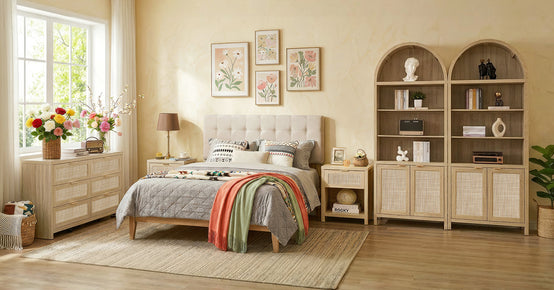
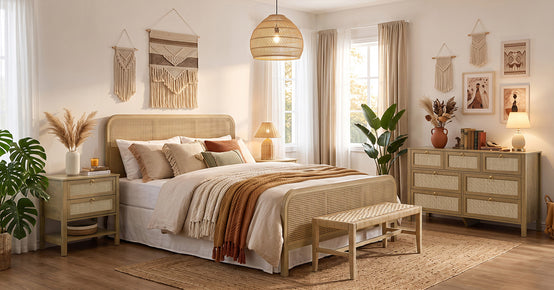
Small footprint, one drawer, room for a phone on top. A white bedside table with a drawer and open shelf holds a charger, glasses, and whatever you are reading without crowding the bed.
In a really tight bedroom, a stool or a rolling cart covers the same ground for less.
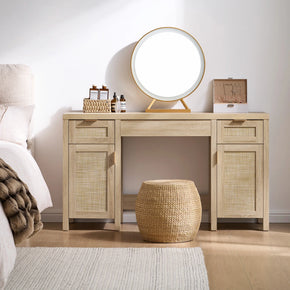
4. A Dresser That Doubles as a Surface

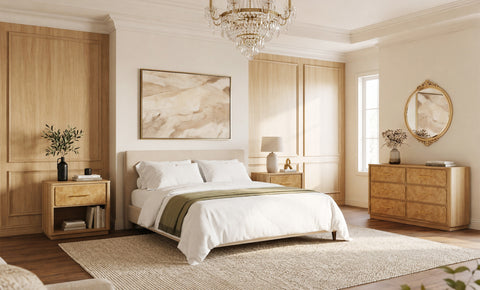
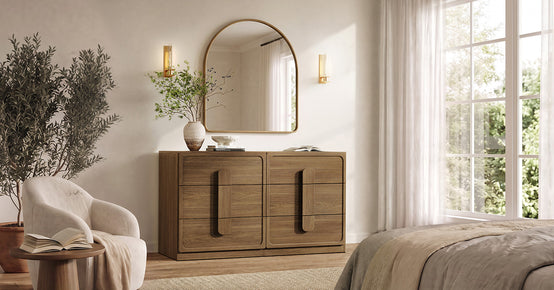
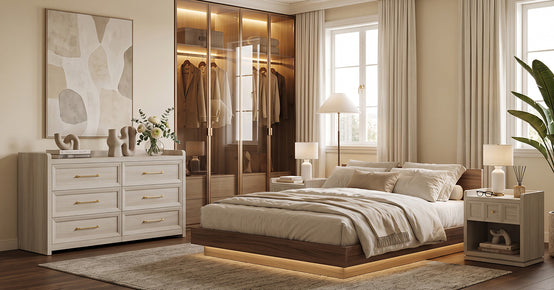
Clothes go inside. Put a lamp, mirror, or TV on top. Pick a wide low dresser when you want more usable surface, and go tall and narrow instead when the bedroom barely leaves you room to walk around the bed.
Anchor it to the wall—more on why further down.
5. A Desk You Can Actually Work At

Tiny decorative desks look great and hold nothing. Measure your laptop, a notebook and a drink, then buy for that.
Useful extras include a drawer, a shelf and a back panel with a cable gap.
Desk placement matters more than most people expect. Put the window to your side rather than in front of the screen or behind it. Facing a bright window tires your eyes. Backing onto one throws reflections across the display.
Side lighting is not a fix on its own. Add an adjustable task lamp for long study nights and a blackout or sheer curtain for the worst hours. Sit at the desk with the screen on before you commit to the spot.
Glare shows up fastest on a dark screen. Open a black image and look for the window.
6. A Desk Chair That Supports Your Back

You will sit here for hours during finals. Comfort beats color every time.
Check seat height against your desk before you buy. An adjustable base solves a lot of problems, and a stable five-point base is worth more than any styling detail.
7. A Compact Sofa Instead of a Big Sectional

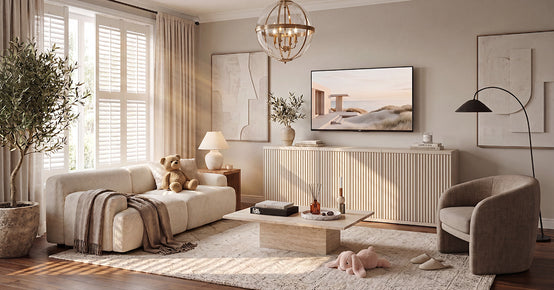
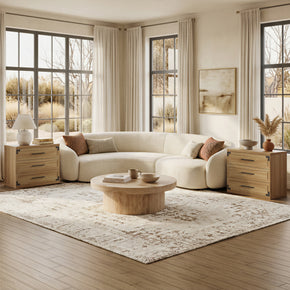
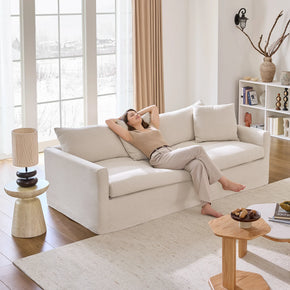
Big sectionals ruin moving day. A two- or three-seat sofa with legs that unscrew clears more doorways, and a modular one breaks down when the stairwell is bad. Browsing student-friendly living room seating with your measurements already written down saves a lot of guesswork.
8. A Sleeper Sofa or Futon

Worth it only if guests are realistic. A friend crashing twice a semester does not justify a bad sofa that is also a bad bed.
Multifunctional furniture still needs to nail its day job. Sit on it first.
9. A Storage Ottoman

A versatile option when it safely combines seating, storage, and a stable surface. Footrest and spare seat. Coffee table stand-in and blanket bin. One piece doing four jobs in a small apartment.
Check the rated load capacity before you sit on it. Many storage ottomans are built for feet, not people. The label or listing should give a weight limit. Skip it if there is none.
Lids are the part people forget. A slamming hinge is a pinch risk with small kids around. Look for a slow-close hinge or a lid that lifts free of the frame.
Closed storage traps air. Blankets left inside come out smelling stale—vents or a fabric-lined base help. A padded top isn't a table until you add a firm tray.
Pick a light one you can drag across the room with a foot. Weight matters more than it sounds. An ottoman you cannot move stops being flexible and turns into another fixed piece.
10. A Coffee Table With Storage

Choose usefulness over a big decorative slab. A lower shelf, a drawer or a lift-top gives you somewhere to hide remotes, chargers and homework.
Nesting tables are the flexible option. Pull them apart for a party, push them back together on Monday.
11. A Slim TV Stand or Media Console

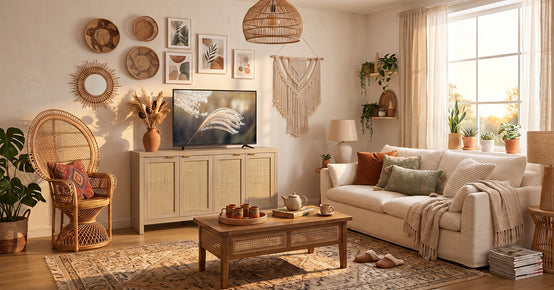
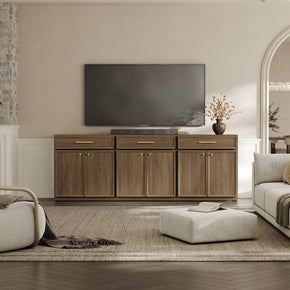
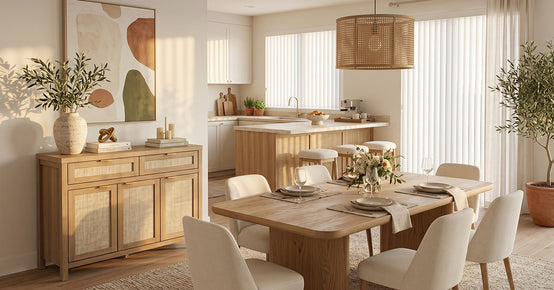
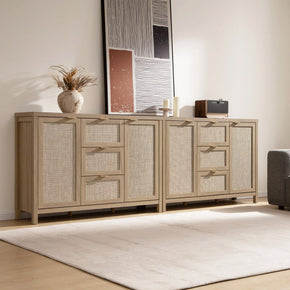
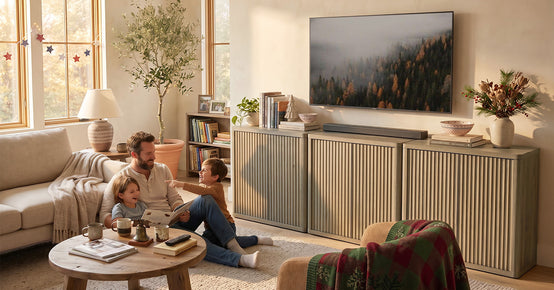
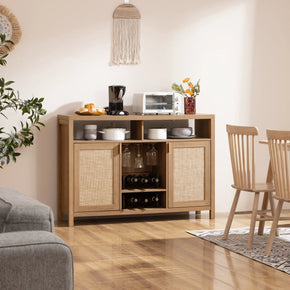
No TV? Skip this one outright. For everyone else, a narrow console beats a bulky entertainment wall. A two-door media console that hides the cable mess swallows games, the router, and whatever the household leaves lying around.
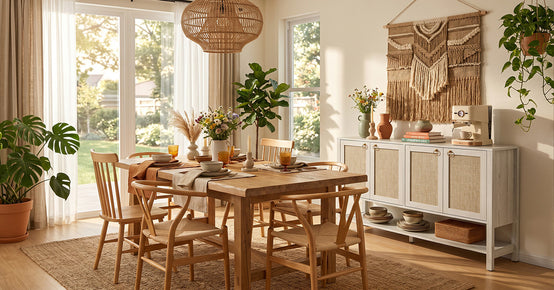
12. A Small Dining Table

Buy for how you really eat. A small round table works, and a drop-leaf or gateleg design folds flat after dinner.
It also becomes the group project table. That is usually the reason it earns its corner.
13. Stackable or Folding Chairs

You need six seats twice a semester and two seats the rest of the time. Folding or stackable chairs solve that without taking up permanent floor space.
Store them flat behind a door or under the bed.
14. A Narrow Bookcase

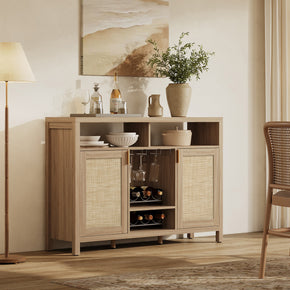
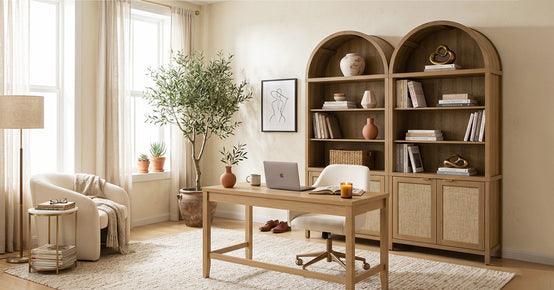
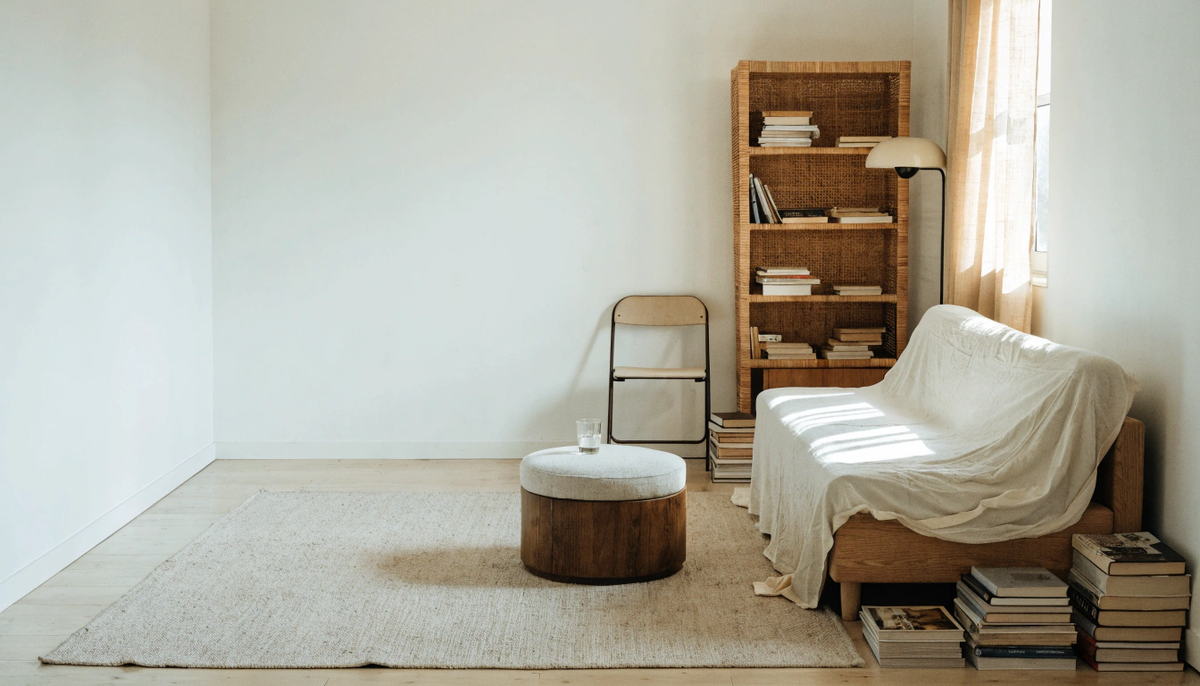
Go up instead of out. A tall rattan bookcase that uses wall height instead of floorspace holds books, baskets, pantry overflow, and half your desk clutter in about two feet of wall.
Tall units have to be anchored. Get your landlord to okay the holes first.
15. A Rolling Storage Cart

The most flexible thing on this list. Bedside table this month, bathroom storage next month, snack station during finals.
Because it rolls, it changes jobs whenever the apartment does.
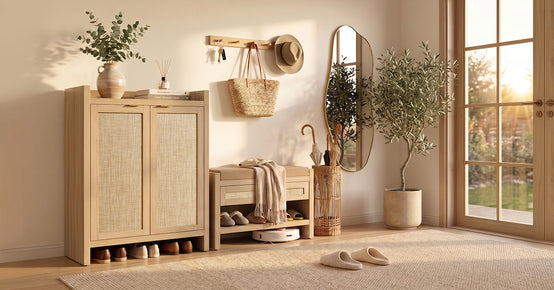
16. A Storage Bench or Cabinet by the Door

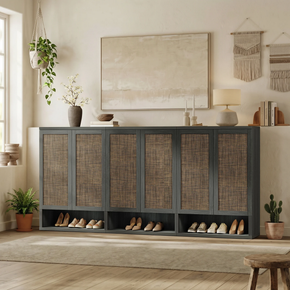
Shoes are the fastest way a shared apartment starts looking wrecked. A bench with a lid or a two-door shoe cabinet for a narrow hallway gives everyone one place to dump them.
Extra seating for pulling boots off is a nice bonus.
17. A Floor Lamp Instead of More Furniture

Rental overhead lighting is usually terrible. One slim floor lamp in the corner where you actually read makes a room more usable than another side table would.
Light the study corner and the seating corner. Ignore the middle.
18. A Large Area Rug to Tie the Room Together

One rug makes five separate secondhand finds read as a single room. It softens hard floors too, and it cuts down on the noise roommates hear through them.
Measure the seating layout first. A rug too small for the furniture floats in the middle of the floor and shrinks the whole room.
New or Used: How to Split the List
Secondhand is where the savings live. Some categories are safer than others.
Pieces That Hold Up Secondhand
Hard surfaces tend to survive a second owner better than upholstery. Coffee tables, dining tables, and wood chairs are reasonable used buys. Dressers, bookcases and desks can be too. Storage pieces carry risks a quick look will not catch.
Tip-over is the one to take seriously. Thefederal stability standard for clothing storage units applies only to units made after September 1, 2023. An older dresser or chest was never tested against it.
Anchor any tall storage piece to the wall, especially with kids in the house. Renters should check the lease first. Many allow small anchor screws with the holes patched at move-out, but ask before you drill.
Run through this before any money changes hands.
- Wobble it, open every drawer and check the joints for cracks
- Look for missing screws, loose rails, and repairs made with the wrong hardware
- Search the brand and model against the CPSC recall list
- Smell the drawers for must and check corners for mold or insect holes
- Treat painted pieces made before 1978 as possible lead paint
- Ask whether the original anti-tip kit came with it
Load-bearing and kids' furniture deserves more than a visual pass. A bunk frame, a bookcase a child will climb, or a desk holding heavy equipment is worth walking away from if anything feels loose.
Be Choosier About These
Go slower on mattresses, heavily padded pieces, and desk chairs with tired mechanisms. Fabric hides far more than wood ever will. A sunken gas cylinder in a free chair is not a bargain.
Best Places to Find College Apartment Furniture for Less
Marketplace and Local Sale Pages
Best odds on desks, dressers, tables, chairs, and bookshelves. Type your own message instead of tapping the auto-reply, then contact roughly twice as many sellers as you think you need, because most of them never write back at all.
Sort out pickup before you agree on anything. A free dresser you cannot transport is not free.
Thrift Stores and Secondhand Shops
Best when you can inspect in person. Judge the frame first and worry about the finish second, since paint fixes color but nothing fixes a wobbly joint.
Estate and Yard Sales
Good hunting for solid wood pieces, lamps, small tables, and kitchen gear. Some towns run a designated sale weekend, so check before you drive around.
Move-Out Season and Buy Nothing Groups
Graduating students dump good furniture in May because hauling it home costs more than replacing it. Watch campus groups, housing boards, and local Buy Nothing pages, and offer to pick up.
Safety Checks Most College Furniture Guides Skip
This is the part missing from almost every college apartment furniture roundup. It matters more than which coffee table you pick.
Anchor Anything Tall
Dressers, bookcases, and TV stands tip. CPSC runs a whole campaign on it, and a federal stability standard for dressers and clothing storage units took effect in September 2023.
Follow the instructions that came with the anchor kit. Fasteners have to match the wall. Drywall, plaster, and masonry each need a different one, and a stud beats all of them.
Time and difficulty vary more than people expect. Stud location, wall material, and the piece itself all change the job. If you're unsure, bring in a qualified installer rather than guessing.
Renters need written permission before you drill. Ask about patching at the same time. That conversation is easier before the holes exist than after.
Watch the Power Strips Behind Your Furniture
Student rentals run heavy loads on old wiring. Use a surge protector with built-in overload protection rather than chaining extension cords together, and never let a cord sit under a rug or get pinned flat behind a headboard.
Off-campus housing is where the deaths happen. The U.S. Fire Administration studied 85 fatal campus fires between January 2000 and May 2015, and94 percent occurred in off-campus housing. Smoke alarms were missing or disabled in 58 percent of cases.
Test the smoke alarms before you decide where to put furniture. Press the button on each one. Then check that no bed, wardrobe, or bookcase blocks a window you would need to climb out of.
Inspect Free Furniture for Bed Bugs
Curb finds and hand-me-downs are how infestations move into clean apartments. EPA guidance says the same thing in plain words. Inspect secondhand furniture, beds, and couches before any of it crosses your doorway.
Use a flashlight to check seams, screw holes, drawer joints, and the underside of every tag. Rust-colored specks are your cue to leave it there.
How to Make Mismatched Furniture Look Intentional
Pick One Small Color Palette
Pick one main neutral plus one or two accent colors. Repeat those same colors across the pillows, the rug, the curtains and the bedding, and the room starts reading as planned rather than collected. Three colors is plenty.
Let Wood and Metal Finishes Mix
Nothing has to match. Repeat any one finish at least twice, and the eye stops noticing the rest.
Use Textiles and Light to Connect Things
A rug, a lamp, and matching curtains do more visual work than a matching furniture set costs. That is the cheapest trick in this entire guide.
Common College Apartment Furniture Mistakes

Buying everything before move-in day. Filling every wall. Choosing a sectional that cannot climb your stairs. Paying for furniture only because it was inexpensive.
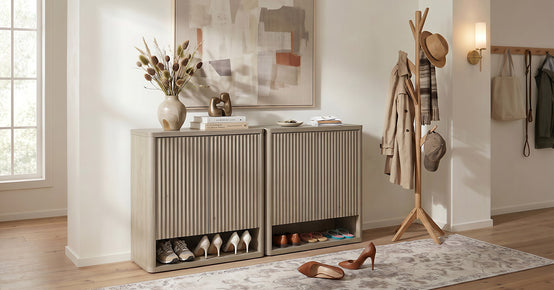
Forgetting the front door is another one. Bags and shoes pile up within a week, and an entryway storage range fixes it faster than any amount of tidying.
One rule covers all of them. Buy for the apartment you are living in, and lean toward pieces that can survive the next one.
A College Apartment Furniture Priority Order
First round: a bed and mattress, a desk and desk chair, somewhere to keep clothes, plus shared seating and one decent lamp for the room you spend the most time in.
Second round, a few weeks in: a coffee table, extra seating, a bookcase, any dining upgrade. A month of living there tells you more than a floor plan ever will.
Final Word Before You Buy
A good college apartment does not need a matching set. A solid bed, a study setup that does not wreck your back, practical seating, and enough storage will carry you through the year.
Measure first. Agree with your roommates, buy the essentials, then wait a month before filling the gaps. Good college furniture solves a problem today without becoming one on moving day.
FAQs
What is the best furniture for a college apartment?
- Small multifunctional pieces you can carry up a staircase. A bed with clearance underneath, a desk big enough to work at, a chair that supports your back, a storage ottoman.
- Your list depends on what came with the unit. Read the lease before you spend a dollar.
What are some affordable ways to furnish an apartment?
- Marketplace listings, thrift shops and yard sales cover most of it. Buy Nothing groups, hand-me-downs and campus move-out week cost nothing at all.
- Split the shared pieces with roommates, and put in writing who keeps each one when the lease ends.
How do you furnish a dorm room cheaply?
Figure out what the dorm already supplies, then buy only what's missing. Under-bed bins, a rolling cart, a decent lamp, and used storage handle most of the rest. Read the residence hall rules before anything large.
What are 5 examples of furniture?
A bed, a sofa, a chair, a table, and a dresser. Desks, wardrobes, bookshelves, and benches sit in the same family. A college apartment furniture list usually pulls from all of those groups.
How do I design a dorm room?
Start with the bed, desk, and closet, because those rarely move. Next, add bedding, task lighting, small storage, and a rug. Leave the walkway clear and keep wall decor removable.
What is the most useful item to have in a dorm room?
For most people, a rolling storage cart is most useful. Toiletries, snacks, supplies, bedside odds and ends all fit, and it rolls wherever the layout goes next. What you truly need still depends on what the room already has.
How long does it take to furnish a first apartment?
Give it a few weeks, not a weekend. Essentials land on day one, then the rest fills in gradually as you work out how you actually use each room. Rushing is how people end up with furniture that does not fit.
Sources
- U.S. Consumer Product Safety Commission – Anchor It! Furniture and TV Tip-Over Prevention
- U.S. Consumer Product Safety Commission – Final Safety Standard to Prevent Tip-overs of Dressers and Other Clothing Storage Units
- U.S. Fire Administration – Fire Safety for College Students
- U.S. Consumer Product Safety Commission – Off-Campus Fire Safety: See It Before You Sign It
- U.S. Environmental Protection Agency – Protecting Your Home From Bed Bugs
- National Pesticide Information Center – Bed Bugs
- Sleep Foundation – How to Choose a Mattress


Looking for something else?

Burl Wood Furniture: The Complete Buying Guide
LEARN MORE
What Is a Hope Chest? Meaning, History, and Modern Uses
LEARN MORE
What Is a Foyer? Meaning, Purpose and Design Guide
LEARN MORE
GREENGUARD Gold Certified Furniture: What It Really Means for Your Home
LEARN MORELooking for something else?

How to Clean a Mirror Without Streaks: Simple Step-by-Step Guide
LEARN MORE
21 Above-Bed Decor Ideas for a Stylish Bedroom Wall
LEARN MORE
Furniture Materials Guide: Picking the Right Material Room by Room
LEARN MORE


Further reading

18 Decorative Storage Box Ideas That Hide Clutter Well

How to Store Comforters Without Losing Space or Loft


