

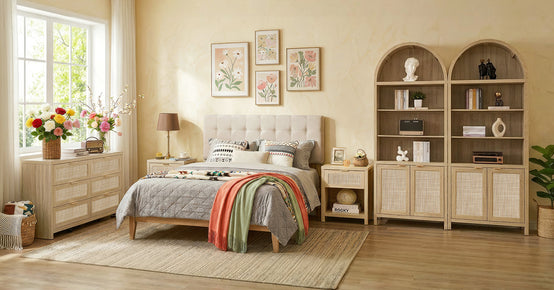
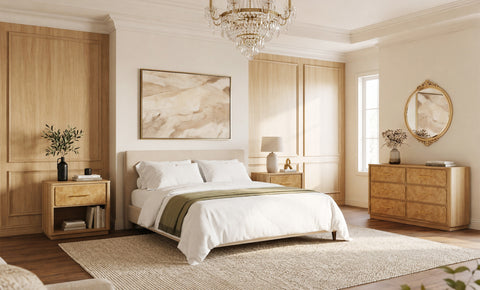
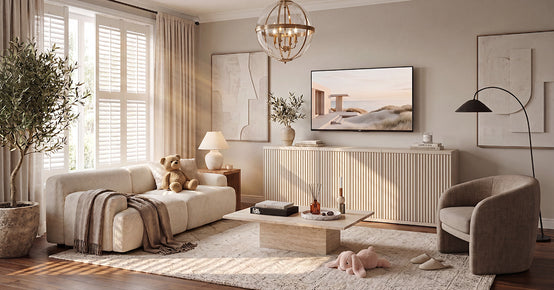
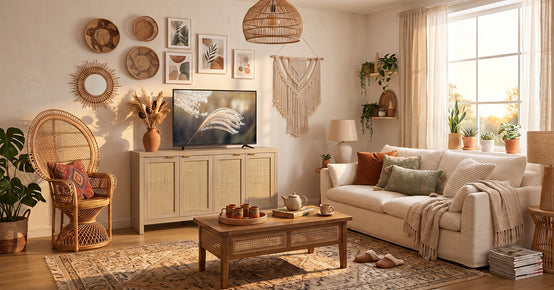



41 Organic Modern Bedroom Ideas for a Calm, Natural Space

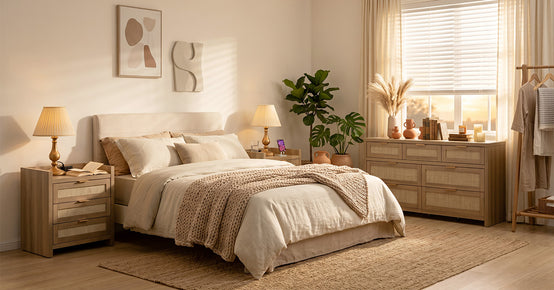
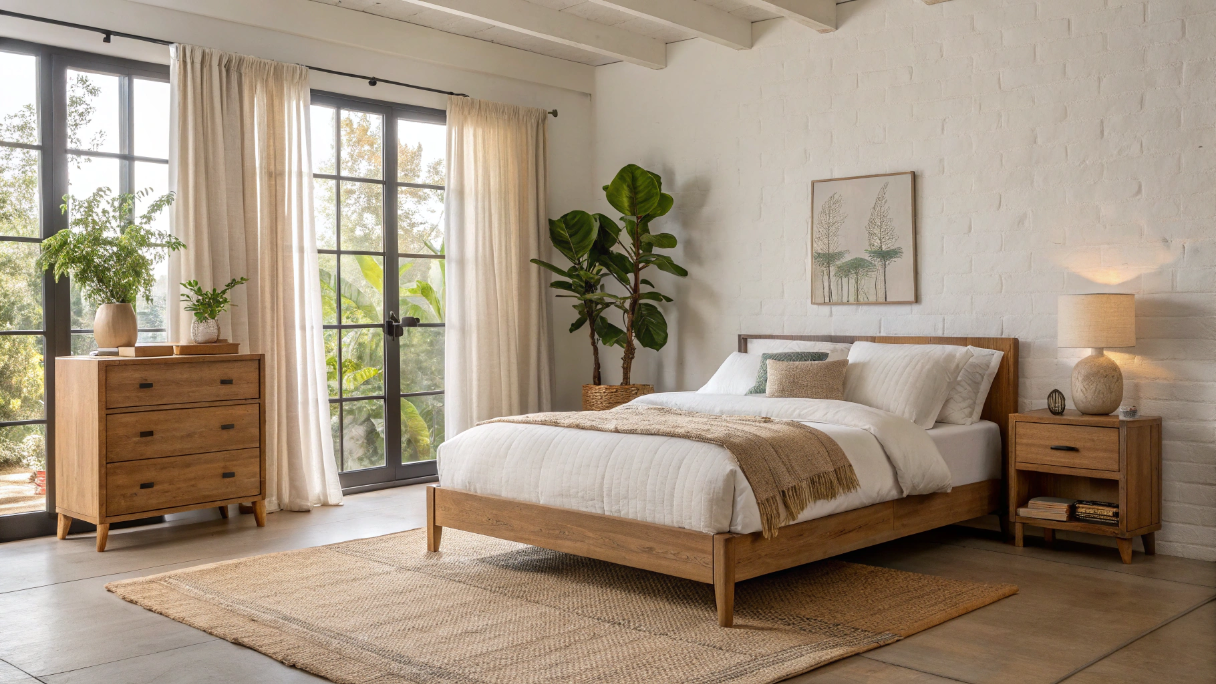
There was a bedroom I stumbled upon in a design magazine a couple of years ago. I almost turned the page. It didn’t have drama. No grand statement piece, no gallery wall, no rich color doing something unexpected. Just a cream linen bed against a warm white wall, a low oak dresser with one ceramic lamp, a jute rug, and a single large plant near the window. I stopped on that page longer than I’d stopped on anything in that issue. Couldn’t fully explain why. The room just felt like somewhere actually to be.
That room was what people now call organic modern — before I had a word for what I was looking at. Organic modern bedroom design is a style that avoids both extremes that most people are trying to leave behind. Not cold minimalism, where the room feels like a concept you’re visiting rather than a place you live.
Not heavy rustic, where the raw wood and exposed stone take over. Not maximalist boho, where every surface is covered and the room never quite settles. Organic modern sits deliberately between all of them. It borrows the clean structure of modern design and softens it with materials from the natural world. Wood with genuine grain. Linen that wrinkles the right way. Clay with an imperfect surface. Stone with weight and variation that no manufactured substitute replicates.
The reason this aesthetic keeps growing in searches and saves is not complicated. People are visually exhausted. Tired of rooms that photograph well but feel like sets. Tired of furniture that was clearly chosen from a trend board rather than by someone with an actual opinion. Tired of bedrooms that are technically correct and somehow still don’t feel right to sleep in. Organic modern bedrooms solve this. They look considered rather than styled. They feel warm rather than impressive. Walking into one, nothing is asking for your attention. The room just sits there and lets you be in it.
What makes this style genuinely useful is that it works at any scale. A 10x12 bedroom can do this well. A large primary suite can do this well. A rented apartment with untouchable walls can do this well.
The foundation never changes: a warm neutral palette, natural materials wherever possible, clean lines that don’t compete for attention, and enough open space for the room to breathe. Every other decision — the specific wood tone, which accent color to bring in, whether the bed is upholstered or solid oak, how many plants — follows from those four things.
What Defines Organic Modern Bedroom Design?

The name is doing two things at once, and the tension between them is the whole point. Modern design gives you clean lines, edited layouts, geometric precision, and the discipline of removing what isn’t necessary. Organic design gives you natural forms, genuine materials, and textures and variations that come directly from the physical world. These two directions usually pull against each other. Organic modern holds them together in a specific way.
Modern architecture provides the structure. Simple silhouettes. Clear visual hierarchies. The absence of ornamental clutter that competes with the room’s fundamental character. Natural materials provide the warmth. The grain running through a plank of oak. The weave is visible in a linen sheet. The slight roughness of a handmade ceramic. The weight of a stone tray. Neither element compromises. The lines stay clean. The materials stay genuinely natural. The room that emerges from this combination has a settled quality — specific and unhurried — that decoration alone can’t create.
It’s worth being clear about what this style is not, because confusing it with adjacent aesthetics is where most organic modern rooms go wrong.
Not minimalism. Minimalism presents the space itself as the content. Organic modern replaces things with better things. A ceramic lamp where a generic one would have gone. A jute rug where the bare floor would have been. One handmade object on the dresser surface instead of six sourced ones. The room stays edited. The edit is toward authenticity and warmth, not toward absence.
Not farmhouse or rustic. Those styles celebrate raw, weathered surfaces as their aesthetic focus. Organic modern uses natural materials to support a modern room, not to define the room’s entire character. The wood is warm, not rough. The ceramics are handmade, not conspicuously artisanal. Grounded, not rural.
Not boho. Boho collects until the surfaces are full. Organic modern stops before they are. Same palette territory, same general material sensibility. The difference is restraint. That difference is the whole difference.
1. Start With a Warm Neutral Wall Color

Wall color comes first because it sets the conditions for every material in the room. Warm white next to natural oak makes the wood look like it chose the wall. Brilliant white next to the same wood looks like someone forgot to think about the relationship.
Warm white. Cream. Soft beige. Greige. Warm taupe. Not cool gray, not brilliant white. The undertone matters more than the specific name on the paint chip. Warm undertones make linen look luxurious. Cool undertones make the same linen look pale and flat.
One thing most people skip: in small bedrooms, paint the walls, ceiling, and trim the same color. The visual continuity removes every boundary, and the room stops feeling like it’s measuring itself against you.
2. Add One Earthy Accent Color

The neutral base needs one anchor before it starts reading as undecorated. Clay. Rust. Warm olive. Mocha. Dusty terracotta. Not vivid, not saturated. The kind of color that looks like it grew from the same earth as the rest of the palette.
Use it in three places: a cushion, a throw, and one small ceramic piece. Three repetitions, and it reads intentionally. Two repetitions, and it reads accidentally. One is just an object that wandered in.
3. Layer Similar Tones for Quiet Depth

Cream bedding. Beige curtains. Oatmeal rug. Light oak dresser. Four different things in the same tonal family. The room looks rich without looking decorated. Tone layering is what separates organic modern from just being beige.
Texture is the mechanism. When colors are all close together, the materials carry the visual interest. Linen weave, wood grain, wool pile, ceramic surface. Each reads differently. Together, they make a room feel layered and complete without adding anything extra.
4. Try a Low-Profile Platform Bed

Platform beds sit close to the floor. That single characteristic does a lot. Ceilings feel taller. The room feels more settled. The bed's horizontal line echoes the style's clean lines without trying.
A cream or warm white upholstered frame at a low height is one of the quietest and most consistent choices in this aesthetic. It doesn’t ask for anything from the room around it. The room just looks better with it in it.
5. Choose a Neutral Upholstered Headboard

The headboard is at eye level against the largest wall. Whatever it does, it does loudly — even if what it does is stay quiet. Getting this right shapes the entire bedroom’s visual character before anything else goes in.
Linen, boucle, or a neutral cotton blend. Cream, stone, oatmeal, greige, warm soft gray. A flat panel or a gentle curve — nothing dramatically shaped, nothing with heavy tufting or shiny fabric. The headboard should be calm enough that the rest of the room can breathe around it.
6. Use a Solid Wood Bed Frame

Wood is irreplaceable in this aesthetic. The grain running through a real plank is different in every board. The warmth is material, not applied. Oak, walnut, ash, acacia. Simple forms. No carved ornament. Matte oil or natural stain finish, not lacquer.
The grain does the design work. The frame stays out of the way and lets it.
7. Try a Slim Wood Canopy Bed

Modern canopy beds look nothing like their heavy, traditional predecessors: slim, raw wood or matte-black metal. No curtains. Neutral bedding that doesn’t compete with the frame. The structure becomes architectural rather than decorative.
Works in rooms with nine feet or more of ceiling height. Below that, the frame competes with the vertical space and wins in the wrong direction.
8. Layer Linen Bedding

Linen bedding is the highest-impact single change in an organic modern bedroom. The natural wrinkles aren’t a flaw — they’re the texture the room needs. The slightly undone look signals real warmth. A perfectly pressed bed reads as a hotel. A linen bed reads as home.
White, cream, oatmeal, warm off-white. The deliberate casualness of linen — the soft rumple, the gentle drape — is doing real design work. Don’t iron it.
9. Keep Pillows Intentional

Two sleeping pillows. Two decorative pillows. One lumbar if the bed is wide enough to need it. That’s the complete list—more than that and the bed tips toward the showroom rather than the bedroom.
Two or three textures within the same color family. Linen, boucle, cotton waffle, chunky knit. The texture variety creates interest. The color consistency keeps it settled. Adding more pillows will not improve the bed. It will complicate it.
10. Add a Wool or Cotton Throw

One throw draped over the foot of the bed or over one corner, not folded precisely. This does more for the room's lived-in warmth than six extra cushions ever would. The throw should look like it belongs to someone.
Chunky knit, waffle cotton, simple wool. Earth tone or a neutral that slightly deepens the palette. The texture matters. The casual placement matters. The specific material matters much less.
11. Choose Minimalist Nightstands With Natural Finishes

The nightstand gets touched more than any other piece of furniture in the bedroom. It holds the lamp, the book, and the glass of water. It needs a drawer for the things that don’t need to be visible. This is the brief before aesthetics.
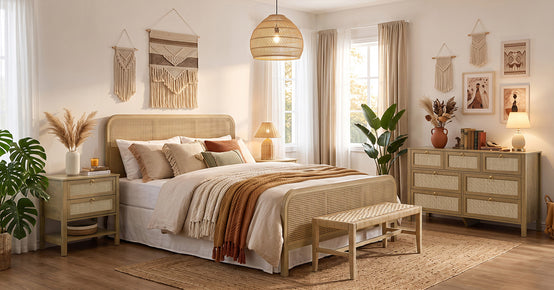
Warm wood, stone, or a matte neutral finish. Slim, clean silhouette. No ornate hardware. For real drawer storage and a warm, organic profile that doesn’t draw attention from the surrounding room, the Savanna Nightstand with 3 Drawers handles both requirements: function and quiet presence—neither compromising for the other.
12. Keep Bedside Styling Minimal

One lamp. One book or journal. One small object — a ceramic dish, a small plant, a candle. A tray to hold it all so the surface reads organized rather than covered. That is the complete nightstand brief.
Every additional object on the nightstand divides attention and reduces calm. The organic modern bedroom is built on editing. The nightstand is where editing is hardest and most necessary. Start there.
13. Use a Low Wide Dresser

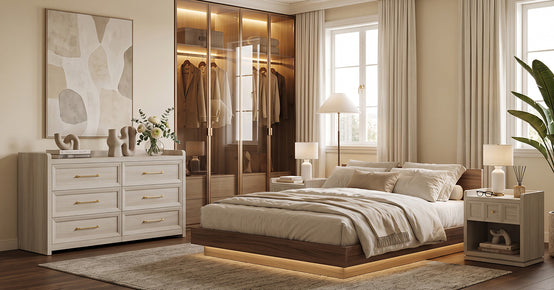
A wide, low dresser on one wall anchors the room horizontally. It adds storage, creates a surface, and gives the room a strong visual baseline without pulling focus from the bed.
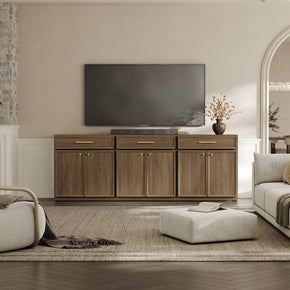
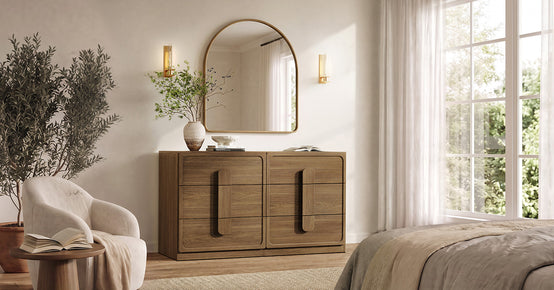
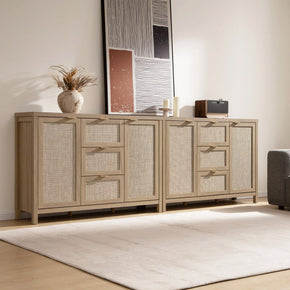
Clean drawer fronts. Warm wood or matte white. Simple or invisible hardware. A dresser that recedes is better than one that demands notice. The Stria Dresser with Large Drawers is built for this role — wide format, real capacity, and textured drawer fronts that add organic character without making the piece a statement. The surface holds one lamp and one small object. Everything else goes in a drawer.
14. Add a Bedroom Bench

A low upholstered bench at the foot of the bed makes the room look finished and not decorated. Finished. There’s a difference, and a bench is one of the clearest examples of it.
Linen, boucle, or cotton. Low profile, simple silhouette. It should be quiet enough that the bed reads first and the bench reads second.
15. Bring in a Small Accent Chair

A reading chair in a corner gives the bedroom a reason to be in besides sleeping. That single functional addition changes the character of the whole room from a place to end the day into a place actually to be.
Boucle or linen, rounded shape, neutral tone. Pair with a small side table or floor lamp. The corner becomes a destination. The chair doesn’t need to be large. It needs to look like someone put it there on purpose.
16. Choose a Jute or Wool Rug

The rug grounds the bed and softens the floor. It’s often the most textured and warmest element in the room. Getting the material right matters. Jute, wool, or low-pile cotton. Warm neutral tone.
Size: large enough that the bed sits fully within it, or at a minimum, that all four legs reach it. A rug that’s too small looks like a mat placed near the bed. The organic modern bedroom needs the rug to anchor the entire seating and sleeping zone, not just suggest one.
17. Keep Rug Patterns Subtle

Solid or near-solid natural texture. Suppose there’s a geometric, low-contrast pattern. A high-contrast rug becomes the thing the eye keeps returning to. That repetitive attention-pulling is the opposite of what this aesthetic is trying to create.
The rug supports the room. In a room built for calm, a loud rug forces every other decision to accommodate it. That’s the wrong starting point.
18. Use Ceramic and Clay Accessories

Ceramic vases. Clay pots. Stoneware lamp bases. These materials carry authenticity that manufactured alternatives genuinely don’t—the slight imperfection in a thrown bowl. The matte surface absorbs light rather than reflecting it. The rim that isn’t perfectly round. These details make a room feel personal.
One or two pieces. Matte finish. Earth tones or soft white on the dresser or one shelf. The restraint is the point. Cover every surface with ceramics, and the room becomes a display. One or two, and each piece registers clearly.
19. Add a Woven Basket or Tray

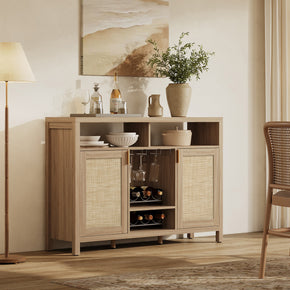
A woven basket on the floor or a shelf adds texture without adding color. A rattan tray on the dresser turns a scattered surface into an organized one. Both do double duty — functional and visually grounded in the same object.
One basket. One tray. The basket holds things that need a home. The tray holds the things that live on surfaces, making them read as a collection rather than a mess.
20. Try Rattan Furniture Sparingly

One rattan piece — a chair, a side table, a headboard detail — adds the organic, natural character the style is named for. The single piece carries the reference cleanly.
More than one rattan piece, and the room shifts from organic modern into boho. One is the right number. It always is.
21. Add One Large Plant

One large plant provides more organic energy to this room than five small ones scattered across surfaces. A rubber tree, olive tree, fiddle leaf fig, snake plant, or bird of paradise near the window—neutral ceramic or woven planter.
Large plants create a moment. A design moment that doesn’t require decoration to produce. They take up vertical space that would otherwise just be a wall. They bring color that doesn’t compete with the palette. They signal that someone tends to the room.
22. Use Nature-Inspired Artwork

One large piece above the bed or above the dresser. Abstract landscape, soft botanical print, or a simple line drawing in an earthy tone. Frame in warm wood, plain black, or thin brass.
One piece. Not a gallery wall. One reads as deliberate. A gallery wall in a room, trying to feel calm,m reads as collected and visually busy. Those are different things. Organic modern favors the single deliberate statement.
23. Mount Curtains at Ceiling Height

Curtain rod at the ceiling line, not the window frame. Panels floor-length. This makes every ceiling feel taller, and every window feel larger. It costs the same as hanging them at the wrong height. Almost no one does it, and the difference is immediately visible.
Linen or cotton. White, cream, or warm off-white. Sheer enough for morning light. The fabric should drape softly, not hang stiffly.
24. Use a Second Layer for Blackout

Sheer linen in front for texture and a daylight blackout layer behind for actual sleep quality, both at ceiling height. The organic modern aesthetic often suffers from the same problem: beautiful in the day, too bright at night. Layered curtains fix both.
25. Choose Sculptural Table Lamps

The lamp on the nightstand is one of the most-seen objects in the bedroom. It’s on in the morning. It’s on at night. Getting it right or wrong changes the room twice a day.
Ceramic, plaster, stone, or matte metal base. Warm-toned shade. The shape should be interesting enough to register but quiet enough not to compete with the bed. Warm white bulb at the lowest functional wattage. The lamp should belong to the room, not be plugged into it.
26. Add Wall Sconces Beside the Bed

Two matching sconces, one on each side of the bed at reading height. They completely clear the nightstand surface and create a reading light that is actually positioned correctly for reading in bed.
Warm brass, matte black, brushed nickel. Plug-in versions look identical to hardwired from across the room. Works in rented spaces. No exceptions needed.
27. Avoid Harsh Overhead Light

Single ceiling fixture at full brightness in a bedroom designed to feel calm undoes everything the palette and materials built. Overhead on a dimmer. Lamps and sconces in the evening. The two light conditions make the room feel different at different times of day. That shift is the point.
28. Use a Rattan or Woven Pendant

A woven rattan pendant adds organic texture at ceiling level. Most bedrooms leave the ceiling as a blank, flat surface with a generic fixture. The pendant changes that without requiring any structural work.
One textured overhead element. Keep everything below it simpler so the pendant reads clearly.
29. Try Warm Limewash Paint

Limewash on one wall adds depth that flat paint physically cannot. The slight tonal variation across the surface catches light differently throughout the day. Subtle in photographs. Significant in person.
Warm white, soft taupe, or muted clay. Behind the bed. The limewash wall becomes the backdrop for the room, which is organized around, and the headboard looks intentional against it without requiring anything above it on the wall.
30. Add Wood Paneling or Slats

Vertical wood slats on the wall behind the bed create architectural warmth specific to this aesthetic. Not as heavy as full paneling. Not as plain as paint. The slats add rhythm, depth, and a material honesty that entirely changes the character of the wall.
Medium or light wood tone. Even spacing. The bed sits in front, and the wall becomes the backdrop for the whole room, which.
31. Use Floating Shelves With Restraint

One or two floating shelves above the dresser. Two or three things on each. One plant. One ceramic. A few books on their sides with space between them.
More objects than that, and the shelf becomes a collection. Organic modern rooms don’t collect. They select. That’s the distinction.
32. Keep the Dresser Surface Clear

A lamp. One small object. One plant if the surface has room for it. The dresser surface is brief in this aesthetic.
The wood grain, the texture of the drawer fronts, the proportions of the piece — these read correctly when the surface doesn’t compete with them. For matching nightstands built to the same standard, the Crescent Nightstand 3 Drawerspairs well with this kind of dresser. Clean structure, natural finish, organized interior. Nothing extra visible.
33. Use Negative Space as a Design Element

An undecorated wall beside a beautiful bed reads as deliberate. A wall covered in art and mirrors reads as accumulated over time. They are not equally good. In an organic modern bedroom, the empty wall is the room's breathing.
Breaking the habit of filling walls is worth the effort. The room needs to rest.
34. Choose Stone or Concrete Accents

A stone tray. A concrete lamp base. A marble dish. These materials add visual weight in a controlled and specific way. They ground the softer organic elements — linen, wool, rattan — without competing with them.
One or two. Matte or honed finish. The rough quality connects to nature. Polished stone belongs somewhere else.
35. Match Your Metal Finish

One metal finish throughout the bedroom. Warm brass, matte black, brushed nickel, or bronze. Lamp hardware, drawer pulls, curtain rod, sconces. When the metals match, the room reads designed. When they don’t, it reads assembled from separate purchases made at separate times.
Warm brass connects naturally to the earthy palette. Matte black works when the room has more contrast and cleaner lines. Either is right. Both at once is not.
36. Use a Large Mirror Strategically

A large mirror above the dresser or leaning against the wall beside it reflects natural light, making the room appear larger. In a small bedroom, this effect is meaningful. Frame in simple wood, thin brass, or frameless.
Directly opposite a window. The daylight it sends back into the room is worth more than any lamp during the day. And the depth it creates — the implied space behind the reflection — changes small room proportions in a way nothing else can.
37. Build in Smart Storage

Visible clutter destroys the calm of an organic modern bedroom. Not partially. Completely. Every bag on the floor without a home, every cable on the nightstand, every stack of things waiting to be dealt with — all of it undoes the palette, the materials, and the careful decisions made to create the room.
Closed storage. Enough drawers. A specific home for everything. The Cas 6-Drawer Dresser handles the practical storage load of a real bedroom. Six drawers. Clean front panel. A surface that holds two or three things comfortably. Everything else stays inside. Surfaces stay clear. The calm that the rest of the room is working to build stays intact.
38. Try an Organic Modern Small Bedroom

Small bedrooms do this aesthetic better than most people expect. The edit the style requires is the same one small rooms enforce—fewer pieces. Natural materials. Warm palette. Enough space to breathe.
One nightstand if only one fits. A floating shelf instead of a full dresser. One mirror, one lamp, one plant. Nothing extra. The room's constraints and the style align. They help each other.
39. Design a Moody Dark Version

Organic modern doesn’t mean light and cream: deep taupe walls, warm mocha, dusty dark olive. A dark backdrop with cream linen bedding, warm wood furniture, and layered warm lighting creates an intimacy that the lighter versions genuinely don’t have.
The room feels like somewhere actually to rest rather than somewhere to look at. The principles are identical. Natural materials, neutral tones, clean lines. Just in a darker register. Different mood. Same style.
40. Add Handcrafted Ceramics for Personal Character

A handmade ceramic vase. A thrown clay bowl on the dresser. A studio-made lamp base. These pieces carry something that mass-produced objects can’t. Material authenticity that registers in person and in the room, even when you can’t name specifically what you’re sensing.
One or two. That’s enough. One handcrafted piece changes the quality of the whole room around it. It gives the room personality without adding clutter. That is the specific thing organic modern is trying to achieve.
41. Edit Before You Add

The most common mistake in organic modern bedrooms is overdoing it. More texture, more plants, more accents, more layers of things the room didn’t ask for. The rooms that actually hold up are the ones where someone decided to stop before the room was full.
Before buying anything new, take three things out of the room. Live with the space for a day. More often than not, the edit is more powerful than any addition. Organic modern is fundamentally a practice of restraint. The warmth comes from the materials. The calm comes from everything that isn’t there.
Common Organic Modern Bedroom Mistakes to Avoid
- Using only white with no warm undertone, the room reads clinical, not calm.
- Furniture that’s too rustic — organic modern is not farmhouse
- Too many small decorative objects are competing for attention at once
- Cold gray instead of warm neutrals — gray belongs to a different version of modern
- Overdoing rattan or boucle — one piece is character, three is a theme
- Ignoring storage — visible clutter destroys calm regardless of the palette
- Rug too small — furniture floats rather than anchors
- Single harsh overhead light — it undoes the warmth that the materials are building
- Too many wood tones — one primary throughout, one secondary at most
- Adding before editing — subtraction almost always improves the room faster
FAQ
What is an organic modern bedroom?
A room that blends clean modern structure with genuinely natural materials, warm neutral tones, and real textures. The modern part gives it clarity and calm. The organic part gives it warmth and authenticity. Together, they produce a bedroom that feels settled and specific rather than staged or assembled. Not cold, not heavy, not themed. Just a good room to be in.
What colors work best in an organic modern bedroom?
Warm white, cream, soft beige, greige, warm taupe, oatmeal. Add one low-saturation accent — clay, rust, muted olive, warm brown, dusty terracotta — used in two or three places—the warm undertone throughout matters more than the specific color name. Cool grays don’t belong here. Brilliant white doesn’t belong here. The palette should feel as if it came from the same earth as the room's materials.
What furniture is best for an organic modern bedroom?
A low-profile platform bed or neutral upholstered headboard. Minimalist nightstands in wood or stone with a drawer or two. A wide, low dresser with clean lines. A simple bench at the foot of the bed. One accent chair if the room has genuine space for it. Everything quiet. Everything useful. Nothing ornate, nothing glossy, nothing that draws more attention than the bed.
Is organic modern the same as minimalist?
No. Minimalism presents absence as the content. Organic modern replaces things with things that feel more authentic. A ceramic lamp instead of nothing. A jute rug instead of a bare floor. One handmade object on the dresser instead of six sourced ones. The room stays edited, but the warmth comes from what’s there, not from what was removed. Organic modern rooms feel inhabited. Strict minimalist rooms sometimes don’t.
How do I create an organic modern bedroom on a budget?
Neutral linen bedding first. It changes the room immediately and costs relatively little. Then one warm ceramic lamp. A correctly sized jute rug. Edit all visible clutter off every surface before buying anything else. Add one large plant near the window. Those five moves will do 80 percent of the work before any furniture is replaced or purchased. Let the room settle before adding more.
Can an organic modern bedroom be dark or moody?
Yes. Deep taupe, charcoal, warm mocha, dark dusty olive. Dark walls with cream linen bedding, warm wood furniture, and layered warm lighting create an intimacy that the lighter versions don’t have. The principles don’t change. Natural materials, neutral tones, clean lines, and enough space. Just darker. The room feels more like somewhere to rest deeply rather than somewhere that’s bright and open.
How do I stop it from looking boring?
Layer texture, not objects. When colors stay similar and calm, the materials carry the visual interest. Linen weave, wood grain, wool pile, ceramic surface, stone weight, woven fiber. Each one reads differently as the light changes throughout the day. Texture within a single tonal family makes a room feel rich and specific. Adding objects in different colors makes it feel busy. The organic modern approach is texture first. Objects second. Always.
What type of lighting works best?
Layered and warm. Overhead on a dimmer. Table lamps or wall sconces at the nightstands. A floor lamp in a reading corner, if there is one. Warm white bulbs, not cool white. No single source. No full brightness at night. The light should feel like late afternoon rather than an examination room. Soft, directional, layered. The lighting makes the room's natural materials glow. That’s the whole brief.
Final Thoughts
Organic modern bedrooms work because the style and the purpose of a bedroom are actually the same thing. A bedroom is where you go to slow down. Organic modern design is built on slowing down — on materials, proportions, and the editing of everything that asks for attention. The two align.
Start with the palette. Get the materials right before adding decoration. Edit before buying anything new. The Sicotas modern bedroom furniture range has the pieces this approach genuinely needs — clean-lined dressers, nightstands with real storage, bedroom furniture built to support the room and stay out of its way.
Sources
- Havenly — Organic Modern Bedrooms Are Trendy Yet Timeless — Neutral palettes, natural textures, modern silhouettes, and organic modern bedroom examples from professional designers.
- The Coolist — Organic Modern Bedroom Ideas for 2026 — 2026 organic modern bedroom trends, warm textures, earthy palettes, and clean furniture styling.
- Aetheris Concepts — Organic Modern Bedroom Ideas — Core style principles: wood, linen, stone, rattan, wool, neutral palettes, organic shapes, minimal clutter.
- The Citizenry — The Organic Modern Home — Organic modern bedroom decor, neutral tones, organic textures, baskets, throws, and streamlined furniture.
- Carla Aston — Designing This Bedroom in Organic Modern Style — Real-room layout planning, small bedroom thinking, upholstered beds, and warm organic palettes.
- Pinterest — Organic Modern Bedroom — Visual inspiration for organic modern bedroom layouts and natural material styling.
- Pinterest — Urbanology Designs Organic Modern Bedroom — Quiet luxury, neutral bedroom, and organic modern bedroom style examples.
- Maisonly Interior Design — Interior design inspiration for organic, natural, and calm bedroom styles.


Looking for something else?

Furniture Materials Guide: Picking the Right Material Room by Room
LEARN MORE
How to Mix Wood Tones Without Making a Room Look Mismatched
LEARN MORE
18 College Apartment Furniture Ideas That Save Space and Money
LEARN MORE
Types of Entertainment Centers: 11 Designs and How to Pick One
LEARN MORELooking for something else?

Curio Cabinet Decor Ideas: How to Style a Display Cabinet Without the Clutter
LEARN MORE
Curved Furniture: How to Style, Measure, and Buy It in 2026
LEARN MORE
What Is Rattan Furniture? A Buyer Guide to Types and Care
LEARN MORE


Further reading

How to Choose a Nightstand for a CPAP Machine

How to Choose a Shoe Cabinet for Men's Sizes, High-Tops, and Bulky Shoes


