




Positive and Negative Space Examples: How to Style a Balanced Home
Ever walked into a friend's place and thought, " How does this room feel so easy? Then you look closer and realize they own about the same amount of stuff you do. The secret usually is not the furniture at all. It is the breathing room around it. Once you start noticing real examples of balance in interior design, positive and negative space examples click into place fast. Positive space is the stuff you can point at: the couch, the bed, that rug. Negative space is the gap around it. Get the two to share nicely, and a room reads as styled rather than crammed. Here is what each one means, plus room examples and nine tips you can use tonight.
What Are Positive and Negative Spaces in Interior Design?
Quick groundwork first. Both ideas sound a bit fancy, yet you have lived with them your whole life without giving them a name.
What Is Positive Space?

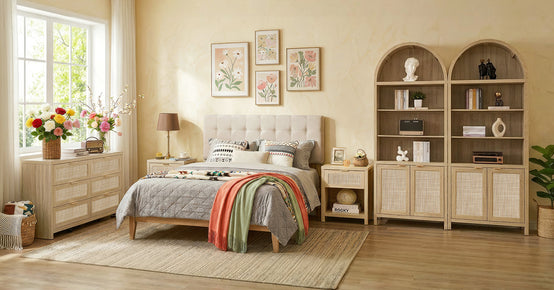
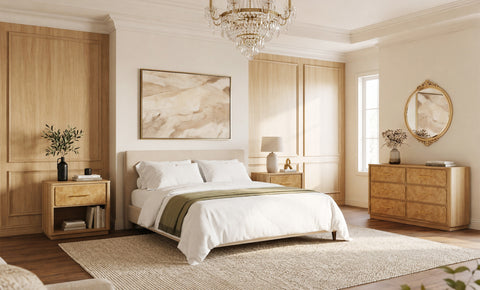
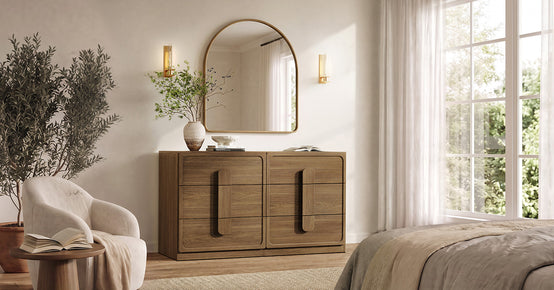
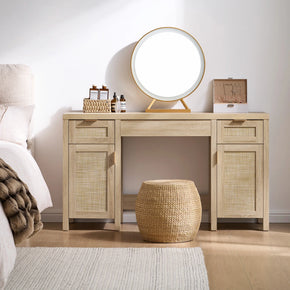
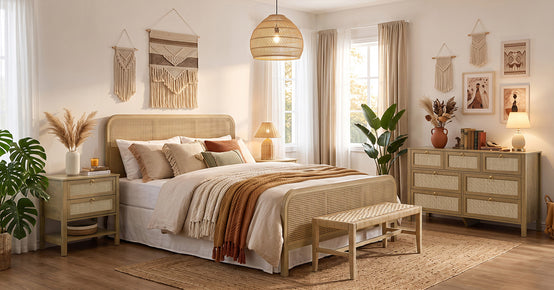
Positive space is the filled part of a room. Anything you can actually point to counts: couches, beds, dressers, rugs, lamps, plants, curtains, the built-ins. Take a living room. The sofa, coffee table, rug, and the art on the wall are the positive space, and together they carry the mood and the function. Doing a bedroom instead? A piece like the Savanna 6-drawer dresser makes a solid, positive element that anchors a wall on its own.
What Is Negative Space?

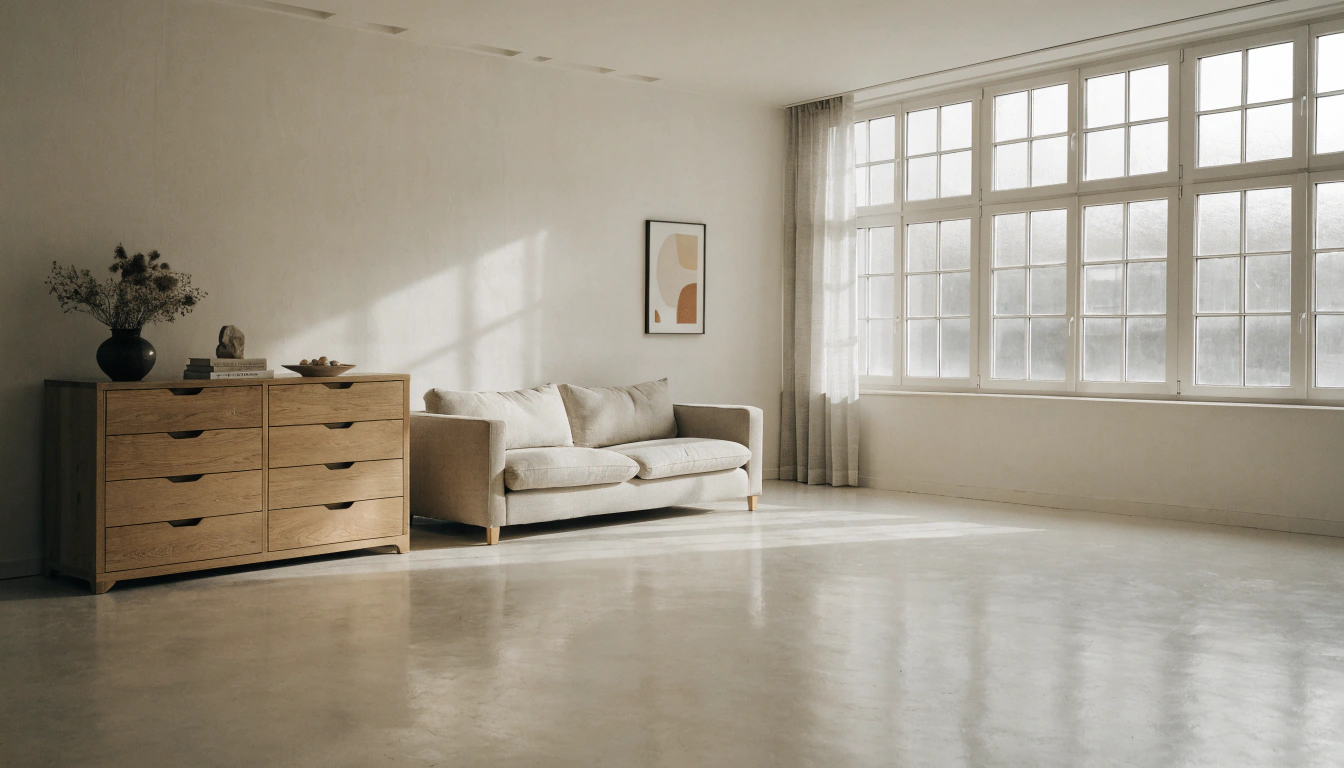
Negative space, which you might hear called white space, is the open area surrounding and between your things. A bare wall. A clear bit of floor. An empty tabletop. The gap between the two shelves. Small example that says it all: the clear wall around one framed print is the exact reason that print looks like it matters. Designers think of that emptiness as the breathing room that lets your favorite pieces stand out, not as a job you left half done.
Why the Two Must Work Together

Positive space gives a room its job and its personality. Negative space hands over the calm, the flow, the focus. Push too hard in one direction, and things get cluttered. Push the other way, and the room goes cold and empty. What you want is the middle, where the full spots and the open spots prop each other up.
Quick Positive and Negative Space Examples by Room
These positive and negative space examples take the same idea and drop it into different rooms. Use them like a quick checklist as you wander through your own home.
Living Room Example

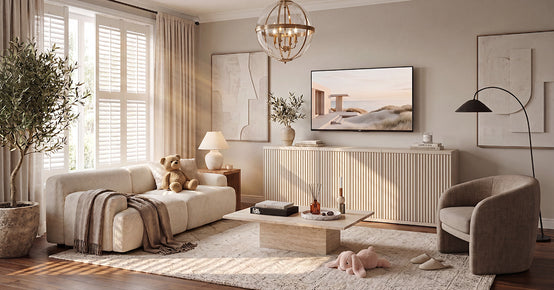
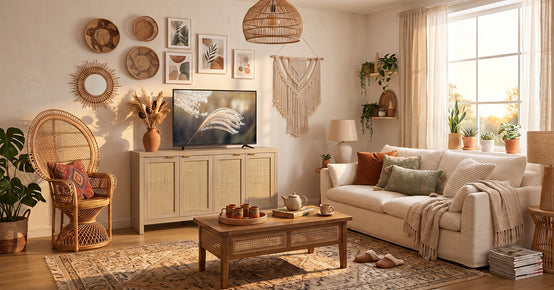
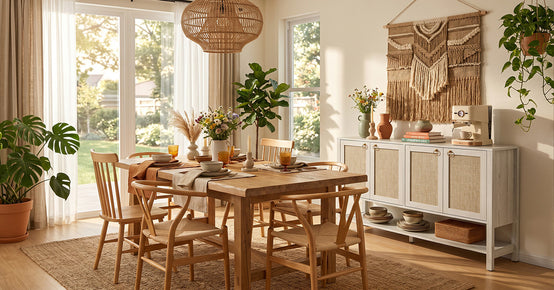
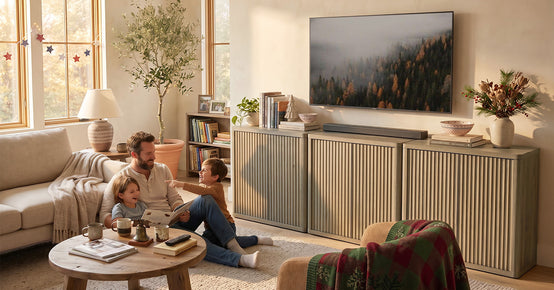
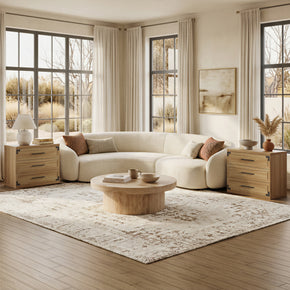
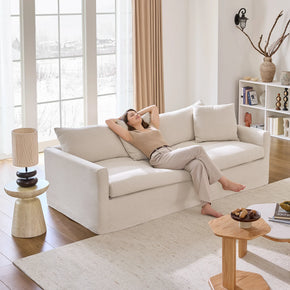
In here, the sofa, accent chairs, rug, coffee table, and TV wall are your positive space. The open walkway, that bare stretch behind the couch, and the clear floor near the coffee table are the negative space. Grab your anchor pieces from the living room furniture collection, then leave enough room around the seating that nobody has to turn sideways to get by.
Bedroom Example

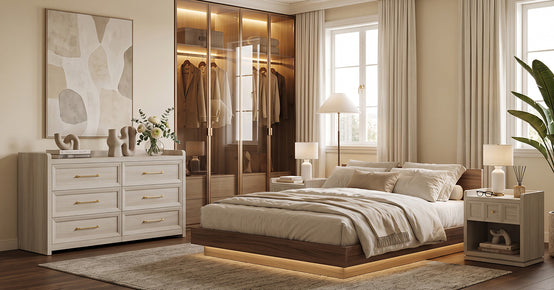
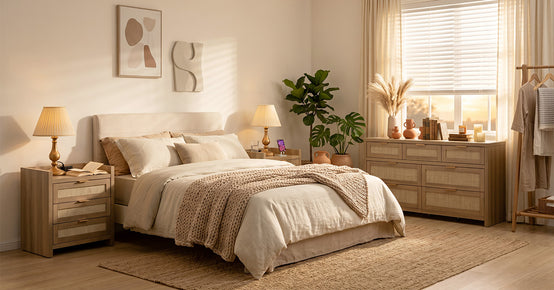
Bed, bedding, lamps, bedside tables, that is the positive space. A quiet wall, open floor around the bed, one simple nightstand, that is the negative space. Something clean like the Crescent 3-drawer nightstand keeps the bedside from piling up. Bedrooms can carry more negative space than most rooms, since the whole job here is rest. Keep the surfaces quiet and let the bed do the talking.
Kitchen Example
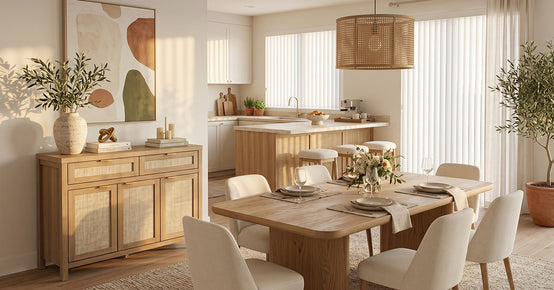
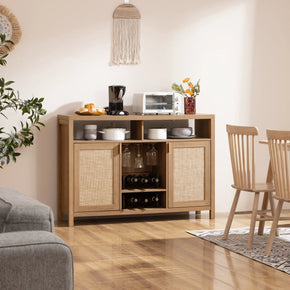
Cabinets, appliances, counter stools, the pendant lights, all positive space. Clear counters and open sight lines, all negative space. Keep only the daily-use stuff out on the counter. A few good-looking pieces with space between them lookwell thought through. A jammed counter just looks frantic.
Entryway Example

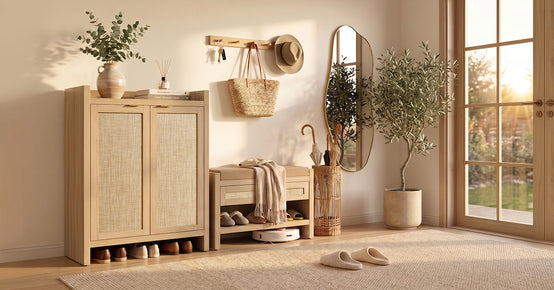
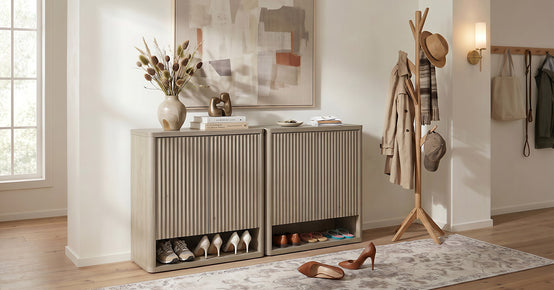
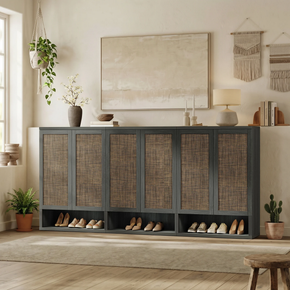
A console table, a mirror, a tray, and a small vase can be your positive space. The open wall above and the clear floor under it are the negative space. Choose a slim console from the entryway furniture range, then resist the urge to pile on baskets and bags. A simple entry hits you with calm the moment you step in.
Shelf or Bookcase Example

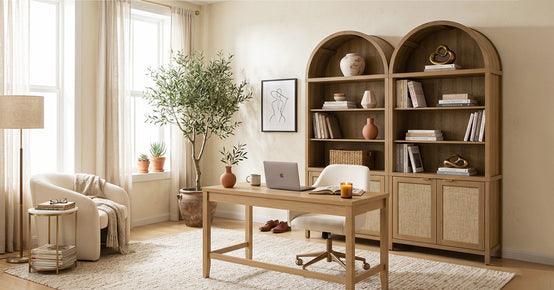
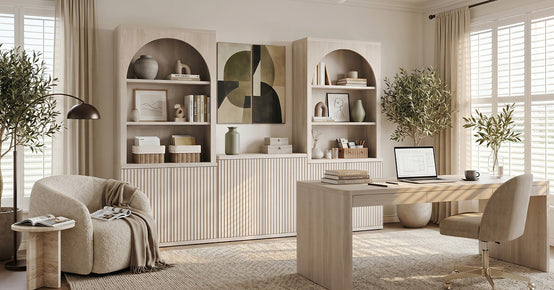
On a shelf, the books, ceramics, and baskets are positive space, while the gaps between the groupings are negative space. A tall unit like the Savanna arched bookcase looks best when left with open gaps between objects. No shelf needs to be filled from one end to the other.
Why Negative Space Is Important in Interior Design

Negative space is not about bare rooms. It does real work, and once you see what it pulls off, those open patches get a whole lot easier to leave alone.
It Gives the Eye a Place to Rest
Too much is going on, and a room feels loud, even when you cannot put a finger on why. Open areas work like a pause. Your eye drifts across the space and finally settles where it should.
It Makes Focal Points Stronger
Think of a museum for a second. One piece on a pedestal grabs you because nothing is crowding it. Same move at home. The way designers put it, giving a showcase piece breathing room makes it feel elevated, whether that piece is the fireplace, a chair, or a big canvas.
It Improves Movement and Function
Negative space keeps the walking paths open and lets the furniture actually get used. If people are squeezing past things to cross the room, the answer is more openness, not another piece of decor.
It Helps Small Rooms Feel Larger
Clear floors, open corners, simple surfaces, they all make a tight room feel lighter. Space reads as space, so even a small room can feel roomier when you hold back a bit.
9 Tips to Style Positive and Negative Space at Home
Nine tips to keep the full and open areas in balance. None of them call for a designer or a fat budget.
1. Arrange Furniture With Intention

Group your pieces into little jobs. Seating goes here, a reading spot over there, and a strip of open floor stays between them. When each zone gets some elbow room, you naturally walk through the place instead of weaving around it, and the whole thing stops feeling like a pile.
2. Lead With One Statement Piece

Pick one bold thing to anchor the room. A large sofa works. So does a textured rug or a sculptural lamp. Keep the area around it clear so it stays the focal point and does not get buried under smaller pieces.
3. Keep Some Surfaces One-Third Clear

Nobody is measuring, so take this loosely. Coffee tables, consoles, shelves, whatever they are, aim to keep around a third of the top bare. Funny enough, that little patch of nothing is what makes the rest of the styling look like you meant to do it.
4. Pull Furniture Away From the Walls

Sounds backward, but try nudging a piece a few inches off the wall. Suddenly, you get a real conversation zone, and the room looks like somebody thought about it. This is why designers keep saying to float the furniture and bring it in from the walls to open up natural pathways.
5. Harmonize Your Color Palette

Pick one main palette and run it through the furniture, the walls, and the decor. Then let the negative spaces sit in neutral or soft tones so the positive pieces get to pop. A white or muted wall basically plays backup singer, quiet enough that the star pieces actually get heard.
6. Use Blank Walls With Confidence

Not every wall begs for art or shelving. A bare wall can back up the window beside it, the furniture under it, or some architectural detail. Leaving one wall open often makes the decorated walls feel more deliberate rather than unfinished.
7. Let Lighting Define the Space

Hang a pendant or set a striking lamp as a positive focal point, then layer in soft ambient light so the negative space feels warm instead of bare. A good dose of natural light keeps the open areas bright and on purpose.
8. Balance Patterns With Plain Areas

Patterns count as positive space, remember. So pair a patterned rug or cushion with plain walls, solid fabrics, or an open floor. As designers point out, a pattern is a small lesson in how negative space works, because the plain areas are what let the busy ones breathe.
9. Edit Small Decor First

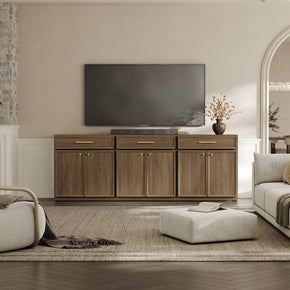
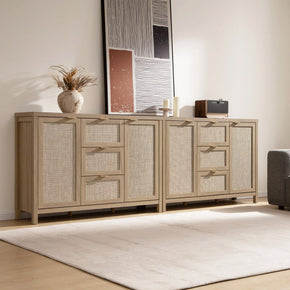
A heap of tiny objects quickly turns into visual noise. Clear out the filler and the duplicates, then keep fewer, bigger pieces. In a media setup, a clean unit like the Stria 2-door TV stand hides clutter and keeps the top surface calm.
The 70/30 Rule and the Golden Rule of Negative Space
Two questions come up a lot when people talk about balance. Both are guidelines, not strict math, so do not sweat the exact numbers.
What Is the 70/30 Rule in Interior Design?
With the 70/30 rule, roughly 70% of the room backs the main direction, so the lead color, style, and larger foundation pieces. The other 30% brings the contrast and personality. A neutral living room with a plain sofa and open walkways can use a patterned rug or a bold chair as that 30%.
What Is the Golden Rule of Negative Space?
The golden rule is short. Leave enough open space for your most important pieces to get noticed. You are after emphasis, not emptiness. Give a favorite piece some room to breathe, and it earns attention by itself.
Positive vs Negative Space: Which Is More Important?
Neither one wins on its own, honestly. Positive space hands the room its function and a personal touch through the furniture and decor. Negative space brings clarity by keeping things from bunching up. The rooms that work best run on both, sitting somewhere between cluttered and cold. One design team calls the pair the yin and yang of interior design, and that is about right; they work together for flow and balance.
Final Takeaway

So here is the short version. Positive space brings personality and function; negative space brings calm and focus; and you do not need to tear a room apart to use either. Pick one spot, a single surface, a shelf, a corner, clear a little around it, and see how much better the rest looks. Hold onto these positive and negative space examples next time you are rearranging, and if you are after grounding pieces that still leave room to breathe, have a look through the full Sicotas furniture collection.
FAQs
Why is negative space important in interior design?
Because it keeps a room from feeling busy, the open areas give your eye somewhere to land, so even a room full of useful pieces still reads calm. It also nudges attention toward the things you actually want people to notice.
What is the 70/30 rule in interior design?
Think of it as a loose split. Roughly 70% of the room sticks to one main style or color, and the leftover 30% is where you add contrast and a bit of personality. It stops a space from looking either boring or all over the place.
What is the golden rule of negative space?
Give your important pieces enough open space actually to be seen. That is really all it is. You are going for emphasis here, not a bare room, and the space around something is what lets it shine.
What are the benefits of negative space?
A few stand out. Your eye gets a rest, people move around more easily, focal points hit harder, and the whole place feels roomier. On top of that, a small room looks bigger, and a busy room settles down.
What is the 70/30 rule in drawing?
On paper, it works the same way. Most of the drawing stays simple, and a smaller chunk carries the detail or the focus. Same balance trick designers use in a room, only flattened onto a page.
What is more important, positive or negative space?
You need both, simple as that. Positive space is what gives a room its function and its style, and negative space is what keeps it clear and easy on the eye. Take one away and the whole thing falls apart.
What is the effect of negative space?
It calms a room down and opens it up, making everything look more deliberate. By cutting the visual clutter, negative space lets the furniture and decor you kept around feel like real choices.
Sources
- Homes & Gardens – Negative Space in Interior Design and 7 Ways to Use It Well
- Foyr – How to Use Positive and Negative Space in Interior Design
- Houzz – The Power of Negative Space in Interior Design
- Homes & Gardens – Positive Space in Interior Design and How to Use It
- Castlery – 7 Tips on Styling Positive and Negative Space
- Cyrus Rugs – Make the Most Out of Positive and Negative Space
- Simple Canvas Prints – Utilizing Negative Space for Beautiful Interiors


Looking for something else?

Furniture Materials Guide: Picking the Right Material Room by Room
LEARN MORE
How to Mix Wood Tones Without Making a Room Look Mismatched
LEARN MORE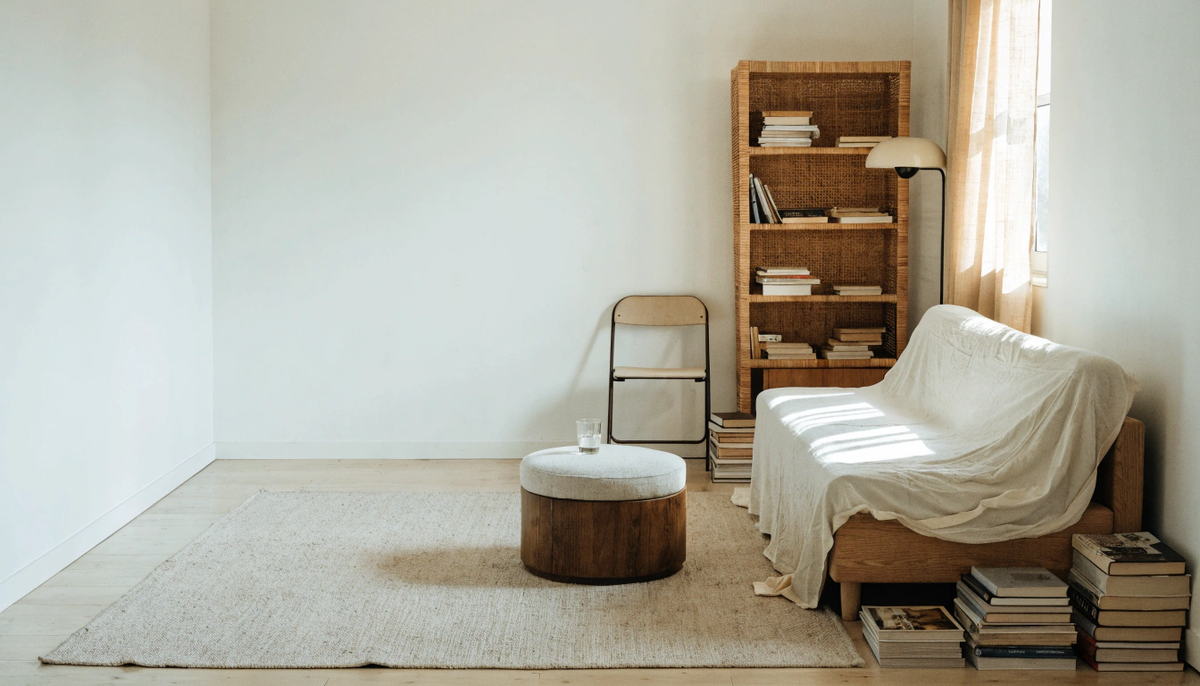
18 College Apartment Furniture Ideas That Save Space and Money
LEARN MORE
Types of Entertainment Centers: 11 Designs and How to Pick One
LEARN MORELooking for something else?

Curio Cabinet Decor Ideas: How to Style a Display Cabinet Without the Clutter
LEARN MORE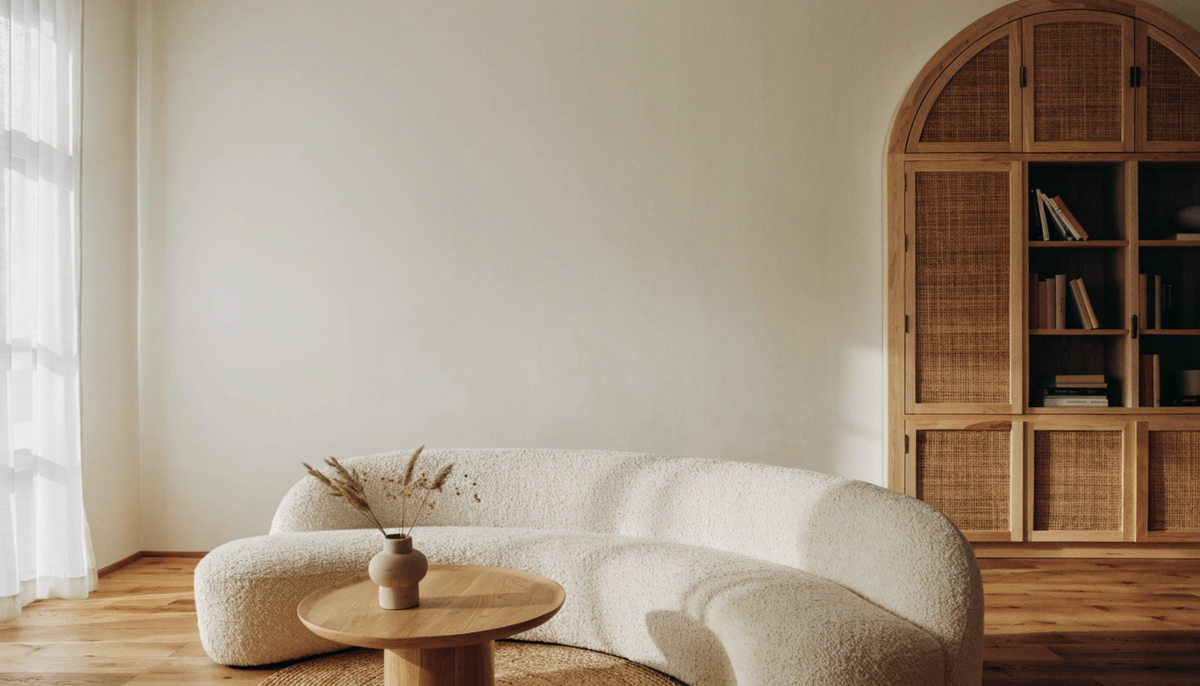
Curved Furniture: How to Style, Measure, and Buy It in 2026
LEARN MORE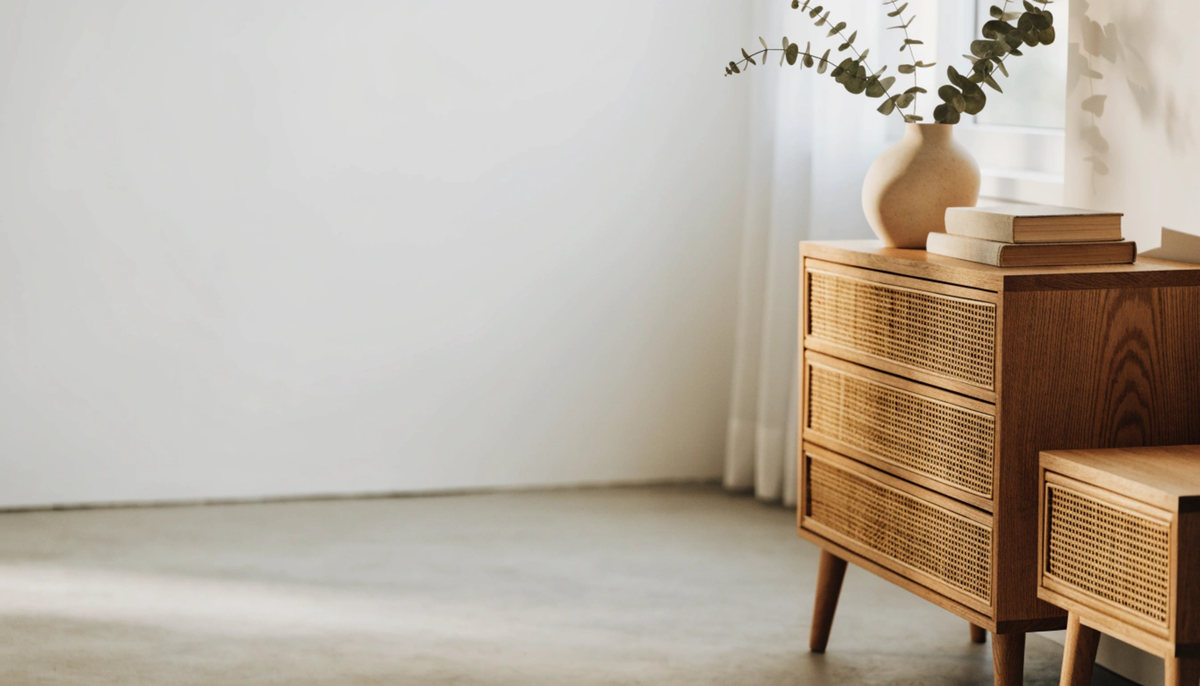
What Is Rattan Furniture? A Buyer Guide to Types and Care
LEARN MORE


Further reading

How to Choose a Nightstand for a CPAP Machine

How to Choose a Shoe Cabinet for Men's Sizes, High-Tops, and Bulky Shoes


