




19 Nursery Ideas to Spark Joy, Wonder, and Calm
So my best friend called me last March. She had just hit 20 weeks. "Come help me pick a paint color," she said, and we both laughed because, of course, it was going to be more than a paint color. Three weekends. Two returned rugs. One near-cry at a West Elm. And about forty Pinterest boards later, we had a nursery. Turns out designing one is weirdly emotional.
But here's what I figured out along the way. The rooms that actually hold up, the ones you see in AD, the ones your friend's kid still loves at age four, they all share one thing—a point of view. Look at Architectural Digest's 25 nursery ideas and scroll slowly. Every single room commits to a theme. None of them is"kind of Scandi but also a little safari." That muddy middle is where nurseries go to die.
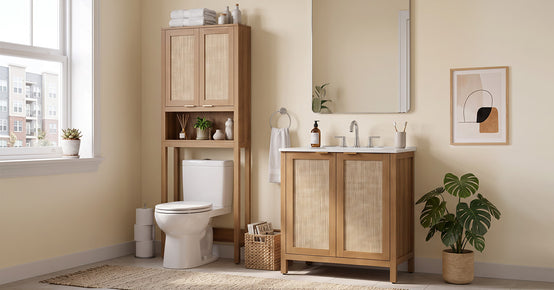
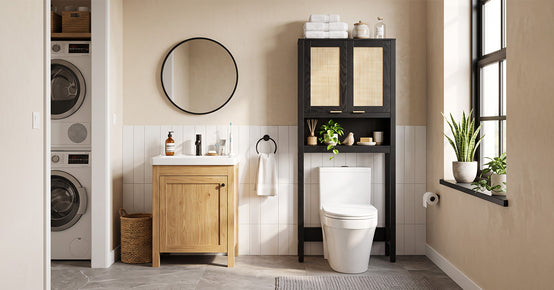
Okay. Below are 19 ideas worth committing to, four Q&A questions up top to help you narrow down, plus a furniture philosophy at the bottom that will save you $500 if you believe me. And if you want a visual starting point for warm, clean-lined furniture, Sicotas Furniture is a good bookmark.
What Makes a Nursery Actually Feel Like a Nursery?
Honestly? It's not the furniture. I know that sounds backward coming from a furniture article, but hear me out.
A nursery has a very specific job. It needs to calm a baby down so it can sleep. It needs to feel joyful when the sun is up. And it needs to let you, a half-conscious parent at 3 am, find the diaper cream without tripping over a rocking horse. Three completely different jobs. One room.
The rooms that nail it all share some boring technical stuff. Soft color palette. Layered lighting (please, please don't rely on one ceiling fixture). Closed storage for the unsexy baby gear. And then one visual anchor. A mural. A wallpaper. A big rug. Something that makes you go "oh" when you walk in. That anchor is doing 80% of the room's emotional work, even though it's just one item.
Why Does Picking a Theme Matter So Much?
Because without one, every decision is impossible.I watched my friend spiral over throw pillows for two weeks. Two weeks! Over pillows. The reason was simple. She hadn't picked a theme yet. So every single pillow at Target was a potential "yes." Every option was open, which sounds great but is actually paralyzing.
The minute she said, "Okay, we're doing calm botanical," everything got easier. Pillows? Leafy print, done. Rug? Warm cream with soft green, done. Art? Pressed ferns in oak frames, done in ten minutes on Etsy. A theme isn't a cage. It's a filter. And a good filter is what saves your sanity when you're deep in the second trimester, and everything feels like life or death.
When Should You Start Designing the Room?
Second trimester. Non-negotiable. I'll fight anyone on this.
First trimester, you are exhausted and nauseous and cannot possibly care about drawer pulls. Third trimester, you are exhausted and huge and genuinely cannot get in and out of a car at IKEA. The second trimester is the only window when you have actual energy for this. Weeks 16 to 28, roughly. Use them.
Order big pieces early. Dressers and wardrobes can take three to six weeks to ship, sometimes eight if you choose a niche option. Want the room painted and aired out at least four weeks before the due date. Partly for fumes. Mostly because you will change your mind about at least two things, and you need a cushion.
What Should You Actually Buy?
Short list. Crib. A real full-size dresser, NOT the mini baby one. Comfortable chair, something with arms. A tall piece (bookshelf or wardrobe). Rug. Warm-bulb lamp. Maybe a little side table by the chair. Done. That's the whole shopping list.
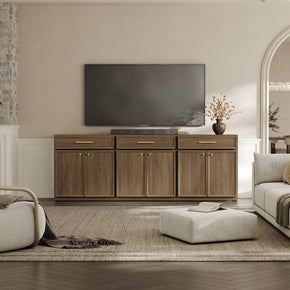
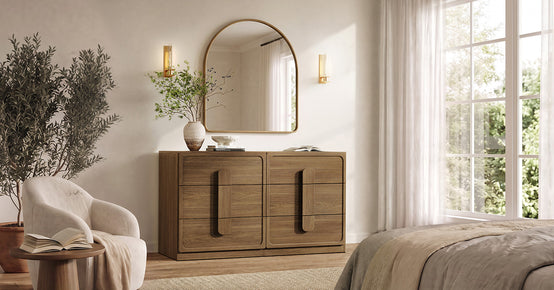
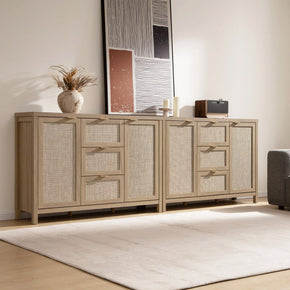
Skip basically everything else. Definitely skip the changing table (put a topper pad on the dresser, it works better anyway). Skip anything labeled "nursery." Skip the tiny three-shelf bookcase that's going to be useless by the time your kid can read. When people ask me where to start, I usually point them at the Helio collection because the warm wood and clean silhouettes work in most themes, and the pieces won't look like nursery furniture when the kid turns five.
19 Nursery Ideas Worth Committing To
Quick note before we dive in. I've deliberately made some of these short and some longer. No idea gets six paragraphs when two sentences do the job.
1. Cloud Room

Pale blue walls. Fluffy cloud decals. A mobile drifting over the crib. It's the easiest theme on this list, and nobody ever regrets it.
2. Safari Sunset

Warm browns, burnt orange, a splash of soft cream. Illustrated giraffes and elephants on the wall. But please, for the love of all things, skip the three-dimensional stuffed safari animals mounted above the crib. A full-size plush giraffe head? At eye level? Yeah, your kid will have nightmares. Artwork only. Keep the palette earthy.
3. Forest Nook

Muted greens, cream, and little pops of rust or burnt orange. Fox and owl motifs. A reading corner in one of the back corners with a sheepskin rug and a small warm lamp. My sister's sister-in-law did this one for her second kid. The toddler (now four) genuinely refuses to read bedtime stories anywhere else in the house. That is not a marketing line. I have witnessed it.
4. Botanical Breath

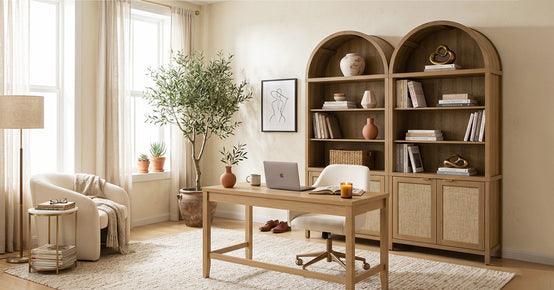
My favorite of the whole list. Real plants up high (snake plants, pothos, things that refuse to die). Faux plants at toddler-grabbing height. Green wallpaper on one wall, maximum one. You need a tall shelf for the plants. Something like the Willow 75-inch Tall Bookshelf works well here because the top shelves sit well above a toddler's reach. The lower shelves become the book zone, which is exactly where you want them.
5. Moody Jungle

Deep green walls, palm-leaf wallpaper, brass fixtures. A bolder version of the forest one. Not for beige-lovers.
6. Soft Pastel Dream

Blush pink, mint, pale lavender, buttery yellow. But pick two of those. Maximum. All four, and you're in a unicorn sticker book. A gauzy canopy over the crib does a lot of heavy lifting here—Fairytale without the kitsch.
7. Starry Night

Deep navy accent wall. Glow-in-the-dark stars (the good ones from Etsy, not the plastic Walmart packs). A moon-shaped mobile. String lights along the ceiling trim. By day, it's moody and grown-up. By night? I stood in a friend's kid's starry-night nursery with the lights off last Christmas, and honestly, I didn't want to leave.
8. The White Canvas

Pure white walls. Warm wood furniture. One woven throw, one big rug. That's it. Everything else is interchangeable and seasonal. Kid becomes obsessed with trains next year? Swap a print and two pillows. Done. Five minutes of "redesign." This theme ages better than anything else on this list, full stop.
9. Vintage Estate Sale

Build the whole room from secondhand. Mid-century glider from Facebook Marketplace. Reclaimed wood shelf from Craigslist. Gold-framed baby photos spanning three generations. Total cost: probably $300. It will look like a $3,000 room. I know someone who did this, and honestly, I was mad at how good it looked.
One thing, though. Check everything for lead paint before it crosses the threshold. Anything pre-1978 in the US is suspect. The EPA has a free pamphlet explaining what to look for, and it's worth a read before you hand your baby a vintage rocking horse.
10. The Rocking Nook

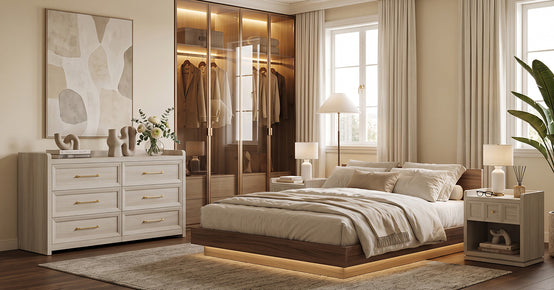
Commit to the chair corner the way you'd commit to the crib itself. Rocker or glider. Warm-bulb floor lamp, nothing overhead. Small side table with built-in charging because trust me, the 2 am dead-phone scenario will happen. The Crescent Nightstand with 3 Drawers is the piece I keep recommending for this spot. Built-in USB. Three drawers that swallow burp cloths and pacifiers. You will use it every single night for a year.
11. Monochrome Modern

Black, white, warm wood. The whole palette. One geometric rug. A simple crib. One large art print. Done.
And here's a practical argument nobody makes. White paint is the easiest thing on earth to touch up when your toddler decorates the wall with a blue crayon. Dark furniture hides fingerprints that would scream on pale oak. This theme is quietly genius.
12. Ocean Calm

Soft blues, sandy cream, maybe one single whale print. Color psychology research links blue to slower heart rates. My nephew sleeps better in his ocean room than anywhere else in the house, and I refuse to believe the paint has nothing to do with it.
13. Adventure Map

A big world map is the anchor. A small globe on the dresser. Books about places you've been. This one only works if it's personal—your actual travels, your family's actual story. Generic "travel theme" lifted from a catalog reads as cold and a little weird. My college roommate did this using photos from his honeymoon in Patagonia. Works because it's real.
14. Farmhouse Hug

Shiplap on one wall. Gingham crib sheet. A plaid throw on the rocker. Warm wood everywhere you look. The best thing about a farmhouse is that nothing has to match precisely. The slightly beat-up thrift-store toys actually help the vibe.
15. Shared Sibling Room

Two cribs, or one crib plus a toddler bed. Symmetry is your friend. Matching nightstands, in particular, pull the whole room together. The Helio Nightstands Set ships as a matching pair, which sounds obvious but saves you from buying two "identical" pieces from the same line and getting annoying dye-lot variations that drive you up the wall forever.
16. Storybook Corner

Commit one wall to an illustrated mural. Peter Rabbit, Winnie-the-Pooh, Where the Wild Things Are. Pick something with actual illustration craft, not generic "baby animals on cream." The mural becomes the room's entire statement.
17. Rattan and Boho Natural

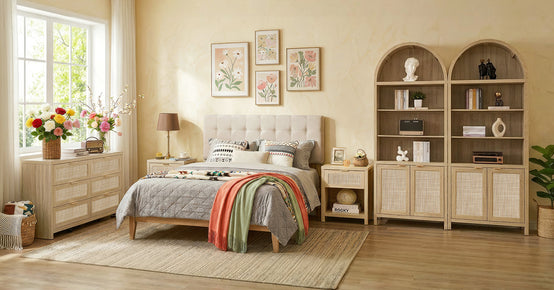
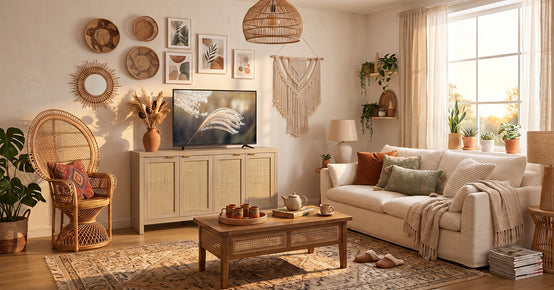
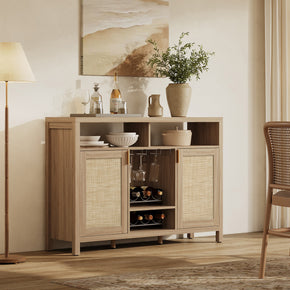
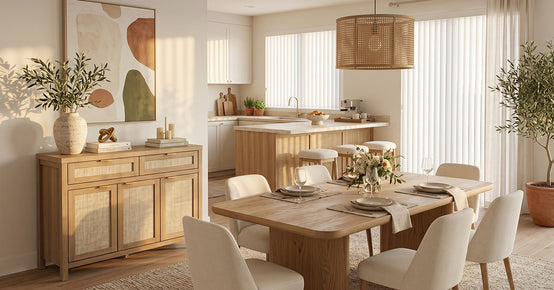
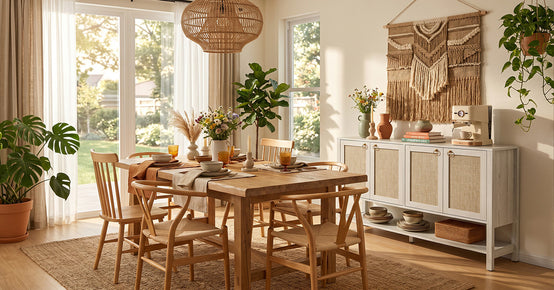
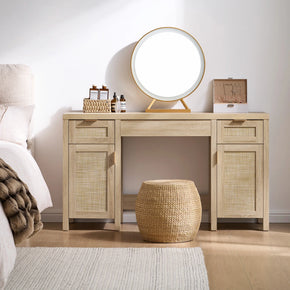
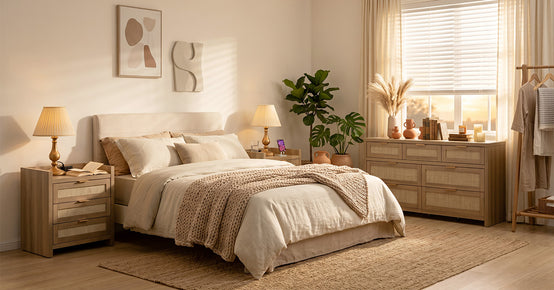
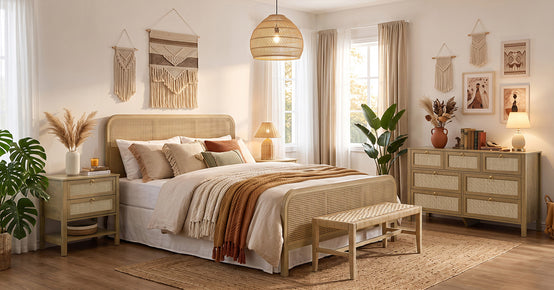
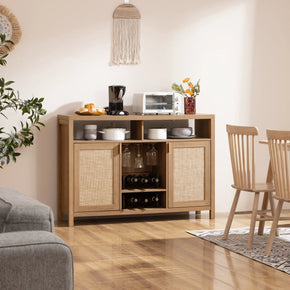
Warm ivory walls—woven basket, everything. Natural fiber rug. Rattan furniture in small doses. The Savanna Rattan Wardrobe has rattan panel doors that anchor this aesthetic without looking theme-y. Two drawers at the base. Full-height hanging inside. When the kid moves to a big-kid bedroom, this wardrobe becomes a guest-room piece with zero awkwardness.
18. Circus Whimsy

Big-top stripes, hot-air-balloon mobiles, soft red with cream. But do NOT commit to this across the whole room. A single wall or just the mobile is plenty. Go full circus tent, and you've built a room your kid will be embarrassed about at age seven.
19. Minimalist Scandi

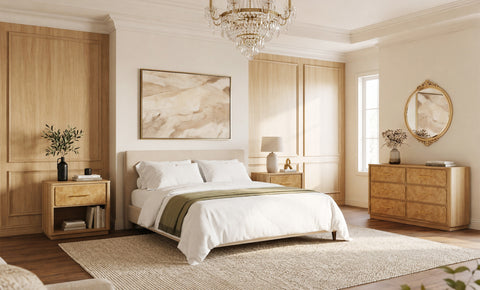
White and warm wood. A wooden crib. One good dresser. One woven rug. One muted print. Everything in the room has a job. Nothing extra. It's the hardest theme to over-decorate, which is exactly why anxious first-time parents (including my friend) keep gravitating toward it. Nothing to mess up.
The Advice That Saves New Parents Hundreds of Dollars
Don't buy baby-specific furniture. That's it. That's the advice.
The baby furniture industry has sold everyone on the idea that you need smaller, cuter versions of every piece. You don't. A regular dresser holds onesies now and hoodies in ten years. A full-size wardrobe stores tiny pajamas at month six and winter coats at age eight. A real bookshelf handles board books now, chapter books later, and eventually college textbooks. You buy the piece once. It lasts.
The mini stuff? Mini bookshelf that fits nine books total, mini dresser that holds four outfits, changing table that becomes useless at month fourteen, all of it gets replaced. Twice. Sometimes three times. That is hundreds of dollars'worth of furniture that never needed to exist.
One question to ask before every nursery purchase: Will my kid still use this at age seven? If the answer is no, you're buying a prop. If the answer is yes, you're buying furniture. There's a real difference.
FAQs
What colors actually work in a nursery?
Warm neutrals as the foundation. Cream, soft gray, pale oak tones. Then pick one or two accent colors. Not three. Not four. Sage, navy, muted rust, buttery yellow, blush pink, pale lavender, any of them are beautiful solo. Stack more than two, and the room starts fighting itself.
Which themes actually age the best?
Animals, Scandi, and plain white, roughly in that order. Kids don't outgrow giraffes. Ever. Scandi is timeless by its very definition. And plain white reinvents itself with every accessory swap, which is why stylists love it. For cross-checking your theme against current design coverage, Homes & Gardens has a solid round-up of nursery ideas that's worth a skim.
How do I keep a nursery safe?
Five rules. Anchor every tall piece of furniture to the wall, zero exceptions (the CPSC has a whole campaign on this because tip-over deaths are more common than people realize). Empty crib for sleep: no pillows, no stuffed animals, no bumpers, no loose blankets. Non-toxic paint. Three feet of clear space around the crib. Check any older furniture for lead paint before bringing it into the room. That's the list. The AAP has backed each of these in its updated 2022 safe sleep guidelines.
Can I use regular adult furniture in a baby's room?
Absolutely yes. Arguably, you should. Adult furniture lasts longer, looks better, and fits dimensions that still work in five or ten years. Anchor it. Round the edges if you can. Make sure nothing is tippy. Done. The savings over time typically run $500 to $800 compared to buying tiny "nursery-branded" versions you'll replace.
How do I make a small nursery feel bigger?
Light walls. Tall, narrow furniture instead of wide, low pieces (use the height, not the floor). One big rug that covers most of the floor, because patchwork throw rugs make rooms feel smaller. A mirror on one wall bounces daylight around—and ruthless editing. Every piece has to justify its footprint.
What's the single most important piece besides the crib?
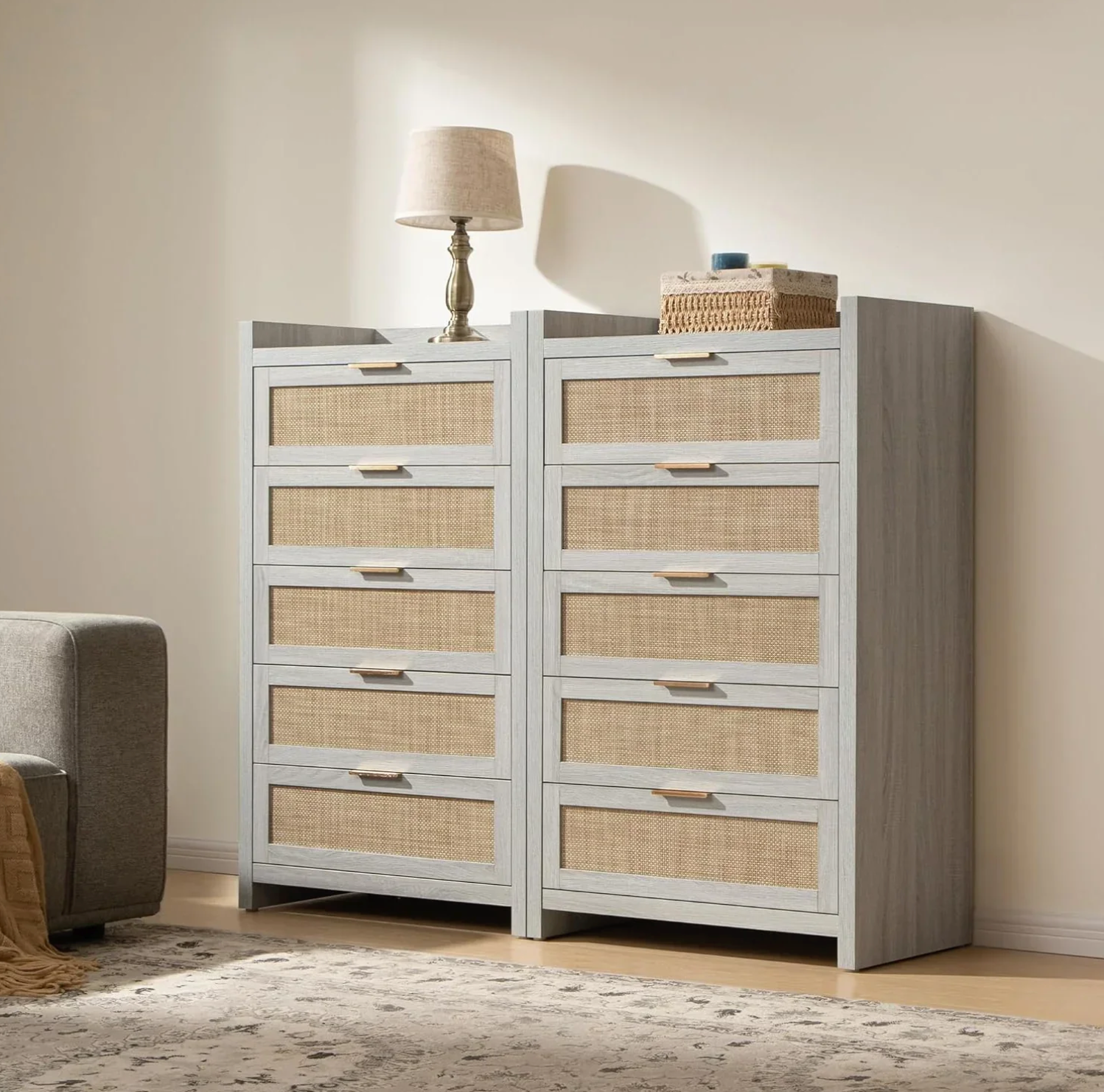
A real dresser. Tiny clothes are a tidal wave, and they need somewhere other than the laundry basket. A six- or seven-drawer piece, with a topper pad on top, replaces a changing table AND a clothing unit in one piece of furniture. Keeps working when the kid is fifteen, too.
How much should I budget?
Less than parenting blogs suggest, honestly. A solid full setup (real dresser, quality crib, rocker, rug, bookshelf) runs $1,500 to $2,500 if you shop deliberately and skip the baby-branded markups. You can get a room that looks like it's from a design magazine for under $2,000 if you're willing to shop for adult furniture instead of nursery-labeled stuff.
Sources
1. Mackenzie Schmidt and Lori Keong, "25 Sweet Nursery Ideas to Encourage a Childlike Sense of Wonder", Architectural Digest, 2024.
2. Homes & Gardens Editorial, "Nursery Ideas: 12 Rooms New Parents Will Love", Homes & Gardens, 2024.
3. American Academy of Pediatrics, "Safe Sleep Recommendations for Infants", AAP Policy Statement, Updated 2022.
4. Consumer Product Safety Commission, "Anchor It: Tip-Over Prevention Campaign", CPSC.gov.
5. Environmental Protection Agency, "Protect Your Family from Lead in Your Home", EPA.gov.


Looking for something else?

Furniture Materials Guide: Picking the Right Material Room by Room
LEARN MORE
How to Mix Wood Tones Without Making a Room Look Mismatched
LEARN MORE
18 College Apartment Furniture Ideas That Save Space and Money
LEARN MORE
Types of Entertainment Centers: 11 Designs and How to Pick One
LEARN MORELooking for something else?

Curio Cabinet Decor Ideas: How to Style a Display Cabinet Without the Clutter
LEARN MORE
Curved Furniture: How to Style, Measure, and Buy It in 2026
LEARN MORE
What Is Rattan Furniture? A Buyer Guide to Types and Care
LEARN MORE


Further reading

How to Choose a Nightstand for a CPAP Machine

How to Choose a Shoe Cabinet for Men's Sizes, High-Tops, and Bulky Shoes


