




Modern Playroom Ideas: 40 Ways to Design a Fun and Functional Space

Most playrooms fail for the same reason: someone designed the room they wanted, not the room their child needed.
The themed wallpaper. The matching storage bins. The Pinterest-perfect color palette. All of it looks great for about two weeks. Then the toys migrate, the bins go unlabeled, and the "organized" corner becomes the same pile it always was — just prettier.
What actually works is simpler than that. Enough storage. A few good zones. Furniture that can take a beating. And a cleanup system that a five-year-old can follow without help. Start there — and if you still need the right furniture pieces to build around, Sicotas Furniture has a solid range of modern storage units worth looking at before you commit to anything.
Five Things Before You Start
In no particular order — but all of them matter.
- Storage first. Always. A beautiful playroom without enough storage is just a mess with nice wallpaper.
- Design for the child they are right now, not who you think they'll be in three years.
- Cleanup has to be easy enough for the child to do alone. If it isn't, it won't happen.
- Soft flooring matters more than it gets credit for. Plan for it early.
- Leave room for the design to change. Interests shift. Build flexibility from the start.
DESIGN & PLANNING
1. Start With the Floor Plan. Not the Decor.

Seriously — the floor plan. Where does the door swing? Where's the natural light? Where will the main play zone fit, and what's left over?
Most playroom mistakes trace back to this: furniture bought before the layout was figured out. Ten minutes with a tape measure and a rough sketch on paper. That's all it takes to avoid buying a shelf that doesn't fit or a rug that blocks the door.
2. One Color Anchor. The Rest Can Be Neutral.

Pick one color. Sage green. Dusty blue. Warm yellow. Bring it in on the wall, in the rug, in a few storage bins. Everything else — shelves, furniture, cushions — stays white, cream, or natural wood.
The single color does the work. You don't need six.
3. Design for Who Your Child Is Right Now

Not who they were. Not who you hope they'll be.
A three-year-old needs low shelves, open bins, soft floors, and nothing breakable in arm's reach. A seven-year-old wants a desk, somewhere to build things, and a bit of space that's theirs. Those are different rooms. Design the one your actual child needs today.
4. Build in Room to Grow

Adjustable shelves. A table that converts. Wall hooks at two heights. Modular pieces that reconfigure.
The most expensive decision in the long term is the one you have to redo in eighteen months. A little built-in flexibility means the room can evolve without a full overhaul every time your child does.
5. Safety Comes Before Everything Else

Rounded edges on furniture. Bookcases and shelving units are anchored to the wall, with soft flooring. No small parts are accessible to the youngest child in the house. The CPSC childproofing guide covers furniture tip-over prevention, safety gates, and window guards — worth reading before you finalize where anything goes.
None of this is optional. A playroom that looks good but isn't safe isn't good.
6. Ask Your Child What They Actually Want

Ask them. They'll tell you.
Kids have strong, specific opinions about what they want in a room. Giving them real input — even if it's just "which color bin do you want for your cars?" — makes them more invested in the space. And more likely to use it the way you intended.
THEME & STYLE
7. Neutral Base With Pops of Color

White walls, natural wood, cream cushions — and two or three accent colors doing all the personality work. Bins, rugs, and a piece of wall art.
Why it works: the neutral parts last. The colored parts can be swapped when your child's tastes change — and they will change, probably faster than you expect.
8. Try a Nature Theme

Forest animals. Plants. Earthy greens, warm browns, and wood textures. Nature themes age well.
They work for a two-year-old and still look fine at nine. They're also much easier to update than a room built around a character or show that your child will inevitably stop caring about—a few leaf prints, a wooden toy shelf, a green rug — done.
9. Try a Montessori-Style Setup

Low open shelves. Toys are displayed so the child can see them, not buried in bins. One activity visible at a time. Calm, uncluttered surfaces. The approach prioritizes independence — children access and return things without help. The Montessori Foundation's guide to applying these principles at home explains how to do it without expensive specialist materials. The core idea is simpler than it sounds: if the child can reach it, they'll use it.
10. One Hero Color, Done Well

Cobalt blue on one wall. Everything else is white and natural wood. The single bold choice gives the room personality without becoming overwhelming or hard to live with.
Much more lasting than trying to work in every color your child currently likes at once.
11. Mix Themes Without Making It Chaotic

Space exploration wall on one side, forest reading nook in the corner. Ocean bins beside a dinosaur display shelf. Different themes can coexist — the trick is keeping the color palette consistent across all of them.
Two or three shared accent colors run through both themes. The room reads as deliberate, not accidental.
12. Timeless Beats Trendy

Character-licensed rooms look great for about eighteen months. Then your child moves on, and you're stuck with a room full of a cartoon they've lost interest in.
Nature, color-block, adventure, Montessori-style — these all last. They also don't require a full redecoration the moment your kid discovers a new obsession.
STORAGE & ORGANIZATION
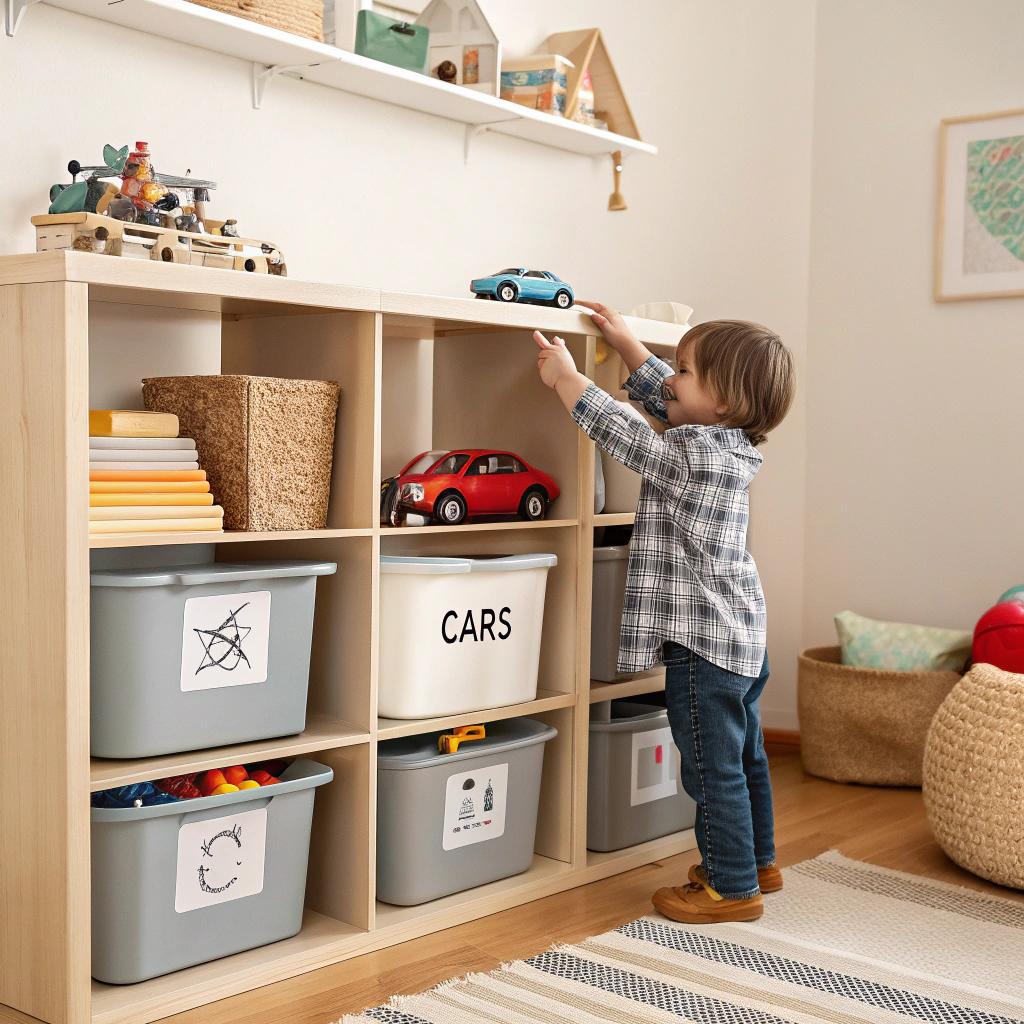
13. Open Bins for Young Kids. Always.

Under six, if they can't see it, it doesn't exist. Open bins, low shelves, clear containers. Those are the things that get used. The toys in closed drawers get forgotten by Tuesday.
Save the closed storage for art supplies, small-part games, and anything that shouldn't be accessible to younger siblings.
14. Label Everything

Picture labels for toddlers. Word labels for older kids. Either way, labeled bins get sorted correctly about three times as often as unlabeled ones.
Ten minutes setting up labels saves an ongoing argument about where things go. Worth doing from day one.
15. Get a Bookcase With Closed Lower Doors

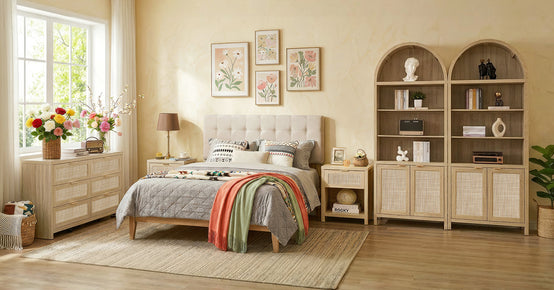
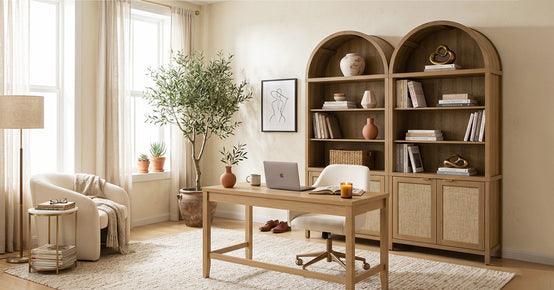
Open the upper shelf to display current toys, books, and whatever your child is obsessed with this month, and close the lower doors for everything else — puzzles, bulkier items, things that don't need to be visible. The Savanna 5-Shelf Tall Bookcase is designed exactly this way — open display on top, hidden storage below. It keeps the room looking clean without sacrificing how much storage you actually have.
16. Use a Modular Drawer Unit

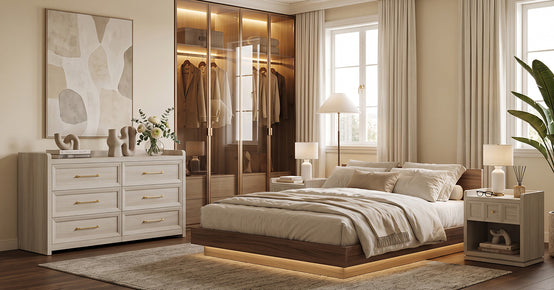
One drawer per category. Art supplies in one, building blocks in another, small toys in another. Everything findable. Everything returnable. The Zura Modular 9-Drawer Dresser handles this well — nine labeled drawers in a clean, modern unit, sorted by activity or toy type. Far more useful than the equivalent pile of bins when it comes to actually maintaining the organization over time.
17. Go Vertical When the Floor Gets Full

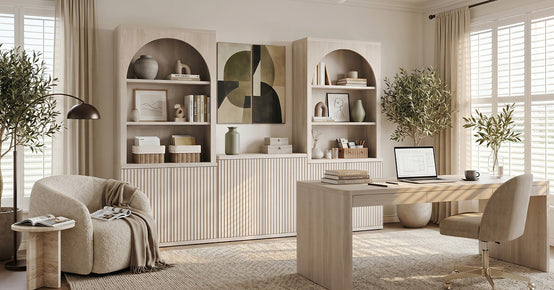
Floor space runs out fast. Wall-mounted shelves, tall bookcases, and hooks at multiple heights bring storage upward without pushing it outward. A tall unit like the Willow 75-inch Tall Bookshelf makes vertical space easy to use — current books and toys on the lower shelves where kids can reach them, less-used items,s and display pieces higher up.
18. Put a Storage Piece at the Entry Point

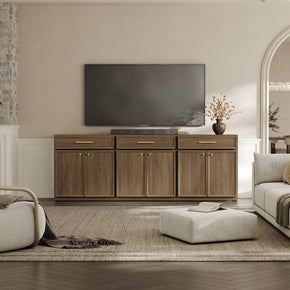
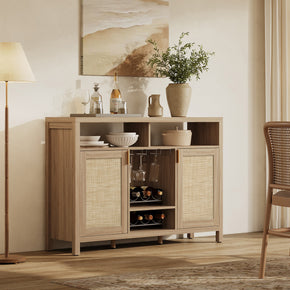
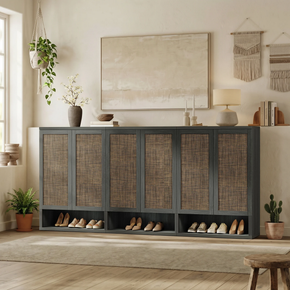
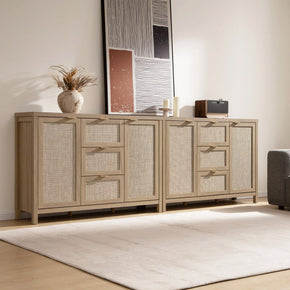
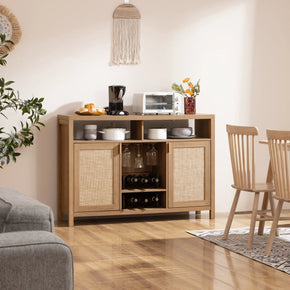
A furniture piece right at the playroom entrance — drawers for supplies, cabinet doors for bulkier items — stops things from migrating in and never leaving. The Savanna Sideboard, with 3 Drawers and 2 Doors, works well here. Three drawers handle smaller sorted items; two cabinet doors hide whatever doesn't need to be seen. The entry piece serves as the first point of organization before anything reaches the main room.
FURNITURE
19. Buy Furniture That Scales

Adjustable shelves. Tables that convert. Chairs with different height settings—pieces that still make sense at ten the way they did at four.
The cheapest furniture decision long-term: the one you don't repeat in two years.
20. Floor Cushions Over Chairs for Small Kids

Children under five spend most of their time on the floor. That's just what they do. Big plush floor cushions in the main play zone are more practical than chairs — they're easier to move, impossible to fall off, and far more comfortable for what kids actually do down there.
Add one small chair or bean bag for reading. Keep the central area floor-level.
21. Low Craft Table, Easy to Clean

The right is everything. Too tall — hunched shoulders and complaining. Too low — they're on the floor anyway.
For most children under eight, a table at thigh height when seated works well. Wide surface. Wipe-clean top. Nothing elaborate is required. This is one piece of furniture worth buying for function over form.
22. One Good Reading Chair

One comfortable seat specifically for reading makes the habit much more likely. A bean bag works. A small armchair works. An oversized floor pillow with good back support works.
Put it near the books. Add a lamp. The corner becomes somewhere children actually want to go, not just part of the room.
23. Use a Dresser for Toy Storage

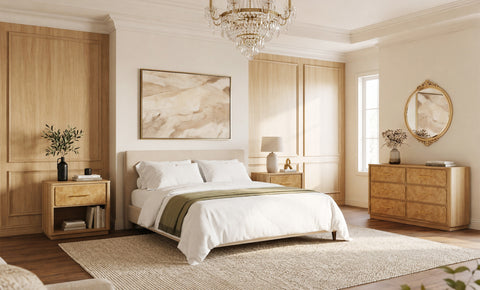
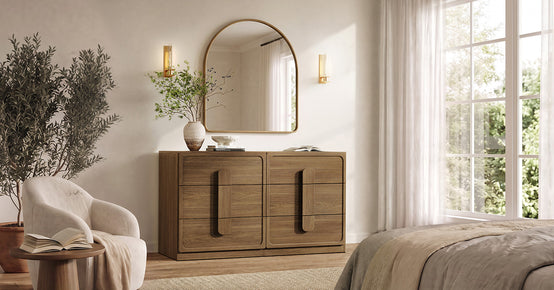
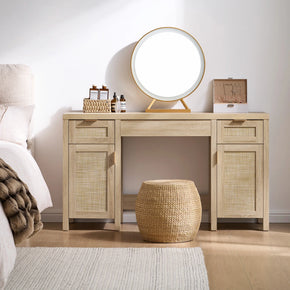
Dressers aren't just for clothes. A six-drawer dresser in a playroom — labeled by category, one type of thing per drawer — organizes art supplies, small toys, sensory materials, and activity kits better than most purpose-built toy storage. The Cas 6-Drawer Dresser gives you six compartments in a clean, modern unit. Everything sorted. Everything findable. Significantly more useful than a pile of bins when you actually need to locate the green playdough.
24. Round Edges on Everything

Young children fall constantly. Into things, off things, through things. Sharp corners cause real injuries — the kind that involve crying and occasionally trips to urgent care. Round edges matter. So does anchoring. The AAP's guidance on furniture safety is clear on this: every tall piece of furniture in a child's room should be anchored to the wall. Everyone. Not just the tall ones you're worried about.
LEARNING & CREATIVITY
25. Build a Reading Nook Into One Corner

A defined reading space — even just a corner — makes books feel like a destination. Low shelf with books facing outward. A cushion. A small lamp.
The face-out book display matters more than it sounds. Kids pick books by cover. If they can only see spines, half the books go untouched. Face the covers out on the lower shelves and watch which books actually get read.
26. Set Up an Art Station

A dedicated surface for art. Supplies within a child's reach. Somewhere nearby to display finished work.
That's genuinely all it takes. When art supplies live at a specific station, art happens there regularly. When they live in a box in a cupboard that needs to be dug out and set up, the project rarely starts.
27. One Chalkboard Wall

Paint one wall with chalkboard paint. Kids draw on it. You wipe it off. They draw again—infinite creative surface, no paper waste, no markers that dry out.
More practical than it sounds. Also, much better than a large-framed chalkboard, which always ends up in the wrong place.
28. STEM Toys Belong on Open Shelves

Building blocks, magnetic tiles, simple coding toys, and basic circuit kits. These don't need their own section or a dedicated zone.
What they need is visibility. STEM toys buried in a bin don't get used. The same toys on an open shelf at eye level get picked up constantly. Display them, don't hide them.
29. A Sensory Corner

A tray of kinetic sand. A bin of dry rice with scoops and measuring cups. A water bead table. A small sensory corner gives young children a dedicated place for tactile play without involving the whole room.
Put a washable mat underneath it. This one detail saves a lot of cleanup and extends the time the sensory area is actually used.
30. Dress-Up Gets Its Own Wall

Costumes, hats, accessories. When these have a dedicated area — three low hooks, a small mirror, a rail for longer pieces — dress-up actually happens. When they're in a bag stuffed in a corner, they get ignored.
Simple setup. Surprisingly high return.
SMALL SPACES
31. Convert a Closet Into a Play Nook

Remove the doors. Add a low shelf, a floor cushion, some hooks, and a battery-powered light. A standard bedroom closet becomes a cozy reading cave or dress-up area in an afternoon.
Kids are drawn to small enclosed spaces in an almost universal way. A converted closet nook gets used constantly, regardless of what else is in the room.
32. Bedroom-Playroom Hybrid? Zone It.

If a separate playroom isn't possible, a bedroom-playroom combo works — but the zones have to be clear. Sleep side on one end, play side on the other. A bookcase or a rug defines the divide without needing a wall.
One rule: the sleeping area stays visually calm. Everything stimulating lives on the play side.
33. Mount Everything You Can to the Walls

Shelves, pegboards, magnetic organizers, and folding desks. When storage and surfaces come off the floor and onto the walls, small rooms feel noticeably larger.
It also makes floor cleanup faster — nothing to move, nothing to navigate around.
34. Rugs Define Zones Better Than Walls Do

Three different rugs. Three different zones. No construction required.
A plush rug in the reading corner. A wipe-clean rug for the art area. A play rug with roads or fields printed on it for the main zone. The zones feel real and separate, even in a fully open layout.
35. Fold-Out Furniture Changes Small Rooms

Fold-down wall desk. Stackable stools. Collapsible play table. In a small room, furniture that disappears when not needed is genuinely transformative.
A fold-down desk turns a corner into a homework station — and then back into open floor space — in about thirty seconds. That kind of flexibility is worth more than an extra shelf.
FINISHING TOUCHES
36. Gallery Wall for Your Child's Art

A section of wall specifically for displaying your child's work. Washi tape grid, a string with clips, a simple rail with hooks — something that can be updated without repainting.
It makes the room personal in a way that no bought decor can replicate. And it actually means something to the child to see their work treated like it matters.
37. Soft Rugs in Every Zone

Even rooms with hard floors need soft areas. One main rug for the central play zone. A smaller, softer rug in the reading corner.
Rugs absorb sound — which matters more in a playroom than almost anywhere else in the house. They also reduce the impact of falls and make the room feel warmer. Worth the investment.
38. Get the Lighting Right

Overhead lighting alone makes a playroom feel flat and a bit institutional. Add a floor lamp near the reading corner for warm, focused light.
For the art station: face it toward the window if possible. Natural light is the best task lighting you have, and it costs nothing.
39. Rotate Toys Instead of Accumulating Them

Put half the toys in storage. Bring them out six weeks later. The returned toys feel brand new — seriously, children react to them like they just arrived.
Toy rotation reduces overwhelm for young kids, keeps the room tidier, and extends the useful life of everything you own. It also makes decisions about what to donate much easier: if something hasn't been touched in two full rotation cycles, it's gone.
40. Plan the Cleanup System Before You Buy Anything Else

This one should be first on the list, honestly.
Before the theme, the furniture, and the storage bins — decide how cleanup will work. Where does everything go? Can your child reach it independently? Is it obvious where things belong? An advanced cleanup system makes everything else easier. A room without one stays messy regardless of how well everything else was planned.
Mistakes That Are Easier to Avoid Than Fix

Too much of everything
Too many toys. Too many colors. Too many zones in too little space. Overwhelm hits kids as hard as adults — a busy, crammed playroom is harder to play in, not easier. Start with less than you think you need.
Storage that looks good but doesn't work
Baskets with no labels. Bins stacked three deep. Drawers are stiff enough that small hands can't open them. Good playroom storage is functional first. If children can't access things and return them independently, the organization won't last a week.
Ignoring how loud the room gets
Hard floors, hard walls, hard furniture — the acoustics in a playroom can become genuinely unpleasant. Rugs, fabric storage bins, curtains, cushions: they all absorb sound. Plan for noise before the room is finished, not after.
Building the room for an imaginary child
The perfectly styled playroom you planned isn't necessarily the one your actual child will use. Build something functional first. Let the room's personality follow their real interests as they actually emerge.
FAQs
How do you make a playroom more fun?
Variety matters more than budget. A reading corner, an art station, a building area, and an open-floor zone give children more to engage with than a pile of toys in one corner. Interactive surfaces — a chalkboard wall, a sensory corner, a dress-up rail — extend the time the room is actually used.
What are good playroom themes?
Nature, space, ocean, color-block, and Montessori-style all age well. Character-specific themes tied to a current TV show do not. Good themes are flexible enough to evolve without requiring a full redo.
What kids' decor is trending right now?
Neutral palettes with warm accent colors. Natural materials — wood, cotton, linen — over plastic. Open Montessori-style shelving. Sustainable and handmade toys are displayed as part of the decor. Earthy, organic tones rather than primary colors on every surface.
How do I design a playroom from scratch?
In this order: floor plan, color anchor, storage, furniture, decor. Most people do it backward — theme and color first, storage last. That's why the storage never quite works. Decide where everything goes and how cleanup will work before you pick a theme.
At what age is it right for a playroom?
From crawling onward. What changes is the design — baby-safe at one, Montessori-style at three, creative at six, study-play at ten. The room evolves with the child more than it gets replaced.
What is the Montessori approach to playrooms?
Low open shelves. Child-scale furniture. One activity visible at a time. Calm, uncluttered environment. Children access and return things independently. No overwhelming density of toys or color. It prioritizes focus and independence over stimulation — and it's more practical to implement at home than most people expect.
What to include in a playroom?
Soft flooring. Adequate storage — more than you think you need. A reading corner. A creative area. Open floor space for active play. That's the non-negotiable list. Everything beyond that depends on the child's age and what they actually care about.
What is the 20-toy rule?
Limit visible toys to around 20 at a time. Not 20 total — 20 accessible. The rest goes into storage and rotates in. The theory: fewer choices lead to more focused, creative play. The practice: it works, and it keeps the room significantly tidier.
Final Thoughts
The best playroom isn't the most decorated one.
It's the one kids actually use — and the one that's still functional six months after it was set up, not just on the day it was finished. That usually means enough storage, a few activity zones that match what your child genuinely does, furniture that can withstand daily use, and a cleanup system that is actually followed.
Start with those. The rest are details.
References & Resources
The following sources were consulted in the preparation of this guide and are recommended for further reading:
- CPSC — Childproofing Your Home: Safety Guides for Kids and Babies — https://www.cpsc.gov/safety-education/safety-guides/kids-and-babies/Childproofing-Your-Home
- HealthyChildren.org (AAP) — Preventing Furniture and TV Tip-Overs — https://www.healthychildren.org/English/safety-prevention/at-home/Pages/Preventing-Furniture-and-TV-Tip-Overs.aspx
- Montessori Foundation — Montessori at Home: Bringing Principles Into Daily Life — https://www.montessori.org/montessori-at-home-how-to-bring-montessori-principles-into-your-daily-life/
- Montessori Foundation — Preparing a Montessori Art Environment at Home — https://www.montessori.org/preparing-a-montessori-art-environment-at-home/
- Safe Kids Worldwide — Toy Safety Tips — https://www.safekids.org/safetytips/field_risks/toy-safety
- Montessori Foundation — Basics Elements of the Montessori Approach — https://www.montessori.org/basics-elements-of-the-montessori-approach/
- Parachute Home — How to Clean Wood Furniture — https://parachutehome.com/blogs/posts/cleaning-wood-furniture
- Granite Gold — How to Care for Wood Furniture: Dos & Don'ts — https://granitegold.com/blogs/blog/how-to-care-for-wood-furniture-dos-donts-cleaning-guide


Looking for something else?

20 Small Media Room Ideas for a Cozy, Space-Smart Setup
LEARN MORE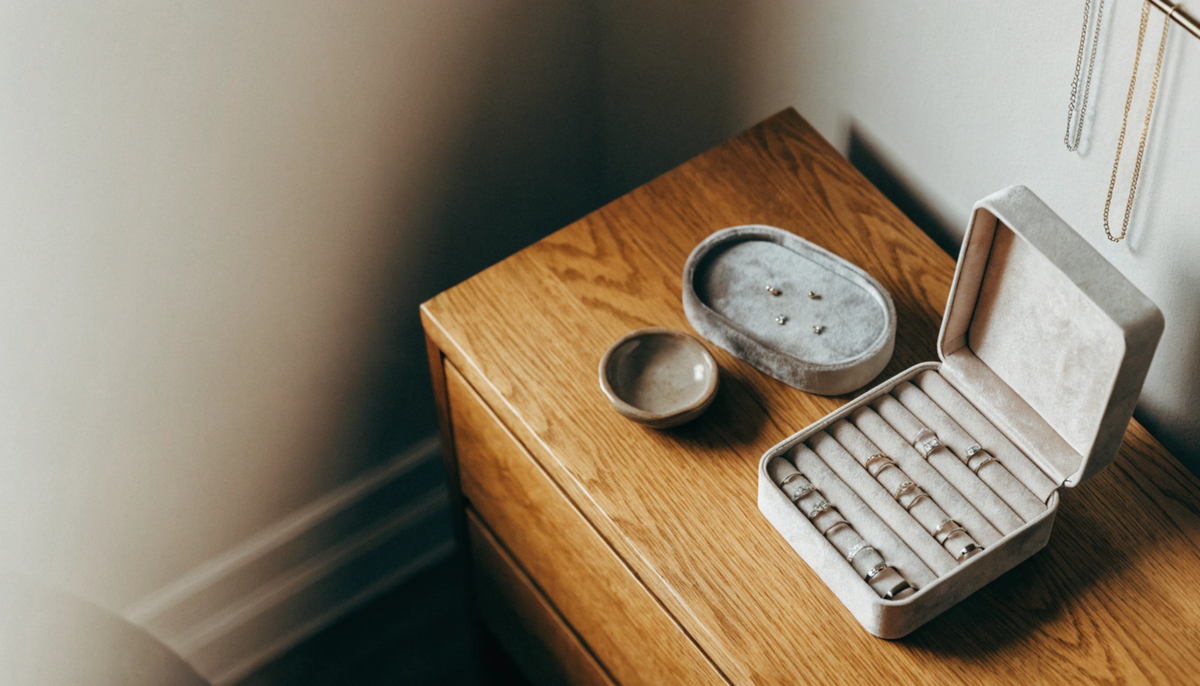
18 Jewelry Storage Ideas for a Tangle-Free Collection
LEARN MORE
10 Coffee Table Alternatives That Work Better in Small Living Rooms
LEARN MORE
15 Home Theater Furniture Ideas That Make a Room Work
LEARN MORELooking for something else?

Open vs Closed Floor Plan: Which Layout Suits Your Home?
LEARN MORE
Whitewashed Wood Furniture: Getting the Finish Right at Home
LEARN MORE
18 Accent Table Decor Ideas That Work in Real Rooms
LEARN MORE


Further reading

How to Choose a Dresser for Sweaters, Denim, and Bulky Clothes

Adjustable vs. Fixed Bookcase Shelves: Which Is Better for Real Storage?


