

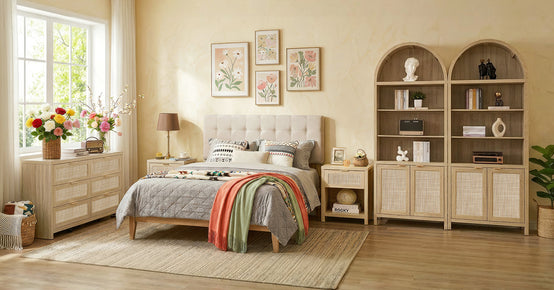
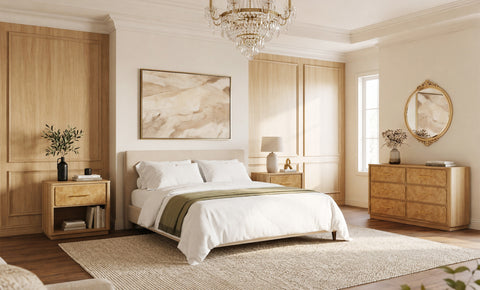
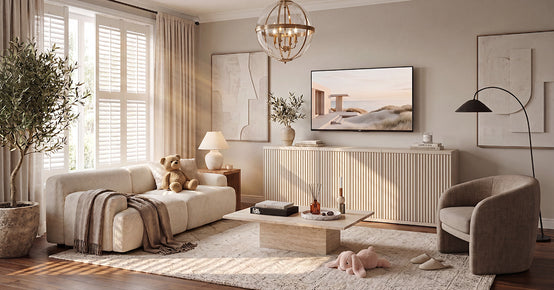
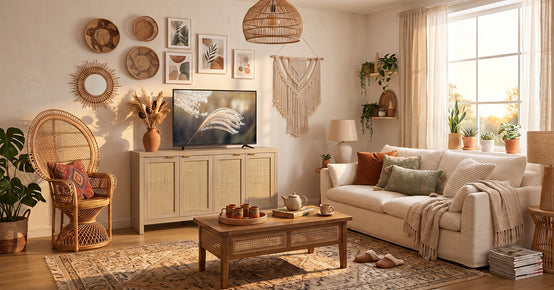



12 Master Bedroom With Separate Sitting Area Ideas
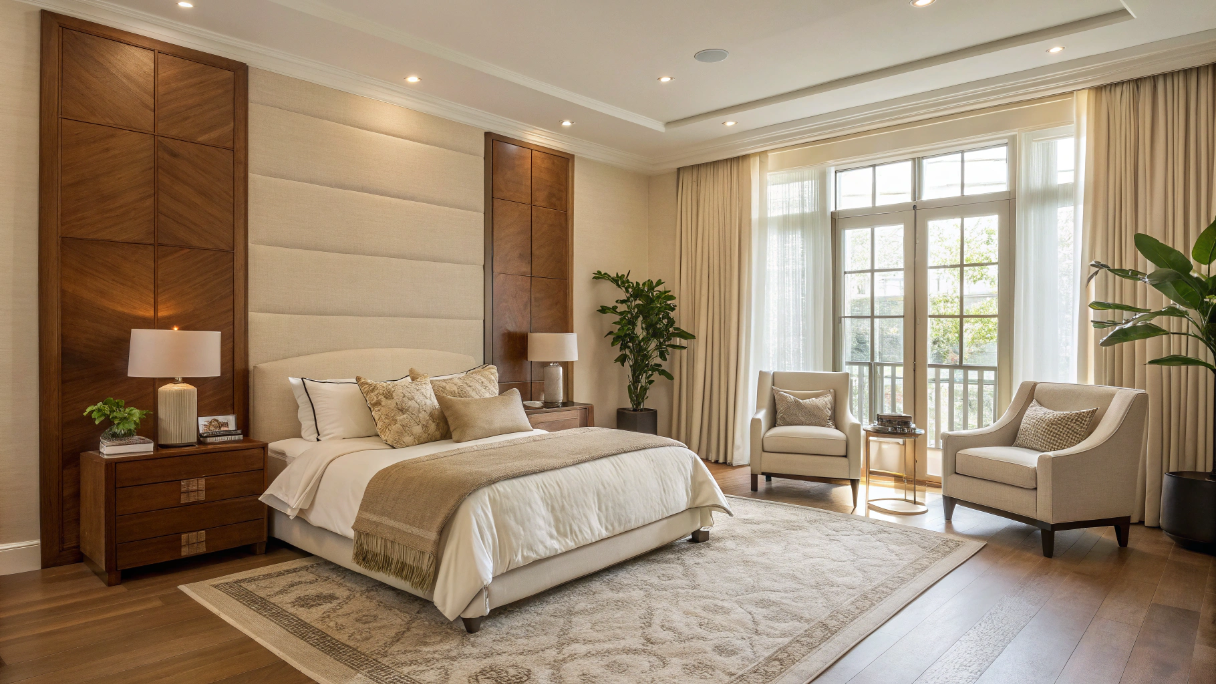
That awkward dead corner of your master bedroom? Time to make it earn its keep. A sitting area inside the bedroom is where you read after the kids crash, drink coffee before the house wakes up, or hide for ten minutes when you really need to. Fixing it isn’t a bigger room. It’s making the corner feel like it has a job. These master bedroom with separate sitting area ideas come from real designers and cover every floor plan. Small bedrooms. Big suites. Weird corners. Rooms with zero built-in anything. Twelve setups that work, plus more bedroom inspiration over at Architectural Digest’s home design archive.
What Counts as a Master Bedroom Sitting Area?

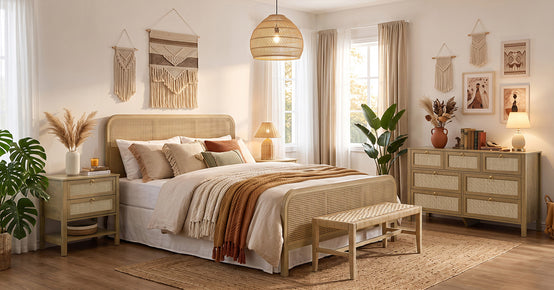
It doesn’t need walls. Doesn’t need a four-hundred-square-foot suite either. A sitting area in a master bedroom is just a defined spot for sitting, distinct from the bed. One to three pieces of seating. A side table or any surface. An anchor, like an area rug or a clear focal point. Even a single armchair and a floor lamp count, as long as the corner reads as deliberate. The Sicotas bedroom furniture collection is sized for real bedrooms if you’re short on a starting point.
Most master bedroom sitting room ideas fall into three buckets. A reading nook (one chair, one lamp, one job). A mini lounge (two chairs and a table, or a small loveseat). Or a full sitting room with a chaise or a daybed. Which one works for you comes down to floor plan and how you actually unwind.
1. Two Accent Chairs and a Side Table

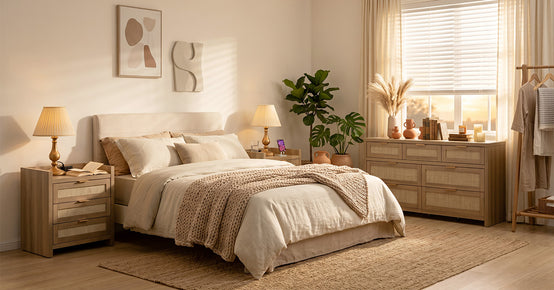
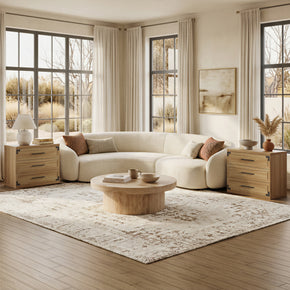
Two accent chairs with a side table between them. Floor lamp or table lamp nearby. Small rug underneath. That’s the setup I recommend most for a master bedroom sitting area because it actually gets used. Park the chairs across from the bed, or against the wall with the least going on. Pick chairs with curved backs in bouclé or linen, since hard chairs quickly become decorative. Slide a Crescent 3-drawer nightstand between the two chairs for a lamp surface plus drawer space for books and the little pile that builds on every side table.
Use this layout if: you want a real sitting setup without overthinking it.
2. A Loveseat or Small Sofa for a Mini Lounge

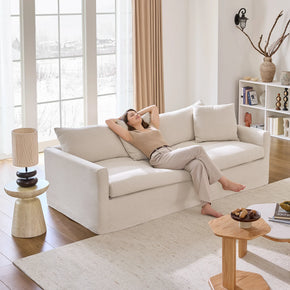
In a bedroom, a loveseat usually beats a full sofa. Half the floor space, same comfort, and the room doesn’t end up looking like a hotel suite. Park it opposite the bed if there’s a clear wall. If that wall’s busy, slide the loveseat under a window or push it into an empty corner. Get washable fabric. Linen, performance velvet, anything that survives the spill that’s coming. Pair it with a coffee table or pouf, a slim side table for drinks, and a rug big enough to catch the loveseat’s front legs—mini lounge.
Use this layout if: you’ve got a larger master bedroom with a clear wall or an empty corner.
3. A Chaise Lounge for Relaxed Comfort

Sometimes you want to recline. Not nap. Just recline. Chaise lounge territory. A single chaise tucked into a corner or under a window adds the kind of luxury that feels a little ridiculous, but you use it daily anyway. Drop a small side table next to it for books and tea. The Savanna nightstand with built-in charging station pulls double duty here. Accent table by day, phone-charging post at night. Wool blanket over the arm. Done.
Use this layout if: you want luxe lounging without giving up half the bedroom for a sofa.
4. A Bench at the Foot of the Bed

End-of-bed benches are the easiest sitting setup on this list. Smallest size. Lowest commitment. Easiest to actually use. It’s the one I suggest first when someone says their master bedroom is too small for a real sitting area. You’ll use the bench way more than you think. Tying shoes and folding laundry on a Sunday. Dumping pillows somewhere overnight that isn’t the floor. Get one with hidden storage under the seat if the budget stretches. Lift the lid, drop spare blankets in, gone. For most smaller bedrooms, it’s honestly the only sitting option that fits without crowding the walkways.
Use this layout if: your master bedroom is on the smaller side, but you still want a sitting spot.
5. A Built-In Window Bench

Bay window? Deep ledge? Alcove that nobody uses? Build a window bench in. Cushions. A few throw pillows. A wall-mounted reading light, if your electrician will let you. The view does the styling work. Even simple flat cushions turn a window ledge into a real coffee-and-book spot. Drawers underneath, if the budget stretches, hide blankets, off-season bedding, anything you’d rather not see out.
Use this layout if: your bedroom has a window area that is sitting empty.
6. A Fireplace Sitting Area

If your bedroom has a fireplace, the work’s half-done. Two armchairs, a small rug, a side table, and a stop. Don’t compete with the firebox. Keep the chairs neutral, the table simple, a basket of throws nearby, and a stack of books. That’s the whole fireplace sitting area. Most luxurious-feeling option on the list, and, weirdly, the easiest one to design because the fireplace handles the focal point for you.
Use this layout if your master bedroom has a fireplace anywhere on the wall.
7. A Daybed for Napping and Reading

A daybed is a strange piece of furniture: half sofa, half bed. But in a bigger master bedroom, that ends up being the point. The daybed earns its space in three ways. Reading lounge in the evenings. Nap spot on a slow Sunday. Guest bed when the in-laws stay over. Style it like a sofa, not a bed. Pillows along the back, folded blanket across the corner, small accent rug below. Pick a daybed lighter in tone than your main bed, or the room ends up looking like it has two beds, which is awkward.
Use this layout if: you’ve got a spacious bedroom and you actually nap.
8. A Pouf, Ottoman, or Footstool for Flexible Seating

The smartest piece in a sitting area is sometimes the most flexible one. Pouf. Ottoman. Footstool. They move where you need them. Extra seating when a friend drops by. Footrest for your reading chair. Coffee table with a tray on top. Performance fabric or leather wears best if pets or kids are part of daily life. Also, the cheapest entry to a sitting area if you’re not ready to commit to a real chair yet.
Use this layout if you want flexible seating instead of a permanent setup.
9. Anchor the Sitting Area With an Area Rug

Easiest fix when a sitting area feels random: drop a rug. Place it under the front legs of your chairs or loveseat, sized so it visually contains the seating without spilling into the walkway around the bed. Pattern or texture usually beats a flat solid here. The bedroom rug under the bed already handles the room's calm side. Your sitting area rug can carry the visual interest.
Use this layout if: your sitting setup looks disconnected from the rest of the bedroom.
10. Use a Bookshelf or Folding Screen as a Soft Divider

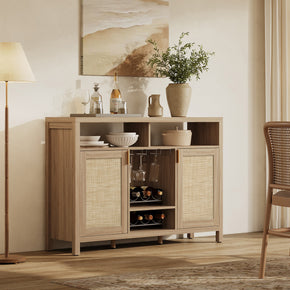
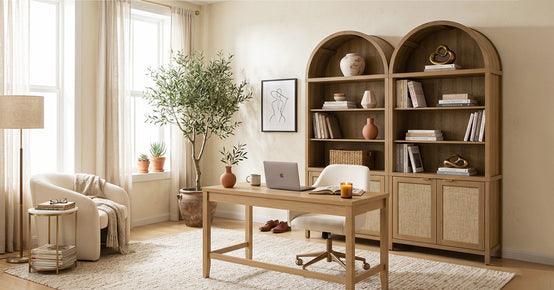
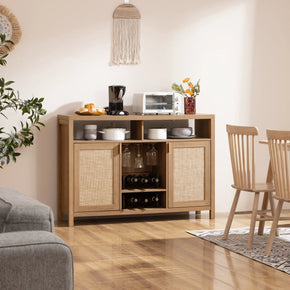
The bedroom feels like one big, undefined room. Add a soft divider. An open bookshelf is the most useful option. Splits the space visually while still letting light through and giving you storage on both sides. The Savanna arched rattan bookcase works especially well as a room divider because the cane panels filter light beautifully instead of blocking it. A folding screen does the job too, especially in vintage or eclectic rooms. Tall planter? Also fine. Honestly, even a deep console can pull it off.
Use this layout if: your master bedroom feels like one giant, undefined room.
11. Build a Reading Nook in an Unused Corner

Reading nooks work best in whichever corner already gets the best morning light. Honestly, that’s the only real requirement. Put one armchair there. A small side table beside it for tea and your reading glasses. A floor lamp behind the chair, angled toward where your shoulder will land when you sit. Books in arm’s reach. Soft rug underneath the chair, throw blanket over the arm whenever you’re not using it. The corner finally earns its keep instead of just hosting a pile of clothes you meant to fold. If the spot still feels sparse, a tall potted plant in the next corner balances things out.
Use this layout if: your master bedroom has a quiet corner doing absolutely nothing right now.
12. Add a Console or Dresser to Anchor the Sitting Area

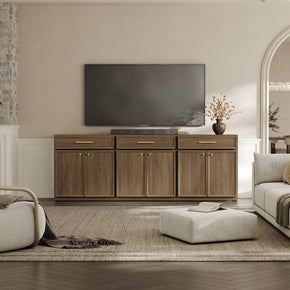
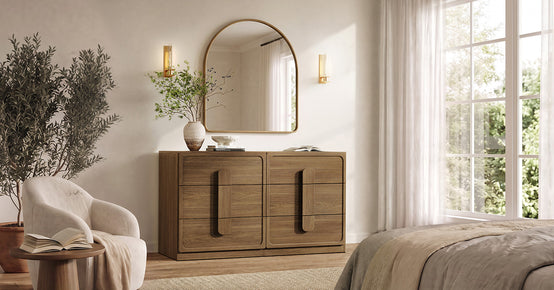
Sometimes the sitting area has all the right pieces and still feels half-done. Usually, the problem is the wall behind it. Nothing solid there. A low dresser or a console table fixes it almost instantly. Slide one behind the loveseat to mark the edge of the area, or push it against the wall by your sitting chairs. The Terra 6-drawer horizontal dresser is low enough to fit under a wall-mounted TV or art, and shallow enough not to crowd a smaller sitting zone. Style the top easily. A lamp. A small framed photo. A tray for keys and watches.
Use this layout if: your sitting area feels floaty and you want it to feel grounded.
FAQs
How do you create a seating area in your bedroom?
Wrong question to start with. The real question is what you're going to do there. Read at night? Morning coffee? Hide from the kids for ten minutes? That answer decides everything else. Once you know, the rest is easy. A comfy chair (or a small loveseat if there's room), a side table next to it, a lamp, a small rug, and a pillow or two. That's a seating area. Skip the "what's it for" part, and the chair just turns into a laundry holder within a month.
Which color is most attractive for a bedroom?
Attractive isn't really what you want from a bedroom color. You want calming—big difference. A jewel-tone emerald might look gorgeous in a magazine spread, but try sleeping in it for a week and you'll be back at the paint store by Sunday. So the real winners are warm neutrals. Oat. Cream. Taupe. Sandy beige. For the sitting corner specifically, sage green or a muted dusty blue if you want it to feel a notch different from the main bed wall. Hard pass on clinical whites and any saturated brights. Bedroom walls should be the background, not the foreground.
How do you split a master bedroom into two rooms?
Rarely need a wall. Open bookshelves work great as soft dividers since light still passes through, and you get storage on both sides. Folding screens fit in older or eclectic rooms. Tall planters do the job in a pinch. But honestly, most of the dividing happens in the furniture placement itself. Face the seating away from the bed. Each side gets its own rug. Each side gets its own lighting. Same room, but the bed and the sitting area finally feel like two separate spaces.
What is the minimum size for a master bedroom?
Most building codes call 12 by 14 feet the minimum for a standard master bedroom. For a master bedroom with a separate sitting area, that’s not enough. You want 14 by 16 at the very least, the seating eats into the path you walk every day. Smaller than 14 by 16, skip the full sitting room idea. A single armchair in a corner, or just an end-of-bed bench, does the same job with way less floor space.
What is the 4-inch rule for seating?
It's a quick proportions check, nothing fancy. Pick any two seats in your sitting area. Their seat heights need to land within four inches of each other, give or take. So a sofa with an 18-inch cushion plays nicely with an ottoman that sits between 14 and 22 inches off the floor. Goes for accent chairs and benches, too. Why bother? Because mismatched seat heights are the reason some rooms look thrown together for no reason, you can put your finger on it.
What are the essential elements of a sitting area?
A chair or sofa you'd choose to sit in over the bed (the test most people fail). Something flat next to it, doesn't have to be a real side table, a small stool works fine. Light coming from somewhere other than the ceiling fixture, so a floor lamp or table lamp on that flat surface, or wall sconces if you're feeling fancy. An area rug under the seating ties everything together. Add a throw and a pillow. That's it. Five pieces, one afternoon.
What’s the difference between a living room and a sitting room?
Easy mix-up, but they're built for opposite things. A living room is where the household actually lives. Family piled on the couch watching whatever's on, snacks on the coffee table, somebody's friend showing up unannounced on a Sunday. A sitting room is the opposite of all that. Built for one person, maybe two. Quieter, smaller, no agenda. When the sitting room is inside a master bedroom, it becomes the private corner of the house—reading, morning coffee, talking to your partner without anyone else around. Skip the TV. Skip the guest list.
What are the best shades for bedrooms?
Depends on what kind of shades you mean. For window shades, blackout works best if early light wakes you up. Woven shades add texture and still show the view. Roman shades are the cleanest, most tailored option. Layer sheers underneath any of them for softer daylight. For wall paint shades, stick to the calming end of the spectrum: warm whites, pale blues, soft greens, oatmeal beiges. Save brighter shades for accent pillows or a single piece of art.
Final Takeaway

A master bedroom with a separate sitting area should feel like a slowdown zone, not a furniture-catalog reveal. The right setup comes down to the room itself and how you actually unwind—a single chair and a lamp work for some people. A full loveseat-and-chaise combo works for others. Start with the function. Add seating to fit the floor plan. Anchor it with an area rug. Layer the lighting softly. For more bedroom pieces sized to real homes, the Sicotas modern furniture catalog is a good place to start.
Sources
Designers whose work shaped most of the advice in this guide:
- Athena Calderone, founder and creative director of EyeSwoon. NYC-based interior designer; author of Live Beautiful (250,000+ copies sold).
- Marie Flanigan, founder and principal designer at Marie Flanigan Interiors. Trained as a classical architect, she runs a Houston firm that is regularly featured in AD, Vogue, and House Beautiful.
- Bria Hammel, founder of Bria Hammel Interiors—Twin Cities and Charleston-based- known for layered classic interiors with strong bedroom portfolios.
- Sarah Sherman Samuel of SSS Design Studio. Los Angeles-based, warm modern with a wabi-sabi lean. Multiple product collaborations with Lulu and Georgia.
- Brian Patrick Flynn, behind FlynnsideOut Productions. Atlanta-based interior designer; longtime designer of HGTV Dream Home and Urban Oasis.
- Joanna Gaines, co-founder of Magnolia. Waco-based brand and design empire, the kind of name that doesn’t need an introduction.


Looking for something else?

Furniture Materials Guide: Picking the Right Material Room by Room
LEARN MORE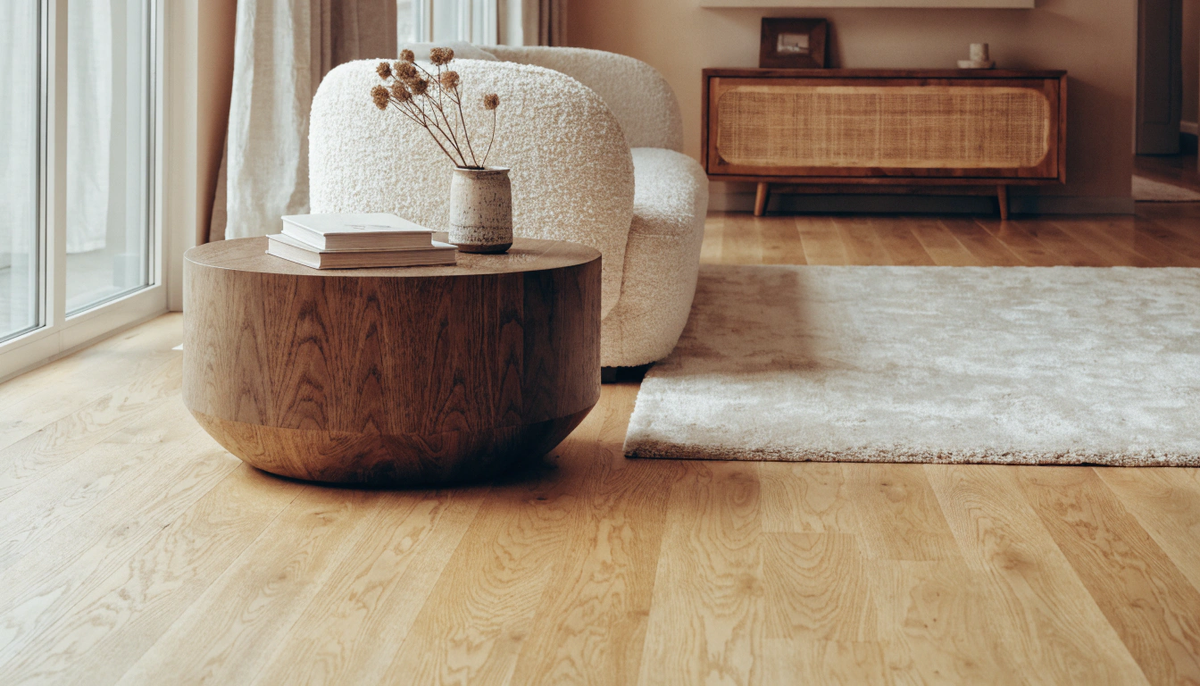
How to Mix Wood Tones Without Making a Room Look Mismatched
LEARN MORE
18 College Apartment Furniture Ideas That Save Space and Money
LEARN MORE
Types of Entertainment Centers: 11 Designs and How to Pick One
LEARN MORELooking for something else?

Curio Cabinet Decor Ideas: How to Style a Display Cabinet Without the Clutter
LEARN MORE
Curved Furniture: How to Style, Measure, and Buy It in 2026
LEARN MORE
What Is Rattan Furniture? A Buyer Guide to Types and Care
LEARN MORE


Further reading

How to Choose a Nightstand for a CPAP Machine

How to Choose a Shoe Cabinet for Men's Sizes, High-Tops, and Bulky Shoes


