




Living Spaces Outdoor Furniture: How to Choose Patio Pieces That Last
My neighbor bought a patio set last spring. Nice-looking thing — wicker-style frame, grey cushions, the whole deal. By July, the bolt on one chair had stripped through, a cushion had gone visibly flat, and the cushion fabric had faded to a kind of washed-out grey that looked more 'forgotten' than 'neutral.' She'd spent about $700.
What went wrong wasn't the price. She spent enough. What went wrong was that she bought it like she'd buy a lamp — saw it, liked it, clicked. Outdoor furniture doesn't work that way. The sun, the rain, the way chairs get dragged across concrete — these things separate a good choice from a very expensive mistake pretty fast.
The guide below covers what actually matters before you spend money on living spaces and outdoor furniture. Not what looks good in photos. What holds up? What you'll still want to sit on in three years.
Your Patio Is Part of Your Home. Start Acting Like It.

Walk through almost any neighborhood on a weekday, and you'll clock the same pattern — rusting chair legs, faded cushions shoved to one side, a table slightly too big for the space so the corner's permanently wedged against the railing. And nobody out there.
That didn't have to happen. Those same homeowners probably sweated every detail of the living room. The right rug. The lamp placement. Whether the sofa was half an inch too deep for the wall, then the patio got whatever was left over — budget, energy, thought.
The problem is that if your living room opens onto the patio — and in most houses it does, at least with a sight line — what's outside is part of what you look at every day. A mismatched, neglected patio can make even a well-decorated interior feel unfinished. When you complete your home's look by intentionally connecting the outdoor and indoor choices, the whole property feels like one decision rather than two separate projects left to sort themselves out.
First Question Worth Answering: What Does This Space Actually Do?
Not what you'd love it to do. What does it actually do, on a normal week?
Do people eat out there? Is it mostly a morning coffee spot for one person? Does the space pull double duty as a cut-through to the garden? Does it host ten people on a Saturday or two people most evenings? These aren't philosophical questions — they determine what you buy. Get them wrong, and you end up with a gorgeous dining set that nobody eats at, or a deep sectional that swallows a space too small to hold it.
When eating outside is the point.

Size your outdoor dining set for your actual household first. Not 'it'd be nice to seat eight.' How many people eat here on a regular Tuesday? Then add two seats for the actual guests you actually have, not the imaginary dinner party. Leave 36 inches behind each chair — not 30, not 'roughly three feet,' but 36 — because that's what a person needs to push back and stand without knocking into whatever is behind them. If there's no shade over the table, solve that first. A dining set in full afternoon sun is one nobody wants to use past noon.
When the goal is just sitting and being outside

Then deep seating. An outdoor sofa or outdoor sectional with real seat depth — over 20 inches — and a back that lets you actually lean rather than bolt upright. 'Outdoor lounge chair' can mean anything from 16 to 26 inches of depth, and those feel like completely different objects. If you can't try it in person, look up the spec. The comfort difference is not subtle.
When you host people and want flexibility

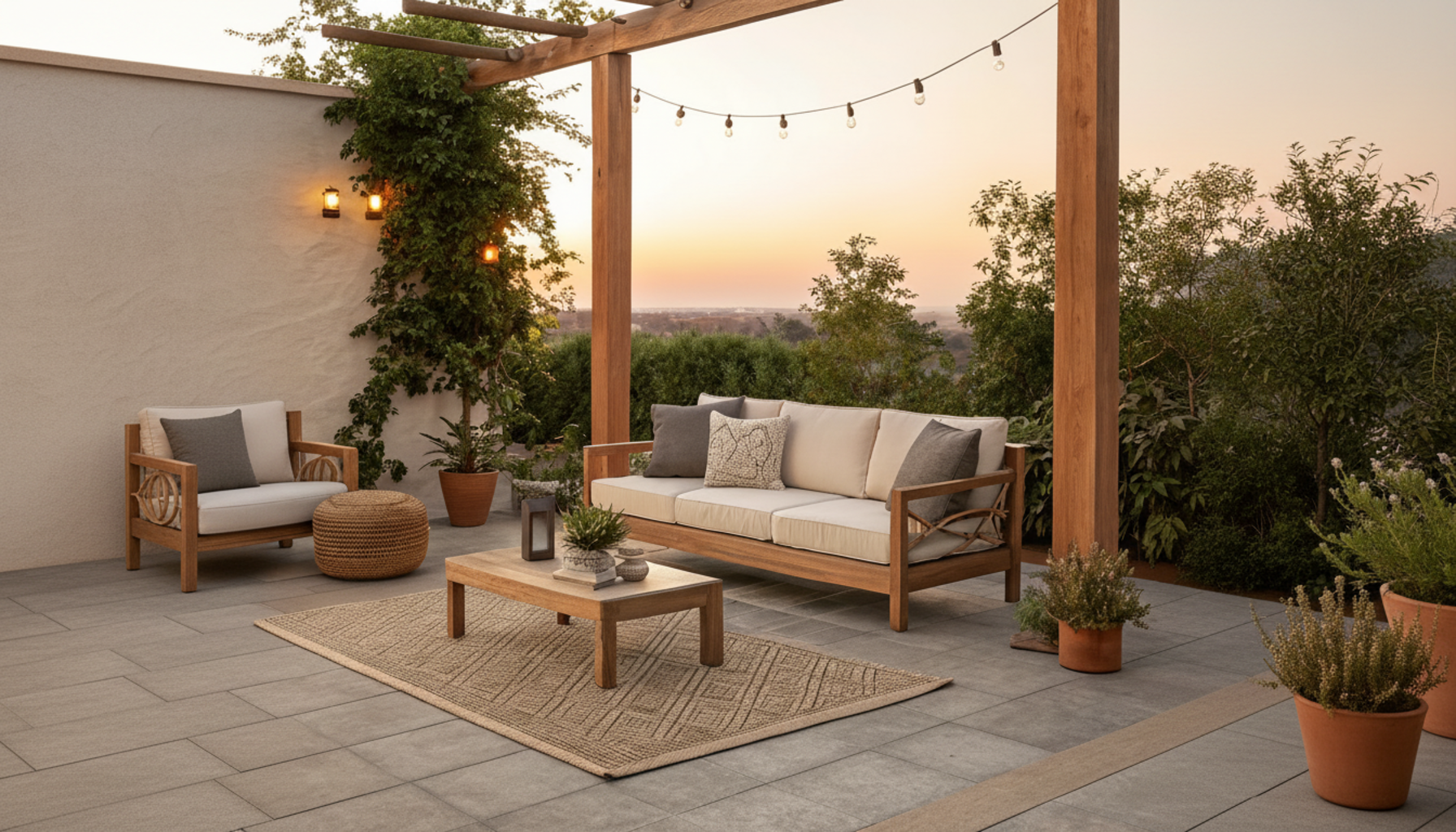
Modular wins. Furniture that rearranges for different group sizes and different occasions is worth considerably more on a hosting patio than a beautiful fixed layout that only works when exactly six people show up. An outdoor conversation set — low sofas and chairs arranged to face each other — shapes the mood of a gathering in a way dining chairs never do. Anchor it with an outdoor rug, and it looks like a room. Leave it bare concrete, and it looks like furniture parked outside.
When the patio is small

One rule. Restraint. A bistro table and two chairs for a small urban patio or balcony. Maybe a narrow bench along the wall. That's often the whole answer. The moment a small space gets a sofa in it, because it'd be nice, it stops working as an outdoor room and starts feeling like a Tetris problem. Slim open-leg frames, lighter finishes, and one small rug. That's what makes a small space feel considered.
Measure the Space Properly — This One Step Prevents Most Returns
Do not browse furniture until you have actual numbers. I know that sounds tedious. It prevents expensive returns.
The mistake people make: they measure the total patio area, see it's 'big enough,' and order something that technically fits the total area. Then it arrives, and the door can't open all the way, or the chair legs catch on the threshold, or the table end juts into the path to the yard. All of that was visible with a tape measure and twenty minutes.
Measure the usable area, not the gross area.
Gross area minus every fixed obstacle — door swing arc, grill clearance, planters, stairs, railings, anything that's staying where it is. In most patios, what's left is 15 to 20 percent smaller than the number you started with. That's your real working space.
Then do this: pull out cardboard boxes or masking tape and mark the furniture footprint on the ground. Physically stand in it. Walk around it. Sit where the chairs would be. It takes ten minutes,s and either confirms that the layout works or immediately shows you that it doesn't. Way easier than a return.
The clearance numbers that actually matter
36 inches behind every dining chair. That's the clearance for a person to push back from the table and stand up normally. 24 to 30 inches between chairs at the table itself. A 24-inch clear path between any seating and the door into the house — that's the walkway, not an obstacle course. 12 to 18 inches of leg room around a coffee table. These aren't arbitrary — they're the difference between a space people move through naturally and one they're constantly navigating around.
Scale matters both ways.
An oversized sectional on a small patio doesn't just look cramped — it makes the space actually hard to use. But the reverse is also true: delicate bistro furniture on a wide-open deck can make the whole space look like you forgot to finish it. Small spaces need compact, slim frames. Larger areas usually work better divided into two or three functional zones — a dining area, a lounge corner, maybe a reading spot — rather than one enormous furniture cluster trying to fill the whole thing.
Material First, Looks Second — This Is Where Most Buyers Get It Backward

Everyone shops by photo. Understandable. But outdoor furniture is a climate product first and a design product second. The material determines whether you're still happy with it in year three, or whether it's quietly falling apart while you pretend not to notice.
Here's what each material actually means to live with.
Teak — earns every penny if you keep it long enough.
The high natural oil content is the whole story. Moisture doesn't penetrate it easily. Rot has very little to grab onto. Left completely alone, teak weathers to a silver-grey over a couple of seasons — a look a lot of people genuinely prefer. Oiled twice a year with genuine teak oil, it retains its original warm honey color. Either path works. A quality teak piece lasts 20 to 25 years, which reframes the price entirely when you do the per-year math.
Eucalyptus is the honest, cheaper alternative — similar density, similar grain, lower price point, needs slightly more attention. Sealing each season keeps it looking good. The Better Homes & Gardens outdoor care guide breaks down the maintenance reality for both wood types without sugarcoating what happens when you skip a season.
Powder-coat aluminum — the workhorse answer

If someone told me 'humid climate, don't want to think about it much,' this is what I'd tell them to buy. Powder-coat aluminum outdoor furniture doesn't rust. The coating holds up to UV and scratching better than most alternatives. It's light enough to rearrange on a weekend afternoon. You clean it with dish soap and water, and that genuinely is the full maintenance list. I've seen these frames on coastal Florida patios — salt air, afternoon rainstorms, year-round sun — still looking fine at the 15-year mark. Not the most romantic material. Doesn't matter.
Synthetic wicker — good, with one catch

All-weather synthetic wicker — the HDPE type, not cheap resin — handles sun and rain without cracking or peeling. Looks warm, feels like natural wicker, performs like something made for outdoors. But: what's the internal frame? Synthetic wicker over aluminum is solid and will last. Synthetic wicker over a steel core will rust at the joints within a few seasons, from the inside out, and you won't see it coming until something wiggles. Ask the retailer or find the spec sheet before buying. This detail gets buried in listings, but it's the difference between a 10-year piece and a 4-year piece.
Wrought iron and steel — when weight is the feature
Exposed patio. Coastal setting. Somewhere that gets actual wind, the weight of wrought iron stops being a nuisance and becomes the reason you bought it — it stays put. But iron rusts the moment the coating chips, and coatings chip. Catch the chip in March, touch it up with rust-resistant paint, done in ten minutes. Skip it, let it go through a wet season, and the rust spreads across the joint fast. Manage these frames and they last 20-plus years. Don't, and they don't.
Recycled poly — stop dismissing it based on how it used to look.
Quality HDPE poly furniture isn't the wobbly white plastic chair from twenty years ago. It's dense, stable, heavy, and it resists moisture, UV, and freezing temperatures without any treatment at all. You don't stain it. You don't oil it. You hose it off. Consumer Reports' outdoor furniture testing has put aluminum and recycled poly at the top of their durability ratings year after year — not as a one-time finding, as a consistent result across test cycles. For high-use family patios, it's genuinely hard to argue against.
Cushions — They Fail Before the Frame Does. Plan Accordingly.

Frames last. Cushions don't — not automatically. Most outdoor furniture complaints aren't about the frame wobbling or the finish chipping. They're about cushions that went flat in one season, fabric that faded badly by August, or foam that developed a mildew smell inside despite the covers looking fine. Almost all of that is preventable if you know what to look for when you buy.
Outdoor fabric is not all equal — not even close.
Standard outdoor polyester fades noticeably within two seasons when exposed to direct sun. Sometimes within one. It's okay for a covered porch with minimal UV exposure. For anything else, look for solution-dyed acrylic — where the color runs through the full fiber thickness, not just printed on top. Sunbrella dominates this category for a reason. The fade resistance gap between solution-dyed and printed fabric is not slight after three or four seasons of real outdoor exposure. The Sunbrella performance guide lays out the actual technical difference if you want the specifics on UV ratings and colorfastness testing.
Waterproof and water-resistant mean different things — and the difference matters.
Most cushion labels labeled 'outdoor' are water-resistant, not waterproof. Drizzle? Fine. Forty-five minutes of real rain? They'll saturate. True waterproof fabrics — vinyl, laminate-coated — do exist, but sitting on them in July is uncomfortable. They trap body heat. They don't breathe. The practical sweet spot for most climates is a water-resistant solution-dyed acrylic over quick-dry reticulated foam. That foam — look for 'reticulated' or 'open-cell' in the description — drains and dries in one to two hours. Standard upholstery foam holds moisture for 12-plus hours. That difference decides whether the cushions go back out the same evening or stay inside for two days.
Questions worth asking before you buy
Do the covers zip off? Can they be machine-washed? Are replacement covers sold separately, or do you have to buy a whole new cushion set? Is the foam actually quick-dry? These feel minor until the cushion has a bird dropping on it three weeks in, or until year tw, or when you want fresh covers and discover the product line was discontinued. They're worth five minutes to check.
What's Actually Happening in Outdoor Design for 2026

Trend pieces for outdoor furniture are mostly useless. Here's what's showing up in actual search data and shifting what people are buying.
Sustainable luxury — the term is overused, but the shift is real
Up 187% in Google Trends over the past year. The driving force is simple: buyers got burned by cheap sets one too many times. The category growing fastest isn't budging,t and it isn't showpiece luxury — it's mid-to-high-quality furniture with actual multi-year lifespans. Certified wood, recycled polypowder-coated aluminum. Pieces that look polished and don't fall apart. The aesthetic that's moving: refined without being fragile.
Organic materials are everywhere for a reason.
Teak, eucalyptus, rope detailing, woven textures, bamboo-inspired accents — organic materials create warmth that metal and resin just can't match. Paired with ceramic planters, real plants, and stone accents, a patio made of these materials looks like it grew out of the garden. There's a reason this direction keeps showing up: it actually works.
Neutral base with black cushions — not boring, genuinely versatile
Beige, warm grey, sand, taupe. They work because they don't fight anything — any plant color, any home exterior, any season. Black cushions on top of that neutral base is the move that's climbing. Against a light teak or aluminum frame, black is sharp and contemporary without demanding a full redesign. Searches are up 20% year over year. It's moved from an edge aesthetic choice to a mainstream one.
Outdoor rugs — still underused, best fast upgrade available
Put an outdoor rug under a furniture arrangement, and it immediately reads as a room rather than furniture sitting on concrete. That transformation is fast and real. Choose UUV-stabilized and moisture-resistant — not just one of those. A rug that sheds rain but fades in the sun after one summer isn't the right product.
Climate Matching — The Variable That Decides Whether You Chose Right

The same chair that performs beautifully on a shaded patio in a mild climate can be showing serious wear after two seasons on a coastal deck with salt air and afternoon storms. Buy without thinking about this and you'll pay for it in a few years.
Hot and sunny — UV is the main enemy, not moisture
Fading cushions, softening coatings, dried-out wood that doesn't have natural oil to protect itself. Powder-coated aluminum, teak, HDPE poly, and quality synthetic wicker handle sustained UV well to UV. Dark bare-metal frames in full sun get hot enough by mid-afternoon to be uncomfortable to touch, and they degrade coating faster. Solution-dyed acrylic cushions in lighter colors — not printed polyester — hold color across seasons. And if the space gets direct sun for more than four or five hours a day, a proper shade structure is less a nice-to-have and more a prerequisite for the furniture to last.
Rainy and humid — rust and mildew are what get you.
Rust-proof frames only. Aluminum, teak, resin, and synthetic wicker over aluminum cores. If there's steel anywhere in the structure — even inside a wicker weave or in the hardware — it will rust in sustained humidity. Open-frame designs drain and dry faster than heavily upholstered pieces. When a long rainy stretch is coming, getting the cushions off the furniture and into a covered space takes 30 seconds. Mildew remediation takes considerably longer.
Windy and exposed locations
Weight is the variable that actually matters here. Wrought iron, dense hardwood, heavy concrete tops — these stay where you put them through weather that sends lighter pieces across the patio. Umbrella bases need to be heavy. Not 'decoratively heavy' — 50-plus-pound heavy for anything over an eight-foot canopy. Light umbrellas in exposed locations become projectiles. Not a metaphor.
Wildfire-prone areas — most guides skip this
Furniture staging is part of fire safety in high-risk zones, not just an organizational habit. The OSU Extension's defensible space guide is specific: cushions, rugs, umbrellas, wooden pieces, and anything combustible within the ignition zone need to be moved during red-flag conditions. The EPA's outdoor landscaping guidanceaddresses the plant side of the same equation — drought-adapted native plantings reduce fire risk while improving the space's appearance.
Maintenance — Be Honest With Yourself Before You Buy Anything

Every furniture manufacturer calls their product low-maintenance. What that means ranges from 'wipe it down twice a year' to 'oil it each spring, seal it in autumn, inspect hardware in March, cover it before winter.' Both can be described as 'minimal care required' on a product page.
Before buying, answer this honestly: Will I actually do this? Not 'would I ideally do it.' Will I, when it's a Wednesday in October, and I'm bus,y and it's cold because furniture that needs to be carted doesn't degrade faster than furniture that needs no care at all.
Materials that genuinely need almost nothing
Powder-coated aluminum. Recycled poly. Resin. Quality synthetic wicker over aluminum. These were built for people who don't want to think about their outdoor furniture. Soap and water when they look dirty. A quick check of the aluminum coating in spring. Cover or store during extended non-use. That's the complete list, and it's short on purpose.
Materials that need actual upkeep
Wood — any of it, teak included. Oiling or sealing on a schedule, how often,n depending on climate and exposure. Wrought iron needs rust inspection and prompt treatment when the coating goes — a chip caught early takes five minutes, a chip ignored for a season turns into structural rust. These are manageable commitments if you make them. They're not manageable if you tell yourself you'll do it and then don't.
The cushion storage habit most people skip

Cushions stored indoors through winter age at roughly half the rate of cushions left outside. A weatherproof 150-gallon deck box handles the cushions for a six-piece set with room left over. Buy it on the same day as the furniture. Build the storage habit before the first winter, not after the second.
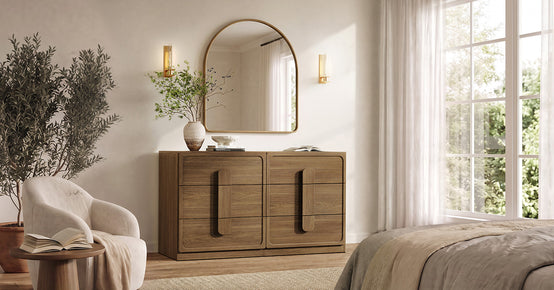
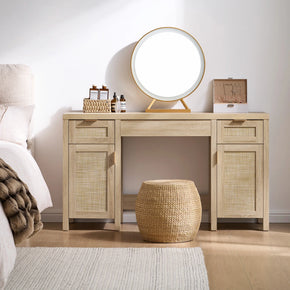
A clear spot near the back door reduces friction in the daily put-away routine. The Savanna Console Table handles this well — three drawers for sunglasses, keys, small garden tools, and general debris that migrates from outside in, all in a narrow footprint that doesn't crowd a tight entryway.
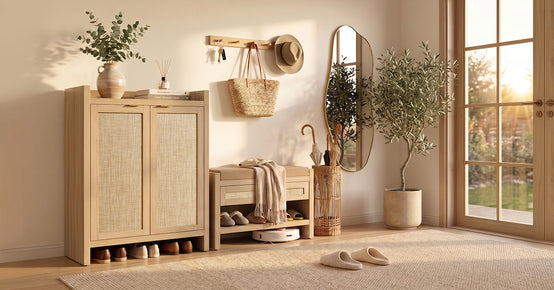
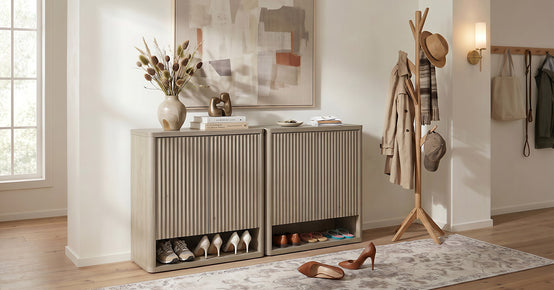
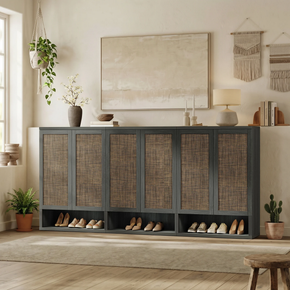
And if outdoor use means wet shoes and tracked-in sand — which it usually does — the Cas Black Shoe Cabinet at the threshold keeps footwear from touring the rest of the house. The sort of thing that sounds minor and immediately becomes indispensable.
One More Thing Most Guides Don't Mention

Most outdoor furniture guides treat the patio as a standalone project. But if your living space opens onto the patio — which most do, even just through a sight line — the indoor rooms adjacent to the patio are part of the same picture.
The pieces that sit just inside the patio door serve two functions at once: they hold the practical stuff that would otherwise clutter the outdoor surface — entertaining supplies, throws, spare candles, accessories — and they connect the visual language between inside and the outside. In open-plan homes especially, that transition either works or it doesn't, and it's usually visible.
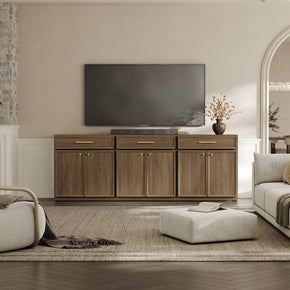
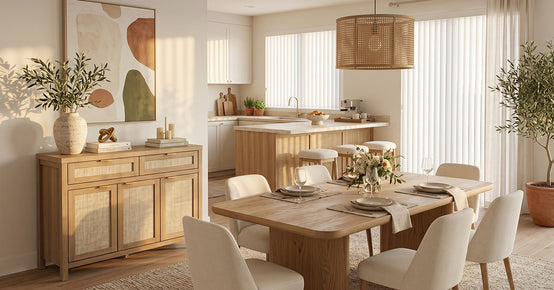
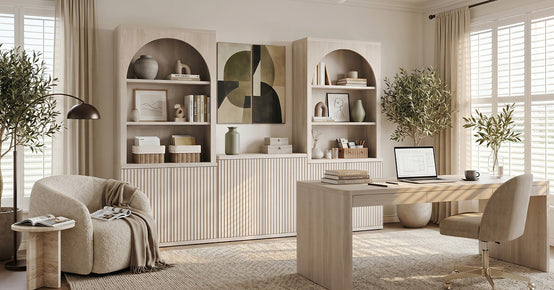
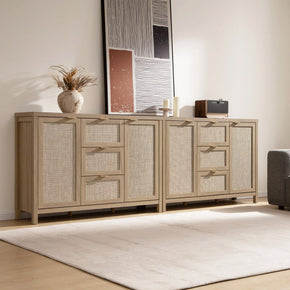
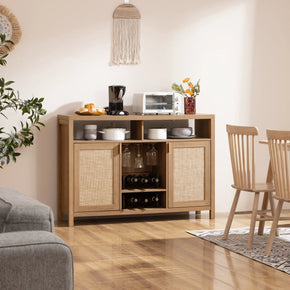
The Savanna Sideboard 3 Drawers and 2 Doors fits this without making a production of it. Three drawers, two door compartments, wood finish that reads naturally with outdoor tones—wide enough to function as a serving station, clean enough not to compete with anything around it.
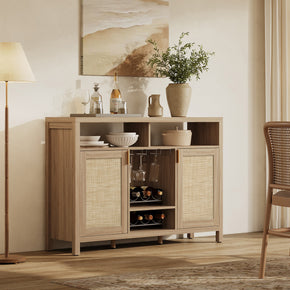
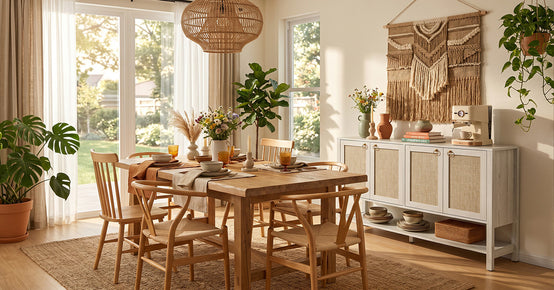
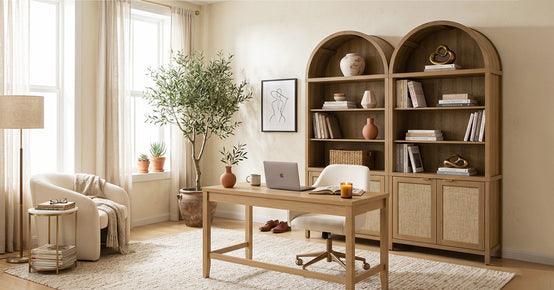
For something with more of a display function — open shelving for plants, lanterns, and objects that carry the outdoor palette inside — the Helio Decorative Sideboard Cabinet adds that layer. Open shelves on top, covered storage below. Works well with woven baskets, ceramic planters, and a few natural-texture pieces in that transitional zone.
The modern furniture collection at Sicotas is worth browsing if you want more options for bridging the indoor-outdoor connection — clean-lined pieces that align with where outdoor furniture trends are headed.
FAQs
What type of outdoor furniture is the most durable?
Short answer: teak, powder-coat aluminum, recycled poly, and quality synthetic wicker over aluminum frames. Longer answer — it depends on what 'durable' needs to mean for your situation. Teak is the most durable natural wood and can last 25-plus years with basic care. It resists moisture and rot thanks to its natural oil content; no treatment is required. Aluminum doesn't rust, which makes it the safest frame for humid or coastal settings. Recycled poly asks the least of you — no oiling, no staining, nothing — and holds up in conditions that challenge other materials. If you have one rule, prioritize the frame before everything else. A worn-out cushion on a solid frame is fixable. A failed frame isn't.
Which outdoor furniture is the easiest to maintain?
Powder-coated aluminum, recycled poly, resin, and synthetic wicker. That's the list. Soap and water when it looks dirty; keep an eye on aluminum coatings for chips at the start of each season;and cover it when you're not going to use it for a while. The two things that cut ongoing effort across any material: cushion covers that zip off and machine-wash (so you actually clean them) and quick-dry reticulated foam (so rain recovery is hours rather than days). Easy maintenance is mostly about choosing materials that forgive neglect — not about having the right products on hand when things go wrong.
How do I choose outdoor furniture?
Measure first. Actual numbers, not estimates — and subtract every fixed obstacle from the gross area to get the real usable footprint. Then decide what the space actually does on a normal week, not what you'd ideally like it to do. Those two things narrow your options faster than any aesthetic preference. After that, match frame material to your climate before your style preferences — style adapts to material more easily than material adapts to a hostile climate. Check cushion specs (fabric type, foam type, whether covers come off, and whether they can be washed). And before finalizing, check if replacement cushions are sold separately. Some product lines get discontinued after two seasons and you end up replacing the whole set to match a single worn piece.
What is the strongest material for outdoor furniture?
Wrought iron and steel are the physically heaviest and most stable in wind. Stainless steel adds rust resistance on top of that structural strength. Among wood species, teak is the hardest and most moisture-stable. For everyday practical use, powder-coat aluminum hits the best balance of structural integrity, rust resistance, and manageable weight. The honest answer is that 'strongest' depends on what the furniture needs to resist. Wind exposure calls for heavy iron. Moisture calls for aluminum or teak. Hard daily family use calls for dense poly or well-finished metal with welded rather than bolted joints.
Is it worth it to buy expensive outdoor furniture?
Yes — when the price is attached to actual quality, not just to branding. Things that justify more money: welded joints on metal frames rather than bolted joints, solution-dyed fabric rather than printed fabric on cushions, quick-dry open-cell foam rather than standard upholstery foam, powder-coat or marine-grade finishes, and a warranty with real coverage terms. Things that don't justify more money: styling complexity that makes the piece harder to clean, brand names on otherwise standard construction, or features that add visual detail while reducing durability. The math usually settles this: a set at twice the price that lasts five times as long is the clearly better deal. The one at twice the price that fails at the same rate isn't.
What type of outdoor furniture will not rust?
Aluminum, teak, resin, recycled poly, and synthetic wicker won't rust — none contain iron. Those are the right choices for coastal, rainy, and high-humidity environments. Steel and wrought iron rust when their coatings are compromised, and coatings are eventually compromised by chips, UV degradation, and normal wear. If you own iron or steel outdoor furniture, inspect the frames at the start of each season. A scratch caught early takes five minutes to treat with rust-resistant paint. The same scratch, ignored during a wet season, can spread across the joint and compromise the joint's structure. It moves fast once it starts.
Which fabric is 100% waterproof for outdoor cushions?
Vinyl and laminate-coated fabrics are the closest thing to waterproof in outdoor upholstery. Trade-off: they trap heat and feel uncomfortable in warm weather. Most quality outdoor cushion fabrics — including premium solution-dyed acrylics — are water-resistant, not fully waterproof. In light rain, they handle fine. With an extended downpour, they eventually saturate. For most climates, water-resistant solution-dyed fabric over quick-dry reticulated foam is the better practical balance. The foam recovery time matters more than most people realize: one to two hours versus twelve-plus hours determines whether cushions go back out the same evening.
What is the best outdoor furniture for full sun?
Powder-coated aluminum, teak, HDPE recycled poly, and all-weather synthetic wicker handle sustained direct sun better than other materials. Avoid dark bare-metal frames in full-sun settings — they absorb heat aggressively through the afternoon and can be genuinely hot to the touch. Solution-dyed acrylic cushions in lighter colors hold their color far longer than printed polyester cushions, which fade noticeably by the second summer in direct sun. The honest caveat: no material fully compensates for the lack of shade. If the space gets direct sun for more than four or five hours, a proper pergola or shade sail is less an optional upgrade and more a prerequisite for the furniture to last and the space to be usable.
Sources
- Sunbrella,Why Sunbrella: Performance Fabrics
- Better Homes & Gardens,How to Clean Patio Cushions
- HGTV,Patio Furniture Design Ideas
- U.S. Environmental Protection Agency,Landscaping and Water Use


Looking for something else?

Furniture Materials Guide: Picking the Right Material Room by Room
LEARN MORE
How to Mix Wood Tones Without Making a Room Look Mismatched
LEARN MORE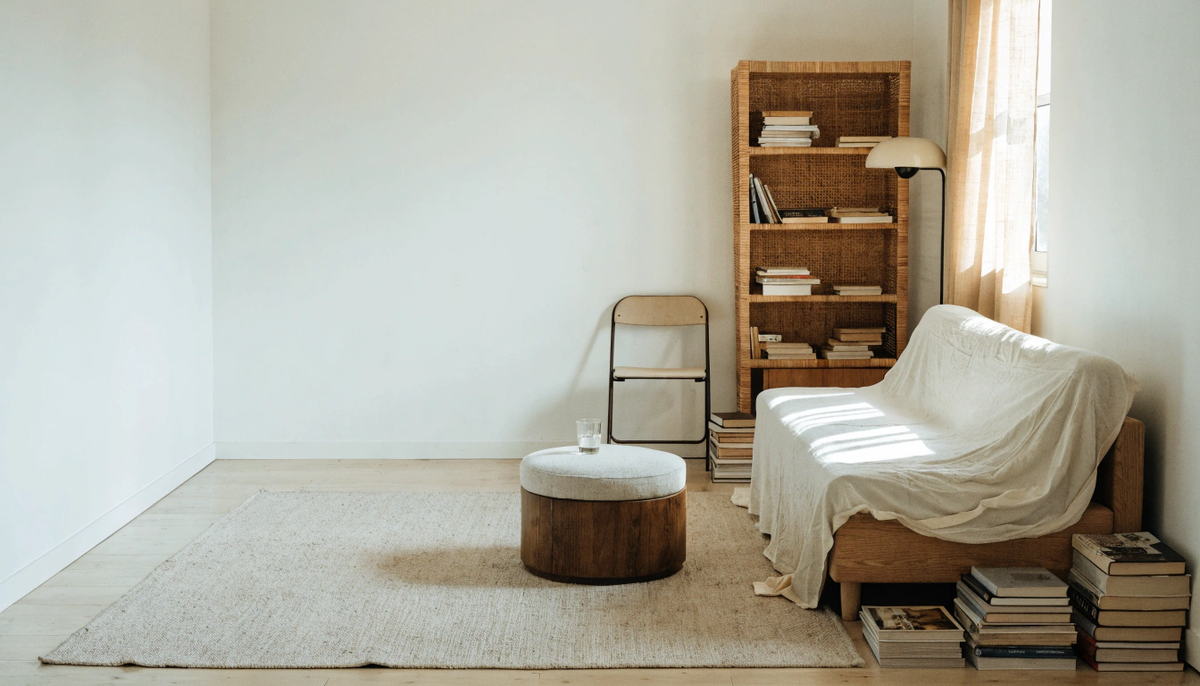
18 College Apartment Furniture Ideas That Save Space and Money
LEARN MORE
Types of Entertainment Centers: 11 Designs and How to Pick One
LEARN MORELooking for something else?

Curio Cabinet Decor Ideas: How to Style a Display Cabinet Without the Clutter
LEARN MORE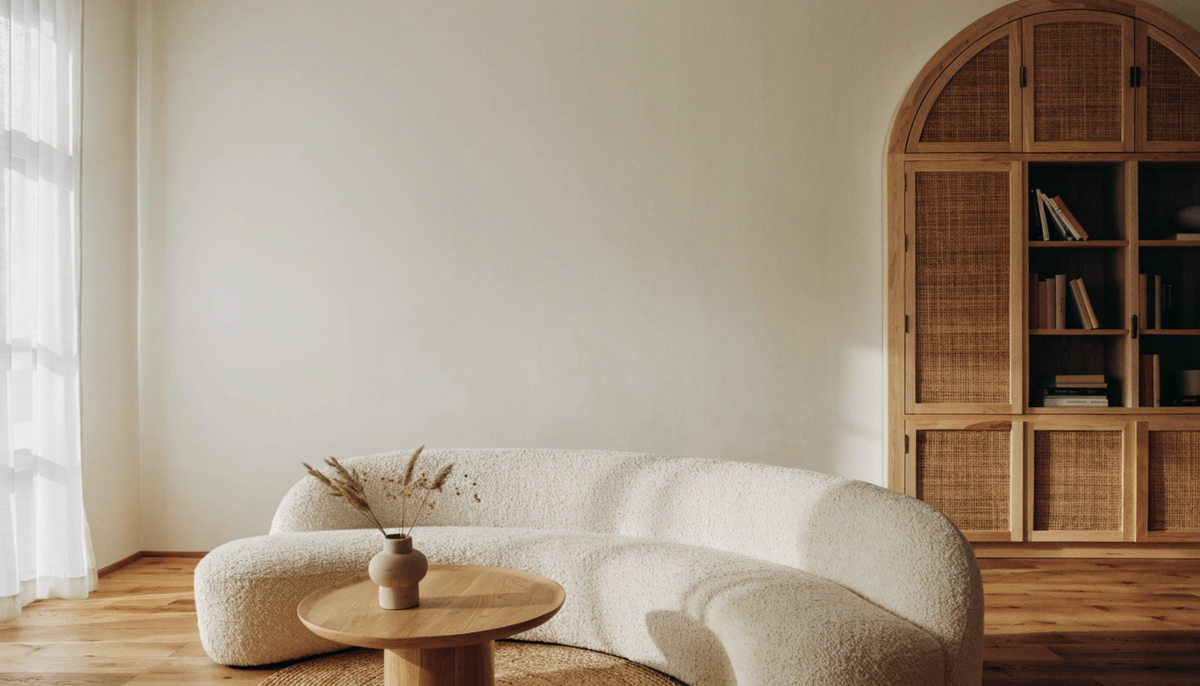
Curved Furniture: How to Style, Measure, and Buy It in 2026
LEARN MORE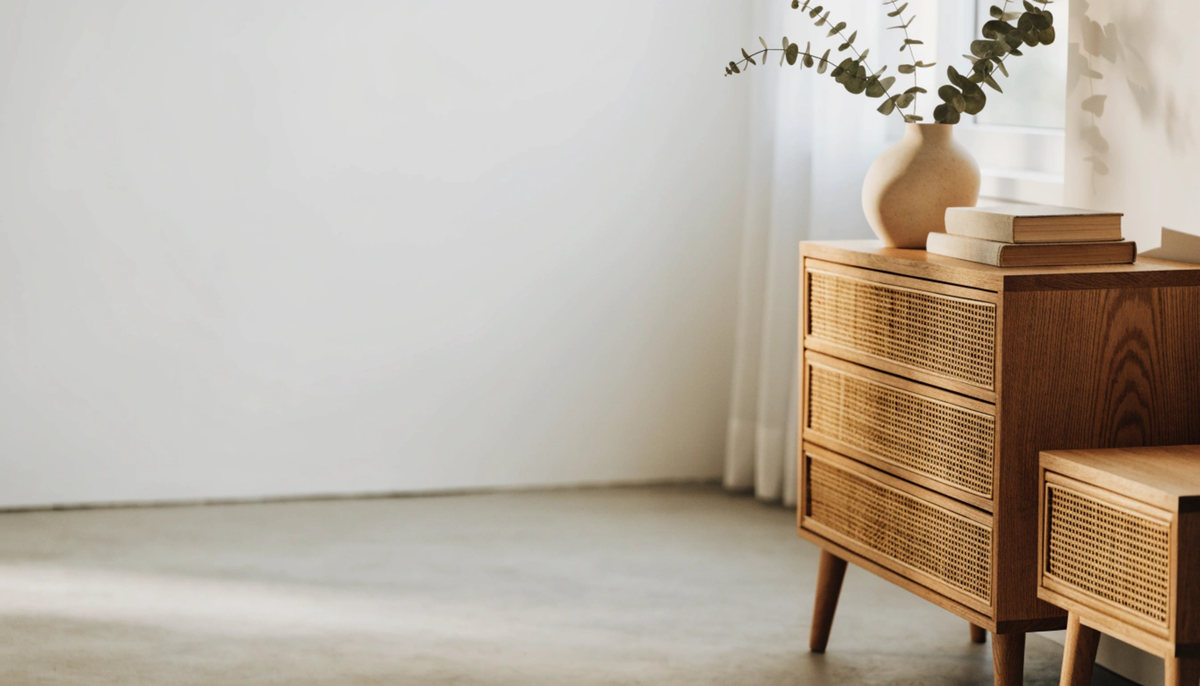
What Is Rattan Furniture? A Buyer Guide to Types and Care
LEARN MORE


Further reading

How to Choose a Nightstand for a CPAP Machine

How to Choose a Shoe Cabinet for Men's Sizes, High-Tops, and Bulky Shoes


