




How to Store Shoes in a Closet: Space-Saving and Stylish Organization Tips
Shoes can quickly turn a tidy closet into cluttered chaos. Between daily sneakers, dress shoes, boots, and sandals, it’s easy to lose control of space. If you’re wondering how to store shoes in a closet effectively—especially in a small one—you’re not alone.
With a few smart ideas and well-chosen storage solutions, your closet can look organized, functional, and stylish. This guide breaks down practical strategies, showing you the best way to store shoes in a closet, no matter your home size.
Why Proper Shoe Storage Matters
Before diving into ways to store shoes in a closet, it’s worth understanding why it’s important.
- Protects your shoes – Proper storage prevents scuffs, creases, and moisture damage.
- Saves time – You’ll find pairs instantly without rummaging.
- Maximizes space – A planned layout fits more without feeling crowded.
- Keeps your home tidy – No more piles of shoes spilling onto the floor.
Organizing shoes isn’t about perfection—it’s about creating calm and order in one of the most used areas of your home.
Step 1: Start with Decluttering

To learn how to store shoes in a closet efficiently, begin with a clean slate.
Take out every pair and sort them into categories:
- Everyday shoes
- Seasonal footwear
- Formal and occasional pairs
- Worn-out or rarely used shoes
Donate what you no longer wear and recycle damaged pairs. Fewer items make organizing much easier and more sustainable.
Step 2: Assess Your Closet Space
Every closet is different, and the best way to store shoes in a closet depends on your available layout.
Large Closets
You can dedicate entire shelves, lower compartments, or side racks to shoes. Consider adjustable shelving for flexibility as your collection grows.
Small Closets
If you’re figuring out how to store shoes in a small closet, efficiency is everything. Think vertically—use doors, walls, and under-hanging areas. Narrow cabinets or slim racks work perfectly in tight spaces.
The goal is to free up floor space while keeping shoes easy to reach.
Step 3: Choose the Right Storage Solutions

Smart furniture and modular systems can completely transform your closet.
Shoe Cabinets
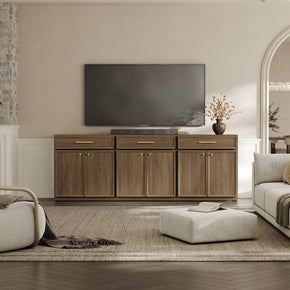
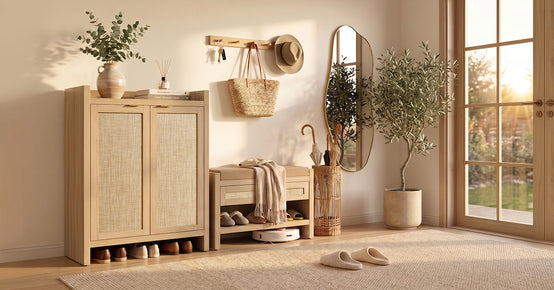
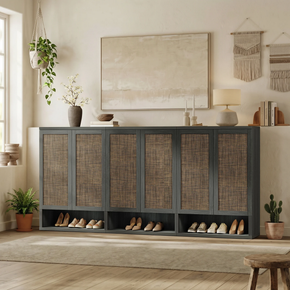
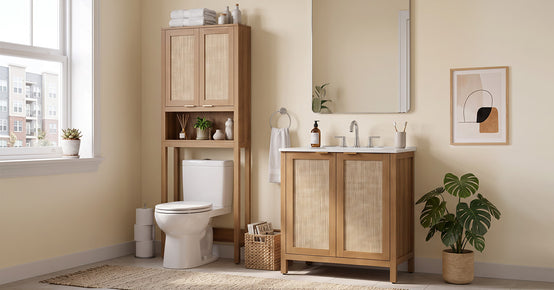
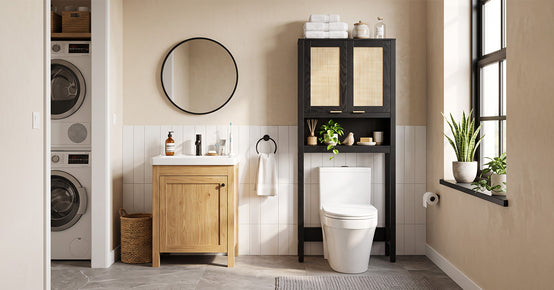
A closed shoe cabinet keeps everything dust-free while maintaining a minimalist look. Choose neutral wood finishes like oak or beige to blend seamlessly with your interior.
Shoe Benches
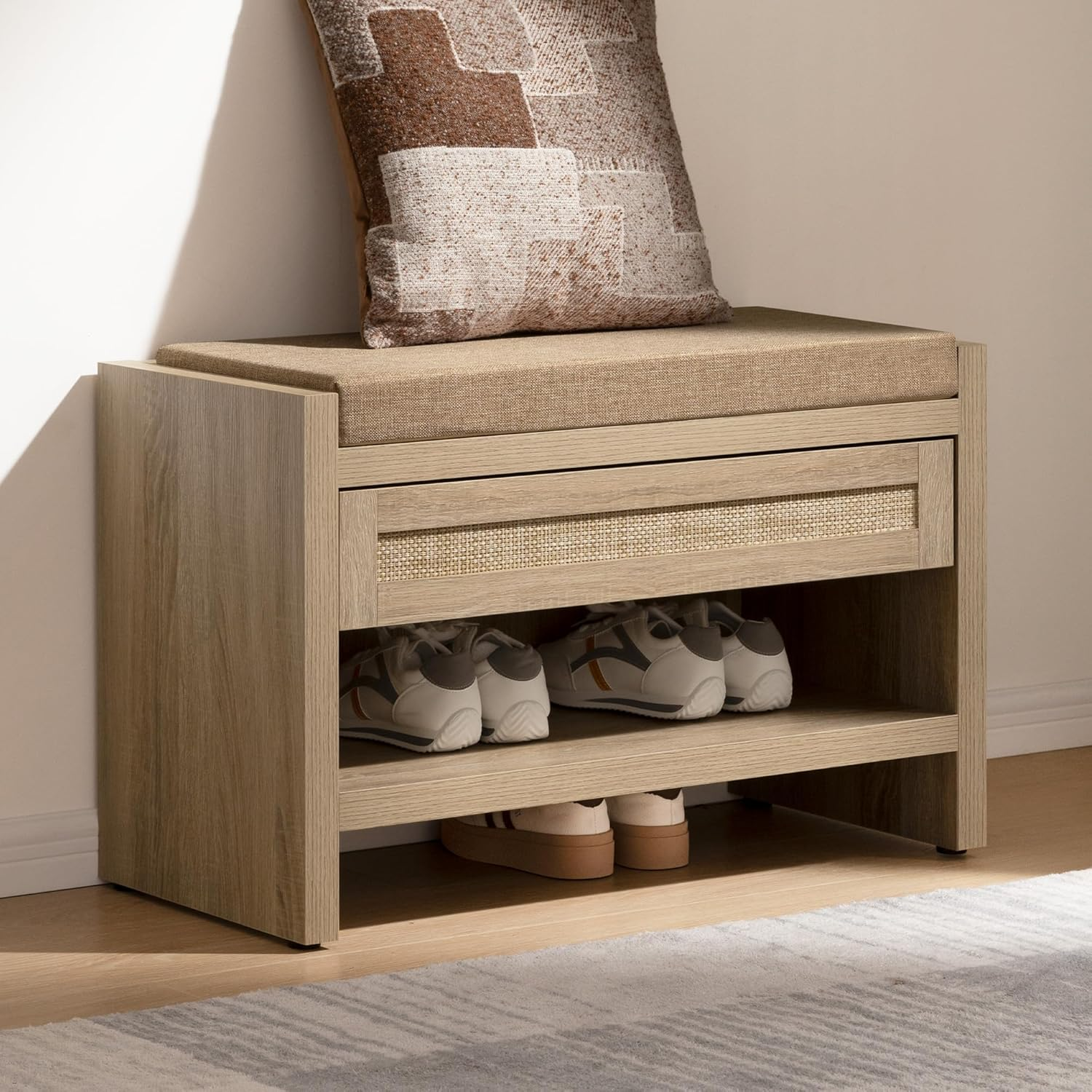
For entryway or bedroom closets, a shoe bench doubles as seating and hidden storage—ideal for compact homes.
Stackable Boxes
Transparent or labeled boxes let you identify shoes easily without opening each container. They’re perfect for off-season or delicate pairs.
Multi-Tier Racks
If you want to maximize capacity, tiered racks hold multiple rows while keeping shoes visible and organized.
Choosing clean-lined, neutral-toned organizers creates visual harmony and aligns with modern home aesthetics.
Step 4: Organize by Frequency and Type
The best way to store shoes in a small closet is to organize based on how often you wear them.
- Everyday shoes go on the middle or lower shelves for easy access.
- Special occasion shoes belong on higher racks or in boxes.
- Seasonal footwear (like boots or sandals) can be rotated throughout the year.
Grouping by category also helps preserve shape—tall boots need upright support, while flats can be stacked or stored in bins.
Step 5: Use Vertical and Hidden Spaces
When learning how to store shoes in a closet, don’t ignore hidden potential.
- Behind doors: Hang pocket organizers or slim shelves.
- Under hanging clothes: Add a low rack or pull-out drawer.
- Above shelves: Place labeled boxes for out-of-season shoes.
- Closet corners: Install compact, angled racks to utilize every inch.
These solutions make even the smallest spaces functional and neat.
Step 6: Store Shoes Correctly for Longevity

Shoe storage isn’t only about placement—it’s about preservation.
- Clean before storing – Remove dirt or moisture to prevent odor and mold.
- Use inserts – Keep shape with shoe trees or tissue paper.
- Avoid stacking delicate materials – Leather and suede should be stored separately.
- Ensure ventilation – Air circulation prevents mustiness, especially in closed cabinets.
Taking care of your shoes ensures they look new for longer.
Step 7: Create a System for Kids’ Shoes
If you share a home with children, ways to store shoes in a small closet need to include easy access.
Use labeled bins or low shelves that kids can reach. Color-coding or photo labels make it simple for them to know where each pair goes.
Encouraging organization early helps build responsibility and keeps the floor free of stray sneakers.
Step 8: Seasonal Shoe Rotation
To maintain order year-round, practice seasonal rotation.
When temperatures change, switch out heavy boots for sandals, or vice versa. Store off-season pairs in upper shelves or storage boxes.
This not only saves space but keeps your current shoes within reach and your closet visually clean.
Step 9: Aesthetic Arrangement
A beautifully organized closet inspires consistency.
- Line shoes neatly side by side or alternate toe-out and heel-out for symmetry.
- Group by color or style—like casual to formal—to make the setup visually pleasing.
- Add subtle décor like a small plant or neutral baskets for warmth.
Even a utilitarian space can look elegant with thoughtful details.
Step 10: Keep It Maintainable
The best storage system is one you’ll actually maintain. Once your setup is complete:
- Do quick resets weekly—return shoes to their designated spots.
- Wipe down racks or shelves monthly.
- Replace worn boxes or adjust racks as your collection evolves.
Regular upkeep ensures long-term organization without stress.
Smart Ways to Store Shoes in a Small Closet
If space is truly limited, creativity matters. Here are compact-friendly ideas:
- Use slim pull-out cabinets or shoe benches near entryways.
- Store less-used shoes under the bed in slide-in containers.
- Mount floating shelves or angled wall racks for aesthetic display.
- Try rotating vertical racks to maximize accessibility in tight areas.
Each of these keeps shoes off the floor and utilizes space more effectively.
Step 11: Keep Style and Function in Balance
Shoe storage should never look like an afterthought. Integrate it into your décor for a cohesive look.
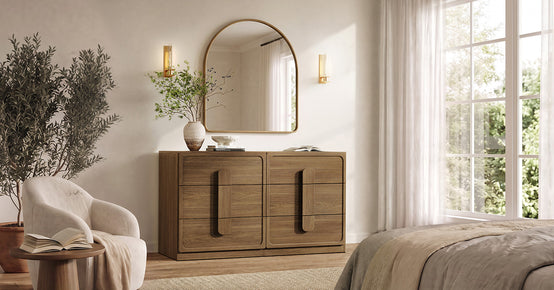
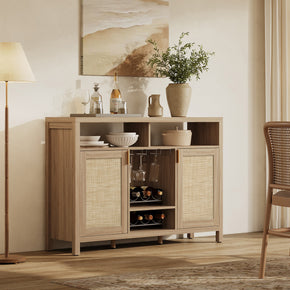
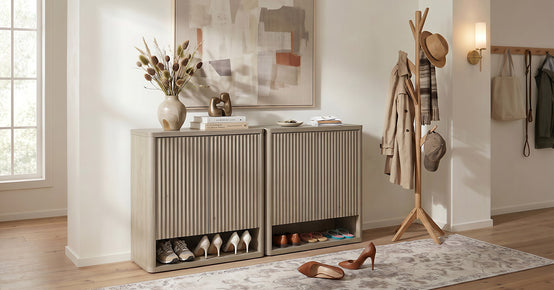
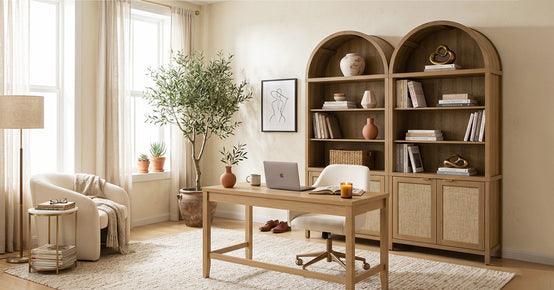
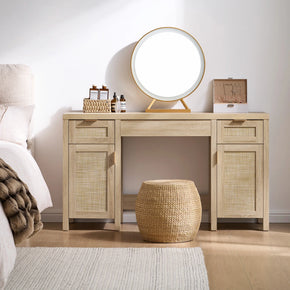
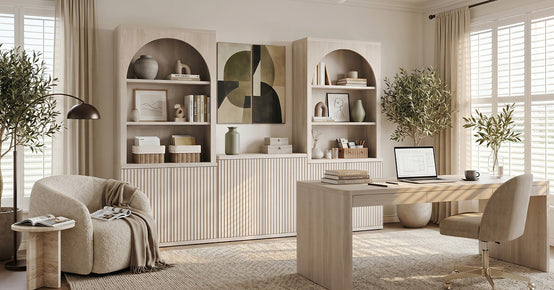
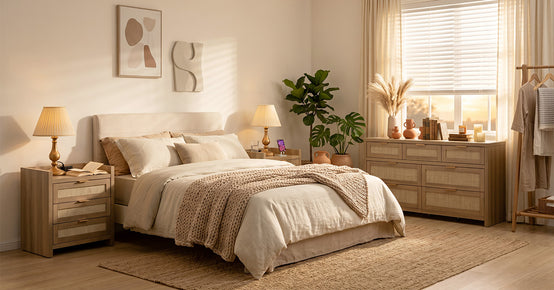
For example, neutral wood cabinets or ribbed designs blend naturally into modern interiors, adding texture without clutter. Matching tones across your furniture—like oak or gray finishes—maintains flow between rooms.
When organization feels intentional, even a simple shoe setup becomes a design feature.
Step 12: Long-Term Storage and Care
For pairs you rarely wear, like formal heels or winter boots, proper long-term storage protects value.
- Wrap delicate materials in soft cloth or dust bags.
- Store in breathable containers to avoid moisture buildup.
- Keep them away from direct sunlight and humidity.
With care, your footwear can stay in excellent shape for years.
Final Thoughts: Turn Your Closet into a Functional Haven
Learning how to store shoes in a closet is about creating a system that’s both practical and visually calm. Whether your space is large or compact, the goal remains the same—easy access, protection, and elegance.
Simple upgrades like multi-tier racks, bench storage, or slim cabinets can instantly elevate your space. The key lies in designing storage that fits your habits and home’s aesthetic.
Discover versatile, modern shoe organization solutions in the Shoe Storage Collection and transform your daily routine into effortless order.
Frequently Asked Questions
What’s the best way to store shoes in a closet?
Use a mix of shelves, boxes, and cabinets that keep shoes visible, ventilated, and easy to reach.
How can I store shoes in a small closet?
Maximize vertical space using door organizers, stackable boxes, or compact multi-tier racks.
How do I protect shoes from dust and odor?
Clean before storing, use breathable containers, and include odor absorbers or cedar blocks.
How often should I reorganize my shoe closet?
Seasonally—rotate your footwear as weather changes and declutter twice a year.
Are closed cabinets better than open racks?
Closed cabinets protect against dust and look tidier, while open racks offer quick access—combine both for balance.


Looking for something else?

20 Small Media Room Ideas for a Cozy, Space-Smart Setup
LEARN MORE
18 Jewelry Storage Ideas for a Tangle-Free Collection
LEARN MORE
10 Coffee Table Alternatives That Work Better in Small Living Rooms
LEARN MORE
15 Home Theater Furniture Ideas That Make a Room Work
LEARN MORELooking for something else?

Open vs Closed Floor Plan: Which Layout Suits Your Home?
LEARN MORE
Whitewashed Wood Furniture: Getting the Finish Right at Home
LEARN MORE
18 Accent Table Decor Ideas That Work in Real Rooms
LEARN MORE


Further reading

How to Choose a Dresser for Sweaters, Denim, and Bulky Clothes

Adjustable vs. Fixed Bookcase Shelves: Which Is Better for Real Storage?


