

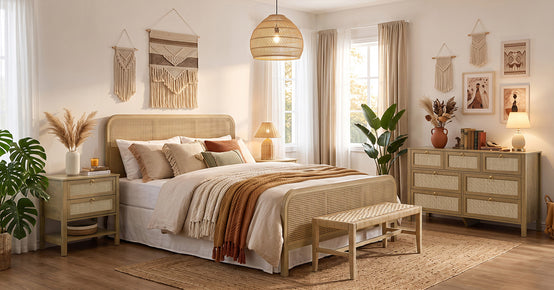


How Long Does Furniture Last? Average Lifespan by Type

Most stores will happily tell you everything about a sofa except how long furniture lasts once it’s in your home. How long does furniture last, in real terms, is the one question most buyers never get a straight answer to. The tag doesn’t say. The sales associate changes the subject. And the warranty — usually twelve months on “manufacturing defects” — covers almost nothing you’ll actually experience.
Realistically, most home furniture holds up somewhere between 7 and 15 years, but that range hides a lot. The dining table your grandmother bought in 1978 is still standing. The sofa you picked up three years ago is already looking questionable. Both are furniture. Neither number captures the full picture.
This piece covers the categories people actually search about — sofas, beds, dressers, dining sets, nightstands — and some of the stranger questions that come up in the same searches: the 2/3 rule, whether old furniture is worth fixing, and how to think about repair vs. replace.
Quick Answer: How Long Does Furniture Last?
Numbers first, then context. Keep in mind these are averages across all quality levels — the actual range within each category is wider than the table suggests.
|
Furniture Type |
Typical Lifespan |
Usually Fails Because… |
|
Sofa/couch |
7–15 years |
Foam goes flat, fabric wears, and the frame eventually follows |
|
Leather sofa |
15–20+ years |
Cracking, peeling, and eventual frame failure |
|
Dining table |
15–30+ years |
Base wobble, surface damage past refinishing, loose joints |
|
Dining chairs |
7–15 years |
Joints loosen under repeated body weight, and legs crack |
|
Bed frame |
10–20+ years |
Slat failure, hardware loosens, structural creaking |
|
Dresser or chest |
10–20 years |
Drawer slides fail, moisture swelling, tipping hazard |
|
Coffee/side table |
5–20 years |
Surface rings, finish breakdown, wobble |
|
Office chair |
5–10 years |
Lift fails, support goes, casters crack |
|
Outdoor furniture |
5–15 years |
Rust, UV fading, and moisture damage to joints |
Storage pieces — dressers, bookshelves, side tables — generally hold up longer than items that carry daily body weight. A well-built dresser and a cheap sofa can both be described as “furniture,” but one might last 25 years and the other 6.
Why Furniture Lifespans Vary So Much

Material Is the Part You Can’t Change After Purchase
Engineered wood (including MDF and particle board) and solid wood can both look identical after a coat of paint or a veneer sheet. The difference only becomes obvious when the engineered wood at the fastener holes starts swelling from humidity — usually a few years in — and the hardwood around those same joints is still fine.
Real leather outlasts synthetic by years if it’s conditioned occasionally. Most people skip that step, which closes the gap somewhat, but genuine leather still wins. Performance fabric — the dense, tightly woven kind you see marketed as “pet-friendly” or “stain-resistant” — can last five or more years longer than standard weave linen on the same sofa frame.
The material gets locked in when you buy. You can change the cushion covers or refinish a tabletop, but you can’t retrofit better bones into a poorly built piece.
Joinery You Feel vs. Joinery You Just Hope Is There

Good joinery is easy to find before you buy. Sit in the dining chair and rock it side to side. Open the dresser drawer and feel whether it glides or scrapes. Push on a sofa armrest. A dovetail joint or mortise-and-tenon connection has a stiffness that stapled or glued construction doesn’t replicate.
A showroom floor model that wiggles will wiggle more a year from now, not less. It’s already been used exactly once. If it’s already moving, that’s your answer.
The Room Matters as Much as the Piece
The same sofa model placed in a formal living room that gets used twice a month versus a family room with two kids and a dog will age at completely different rates. Dining chairs are probably the most extreme case here — they carry full body weight at odd angles, get dragged across floors, get leaned on backward, and do all of this multiple times daily for years. Office chairs wear out in five years with regular use and fifteen years in a rarely-touched guest room.
Room traffic shapes the real lifespan more than most people factor in when buying.
Sunlight, Humidity, and Vents Age Things Quietly
A south-facing room does real cumulative damage to upholstered furniture and stained wood. UV degrades fabric fibers and dries out leather over months and years, often without announcing itself until the damage is visible. By that point, t it’s been happening for a long time.
Humidity swings are a problem for natural wood panels, which expand and contract with the seasons. Over the years, that stress can open joints and sometimes crack panels. Heat vents positioned directly under chairs or tables accelerate both. These failure modes are slow enough that the furniture usually gets blamed rather than the placement.
How Long Do Sofas and Couches Last?

The 20-Year Sofa Is Real, But It’s Not the Frame You Need to Worry About
A kiln-dried hardwood frame with reinforced corner blocking can genuinely last 20 years. But in most households, the sofa gets replaced before the frame fails. Because the cushions have gone permanently flat, the upholstery has broken down at the seams, or the foam is just done after a decade of daily compression.
The frame outliving the upholstery is actually common. Most standard fabric sofas in active family rooms show noticeable decline by year 10 to 12, not because anything structural failed,d but because what’s on the outside did.
According to the Parachute Home furniture replacement guide, sofas with solid wood frames and reinforced joinery consistently reach the upper end of the lifespan range, while those with weaker internal structures often fail after about 7 years, even when the exterior still looks acceptable.
When a Sofa Is Actually Done

Cushions that don’t spring back after you stand up are the first sign. After that, there is: a creaking or shifting feeling when you sit, especially at the armrests or the center—fabric fraying at the seam, s rather than just surface pilling, which is cosmetic.
Odors that don’t respond to cleaning usually mean the padding is saturated. And if you can actually feel the frame moving beneath you when you shift weight — the whole piece flexes or tilts — that’s not a cushion problem. Replacing the cushions at that point is expensive and temporary.
What the Cost-Per-Day Math Actually Tells You
Seven years of daily use is 2,555 days. A $1,200 sofa that lasts 15 years (5,475 days) costs $0.22 per day. A $400 sofa replaced every five years also runs about $0.22 per day — but with worse comfort, more trips to furniture stores, and more assembly weekends. The daily math is identical. The experience isn’t.
Extending Sofa Life Without Much Effort
Rotating and flipping cushions every couple of months distributes wear rather than letting one spot compress while the others remain intact. Vacuuming before you need a deep clean removes abrasive particles that degrade fabric from below the surface. Spills need to be handled right away — not soon, not tonight, right away. Liquid that gets into the padding can take days to dry if it reaches the foam, and the resulting smell is permanent.
How Long Do Dining Tables and Dining Chairs Last?

Dining Tables Last Much Longer Than People Expect
A well-maintained solid wood dining table is honestly one of the best longevity stories in home furniture. Scratches, water rings, and minor gouges — those are refinishing projects. You can sand them down and restain them. The underlying structure of a quality table tends to stay sound for decades as long as the base connections don’t get ignored.
The base is the actual weak point, not the top. Most people notice a slight wobble and assume it’s just “how the table is” and never think about it again. That wobble is a loose connection, and under daily use, it becomes a cracked joint. Tighten the hardware early, and you might get another decade out of a table that someone else would have hauled to the curb.
Laminate and veneer tables are harder to rescue when things go wrong — you can’t sand a chip in laminate. They’re not bad; they just have a higher ceiling for repairs.
Dining Chairs Are the Furniture Category That Wears Out Fastest
Pulling back, sitting down, leaning at angles, getting up — dozens of times a day, hundreds of times a month, thousands of times a year. The joints in dining chairs constantly absorb that stress from multiple directions at once. All-wood chairs survive this longer because when the joints finally loosen, a repair is possible: clamp the joint, inject some wood glue, and let it sit overnight. Done.
Fully upholstered chairs in busy households are harder to maintain. The structural issues and the surface wear tend to arrive at the same time, making it less obvious whether the repair is worth it. Sometimes it is. Sometimes the chair has just had its run.
When the Dining Set Has Run Its Course
For chairs: wobbling that comes back after repair, or a leg that’s actually cracked through rather than just loose. For the table: base instability is the real trigger, not cosmetic surface wear. Scratches and discoloration are exactly what sandpaper, stain, and a weekend afternoon are for.
How Long Do Bed Frames and Bedroom Furniture Last?

Bed Frames Outlast the Mattress More Often Than Not
Most mattresses need replacing every 7 to 10 years. The bed frame beneath them? Often still fine at 15 or 20. Quality frames — especially hardwood and metal — handle the load without degrading the way foam and fabric do. They’re not wearing out in the same sense, as long as the hardware stays tightened and the slats don’t get cracked.
A squeaking bed frame almost always just needs the bolts checked and the slats resettled. Fifteen minutes, maybe. The creak that most people live with for years is usually that simple. Actual frame damage — visible cracks in the wood, metal that’s bent or warped under the mattress — is a different situation. That one gets replaced.
What Actually Fails First in a Dresser

The drawer slides go before the frame does, almost every time. A drawer that starts sticking is an early warning. If it’s wood-on-wood, a light waxing on the runners fixes it. If it’s a cracked plastic slide, it needs to be replaced before it breaks entirely and jams the drawer shut.
Dressers that start swelling around the fastener holes — usually from humidity, occasionally from a slow drip behind a wall — are essentially done. That damage can’t be reversed, and the structural integrity of the joints is already compromised. A hardwood piece in the same condition can often be repaired.

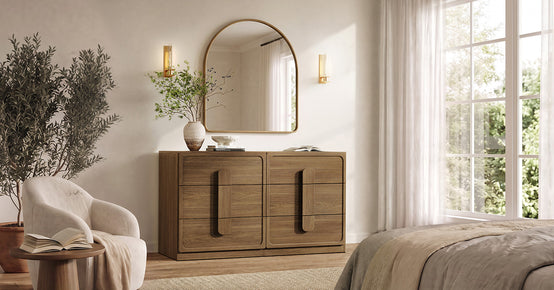
Worth mentioning separately: a dresser that tips forward when loaded is a safety issue, not just a stability annoyance. Anti-tip hardware exists for a reason. The Savanna 6-Drawer Wood Dresser comes with both smooth metal drawer runners and anti-tip wall hardware, two specific construction details that separate dressers that hold up from those that don’t.
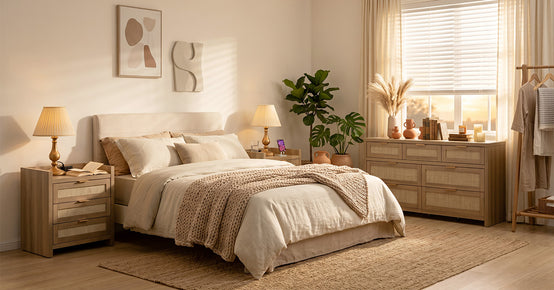
Nightstands Take More Punishment Than People Realize

The nightstand gets opened last thing at night, first thing in the morning, bumped in the dark, set glasses of water on top of, and used to charge things through a cable gap in the drawer. It’s not delicate use. Most of the damage is either the drawer mechanism or water rings on the surface from years of glasses being set directly on the wood.
Fix the drawer sticking early, before youhave to force it open every morning. Once you’re forcing it, the damage to the slide happens fast.

The Savanna 3-Drawer Nightstand with Charging has built-in USB and Type-C ports. The cable routing means nothing gets jammed through a gap in the drawer nightly, which reduces hardware stress over time more than you’d expect from something that small.
What Kind of Furniture Lasts the Longest?
Solid Wood Is the Only Material That Gets Better With Repair

Oak. Walnut. Teak. Cherry. Maple. A well-built piece in any of these can outlast the house it’s in, assuming it gets at least minimal care. The reason isn’t just durability — it’s repairability. You can sand, refinish, reglue, and restain. You can repair these pieces at year 20 and get another decade out of them. That’s structurally impossible with particle board.
The heirloom claim isn’t an exaggeration — it’s a material property. And it shows up in storage pieces especially: a well-built dresser from a quality furniture maker is a meaningfully different object than a veneer-covered MDF unit at the same price point.
If that’s what you’re after, the modern dressers and storage collection at Sicotas features pieces built with quality drawer hardware and anti-tip construction. These details matter in the long term, not just at unboxing.
Metal Frames Hold Load Without Warping
Metal bed frames, metal shelving, and outdoor furniture with powder-coated steel — all of these handle structural loads reliably in environments where wood warps or absorbs moisture. The failure modes are different: rust at the welds, chipped coating that exposes metal to moisture, and loose hardware at the connection points. Powder-coated finishes meaningfully outperform uncoated metal outdoors. Rust spreads if you leave it. Treat it the week you spot it.
Performance Fabric vs. Cheap Upholstery: Years of Difference

Upholstery is usually the first thing to fail — not the frame underneath, which makes the fabric choice one of the highest-impact decisions in the whole purchase, even if it doesn’t feel that way in the showroom.
A loose-weave linen sofa in a house with kids and pets might look tired in two years. The same frame in tight-weave, stain-resistant fabric can look reasonable at year eight or nine. Real leather, conditioned a couple of times a year, sometimes outlasts all fabric options entirely. Synthetic leather mimics the real thing convincingly for a few years, then usually starts peeling and delaminating — typically around year four or five, in the spots you use most.
How Often Should You Replace Furniture?
Safety Issues Don’t Get Better on Their Own
A wobbling dining chair that’s been wobbling for two years isn’t going to stabilize. A dresser that tips forward when the drawers are loaded is a real safety hazard. The Consumer Product Safety Commission tracks furniture tip-overs specifically because they cause serious injuries, especially with kids around. A bed frame with a visible crack in a structural component needs addressing.
These aren’t aesthetic issues or preferences. Living with structural failure in furniture isn’t saving money — it’s delaying a cost while adding risk.
Comfort Decline Is a Legitimate Reason

If you’ve started choosing the armchair over the sofa because the sofa just isn’t comfortable anymore, the sofa has functionally failed. If you’re sleeping better on the guest bed than your own, the bed situation needs attention. These don’t require structural failure as justification. Persistent daily discomfort is enough.
When Repair Math Doesn’t Work Out
A re-glued dining chair joint: $2 in materials and twenty minutes. A full reupholster on a structurally damaged sofa: potentially more than the piece originally cost, with no improvement to the underlying problem. Hardwood pieces almost always deserve a repair attempt. Composite materials with moisture damage or crumbled fasteners — generally not worth it. Fix one thing, and another fails six months later because the material itself is compromised.
When What You Have No Longer Fits What You Need
A move to a smaller apartment. A new baby. A partner moving in who also has furniture. Starting to work from home and needing actual desk space. A dining table that comfortably seats four, but you now regularly have six or eight. These are real functional mismatches, not just a desire for something newer. The Sicotas bedroom furniture range covers dressers, nightstands, and storage in coordinated collections, which matters when you’re replacing multiple pieces at once and want things that actually work together.
The 2/3 Rule for Furniture and Living Rooms

What the 2/3 Rule for Furniture Actually Is
It’s a proportion rule, not a formula. Main pieces tend to look most balanced when they occupy roughly two-thirds of the wall, rug area, or anchor surface closest to them — a sofa at two-thirds of the back wall, a coffee table at two-thirds the sofa’s length, artwork at roughly two-thirds the width of whatever’s beneath it. The rule mostly prevents the common mistake of undersizing a piece for a space and wondering why the room still feels off, even after buying several things.
Applied to Living Rooms Specifically

Same idea scaled to the room. A sofa sitting against roughly two-thirds of its wall reads as anchored. A coffee table at two-thirds the sofa’s length feels proportional rather than floating. What these guidelines really do is solve the “the room has furniture but doesn’t look finished” problem, which is almost always a scale issue rather than a style one.
Why Sizing Also Affects Wear
Furniture in the wrong size for a room gets used differently than intended. An undersized bookshelf gets overstacked until the shelves sag. A dining chair at the wrong height relative to the table gets leaned on at the wrong angle at every meal. Getting proportions right isn’t just visual — it quietly determines whether pieces get used as designed or gradually stressed into failure.
Is 100-Year-Old Furniture Worth Anything?
What Actually Creates Value in Old Furniture

Age is the least useful part of the answer. What matters: original hardware still attached and functional, quality wood construction, not veneer over something that’s since deteriorated, a style with actual collector or resale interest right now, and a structural condition that doesn’t require major restoration before it’s usable.
A solid oak dresser from the 1920s in original condition with working hardware is genuinely valuable and will probably outlast a new budget dresser by decades. The same dresser with replaced hardware, heavy refinishing, and a cracked side panel is a different object — maybe still worth keeping for sentimental reasons, but not because it’s 100 years old.
Age Without Condition Is Just Age
Missing hardware that can’t be sourced or matched. Structural damage that goes beyond what a furniture repair shop can reasonably address. Refinishing stripped the original surface entirely. Style periods that just aren’t popular right now. Pest or moisture damage in the wood. None of these problems gets solved by the piece being old. Age alone isn’t a restorer.
Try the Repair Before You Decide
Old hardwood pieces are almost always worth at least getting a quote on repair before writing them off. The frames in older pieces were often built to higher standards than equivalent-priced new furniture — the construction techniques were different, and the wood itself was denser in many cases. A beat-up surface is a refinishing job. Compromised joinery in a solid piece is usually fixable. The time to give up is when the structural damage is genuinely beyond economical repair — not when the finish looks rough.
How to Make Furniture Last Longer

Direct Sunlight Does More Damage Than Most People Account For
UV exposure fades upholstery over the years in a way that isn’t dramatic until it suddenly is — one day, the back cushions that face the window look visibly lighter than the seat cushions they match. The same process dries out leather, degrades wood finishes, and can bleach stain colors in wood. South-facing rooms accelerate all of it.
Window treatments during peak afternoon hours, or just moving pieces out of direct sun paths, extend life more than most active maintenance routines. It’s the passive option that most people don’t take.
Wrong Cleaning Products Damage Faster Than Neglect
Water on a wooden surface that sits for thirty minutes leaves a ring. The wrong cleaner on leather dries it out; skipping conditioner does the same over the years. Fabric should get vacuumed before it’s visibly dirty — the dirt particles trapped in fabric act as abrasives that degrade fibers from the surface down. And spills go on the “right now” list, not the “when I get to it” list. Liquid that gets into foam doesn’t dry out on its own the way it dries off a hard surface.
Small Problems Fixed Early Stay Small
A loose joint on a dining chair — wood glue and a clamp, twenty minutes — is a ten-dollar repair. Left alone for a year, the joint opens further under daily stress, and eventually the leg cracks or separates. That’s not repairable in the same way; at that point, you might be replacing the chair.
Same with drawer runners. A slightly sticky drawer is fixed by rubbing a candle along the runners. Ignored until you’re forcing it open every morning? The slide mechanism breaks, the drawer front cracks, and what was a two-minute fix is now a parts-sourcing project or a replacement conversation.
Match the Material to the Room’s Actual Traffic
The family room sofa, the main bedroom dresser, and the dining chairs that get used every day — these deserve your most durable choices. Stain-resistant, tight-weave fabric in rooms with kids or pets instead of the more delicate linen. Metal drawer runners instead of plastic slides in the dresser that gets opened a dozen times daily. Solid construction for chairs carrying body weight at odd angles all the time. These decisions pay the most dividends over the long term, and most people make them last rather than first.
FAQs
What is the average lifespan of furniture?
Somewhere between 7 and 15 years for most household furniture under normal daily use. Solid wood dining tables and metal bed frames regularly go well past that. Budget composite furniture in high-traffic rooms sometimes doesn’t make it to seven.
How often should you replace furniture?
When it’s structurally unsafe, too uncomfortable to use, too expensive to repair, or no longer fits how you actually live. Not because it’s old. A solid wood dresser that still works at age 14 doesn’t need replacing. A particle board one with swollen drawers at age 5 probably does.
What is the 2/3 rule for furniture?
The main pieces look most proportional when they occupy roughly two-thirds of the wall or rug surface near them—the sofa at two-thirds of the back wall, the coffee table at two-thirds of the sofa’s length. More useful than it sounds — most living room scale problems trace back to undersized furniture.
Can a sofa last 20 years?
The frame can. The cushions and upholstery usually won’t, at least not without work. A kiln-dried hardwood frame with high-density foam and real leather or performance fabric has a realistic shot at 20 years in a busy household. Most standard fabric sofas in daily-use rooms are noticeably worn by year 10 to 12.
What kind of furniture lasts the longest?
Solid wood dining tables, metal and wood bed frames, all-wood dining chairs, and well-built storage pieces. Anything structural without soft components generally holds up longer. Dining tables in particular often outlast two or three full sets of chairs. Among upholstered pieces, real leather on a solid frame holds up longest.
How long do dressers last?
10 to 20 years for a decent dresser; longer for solid wood, shorter for cheap engineered wood. The drawer slides and back panel are usually the first things to show age. If you want something that can adapt as your storage needs change, the Crescent Modular 9-Drawer Dresser is designed to be reconfigured — useful if your bedroom layout or storage requirements shift over the years.
Is it worth repairing old furniture or replacing it?
Depends on the material. Solid wood — almost always worth attempting repair, especially if the structure is still sound. Engineered-wood pieces with moisture damage or crumbling fasteners — rarely. The test: if the frame is salvageable and the piece has real years left in it, repair. If the material itself has deteriorated, any fix is usually temporary.
Does sunlight actually damage furniture?
Yes, more than most people factor in. UV fades fabric, dries leather, degrades wood finishes — gradually enough that the cause isn’t obvious until the damage is already significant. South-facing rooms and afternoon light through west windows are the main culprits. Moving pieces out of direct sunlight or using blinds during peak hours is the most effective passive measure you can take for furniture longevity.
Conclusion: Structure First, Maintenance Second

The 7-to-15-year range that covers most furniture hides a 3-year budget sofa and a 30-year solid oak table under the same label. Material and construction are what actually determine where on that range a piece lands, and those get decided at purchase.
Put the most durable choices in the rooms that use furniture the hardest. Repair solid-frame pieces while the problem is still small enough to fix easily. Replace things that have become safety hazards or that you’ve quietly stopped using because they’re no longer comfortable.
For bedroom storage that withstands daily use over the years, the Zura Modular 9-Drawer Dresserfeatures smooth metal runners and anti-tip hardware, and its modular design lets you reconfigure it if your space or storage needs change. The kind of piece that’s still working a decade from now because it was designed to be.
Sources
- The Spruce:Signs to Replace Your Couch — A home improvement guide covering the key signs that upholstered furniture needs replacing, with material-specific guidance for sofas, chairs, and sectionals.
- Parachute Home:When Is It Time to Replace Your Furniture? — Practical replacement guide covering lifespan benchmarks for couches, chairs, coffee tables, bed frames, dressers, and mattresses by material and usage level.
- House Beautiful:Life Expectancy of Furniture — Interior design publication covering average furniture lifespans by category, with expert input on replacement decisions across bedroom and living room pieces.
- Aura Modern Home:How Long Should Furniture Last? — Material-focused guide covering expected lifespan by furniture type, construction quality factors, and practical tips for evaluating durability before purchase.
- Interiors Home:When to Replace Your Furniture: A Comprehensive Guide — Room-by-room breakdown of replacement indicators for sofas, dining sets, bedroom furniture, and office pieces, including repair vs. replace decision guidance.


Looking for something else?

Furniture Materials Guide: Picking the Right Material Room by Room
LEARN MORE
How to Mix Wood Tones Without Making a Room Look Mismatched
LEARN MORE
18 College Apartment Furniture Ideas That Save Space and Money
LEARN MORE
Types of Entertainment Centers: 11 Designs and How to Pick One
LEARN MORELooking for something else?

Curio Cabinet Decor Ideas: How to Style a Display Cabinet Without the Clutter
LEARN MORE
Curved Furniture: How to Style, Measure, and Buy It in 2026
LEARN MORE
What Is Rattan Furniture? A Buyer Guide to Types and Care
LEARN MORE


Further reading

How to Choose a Nightstand for a CPAP Machine

How to Choose a Shoe Cabinet for Men's Sizes, High-Tops, and Bulky Shoes


