

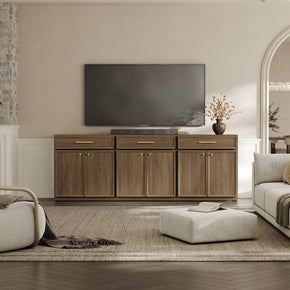
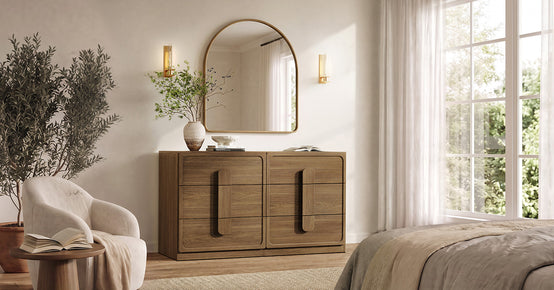
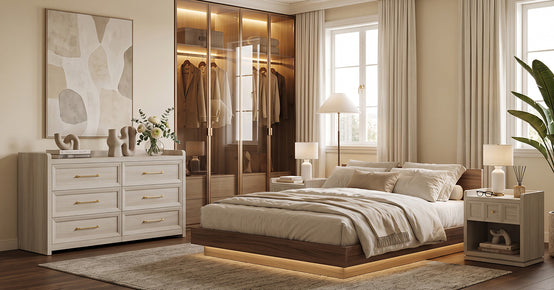
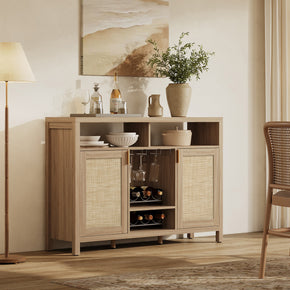
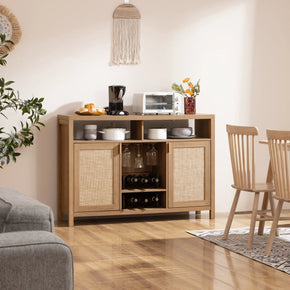
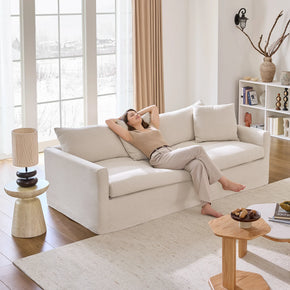


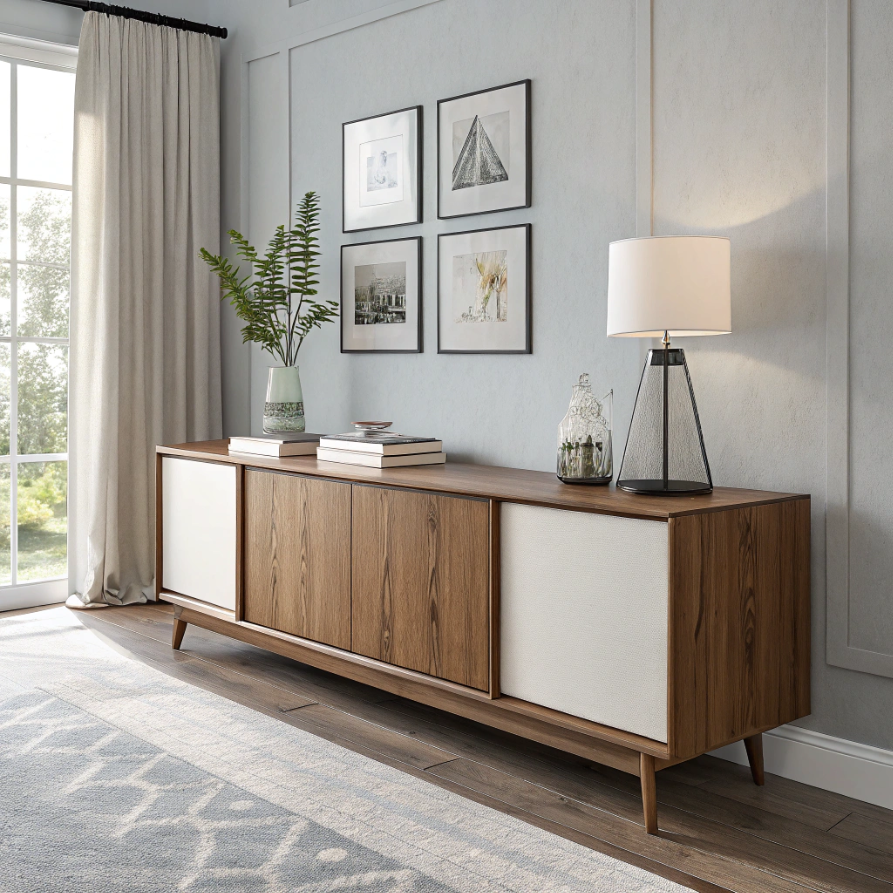

Credenza vs Buffet: What’s the Difference and Which One Do You Need?

These two words get swapped constantly. Walk into any furniture store, and you’ll find pieces labeled ‘credenza’ that look exactly like something called ‘buffet’ two aisles over. The retail industry doesn’t help here.
But there are real differences — in height, in function, in which room each one actually belongs in. Buy th,e wrong one, and you end up with a serving piece that’s too low for dinner parties, or a formal dining storage unit that looks completely out of place in your living room.
Here’s what each piece actually is, how they differ from sideboards, and — more usefully — which one makes sense for your specific situation. If you’re also looking at options, Sicotas Furniture carries both credenza and buffet-style pieces in modern designs that fit, not necessarily showroom floors.
Credenza vs Buffet at a Glance
Short on time? Here’s the summary. Then read on for the part that actually helps you decide which one to buy.
|
Feature |
Credenza |
Buffet |
|
Main use |
Storage, display, media, and office use |
Serve food and store dining essentials |
|
Best rooms |
Living rooms, offices, dining rooms, hallways |
Dining rooms and kitchen-adjacent spaces |
|
Height |
Lower and longer (under 30–32 in typically) |
Taller, closer to counter or serving height |
|
Legs |
Short legs or no legs at all |
Usually longer, more visible legs |
|
Storage |
Cabinets, drawers, sometimes open shelving |
Cabinets and drawers for dishes, linens, serveware |
|
Top surface |
Decor, TV, lamps, display items |
Laying out dishes during meals and gatherings |
|
Flexibility |
Works in almost any room |
Strongest in a dining room |
What Is a Credenza, Really?

The name comes from Italian. ‘Credenza’ is related to the word for trust or belief, because the original credenza held dishes before they were served, to nobles, giving a taste-tester time to check for poison—a grim origin for a very nice piece of furniture.
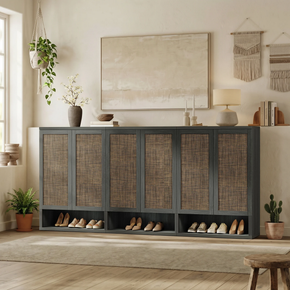
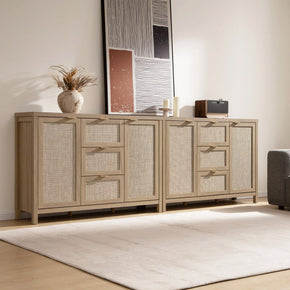
Today, a credenza is a long, low storage unit. It sits close to the floor — short legs or no legs at all — and runs wide rather than tall. That low profile is the defining quality. It’s what makes a credenza work in a living room without dominating the wall, or in an office without looking like a filing cabinet with delusions of grandeur.
Where credenzas actually end up
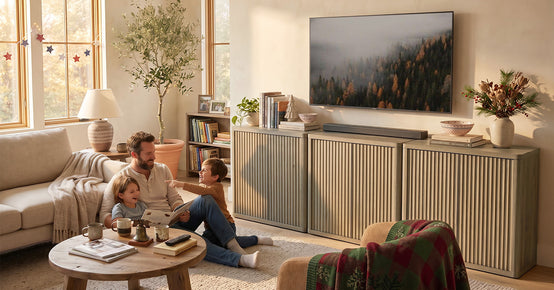
Dining rooms, yes, but also living rooms, home offices, hallways, and bedrooms. A credenza under a TV is probably the most common modern use. Media equipment, cables, gaming consoles — closed cabinets hide all of it, and the low profile keeps the TV at a comfortable viewing height. An office credenza works the same way. Files, and a printer, supplies a go inside; clean top surface stays professional.
What a credenza usually has inside
A mix of closed cabinets and drawers, sometimes open shelving on one end. Sliding doors are common because they’re practical in tighter spaces — they don’t swing out into the room. The storage is flexible by design: dishes, books, media equipment, office supplies, linens. Whatever needs hiding.
Quick rule: If the piece has very short legs or sits flush to the floor and feels more horizontal than vertical, you’re probably looking at a credenza.
What Is a Buffet in Furniture?

A dining-room-designed piece built for serving. The word traces back to the Swedish tradition of smorgasbords — big spreads of food that guests helped themselves from. The buffet table was the piece they stood at. That history is still present in how a buffet functions today.
A buffet is taller than a credenza — often at or near counter height — because you’re meant to stand next to it. At that height, dishes and serving trays are easy to reach. Guests serve themselves without bending. It makes sense for the job it’s doing.
What goes in a buffet
Dining essentials. Dishes, serving platters, table linens, silverware, glassware, and candles, seasonal things are things you need during meals, but not every day. The top surface gets used for serving — that’s the main functional difference from a credenza, whose top is more decorative or display-oriented.
Is a buffet only for dining rooms?
Mostly, yes. A buffet in an entryway can work if the proportions fit. In a living room, it often feels a bit formal, especially the taller versions. The serving-specific design means it’s most comfortable near a dining room table,e where the function is obvious.
Quick rule: If the piece has taller legs, stands near counter height, and has a sturdy flat top designed for setting out dishes, you’re looking at a buffet.
The Differences That Actually Matter When You’re Buying

Height — this is the biggest one
A buffet is typically 34–36 inches tall. A credenza sits somewhere under 30–32 inches. That gap sounds minor, but it changes everything. Standing at buffet height to serve food is natural. Bending to a credenza height to fill a plate is not. If you host dinners, this matters more than any other spec on the sheet.
The flip side: a credenza’s lower profile keeps the room feeling open. In a living room or office, that lower visual line is the whole point. It doesn’t compete for attention.
Legs — short vs tall
Buffets have longer, more prominent legs. Credenzas have very short legs or sit flush against the floor. The visible floor underneath a credenza makes a room feel lighter and more spacious. A buffet on taller legs reads as more formal, more upright — appropriate for a dining room setting, slightly imposing elsewhere.
Storage layout
Both have cabinets and drawers. But credenza storage is general-purpose by design — built to hold anything. Buffets lean toward dining-specific storage: deeper shelving for platters, divided drawers for silverware, and sometimes wine storage. That specialization is a feature when you entertain regularly, and completely irrelevant when you don’t.
Room placement

Credenza: flexible. Office, living room, hallway, dining room — it works in all of them. Buffet: strongest near a dining room table. Not a knock against buffets. Just an honest read on where they make the most sense.
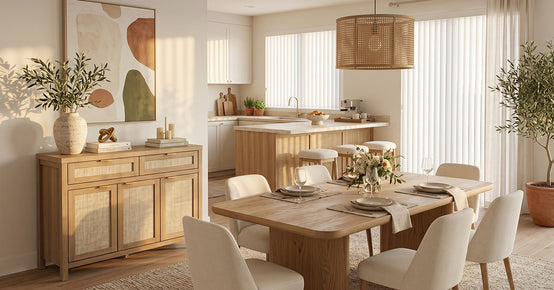
For a piece that bridges credenza and sideboard territory while still working in a dining room, the Savanna Sideboard 3 Drawers and 2 Doors is a solid example — lower profile, clean lines, useful for display and storage without the formality of a tall serving buffet.
Credenza vs Buffet vs Sideboard — What About the Third One?

Almost every article on this topic brings up the sideboard. So let’s deal with it.
What is a sideboard?
A sideboard is a long storage piece usually placed against a wall in a dining room or living room. The name comes from England in the 18th century — it was placed to the side of the dining table, which is literally how it was used—used for holding and displaying dishes during meals.
Are sideboards and buffets the same thing?
For modern furniture shopping purposes? Pretty much. The traditional distinction was leg length: buffets had taller legs, sideboards had shorter legs or no legs. Today, most retailers use the terms interchangeably,y and the line between them is almost meaningless outside of antique furniture circles.
Is a credenza similar to a sideboard?
Much closer than you’d expect from the different names. A credenza looks a lot like a sideboard — same general shape, same low profile. The main difference is versatility. Sideboards are still tied to the dining room in most people’s minds. A credenza travels more freely between rooms without looking out of place.

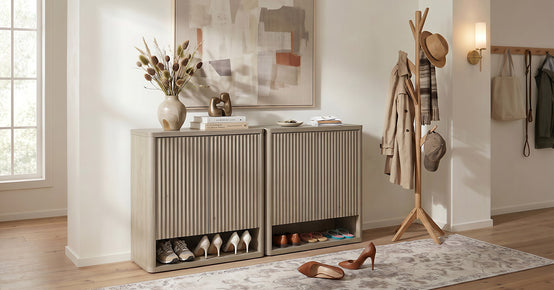
If you want something that genuinely sits between credenza and sideboard territory, the Stria Sideboard with 2 Doors has clean modern lines that work in a dining room, living room, or home office without being out of place in any of them. That flexibility is harder to find than it should be.
The simple way to remember all three
Credenza = low and versatile, works anywhere. Buffet = dining and serving, works best near a dining table. Sideboard = storage and display, traditionally dining,g but increasingly flexible in modern homes. If the labels are still confusing at the store, look at the height. That single measurement will tell you more than the name will.
When Should You Choose a Credenza?

For a living room media setup
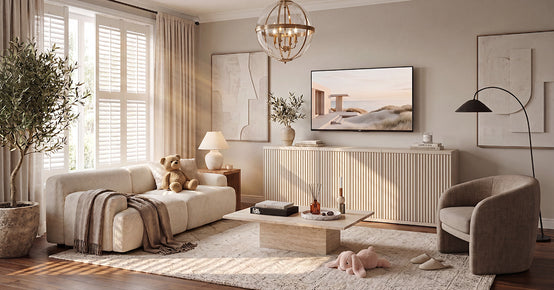
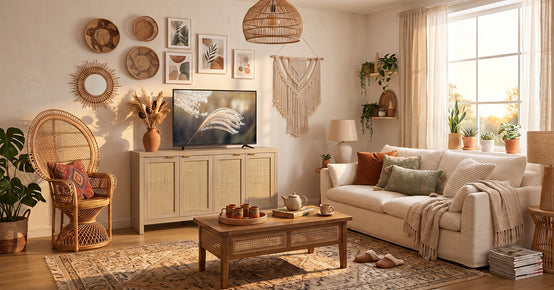
The most common modern credenza use. A low, wide piece keeps cables and electronics hidden while the clean top surface becomes part of the room’s composition—a lamp, a couple of books, maybe a plant. The low visual line keeps the room from feeling heavy or closed in.
For a home office
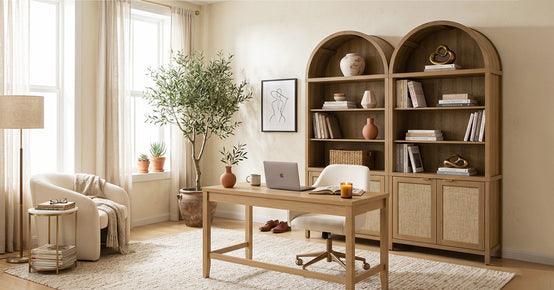
An office credenza beside or behind your desk holds files, a printer, and supplies without the room looking like a storage closet. The top surface adds workspace or a display area. It’s one of the cleanest ways to add function to a home office without making it feel corporate.
For a modern dining room where you don’t want a tall, formal piece

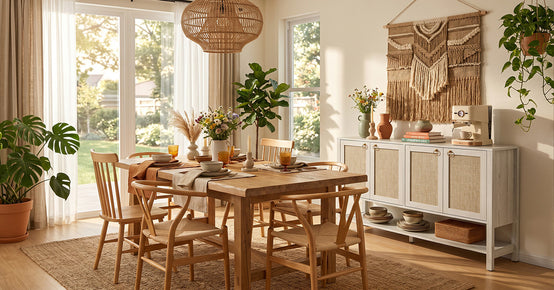
Not every dining room needs a full-height serving buffet. If you host occasionally rather than constantly, a credenza-height piece holds dining essentials just fine and looks significantly less formal day to day. The room feels more relaxed without giving anything up storage-wise.
The Helio Decorative Sideboard Cabinet fits this approach well — substantial enough for a dining room but low enough to keep things fe—goodmodern—good option when you want storage and display without a formal buffet taking over the wall.
When Should You Choose a Buffet?
If you host dinners or holiday meals regularly
This is the buffet’s home turf. Thanksgiving, dinner parties, gatherings where guests serve themselves — a taller buffet surface at serving height makes it all easier. People can help themselves without anyone hovering over them. It’s a practical difference that shows up every time you actually use the thing.
If your dining room already has a table at a matching height
Furniture experts generally recommend a buffet be at least as tall as the nearby dining table, ideally slightly taller. It creates visual alignment and makes the serving surface functional rather than awkward. Table at 30 inches? A buffet at 34–36 inches reads right in the room.
If you need organized, dining-specific storage

Dishes, linens, serving platters, silverware — a dining-focused buffet with divided drawers and deeper shelving handles this better than a general-purpose credenza. When the storage is built around what you’re actually storing, it works better.
The Helio Glass Sideboard with Doors sits in buffet territory in terms of function — designed for dining display and storage, with glass doors that let you see what’s inside without committing to open shelving. Good for people who want to show off dinnerware while keeping it protected.
Sizing and Clearance: What to Check Before You Order

Measure the wall first, and then the piece.
The general rule: the piece should span two-thirds to three-quarters of the wall it’s going against. Too short, right? It looks like an afterthought. Too wide, and the room feels boxed in. That proportion guideline applies to both credenzas and buffets.
Check depth, not. just width
This is what people skip. Depth affects how the room flows — how easily chairs pull back from the dining table, how comfortable the walkway feels. Credenzas run 14–18 inches deep and generally range from. Buffets run 19–22 inches and require more careful clearance planning. Leave 24–36 inches between the piece and the dining table for comfortable movement.
Do the tape test before. re ordering

Tape the footprint — length and depth — on the floor with painter’s tape. If the taped rectangle makes the room feel tight, the furniture will too. This is so obvious and so consistently skipped. It takes five minutes and saves a return shipment.
For a range of sideboard and buffet-style options in modern designs that are sized for real rooms, browse the Helio Collections — a good starting point if you’re trying to match a contemporary interior without going oversized.
Styling a Credenza or Buffet Without Over-Decorating

The top surface gets cluttered fast. That’s the most common mistake people make with these pieces.
One lamp. One art piece or mirror. One object. Stop there.
Three elements on the top surface look intentional. Five elements look like a shelf that got abandoned. A lamp adds warmth. A mirror or framed print adds dimension. One decorative object — a vase, a small plant, a candle grouping — adds personality. The space around those three things isn’t wasted. It’s what makes them look deliberate.
Use a tray to corral serving items.
A tray on the top surface groups items so they read as a composition rather than scattered objects. It also makes the surface easier to clear when you need it for actual serving. Practical and aesthetic at the same time, which is the ideal outcome.
Match the piece to the room, not the trendThe
The mid-century credenza with tapered legs belongs in a living room with some warmth and character. A tall formal buffet belongs in a traditional dining room. Forcing either into the wrong context produces a space that feels like two different people decorated it. Check wood tone, hardware, and silhouette against the other furniture before buying.
Common Mistakes Worth Knowing
Choosing by the label alone
Retailers use credenza, buffet, and sideboard interchangeably. One store’s credenza is another store’s sideboard. The label is close to meaningless. Look at height, depth, storage layout, and intended room placement. Those four things tell you what you actually need more accurately than any name will.
Ignoring the height
A credenza that’s too low for a dining room feels awkward for serving. A buffet that’s too tall for a living room feels imposing. Height is the most important spec for these pieces,yet the one people pay the least attention to. Check it first.
Buying too much depth for a tight room
A 22-inch deep piece in a narrow dining room can block chair access or create a walkway that requires turning sideways. Depth matters more than width for room circulation. Go shallower than you think you need, not wider.
Forgetting what you’re actually storing
Dishes and linens need different drawer dimensions than files and office supplies. A media credenza needs cable management. A dining buffet might need wine rack storage. Know what’s going on inside before you buy, not after you’ve assembled it.
FAQS
What is the difference between a buffet and a credenza?
A buffet is taller — usually at serving height — and designed for dining rooms where guests serve themselves during meals. A credenza is lower, longer, and more flexible in room placement. Both have cabinets and drawers for storage, but the buffet is dining-focused while the credenza works across multiple rooms. The height difference is the clearest way to tell them apart.
What is another name for a credenza?
Depending on context, a credenza might be called a sideboard, storage cabinet, media console, buffet cabinet, or office credenza. In a home office, it’s often called a credenza desk. In a living room, it might be listed as a media unit. Retailers use the terms inconsistently, which is most of the confusion around these pieces.
What are the three types of buffets?
The main categories are: a dining buffet (full-height storage and serving piece for the dining room), a buffet cabinet (closed storage with a serving surface, sometimes more compact), and a server or buffet table (a more minimal piece specifically for setting out dishes at meals). These categories often overlap in retail, but these are the general distinctions.
What qualifies as a credenza?
A long, low storage piece with cabinets, drawers, or shelves qualifies as a credenza — particularly if it has short legs or no legs and a horizontal, wider-than-tall profile. Under about 32 inches tall and longer than it is tall: you’re looking at a credenza. The defining characteristic is the low silhouette, not the specific storage configuration.
Why is it called a credenza?
The word comes from Italian and is related to ‘credence’ — meaning trust or belief. In Renaissance Italy, food was tested for poison before being served to nobility, and the piece of furniture where that testing took place was called the credenza. The name stuck long after poison-testing became unnecessary. Modern credenzas have none of that function, but the name survived.
Are sideboards and buffets the same?
For practical shopping purposes, yes — mostly. The traditional distinction was leg length: buffets had taller legs, sideboards had shorter legs or no legs. Today, most retailers use the terms interchangeably. If there’s any technical difference remaining, it’s that a buffet leans more toward dining and serving, while a sideboard is slightly broader in its implied uses.
What is a modern credenza?
A modern credenza is a low, streamlined storage unit that fits comfortably in living rooms, offices, dining rooms, and hallways. The modern version typically features clean lines, flat fronts, and sometimes tapered legs. Mid-century modern credenzas with slim, tapered legs are probably the most recognizable furniture silhouette in contemporary home design right now.
What is a buffet in furniture?
A buffet is a dining room storage piece with a flat top surface for setting out dishes, serving food, or displaying items during meals. It has cabinets and drawers below for storing dining essentials — linens, dishes, glassware, and flatware. It sits taller than a credenza, closer to standing or counter height, which is what makes it functional for its intended job.
Credenza or Buffet — The Short Version
If you host dinners regularly and need a dedicated surface for serving food, get the buffet. Height matters. It makes the whole experience easier, and the piece makes functional sense in the room.
If you need storage that works across more than one room — or if your dining room isn’t formal enough for a tall serving piece — a credenza is probably the better call. Lower-profile, more flexible, and easier to style in a living space day-to-day.
And honestly, if you’re still unsure after all of this, look at the height first. That single measurement will tell you more about what the piece actually is than any label will.
Browse sideboard and buffet-style storage at Sicotas Furniture. The designs span both ends of the credenza-vs-buffet spectrum — low modern credenza profiles, glass-front dining pieces, and everything in between.
Sources
- Castlery: Sideboard vs Buffet vs Credenza: What’s The Difference — Definitions of all three pieces with size, height, storage depth, and storage style compared across sideboards, buffets, and credenzas.
- Chairish: What Is the Difference Between a Credenza and a Buffet? — Concise guide distinguishing a credenza as low versatile storage vs a buffet as a taller dining-focused serving piece with specialized storage features.
- Viesso: Credenza vs Buffet Table: What’s the Difference? — Key features comparison covering functionality, adaptability, style, and size differences between credenzas and buffet tables for modern dining rooms.
- Laurel Crown: Differences Between Buffets, Sideboards, and Credenzas — Historical context on the origin of all three pieces, plus a practical review of how leg length, materials, and traditional use distinguish each one.
- Transformer Table: Sideboard vs Buffet vs Credenza — Functional and aesthetic differences across all three types,s including room placement, storage needs, space considerations, and style coordination.
- Jenni Home: Credenza vs Buffet vs Sideboards — Side-by-side comparison of legs, size, depth, and materials used in credenzas, buffets, and sideboards with type-specific use cases for each.
- Aura Modern Home: Credenza vs Sideboard vs Buffet vs Console: What’s the Difference? — In-depth guide covering visual weight, depth, lighting, materiality, fit guide, and aesthetic identities for all four storage piece types.
- Living Spaces: Credenza vs Buffet vs Sideboard: What’s the Difference — A Retailer'sGuide that distinguishes all three pieces by function, storage capacity, and room placement,and answers common shopping questions.
— Sicotas Furniture | credenza-vs-buffet —


Looking for something else?

Furniture Materials Guide: Picking the Right Material Room by Room
LEARN MORE
How to Mix Wood Tones Without Making a Room Look Mismatched
LEARN MORE
18 College Apartment Furniture Ideas That Save Space and Money
LEARN MORE
Types of Entertainment Centers: 11 Designs and How to Pick One
LEARN MORELooking for something else?

Curio Cabinet Decor Ideas: How to Style a Display Cabinet Without the Clutter
LEARN MORE
Curved Furniture: How to Style, Measure, and Buy It in 2026
LEARN MORE
What Is Rattan Furniture? A Buyer Guide to Types and Care
LEARN MORE


Further reading

How to Choose a Nightstand for a CPAP Machine

How to Choose a Shoe Cabinet for Men's Sizes, High-Tops, and Bulky Shoes


