

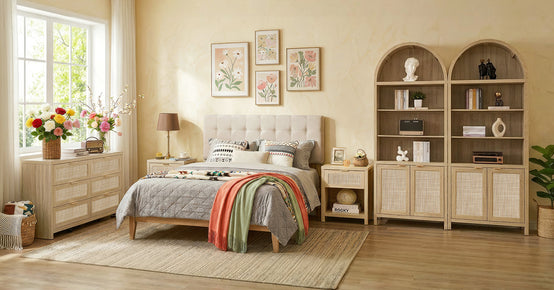
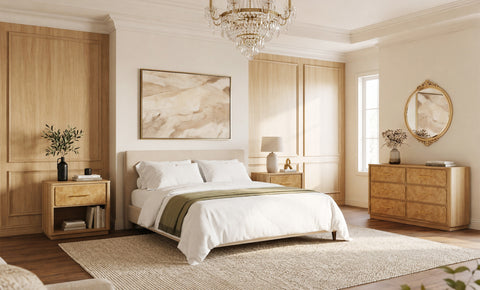
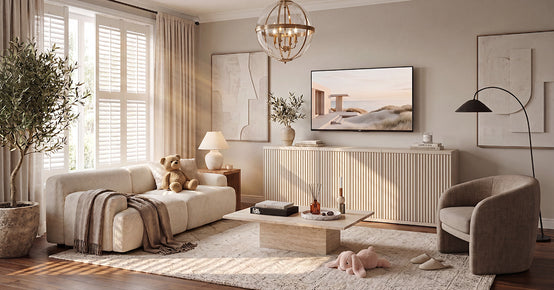
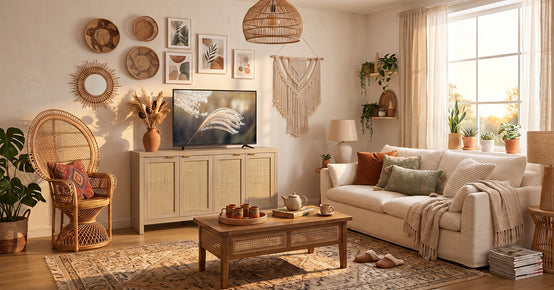



26 Brown and Blue Bedroom Ideas for a Warm, Calm Retreat
Look, I'll be honest. I dodged this color combo for years. Brown plus blue, in my head, equaled an early-2000s khaki couch with a navy throw pillow. Aunt's friend's house energy. I wasn't into it.
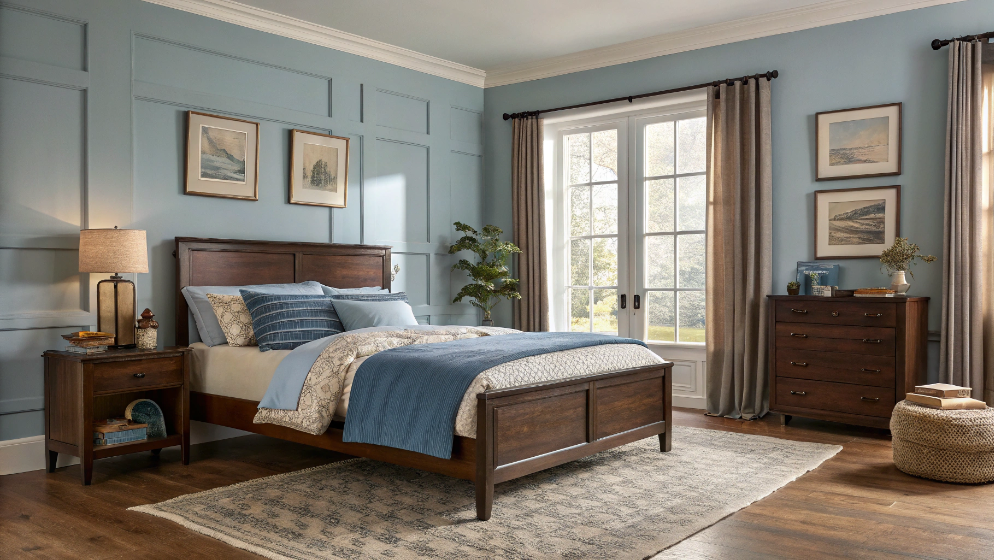
Then I kept seeing it done well. Pale blue linen on a dark walnut bed. Navy walls behind caramel leather. Sky paint over an oak floor. Something clicked. Done with any care at all, brown and blue is one of the calmest, most lived-in palettes you can pick — and weirdly enough, it looks more current right now than it did fifteen years ago. Cool-gray fatigue is real, and people are running back to warmth.
So if you're hovering over whether a brown-and-blue bedroom still feels relevant in 2026, short answer: yes. Designers are leaning into chocolate browns and soft, rooted blues this year. Below are 26 ways to actually pull it off — color combos, style breakdowns, lazy swaps, paint moves, texture tricks — plus one balance rule near the end that I wish someone had handed me about ten years sooner.
Why Brown and Blue Just Works
Brown reads warm. Blue reads calm. Stick them in the same room, and you get the bedroom equivalent of a long exhale. The wood, the leather, the rattan — all that grounds the space. The bedding, the curtains, the paint — that's where the calm lives. Neither side fights the other for the spotlight, which is honestly the whole reason this palette has stayed in rotation for forty-plus years.
Here's the bit nobody mentions, though. Brown is forgiving in ways most colors aren't. Mismatched stain tones? Hidden by the warmth. A scuff on the dresser? You can't even see it. A paint chip that landed slightly off? Brown absorbs the mistake. Blue gets to do all the mood work, and brown picks up the slack everywhere else. The only way you can really mess this up is going too dark on both surfaces at once. We'll get to that.
Color Combination Ideas
If you don't know where to start, start here. Pick a blue and a brown that actually like each other, and the rest of the room basically falls into place on its own.
1. Navy Blue with Chocolate Brown

Heavyweight combo. Navy walls plus chocolate-brown wood reads like one of those small London hotels you can't quite afford. Layered, dim, expensive-feeling, without anyone working hard for it. Two rules, though: cream bedding, not white — there's a difference — and one good brass lamp. That's it. Skip the four pillows. Skip the matching shams. Don't overthink it.
2. Pale Blue with Dark Walnut

Got dark furniture in a small bedroom and you're already regretting it? Pale blue walls. Honestly, that's usually the fix. The walnut stops reading heavy, the room feels taller, and white trim handles the rest. I've watched people sell perfectly nice dressers because they thought the furniture was the problem. It wasn't. It was the paint behind it.
3. Sky Blue with Tan and Sand

Coastal without the corny seashells. Sky-blue duvet, oak nightstand, a woven basket or two, jute rug. Nothing here matches exactly, and it's not supposed to — too matchy in coastal absolutely kills it. Renters love this one because most of it lives in textiles you can roll up and take with you.
4. Teal with Walnut Brown

Teal is what you reach for when navy feels too predictable. Bit louder, bit more confident. Pair it with walnut, and it leans warm-tropical. Pair it with light oak, and it leans modern. Either way, keep teal as the 30%-er — pillows, an accent chair, maybe a velvet bench. Wallpapering an entire room in teal is how you end up repainting six months later.
5. Blue-Gray with Warm Oak

The quiet one. Almost boring on paper. In person, though — chef's kiss. Blue-gray walls and warm oak furniture are the foundation of just about every Scandinavian bedroom on Pinterest. Add black hardware, and it tips modern. Add linen sheets, and it tips the farmhouse. Same palette, two completely different rooms.
6. Cobalt Blue with Caramel Leather

Probably not your first instinct, and that's exactly why it works. Cobalt accent wall or cobalt headboard, caramel-leather bench or chair, white bedding to keep the whole thing from getting loud. Risky on paper. Editorial in person. If you've got the nerve, this one photographs better than anything else on this list.
Style-Based Bedroom Ideas
Same palette, totally different vibes depending on which direction you push. Pick the style that actually matches how you live, not the one that looks best on someone else's mood board.
7. Modern Brown and Blue Bedroom

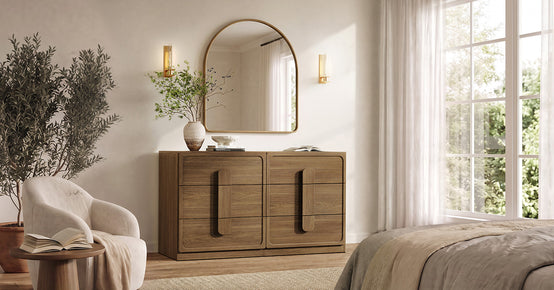
Modern doesn't mean cold. Or it shouldn't. A low-profile platform bed, a navy waffle throw, and a clean-lined wood piece like the modern Cas 6-drawer dressercover the whole foundation. Skip the shams. Keep the lamps simple, no shades you'd describe as "decorative." Let one big piece of art above the headboard do the talking.
8. Farmhouse Brown and Blue Bedroom

Pale blue textiles, white walls, and natural wood pieces with a slightly worn finish. Farmhouse is forgiving — mismatched nightstands actually help here, weirdly enough. Throw on a ticking-stripe pillow or a buffalo-check blanket and call it done. This style is genuinely hard to mess up if you keep things light and don't go full Joanna Gaines on the signage.
9. Coastal Blue and Brown Bedroom

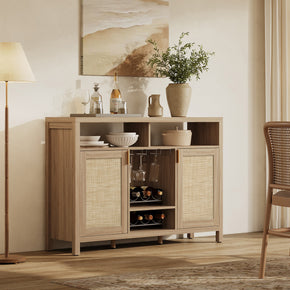
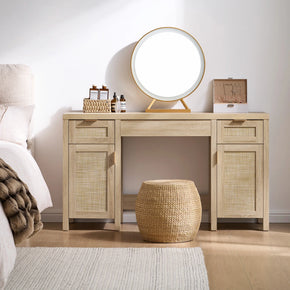
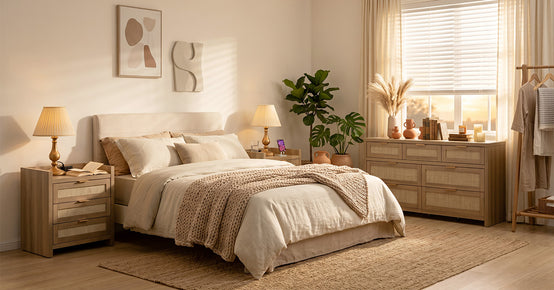
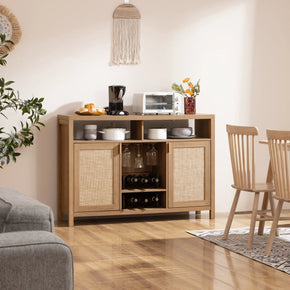
Lean light. Sky blue, white, sandy textures, and the warmth of a rattan dresser with five drawerswork hard without ever looking like a theme. Fastest way to ruin coastal: too many props. One ocean-related piece of art, max. No starfish bowls. No driftwood-spelled-out words. Resist.
10. Moody Navy and Brown Bedroom

If your bedroom gets natural light, you can paint it navy. Yes, even the small one. Pair the walls with espresso wood, layered cream bedding, and amber-toned bulbs — and that last bit isn't optional. Cool LED bulbs in a moody room read like a hotel hallway in Cleveland. Switch to 2700K. Whole room shifts.
11. Mid-Century Brown and Blue Bedroom

Tapered legs, walnut tones, simple geometry, no clutter. A piece like the vintage Andy nightstand nails the era without veering into theme-park territory. Pair with a navy or teal bedspread and one bold graphic art print, and the whole room feels lifted from a 1962 Sunset magazine — which is the goal, honestly.
12. Boho Brown and Blue Bedroom

This is where you get to layer. Indigo throws, brown leather pillows, a vintage rug with both colors woven into it, mixed wood tones across the dresser and nightstands. Boho works because it's deliberately imperfect — that's the trick. So don't try to make everything match. Honestly, the more it looks like you collected pieces over a decade, the better.
Easy Update Ideas (No Painting Required)
Renters, this section's for you. Every move here is reversible, doesn't require a landlord conversation, and most can be done in a weekend.
13. Start with Blue Bedding

Want to test the palette without committing to anything? Swap the duvet first. A navy or chambray cover over plain white sheets will tell you in about an hour whether you're into the look. Hang one brown wood frame on the wall above the bed, and the whole connection clicks instantly. Cheapest possible test run.
14. Add Brown Through Wood Furniture

One brown nightstand can change the whole temperature of a room. A piece like the fluted Domus nightstand brings both wood tone and texture, which matters in a palette this minimal — flat surfaces start to look boring without something tactile happening somewhere. You don't need two. Even one warm-wood piece pulls the look together.
15. Use a Rug to Tie Everything Together

A patterned rug with both colors woven in does the work of about three accessories. Vintage Persian, indigo kilim, faded navy-and-tan stripe — all good options. Place it under two-thirds of the bed so it spills into the walking space. Tucking the whole rug under the bed makes the floor look smaller, which is the opposite of what you want.
16. Try Blue Curtains with Wood Furniture

Linen curtains in chambray or pale blue soften an entire room, no exaggeration. Hang them high — closer to the ceiling than to the window frame, every single time — and let them puddle slightly on the floor. The vertical line stretches the wall and frames the wood furniture you've already got.
17. Bring in Brown Leather Accents

A small leather bench at the foot of the bed. A leather-wrapped picture frame. Even a brown leather strap on a wood pendant. Leather warms a blue room faster than wood does — there's something about the texture, the patina, the way it ages. It just lands. One leather piece, one wood piece, and you've covered the brown side of the palette without buying a dresser.
Wall and Paint Ideas
If you can paint, the room can flip in a weekend. One non-negotiable rule: test your paint chip in three different lights — morning, afternoon, evening — before you commit to anything. Blue undertones change wildly during the day, and the chip you loved at noon can look almost gray at 8 pm.
18. Light Blue Walls with Brown Furniture

Safest paint move on this list. Pale blue walls instantly make brown furniture look intentional instead of dark and heavy. If your bedroom faces north and gets cool light, pick a blue with slightly warm undertones — most paint companies label these clearly. Cool-undertone blues in cool light feel cold. Warm-undertone blues in cool light feel right.
19. Navy Accent Wall Behind the Bed

One wall, behind the headboard, is painted navy. That's the whole move, and it works almost every time. Keep the other three walls white or cream, hang two simple art pieces against the navy, and the bed turns into the focal point of the room without buying a single new thing. Costs about forty dollars in paint.
20. Powder Blue Ceiling with Wood Trim

Yes, the ceiling. A soft powder-blue ceiling looks like sky, especially with warm wood trim or beams holding it up. This is the trick old farmhouse painters used on porch ceilings — supposedly it kept wasps away, but mostly it just looked beautiful. Same magic indoors. White walls below, blue overhead. The whole room reads taller.
21. Chocolate Walls with Crisp Blue Bedding

Bold move. Chocolate-brown walls only work if you balance them carefully — crisp white trim, pale blue bedding, lighter flooring or a big light-toned rug, and at least two light sources, because one won't cut it. Done well, the room feels like a library you can sleep in. Done poorly, it's a basement. Test the paint chip first. Test it twice.
Material and Texture Ideas
Color carries the room, but texture is what makes it feel expensive. Mix at least three different surfaces — something woven, something soft, something hard. Otherwise, the palette goes flat.
22. Rattan Headboard with Blue Linen

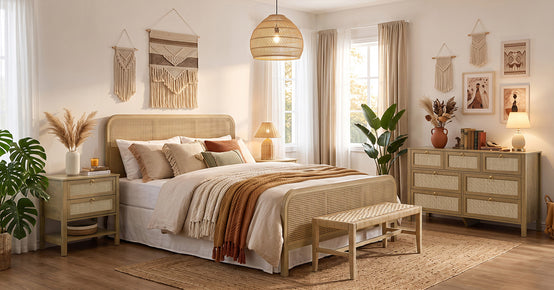
Rattan brings the brown without ever going dark. Pair a rattan headboard with crisp blue linen bedding and a single cream-linen pillow — and that's the entire bed sorted. Reads like a resort. Works especially well in coastal and boho rooms. Bonus: Rattan is much cheaper than a custom upholstered headboard, which nobody talks about enough.
23. Velvet Navy Throw on a Wood Bed

Velvet adds depth that cotton can't touch. A navy velvet throw across the foot of a brown wood bed is genuinely the smallest, most effective swap on this entire list. Bonus that I learned the hard way: velvet hides crumbs better than linen if you're a coffee-in-bed person. Don't ask how I know.
24. Brown Leather Headboard with Sky Blue Walls

Leather plus sky blue is the unexpected combo that always lands. The leather warms the cool walls. The walls keep the leather from reading too masculine or too "cigar lounge." If you're worried the room is going monochrome on you, this combo is the easiest balance to strike. Don't pick black leather, though — too sharp. Caramel or chestnut is the move.
25. Linen Blue Bedding with Brushed Brass

Linen wrinkles. Brass tarnishes. That's literally part of the point. Pair pale-blue linen bedding with brushed brass lamps or hardware, and the room develops a lived-in patina that fresh-from-the-store furniture cannot fake, no matter how much you spend. Embrace the wrinkle. Don't iron the duvet. It's not supposed to look like a hotel.
26. Mixed Wood Tones with Indigo Accents

One walnut nightstand, one oak dresser, one pine frame. Don't match them. Repeat each tone at least twice — so the walnut nightstand pairs with a walnut frame on the wall, the oak dresser pairs with an oak picture rail, etc. Add indigo through textiles only. The deliberate mismatch starts looking like a designer planned it on purpose, which is exactly the point.
How to Balance Brown and Blue (the 60-30-10 Rule)
Here's the part most listicles skip right over. Picking colors? That's the easy bit. Distributing them across an actual room is where things go sideways. The fix is the 60-30-10 color rule — designer shorthand that sounds clinical but genuinely works. I use it on every project, no exceptions.
Formula 1 — 60% Neutral, 30% Blue, 10% Brown
Best for first-timers or smaller bedrooms where you don't want to commit too hard. White or cream walls (60%), blue bedding and curtains (30%), and brown wood nightstands and a few brown frames (10%). The neutrals do the breathing, the blue carries the mood, the brown grounds it. Almost impossible to mess up.
Formula 2 — 60% Blue, 30% Brown, 10% Cream
Best when you actually want the moody, color-drenched look that's been all over interiors lately. Navy walls (60%), wood furniture and brown leather accents (30%), cream bedding for visual relief (10%). Riskier than Formula 1, but stunning when it lands. Just make sure the room gets enough natural light, or you'll regret the navy.
Formula 3 — 60% Brown, 30% Blue, 10% Brass or White
Best when you've already got a lot of wood — hardwood floors, a wood headboard, wood dressers, etc. Don't fight what's already there. Let brown lead, layer blue through bedding and art, and add brass or crisp white through lamps and frames, so the whole thing doesn't read too earthy.
Common Brown and Blue Bedroom Mistakes to Avoid
I've watched this palette go sideways more times than I want to admit. Almost always for one of the reasons below. If you're still shopping for pieces, the Sicotas bedroom furniture collection keeps wood tones consistent across collections, which solves about half of these problems before they start.
Going too dark on both sides at once
Navy walls + espresso bed + dark wood floors + dark curtains = cave. Lighten at least one major surface. Bedding, rug, or trim — pick one and go bright.
Picking the wrong blue undertone
Some blues lean green. Some lean purple. Some lean gray. The blue you fell for on Pinterest can clash hard with the actual brown wood in your room. Always hold paint chips next to your real furniture before committing. Always.
Forgetting about lighting
Cool LED bulbs flatten this whole palette. Like, completely. Switch to warm bulbs (2700K to 3000K range) and the brown comes alive, the blue calms down, and the room finally reads the way you imagined it.
Mixing too many wood finishes
One walnut, one oak, one mahogany, one pine — and suddenly nothing looks intentional. Stick to two wood tones max, and repeat each one at least twice. That's it. That's the rule.
Going too matchy-matchy
A bedroom set where the bed, dresser, and both nightstands are perfectly identical reads dated. Always. Mix one piece in — a leather bench, a rattan headboard, a different-stained nightstand — to break the loop.
Brown and Blue Bedroom Ideas for Small Rooms
Small bedrooms can absolutely handle this palette. Don't let anyone tell you otherwise. The trick is keeping contrast soft and the furniture lean — that's it.
Pick a pale blue, not a navy
Pale blue or blue-gray walls visually expand a small room. Save the deeper navy for one accent — bedding, a chair cushion, or one piece of art on the wall opposite the bed.
Choose furniture with legs
A bed with exposed legs, a nightstand on tapered legs, a bench with open framing. You see more floor that way, and the room reads bigger almost immediately. Solid-base furniture eats square footage visually, even when it doesn't physically.
Skip the bulky dresser
Use a slim 3-drawer chest or hang a wall shelf instead. The big storage piece can live in a hallway or the closet if you've got one. Bedrooms aren't supposed to do all the storage work alone.
Layer one strong focal point
A blue headboard, a leather bench, a patterned rug. Pick one. Small rooms can't carry three competing focal points without feeling chaotic.
Why Brown and Blue Still Feel Fresh in 2026
Designers are quietly walking away from cool grays and flat neutrals this year. Warmer browns — chocolate, taupe, espresso — are leading the conversation, and soft, comfort-leaning blues are right there with them. Stick the two together, and you land squarely in this year's playbook: layered, grounded, quietly confident, not trying too hard.
If you're worried this combo will date itself, don't. Brown and blue is one of the rare palettes that's been "in" for forty years and somehow keeps reinventing itself. The styling will date — gold accents in one decade, brass in the next, matte black in a third — but the colors themselves don't. Texture is doing more work than color this year. Linen, velvet, leather, rattan. Lean into that, and the room will look current well past 2026.
Final Brown and Blue Bedroom Styling Checklist
Before you buy anything or paint anything, run through this. It catches the mistakes most rooms make. If you're hunting for cohesive pieces in one go, the matching bedroom sets are worth a look first — buying a coordinated set saves you the headache of having to match wood tones across nightstands and dressers later.
- Choose your dominant blue first — navy, sky, blue-gray, teal, or cobalt.
- Pick a brown that talks to that blue — walnut, oak, espresso, leather, or rattan.
- Add one light neutral so the room can breathe — white, cream, beige, or soft gray.
- Repeat each color at least twice across the room. Blue bedding plus blue art. Brown nightstand plus brown frame. That's how it reads intentionally.
- Layer texture — linen, velvet, leather, woven — and warm up the lighting with 2700K bulbs.
FAQs
Do blue and brown go together in a bedroom?
Yes, and they pair more naturally than people expect. Blue cools the room while brown grounds it — sky and earth, basically. The combo works across nearly every style, from coastal to mid-century to moody traditional, as long as you keep the proportions reasonable.
What is the 60-30-10 rule for color?
It's a designer shortcut for distributing color: 60% dominant color, 30% secondary, 10% accent. In a brown-and-blue bedroom, that might mean cream walls (60%), blue bedding and curtains (30%), and brown wood furniture (10%). It's a guideline, though, not a law — adjust to taste.
What 2026 bedroom trends pair well with brown and blue?
Warm chocolate browns and soft, comfort-leaning blues are both having a strong year. Layered textures — linen, rattan, velvet — are quietly replacing matched bedroom sets. Mixed wood tones and statement lighting are showing up everywhere. All of it slots into a brown-and-blue palette with little effort.
Which blue shade looks best with brown?
Navy is the safest pick because it pairs well with almost any shade of brown. Sky blue and blue-gray work best with lighter wood tones like oak. Teal and cobalt are bolder but reward you in moody rooms. Always test the blue paint chip on your brown furniture before committing.
What colors don't go well with brown?
Most colors can work with brown if the undertones are right. The combos that tend to fight: very cool grays, neon shades, and muddy dark colors that compete with brown's warmth rather than complement it. If a color makes brown look dirty or dull, it's probably not the right pair.
How do I make a brown-and-blue bedroom feel less dark?
Add cream or white accents throughout the bedding, switch to warm-toned bulbs (2700K), and place a mirror across from a window so light bounces around the room. Lighter flooring helps, too. The palette only feels heavy when every surface is dark — break that pattern with one or two lighter elements, and the whole room opens up.
Is a brown-and-blue bedroom palette timeless?
About as timeless as palettes get. The combo has been popular for decades because it pulls directly from nature — earth and sky — which never falls out of style. The way you style it will date, but the colors themselves don't.
Sources
- Homes & Gardens – The Most Stylish Bedroom Color Trends for 2026
- Homes & Gardens – The Biggest Bedroom Trends to Know for 2026
- Homes & Gardens – Farrow & Ball 2026 Color Predictions
- Apartment Therapy – How Designers Use the 60-30-10 Rule
- Homes & Gardens – Bedroom Colors Going Out of Style in 2026
- Homes & Gardens – The Colors to Paint Your Living Room in 2026
- Coldwell Banker – 2026 Home Color Trends: Palettes for Every Room


Looking for something else?

Furniture Materials Guide: Picking the Right Material Room by Room
LEARN MORE
How to Mix Wood Tones Without Making a Room Look Mismatched
LEARN MORE
18 College Apartment Furniture Ideas That Save Space and Money
LEARN MORE
Types of Entertainment Centers: 11 Designs and How to Pick One
LEARN MORELooking for something else?

Curio Cabinet Decor Ideas: How to Style a Display Cabinet Without the Clutter
LEARN MORE
Curved Furniture: How to Style, Measure, and Buy It in 2026
LEARN MORE
What Is Rattan Furniture? A Buyer Guide to Types and Care
LEARN MORE


Further reading

How to Choose a Nightstand for a CPAP Machine

How to Choose a Shoe Cabinet for Men's Sizes, High-Tops, and Bulky Shoes


