




Mold on Furniture: Causes, Cleaning and Removal, Health Risks, and Prevention
Mold on furniture is not a sign that you keep a messy house. It just means moisture got comfortable somewhere it shouldn’t have. You pull a dresser off the wall one day and bam, a fuzzy gray-green patch is creeping down the back. Other times, you smell it first. That damp, musty hint under a couch cushion before your eyes ever find the stain. Basements get hit. So do beach houses, storage units, old apartments, any room where the air goes still and stays damp. Harvard Health Publishing calls mold what it is. A fungus that loves wet places. Which is why a single leak or a sticky week can be enough to start it.
Here’s the part worth hearing, though. Most of the time, you can fix it. And it takes less work than you’d guess. Below, I’ll walk through what causes it, whether it’s bad for you, how to clean it off any material, when to give up on a piece, and how to stop it from coming back.
What Causes Mold on Furniture?

Three things must be present for mold to grow. Airborne mold spores. Something organic to eat. And moisture. The spores? Already everywhere, drifting through every house on the planet. No point fighting them. Wood, fabric, and dust handle the food part. So, moisture is the only piece you actually get a say in. And like the EPA says in its home moisture guide, controlling moisture is more or less the entire job. So how does it get in?
High Humidity Levels
Once indoor humidity tips over 60%, mold perks up. The rainy season triggers it. So does coastal or tropical air. So does a tired air conditioner losing a fight with a sticky afternoon. Meanwhile, your furniture just sits there, soaking up the damp like a sponge. That damp is usually why mold is growing on your furniture in the first place.
Poor Air Circulation
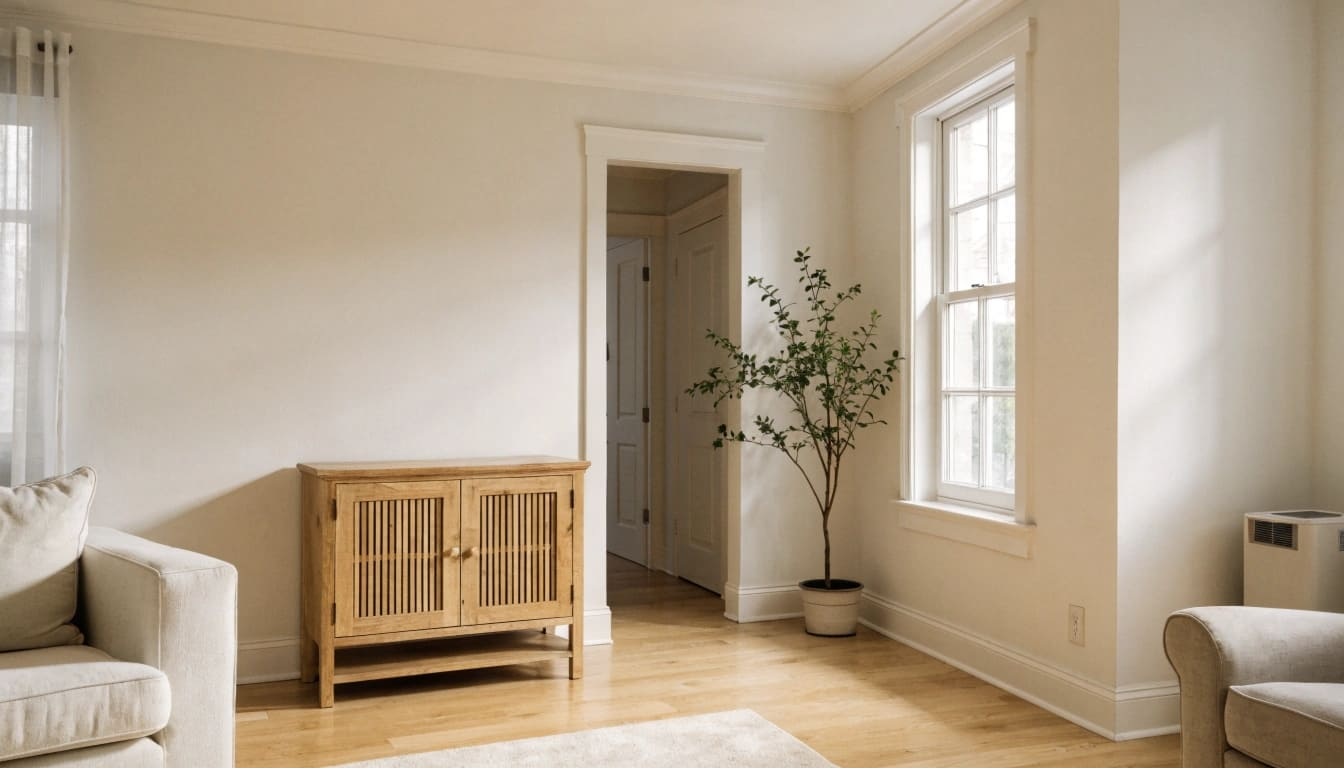
Shove a cabinet tight against an exterior wall, and you’ve basically built a trap. No air moves back there. The wall stays cool. Damp pools up in that hidden gap. It’s the whole reason mold tends to favor the back of a piece. You’ll find it there long before it ever shows on a spot you’d look at.
Water Damage and Spills
Think Drippy Pipe. Or a flood. A wet stretch of carpet. A spilled drink left too long. Furniture that stays wet grows mold in a day or two. So drying fast counts way more here than how tidy the room looked beforehand.
Condensation

Here’s a quiet one. Warm room air touches a cool surface of furniture and leaves a thin film of moisture behind. In the same way, a cold soda sweats on a hot day. It picks windows, exterior walls, and rooms running heavy on the AC. And good luck spotting it. You rarely catch condensation in the act.
Is Mold on Furniture Harmful?

Sometimes. Reactions are all over the place, though. Healthline’s guide to mold in the home notes that breathing in or touching spores can trigger allergy-like symptoms for some folks. Stuffy nose. Coughing. Itchy eyes. Yet plenty of other people walk right past the same patch feeling perfectly fine.
Who Should Be Extra Careful
Anyone with asthma or a mold allergy usually feels it first. The same goes for infants and older adults. And for anyone whose immune system is run down or whose lungs already give them trouble. Got someone like that at home? Treat even a tiny patch like it matters. And let somebody else handle the scrubbing.
When to Get Medical Advice
See a doctor if the symptoms come on strong or just won’t quit. Or if they ease the second you walk outside. Pay attention to that last one. Feeling better away from the house points a finger straight at the indoor air. And those scary "mold toxicity" quizzes floating around online? Skip them. A real professional beats a checklist every time.
Can Furniture With Mold Be Saved?
Furniture with mold can sometimes be saved, and sometimes it goes out to the curb. What settles the question is how porous the material is and how far the mold dug in.
Hard Furniture Is Usually Worth Saving

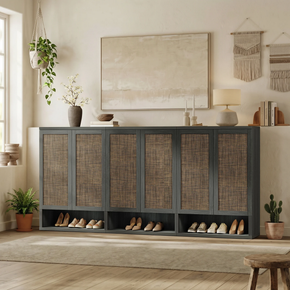
Solid wood, metal, sealed surfaces. They put up with a lot. As long as the mold rode on top and never soaked through, a decent cleaning usually brings the piece right back. That’s the quiet upside of sturdy, solid wood storage cabinets over flimsy particleboard. The cheap stuff bloats and crumbles the second damp reaches it.
Porous Furniture Is Much Harder
Now think fabric sofas. Cushions. Mattresses. Particleboard. These pull mold spores down into places no cloth will ever reach. The EPA says it flat out. Porous stuff that stays soaked usually has to go. Wiping the surface of a cushion only nudges the problem over an inch.
Fix the Moisture First, Every Time
Clean without killing the source, and you’ve burned an afternoon for nothing. The mold wanders back inside a week or two. Same spot. Same shape. So hunt down the leak, the condensation, or the humidity problem before you touch a single inch with a rag.
How to Remove Mold From Wood Furniture

Wood gets hit the most. And lucky for you, it’s one of the easiest to bring back. If you're figuring out how to remove mold from wood furniture safely, the first rule is to work outside or in a well-ventilated area. Gear up before you start, too — gloves, eye protection, and at least an N95 mask, since the cleaning itself throws mold spores into the air. Bob Vila’s walkthrough on removing mold from wood runs the same order that works on anything, from a little nightstand to a full wardrobe with mold tucked in the corners.
Wipe, Then Clean Gently
First, wipe the loose mold away with a damp cloth. Whatever you do, don’t dry-brush it indoors and launch spores all over the room. Then go to the spots with mild dish soap and water. Or equal parts white vinegar and water. Test a hidden corner before anything visible. Wipe with the grain. Leave the harsh chemicals alone. And never soak the wood, because soaking is what started this whole thing.
Dry It Completely, Then Sand if Needed
Drying counts just as much as cleaning. Park a fan on it, or set it in indirect sun, till it’s bone dry. Stain still hanging around? Mold sank into bare, unfinished wood? Sand the spot lightly and refinish it. A fresh coat of sealant slows the next round down. However, no finish on earth will save you in a room that stays damp.
How to Clean Mold From Other Furniture Materials
Upholstered Furniture

Read the care label before you touch anything. If you own a HEPA vacuum, run it over the surface. Outside, ideally, so you’re not misting spores across the living room. Then spot-clean with a fabric-safe cleaner or a baking-soda paste. Blot it dry. Let it air out all the way. Mold buried deep in the foam or fabric is another matter entirely. That piece is usually done.
Leather Furniture

Leather treats you better than cloth does. Wipe the moldy spots with a leather-safe cleaner or a gentle vinegar-water mix. Dry it off with a clean cloth. Then work in some leather conditioner so it doesn’t crack on you down the line. And keep it out of direct, hot sun while it dries. Baking leather brings its own kind of damage.
Wicker and Rattan Furniture

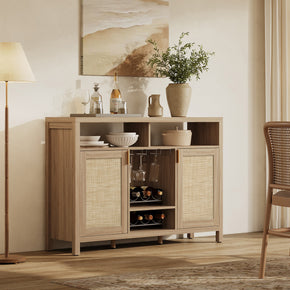
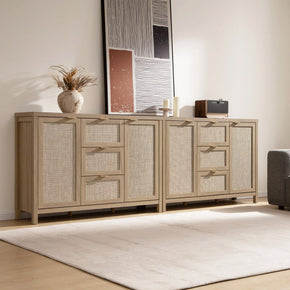
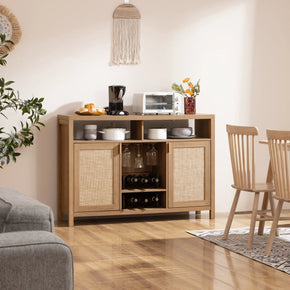
Woven pieces stash moisture in every little crevice. So they’ll test your patience. Brush the surface mold off. Scrub gently with warm water and mild dish soap. Rinse it lightly and dry it completely, out in the sun if you can. That same routine keeps a rattan sideboard buffet cabinet looking sharp for years, even in a muggy room.
Engineered Wood and Particleboard
Easy on the water with this one. It swells and falls apart in a hurry. So damp-wipe, don’t soak. And if a panel’s already gone soft, puffy, or stained clean through, just swap it out. Engineered wood rarely walks away from a real mold problem.
What Kills Mold in Furniture?

Loads of things will. But here's what the bottle never tells you. Killing the mold isn't really the point. Removing it is. People search for what kills mold spores instantly, and the honest answer is that nothing safe works instantly across every material — vinegar, borax, and diluted bleach all need contact time to do their job. Dead spores can still set somebody off. So you want them physically gone, not just dead and sitting there.
Soap, Vinegar, and Borax
Mild soap and water lift surface mold off most hard materials. White vinegar handles plenty of hard surfaces and sealed wood. Just test it first. A borax-and-water mix pulls its weight too. It works more through plain scrubbing than chemical muscle. Funny thing is, none of these have to "kill" anything to get the job done.
Bleach, and Why "Instantly" Is a Myth
Bleach is effective on some hard, non-porous surfaces. But never mix it with ammonia or other cleaners. Those fumes are no joke. And tune out anything that claims to kill mold spores instantly. No single product safely covers every material. A harsh chemical that ruins your finish has helped exactly no one. Removal plus drying wins over any miracle spray.
How to Prevent Mold on Furniture

Prevention is where you come out ahead. It snaps that endless cycle for good. Preventing mold on furniture starts with smart choices — mold-resistant materials like teak or sealed hardwood, or pieces built to be mold-resistant from the start. Whether you're guarding one piece or kitting out a whole room withmodern living room furniture, the same handful of habits help keep mold growth at bay.
Control Humidity and Air Flow
Pick up a cheap hygrometer. Keep indoor humidity below 50% when you can. In a damp climate, a dehumidifier or air conditioner earns its keep fast. Pull furniture a few inches away from the exterior walls so air can slip in behind it. Run fans. Crack the windows when the weather agrees. The thing is, stagnant air is mold’s closest friend.
Choose Mold-Resistant Materials

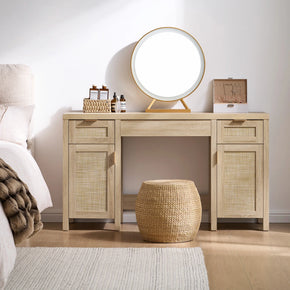
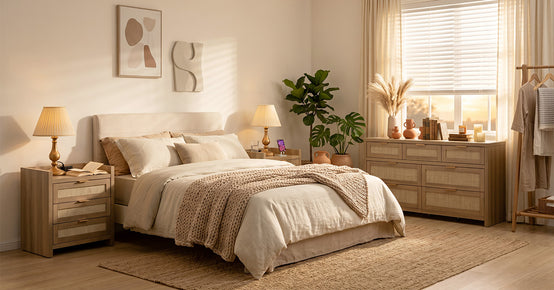
Some pieces simply fight harder. Solid wood, treated wood, metal frames, and washable fabrics. They all brush off mold growth. And anything on raised legs lets air sweep underneath instead of trapping damp below. A Terra horizontal dresser with storage up on lifted legs is exactly the mold-resistant pick that pays off in a humid home. Dust it often while you’re at it. Dust holds moisture and feeds the spores.
Which Wood Furniture Resists Mold Best?

Shopping with humidity on your mind? The type of wood matters way more than the price tag.
Teak, Mahogany, and Oak
Teak runs away with this one. Its dense grain and natural oils shed moisture better than just about any wood around. Indoors or out. Mahogany is solid and tough, but it still wants good finishing and airflow to stay happy. Oak looks warm and lasts a lifetime. Trouble is, that open grain soaks up moisture unless it’s sealed right. Sure, a finish or wax slows the rate of soak-in in any species. But nothing beats keeping the room dry. Teak and properly sealed hardwoods are some of the most mold-resistant wood options for furniture — but even the best species needs a dry room to stay that way.
Mold in Basements, Storage Units, and Humid Rooms
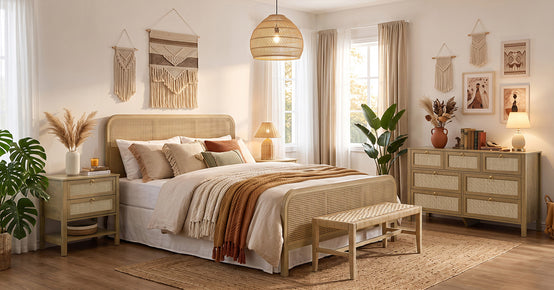
 A few spots practically ask for it. Basements stay cool, still, and damp. So run a dehumidifier and never plop furniture straight onto a clammy carpet. Storage units tend to handle temperature, but forget humidity. So store your pieces clean, dry, lifted off the floor, and wrapped in breathable covers. And mold on the back of a dresser? That almost always means it spent its life jammed against a cool exterior wall. For bedroom pieces, especially, look for moisture-smart bedroom dressers with legs that keep air moving underneath.
Final Takeaway
Mold on furniture is really a moisture story with a furniture-shaped ending. Cleaning matters. But it’s only half the job. Clean the small surface patches carefully. Let the badly soaked porous pieces go and skip the guilt. Then fix the humidity, the leak, or the airflow that started the mess. Lean toward solid wood, treated finishes, raised legs, and washable fabrics wherever you can. No furniture stays mold-free in a damp room. A dry one, though, keeps it gone for good.
FAQs
Is mold on furniture harmful?
It can bother some people. Especially anyone with allergies, asthma, or a weak immune system. Others notice nothing at all. Either way, clean off visible mold or remove the piece. Spores can affect the air you breathe.
Can furniture with mold be saved?
Hard furniture, such as solid wood or metal, can usually be saved if the mold is only on the surface. Porous pieces such as cushions and fabric sofas trap spores deep inside. Those are much harder to rescue fully.
Why is mold growing on my furniture?
Because mold spores, moisture, and something organic to feed on all met in one spot. High humidity, poor air circulation, leaks, damp carpet, and condensation against cool walls are the usual culprits.
Should you throw out moldy furniture?
Toss it if the mold runs deep in foam, fabric, particleboard, or anything flood-soaked. Hang onto solid wood or valuable pieces. Bring them back with proper cleaning, drying, and refinishing.
What kills mold in furniture?
Mild soap, white vinegar, and borax all work, and bleach is safe on non-porous surfaces like metal or sealed wood. But killing the spores is only half the job — you have to physically remove the mold and let the piece dry out completely, or it comes right back.
What kills mold spores instantly?
Nothing safe works instantly on every material. Spend your effort on removing the visible mold, fully drying the piece, and addressing the humidity. Don’t chase an instant cure.
Do mold spores stay on furniture?
Spores can settle into dust, fabric, cracks, and wood grain. Damp wiping, HEPA vacuuming, and a dry room all beat them back and stop them from growing again.
Sources
- EPA – A Brief Guide to Mold, Moisture, and Your Home
- CDC – Mold Clean Up Guidelines and Recommendations
- Healthline – Mold: Symptoms of Exposure, Risks, and More
- Cleveland Clinic – Black Mold Exposure: Symptoms, Risks and Treatment
- Harvard Health Publishing – Mold in the Home: Identifying and Treating the Issue
- New York State Department of Health – Mold and Your Home: What You Need to Know
- Bob Vila – How to Remove Mold From Wood in 5 Quick Steps


Looking for something else?

Furniture Materials Guide: Picking the Right Material Room by Room
LEARN MORE
How to Mix Wood Tones Without Making a Room Look Mismatched
LEARN MORE
18 College Apartment Furniture Ideas That Save Space and Money
LEARN MORE
Types of Entertainment Centers: 11 Designs and How to Pick One
LEARN MORELooking for something else?

Curio Cabinet Decor Ideas: How to Style a Display Cabinet Without the Clutter
LEARN MORE
Curved Furniture: How to Style, Measure, and Buy It in 2026
LEARN MORE
What Is Rattan Furniture? A Buyer Guide to Types and Care
LEARN MORE


Further reading

How to Choose a Nightstand for a CPAP Machine
The machine is the smallest part of the problem. A CPAP sits on maybe ten inches of tabletop, and then the humidifier tub has to slide out to be filled, the tubing and power cord leave from the ba...

How to Choose a Shoe Cabinet for Men's Sizes, High-Tops, and Bulky Shoes
A cabinet can advertise room for thirty pairs and still refuse your largest shoe. The pair count on a product card was calculated with some shoe in mind, and if that shoe was an average low-profil...

How to Choose a TV Stand That Fits a Soundbar
Width is the first thing people check and the least likely thing to go wrong. A soundbar that fits the top of a TV stand can still cover the bottom of the picture, block the remote sensor, sit too...


