




Colors That Go With Black Furniture: A Complete Styling Guide

Black furniture is one of those things people talk themselves out of before they've actually tried it. Too dark. Too dramatic. Too hard to match. And then you see a room where someone's used it well — matte black dresser against a warm cream wall, some wood on the floor, a plant in the corner — and it just clicks. The room feels finished in a way that pale furniture often doesn't.
The real situation with black is that it's a strong neutral, not a difficult color. It doesn't fight with much. What sits next to it determines everything — the mood, the warmth, whether the room feels expensive,airy, or quietly confident. That's what this covers.
Why Choose Black Furniture?

Before it's an aesthetic decision, ion it's a practical one, which I think gets overlooked. Matte black surfaces don't show everyday wear the way lighter finishes do — spills, scuffs, fingerprints, the evidence of a room that actually gets used — most of it just doesn't show. That's a real reason to choose it that has nothing to do with trends. Farrow & Ball's notes on color schemes make this point well: the grounding quality and the drama come together; you don't really get one without the other.
And yeah, the contrast thing. A room that's all soft neutrals — cream, pale wood, beige, more beige — starts feeling underdone after a while. Not bad exactly, just unfinished. One black piece gives the eye a place to land and makes everything around it look more considered by comparison. Browse black's bedroom furniture at Sicont to see how the pieces actually hold up rather than how they look in a showroom setting, which is usually verydifferent.
Is Black Furniture in Style?

Yes — but honestly 'trend' stopped being the right word for it a while ago. Black furniture has been in and out and in again through enough design cycles that it's settled into being a standing option rather than a moment. The 90s minimalist wave used it. The 2000s industrial look used it. Now warm Scandinavian rooms use it alongside light oak and li; and moody jewel-tone bedrooms use it as the darker anc; or, and calm neutral rooms use it as the only dark element. It keeps finding a home somewhere.
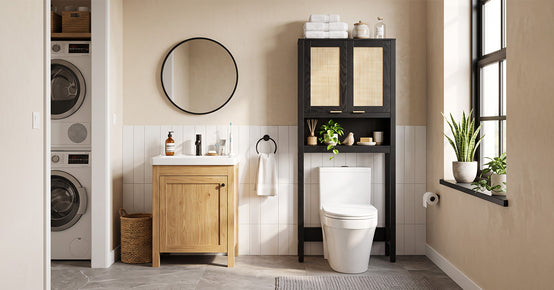
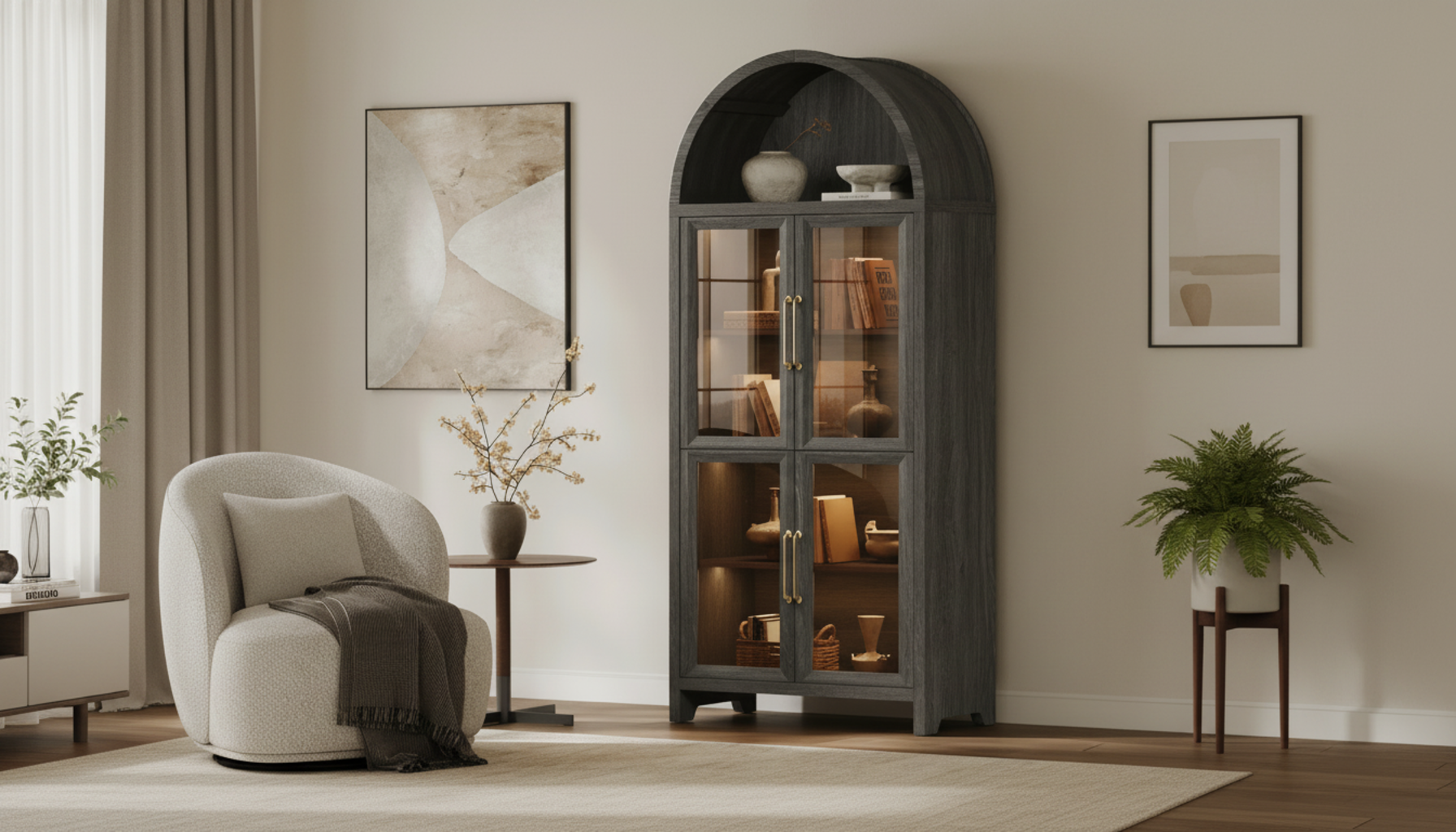
What looks most current right now: matte or satin finishes rather than high gloss, and pairing black with warm organic materials — wood, rattan, natural fiber rugs — rather than the all-black-everything setup that was everywhere a few years back. Worth knowing if you're buying soon.
Does Black Furniture Match Everything?

Mostly. Light wood floors, dark concrete, linen and rattan, glass and steel — black sits in all of those contexts without demanding anything change around it. It's a strong neutral in the truest sense of that phrase, meaning it takes its character from whatever surrounds it rather than imposing its own.
The one situation that actually fails: surrounding it with other heavy, dark furniture in a room that gets very little natural light. That combination goes oppressive fast — not dramatic, just heavy. Fix is pretty simple though. Light wall on at least one side. Mirror somewhere to move the existing light around. Warm lamps lower in the room instead of overhead. Something organic — a plant, a wood surface, a jute rug — to break the manufactured quality. Texture and warmth sort most of this out.
What Colors Complement Black Furniture?
Black goes with most colors — the interesting part is what feeling each pairing creates, not whether it technically works. The Spruce covers 18 specific pairs,s and every one holds up in the right context. I've grouped these by mood rather than by individual color, because when you're actually trying to figure out what to do with a room, knowing you want something warm or something luxurious is more useful than knowing the RGB value of cognac leather.
Light Neutrals — White, Cream, and Gray

White is the most-reached-for pairing with black, and it works because the contrast is automatic — no styling effort required. The watch-out is that a lot of white and black together with nothing else can tip clinical pretty fast, like a public bathroom that's trying to be a hotel. You need something warm in there: linen, a wooden surface, a plant, rugs with any texture at all. That fixes it.
Cream is honestly my actual recommendation over white for most bedrooms and living rooms. Same contrast logic, less edge, more warmth — cream makes you think of somewhere you'd want to sit, whereas pure white next to a lot of black has a freshly-opened-box quality that's not always comfortable to live in. Works especially well with pale wood floors and brass hardware.

Gray is where things get interesting because the specific shade matters more than people realize. Light dove gray keeps the room airy. Charcoal gray creates something more layered. A contemporary dresser with storage against off-white or pale gray walls is one of those combinations that just works without requiring any additional thought.
Warm and Earthy — Wood, Terracotta, Cognac, and Olive

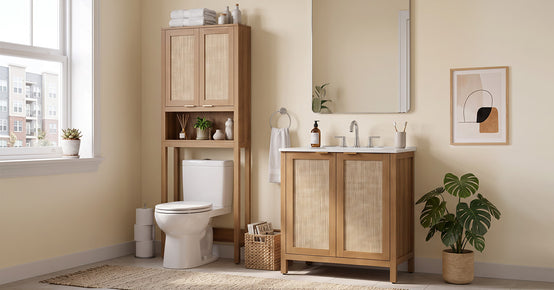
Wood is the first thing I'd reach for when a room with black furniture feels c, old, and I can't immediately figure out why. Light oak has a freshness — something Scandinavian without forcing it. Walnut is richer. Rattan is looser and more casual. The grain is never perfectly consistent, en,t and that's the point — it signals something organic in a room that might otherwise seem too constructed.
Terracotta is one of those colors that reads very differently in real life than in paint chips. There's an unevenness to the warmth — it comes from actual c, la,y, and you can tellthat wall-painting version doesn't quite replicate. Next to the crispness of black furniture, true, it sits there looking grounded rather than decorated. Works on walls, in cushions, and in a single ceramic bowl on a surface.
Cognac does what warm wood does,oes but in a different material category. Cognac leather brings richness and color without competing with the black, and it ages into something better-looking over time, which is a quality worth paying for.
Olive is the underused one. People reach for bright emerald when they want green with black. Still, olive does something more livable — earthy and quiet rather than a state against furniture's e, tr that ue it just contributes without announcing itself, which is its whole value.
Luxurious — Gold, Emerald, Navy, and Deep Jewel Tones

Gold: black absorbs light, gold bounces it back — put those two optical properties next to each other, and the gold looks more luminous than it would against any other background. That's why this pairing shows up everywhere someone's trying to signal expensive. The ratio matters, though: gold hardware is a miracle as a tray. Go further, and the room starts to feel like a venue.

Emerald Green brings something to life in a room that might otherwise feel closed off. The contrast is dramatic without being heavy, and it works well in bedrooms and dining rooms that lean toward jewel-toned. An elegant black sideboard in a room with emerald accents and brass hardware is the version of this that really seems genuinely thought through.
Navy Blue is more restrained than emerald and more tailored — rooms with navy walls and black furniture have a calm quality that's hard to describe but immediately recognizable. Deserves to be tried more than it is.
Burgundy and Deep Purple are committed choices, both of them. They work when the whole room is built around them from the start, not added as accents later. Both create a rich, enveloping atmosphere that suits moody bedrooms and dining rooms in particular.
Bold and Energetic — Red, Mustard, Pink, and Teal

Red is good in small amounts and overwhelming in large ones. One red chair, one piece of art, a single cushion — that's the version that adds energy without tipping into a formal dining room commitment.
Mustard Yellow is far more livable than bright yellow, which is honestly difficult to live with past the first few weeks. Against black, mustard reads warm and rich rather than loud — one mustard piece in a dark-neutral room is usually enough and often exactly right.
Blush Pink is softer next to black than most people expect. The contrast is gentle and works in bedrooms with minimal effort — probably the most adaptable of the bolder colors in this group.
Teal — and I say this as someone who expected it to feel gimmicky — is honestly one of the best pairings on this whole list when it works. Black paneling or furniture with a deep teal wall or headboard has a moody,ody sophisticated quality that's hard to get any other way. Worth trying before writing it off.
How Do You Make Black Furniture Pop?

Contrast is the mechanism and light is what creates it. Black furniture against a light background — cream wala l, white wala l, pale rug underneath — looks deliberate and purposeful. Black furniture against a dark background with no breathing room just looks heavy. That's the whole thing, really, and everything else is layering on top of that basic relationship.
Lighting is the part people underestimate most. Black absorbs light — that's one of its properties — so in a room with limited natural light,ght the furniture can start feeling oppressive rather than dramatic. Warm-toned lamps at different heights around the room change this more than almost any other styling decision.

A mirror positioned to catch and bounce natural light is the second move. Reflective accents nearby — brass hardware, a gold-framed mirror, chrome lamp bases — amplify whatever light is already present. For storage, a modular bedroom storagesystem that stacks vertically keeps floor space visible and prevents the room from feeling like the furniture is closing in. And a plant — one substantial green plant near black furniture adds something organic and alive that no other styling element quite replicates.
How to Style Black Furniture Room by Room
The setup changes slightly depending on where the furniture lives. Same core rules — contrast, warmth, breathing room — but different priorities in different spaces.
Bedroom

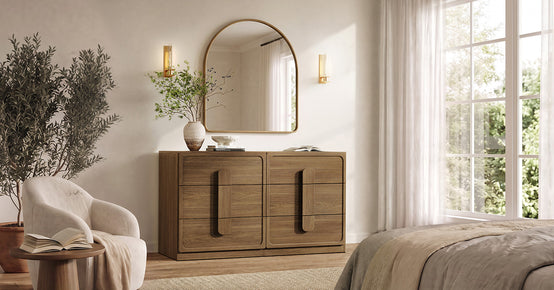
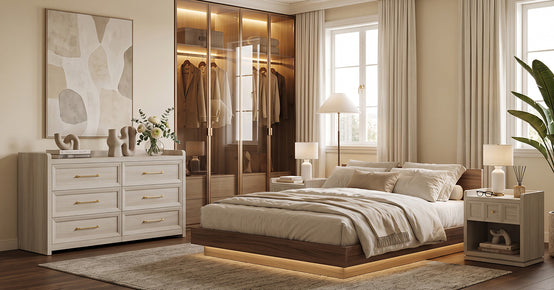
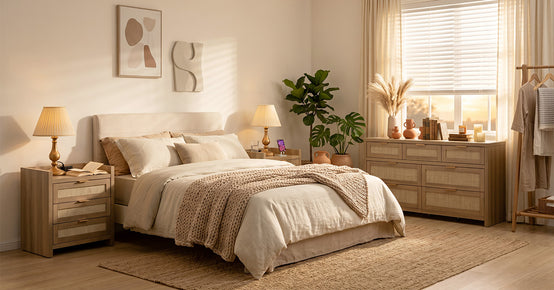
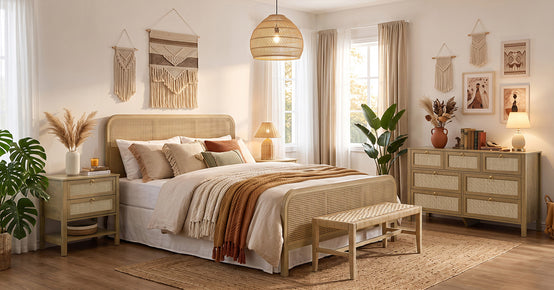
The bedroom is where black furniture does its most consistent work. A black bed frame, dresser, or nightstand against white, cream, or pale gray walls — that combination holds up every time without requiring much else to make it work. Layer in neutral bedding, bring in one accent color through a throw, a plant, or a piece of art, and put warm lamps on the nightstands. That's the recipe. A black bedroom dresser against a warm off-white wall is one of the easier ways to get this working without a lot of additional styling — the contrast does the work for you, and the warm wall stops it from feeling cold.
Living Room
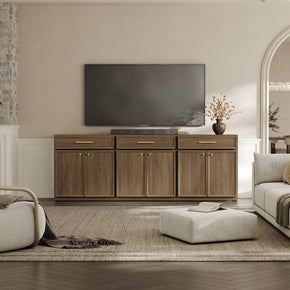
In a living room, black works better as an anchor than as the main event. One black piece — a console table, a coffee table, shelving — in a room of soft gray and cream makes everything around it look more intentional by comparison. Gold or brass somewhere nearby adds warmth. Natural fiber rug on the floor. One plant. The three-color rule applies here more than anywhere else: one dominant, one secondary (black and), one accent. Going past three usually shows and is usually in a bad way.
Dining Room
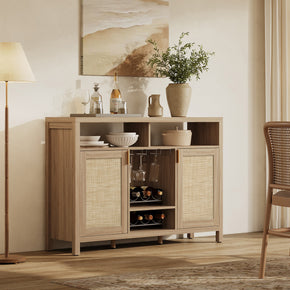
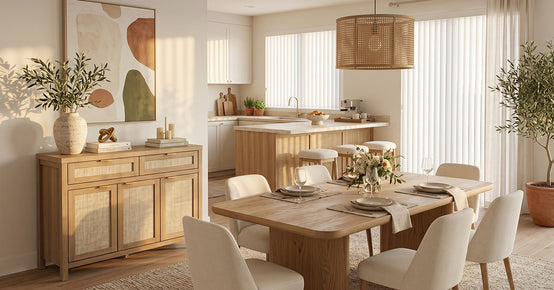
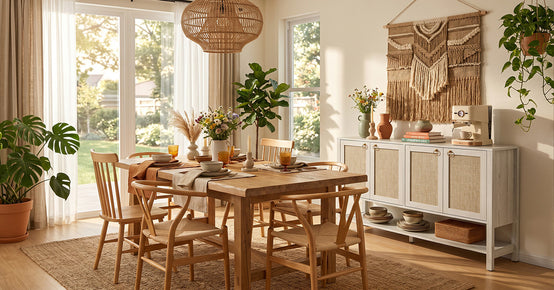
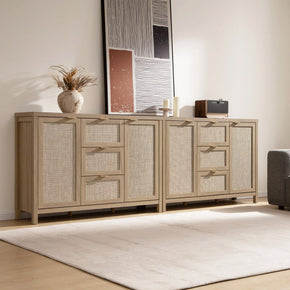
Black dining chairs work with basically any wood dining table — light oak, walnut, whatever you already have — which is a big part of why they sell so well. They don't compete with the table surf, ace, and the work from the farmhouse to contemporary without needing to choose a side. Pair them with a warm wood table and earthy wall tones — terracotta, warm white, olive — and the room feels grounded without much effort. A black sideboard on one wall adds storage and a surface for objects: a ceramic vase, a plant, a lamp. Lighting above the table: a gold or brass pendant is the luxurious direction, matte black stays cleaner. I'd pick based on the direction the rest of the room is already going, rather than a general preference.
FAQs
What color looks best with black furniture?
Most of them, honestly — and that's not a dodge. White and cream are the easiest because the contrast takes care of itself without any additional thought. Warm wood tones or olive green if you want something that feels more considered. But the actually useful version of this question is: what do you want the room to feel like when you walk in? Bright and open gets you white. Warm and cozy gets you terracotta or cognac leather. Rich and a bit fancy gets you gold or navy. That's where to start, not with what looks popular.
What color complements black?
White is the reflex,and it's not wrong. Cream is smarter for most actual homes because you get the same contrast without the clinical edge that a lot of white-and-black can have. Gold is the answer if someone wants to know what makes black look genuinely expensive — there's something optical happening there: black absorbs light and gold throws it back;together they do something neither does alone. Which one you pick depends on whether you want a striking, warm, or luxurious look.
What is the 2 3 rule for furniture?
A proportional sizing guideline — roughly, a piece should be about two-thirds the size of whatever it relates to. The coffeetableis two-thirds the length of the sofa. Rug extending under at least two-thirds of the seating group. It's not a rule you apply rigidly; it's more of a diagnostic tool for when something in the room looks off, and you can't immediately figure out what's wrong. Usually scale.
Which color looks classy with black?
Gold, and it's not really close. Black absorbs light. Gold reflects it. Put those two properties in the same room, and the gold looks more luminous than it would against any other background, which is why this pairing appears so often in high-end spaces. Cream is understated-classy. Emerald is unexpectedly classy. But gold is the direct answer if you're going classy.
How to brighten up a room with black furniture?
Light walls first — that's the thing that makes the biggest difference fastest. Then mirrors to push natural light around the room. Then warm-toned lamps rather than overhead lighting, which in a room with a lot of dark furniture tends to flatten everything. Plants help in a way that's hard to quantify but easy to see once you've done it. A light rug under dark furniture lifts the whole floor area. None of this requires touching the furniture itself.
What is the 3 color rule?
One dominant color, one secondary, one accent — then stop. Cream walls as the dominant, black furniture as the secondary, and gold hardware as the accent. That's a room. Three colors are enough to look intentional. More than three, and the room usually starts to read like the design changed direction partway through, because it probably did.
Does black furniture go with everything?
Mostly yeah. The situation where it actually fails is when it's surrounded by other heavy dark furniture in a room with very little natural light — that stops being dramatic and starts being oppressive pretty fast. Otherwise black adapts to whatever's around it. It takes its character from its surroundings rather than imposing one, which is part of what makes it reliable.
How to make black furniture pop?
Light wall behind it, pale rug underneath. That's genuinely most of it. Everything else — brass accents, warm lamps, a plant nearby — is layering on top of contrast that's already doing the work. The furniture doesn't need to change. The environment around it does.
Bottom Line
Black furniture doesn't complicate color decisions — it simplifies them, because it genuinely works with most of what you might already have. Light neutrals get you bright and clean. Warm wood and terracotta get you earthy and cozy. Gold or jewel tones get you rich and considered. One bold accent when the room needs something to push against. The furniture stays the same. What surrounds it makes all the decisions.

If you're putting together a bedroom or living space around dark furniture and want storage pieces that hold up to real daily use, the dresser storage collection at Sicotas is worth a look — pieces in finishes that work with both warm and cool color directions, built for how rooms actually get used rather than how they photograph.
Resources
• The Spruce — 18 Colors That Go With Black — 18 color pairings with room examples: white, red, gray, green, pink, cream, navy, gold, terracotta, walnut.
• Farrow & Ball — BlaColorour Schemes — Expert guidance on black undertones, color drenching, and pairing black with neutrals and dramatic colors.
• Adobe Express — What Color Goes With Black? — Black and white, gold, pink, red, and gray pairings with design context.
• Living Spaces — Colors That Go With Black — Proportional rules, organic modern pairings, and color FAQ.
• 7 of the Best Colour Combinations Using Black — Black pairing ideas for bedrooms, kitchens, living rooms, bathrooms, and hallways.


Looking for something else?

Furniture Materials Guide: Picking the Right Material Room by Room
LEARN MORE
How to Mix Wood Tones Without Making a Room Look Mismatched
LEARN MORE
18 College Apartment Furniture Ideas That Save Space and Money
LEARN MORE
Types of Entertainment Centers: 11 Designs and How to Pick One
LEARN MORELooking for something else?

Curio Cabinet Decor Ideas: How to Style a Display Cabinet Without the Clutter
LEARN MORE
Curved Furniture: How to Style, Measure, and Buy It in 2026
LEARN MORE
What Is Rattan Furniture? A Buyer Guide to Types and Care
LEARN MORE


Further reading

How to Choose a Nightstand for a CPAP Machine

How to Choose a Shoe Cabinet for Men's Sizes, High-Tops, and Bulky Shoes


