




Best Wood for Dining Table: 8 Durable Real Woods to Choose From
Think about everything your dining table puts up with in a week. Hot pans landing straight off the stove. Sweating glasses, nobody moves. Homework, glue sticks, and a splash of red that never finds the coaster. The wood under all that matters way more than the shape or the sticker price — because every wood used for a dining table handles scratches, moisture, and heat differently, and a bad pick starts showing it inside a year. The trade measures toughness on the Janka hardness scale, and it’s a smart place to start.
These are eight of the best woods for a dining table worth knowing — steady oak, dramatic walnut, weatherproof teak, and five more — with the strong points and the quirks of each laid out plain. Once you know how they behave over the years, picking a wooden dining table no longer becomes a gamble.
What Makes a Good Wood for a Dining Table?

Before the wood list, get straight to what you’re really judging. Density and hardness lead the pack — a denser hardwood shrugs off dents, and the Janka scale slaps a number on it, with higher numbers indicating greater toughness. Stability’s right behind: a good dining table needs to ride out humidity swings without warping or cracking on you. Then the look (oak reads bold, walnut rich, maple clean), the upkeep each one demands, and the price weighed against how long it actually lasts. A cheap table that dents in a month? Costs more in the end than a solid one that lasts. Wander through Sicotas wood furniture with those five in mind, and the choices sharpen up quickly.
Hardwood vs Softwood for Dining Tables

Short version — eat at the table every day, go hardwood—oak, maple, walnut, teak, hickory, sheesham. Dense, dent-resistant, and they age into character instead of just wearing thin. Softwoods like pine and cedar cost less and suit a rustic, light-use, budget-friendly build, but they bruise the second you bump them. The rule pretty much writes itself: daily-use dining table, hardwood, no question; decorative or occasional table, softwood's fine with a tough finish over the top.
8 Best Solid Woods for Dining Tables
1. Oak — the dependable classic

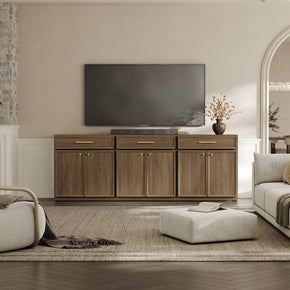
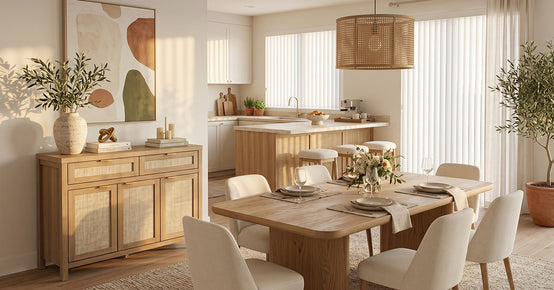
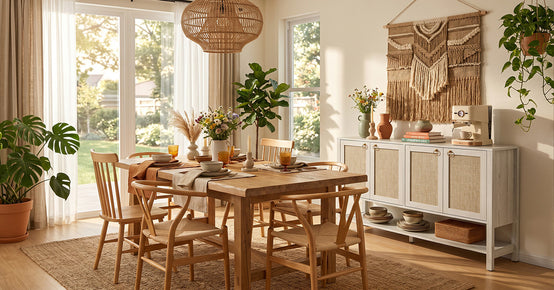
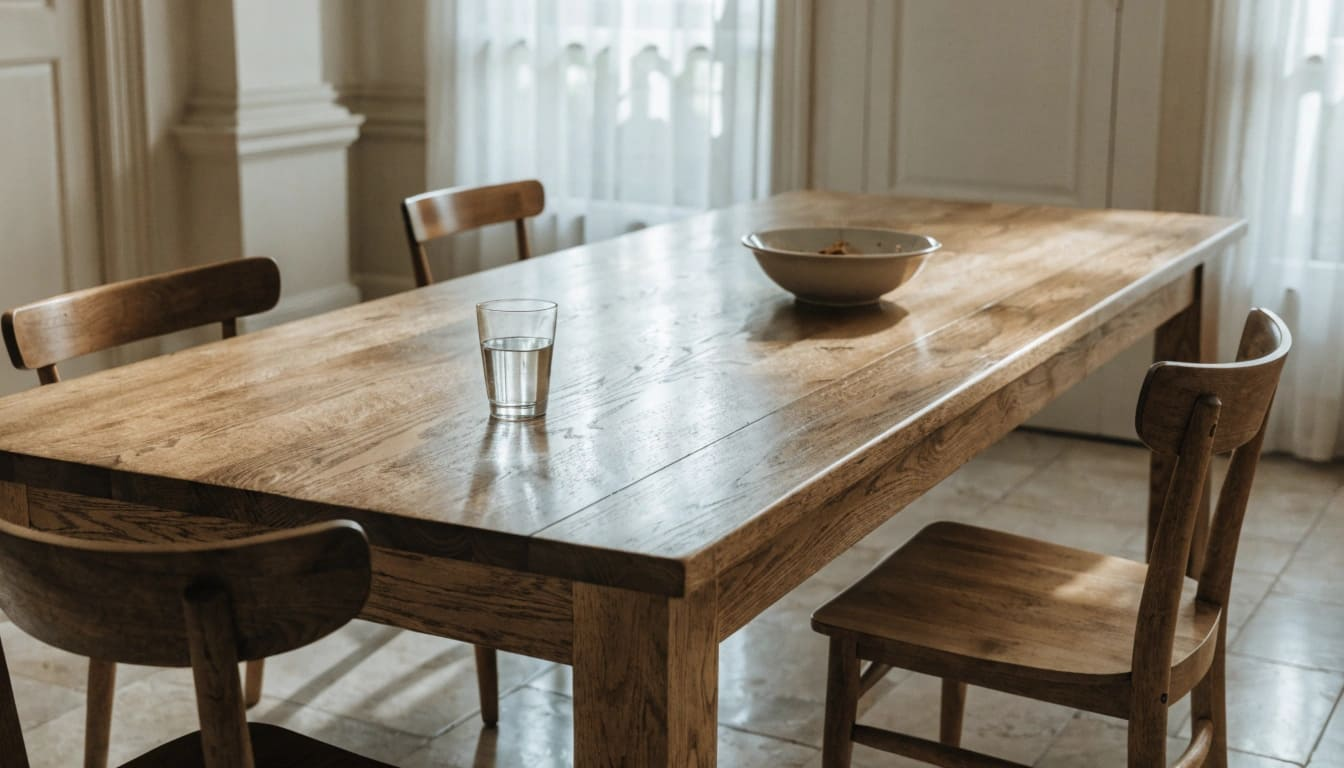
Oak is the table that half of us grew up around. There’s a reason it never went anywhere. Dense, barely shrinks, fights off mold and warping, and that bold open grain hides the odd scratch rather than putting it on display. Janka? Somewhere around 1,290 to 1,360, which means daily abuse barely registers. Bright airy rooms, farmhouse kitchens, quiet Scandi and Japandi spaces — it slots into all of them. Stand the table next to a matching three-drawer console table, and the room knits itself together. For most families, oak is just the easy, smart call.
2. Walnut — the quiet show-off
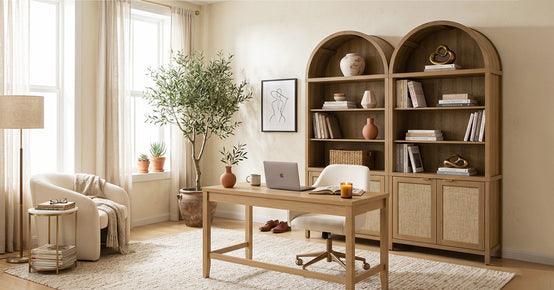
 Walnut is the dark-roast coffee of hardwoods. Deep chocolate, edging toward espresso, a smooth, refined grain, the kind of grown-up look that asks for nothing. It comes in at near 1,010 on the Janka — a shade softer than oak, sure, but tough enough for everyday meals, and it resists shrinking and humidity. Drop a fluted two-door bookcase in a matching dark tone alongside it, and the pairing just works. Host a lot? Want the table to be the thing people actually notice? Walnut’s your wood.
3. Teak — the weatherproof legend

Teak made its name outdoors, but that toughness walks right inside, too. The natural oils turn away moisture, rot, pests — the whole list — and the dimensional stability is genuinely hard to beat, no swelling or cracking as the seasons turn. Warm honey-gold over a straight, even grain, mellowing to a soft silvery patina if you leave it be. Janka, roughly 1,070 to 1,155. When low maintenance and longevity sit at the very top of your list, especially in a humid house or out on the patio, teak is the answer.
4. Acacia — the tough all-rounder

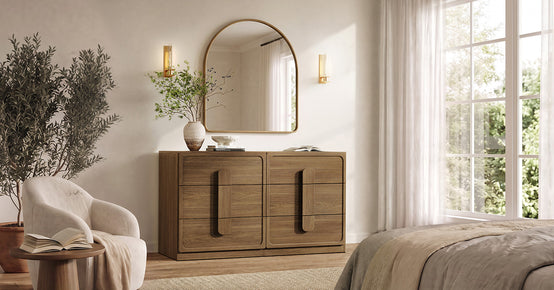
Smooth up top. Built like a tank underneath. Acacia is dense and naturally water-resistant, so spills, knocks, and heavy use just roll off it, and those dramatic color variations give every single board its own personality. High Janka takes a busy household completely in stride. Park a six-drawer storage dresser nearby for the serveware, and the dining space stays clear. For families who need both strength and warmth, and flatly refuse to baby their furniture, Acacia’s a strong shout.
5. Maple — the clean modern pick

Maple keeps things quiet — a subtle, tight grain that just reads sleek. Hard maple is no pushover, mind you, around 1,450 on Janka, so scratches and dents barely leave a mark. The one snag is the cheaper brown maple. It drinks stain unevenly and can blotch, so eyeball a finished sample before you hand over a card. For minimalist rooms and anyone who loves a pale wood, maple’s the natural fit.
6. Mahogany — the timeless one

Mahogany has signaled a serious dining room for generations now. Warm reddish-brown that only deepens with the years, real strength under the surface, and that sense of permanence the cheaper woods can never quite fake. Softer side by Janka, yes — but it ages with intent. A mahogany table doesn’t just survive; it grows more refined. Lean classic, want furniture that feels like it’s here for good? This is your wood.
7. Sheesham — bold grain and value

Sheesham — Indian rosewood, if you want the formal name — brings the drama. Strong grain contrast, rich brown tones, dark streaks cutting clean through it. Sturdy hardwood, and a real favorite across South Asian furniture markets, where it’s easy to come by and usually cheaper than imported teak. Torn between teak and sheesham for an indoor table? Sheesham takes it on character and, most of the time, on price too.
8. Mango — the practical charmer

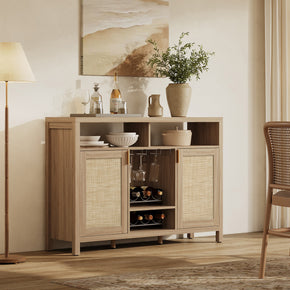
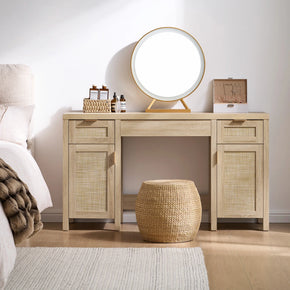
Mango wood quietly nails the basics. Strong, dense, water-resistant enough for the everyday hurly-burly, warm golden-brown with a lively grain that adds interest without making a scene. And then the kicker — it’s a genuinely budget-friendly option for the look and the strength you walk away with. A two-tier open console table in a warm wood tone sits right at home beside a mango dining table. For practical, lived-in homes that need warmth without the premium, mango earns its keep.
Quick Comparison: Best Wood for Dining Table
|
Wood
|
Look
|
Janka
|
Best for
|
|
Oak
|
Light, bold open grain
|
~1,290–1,360
|
Busy families, classic and Scandi rooms
|
|
Walnut
|
Dark, smooth, rich
|
~1,010
|
Statement tables, modern and formal spaces
|
|
Teak
|
Honey-gold, straight grain
|
~1,070–1,155
|
Humid homes, outdoor dining, low upkeep
|
|
Acacia
|
Warm brown, varied grain
|
High
|
Busy homes want strength and character
|
|
Maple
|
Pale, smooth, subtle grain
|
~1,450 (hard)
|
Modern, minimalist, light-wood interiors
|
|
Mahogany
|
Reddish-brown, deepens
|
Moderate
|
Classic, formal, heirloom pieces
|
|
Sheesham
|
Bold grain, dark streaks
|
High
|
Bold indoor tables, great local value
|
|
Mango
|
Golden-brown, lively grain
|
~1,070
|
Budget-friendly, warm, casual homes
|
Solid Wood vs MDF vs Veneer

This is where the real money decision hides. Solid wood is genuine lumber — sand it, fix it, refinish it, and it lasts for decades, even if it stings more up front. MDF is an engineered board made from wood fibers pressed with resin. Smooth, cheap, but weaker than solid wood, and it swells the moment moisture finds a way in. Veneer splits the middle: a thin layer of real wood over a cheaper core, looks the part right up until deep damage hits, and one chipped corner blows the cover.
If you're asking whether MDF or solid wood is better for a dining table, solid wood wins in terms of strength and lifespan. Table in daily use? Solid wood takes the long game nearly every time. MDF and veneer still have their place — rentals, short-term setups, a budget that won't stretch.
Best Wood for Different Dining Room Needs

Match the wood to how you actually live, and the whole thing stops feeling so heavy. When you're hunting for the best wood for a durable dining table, the right answer mostly depends on your situation — so find yours below.
Got kids? You want a high-Janka hardwood that survives the chaos: oak, hickory, hard maple, or acacia.
Small dining space? Lighter woods breathe easier here — oak, maple, or mango.
Luxury room? Lean toward walnut, mahogany, teak, or top-grade oak.
Outdoor dining area? Reach for the moisture fighters, teak and acacia.
Tight budget? Oak, mango, or sheesham, whichever turns up locally.
Low maintenance, the whole goal? Oak, teak, acacia, or a properly finished maple ask the least of you by far.
How Finish Affects Durability

Here’s the part most shoppers breeze right past — even great wood fails without a proper finish. You can build a table like a tank, but a thin, sloppy topcoat leaves it wide open to moisture, heat, and the daily grind. That’s precisely where mass-produced tables come apart. A good finish goes on in several thin coats, cures properly, and protects your wood from heat rings, spills, and scratches. The bad ones tell on themselves soon enough: white rings from glasses, bubbling, peeling, a tacky feel, bare wood poking through inside a few months. Get solid hardwood plus a quality finish, and you’re looking at 10 to 20 years before it wants anything more than a light sand and a fresh coat.
How to Care for a Wooden Dining Table

Treat it like a good leather bag, and it’ll outlast the trend cycle. Wipe spills fast — water, wine, sauce, none of it has any business sitting on the surface. Coasters and placemats handle the heat marks and the scratches. Leave the harsh chemicals on the shelf; a soft cloth and mild soap keep the finish happy. Hold the indoor humidity reasonably steady, too, because wood expands and contracts, and it’s the big swings that invite cracking. Then, when the day finally comes around, a solid wood table gets refinished — not replaced. Light sand, new topcoat, looks new again.
Buying Checklist

Run these before you commit. How often does the table get used, and are there kids or pets in the picture? Light grain, dark, or dramatic? Indoors or out? How much upkeep are you honestly up for? Solid wood, veneer, or MDF — and can it be refinished later on? What finishes guard the top? Is the wood responsibly sourced? And does the price actually line up with the quality you’re getting? Take that list through a dining room furniture collection, and you’ll buy once instead of twice.
FAQs
What type of wood is best for a dining table?
Oak, walnut, teak, maple, hickory, acacia, sheesham — they all rank high. The winner just depends on your budget, your style, the upkeep you’ll tolerate, and how hard the table gets used. Oak’s the safe all-rounder. Walnut and mahogany feel premium. Teak and acacia handle moisture better than the rest.
Which wood is expensive in Pakistan?
Teak and walnut sit up top, especially the imported or high-grade stock. Well-seasoned, solid sheesham climbs up there, too. Always check the grade, the seasoning, the build — a cheap “solid wood” table tends to hide poor drying or mixed materials under that label.
Is MDF or solid wood better for a dining table?
Solid wood, for the long haul, no contest. Stronger, refinishable, and lasting for decades in daily use. MDF’s cheaper and smoother but weaker around moisture and heavy wear, so it fits short-term or budget needs more than a table you mean to keep.
What are the 10 types of wood furniture?
The usual lineup: oak, walnut, teak, maple, cherry, mahogany, sheesham, acacia, mango, and pine. The first nine are hardwoods built for daily use. Pine’s the softwood of the bunch, better off in rustic or light-use pieces.
What are the top 5 strongest woods?
For dining tables, the toughest common picks are hickory, hard maple, white oak, teak, and acacia — hickory out front on the Janka scale. One thing worth keeping in mind, though: strength isn’t hardness alone. The joinery, the drying, and the finish pull just as much weight as the species does.
Which is better, sheesham or teak?
Teak takes it outdoors and in humid rooms, all down to its natural oils and stability. Sheesham’s the better-value indoor choice — bolder grain, and far easier to find across South Asian markets. Patio table, reach for teak. Statement piece for the dining room, sheesham.
Which wood is the highest quality?
No single champion here. Teak, walnut, white oak, mahogany, hard maple — all top-tier when they’re properly dried, built, and finished. “Highest quality” really hangs on the job: teak for weather, walnut for looks, white oak for all-around daily strength.
What type of dining table is most durable?
Solid hardwood, strong joinery, a protective finish — that combination beats everything else going. Oak, hickory, teak, hard maple, and acacia are the standout woods, but honestly, the joinery and the finish carry every bit as much weight as the species you land on.
Sources
-
Lumber Grand – 8 Best Woods for Table Top: Janka Rating, Grain & More
-
Osborne Wood – Janka Wood Hardness Scale: Compare Wood Hardness
-
Bell Forest Products – Janka Hardness Chart for Exotic and Domestic Wood
-
The Wood Database – Teak (Tectona grandis)
-
Forest Stewardship Council – FSC Certification


Looking for something else?
TV Stand With Doors vs. Drawers: Which Storage Works Better
LEARN MORE
Bookcase With Doors vs. Open Shelves: Which One Should You Buy?
LEARN MORE
Buffet Cabinet With Drawers vs. Doors: Which Storage Mix Should You Choose?
LEARN MORE
Tilt-Out vs. Shelf Shoe Cabinets: Which Fits More in a Narrow Entryway?
LEARN MORELooking for something else?

Nightstand With Drawers vs. Open Shelf: Which Storage Layout Should You Buy?
LEARN MORE
How Much Weight Can a Dresser Hold? What to Check Before You Buy
LEARN MORE
How to Buy a Rattan Buffet Cabinet That Will Hold Up to Daily Use
LEARN MORE


Further reading

How to Organize Dresser Drawers So Every Drawer Has a Job
The top drawer of my dresser used to be a lost-and-found department: one sock whose partner had clearly joined the circus, a couple of lip balms old enough to vote, and a T-shirt I stopped wearing ...

Bureau vs Dresser: Names, Sizes and What to Buy Today
Go ahead — type "bureau" into a furniture search bar. I'll wait.
See that? Same chest of drawers. Same photo. Same price. One tab calls it a dresser, the other a bureau — and suddenly you're cross-...

How to Fit a Dresser Inside a Closet: Measurements and Layouts
Small bedrooms all share the same contradiction — a closet floor sitting completely bare while the dresser hogs the only good wall. And that floor? Easily the least-used square footage in the whole...


