




Types of Leather Furniture: A Simple Guide to Grades and Finishes
The different types of leather furniture range from full-grain leather, the strongest natural hide, to bonded leather made of glued-together scraps. Two sofas can wear the same leather label, yet one lasts twenty-five years and the other splits within three. The gap comes down to two things, grade and finish,industry experts explain when they break down leather quality. Learn what a few of these leather furniture types mean, and no showroom can talk you into the wrong sofa. All the types of leather furniture worth knowing sit below, each grade getting its turn, from the top hide down to the flimsiest fake.
How Leather Grades Are Made From One Hide

All of it starts with one animal hide, almost always a cow. Tanning happens first. Then the hide is sliced into horizontal layers, and each layer becomes a grade in its own right. Strength lives in the top layer. Go lower, lose quality.
Two words cut through most of the fog. Grain refers to the layer of hide on your sofa. Finish refers to the color and coating applied over it afterward. Those two together determine the price, the feel under your palm, and how many years it holds up.
The Main Types of Leather Used in Furniture
The types of leather for furniture follow a simple order, and five grades account for pretty much every sofa on the market. Every one of the leather sofa types below sits somewhere on that ladder, running from heirloom-grade hide at the top to the flaky stuff no one should touch.
Full Grain Leather

Full-grain leather beats everything else. What you get is the hide's entire outer surface, sanded nowhere. The tight, hard-wearing fiber network survives untouched, freckles and scars and all. It does not wear out. It wears in. Years of use only deepen the patina.
A bare surface means the hide has nowhere to hide its faults, so only the cleanest ones qualify. That short supply is what pushes full-grain pieces to the top of the price list. For the sofa your kids will argue over one day, this is it. Settle the full-grain vs. top-grain leather question this way: full grain is the best leather for furniture if you want it to outlive the room, while top grain trades some of that lifespan for a smoother face and a friendlier price.
Top Grain Leather

Top grain is that outer layer again, with a light sanding to take the flaws off. Sand it, and you surrender a bit of strength and character. The upside is a neater, more even face that costs less. This is the leather used in most quality sofas, sitting dead center in the market.
The name misleads people. Top grain actually ranks one notch under full grain. Most guides with leather grades explained end up here, and for good reason. Among leather sofa types, this is the point where toughness, good looks, and a fair price all meet for an everyday home.
Genuine and Split Leather

This is where the labels get sneaky. Genuine leather really is leather. It comes from the weaker split layer left behind after the top is removed, which is why the label says nothing about real quality. Split leather is thin and tears easily, but it does the job under light, here-and-there use.
Genuine leather is the budget middle ground. Real hide, absolutely, just not the strong part of the animal. As leather couch materials go, both suit an occasional-use accent chair far better than the sofa the family sits on nightly.
Bonded Leather

Bonded leather sits dead last. Leather offcuts are collected and ground into pulp at the factory. Adhesive joins the mix, the mush is pressed into flat sheets, and a top coating lets it pass for the real thing. More often than not, next to none of what your hand lands on is leather.
Beneath the showroom lighting, it convinces just about everyone. Give it two or three years, though, and that coating starts to lift and flake off. Call it the particle board of leather. Dressed up for the photo.
Faux and Vegan Leather

Faux leather cuts the hide out of the equation altogether. A polyurethane or vinyl layer sits over a fabric backing. The look is there, the animal is not. The latest versions get shockingly close. That draws in anyone who would sooner not buy leather in the first place.
The quality gap here is huge. A good faux leather sofa lasts for years, while a bargain one splits about as quickly as bonded leather. Shop for vegan leather furniture by the construction, not the label, since the two cost the same and wear nothing alike.
Leather Finishes and Dyeing Styles
Aniline leather, semi-aniline leather, and pigmented leather are the three finishes worth knowing about, and the subsections below explain what each does. Grade decides the layer of hide. Finish decides how that layer was colored and sealed. Put two sofas of the same grade side by side, alter the finish on one, and the two can feel like entirely different materials.
Aniline Leather

No finish reads as natural as aniline. The hide drinks in transparent dyes and carries little or no protective coat. Nothing hides, so every scar, crease, and grain shift is right there on the surface. It feels soft and buttery under the hand, the kind of surface you sink into.
Beauty has a price here. Spills sink straight into aniline, and strong sun fades it, so it suits a quiet, adult sitting room much better than a household full of kids.
Semi-Aniline Leather
Semi-aniline meets you halfway. It begins life as aniline. After that, it gets a thin protective topcoat, plus a light wash of color in spots. The natural character mostly survives, and in return, you get real defense against stains and daily wear.
Anyone who adores the aniline feel but still runs a busy household usually lands right here. It is often the shrewdest choice on the floor.
Pigmented or Protected Leather

Pigmented leather has a tough colored coat sealed over its surface. The coat hides flaws and turns away scratches and spills. A damp cloth wipes it clean. hase trade has a slightly less natural feel, and in return, it takes daily punishment without flinching.
Kid-filled houses, pet-filled houses, rooms that stay in motion, that is precisely where protected leather pays for itself.
Pull-Up and Nubuck Leather
Two specialty finishes close out the list. Pull-up leather is soaked through with oils and waxes. It pales along every crease, building a worn, vintage character by design. Nubuck takes top grain and buffs it into a soft, velvety nap that reads a lot like suede.
Each one turns heads. Each one expects upkeep in exchange. Nubuck is the touchiest of all, staining at the smallest excuse, so keep it far from pets and sticky fingers.
Which Type of Leather Furniture Is Best?

The best leather for furniture depends on the room it lands in, not on a spec sheet. Ask three different households which leather is best for a sofa, and you get three different right answers. Budget sets the ceiling. The people and pets in the house set the scene. How long you plan to keep it settles the grade.
Best for Long-Term Investment
Full grain in an aniline or semi-aniline finish is the piece you hand down. Nothing on this list costs more upfront. Nothing on this list ages better either, and twenty years in, that trade looks like a bargain. The sofa can outlast the room it stands in.
Best for Families and Pets
Busy house? Pigmented or protected top grain. A spill sits in beads until someone wipes it. Claw marks land softer than they would on a delicate finish. Buttery-soft leather is lovely right up until a four-year-old with a marker finds it, and then you will wish you had bought the tough coat.
Best for a Tight Budget
A smaller budget still has two honest routes, genuine leather or a decent faux. Both give up years compared with top grain. Both still hand you the leather look for a fraction of the money. The route to refuse is bonded leather, since it hardly ever survives long enough to pay you back.
Pair Your Leather Sofa With the Right Furniture

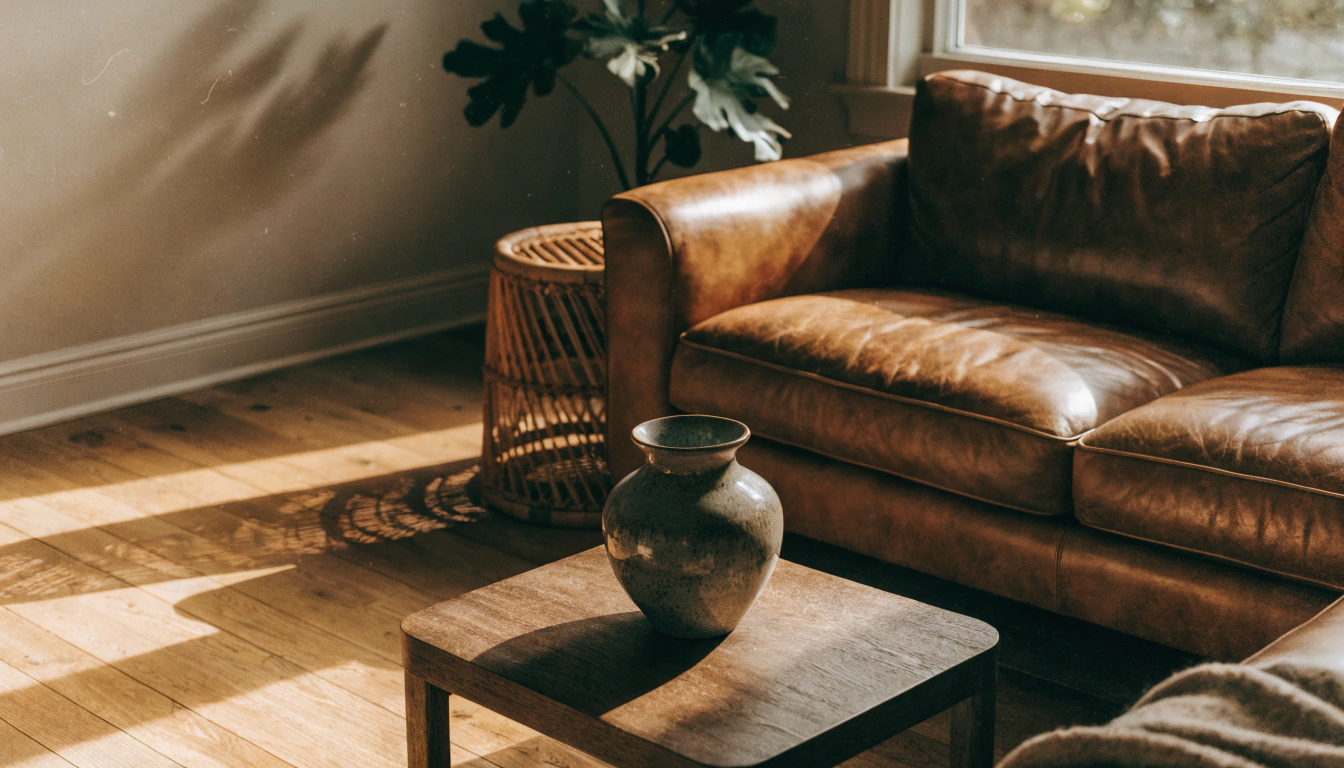
Drop a leather sofa into an empty room, and it can feel cold and heavy. Surround it well, and the same sofa turns warm. Designers pull this off by setting leather against natural wood, and a touch of planning withfurniture that pairs well with a leather sofa turns a single seat into a finished living room.
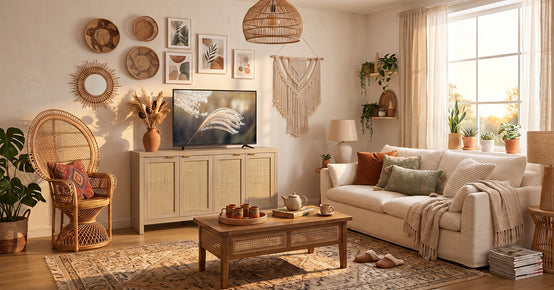
Different types of leather sofas call for different partners. A dark full-grain piece takes warm oak or walnut well, while lighter top-grain and faux-leather couch materials pair better with rattan and pale wood.
Choose a Coffee Table That Balances the Leather

Set a smooth leather sofa beside a smooth lacquered table, and the room goes flat. Texture is the fix. A warm option like a fluted round coffee table loosens up a dark leather sofa, while a space-saving rectangular coffee table suits a tighter room without boxing in the seating.
Warm It Up With Wood and Rattan

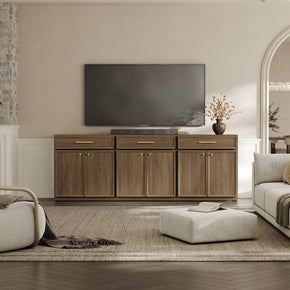
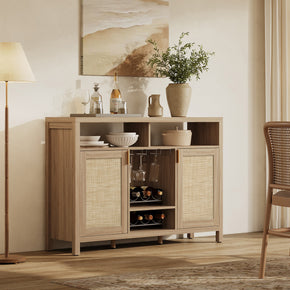
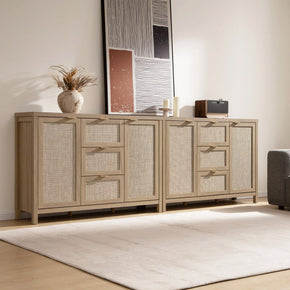
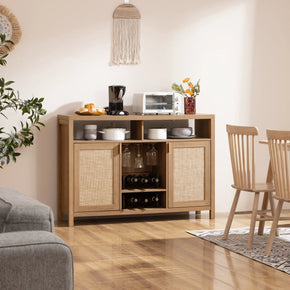
The classic answer to leather's cool shine has always been wood and weave. A browse through wood-and-rattan coffee tables puts that natural warmth within reach, and a rattan media console carries the same organic note across to the media wall, so the whole space reads as one room.
How to Care for Leather Furniture

Leather asks for less care than people fear. Ten minutes a week, a conditioner twice a year, and the finish-specific rules below. Meet it halfway, and a good sofa holds its looks for decades.
Everyday Cleaning
Weekly care is a dry cloth over the surface and a brush attachment in the crevices. Spills get lifted the moment they land, always with a barely damp cloth. The one hard rule is no household sprays, which strip the finish and parch the hide fast.
Conditioning and Protection
Twice a year, work a conditioner in by hand. Supple leather does not crack, and this is what keeps it supple. New products go on a hidden patch first, every time. Sun and heating vents get the same caution, since both bleach and dry a hide so slowly, you only notice when it is done.
Match Care to the Finish
Mild soap and water handle protected and pigmented leather, the low-maintenance end of the scale. At the other end sit aniline and nubuck, which want leather-specific products and a soft hand. A delicate finish or an ugly stain is the moment to stop experimenting and hire a professional.
Style Tips for Leather Furniture

Modern, farmhouse, and everything between can take a leather piece, on one condition. The surfaces around it have to keep changing. Throws and textured pillows do part of the work, and tucking a boho rattan side table beside the sofa finishes the job with a natural, lived-in contrast.
Warm metals help. A plant helps. A patterned rug helps most of all because an all-leather room with bare floors starts to look like a dentist's waiting area. Everything here chases one thing, contrast, and leather never looks better than when something soft is pressed right up against it.
Final Thoughts: Choosing the Right Leather Furniture
One ladder holds all the types of leather furniture, and the leather grades explained above are the rungs. Heirloom hunters climb to full grain at the top. Most homes settle happily on top grain in the middle. A tighter budget steps onto genuine or faux, and the bonded rung gets skipped altogether. From there, it is simple. Match the leather furniture types to the life you actually live, warm the sofa up with natural wood around it, and keep the light care going. Leather couch materials only pay off when they suit the room they land in. The family will pick its favorite seat within a week.
FAQs
What is the best type of leather for furniture?
Match the leather to your top priority:
- Full-grain leather for the longest life and a natural patina.
- Top-grain leather for the best balance of durability and price.
- Pigmented or protected finishes for homes with kids and pets.
- Aniline or semi-aniline for the softest, most natural feel.
What are the different grades of leather furniture?
Ranked from best to worst, the main grades run:
- Full grain is the complete top layer with nothing removed.
- Top grain: the top layer is lightly sanded for a smoother look.
- Genuine or split leather is the weaker lower layer of the hide.
- Bonded leather, ground scraps pressed and coated to look like leather.
Is full-grain or top-grain leather better?
Strength goes to full grain, which loses nothing to sanding and only gains patina with age. Smoothness, uniformity, and a friendlier price go to top grain. Pick full-grain to keep it forever. Pick top grain to live with it easily.
Is genuine leather real leather?
Real, yes. Impressive, no. The word genuine only means the material came from a hide, and in practice, it names the weaker split layer left after the top grain is gone. Budget material, not a badge, and it gives out well ahead of full or top grain.
Is bonded leather worth buying?
Not if you plan on keeping the piece. Only a thin slice of real leather goes into bonded material, and peeling usually starts within a few years. A guest-room chair that gets sat in twice a year can get away with it. A daily sofa cannot.
How long does leather furniture last?
Lifespan follows the grade. Full grain, looked after, runs twenty-five years and beyond. Top grain gives ten to twenty. Bonded can fold in two to five. Color and price predict almost nothing compared to the hide's grade and the care it gets.
What is the most durable leather for a sofa?
On raw toughness, full grain wins, and its untouched fiber structure is the reason. In a real household, the answer shifts. Pigmented or protected top grain usually performs better day-to-day, since the coating acts as a barrier between the leather and spills, scratches, and sunbeams.
Is leather or fabric furniture better?
Neither wins outright. Leather brings toughness, graceful aging, and wipe-clean ease, which is why long-term buyers and pet owners lean toward it. Fabric offers color choices, patterns, softness, and a lower cost of entry. Style, budget, and housemates decide the rest.
Sources
- Woodstock Furniture & Mattress Outlet – Full Grain vs Top Grain vs Split Leather
- The Stated Home – Fine Leather Furniture: A Shopping Guide
- The Real Leather Company – Types of Leather: A Complete Guide
- Octane Seating – A Leather Buying Guide for Furniture
- Rub 'n Restore – Types of Leather Explained
- Stamps Home Furniture – Leather Furniture Grades Explained


Looking for something else?

Burl Wood Furniture: The Complete Buying Guide
LEARN MORE
What Is a Hope Chest? Meaning, History, and Modern Uses
LEARN MORE
What Is a Foyer? Meaning, Purpose and Design Guide
LEARN MORE
GREENGUARD Gold Certified Furniture: What It Really Means for Your Home
LEARN MORELooking for something else?

How to Clean a Mirror Without Streaks: Simple Step-by-Step Guide
LEARN MORE
21 Above-Bed Decor Ideas for a Stylish Bedroom Wall
LEARN MORE
Furniture Materials Guide: Picking the Right Material Room by Room
LEARN MORE


Further reading

18 Decorative Storage Box Ideas That Hide Clutter Well

How to Store Comforters Without Losing Space or Loft


