



What Is a Hope Chest? Meaning, History, and Modern Uses
A hope chest is a lidded storage chest used to collect linens, household goods, and keepsakes for a future home. For most of the last century, young women filled one before they married. The tradition faded. The furniture did not. Painted marriage chests in museum collections show how far back the habit runs. Here is the full picture.
What Is a Hope Chest?

Think purpose, not product. A hope chest once had a narrower job. It held linens, quilts, and household goods a young woman gathered before marriage, ready for the home she would set up.
The word has stretched since. People use it for keepsakes, for baby things, for the boxes that follow someone into a first apartment. The habit outlasted the dowry tradition behind it.
It has traveled under other names too: trousseau chest, dowry chest, bridal chest, glory box, bottom drawer.
The Traditional Definition
A girl received a chest in her early teens, usually from a parent or grandparent. Then came years of slow collecting.
Sheets. Pillowcases. Quilts, towels, tablecloths, china, flatware, cookware.
Some of it was bought a little at a time out of a first paycheck. Much of it was made by hand, which is why old chests are packed with embroidery and crochet work.
What the Chest Represented
Readiness, mostly. Nobody could furnish a home in one week, so the chest spread that cost across ten years.
It also tied a young woman's future to marriage and homemaking. That part has aged badly, and plenty of women who owned one say so freely.
The practical core survived anyway. Buy good things early, use them later.
Why Do They Call It a Hope Chest?

Because everything inside was for something that had not happened yet, the hope was a home of her own.
Furniture makers leaned on that hard. Lane, out of Altavista, Virginia, is the name most people picture. The company built a national campaign around one line: the gift that starts the home.
Wartime ads pushed GIs to buy a Lane hope chest for the sweetheart they were leaving behind, which is how the chests reached so many American homes at once.
Families made jokes of it. Grandfathers called them hopeless chests. One family called theirs the God-knows-when chest. The name outlived the custom.
Where the Hope Chest Tradition Came From
Not one origin. Several customs folded into each other over centuries.
Marriage Chests and Dowry Chests

Wealthy Italian households of the 1300s to 1500s commissioned painted and carved chests called cassoni. They held clothing and precious fabrics, and were carried through the streets in the wedding procession loaded with the bride's dowry.
Storage, status and marriage in one object. That is the ancestor.
Similar customs ran across Europe under other names, and immigrants carried them to North America.
Glory Box and Bottom Drawer
Same idea, different words. Australia said glory box. Britain called it the bottom drawer, which began as a literal drawer set aside for saved linen.
A Museums Victoria study of glory boxes follows migrant women who shipped hand-woven sheets and embroidered pillowcases across the world inside them. Some pillowcases had to be altered on arrival because local pillows were a different size.
Lane Cedar Chests and the American Boom

Lane started in Altavista, Virginia, in 1912. By the 1920s, the ads were running nationally, and during the Second World War the campaign talked soldiers into buying one for the girl back home, with Shirley Temple as its face.
The Girl Graduate Plan ran the same idea in reverse. Dealers handed graduating high school girls a free miniature cedar box, but the girl had to collect it in store with her parents.
Millions went out over the decades that followed. Lane executives later put the total number of miniatures at around 27 million.
Somebody in your family probably still has that little box, holding jewelry or letters. Lane kept building the full-size chests in Altavista until 2001, then the line stopped.
What Goes in a Hope Chest?
It fell into four groups.
Linens and Textiles

Sheets and pillowcases first. Then quilts, blankets, towels, tablecloths, napkins, and whatever had been embroidered that year. Bedding was the bulk of it, and that is how these chests turned into blanket boxes. A wooden storage chest with a lift-top lid does the same job in a bedroom today.
Kitchen and Household Goods
Next came the kitchen. Dishes, flatware, cookware, mixing bowls, a couple of serving pieces. None of it is exciting, and it all costs money at once, which is why people bought it slowly. Some added tools or a sewing kit.
Heirlooms and Keepsakes
Family things went in too. Photographs and letters, a bit of jewelry, handwritten recipes, a christening gown, the family Bible.
No official checklist ever existed. A girl stitching pillowcases in the 1930s and a teenager buying dishes on grocery store wages in the 1970s were doing the same thing.
Hope Chest vs Cedar Chest: What Is the Difference?

The Difference in Plain Terms
A hope chest is about what the chest is for. If somebody fills it with things for a future home, or keeps family pieces in it for the children, that is a hope chest—Oak, pine, painted, even metal.
A cedar chest only tells you what it is made of. Material and purpose are separate. Cedar is what the box is made from. A hope chest is what the box is for.
A cedar chest counts as a hope chest only when someone fills it for a future home or keeps family pieces safe. Plenty of hope chests were never cedar. A cedar chest holding beach towels is just storage.
Why Nearly All of Them Were Cedar
Cedar smells good, resists rot, and was cheap and plentiful across the American South as the furniture industry grew there.
It is oversold as pest protection, though. The International Quilt Museum goes further. It says cedar chests and closets may do almost nothing to keep moths or carpet beetles away. What protects the linen is a lid that shuts tight.
Common Types of Hope Chests
The Old Trunk Shape
This is the shape most people picture. A long box with a lift top and no legs, heavy enough to stay where you put it. Usually at the foot of a bed or against a hallway wall.
Bench Style

The top is flat and low, so you can sit on it to pull on your shoes. Storage is second here. A flip-open storage bench gives you the same hidden space, and it is far easier to move than an old trunk.
Domed Top and Antique Pieces
Curved lids look the part but cannot double as a seat or a surface. Inherited chests often carry carving, inlay, or original paint, and it's worth keeping them intact rather than sanding them back.
What Are the Chests at the End of a Bed Called?

Depends on the build. A lift-top chest used for bedding is a blanket chest. A padded one you can sit on is a storage bench. A luggage-style piece with handles is a trunk.
Position does not decide it. A storage bench seat for the foot of the bed only becomes a hope chest if you use it like one, and a coffee table with a drawer never qualifies.
Do People Still Use Hope Chests?
Yes, under new rules.
As a Keepsake or Memory Chest
This is the common use now. Report cards, baby handprints, negatives, school art, letters, a folded wedding dress. One mother buys three ornaments a year, one for each child, and hands the collection over when they move out.
As a First Home Box for Any Child

Same logic as 1955 with the gender dropped. Pots, pans, a decent knife, towels, bedding, a plunger, a small tool kit. A flip-top bench with hidden storage keeps it all out of sight until moving day.
Parents doing this tend to say the same thing. They started adult life with dollar-store housewares and would rather their kids didn't.
As a Family Time Capsule
Recipes in a grandmother's handwriting. Photographs, milestone objects, a christening gown. Each generation adds something, and nothing gets thrown out during a move.
What an Old Hope Chest Is Worth
New and old are two different markets. New chests are priced by construction. Engineered wood sits at the bottom, solid-wood joinery in the middle, and handmade cedar-lined pieces at the top.
Vintage is messier. No single figure holds up, because the resale market for these chests is local, and the same model can swing widely from one city to the next.
Five things move the number more than age does:
- Recall status. A chest still carrying its original self-latching lock is a safety liability before it is a sale.
- Model and era. Certain designs and finishes keep buyer interest. Plain late-production pieces do not.
- Condition and completeness. The original tray, working hinges, intact veneer, and a clean cedar lining.
- Local demand. Buyers for heavy furniture are usually local enough to collect it.
- Freight. Shipping something this heavy often costs more than the chest earns.
Check it yourself rather than trusting a published range. Filter a marketplace to completed or sold listings, match your own model and condition, then limit results to your region. That number beats any national average.
Museums do not fill this gap. The Virginia Museum of History and Culture holds the Lane records but states that it does not appraise chests. A local auction house or antiques dealer is the next best option.
How to Date a Lane Chest in One Minute

The serial number is stamped inside the lid or under the tray. Read it backward for the build date. The Virginia Museum of History and Culture uses 553170 as its example, which comes out as 13 July 1955. YYMMDD, flipped.
Safety and Storage Before You Fill It
Check the Latch on Any Older Chest

Lane and Virginia Maid chests from 1912 to 1987 have a lid that locks by itself when it shuts, and there is no way to open it from the inside. The US Consumer Product Safety Commission has recorded 14 children who suffocated in one between 1977 and 2015.
Nobody supplies the replacement latch now, so the CPSC says to take the lock off and bin it. The same warning covers toy chests, blanket chests, benches, and trunks where the lid support gives out and the lid comes down hard.
If kids are around, add a lid support, and never sell a chest with the old lock on it.
Line It Before the Linens Go In
Wood and old fabric are not good neighbors. Cedar included. The wood gives off a mild acid that turns linen yellow where the two touch.
So put a layer in between. Washed unbleached muslin or acid-free tissue across the base and sides, then wrap the quilts in the same thing. Smithsonian conservation staff suggest unbuffered tissue for silk and wool, and buffered tissue for cotton and linen.
Refold the quilts twice a year so the creases never set for good. Keep the chest in a room you actually live in. Attics get hot, basements get damp, and both are hard on old cloth.
Final Thoughts

Strip out the marriage requirement and something useful is left. Buy good things slowly, keep what matters, hand it on. That works for a daughter, a son, or yourself.
The chest matters less than the habit. If you want it to fit the rest of the room, look through a wider range of home storage furniture first. But a plain pine box holds the same things as a carved cedar one.
FAQs
Why do they call it a hope chest?
The things inside were saved for a life that had not started yet, and for most of the last century that meant marriage and a first home. Furniture makers pushed the romance of it hard. The name stuck long after the custom faded.
Do people still use hope chests?
Yes, though rarely for a wedding. Most are used three ways now:
- As a blanket chest or bedding store at the foot of a bed.
- As a keepsake box for photos, letters, and childhood things.
- As a first home collection for a son or daughter moving out.
What is the difference between a hope chest and a cedar chest?
One word covers it: purpose. A hope chest gets its name from what goes in it and why. A cedar chest gets its name from the wood. Loads of chests are both, which is why the two words get mixed up.
How much do hope chests cost?
New ones start with cheap engineered wood boxes and climb past a thousand dollars for handmade solid wood. Old Lane chests mostly sell for $150 to $450, with early designs fetching more. Condition counts for more than age.
What is a girl's hope chest?
That is the old version. A girl got a chest in her teens and filled it with linens, dishes, and things she had made for the home she would run once she married. A modern one needs no gender and no wedding. Most of them now just sit with the rest of the bedroom furniture.
What is a hope chest called now?
Shops name it for the job it does now, not the old meaning:
- Blanket chest or blanket box, if it holds bedding.
- Some shops call it a storage chest or keepsake chest.
- Storage bench or end-of-bed bench, if you build the top for sitting.
What are the chests at the end of a bed called?
It depends on how you build it. A lift-top box for bedding is a blanket chest. If the top is made for sitting on, it is a storage bench. The one with side handles is a trunk. Any of them works as a hope chest.
Sources
- Virginia Museum of History and Culture – Lane Cedar Chest
- US Consumer Product Safety Commission – Remove Latches and Locks on Lane and Virginia Maid Cedar Chests
- US Consumer Product Safety Commission – The Dangers of Storage and Toy Chests
- The Metropolitan Museum of Art – Cassone, Italian Renaissance Marriage Chest
- Museums Victoria – Glory Boxes: Femininity, Domestic Consumption and Material Culture
- International Quilt Museum – Care and Conservation of Quilts and Heirloom Textiles
- Smithsonian Museum Conservation Institute – Acid-Free Tissue Paper for Textile and Costume Storage


Looking for something else?
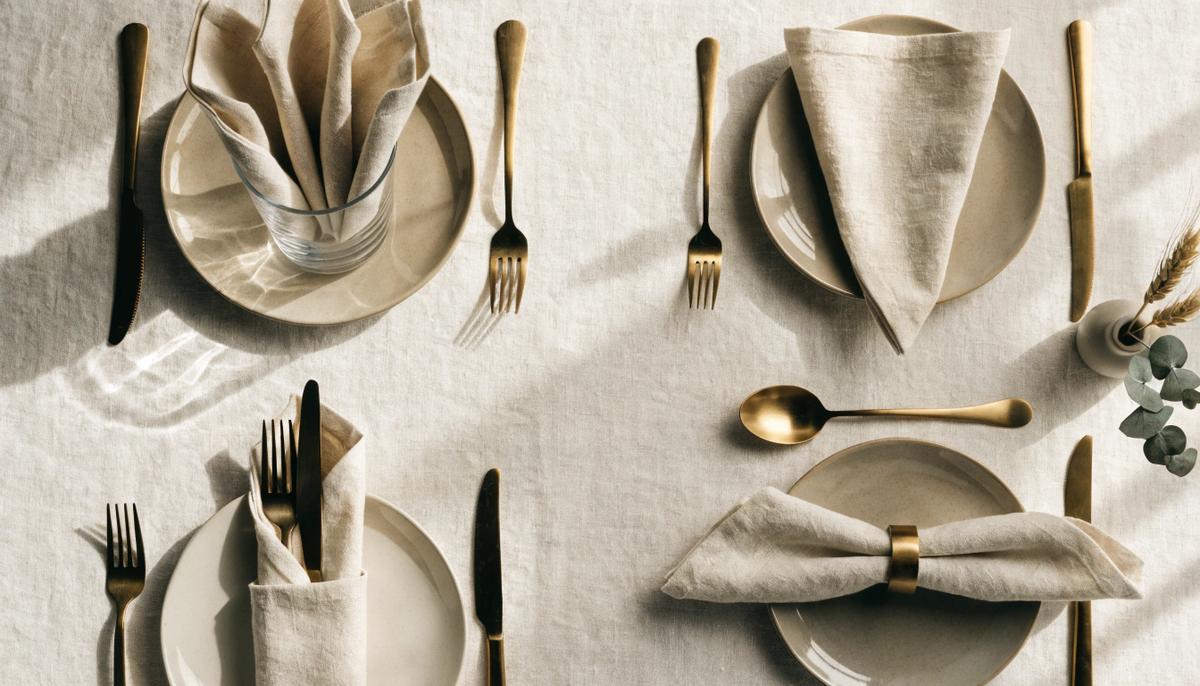
How to Fold Napkins: 10 Easy Ways to Dress Up Any Table
LEARN MORE
How to Choose a Coffee Table: The Complete Buying Guide
LEARN MORE
Burl Wood Furniture: The Complete Buying Guide
LEARN MORE
What Is a Hope Chest? Meaning, History, and Modern Uses
LEARN MORELooking for something else?

What Is a Foyer? Meaning, Purpose and Design Guide
LEARN MORE
GREENGUARD Gold Certified Furniture: What It Really Means for Your Home
LEARN MORE
How to Clean a Mirror Without Streaks: Simple Step-by-Step Guide
LEARN MORE


Further reading

Furniture Distance From a Fireplace: How Far Is Safe?

How to Clean Wood Furniture and Keep the Finish Intact


