




Japanese Decor Ideas to Create a Calm, Balanced Home
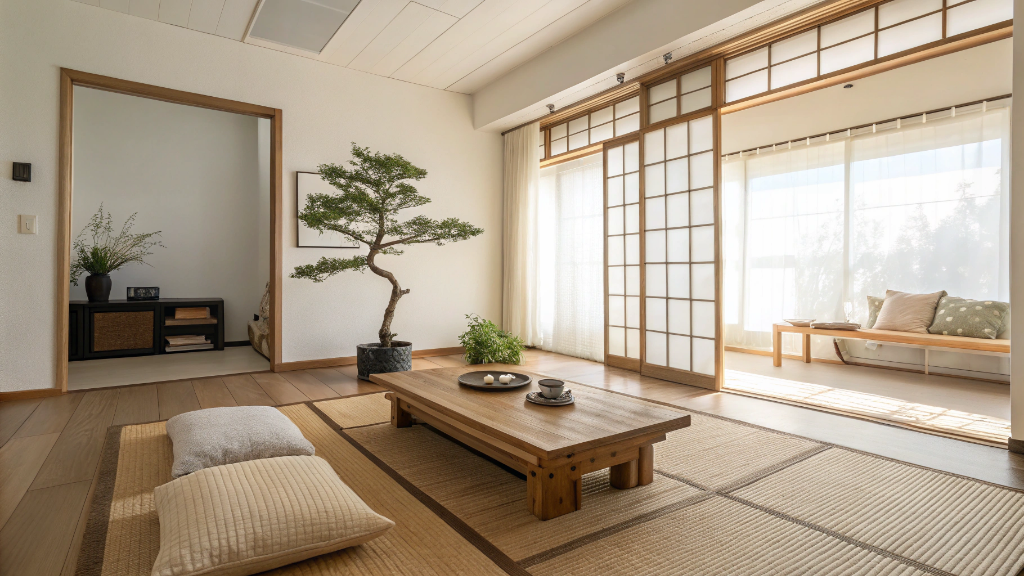
My neighbor gutted her living room last spring. Sold the oversized sectional. Got rid of the gallery wall. Replaced everything with a low wooden table, two floor cushions, and a single bonsai near the window. I walked in and honestly thought she was still moving in. Then I sat down. Five minutes later, I didn’t want to leave.
That’s what good Japanese decor ideas do. They strip away the noise and hand you back your own space—no clutter fighting for attention. No furniture, you walk around sideways: just calm, natural materials, and room to breathe. Whether you’re renting a tiny studio or rattling around a house with too many rooms, this guide gives you 16 real ways to bring that feeling home. No theory lectures. No shopping sprees. Just stuff that works.
What Defines Japanese Decor?

Most people hear “Japanese decor” and picture cherry blossom wallpaper and a bamboo fountain on the coffee table. Nah. That’s not it. Real Japanese home decor is a mindset before it’s a look. Balance. Function. Restraint. Genuine respect for natural materials. Get those four things right, and the rest falls into place without a mood board.
Less, But Better
I used to think more stuff equaled a more “finished” room. Then a friend who spent three years in Kyoto came over and gently pointed out that my bookshelf looked like a yard sale had exploded on it. Harsh? Little bit. True? Completely.
Japanese minimalism isn’t bare walls and empty shelves. It’s choosing ten things you genuinely love over fifty things you grabbed at Target on autopilot. The concept of danshari—releasing what no longer serves you—is where every Japanese room starts. Try it on one shelf. You’ll feel the difference before lunch.
Nature as the Main Design Language
Wood. Bamboo. Stone. Cotton. Linen. Plants. That’s not a materials list—it’s practically the whole Japanese interior design vocabulary. Light-colored woods like birch and ash get used everywhere because they feel warm without being heavy.
And plants? In a Japanese room, they’re not decorations. They’re a quiet reminder that the world outside your window matters. A single bonsai on a shelf does more heavy lifting than a gallery wall ever could. I’m not exaggerating.
Beauty in Imperfection
Wabi-sabi. Two words that changed how I look at literally everything in my house.
That crack in a ceramic cup? Beautiful. A wooden tray that’s gone dark after years of morning coffee? Even better. The linen curtain that refuses to hang straight,t no matter what you do? Leave it. That’s wabi-sabi talking. It finds beauty in the marks that time and use leave behind. Factory-perfect rooms feel like hotel lobbies. Wabi-sabi rooms feel like somebody actually lives there.
Key Japanese Decor Principles to Follow
Consider this your cheat sheet. Four rules that make every other decision easier.
Use Ma: Leave Space Between Things
Ma means negative space. Not “empty”—intentionally empty. The gap between two objects on your shelf isn’t wasted real estate. It’s part of the design.
I cleared off my fireplace mantle two years ago. Left one ceramic vase and a tiny succulent with about eighteen inches of nothing between them. My wife asked if I was having some kind of breakdown. Three weeks later, she admitted it looked better than anything we’d arranged before.
Choose Low, Grounded Furniture
Platform beds. Squat coffee tables. Floor cushions where chairs used to be. Japanese furniture sits close to the ground,d and it changes the whole geometry of a room. Your sightline travels further. Walls look taller. Even a cramped room feels like it gained square footage overnight.
Keep Colors Soft and Natural
White. Cream. Warm beige. Soft gray. Anything that looks like it came from a forest floor or a sandy beach. Maybe a splash of indigo blue if you need an accent—that’s been a Japanese textile staple for centuries. But bold patterns? Neon accents? Leave those for a different style.
Let Light Feel Soft
You know that fluorescent ceiling light in your kitchen that makes everything look like a hospital? Japanese decor is the opposite of that. Paper lanterns. Washi lamps. Warm bulbs. Daylight filtering through sheer fabric. The goal is glow, not glare.
16 Japanese Decor Ideas to Transform Your Home
Enough philosophy. Here’s the practical stuff—sixteen ideas that work in regular houses and apartments. You don’t need all sixteen. Grab three or four that speak to you and start there.
1. Use Shoji Screens to Divide Space

Shoji screens—wood lattice frames with translucent paper panels—are room dividers that let light pass through. Studio apartment? Put one between your bed and your desk. Open living room? Create a reading nook. Got cats who destroy paper? Acrylic panels exist now. Problem solved.
2. Lay Down Tatami Mats or Tatami-Style Rugs

Real tatami mats are woven from rush grass over a straw core. They’ve been the standard flooring in traditional Japanese rooms for hundreds of years. Beautiful, yes. High-maintenance? Also yes. For most American homes, modular tatami-style mats are the smarter call. Toss one under a low table or in a meditation corner. Same earthy feel, way less fuss.
3. Hang Noren Curtains in Doorways

Split fabric panels hung in doorways. That’s noren. They add character, softly divide space, and cost less than a nice dinner out. Cotton or linen, hand-dyed patterns, seasonal designs. Renters especially love these because they don’t require a single nail hole.
4. Start with a Low Wooden Coffee Table

This is the anchor piece. One low, simple table in light wood. Floor cushions around it. Maybe a low-profile couch behind those. Suddenly, the whole living room opens up.
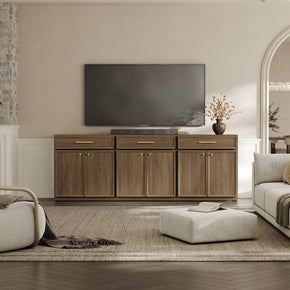
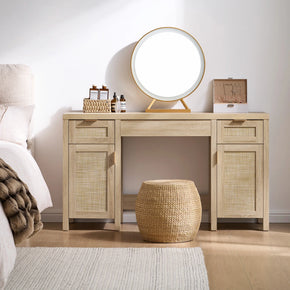
If you need storage built in (and honestly, who doesn’t), the Savanna Console Table pulls double duty—grounded look, three drawers hiding the clutter.
5. Add Floor Seating with Zabuton Cushions

Zabuton are flat cotton floor cushions. Japanese families use them at the dinner table, during tea, while reading. They’re surprisingly comfortable once you get used to them. Quick warning, though—your knees will have opinions in the first week. Start with one cushion in a corner before converting your whole dining room.
6. Place a Bonsai Tree as a Living Focal Point

One bonsai. One shelf. Done. That’s actually the whole tip. You don’t need an indoor jungle. One well-placed plant outperforms a dozen scattered ones every single time. Lucky bamboo or a simple fern works too if bonsai feels like adopting a pet you’re not ready for.
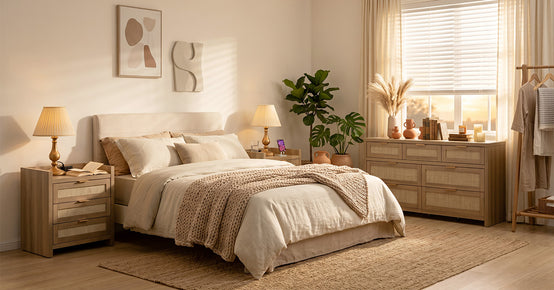
7. Choose Simple, Low-Profile Bedroom Furniture

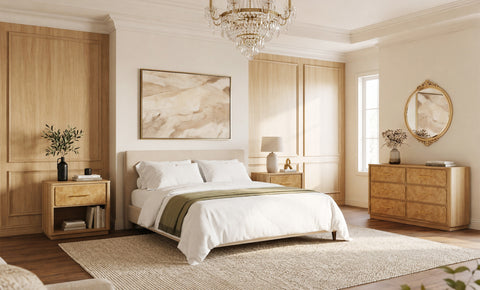
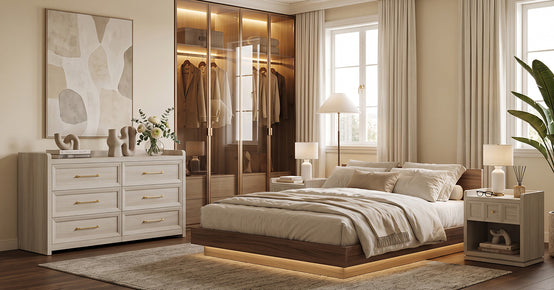
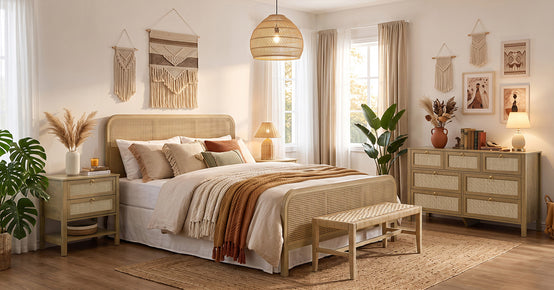
Japanese bedrooms are almost aggressively peaceful. Low platform bed, clear nightstand, one lamp, one book. That’s the whole recipe. If you’re hunting for nightstands that fit this look, browse minimalist nightstands in warm wood tones for bedrooms. Clean face, nothing screaming for attention.
8. Use Paper Lanterns for Warm Lighting

Washi paper stretched over a bamboo skeleton. Warm bulb tucked inside. Hang it in a hallway or a bedroom corner. Been doing this in Japanese homes since before electricity—they just swapped candles for bulbs. Still works beautifully.
9. Display Handmade Ceramics

Japanese pottery is wabi-sabi in physical form. Uneven glazes. Gritty textures. Colors that shift when the light changes. Grab two or three handmade bowls, put them on open shelving in your kitchen. They’re decorative AND functional. The Japanese wouldn’t have it any other way.
10. Create a Small Tea Corner

This one genuinely changed my mornings. A small wooden tray is near the kitchen window. Teapot. Two cups. A ceramic vase with one stem of whatever’s blooming outside. Making tea there instead of at the cluttered counter made my morning feel… slower? Calmer? Hard to explain. Just try it.
Worth knowing: A tea corner doesn’t need its own room. A windowsill, the end of a kitchen counter, a side table nobody uses—any of those work. The ritual is the point. Not the real estate.
11. Keep Your Nightstand Minimal and Functional

I just looked at my nightstand. Phone charger cord. Three books I’m “currently reading” (haven’t touched two of them in months). A candle I never light. An empty glass. That’s the opposite of Japanese.
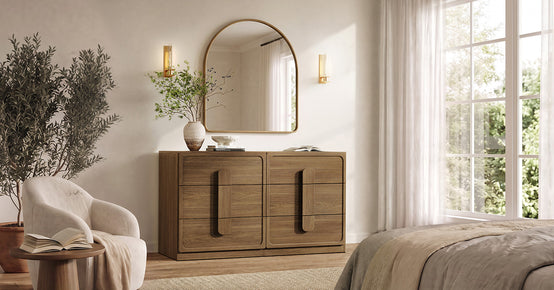
The fix is a nightstand with drawers that actually close. The Savanna Nightstand with 3 Drawers swallows all that mess: warm wood, clean top, everything out of sight. Brain quiets down. Sleep gets easier.
12. Use Bamboo and Wooden Storage in the Kitchen

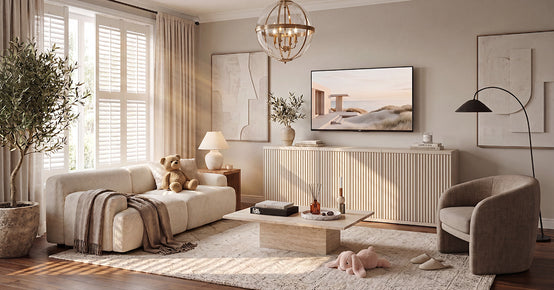
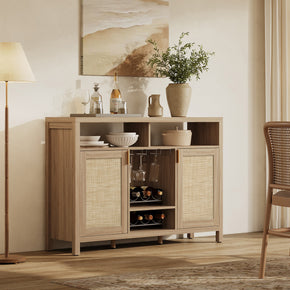
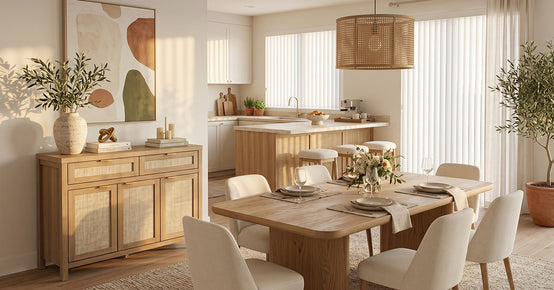
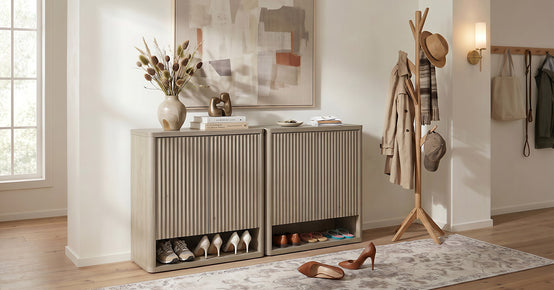
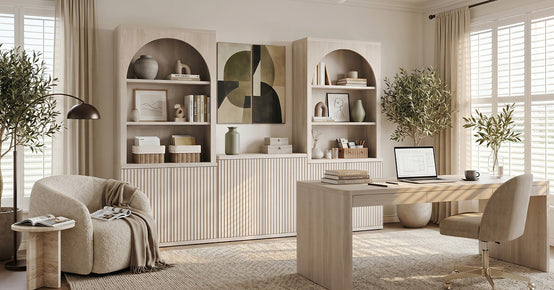
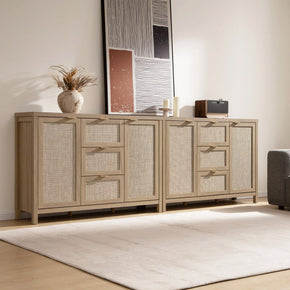
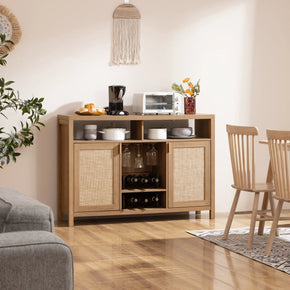
Japanese kitchens look clean because clutter lives inside something. Bamboo trays hold utensils. Wooden boxes organize tea bags. Open shelves display only what you actually use daily. The Stria Sideboard Cabinet with 2 Doors works like a champ here—clean face on the outside, organized chaos on the inside. Dining rooms and hallways, too.
13. Hang Furoshiki or Tenugui as Wall Art

Furoshiki are Japanese wrapping cloths. Tenugui are cotton hand towels. Both come in gorgeous patterns—florals, geometry, seasonal stuff. Frame one (or just pin it). Swap it out whenever you’re bored. Weighs nothing. Costs less than a framed print. Perfect for commitment-phobes and renters.
14. Style One Quiet Focal Point per Room

Every room needs one thing your eye settles on. ONE thing. Not the seventeen things currently fighting for attention on your wall. A calligraphy scroll. A tall vase with a single branch. A bookshelf with breathing room between objects.
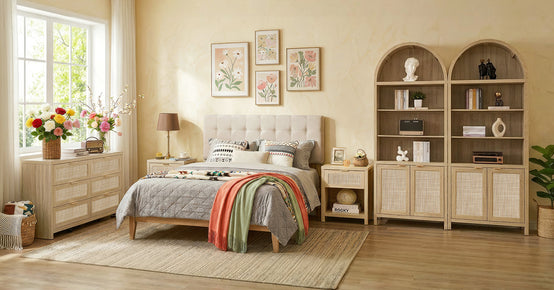
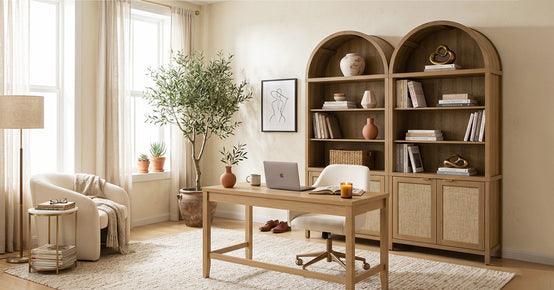
The Willow 75-Inch Tall Bookshelf gives you height and display space without the visual weight of a massive entertainment center.
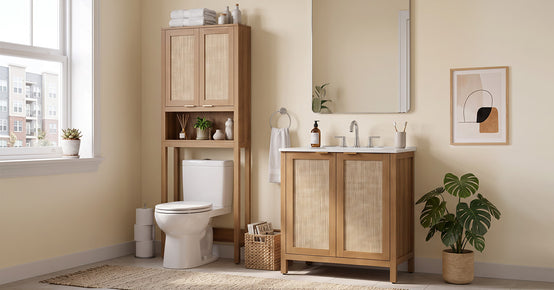
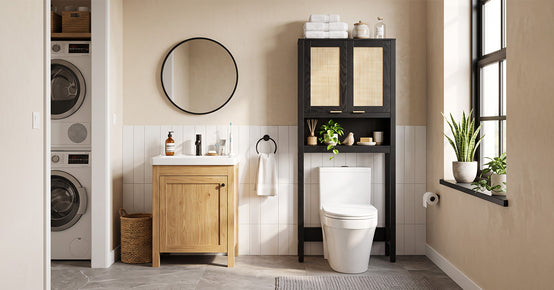
15. Add Wood, Stone, and Soft Towels to the Bathroom

Onsen vibes—that’s what you’re going for. A wooden bath stool. Stone soap tray—neutral towels folded (not bunched). Products are hidden in baskets rather than lined up on the counter like a drugstore display—one small plant. Warm lighting. You’ll feel like you’re at a spa every morning.
16. Use Sliding or Folding Dividers in Small Spaces

A shoji screen between your sleeping and living areas in a studio? Massive difference. Noren curtains hung across an open archway? Instant coziness. These dividers fold flat when you want the room open. Every small-space dweller should own at least one.
Japanese Decor Ideas Room by Room
Japanese Living Room Decor

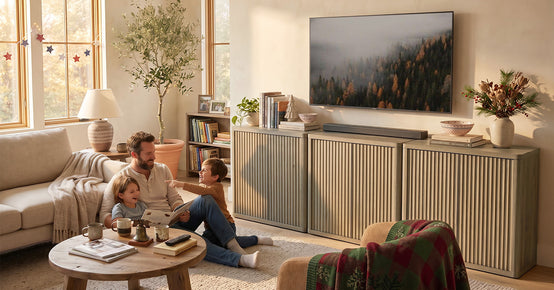
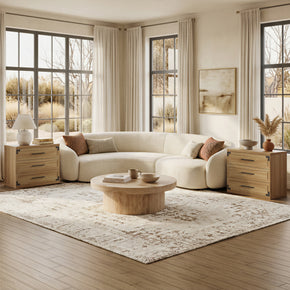
Low seating. One coffee table. One plant. Soft lighting. Walls that aren’t screaming at you. That’s it. Sounds too simple? Walk into any room that follows these rules and tell me it doesn’t feel better than your current setup.
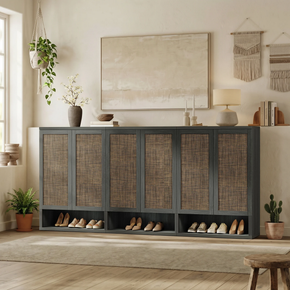
Need hidden storage to keep the room clean? Check out clean-lined sideboards and buffet cabinets that do the heavy lifting behind closed doors.
Japanese Bedroom Decor

Low bed. Cotton or linen sheets. Neutral colors. One lamp on each side. Floor completely clear. Your brain needs visual silence to sleep properly—most bedrooms are the visual equivalent of someone shouting.
Japanese Kitchen and Dining Decor

Open shelves with ceramic bowls you actually use. Bamboo drawer organizers. Matte surfaces. Earth tones. A tea corner, if youhave the counter space. The kitchen should feel intentional. Like any other applicant, I applied for the job and was hired on merit.
Japanese Bathroom Decor

Wood accents. Stone textures. Products behind doors, not displayed. One bamboo mat. One green plant. Neutral towels. Warm light. Congratulations—you just built a spa for the cost of a few accessories.
Modern Japanese Decor vs Traditional Japanese Decor

Traditional Japanese Decor
Tatami floors. Futons you roll up every morning. Shoji screens. Noren curtains. A chabudai table that barely clears your ankles. Tea ceremony tools—everything natural, everything flexible, nothing permanent.
Modern Japanese Decor
Same soul, easier execution. Platform bed instead of a floor futon. Paper lamp instead of a traditional lantern. Neutral modern furniture with a couple of authentic Japanese details mixed in. The calm stays. The strict tradition relaxes.
Which One Works Better in an American Home?
Blend them. Use the principles—minimalism, natural materials, soft light. Then drop in two or three real Japanese touches. Noren is in a doorway. Ceramic bowl on the kitchen counter. Bonsai on the bookshelf. 80% of the effect, 0% of the renovation.
What Is Japandi Style and How Is It Different?

Why It Is Called Japandi
“Japan” plus “Scandi.” Someone mashed the words together around 2016, and it stuck. Both cultures worship wood. Both hate clutter. Both think your home should make you feel calm, not anxious. The overlap was always there—somebody just finally named it.
Japanese Decor vs Japandi Decor
Japanese decor pulls from centuries of cultural philosophy—wabi-sabi, ma, all of it. Japandi borrows that restraint but wraps it in Scandinavian hygge coziness. Fluffier textiles. Warmer lighting. Furniture with slightly softer edges. Both are minimal. Japandi just wants you to grab a blanket while you’re at it.
When to Choose Japandi
Live somewhere cold? Want the Japanese calm, but your rooms feel arctic when you go too minimal? Japandi bridges that gap perfectly. All the peace, none of the chill.
How to Decorate a Small Home in Japanese Style

This is where Japanese design goes from nice-to-have to genuinely life-changing. The whole tradition was built in a country where apartments are the size of American walk-in closets. These ideas were literally designed for tight spaces.
Use Flexible Room Dividers
Shoji screens. Noren curtains. They create rooms without building walls. Fold them flat when you need everything open. Non-negotiable if you’re in a studio.
Pick Furniture That Does More Than One Job
Storage benches. Tables with hidden drawers. Stackable floor cushions. In Japanese design, multi-functional furniture isn’t a budget compromise. It’s the standard.
Keep the Floor Visually Open
Low furniture. Hidden storage. Fewer things touch the ground. Skip the heavy area rug that visually eats half the room. A more visible floor equals a bigger-feeling space. Works every time.
Reality check: Floor futons need regular airing—they’ll get moldy if you skip it. Tatami hates humidity. Cats and paper screens are sworn enemies. Don’t fight your circumstances for an aesthetic. Adapt.
Common Mistakes to Avoid with Japanese Decor

Using Too Many Japanese Symbols at Once
Fans. Lucky cats. Dragon art. Paper lanterns. Calligraphy scrolls. Bamboo everything. All in one room. That’s not a home. That’s a gift shop. Pick two or three elements maximum. The rest of the room needs to be quiet.
Choosing Decor That Isn’t Functional
If it doesn’t do something useful and it’s not genuinely beautiful, it’s clutter wearing a costume. Japanese rooms don’t have decorative freeloaders.
Ignoring Maintenance
Natural materials need love. Tatami mats, paper screens, wooden trays—they all ask something of you. Google the care requirements before you buy. I learned the hard way that real tatami and my humid apartment are not friends.
Making the Room Too Empty
There’s a difference between minimal and depressing. A bare white room with nothing in it isn’t Japanese. It’s just bleak. Wood grain adds warmth. Linen adds texture. A warm lamp adds soul. The room should feel calm, not abandoned.
FAQs
How to decorate in Japanese style?
Declutter first. That’s step one, and honestly, it’s half the battle. Take everything off the shelves and put back only the stuff you genuinely love or actually use. Then swap in natural materials—wood, bamboo, stone, cotton, linen. Lower your furniture. Get soft lighting—paper lamps, warm bulbs, nothing fluorescent. Stick to whites, beiges, and wood browns. Finish with one or two meaningful pieces. A ceramic vase. A small plant. Done. The whole approach runs on restraint, not emptiness.
What is the 3-5-7 rule in interior design?
Odd-number styling. Group objects in clusters of three, five, or seven on shelves, mantels, and tabletops. Our brains find odd numbers more natural and visually interesting than even groupings—your eye moves across them instead of locking into boring symmetry. Huge in Japanese spaces where every grouping should feel deliberate, not like things randomly ended up there.
How do I make my room more Japanese?
Biggest impact move: declutter. Second: lower your furniture. Swap the tall bed frame for a platform. Ditch heavy curtains for sheers or bamboo blinds. Add one plant. One piece of art that actually means something to you. Soft warm lighting everywhere you can manage it. More wood tones. Fewer plastic surfaces. You’ll notice the shift within a single weekend.
What are the 7 rules of the Japandi home style?
Seven things run through every solid Japandi room: simplicity in form, function baked into every object, natural materials from floor to ceiling, neutral earthy colors, craftsmanship you can see and touch, warmth through texture and light, and serious clutter discipline. Japanese restraint meets Scandinavian coziness. That’s the whole formula.
What are the 4 P’s of Japanese culture?
Not an official doctrine, but the shorthand people use is politeness, punctuality, precision, and patience. Translate that to home design? It means careful material choices, detail-obsessed execution, genuine respect for your living space, and building a room slowly over months rather than filling it in with one frantic Amazon order.
What is the 3-4-5 rule in interior design?
A layering formula to prevent rooms from going either too matchy or too chaotic. Three patterns in the room. Four design influences or eras. Five colors or textures. In Japanese-inspired spaces, this is how you keep a neutral palette from going flat—you layer linen against wood grain, ceramic, stone,and cotton until the room has depth without visual noise.
What are the 4 pillars of Japanese philosophy?
For home design, four ideas do the heavy lifting: wabi-sabi (beauty in cracks and aging), ma (space as a design choice, not a mistake), kanso (strip away anything unnecessary), and shibui (quiet beauty that takes a minute to notice). Together, they build rooms that feel considered and lived-in rather than showroom-staged.
Why is it called Japandi style?
“Japan” plus “Scandi” squished together. The style blends Japanese minimalism with Scandinavian hygge warmth. Both cultures worship natural materials, clean, functional design, and homes that reduce stress rather than add to it. Designers spotted the obvious overlap around 2016, somebody coined the term, and now it’s all over Pinterest. Deservedly so.
Final Thoughts: Start Small and Keep the Space Calm
You don’t need a renovation. You don’t need a budget. Pick one room. Take stuff out of it. Add warm lighting and one piece made from real wood, clay, or cotton.
That’s the entire secret behind Japanese decor ideas. Patience over panic-buying. Intention over impulse. If you’re looking for furniture that actually supports this way of living—clean lines, natural finishes, no unnecessary drama—browse modern home furniture at Sicotas. A calm home builds one good decision at a time.
Sources
- Britannica — “Tatami” — Factual reference for tatami construction, materials, and role in Japanese architecture.
- Japan Guide — “Traditional Japanese-style Tatami Rooms” — Authentic examples of tatami rooms, shoji, futon bedding, and traditional interior layout.
- Rocky Mountain Hardware — “Japandi Interior Design Explained” — Design guide covering Japandi origins, wabi-sabi and hygge roots, and material selection.
- Japan Objects — “What Are Tatami Mats? 15 Things You Need to Know” — Detailed guide on tatami types, sizing, care tips, and modern Western adaptations.
- Web Japan — “The Evolution of Tatami” — Government-backed resource on tatami evolution and modern modular innovations.
- Japan Living Guide — “A Guide to Tatami and Tatami Mats” — Practical guide on tatami history, regional sizing, maintenance, and cultural etiquette.


Looking for something else?

Furniture Materials Guide: Picking the Right Material Room by Room
LEARN MORE
How to Mix Wood Tones Without Making a Room Look Mismatched
LEARN MORE
18 College Apartment Furniture Ideas That Save Space and Money
LEARN MORE
Types of Entertainment Centers: 11 Designs and How to Pick One
LEARN MORELooking for something else?

Curio Cabinet Decor Ideas: How to Style a Display Cabinet Without the Clutter
LEARN MORE
Curved Furniture: How to Style, Measure, and Buy It in 2026
LEARN MORE
What Is Rattan Furniture? A Buyer Guide to Types and Care
LEARN MORE


Further reading

How to Choose a Nightstand for a CPAP Machine

How to Choose a Shoe Cabinet for Men's Sizes, High-Tops, and Bulky Shoes


