



Chest of Drawers vs Dresser: Key Differences and Which One to Choose
People ask us about chest of drawers vs dresser all the time, and honestly it's mostly a question of shape. A chest is tall and fairly slim, with drawers stacked one on top of the other.
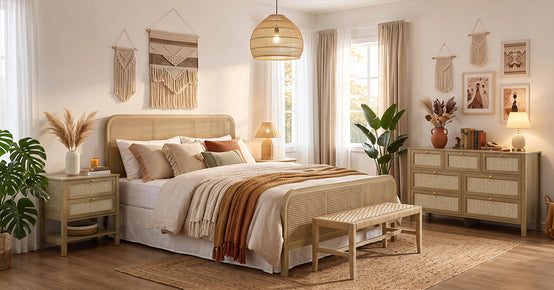
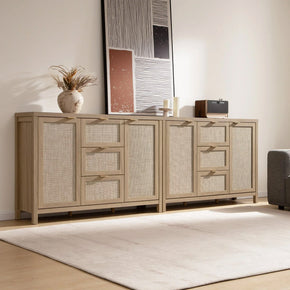
A dresser sits lower and runs wider, with drawers side by side and a flat top you'll use every day.
Both hold clothes. They just use your room in very different ways. Part of the mess is vocabulary, too. Americans and Brits don't fully agree on whether "chest of drawers" means "dresser," and the dictionaries list both meanings, which doesn't exactly help.
Below, we cover sizes, drawer layout, storage space, and what fits in a small bedroom. We also cover wall anchors and a few old names, like bureau and highboy, that still trip people up when they shop.
Chest of Drawers vs Dresser at a Glance
If you only have a minute, the dresser vs chest of drawers table below has the basics.
|
What to compare |
Chest of Drawers |
Dresser |
|
Shape |
Tall and narrow |
Low and wide |
|
Height on most models |
44 to 60 inches |
26 to 36 inches |
|
Width on most models |
30 to 40 inches |
50 to 70 inches |
|
Drawer layout |
One stack, top to bottom |
Two or three stacks next to each other |
|
Floor space |
Takes up little floor |
Wants a long, empty wall |
|
Top surface |
Small and often high |
Wide and easy to reach |
|
Mirror |
Rarely paired with one |
Often paired or hung above |
|
Best for |
Small rooms and tight walls |
Bigger rooms, or two people |
We'd treat those numbers loosely, since the difference between a dresser and a chest of drawers can be subtle. Brands all measure a bit differently, and the exact same piece can show up under both names on two different sites.
What Is a Chest of Drawers?

Height is the whole idea. A chest of drawers goes up the wall, not along it.
Four to six drawers stacked in a single column is pretty normal, and on some models the top one is split into two little drawers, which is where socks and jewelry tend to end up.
Because it grows tall, it uses very little floor space. That is why they show up so often in apartments, guest rooms, and kids' rooms too.
Take a look at the Helio chest of drawers if you want a sense of how much clothing storage fits on one narrow wall.
Where a Chest Works Best
A chest earns its keep in tight layouts. You can tuck one into spots where anything wider would block a door or make you turn sideways to get past it.
• Narrow walls between a door and a window
• Small bedrooms and studio apartments
• Corners next to a closet
• Overflow storage next to a dresser you already own
The top is small and usually sits above waist height. A lamp or a plant is fine up there. We wouldn't try to do makeup in front of it, though.
What Is a Dresser?

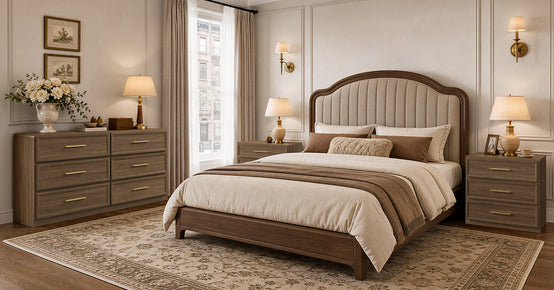
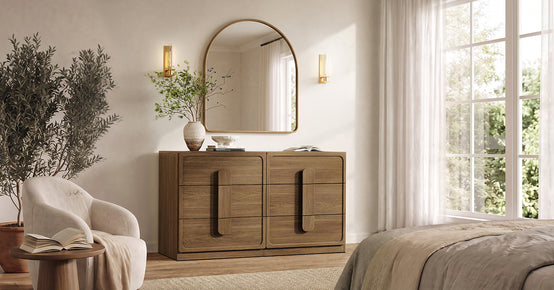
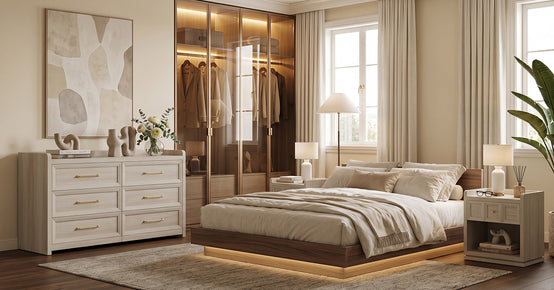
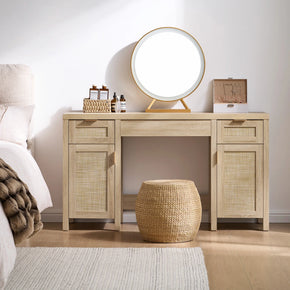
Dressers go the other way: low, wide, drawers in rows. Six drawers in two columns is the layout most people picture, but the bigger ones can have seven, eight, even nine drawers spread over three columns.
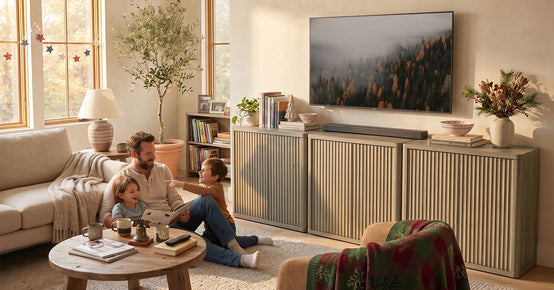
The wide top is the real bonus. A mirror usually goes there, maybe a lamp and a little dish for keys. In a lot of small apartments, it ends up as the TV stand too. Browse these low, wide bedroom dressers to see how many layouts fit this shape.
Where a Dresser Works Best
You need a long stretch of wall with nothing in the way. The classic spot is across from the bed. Under a window works well too, since the dresser is low enough not to block the light.
• Primary bedrooms with open wall space
• Couples who split drawers left and right
• Rooms that need a mirror at standing height
• Living rooms, as a media console or entry storage
6 Key Differences Between a Dresser and a Chest of Drawers
1. Height and Shape
This is the big one. On most adults a chest comes up to about chest height (handy, given the name), while a dresser stops around the waist. One stores up and the other stores across.
Tall chests aren't new, by the way. Boston cabinetmakers were already building high chests of drawers by the 1730s, long before the low bedroom dresser took over.
2. Drawer Layout

A chest gives you one column, so most people sort by height without really thinking about it: socks at the top, shirts somewhere in the middle, jeans down by the floor. Nothing fancy.
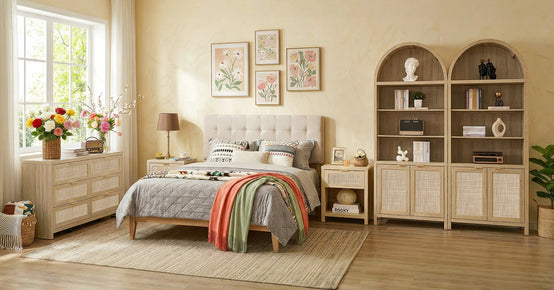
Dressers spread their drawers out in rows instead. Each one is wider, so a chunky sweater can lie flat and folded towels don't need to be rolled up to fit. For couples, a Savanna seven-drawer rattan dresser works nicely because each person can take a side.
3. Floor Space
A chest doesn't ask for much, maybe 30 inches of wall. Most dressers want 50 inches of open wall, often more, and in a lot of small rooms that one number makes the decision for you.
Don't forget depth. Leave enough room in front to open a drawer all the way while you're standing there, or it gets annoying fast.
4. Top Surface and Mirror Use

A dresser top is wide and low, so it turns into a daily station pretty fast. Plenty of people hang a mirror over it or just buy a dresser with an attached mirror.
A chest top is higher up. Put a mirror over one and it ends up too high for most people to use. We'd style it with a plant, a lamp, or a framed photo instead.
5. Storage Capacity
In total, a dresser usually holds more because it's wider and often deeper. A chest can get close, though. Some tall chests with six deep drawers come near a small dresser, drawer for drawer.
It helps to split this into two ideas. Capacity is how much fits. Efficiency is how much fits per square foot of floor. Dressers tend to win the first, chests the second.
6. Visual Weight

A tall chest draws your eye up toward the ceiling, which looks good in rooms with high ceilings or tall windows. A wide dresser does the opposite. It keeps things low and balances out a big bed.
Low modular designs push that even further. At only 26.6 inches tall, the Crescent modular nine-drawer dresser leaves a lot of open wall above it.
Chest of Drawers vs Dresser for Small Bedrooms

For most small bedrooms we'd pick the chest of drawers. Floor width is usually the tightest limit, and a chest saves it.
A low dresser can still be the right call in a small room. Since the wall above it stays empty, the room can actually feel bigger.
Pick a chest if:
• Your free wall is under about 40 inches wide
• You have good ceiling height
• You do not need a mirror station
Pick a dresser if:
• You have one long, empty wall
• You want a top for a mirror or a TV
• You fold lots of bulky clothes
Some people split the difference with a taller dresser, such as the Stria modular tall dresser.
Can You Use a Dresser and a Chest in the Same Room?

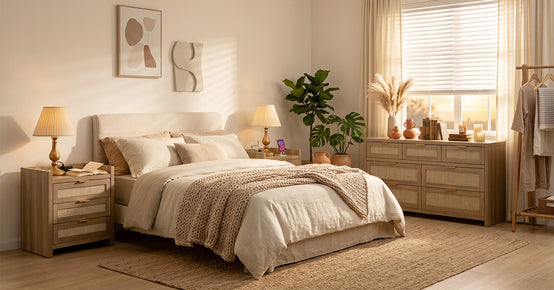
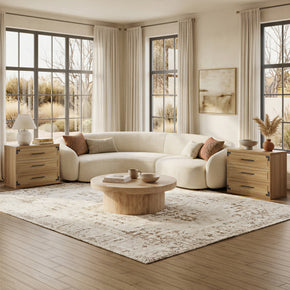
Sure. Plenty of primary bedrooms have both. The dresser usually ends up facing the bed. The chest goes wherever there's a spare bit of wall, often by the closet.
We'd let the dresser handle everyday clothes and the mirror. The chest can hold gym gear, or the winter stuff you only dig out in December. Keep them on different walls. Matching wood tones help, but they don't need to be twins.
Bureau, Tallboy, Highboy: Why the Names Get Confusing
What you call these pieces depends a lot on where you grew up, and honestly on how old you are. Search a few online stores and you'll find chests sold as "tall dressers." We cover the full list in our guide to dresser styles and what each one is called.
Bureau
Ask an American and a bureau is a low bedroom chest of drawers. In Britain, a bureau is a writing desk, often with a slanted top. Plenty of older Americans still say bureau when they mean a dresser.
Tallboy and Highboy
A highboy is a tall chest raised on legs or stacked on top of a second chest. The Britannica entry on the highboy traces the word back to the late 1600s. Tallboy is the British cousin and usually means a double chest.
Dresser in British English
Most guides skip this part. In the UK a dresser is usually a kitchen piece, with open plate shelves on top and cupboards underneath. The bedroom version is what Brits call a chest of drawers.
"Chester Drawers"
Not a real furniture term. Plenty of people grew up hearing it, though, because "chest of drawers" said fast sounds exactly like that.
Safety First: Anchor Tall Storage Pieces
Both pieces can tip if a child climbs the open drawers, and a tall chest is the bigger worry because more of its weight sits up high. US law now has a federal safety standard for clothing storage units made after September 1, 2023.
What the Rule Covers
Anything freestanding that's 27 inches or taller and 30 pounds or heavier is covered. The CPSC guidance on clothing storage units names dressers, chests, and bureaus. That means both pieces we're comparing here fall under it. Each one has to pass stability tests and ship with a tip restraint.
Anchoring a Chest or Dresser

Most new pieces come with an anchor kit in the box. Drive the screw into a wall stud, since drywall by itself won't hold. The Anchor It safety campaign walks you through the basic steps.
Put the heavy stuff, like jeans and sweaters, in the bottom drawers. We'd never set a TV on top of a tall chest, either.
How to Choose Between a Dresser and a Chest of Drawers

1. Get out the tape measure. Width first. Then the height up to the windowsill, if there's a window, and how far out a drawer comes when it's fully open.
2. Think about your clothes. A closet full of chunky knits and jeans does better with wide dresser drawers. Tees and socks don't care, so a chest works for those.
3. Decide what goes on top. A mirror or a TV needs the low, wide top of a dresser.
4. Look at the room's proportions. In a narrow room with a tall ceiling, a chest looks right. If the long wall faces the bed, a dresser will look like it belongs there.
For most people, the tape measure settles it.
Final Takeaway

There's no clear winner in the chest vs dresser debate, and that's fine. A chest of drawers stores up. A dresser stores across.
For a small room or a narrow wall, we'd go with a chest. The dresser makes sense when you have a long wall and want wide drawers plus a spot for a mirror.
Whatever you pick, measure before you order and anchor it once it's in. Our range of modern bedroom storage furniture includes both shapes, so you can compare them side by side.
FAQs
Are a chest of drawers and a dresser the same?
No, although lots of people use the words that way. A chest of drawers is the tall one, with a single stack. The dresser is the low, wide one with drawers in rows. Online listings blur them all the time.
What do the British call a chest of drawers?
They say chest of drawers, just like Americans do. The difference is that in Britain, "dresser" usually means a kitchen cabinet with plate shelves on top.
Are dressers still used in bedrooms?
Yes. In most homes, it's still the main bedroom storage piece. People use them for things like:
• Folded clothes and bulky knits
• A mirror or vanity setup
• A TV in smaller homes
• Display space for lamps and decor
What are the two types of dressers?
Most people mean horizontal and vertical. A horizontal dresser is long and wide, the one you'd put across from a bed.
Then there's the vertical dresser, tall and narrow, which is honestly just a chest of drawers under another name. You can also find double dressers, dressers with mirrors, and modular sets.
What do Americans call a dresser?
Dresser, mostly. Older folks in New England might still say bureau, and some people use chest of drawers for anything with drawers. When someone says "chest," though, they're usually picturing the tall one.
Is it drawer or dresser?
• A drawer is one box that slides in and out.
• A dresser is the whole piece of furniture those boxes slide into.
• Easy mix-up, but no. A drawer is part of a dresser, the way a page is part of a book.
What is a fancy name for a chest of drawers?
Highboy and tallboy are the classic fancy names. Some people say bureau or commode too. Save highboy for a tall chest on legs or a stacked, two-part chest.
Why are dressers so short?
They're low on purpose. You don't have to stretch for the top drawer or crouch for the bottom one, and there's room on top to lay out clothes. A mirror hung above it lands right at eye level. A low piece also leaves more of the room open.


Looking for something else?

How to Choose a Bookcase for Plants Without Damaging the Shelves
LEARN MORE
How to Choose a Bookcase for Board Games: Shelf Depth, Height, and Access
LEARN MORE
7 Best Narrow Nightstands for Small Bedrooms With Real Storage
LEARN MORE
Chest of Drawers vs Dresser: Key Differences and Which One to Choose
LEARN MORELooking for something else?
Narrow Shoe Cabinet Buying Guide: Depth, Sizes and Styles That Fit a Small Entryway
LEARN MORE
11 Best Mid-Century Modern TV Stands for Style and Real Storage
LEARN MORE
Mid Century Sideboard Guide: How to Choose the Right Size, Wood and Style
LEARN MORE


Further reading

Zen Bedroom Ideas for a Calmer Room

Sage Green Bedroom Ideas and Furniture That Suits It


