




Entryway Table with Shoe Storage: 9 Smart Ideas for Small Foyers and Narrow Hallways
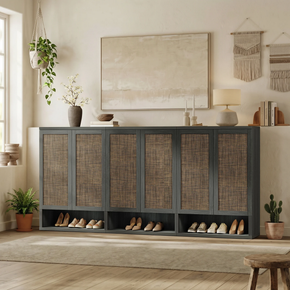
An entryway table with shoe storage solves a problem every household knows too well: the heap of shoes that builds up right by the front door. The top? That is where keys and mail land. The bottom hides your daily shoes so they are not underfoot. One piece, pulling double duty, and proof that good entryway shoe storage does not have to eat your floor space. And that is exactly what a small foyer or a narrow hallway is begging for, since the floor is tight and the smallest mess jumps out the moment you step inside. This updated 2026 guide to entryway tables with shoe storage for small spaces runs through 9 real ideas. Some are slim flip-drawer cabinets. Some are benches you sit on to take off your shoes. The folks atThe Home Edit put it plainly: storage that goes up and gets used daily is what keeps an entry calm. You will see that thinking in every option here. Let us find the one for your space.
What Is an Entryway Table with Shoe Storage?
Entryway Table Meaning
An entryway table is a slim little table you place near the front door. Keys land here. The mail, a lamp, a bag, whatever you grab on your way out, it all ends up here, too. It goes by a few names, too. You will hear it called an entryway console table, a small entryway table, or a foyer table, with some folks just saying console table or hallway table. Same piece, different label. You touch it first when you walk in and last when you walk out.
How Shoe Storage Changes the Function
Add shoe storage, and that plain foyer table becomes a proper drop zone. Shoes leave the floor. The entry looks styled instead of chaotic. Some pick flip drawers or doors to hide the shoes away, so nothing shows. Others go with open shelves for a quick grab on the way out. Either route, an entryway table with hidden shoe storage still pulls its weight in the same small footprint. That is really what hidden shoe storage ideas for small foyers come down to: tucking the clutter out of sight while the top stays free for keys, a lamp, or a spot to lean the mail.
Who Needs One Most?
Plenty of people, really. Most of us, in fact. Renters are short on room. Parents whose kids fling their sneakers off the second they are through the door. Pet owners are juggling a leash and a set of muddy paws. A no-shoes household that wants a tidy landing spot for guests. Throw in dorm rooms, skinny hallways, and that magnet corner by the door where stuff just gathers. If shoes stack up where you come in, this piece quickly pays for itself.
Why an Entryway Table with Shoe Storage Is Worth It
Before we get to the ideas, here is what this piece actually does for you, day in and day out.
It Controls Shoe Clutter
Shoes gather by the door. Always. In a small entry, four or five loose pairs are all it takes to make the place look a wreck. Hand every pair a spot in a shoe storage cabinet or bench, and the pile never starts in the first place.
It Saves Floor Space
Narrow foyers do better with furniture that goes up the wall rather than out across the floor. A narrow shoe cabinet, a slim shoe cabinet, or a tall vertical unit gives you renter-friendly storage that packs a surprising number of pairs into almost no space. The walkway stays clear. You still fit all your shoes.
It Creates a Better First Impression
Your entryway is the first thing a guest lays eyes on. Hide the shoe storage, or even just keep it sorted, and the whole space feels clean and calm. That first tidy impression quietly sets the tone for the rest of the house.
It Works as a Daily Drop Zone
Do not waste that top surface—a tray, a lamp, your keys, sunglasses, the mail, and a small mirror. Carry whatever your daily routine calls for. A good landing strip is the difference between scattered daily items and one spot where everything lives.
9 Entryway Table with Shoe Storage Ideas
Below are 9 ways to keep shoes near the door without choking a small space. Think of these as entryway shoe storage ideas, including slim shoe cabinets, seating-and-storage benches, and hybrid organizers that combine a tabletop with hidden shoe space. Each fits a different layout, shoe count, and style. Match the one that suits your entry.
1. Slim Flip-Drawer Shoe Cabinet

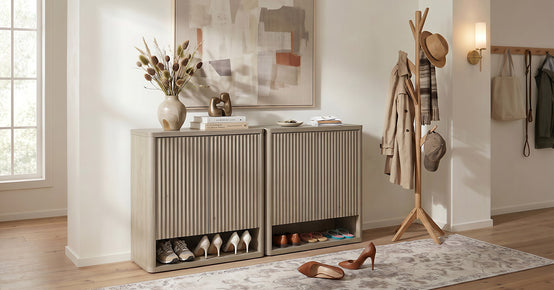
Narrow foyer? Start right here. Flip drawers tip out at an angle, allowing the cabinet to stay shallow while still holding several pairs—the top doubles as a console for a tray or a lamp. A slim flip-drawer shoe cabinet barely sticks past the wall, an inch or three, and in a tight hallway, that is the whole game. Grab it when you want the shoes gone for good.
2. Double Flip-Drawer Tilt-Out Cabinet

Want more pairs but the same skinny depth? Stack the drawers. A double-flip design runs two rows of tilt-out compartments, so capacity climbs without the cabinet taking up any more floor space. The front still closes flat for that clean, hidden look. A tilt-out double flip shoe cabinet is the one for a busy entry that refuses to look busy. More shoes, same narrow footprint.
3. Tall 5-Tier Vertical Shoe Cabinet

Out of floor? Then go vertical. A tall cabinet swaps width for height. That lets it slip into a skinny corner or sit flat against a narrow hallway wall. Five tiers add up fast. If you have a real shoe collection and barely any floor to give, a tall 5-tier shoe storage cabinet is the shoe organizer that finally fits.
4. Flip-Top Shoe Bench with Seating

A bench really shows its worth here. Somewhere to sit while you fight a boot on, plus all that room under the lid for your shoes. Lift it open, and you have space for boots, sneakers, and even the dog leash. A flip-top shoe bench covers two needs in one. It is an entryway bench with shoe storage and a handy place to set your bag down. Families swear by it, and so does anyone tired of lacing up while teetering on one foot.
5. Cushioned Bench Over Open Shoe Shelves

Think a soft, cushioned seat on top, with open shoe shelves beneath it. Those open cubbies do one thing a closed cabinet never can. They let damp or muddy shoes air out and dry. And that cushion? It makes the seat actually comfortable, not an afterthought. A cushioned entryway shoe bench is the shoe storage bench you want when your daily pairs need air more than they need hiding.
6. Long Wooden Shoe Bench with Drawer

Got a wider wall to play with? A longer bench gives you more seating and more storage in one move. Open slatted shelves line shoes up in rows underneath, and a drawer hides the odds and ends, keys, a leash, whatever you have got. A long wooden shoe storage bench really grounds a bigger entry or a mudroom-style nook. It is made for households with a lot of pairs.
7. Open-Shelf Console Table with Baskets

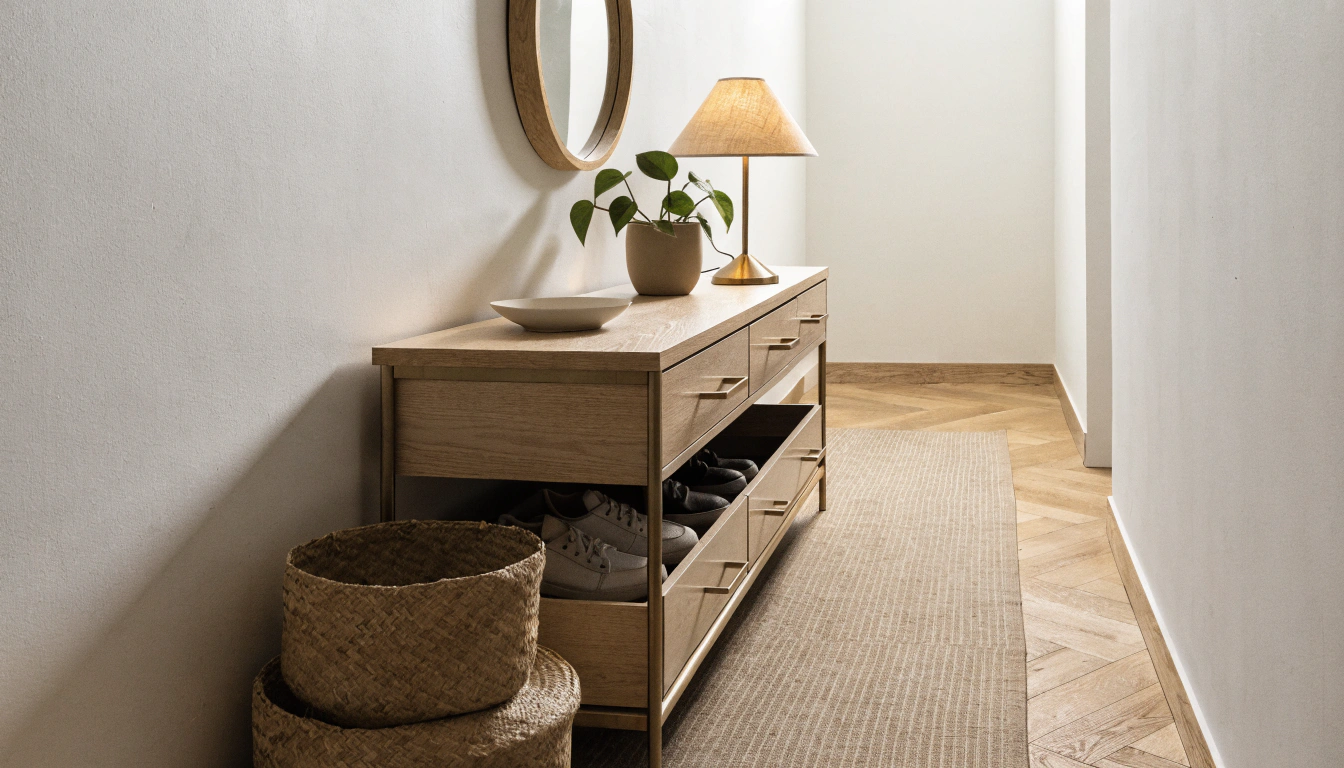
Some people want a real table, not a box for shoes. An open-shelf console table delivers that. You get a full surface on top and shelves below, and the magic is in what you set on those shelves. Drop in a few woven baskets, and the shoes disappear inside. An open-shelf entryway console table looks like furniture first and storage second, which is the vibe most styled entries want.
8. Narrow Rattan Entryway Table for Tight Halls

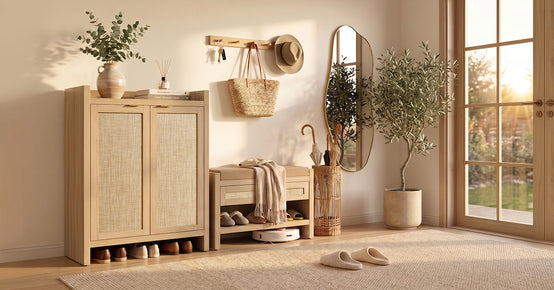
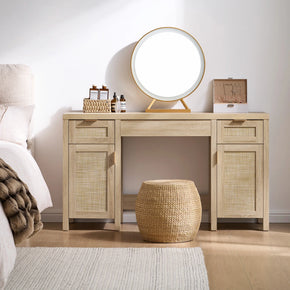
In a really tight hallway, depth is the only measurement worth worrying about. A narrow entryway table with one drawer and a lower shelf stays slim and still hides your daily shoes below. The rattan-and-wood mix adds texture without any bulk. A narrow rattan entryway table with a drawer is the slim foyer table that squeezes in where the bigger pieces simply will not. Renters, this one is yours.
9. Hidden-Storage Shoe Bench for a Minimal Look

Chasing a calm, pared-back entry? Close everything off. A hidden-storage shoe bench lifts at the lid to reveal the shoes inside, while the seat up top stays clean and simple. Nothing on display, nothing to tidy. A hidden-storage shoe bench hands you both seating and storage with zero visible clutter. It is the natural pick for minimalists and for open-plan entries that bleed straight into the living room.
What to Do with Shoes in a Small Entryway

Storage only helps if you use it the right way. A handful of small habits stop a tiny foyer from filling right back up.
Store Daily Shoes Near the Door
Keep just the pairs you reach for most by the door. Dress shoes, off-season boots, the overflow, all of that belongs in a closet or a bedroom. The front door is for your daily rotation, not the whole collection.
Use Hidden Storage for a Cleaner Look
Hate seeing shoes? Then close them off. Flip-drawer cabinets, doored cabinets, storage benches, and lidded baskets, any of whichhide the footwear away. What you are left with is a calmer, tidier entry.
Use Open Storage for Busy Homes
Open shelves, cubbies, and baskets come out on top in a busy house. They take kids, sports shoes, dog walks, and any pair that is still drying. Grab them fast, drop them back fast.
Add a Guest Shoe Zone
Save one basket, a low shelf, or an empty cubby just for guests. In a no-shoes household, that small move tells visitors exactly where to leave their shoes. It lands as welcoming rather than awkward.
How to Choose the Right Entryway Table with Storage

The right piece really hangs on three questions. Does it fit? Does it hold enough? Is it easy to keep clean? Walk through these before you buy.
Measure the Wall First
Swing your front door open as far as it goes and trace that arc. Then run a tape measure along the wall's length. Hit the baseboards, any closet doors, and the walkway, too. Those numbers decide how big your shoe rack console can be before it starts getting in the way. Getting the entryway table size right against those measurements is what turns a cramped corner into a working entryway drop zone, which is the heart of small entryway organization.
Check the Depth
In a narrow hall, depth is everything. Stick to slim options, roughly 8 to 14 inches deep. Go any deeper, and you will clip your hip on it every time you squeeze past with a bag.
Match Storage to Shoe Count
Count the pairs you wear daily. One person might want room for 4 to 8 pairs near the door. A whole family could need a full cabinet, a bench, or a hall tree with shoe storage. Buy for the real number you have, then leave a bit of wiggle room to grow.
Pick the Right Height
Most entryway tables sit best at console height, around 30 to 34 inches, so the top stays easy to reach. A shoe bench has to sit lower, about seat height. Any taller and it is awkward to perch on while you tie your laces.
Choose Easy-Clean Materials
Entryways take a beating. Reach for sealed wood, metal, laminate, or anything you can wipe down. Toss in washable baskets, too, if your place runs muddy or sees heavy traffic. A surface that wipes clean is what keeps the piece sharp year after year.
Hidden vs Open Shoe Storage: Which Is Better?

The best entryway shoe storage setups often combine both, pairing hidden storage for the bulk of your pairs with a little open storage for the shoes you reach for daily. No single right answer on this one. It really depends on how you live, not just how it looks.
Choose Hidden Storage If You Want a Minimal Look
Closed cabinets, flip drawers, and benches put the shoes completely out of view. The entry feels calm and uncluttered. This is the call for minimalists and for any entry that opens onto a living room.
Choose Open Storage If Shoes Need Airflow
Open racks and shelves allow air to circulatein each pair. That matters a lot for wet shoes, kids' shoes, sports shoes, and the pairs you wear daily. Bonus: the moving air keeps odor from settling in the way it would inside a closed box.
Choose Hybrid Storage for Busy Households
Why not both? Keep one open shelf for today’s shoes and one closed cabinet or basket for the rest. A hybrid setup rolls with whatever the day and the household throw at it.
Small Entryway Layout Ideas
The layout depends on your room. Below is how to set up the most common small spaces.
Narrow Hallway Layout
Slide a slim shoe cabinet flat against the wall. Hang a mirror over it. Set a small tray on top for keys. The footprint stays tight, and the mirror throws light back down the hall.
Apartment Entryway Layout
A compact shoe cabinet, a couple of adhesive hooks, a leaning mirror, a small rug, and you are set. None of it needs a drill, which keeps the whole thing renter-friendly. The rug grabs the dirt before it travels any further.
Family Entryway Layout
Reach for a bench with shoe cubbies. Add hooks at both adult and kid height. Label a basket per person. Once that is set up, everyone has their own spot, and the morning scramble loses a lot of its sting.
No-Closet Entryway Layout
No coat closet to lean on? Pair a shoe cabinet with wall hooks and a basket for bags, or let a hall tree handle the lot, rolling hooks, a seat, and shoe storage into one piece. Either way, you build a full mudroom moment along a single wall.
Open Living Room Entry Layout
When the door opens straight into the living room, keep it closed. A doored cabinet or a lidded bench stops the entry from visually leaking into the rest of the room.
How to Style an Entryway Table with Shoe Storage

Function and good looks can absolutely share a table. Keep the top simple, and the whole piece reads as intentional, not like storage you shoved in at the last minute.
Start with a Mirror or Artwork
A mirror does two favors at once. It makes a small entryway feel roomier and gives you a quick outfit check on your way out the door. Art works too. Either choice lifts the eye up and away from the floor.
Add a Tray for Keys and Mail
A key and mail tray round up the little things so they stop sprawling across the table. Drop one down, and suddenly your daily bits have a home.
Use One Lamp or Wall Sconce
A bit of light warms the whole entry and earns its keep after dark. A small lamp handles it. A wall sconce works just as well.
Add Greenery or a Vase
A vase, a few branches, a handful of stems, any of these bring height and a little softness. Greenery keeps the surface from looking flat and does not hog the space.
Keep the Top Surface Simple
There is an easy formula worth stealing: a mirror, a tray, a lamp, and one decorative object. Four things, and you stop. That restraint reads as styled rather than cluttered.
Use Baskets to Hide Visual Clutter
Baskets are the unsung heroes. Shoes, slippers, pet gear, umbrellas, gloves, reusable bags, and a basket make up the lot. Set a couple on a lower shelf, and the surface up top stays clear.
Can We Keep a Shoe Rack in the Foyer Area?
Yes, you can. A shoe rack works just fine in a foyer, as long as it fits the space and stays neat.
Yes, If It Does Not Block Movement
Set the rack flat against the wall and leave yourself comfortable walking room. Keep the path clear, and a shoe rack has every right to sit in the foyer.
Pick a Style That Matches the Entryway
Let the rack suit the room. A formal foyer leans toward closed cabinets. A casual, mudroom-style space is happy with open racks or baskets. The style should look like it was always meant to be there.
Keep Only Daily Shoes There
Stick to the pairs you actually use. That is what stops the foyer from quietly turning into a second shoe closet. Everything else lives somewhere else.
Entryway Table Size Guide
Sizing is the part that many buyers get wrong. Treat this as an entryway table with a shoe storage size guide, covering not just slim console tables but also the shoe cabinets and benches that often sit alongside them. This quick reference keeps your piece in proportion with both the wall and the walkway.
|
Dimension |
Typical Range |
Notes |
|
Length |
30–60 inches |
24–36 in for tight spaces; longer consoles suit big foyers |
|
Depth |
8–14 inches |
Slim cabinets beat deep benches in narrow halls |
|
Console height |
30–34 inches |
Easy reach for the top surface |
|
Bench height |
17–20 inches |
Low enough to sit on comfortably |
|
Walkway clearance |
30+ inches |
Leave room for doors, bags, strollers, and traffic |
How Long Is an Entryway Table?
Most land somewhere between 30 and 60 inches long. The right one depends on your wall and how much room you have to walk. A small foyer is happiest with a 24- to 36-inch table. A bigger one can carry a longer console, no problem.
How Deep Should an Entryway Table Be?
In a small space, shallow wins. A slim shoe cabinet, around 8 to 14 inches deep, almost always beats a deep bench in a narrow hall. Depth is the one measurement that decides whether you can squeeze past without a fuss.
How Tall Should an Entryway Table Be?
Console-style tables stand taller, around 30 to 34 inches, which keeps the surface easy to use. A bench wants to sit lower, roughly 17 to 20 inches, so it is comfortable to sit on.
How Much Clearance Should You Leave?
Give yourself room for the door swing, the closet doors, strollers, bags, and everyday foot traffic. Shoot for at least 30 inches of clear walkway, and the entry never feels boxed in.
DIY and Budget-Friendly Entryway Shoe Storage Ideas
You really do not need a custom build to get organized. A few cheap tweaks can turn furniture you already own into shoe storage.
Turn a Console Table into Shoe Storage
Slide some baskets, fabric bins, or a low shoe rack under a console you already have. One move, and that table becomes a shoe organizer.
Add a Shelf Under a Basic Table
Adding a single lower shelf gives you a whole extra layer of storage. Shoes, books, bins, folded baskets, it holds all of it, tucked below the main sight line.
Use a Bench Plus Wall Hooks
Set a simple bench under a row of wall hooks. That little combo gives you a basic mudroom setup with zero built-ins and barely any spending.
Build a Basic Shoe Storage Table
Good with tools? A DIY version comes down to a narrow tabletop, sturdy legs, a slatted lower shelf or two, and a sealed finish. Just keep it shallow, so it still works in a tight hall.
Common Mistakes to Avoid
A handful of simple slip-ups leave people with a piece that does not fit or work. Sidestep these, and you will be glad you bought it.
- Buying furniture that is too deep. A deep cabinet or bench eats into a narrow entryway, turning the walk-through into a shuffle. Instead, look for a slim shoe cabinet around 9 to 14 inches deep, which holds a surprising number of pairs while keeping the path clear.
- Storing too many shoes at the door. Cram every pair by the entrance, and the spot looks messy within a week. Instead, keep only the daily-rotation shoes here, maybe four or five pairs each, and send the off-season stuff to a closet or under the bed.
- Choosing open storage when you hate clutter. Open cubbies put every scuffed sole on display, which grates if you like things tidy. Instead, go for a closed cabinet with a flip-down front or tuck the shoes into lidded baskets, so the mess stays out of sight.
- Ignoring door swing. Set a piece in the wrong spot, and the front door, closet, or its own drawers start banging into it. Instead, measure the full arc of every door before you buy, then leave a few inches of clearance so nothing collides.
- Forgetting odor and cleaning. Sealed-up shoes in a closed box get stale fast. Instead, pick a cabinet with vented backs or slatted doors, wipe it out now and then, and toss in a cedar block or charcoal pouch to keep the air fresh.
How to Keep Entryway Shoe Storage Clean and Fresh

A bit of upkeep is all it takes to stop the cabinet from getting funky. None of it takes much time.
Let Shoes Dry Before Putting Them Away
Wet shoes need to air out before they are put away inside a closed cabinet. Trapped moisture is exactly what leads to smell, and sometimes mold. The U.S. EPA points out that controlling moisture is the key to controlling mold, so let the damp pairs dry off first.
Use Washable Rugs and Mats
A washable runner or mat grabs dirt right at the door before it has a chance to spread. Throw it in the wash every so often, and the whole entry stays cleaner.
Add Charcoal Bags or Baking Soda
Tuck a charcoal sachet or a small open dish of baking soda inside a closed cabinet. These little odor-control tricks keep the air fresh without any heavy fragrance.
Do a Weekly Shoe Reset
Once a week, move the extra pairs back to the closet and give the cabinet or bench a quick wipe. Organizers at the National Association of Productivity and Organizing Professionals also suggest a seasonal declutter, which keeps the whole space from ever getting away from you.
Final Takeaway

At the end of the day, an entryway table with shoe storage should make the doorway cleaner, easier to use, and more welcoming. Small home? Go slim, something like a flip-drawer or a vertical cabinet. Family? Lean on benches, cubbies, or a hall tree. After a polished look? Keep that tabletop simple: a mirror, a tray, a lamp, one accent, and call it done. Ready to look around? The entryway storage cabinet collection and the console table range are both good places to start.
FAQs
What is the purpose of the entryway table?
An entryway table gives you a landing zone right by the front door. Keys, mail, bags, a lamp, a bit of decor, it holds all of it. Add shoe storage to keep your footwear organized and off the floor, too.
What to do with shoes in a small entryway?
Go with a slim shoe cabinet, a shoe storage bench, baskets, or a narrow rack. Keep just your daily shoes near the door, and move the extra pairs to a closet or bedroom.
Can we keep a shoe rack in the foyer area?
Yes, it does. A shoe rack works well in a foyer as long as it fits the space, keeps the path clear, and looks neat. Closed storage suits a formal foyer, while open racks fit a more casual home.
How to choose the right entryway table with storage?
Measure your space before anything else. After that, choose based on depth, shoe capacity, storage type, material, and style. In a narrow space, lean toward slim or vertical storage.
What are the different types of entryway tables?
The common ones are console tables, shoe cabinets, storage benches, hall trees, narrow hallway tables, floating shelves, and small foyer tables with drawers.
What are the three important aspects of table setting?
For an entryway table, it comes down to three things: organization, function, and visual appeal. It should hold your daily items, fit your routine, and make the entry feel welcoming.
What is another name for an entryway table?
You will also hear it called a console table, foyer table, hallway table, entrance table, or hall table.
How long is an entryway table?
Most sit somewhere around 30 to 60 inches long. A small space may want a 24- to 36-inch table, while a larger foyer can handle a longer console table.
Sources
- The Home Edit – The Secret to an Organized Entryway
- Homes & Gardens – Entryway Decluttering Rules Pro Organizers Follow
- Livingetc – How to Organize an Entryway
- NAPO – National Association of Productivity and Organizing Professionals
- U.S. EPA – Mold Cleanup and Moisture Control in Your Home
- CDC – About Mold and Your Health
- Wikipedia – Genkan: The Traditional Entry Shoe Space


Looking for something else?

Burl Wood Furniture: The Complete Buying Guide
LEARN MORE
What Is a Hope Chest? Meaning, History, and Modern Uses
LEARN MORE
What Is a Foyer? Meaning, Purpose and Design Guide
LEARN MORE
GREENGUARD Gold Certified Furniture: What It Really Means for Your Home
LEARN MORELooking for something else?

How to Clean a Mirror Without Streaks: Simple Step-by-Step Guide
LEARN MORE
21 Above-Bed Decor Ideas for a Stylish Bedroom Wall
LEARN MORE
Furniture Materials Guide: Picking the Right Material Room by Room
LEARN MORE


Further reading

18 Decorative Storage Box Ideas That Hide Clutter Well

How to Store Comforters Without Losing Space or Loft


