

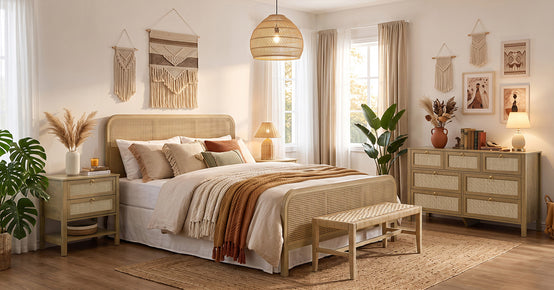



2 Living Room Ideas: How to Style Two Living Rooms With Purpose
Two living rooms sound like a luxury. Until you’re standing in the second one with no clue what to do with it. Most people just drop a spare sofa in there and call it done. Then nobody ever uses it. The trick is giving each room a real job. One for daily life. One for something the rest of the house is missing. Martha Stewart draws the classic line here. The living room is formal and sits near the front. The family room stays casual and is near the kitchen. These 2 living room ideas build on that split. Below, I’ll walk through how to pick a purpose for each space, style them so they don’t feel like twins, lay out two sofas, and follow placement rules that keep both rooms working.
Why Do Some Homes Have Two Living Rooms?

It usually comes down to one of two things. Old design habits or modern square footage. Either way, you end up with a second living area asking for a purpose.
Formal Living Room and Family Room
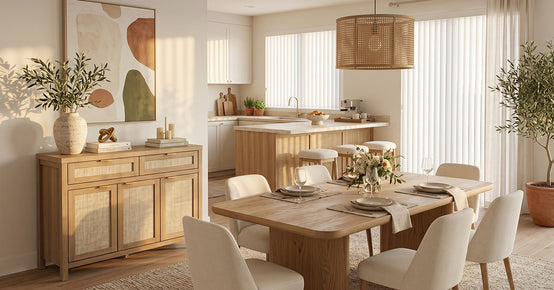
Older homes split things on purpose. One polished room sat up front for guests and holidays. One casual family room handled TV, kids, and lazy Sundays. Lots of homes still carry that layout today, just with more freedom in how you use it.
Open-Plan or Split-Level Layouts
Newer builds throw in bonus space. A loft. A den. A second lounge off the main living room. None of it comes labeled. So the room ideas are up to you.
More Space for Modern Life
Real life fills the gap fast. Working from home. Hosting friends. A play zone for the kids. A quiet corner that’s actually quiet. A second living room flexes around whatever your household needs most right now.
First, Decide the Purpose of Each Living Room

Don’t shop yet. Decide first. Function picks the furniture, not the other way around. Start by walking through both rooms and asking what your home is short on. Then build each space around the answer, pulling pieces from a single modern living room collection so the two rooms still feel related when you’re done.
Ask What Your Home Is Missing
Maybe it’s storage. Maybe a guest spot. Maybe a real desk, not the kitchen table. Name the gap. That’s your second room’s job.
Separate Loud and Quiet Activities
One room takes the noise. TV, games, the whole family piled on the couch. The other stays calm. Reading, music, work, and real conversation. Splitting them this way is the single best move with two living rooms.
Match the Room to Its Location
Location drops hints. A front room by the door makes a natural formal sitting room. A room off the kitchen wants to be the family room or hangout space. Work with where each room sits, not against it.
Best 2 Living Room Ideas by Lifestyle
Once you know the job, the ideas come easily. Here are the second living room ideas that earn their keep, sorted by how you actually live.
Formal Sitting Room

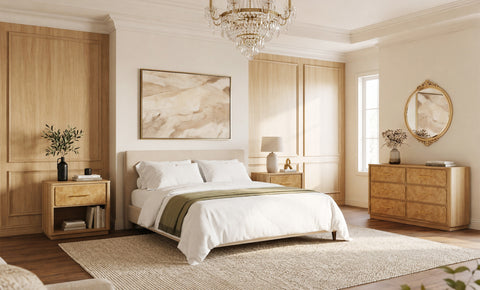
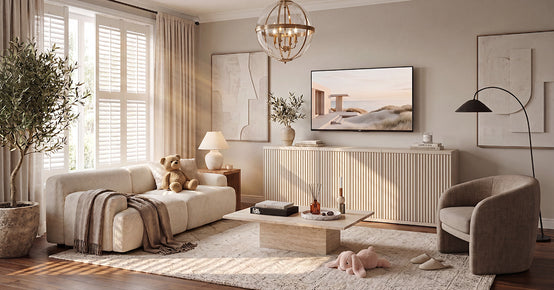
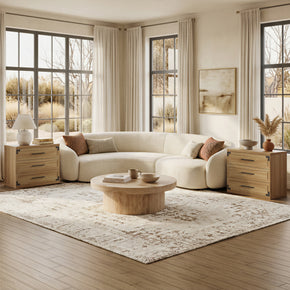
Keep it polished but usable. A slim sofa, two accent chairs, a refined coffee table, soft lighting, and a bit of art. This is your room for guests, holidays, and slow morning coffee. No TV needed.
Casual Family Room

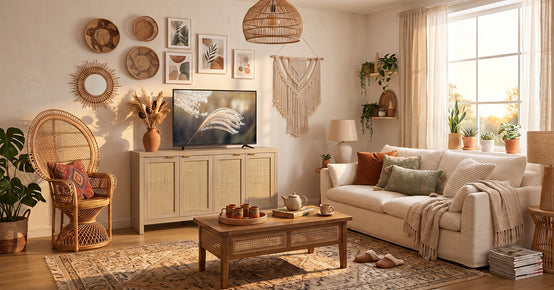
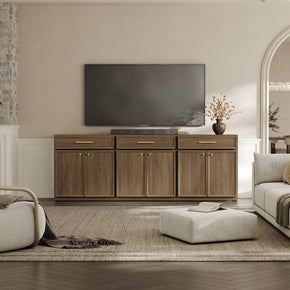
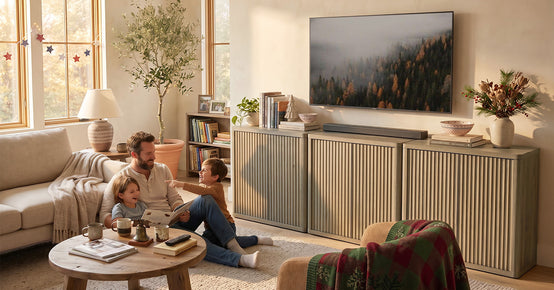
This one takes the daily beating. Go for a deep sectional, washable rugs, and easy-care fabrics. Anchor a wall with a modern TV stand with storage to hide the remotes, cables, and game controllers. Then let everyone sprawl.
Reading Room or Library

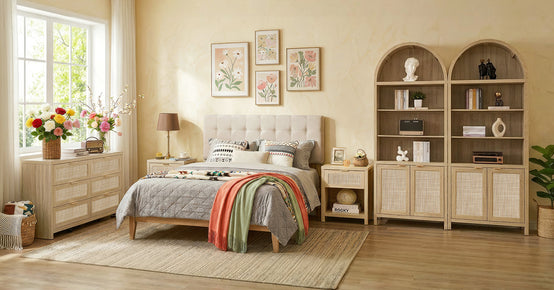
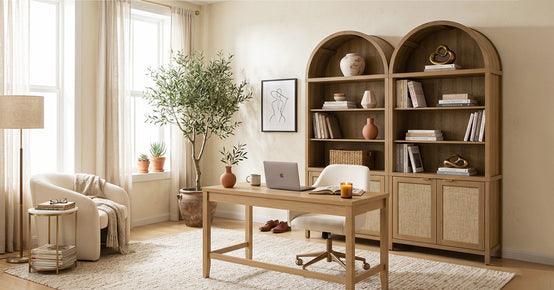
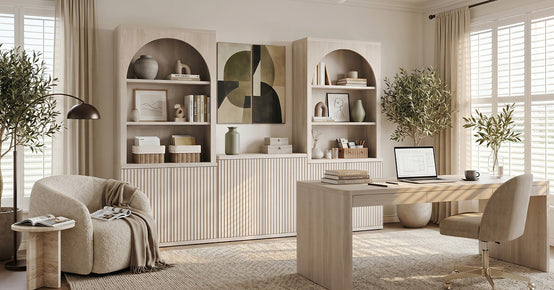
Line a wall with books, and you’ve got a retreat. Add a comfy chair, layered lamps, and a side table. The 2026 "library wrap" look leans hard into this. A tall bookshelf with storage fills the wall and draws the eye upward.
Music Room
Got a piano or a guitar collection? Give it a room. A piano, listening chairs, a record player, framed music prints, and a soft rug to soak up the sound. It’s a screen-free space that the whole house ends up loving.
Game and Board Game Corner

Set up a game table with chairs that pull in close. Keep it grown-up if you don’t want a full arcade. A round coffee table with storage works double duty here. Lay out the board on top, stash the cards and snacks below.
Home Office or Study
Working from home needs a door you can shut and a desk that fits you. Add an ergonomic chair, closed storage, and a small lounge chair for calls and reading. Keep the clutter behind cabinet doors so video calls stay clean.
Guest Lounge With Sleeper Sofa

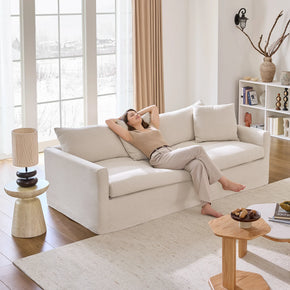
Frequent visitors? Make the second room earn its stay. A three-seater sofa bed for the living room turns a lounge into a guest suite in seconds. Add a side table, a lamp, and a storage basket, and your relatives have a real place to land.
Kids’ Playroom
Hand the second living room to the kids and reclaim the main one. Soft rugs, low shelves, toy bins, child-safe seating, and a little reading corner. Everyone wins. The toys stay out of the adult space.
Home Theater
Go cozy and dark. A deep sofa, blackout curtains, a big screen or projector, and throws within reach. Cluster the seating so that movie night feels intimate rather than spread out across the room.
Wellness or Meditation Room
Crave calm? Clear the floor and keep it simple. Floor cushions, a yoga mat, a few plants, soft textures, almost no clutter. A second living area makes a perfect spot to stretch, breathe, or just sit still.
How to Style Two Living Rooms Differently

Two rooms that look identical waste the gift. The goal is connected, not matching. Here’s how to tell them apart while keeping the flow.
Give Each Room a Different Mood
Let one feel polished and social. Let the other feel soft and casual. Different moods give people a reason to move between them rather than pick one and ignore the other.
Use Related but Not Identical Colors
Pick one color that runs through both rooms. Then switch up the accent shades. That single shared tone ties the spaces together without making them clones.
Change the Furniture Style

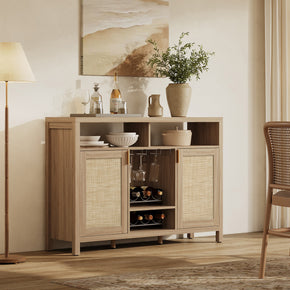
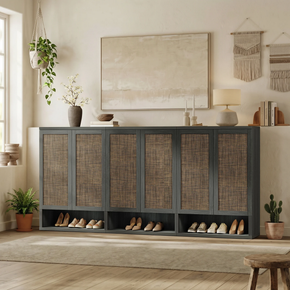
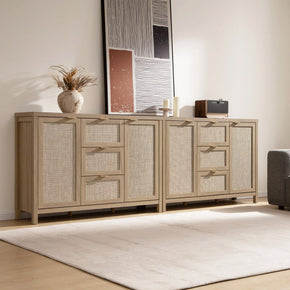
Go refined in the formal room: slim sofa, armchairs, sculptural pieces. Go relaxed in the family room with deeper, comfier seating. Pulling both rooms’ storage from the same sideboard and buffet cabinet range keeps a thread running between two very different looks.
Vary the Lighting
Light sets the tone fast. Use a chandelier or sculptural lamps in the formal room. Use floor lamps and dimmable fixtures in the casual one. Different lighting makes each space feel like its own world.
Use Rugs to Define Each Space
Rugs do quite heavy lifting. They finish a room and mark its edges. This matters most when the two living rooms are attached or open onto each other. A rug says "new zone" with no wall required.
How to Arrange Two Sofas in a Living Room

Two sofas seat more people and fill a big room fast. But the layout makes or breaks it. Living Cozy’s designer guide lays out the configurations that actually work. Here are the four I reach for most.
Facing Sofas
Set two sofas straight across from each other, with a coffee table between them. This is the conversation layout. It feels formal, balanced, and made for talking. Perfect for a sitting room where the TV isn’t the star.
L-Shaped Layout
Place one sofa facing the TV or fireplace. Put the second at a right angle to it. This pulls the seating in close and makes it feel cozy. It’s the go-to for family rooms and open-plan corners.
Parallel Sofas With a Focal Point
Run two sofas parallel with a fireplace or big window anchoring one end. The focal point does the work. The symmetry feels calm and pulled together.
Two Sofas Plus Accent Chairs
Big room? Add a couple of accent chairs to the mix. They soften the layout and give you flexible seating for a crowd. Just leave clear walkways so nobody has to squeeze through.
Furniture Placement Rules for Two Living Rooms

The Biggest Furniture Placement Mistake
The biggest mistake is ignoring scale and traffic flow. Oversized sofas, blocked walkways, and everything shoved against the walls. It makes a room feel awkward and empty in the middle. Float the furniture instead. Leave room to walk.
Give Each Room a Focal Point

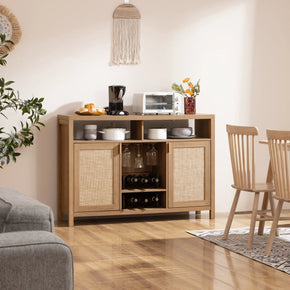
Every room needs an anchor: a fireplace, a TV, a window, a piano, or a wall of shelves. A display cabinet can serve as an anchor in a room with no built-in features, giving the eye somewhere to land.
Do Not Copy the Same Layout Twice
If both rooms run the same sofa-TV-coffee-table setup, one becomes pointless. Change the function. Change the layout. Give people a reason to use both.
Keep Seat Heights Balanced (the 4-Inch Rule)
Here’s a handy one. The 4-inch rule says your seating pieces should stay within about four inches of each other in seat height. Sofas and chairs that sit at wildly different heights feel off. Keep them close, and the grouping looks intentional.
Leave Space Around Furniture
Sofas, desks, coffee tables, and chairs all need breathing room. Cram them, and the room feels tense. Give them air, and it feels easy to use. A few inches of clearance changes everything.
How to Style a 2 Story Living Room

A 2-story living room comes with a different challenge—all that height up top. The fix is to fill the vertical space without losing the cozy, down-low feel.
Use Tall Decor to Match the Height
Reach up. Floor-to-ceiling curtains, oversized art, vertical shelving, or a big plant all draw the eye toward those soaring walls. Empty upper space is what makes a tall room feel cold.
Create a Grounded Seating Zone
Anchor the bottom. A large rug, a generous sofa, a solid coffee table, and a couple of accent chairs pull the room back down to human scale. Suddenly, the height feels grand instead of empty.
Add Warmth With Texture
Soften all that volume. Wood, woven accents, pillows, throws, and rugs warm a tall room up fast. Texture is what keeps a 2 story space from feeling like a lobby.
Avoid Tiny Furniture
Small pieces vanish in a big room. Choose furniture with real scale so it holds its own against the height. A dinky chair in a soaring room just looks lost.
How to Set Two Rooms That Connect Visually

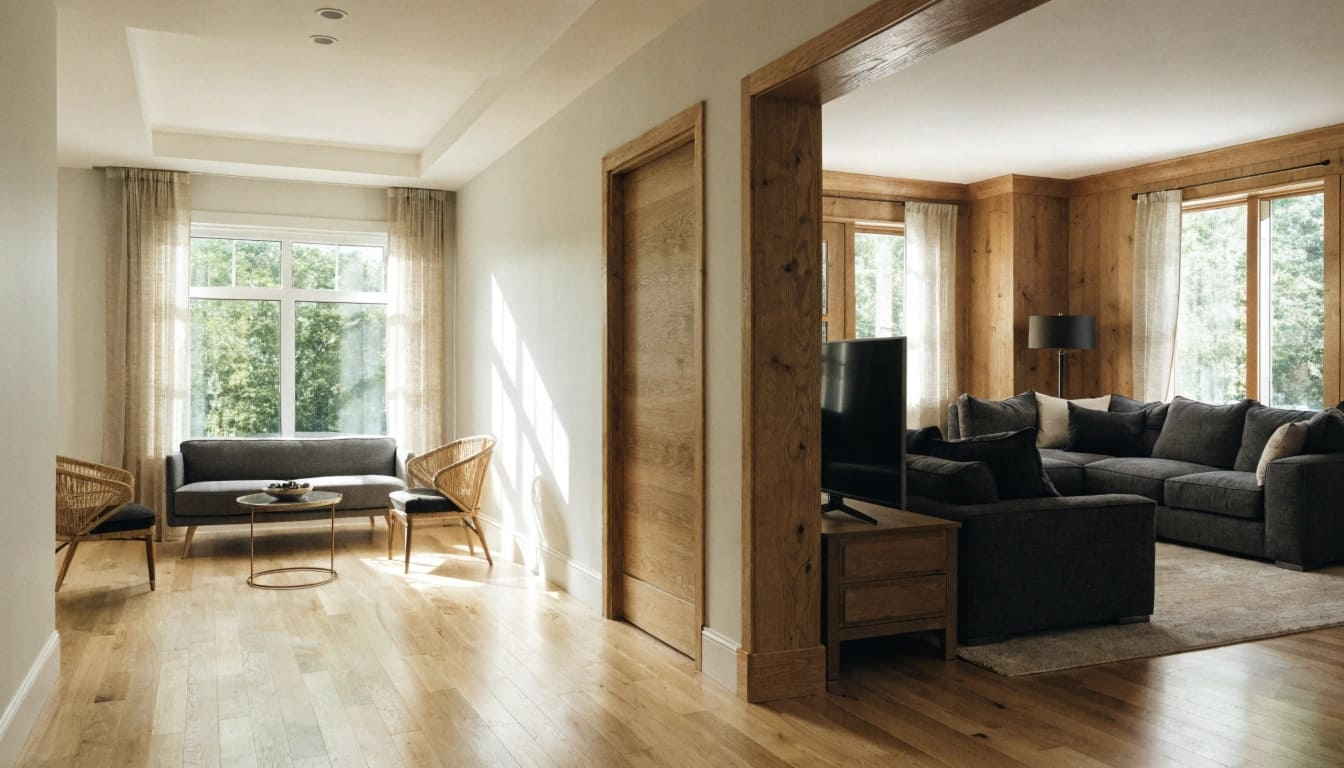
When two living rooms sit side by side, they need to feel like part of the same home. Connected, but not copied. A few simple tricks do it.
Repeat One Design Element
Carry one thing across both spaces. A wood tone, a metal finish, a rug texture, a fabric. That repeated detail stitches the two rooms together at a glance.
Give Each Room Its Own Job
One for TV. One for reading, work, or hosting. Different functions are what stop two attached rooms from feeling like one big repetitive space.
Use Rugs to Mark Zones

Rugs draw the lines, walls don’t. Drop a different rug in each area, and the eye reads two separate rooms. Pair them with an open bookcase as a divider, and you split the space without closing it in.
Balance Open and Closed Storage
Mix the two. Open shelves show off books and decor. Closed cabinets swallow the clutter. Both rooms feel tidy and intentional that way.
2026 Decorating Style for Two Living Rooms

The 2026 decorating style is personal, warm, and layered. Homes & Gardens reports designers are ditching matchy showroom sets for collected, lived-in rooms with real character—good news for anyone styling two spaces at once.
Personal and Collected Rooms
Matching sets are out. Layered, personal rooms are in. Mix vintage finds with new pieces. Let each room tell a bit of your story instead of looking store-bought.
Texture and Warmth
Rattan, wood, soft upholstery, and layered lighting are everywhere right now. Warm, tactile rooms beat cold, flawless ones. Two living rooms give you double the room to play with texture.
Bold but Livable Color
Deeper colors are back—Olive, clay, burgundy, midnight blue. Use them on walls, upholstery, or painted storage for character. One room can go bold. The other can stay calm.
Final Takeaway
Two living rooms only help when each one has a clear job. Pick the function first. Daily lounging, quiet reading, working, hosting, or playing. Then style each room with the right furniture, lighting, storage, and layout. Connect them with a shared color or material. Keep them different in mood and use. Do that, and your second living area stops sitting empty. It becomes the room your home didn’t know it needed.
FAQs
Why two living rooms?
Many homes have two because one was built formal and one casual. Today, the second room can become a family room, office, guest space, library, playroom, or hobby room. It comes down to what your home is missing.
How to style a 2-story living room?
Use tall curtains, large art, and statement lighting to create a sense of height. Then ground the space with a big rug and a generous seating area. Add texture so the tall room feels warm rather than empty.
What is the 4-inch rule?
In living room design, the 4-inch rule means keeping your seating within about four inches of each other in seat height. It helps sofas and chairs feel balanced and comfortable when grouped.
How to style two living rooms?
Give each room a clear purpose. Use a shared color or material to help them connect. Then change the furniture, lighting, and layout so the two rooms don’t feel identical.
What is the 2026 decorating style?
2026 leans personal, warm, and layered. Expect more texture, vintage pieces, relaxed layouts, and bolder colors. Rooms are built around real daily routines instead of looking like showrooms.
What is the biggest mistake in the placement of furniture?
Ignoring scale and traffic flow. Furniture shouldn’t block walkways, crowd the room, or sit too far apart for easy conversation. Float pieces and leave room to move.
How to arrange two sofas in a living room?
Face them for conversation or set them in an L-shape for TV viewing. Add a coffee table between them. Keep a clear walking space around the whole layout.
How to set up two rooms?
Give each room a different job, like a TV room and a reading room. Connect them with repeated colors, rugs, wood tones, or lighting style so they feel like one home.
Sources
- Martha Stewart – The Difference Between a Family Room and a Living Room
- Better Homes & Gardens – 28 Formal Living Room Ideas That Are Elegant But Not Stuffy
- Homes & Gardens – Living Room Trends 2026 – The Designer-Approved Looks
- Living Cozy – How to Arrange Two Sofas in a Living Room: The Complete Guide
- Southern Motion – Your Guide to Arranging Two Sofas in Your Living Room
- CORT – Tips for What to Do With Two Living Rooms
- Apartment Therapy – The 3 Living Room Layout Mistakes Designers Always Notice


Looking for something else?

Burl Wood Furniture: The Complete Buying Guide
LEARN MORE
What Is a Hope Chest? Meaning, History, and Modern Uses
LEARN MORE
What Is a Foyer? Meaning, Purpose and Design Guide
LEARN MORE
GREENGUARD Gold Certified Furniture: What It Really Means for Your Home
LEARN MORELooking for something else?

How to Clean a Mirror Without Streaks: Simple Step-by-Step Guide
LEARN MORE
21 Above-Bed Decor Ideas for a Stylish Bedroom Wall
LEARN MORE
Furniture Materials Guide: Picking the Right Material Room by Room
LEARN MORE


Further reading

18 Decorative Storage Box Ideas That Hide Clutter Well
18 Decorative Storage Box Ideas That Hide Clutter Well
Decorative storage boxes do two jobs. They swallow the small clutter that piles up on every surface. They also add material and shape to a roo...

How to Store Comforters Without Losing Space or Loft
Storing comforters comes down to four things. Clean and bone dry. Loosely folded, and sitting in something that breathes. Miss any one, and next season you pull out something that smells like a dam...

Furniture Distance From a Fireplace: How Far Is Safe?
Furniture distance from a fireplace answers two questions with one number. Keep anything that can burn at least 3 feet from heat sources.The U.S. Fire Administration gives that message for fireplac...


