




Backyard Patio Furniture Ideas for a Comfortable Outdoor Space
Honest question. When was the last time you actually used your backyard for more than ten minutes? If it's been a while, the issue probably isn't you; it's whatever's out there right now. Most yards I get asked about have one of three things going on: a half-broken set someone's parents handed down, a Costco-special bought in a frenzy three summers ago that's already sun-dead, or just a couple of plastic Adirondacks plus a wobbly side table that wobbles a little more every year. None of those configurations makes you want to sit down with a drink at 7 PM and stay until dark.
Here's what I've learned after roughly eleven years of helping people redo outdoor spaces. The difference between a yard that gets used three times a year and one that gets used three times a week comes down to the furniture, almost every single time. Not the size of the patio, not the climate, not whether you have grass or pavers. Furniture. Sometimes lighting, too, but mostly furniture. People keep buying more of it, thinking that volume will fix what's broken, when it's really the wrong stuff in the wrong arrangement.
What's coming up below is 39 different backyard patio furniture ideas, split by what you're trying to do out there. Lounging. Family dining. Cramming a function into a tight balcony. Lighting the place up at night. Stashing the cushions when summer ends. Materials that don't fall apart by August. The fun pieces that turn a patio from "fine" into "my favorite room of the house." Plus, the layout mistakes I see from clients roughly every week. If your backyard isn't working as a space and you can't quite name why, the answer is in here somewhere.
Where to start: figure out how you actually use your backyard
Three questions before you buy a single thing. They sound dumb. They aren't.
First—when you're outside, are you out there for 15 minutes or 2 hours? Coffee on the back step is a different problem than a Sunday hangout that runs from 4 PM until the mosquitoes finally win. You don't really need a sectional for the first one. You'll regret skipping a sectional for the second one. People shop for the lifestyle they imagine for themselves rather than the one they actually have, which is how 80% of patio furniture regret starts.
Second is square footage. There's a real cliff between "balcony" (40-80 sq ft, often a townhouse or apartment) and "real backyard" (200+ sq ft, suburban, with grass), and the right furniture for one looks ridiculous in the other. Bistro set on a 250 sq ft patio? Lonely. Modular sectional on a 60 sq ft balcony? Now the balcony's unusable for anything else. Measure before you click buy on anything.
Third is how often you actually entertain. People dramatically overestimate this. If you've thrown a backyard dinner once in the past 18 months, please don't buy a 12-person extension table. Buy what you'll use weekly. The hosting setups can come from folding or stackable add-ons that you only deploy when you need them.
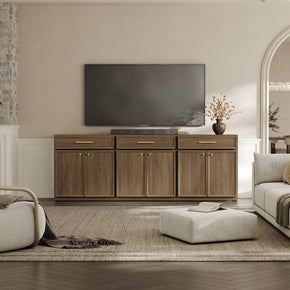
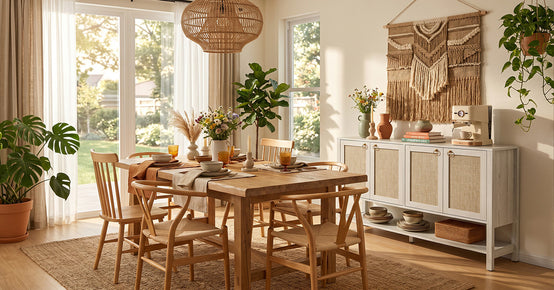
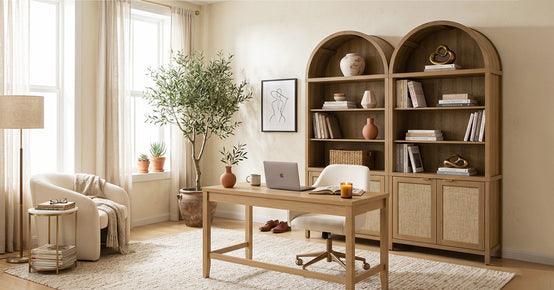
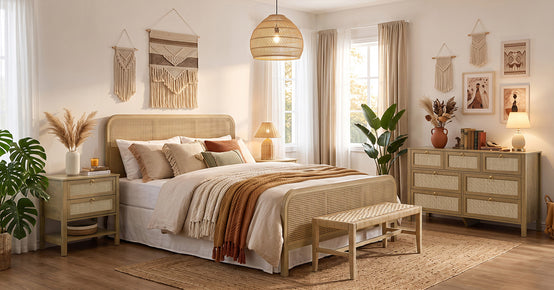
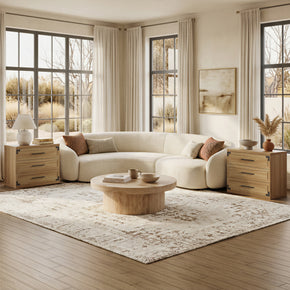
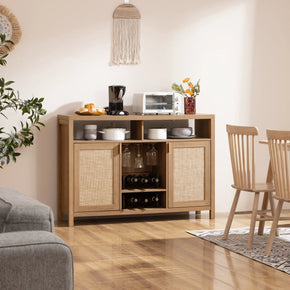
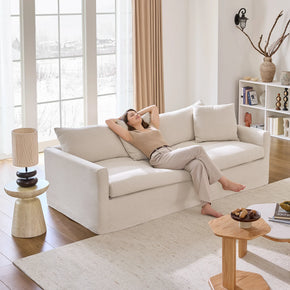
One more thing worth doing before any furniture order goes in: walk to your back door, open it, and notice what's right there visually. The dining room. The living room. Whatever's the closest interior space to the patio? Those are your color and material cues. The patio should feel like an extension of those rooms, not a separate aesthetic universe with its own rules. Most of the cohesion-related Pinterest envy you've felt is just people quietly doing this one thing — extending their indoor palette outside. Browsing through modern Sicotas living room pieces first, before you shop for outdoor anything, sounds counterintuitive. Try it anyway. If your indoor sofa lives in a warm walnut palette with bronze hardware, your outdoor pieces want to live in the same family.
6 Outdoor Living Room Ideas
When clients ask me where backyard design has shifted over the past few years, my answer is always the same thing. People stopped treating their patios as places to throw picnics and started treating them as an actual extra room of the house. Sectional sofas where there used to be plastic chairs. Coffee tables instead of those rickety little folding side things. Outdoor area rugs. Pillows. The whole vibe just changed, almost overnight, and the next six ideas are where it usually starts when someone wants in.
1. Modular outdoor sectional

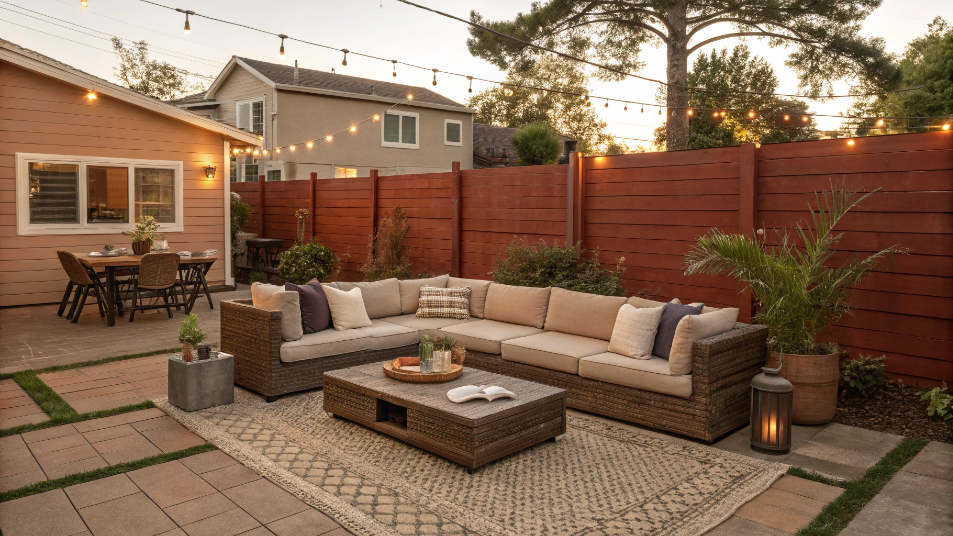
Sectionals are the right call for almost any yard above 200 sq ft. Modular wins over fixed shapes because you can break the L into two separate sofas for a bigger party, push them back together for a quiet morning. Cushion fabric is where these usually fail; cheap polyester pills inside one summer. Solution-dyed acrylic is what you want — Sunbrella's the famous one, Outdura's basically as good. Frames from Polywood, Lloyd Flanders, or Yardbird have lasted on patios I've checked back on years later.
2. L-shaped sofa with a low coffee table

I had a client in Bend last fall who was set on a curved modular sectional for her 250-square-foot yard. Looked at every option from CB2 to AllModern, paralyzed for two months. She ended up just buying a basic outdoor L-sofa from Wayfair, $1,400 with the cushions, plus a coffee table about four feet long. The yard finally got used after that. Lesson buried in there somewhere: you don't need a real sectional for the L-shape effect to work, and you definitely don't need to spend three grand. The piece that actually matters is the coffee table, being roughly half to two-thirds the length of your longer sofa side. Get that ratio right and even a cheap sofa starts looking deliberate.
3. Conversation circle around a fire pit

Watch what most people do the first time they're setting up a backyard. Pretty much everyone instinctively pushes the seating against a wall, as if the patio were some kind of doctor's waiting room and the chairs needed to face into the open middle. Stop doing that. Drag four chairs into a tight circle around a low table or fire pit, leave roughly three feet of clearance behind each one for getting up, and the whole atmosphere changes. People actually face one another. Conversations that weren't happening before are starting to happen. It feels less like sitting beside someone and more like sitting with them. Try the rearrangement for just one evening if you're skeptical, and see how the night goes.
4. Sectional with deep ottomans

Standard outdoor sectionals stop being comfortable around hour two because nobody designed them for putting your legs up. Pull-up ottomans solve this completely. Get the matching ones from whatever brand made your sectional. The third-party "I'll find one that fits" approach almost never lands at the right height; you'd be amazed how many people end up donating an off-brand ottoman six weeks after buying it. Two ottomans are also better than one. One always gets monopolized.
5. Two-armchair conversation pair

Sectionals aren't mandatory. Two solid lounge chairs angled at maybe thirty degrees toward each other, with a small drink table planted between them, is a complete outdoor living setup if you've thought it through. The Adirondacks are the classic American version. Acapulco chairs are the cooler answer, more contemporary, slightly less comfortable for long sits. Pick based on whether you'd rather look at the chair or sit in it for two hours. Both are valid choices.
6. Sectional plus armchairs configuration

For real entertaining (meaning four to six adults, not a sit-down dinner), the most flexible setup is a three-seater sectional plus two pulled-up lounge chairs facing it. Five comfortable seats. One coffee table in the middle. Everyone's in the same conversation. This setup works for almost any backyard above 250 sq ft, stops working below 200 sq ft, and becomes useful again above 400 sq ft if you add a second cluster across the patio.
5 Backyard Patio Dining Ideas
Something I've noticed at almost every dinner party I've been to, compared to the ones I've hosted: outdoor dinners always end up better. There's something about food eaten under the open sky, with the occasional bug landing on the rim of someone's wine glass and a candle flickering somewhere mid-table, that just beats every fluorescent dining room ever built. The catch is that you actually have to set the space up for it; otherwise, you're spending half the night squinting into the sun or running back inside for napkins every fifteen minutes. The next five cover that setup.
7. Long teak dining table for entertaining

Teak. Get a real one, and you're set for fifteen-plus years. The hardwood has natural oils that resist rot in a way no other commonly available wood does. It silvers to a soft, warm gray over time if you let it (which I prefer aesthetically), or you can oil it once a year to preserve the warm amber tone. Seven feet seats six adults; eight feet seats eight if you add benches on the long sides. Crate & Barrel and Restoration Hardware both sell decent teak. The cheap teak from Wayfair is, I'm sorry, basically pine in disguise — read the species disclosures before you buy.
8. Round bistro set for two

Apartment balconies and small townhouse patios are where bistro sets really earn their reputation. The setup is dead simple — a round table about 28 inches across, two folding chairs you can stash in a closet between uses, and the corner of your patio that catches the morning sun. That's most of what you need. Toss in a single planter on the floor next to it if there's space. The whole point of a setup like this is that getting outside with your coffee should take maybe ninety seconds, not a multi-step staging operation. IKEA's TÄRNÖ runs under $200 and has been the same model since 2015. Pottery Barn's are nicer aesthetically, but they're $600. I lean cheap on this one.
9. Banquette-style built-in dining

Outdoor dining banquettes are wildly underrated. Build (or buy) a long bench against one wall of the patio, drop a freestanding table in front of it, and pull two chairs up on the opposite side. Six seats in a footprint that's basically zero, since the bench is doing double duty as both wall divider and structural seat. Storage benches with lift-up lids hide cushions and yard games inside. I'd pick this over a regular outdoor dining set every single time the wall layout supports it.
10. Pergola dining setup

Pergolas instantly upgrade a dining space by creating a ceiling. The whole space below feels defined and intentional rather than vaguely "area outside." Drop a long table directly underneath, hang string lights overhead, and add fabric panels on two sides for shade and a bit of privacy. Backyard Discovery sells pre-fab pergolas in the $1,500-2,500 range that go up in a Saturday with two people and a drill. I would not try to build one yourself unless you genuinely know what you're doing. I've seen one collapse during a windstorm, and that's my professional advice.
11. Outdoor kitchen counter with stool dining

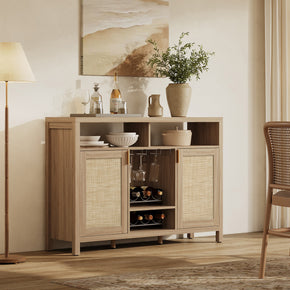
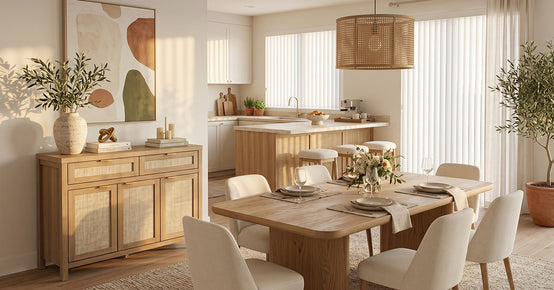
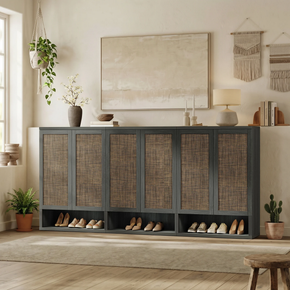
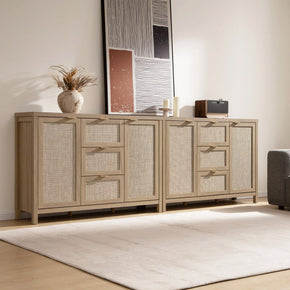
There's a real shift in how people think about outdoor kitchens. Used to be a grill plus maybe a side burner. Now I'm seeing actual full kitchen layouts moved outside, with prep counters and small fridges, and plumbed-in sinks. If you're going down that road, extend your counter by about 12 inches on the side facing the patio, and add three counter-height stools facing wherever the cook tends to stand. Suddenly, the kitchen has a built-in audience. Dinners stop having a defined start and end — people drift in, drinks get refilled, and the cook isn't isolated. For the indoor side of the same setup, the bit just inside your back door, a Helio Glass Sideboard with Doors gives you a real spot for plate handoff and the bar station. Otherwise, you'll be doing laps between the kitchen and the patio for three hours straight, which gets old fast.
6 Small Patio and Balcony Furniture Ideas
I've laid out probably a hundred and fifty small balconies and townhouse patios at this point, and the math out there is genuinely unforgiving. Anything under 80 square feet, and you basically can't have a single piece of furniture that doesn't justify itself functionally. One useless decorative piece eats roughly 8% of your usable floor area. So everything in this section is geared specifically toward people whose outdoor space has single-digit square feet of usable area, where the rules play out differently, and where most regular outdoor furniture you see in stores doesn't actually fit.
12. Wall-mounted folding table

Wall-mounted folding tables solve the apartment-balcony problem in a way nothing else really does. The whole table hinges into the wall, hangs flat against it when nobody's using it, then drops down to be a real surface when you need to eat lunch or open a laptop. Anchored properly, they can hold about 100-130 pounds, way more than people assume. Anchor properly, though. I watched a friend's drywall anchor give up halfway through a Sunday breakfast a couple of summers back; her plate, her phone, her laptop, all of it slid down to the concrete in roughly three seconds. Not a great morning. HPL (high-pressure laminate) tops handle weather best for these. Sealed wood and metal both work fine.
13. Stackable chairs

Stackable chairs handle the guest-overflow problem in a small space without committing real floor area to chairs you only use a few times a year. Three or four chairs stacked in a corner take maybe one square foot of footprint; pull them out when people show up, and now you've got seating for a small gathering. Acapulco-style chairs work for this and look better than they have any right to at the price point. Butterfly chairs fold flat rather than stack, which can be more useful depending on your storage space. Skip the cheapest plastic ones from Target or Walmart. I watched a set go from new to crumbling over two Phoenix summers; the UV just absolutely cooks the cheaper plastics until they snap when you sit on it. Sixty to a hundred bucks per chair gets you something that lasts. Twenty-five gets you trash by month eighteen.
14. Bistro table for tight corners

On a really small patio, a 24- or 26-inch round table tucked tight into one corner ends up doing about three different jobs depending on what your day looks like. Coffee in the morning. Breakfast on weekends. Laptop perch when you need to fire off an email outside between meetings. Round shape matters here; round tables let you walk past without your hip catching the corner, which is a thing that happens with rectangular tables in narrow spaces more often than you'd think. Pair it with two foldable chairs that live in a hall closet between uses. Most days, the corner sits empty. The mornings you actually need it, you're outside with coffee in under a minute.
15. Compact loveseat for two

If you're regularly out there with one other person, a small two-seater outdoor loveseat works better than two separate chairs because you can actually share the space. Pass a book. Lean on each other. Hand off the wine without standing up. Look for ones around 56 to 64 inches wide. Bigger than that and you're back to using more floor area than you have. The frame should be powder-coated steel or aluminum because it's going to live outside.
16. Multi-functional poufs and garden stools
Garden stools and outdoor poufs are the unsung heroes of small-space outdoor design. Same piece of furniture handles four different jobs depending on what the day calls for — seating, footrest, side table, plant stand. I keep two ceramic garden stools on a client's Williamsburg rooftop that I've watched switch from a drinks tabletop on Friday night to overflow seats during a Saturday brunch to plant pedestals by Sunday morning, all inside 48 hours. Anthropologie's ceramic ones run around $150, and they're the real thing. The resin lookalikes from World Market are like forty bucks; I've had a pair on my own porch through three summers now, and they look identical to the day I brought them home, no joke.
17. Vertical plant rack with integrated drink shelf

With only 60 square feet of patio, you have to start thinking up rather than out. A ladder-style plant rack or a rail-mounted vertical planter holds about six to eight pots and uses very little of your floor area. Most of these come with a small ledge or two integrated for a lantern, a little Bluetooth speaker, your wineglass — anything you'd otherwise have to set on the floor and bend down for. The visual softening of a wall covered in plants is something you can't really replicate any other way except by giving up actual floor space, which is the whole reason we're going vertical to begin with. IKEA sells a perfectly fine version for under $40 that I keep recommending to clients.
6 Lighting, Shade & Atmosphere Ideas
Most patio budgets get spent on the wrong stuff. People drop two thousand bucks on a sectional and forty on lighting, then wonder why nobody actually uses the space at night. Furniture sets up the room. Lighting is what makes it usable. I'd argue, controversially, that good lighting matters more than good furniture for getting actual usable hours out of a backyard, but it's hard to convince clients of this until they've lived with both setups. The next six are where you should be putting some of that sectional money.
18. String lights overhead

Single highest-ROI thing you can add to a backyard, full stop. Two strings of warm-white Edison-bulb lights crisscrossed between the house and a fence post (or zigzagged across a pergola) completely transform the whole space. Get the IP65-rated outdoor versions. The cheap indoor strings from Amazon don't survive the first real rain, and you'll be back replacing them in October, feeling annoyed at yourself. Brightech and Hykolity both make solid options in the $40- $ 80 per string range.
19. Solar lanterns scattered around the edges

Solar lanterns are a way to achieve ambient ground-level lighting without running extension cords across your patio. I usually scatter three to six around — some on side tables, some along the path between the back door and the seating area, sometimes one or two hanging off a tree branch if there's one nearby. The sun charges them all day; they glow into the night; you wake up with them dead and ready to do it again. Aluminum frames basically last forever. Plastic ones develop a chalky grayish coating after a year of UV exposure and start looking sad pretty quickly. Forty to eighty bucks per lantern is the sweet spot; the Walmart specials at ten dollars feel like a deal until they die in October and you're shopping again in March.
20. Cantilever umbrella for movable shade

Center-pole umbrellas are the default, and they're fine for a while, until you actually try to use one for dinner and realize the pole's jammed right through the middle of your table where the centerpiece should be. Cantilever umbrellas fix this. Pole sits off to one side, the canopy arcs over your table from above, nothing in the way of the food or anyone's wine glass. Mine's a Treasure Garden ten-footer I bought back in 2019; it still works perfectly, hasn't cracked or bent, the crank still moves smoothly. They cost more than basic umbrellas — figure $400-700 versus $100-200 for center-pole — but the difference in actual day-to-day usability is enormous. Worth the upgrade if you eat outside more than a couple of times a month.
21. Pergola with fabric curtains

If you've already got a pergola, draping it with neutral linen or canvas curtains adds shade, privacy, and a kind of softness all at once. Curtains move with the wind, which may sound gimmicky, but it actually makes the whole space feel alive in a way a static structure can't. Ivory or warm-tan fabric works in almost any backyard. Avoid white if you have kids or dogs. Brown by week three, no matter how careful anyone is, every single time.
22. Outdoor floor lamp for reading nooks

Standalone outdoor floor lamps still don't get the credit they deserve. A standalone lamp in a corner gives you a real lighting moment for reading, late drinks, or evening conversation, without committing to wired sconces or string lights everywhere. Battery-powered and solar-powered versions skip the power source problem entirely. Hay's outdoor floor lamp is the showpiece option, starting around $350. West Elm has cheaper ones around $200 that still look intentional.
23. Candles and lanterns clustered on the table

Once your overhead lighting and ambient lighting are sorted, the table itself needs its own moment when you're eating outside. Battery-powered LED candles inside three or four glass lanterns clustered in the middle of the table do this instantly. Real wax candles look better, but they blow out the second the breeze picks up. The flicker-mode LEDs from Pottery Barn are honestly indistinguishable from a real flame at a distance of 5 feet, which is where most people sit.
5 Storage & Multi-Functional Furniture Ideas
Storage is the unglamorous part of patio design that quietly determines whether the space stays usable. Every cushion that isn't stored properly fades, gets musty, or has to be hauled in and out of the house every time it rains. People skip storage in favor of more visible pieces. Don't.
24. Storage bench with a lift-up lid

Most useful single piece you can add to any backyard, in my opinion. Six to twelve cushions live inside it dry, between uses. Lift-top design with a gasketed lid keeps water out. The vented bottom prevents the inside from getting moldy in humid climates. Suncast and Keter both make decent ones in the $150- $ 350 range. The cheap $80 ones at big-box stores fall apart after two seasons; spend more once and avoid the second purchase.
25. Side tables that double as storage

Some outdoor side tables open up. The top lifts off, or the body has a hidden compartment inside, giving you somewhere to stash a book, a small game, the remote for the outdoor speaker, and your reading glasses. Especially clutch on small balconies where you can't fit a separate storage piece. Sealed lids and rust-proof hinges matter more than appearance. A beautiful side table that rusts shut after one winter has stopped being a side table.
26. Bar cart for outdoor entertaining

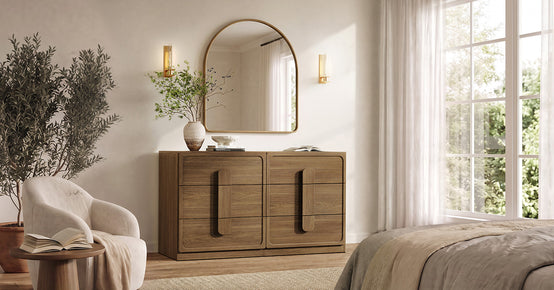
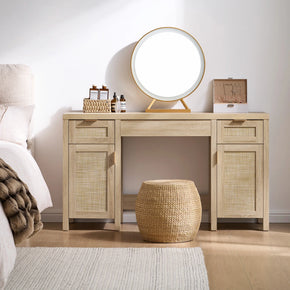
Bar cart on casters is the most flexible outdoor entertaining piece you can own, period. Roll it out for cocktail hour, roll it back to a covered porch when you're done. Metal-frame versions (powder-coated steel or aluminum) handle weather better than wood-framed ones. Budget around $200-500 for one that'll actually last more than two seasons. The indoor side of the same setup, which is the bar that lives near the back door year-round, wants something more permanent. A Savanna Bar Cabinet gives you a real home for the bottles, glassware, and bar tools, so you're not hauling everything out by the armful every weekend like a server in college.
27. Garden stools as side tables

Ceramic and composite garden stools have been having a moment for a solid decade now, and they keep earning it, which most trends don't. Plant stand. Side table. Extra perch seat. Footstool. Whatever the day needs. Heavy enough that they don't blow over in a breeze. Bonus: indoor-outdoor versions can come back inside in winter and live as a stool by the bathtub or a plant stand in the corner of a room. They blend in either context, which is rare for outdoor furniture.
28. Outdoor trunk for cushion storage

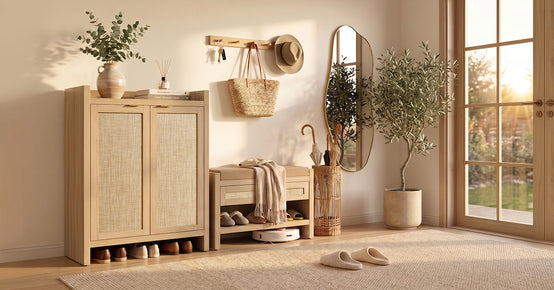
If you've got a lot of cushions (sectional cushions, throw pillows, blankets for cool evenings), a single large outdoor trunk holds everything compactly and reads more intentional than a bench would. Wicker-look or rattan-finish trunks blend with most outdoor styles. For the overflow that lives just inside the back door — winter cushion storage plus cleaning supplies, citronella candles, bug spray, the rest of the seasonal odds and ends — a piece like a Cas Sideboard with 4 Doors handles it all without needing to be a dedicated "storage" piece. Just a sideboard doing double duty.
6 Material Choices for Backyard Patio Furniture
Material determines whether your patio furniture lasts five years or fifteen. The aesthetic differences are minor compared to the longevity differences, and I think people underestimate this every single time.
29. Teak (the long-game pick)

Teak is a hardwood with a naturally high oil content, which is why it lasts outdoors for decades while most other woods rot in 3 years. Silvers to a soft pale gray naturally if you let it. Oil it once a year if you want to preserve the warm amber tone, otherwise leave it alone and let it patina. Real teak is expensive ($1,500+ for a dining set), but the cost-per-year math over a fifteen-year window ends up shockingly reasonable. It outlasts multiple cheaper sets.
30. Synthetic wicker (the practical pick)

All-weather synthetic wicker (sometimes labeled "resin wicker" on listings) wraps an aluminum frame, giving you the woven boho look without the fragility of actual rattan. Handles sun, rain, and snow without breaking down. Look for HDPE strands instead of PVC; HDPE fades way slower and lasts longer. Mid-range sets from Wayfair, Article, or AllModern run $800-2,500 and will hold up for six to ten years if you cover them in winter.
31. Powder-coated aluminum (the lightweight pick)

If you move furniture around a lot — chasing the sun, repositioning for different events, dragging it into the garage in winter — aluminum is the right pick because it's actually light. Won't rust. The powder-coat finish protects against scratches but eventually chips. Touch-up paint exists for exactly this. This is more of a function-over-form pick than an aesthetic-first one, which is fine if function is what you actually need.
32. Wrought iron (the traditional pick)

Wrought iron looks classic, holds up structurally for decades, and supports those ornate latticework designs you genuinely cannot get in any other material. The drawback is that it rusts the second the painted finish chips. So you have to actually keep it painted, which most people don't, which is why you see so much rusted wrought iron at estate sales. Black is traditional, but it can be repainted any color, and people don't do this nearly often enough.
33. Cedar (the budget wood pick)

Western red cedar and northern white cedar naturally resist rot, insects and weather to a soft silver-gray over a few seasons if left untreated. Cheaper than teak by half or more. Use a deep-penetrating stain with mildewcide if you want to preserve the warmer original color, or just let it silver. Both look intentional. Best for cabin aesthetic backyards, mountain houses, and anywhere with a slightly rustic vibe.
34. Recycled plastic lumber (the eco pick)

Recycled HDPE or polypropylene plastic lumber is colorfast, totally rotproof, and indistinguishable from painted wood at five feet. POLYWOOD is the brand most people know. Their Adirondacks run around $300 each and stay basically maintenance-free for fifteen-plus years. Increasingly, the move is for eco-conscious buyers who don't want to baby their furniture every spring. Also, a great pick for poolside patios since chlorine doesn't bother it.
5 Unique Backyard Patio Touches
These are the pieces that turn a patio from "functional" into "this is genuinely my favorite room of the house." Pick one or two. You don't need them all, and trying to add all five at once turns into chaos.
35. Hammock or hanging chair

There's no piece of patio furniture more universally beloved than a hammock or a hanging egg chair. A hanging chair is more practical (easier to get in and out of) and works in tighter footprints. Hammock wins on pure napping potential. Either way, mount it into actual structural support — a real beam, a real tree branch with a thick load-bearing diameter, a heavy metal stand. Cheap mounting hardware pulls out of soft wood within months, and the resulting fall is funny only in retrospect.
36. Outdoor daybed

Imagine a small bed designed to live outside under a pergola or covered porch. That's a daybed. They give resort energy in a way nothing else does, partly because they invite you to actually lie down out there, which most patio furniture doesn't. Add a canopy or mosquito net for shoulder-season comfort. RH and Article both make stunning ones, but they're not cheap ($1,800+). This is a splurge piece, not a starter pick.
37. Egg chair

Hanging egg chairs had a moment in 2021 and never actually faded out the way trends usually do. They're still selling at full price five years later, which says something. The cocoon shape feels protective in a way regular chairs don't. The slight rocking motion is real and calming after a long day. Budget $300- $ 700 for a decent one with a steel stand. Add a sheepskin throw for winter and an outdoor pillow for summer; same chair, two completely different vibes depending on the season.
38. Outdoor work nook

If you're working from home (and many people still are), a small backyard work setup might be the underrated upgrade your week needs. A compact desk, a comfortable chair, a shade sail or umbrella, weather-rated power. Vitamin D alone noticeably changes how you feel by 4 PM. Pick a corner with morning shade or afternoon shade, depending on which half of the workday you'll be spending out there.
39. Kids' patio corner

Dedicate a child-size nook with a small picnic table, beanbags, lightweight plastic chairs, and a washable outdoor rug. Keeps the rest of the patio feeling adult while still giving kids their own zone. Rounded corners on the furniture matter more than aesthetics here; sharp corners and toddlers don't mix well. Outdoor toy storage benches in this corner solve the "toys all over the lawn" problem fast, which every parent of an under-six knows is a real one.
Common backyard patio furniture placement mistakes
Five recurring mistakes explain almost every patio that doesn't quite work. Catching these saves you from buying more furniture to solve layout problems.
Blocking the walkway between the house and the yard
An easy mistake to make and surprisingly common, even among otherwise thoughtful homeowners. The path from your back door to the grill, the lawn, the garden, or the side gate has to stay clear — usually about three feet of unobstructed walking space. Push a sectional too far into that path, and everyone has to detour around it. The patio starts feeling like an obstacle course rather than a place to relax, and that feeling is hard to shake once it's there.
Pushing every piece against the wall
People instinctively push furniture against walls and fences as if it's an indoor living room. Outside, this just creates a giant empty middle, which is the opposite of cozy. Pull seating in. Let it cluster toward the center. Five chairs arranged in a tight conversation circle in the middle of a 200 sq ft patio read way more inviting than the same five chairs hugging the perimeter.
Forgetting side tables next to every seat
Every seat needs a place within arm's reach to set down a drink, a phone, a book, the bug spray, anything. Without it, people balance things on chair arms (which get knocked over within twenty minutes) or on the ground (which are immediately forgotten about). One small side table per two seats is the floor; per seat is the ideal. Garden stools and small drum tables both work for this and stack neatly when not in use.
Ignoring how the sun and wind actually move through the yard
Spend a single Saturday actually noticing where the sun is at 9 AM, noon, 3 PM, and 7 PM. Notice which way the wind is coming from at different times of day. Most patios get sun-baked at exactly the time people want to use them, because nobody planned around it. Position the dining table in afternoon shade. Position the lounge area in the breezeway. This is mostly free, and most people skip it.
Buying furniture that's too large for the space
The single most common mistake I see is by a wide margin. People buy a ten-foot sectional for a 12x12 patio, and now the whole space is sectional. Nowhere to walk. No room for a table. No breathing room at all. Furniture on a patio should occupy roughly half to two-thirds of the floor area. The rest is for circulation and atmosphere. Less furniture but better-positioned almost always wins.
How to make your backyard look more expensive without overspending
Five styling principles separate a backyard that looks like a thousand-dollar makeover from one that looks like a ten-thousand-dollar makeover. None of them requires ten thousand.
Use fewer, better-looking pieces
The instinct is to fill the patio. Resist it. Three good pieces — a teak table, two solid chairs, a quality umbrella — are more expensive than ten budget pieces from a mismatched set. Negative space is its own design feature outdoors, just as it is indoors. The eye reads emptiness as intentionality, not laziness, when the few pieces present are well-chosen.
Repeat one color and one material across the space
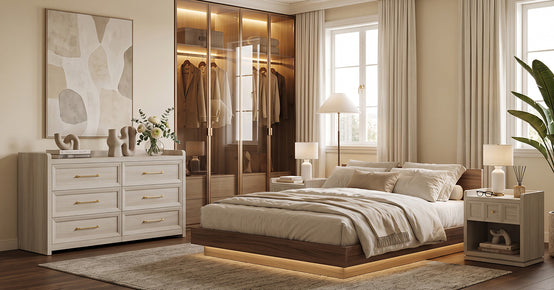
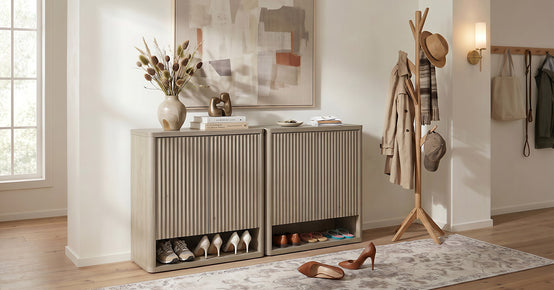
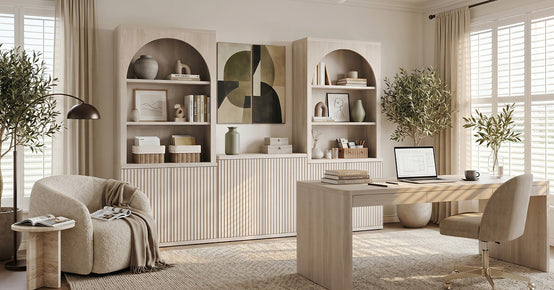
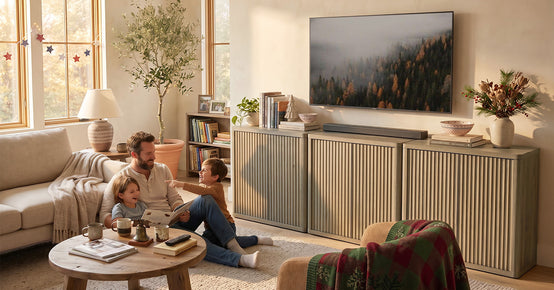
Pick one accent color (warm caramel, slate blue, sage green) and one repeated material (powder-coated black metal, warm wood, woven rattan), and use them at least three times across the patio. Furniture, planters, lanterns, cushions. The repetition reads as intentional design rather than random accumulation. The same logic applies to your indoor pieces just inside the back door. A Stria Sideboard with 2 Doors, featuring a fluted matte finish, picks up where the outdoor textures leave off, and the indoor-outdoor threshold suddenly feels coherent rather than abrupt.
Layer your lighting (don't rely on one source)
Cheap-looking patios have one lighting source, usually a lone overhead fixture nobody really likes. Expensive-looking patios feature three to five layers of lighting operating at different heights and intensities. Overhead string lights for ambient glow. Solar lanterns at ground level. Battery candles on the table. A floor lamp by the lounge chair. Each layer adds depth, and the cumulative effect reads as luxurious.
Match your planters to each other
Coordinated planters can elevate an entire patio's aesthetic, even on a tight budget. Three matching black metal planters with healthy plants in them outperform fifteen mismatched terracotta pots collected from fifteen different stores over five years. Buy a planter set, or buy three of the same planter. Repeat the visual cue. Plants do the rest of the work.
Replace tired cushions before you add new furniture
Faded, sun-bleached, or stained cushions are the single fastest way to make any patio look neglected, regardless of how nice the underlying frame is. New cushions on old furniture often have more visual impact than new furniture with old cushions. Sunbrella cushion replacements from Crate & Barrel or Article cost a small fraction of what new furniture costs, and the effect on the space is immediate. Try this before any furniture purchase.
Final thoughts: build the backyard you'll actually use
Thirty-nine ideas is a lot. Realistically, four or five of them apply to your specific patio, your specific climate, and how your specific household actually behaves outside. Save those, dismiss the rest, start there. A backyard built around how you actually live ends up genuinely used. One built around magazine photography ends up sat in twice a summer.
Single principle that scales: the backyard is one room of the house, not a separate world. The colors, materials, and rhythm of the space should feel connected to the rooms you can see from the back door. Get that connection right, and the rest of the styling falls into place. Get it wrong, and you'll keep buying more furniture, trying to fix what isn't actually a furniture problem.
FAQs
What type of furniture is best for an outdoor patio?
Weather-resistant materials like teak, powder-coated aluminum, synthetic wicker, recycled plastic lumber (HDPE), and powder-coated steel hold up best year-round outdoors. Pair the frames with Sunbrella or olefin cushion fabrics for fade and water resistance. Skip untreated softwoods, regular indoor fabric, and uncoated steel. All three deteriorate fast outside, regardless of how careful you are.
How to furnish a backyard patio?
Start by figuring out how you'll actually use the patio (lounging, dining, entertaining), then pick anchor furniture for that primary purpose (sectional, dining table, or both). Define the area visually with an outdoor rug. Add shade with an umbrella or pergola. Layer lighting with string lights and lanterns. Finish with plants, pillows, and a side table by every seat. Build outward from anchor pieces, never inward from accessories.
What are 5 examples of furniture?
For a patio specifically: an outdoor sofa or sectional, lounge chairs, a dining table, a storage bench, and side tables. Indoors, the equivalent five would be a sofa, a dining table, a bed, a dresser, and a bookshelf. Furniture broadly splits into seating, tables, storage, and accent pieces. Every functional room needs at least one piece from each of those categories to actually work.
What are some unique patio furniture ideas?
Hanging egg chairs, hammocks, outdoor daybeds, fire pit tables, bar carts on casters, vertical plant racks, outdoor rugs in unexpected patterns, color-coordinated planters in groups of three, kids' patio corners with miniature furniture, and outdoor work nooks for remote work. Pick one or two distinctive pieces rather than collecting all of them at once. More isn't better.
How to make your backyard look expensive?
Use fewer but better-looking pieces. Repeat one accent color and one material across the space. Layer your lighting at multiple heights. Coordinate your planters in matching sets. Replace tired or faded cushions before buying any new furniture. Tying the indoor side of the patio threshold together with intentional pieces from the Sicotas buffet and sideboard collection reinforces the idea that the backyard is part of the home rather than a disconnected outdoor zone. That single visual continuity does more for perceived luxury than most furniture upgrades.
What is the rule of 3 in decorating?
The rule of three says that objects grouped in odd numbers (especially threes) feel more visually balanced and natural than even numbers. Three planters of varying heights. Three lanterns in different sizes. Three throw pillows in coordinating but not identical colors. The asymmetry tricks the eye into perceiving intentional design rather than strict symmetry. Works indoors and out, applies to almost every styling decision.
What are the four types of furniture?
Furniture broadly divides into four categories. Seating, which includes chairs, sofas, benches, and stools. Tables, including dining, coffee, side, and console. Storage, which covers cabinets, dressers, sideboards, and trunks. And accent pieces, like bar carts, planters, mirrors, and decorative furniture. Most well-designed rooms (indoor or outdoor) pull at least one piece from each of the four.
What is the difference between patio furniture and outdoor furniture?
Patio furniture refers to pieces designed for use on a patio, usually a paved or hard-surface area attached to the house. Outdoor furniture is the broader umbrella term that also encompasses deck, garden, balcony, poolside, and porch furniture. All patio furniture is outdoor furniture, but not all outdoor furniture is patio furniture.
What is the biggest mistake in the placement of furniture?
Buying or placing furniture that's simply too large for the available space. A ten-foot sectional in a 12x12 patio kills the room. There's nowhere to walk, no room for a table, and the entire space feels swallowed by a single piece. The second-biggest mistake is blocking the flow of traffic between the house and the yard, which makes the patio feel like an obstacle. Both come from picking pieces before measuring the space they'll have to live in.
Sources
- Better Homes & Gardens — 16 Patio Furniture Ideas to Make Your Backyard a Destination
- The Spruce — 20 Patio Furniture Ideas to Help You Make the Most of Your Space
- West Elm — 40 Small Patio Ideas to Create a Cozy Outdoor Space
- Architectural Digest — Outdoor Entertaining Seating Ideas
- Lowe's — Small Patio Spaces Inspiration
- Home Depot — Patio Furniture Ideas and Inspiration
- IKEA — Outdoor Furniture and Patio Ideas
- HGTV — Outdoor Living Ideas and Inspiration


Looking for something else?

Furniture Materials Guide: Picking the Right Material Room by Room
LEARN MORE
How to Mix Wood Tones Without Making a Room Look Mismatched
LEARN MORE
18 College Apartment Furniture Ideas That Save Space and Money
LEARN MORE
Types of Entertainment Centers: 11 Designs and How to Pick One
LEARN MORELooking for something else?

Curio Cabinet Decor Ideas: How to Style a Display Cabinet Without the Clutter
LEARN MORE
Curved Furniture: How to Style, Measure, and Buy It in 2026
LEARN MORE
What Is Rattan Furniture? A Buyer Guide to Types and Care
LEARN MORE


Further reading

How to Choose a Nightstand for a CPAP Machine

How to Choose a Shoe Cabinet for Men's Sizes, High-Tops, and Bulky Shoes


