


Where to Buy Quality Bedroom Furniture: A Smart Buyer’s Guide
When it’s time to furnish your bedroom, the question of where to buy quality bedroom furniture matters just as much as which pieces you choose. Good furniture is more than pretty—it’s about materials, construction, function, and style that lasts.
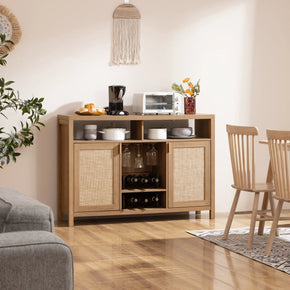
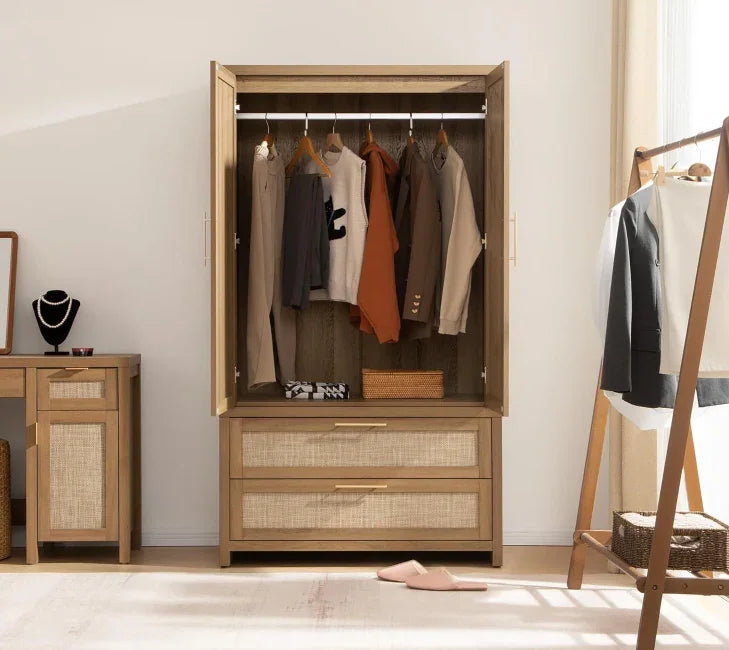
In this guide, we’ll explore where to buy good quality bedroom furniture, what to look for, and how to make sure you’re investing in furniture that stands the test of time rather than needing replacement in a few years. If you’re also interested in modern, thoughtfully built options, take a look at the bedroom collection which offers a balance of design and durability.
What Does “Quality” Bedroom Furniture Really Mean?
Before figuring out where to buy quality pieces, it helps to define what quality actually means in this context.
- Materials: Quality furniture uses solid wood, thick plywood, or well-constructed engineered wood rather than thin particleboard. One guide notes: “Look for well-made furniture that will withstand daily use… solid wood furniture tends to be more durable than particleboard or MDF.”
- Construction & hardware: Smooth‐opening drawers, strong joinery, even finish, and hardware that won’t fail in a year.
- Function & design: The right size for your space, proper storage, good layout and flow. Measuring space and layout is key.
- Style and longevity: Quality furniture should not only fit your current décor but should age well and adapt if your style evolves.
- Value for money: It’s not about the highest price, but about durability and how many years you’ll get out of the piece.
With these criteria in mind, you’ll be better equipped to evaluate any retailer or brand offering bedroom furniture.
Where to Buy Quality Bedroom Furniture
1. Direct-to-Consumer Specialty Brands

One of the best places to find quality bedroom furniture is from brands that design, manufacture and sell their own pieces directly to the consumer. This often means better control over materials and construction, and fewer mark-ups from intermediaries. These brands tend to offer modern designs combined with durability.
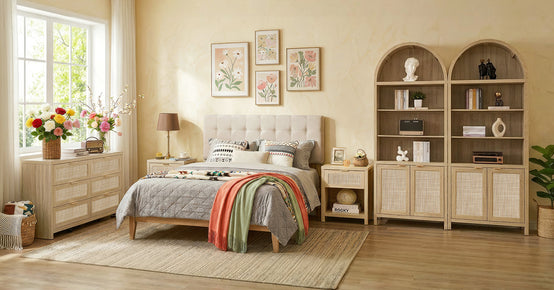
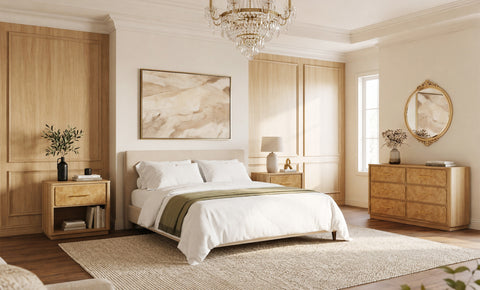
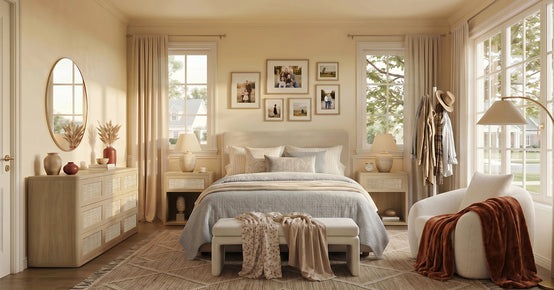
For example, if you browse the bed-room-furniture, you’ll see coordinated pieces with consistent materials and finishes—making it easier to select quality items that work together.
Why this channel is strong:
- Transparent material and dimension specs.
- Better value because you cut out many middlemen.
- Easier to coordinate your room (bed + nightstand + dresser) from one design language.
What to watch:
- Shipping/assembly costs and delivery lead times.
- Return & warranty policies.
- Whether hardware and finishing details match your expectations.
2. High-End Showrooms & Boutique Stores
For a true luxury or premium furniture experience, local showrooms and independent boutique stores let you inspect materials, touch finishes, open drawers, and test construction. These are great if you want top-tier quality and are willing to pay for it.
Pros: You can test in person, negotiate, often get white glove delivery and installation.
Cons: Higher price points, fewer clearance deals, sometimes limited design styles.
If your budget allows and you’re investing in a long-term piece (bed frame, dresser, wardrobe), these stores can yield heirloom‐quality furniture.
3. Major Online Retailers & Marketplaces
Websites like Wayfair, Overstock, Amazon and so forth carry huge inventories. If you’re wondering where to buy good quality bedroom furniture online, these platforms are often convenient—but you’ll need to be more vigilant about evaluating quality.
Pros: Massive selection, frequent sales, easy comparisons.
Cons: Quality varies widely. You’ll have to check specs, read reviews, and confirm materials/hardware.
Useful tips when using these platforms:
- Filter by materials (solid wood/plywood vs. particle board).
- Read verified customer photos and reviews.
- Check return policy & shipping costs.
4. Secondhand, Vintage & Consignment Sources

Sometimes the best quality furniture comes from secondhand or vintage sources. You’ll find solid wood construction and better hardware in older pieces—and with some refinishing, you can make them look fresh again.
Where to look: Vintage furniture stores, consignment shops, online marketplaces (Facebook Marketplace, Craigslist, etc.).
Good for: Unique character, sustainability, budget-savvy shoppers.
Be mindful: Check for structural integrity, correct hardware, and condition (e.g., warping, termite damage).
5. Flat-Pack and Budget Retail Chains
If your budget is modest or you’re furnishing a secondary room (guest room, children’s room), flat-pack furniture outlets can still yield quality pieces—provided you know what to look for.
The key is to evaluate materials (thickness of boards, finish quality), hardware (metal slides, strong connectors), and instructions for assembly. One source indicated that RTA (ready-to-assemble) furniture is more affordable but often uses particleboard or MDF.
Tip: Use these chains for pieces where you expect moderate usage, and reserve higher quality investment for your main bedroom.
How to Choose the Right Retailer for Your Needs

Understanding where to buy quality bedroom furniture also comes down to aligning the retailer with your priorities:
- Budget vs. investment: If you’re furnishing for five years vs. twenty years.
- Style flexibility: Want a modern or unique look? Go direct brand or boutique. Prefer basic, budget-friendly? Look flat-pack or online.
- Assembly & delivery: Do you have time and tools to self-assemble? Or need in-home setup?
- Space & layout constraints: Measure your room carefully before buying. One guide says: “Measure the length and width of your room … ensure it fits and can be moved around.”
- Value return: Factor durability, resale value, and adaptability—not just price tag.
What to Inspect Before You Buy
When you’ve found a potential retailer or piece, here are check-points to assess quality:
- Material specs: Is it solid wood? Plywood? Particle board? What finish?
- Drawer/door hardware: Smooth metal slides? Soft-close features?
- Joinery & structure: Reinforced corners, proper backing, good thickness.
- Finish & hardware: Consistent finish, quality handles/knobs, clean detailing.
- Dimensions & scale: Ensure the furniture fits your room and doorways, leaves enough circulation space.
- Warranty & customer service: Good quality furniture is often backed by solid warranty or after-sales support.
- Reviews and returns: Particularly important if buying online—look for repeat complaints about quality or build.
Design & Style Considerations
Because you’re investing in quality, you’ll want furniture that will stand the test of time in both durability and style. Consider:
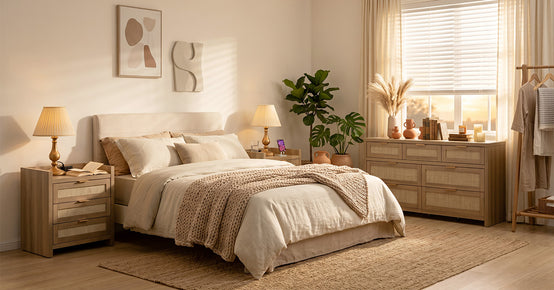
- Finish & color tone: Neutral wood (oak, walnut), or textured finishes such as woven rattan.
- Material compatibility: Choose finishes that complement flooring, headboard, and other furniture.
- Proportion & layout: Big beds need bigger dressers; small rooms need scaled-down furniture. One guide states: “Measure your room size & layout.”
- Adaptability: Choose pieces that can move with you—i.e., not too bulky, modular if needed.
- Mix & match vs. sets: Going full matching set is easier but mixing individual high-quality pieces adds personality. One article suggests mixing materials for depth.
Why Brands That Focus on Bedroom Furniture Matter
When you focus on where to buy quality bedroom furniture, choosing a brand that specializes exclusively or heavily in bedroom furniture can be an advantage. They often offer:
- Consistent design language across bed, dresser, nightstand.
- Materials chosen specifically for bedroom use (conditions like humidity, contact with clothes, etc.).
- Finishes and hardware selected for drawers/storage rather than general furniture.
Again, browsing the bed-room-furniture offers an example of a brand approach emphasizing thoughtful design and materials.
How Much Should You Expect to Invest?
Quality bedroom furniture comes in tiers. While budget pieces can be under $300, higher‐quality frames and storage units often range $500–$2000 depending on size and materials. The key is to match expected lifespan: if you plan to keep it for more than 5–10 years, spending a bit more now can be cost-effective long-term.
Smart Timing & Purchasing Strategy
To get the best value when buying quality furniture:
- Watch for sales (end of season, holiday weekends).
- Ask for open-box or floor-model discounts.
- Compare delivery/assembly fees (they add up).
- Consider local showroom clearance if you’re OK with discontinued finishes.
- Get fabric or finish samples when possible to inspect in your lighting.
Frequently Asked Questions
Where is the best place to buy quality bedroom furniture?
From specialty direct-to-consumer brands, boutique showrooms, or trusted online retailers that clearly display material and construction specs.
How do I know the furniture is “good quality”?
Look for solid or thick engineered wood, smooth drawers and doors, sturdily constructed frames, well-finished surfaces, and positive user reviews about longevity.
Can you buy good quality bedroom furniture online?
Yes—provided you do your homework: check specs, read reviews, look for return policy and warranty, and ensure dimensions match your space.
Should I buy a matching bedroom set or individual pieces?
Both can work. Sets simplify matching, but individual pieces give flexibility. Prioritize quality of each item over just matching.
What materials are best lasting?
Solid hardwood (oak, maple), high‐grade plywood, good veneers, and metal hardware. Avoid thin particleboard if you want durability.
Final Thoughts
Deciding where to buy quality bedroom furniture is less about picking the most expensive store and more about choosing a retailer or brand that aligns with your expectations for materials, construction, design, and longevity. Whether you’re investing in a main suite or refreshing a spare room, aim for pieces that are built well, fit your space, and reflect your personal style.
When you’re ready to shop, check out the bed-room furniture for designs that balance quality, proportion, and value. Good bedroom furniture sets the stage for better rest—and better days.


Looking for something else?
21 Bathroom Wall Decor Ideas to Refresh Any Space
LEARN MORE
How to Decorate a Leather Couch: 21 Easy Styling Ideas
LEARN MORE
10 Ways to Decorate a Gray Living Room (Warm, Not Cold)
LEARN MORE
How to Decorate a Shelf: Simple Ideas for Any Room
LEARN MORELooking for something else?

How to Stylize Your Powder Room: 9 Ways to Make a Small Space Stand Out
LEARN MORE
How to Choose the Perfect Bath Rug: Size, Material, and Fit for Every Bathroom (2026)
LEARN MORE
12 Storage Solutions for a Small Laundry Room That Free Up Every Inch
LEARN MORE


Further reading
How to Choose a Coffee Table: The Complete Buying Guide
How to Fold Napkins: 10 Easy Ways to Dress Up Any Table