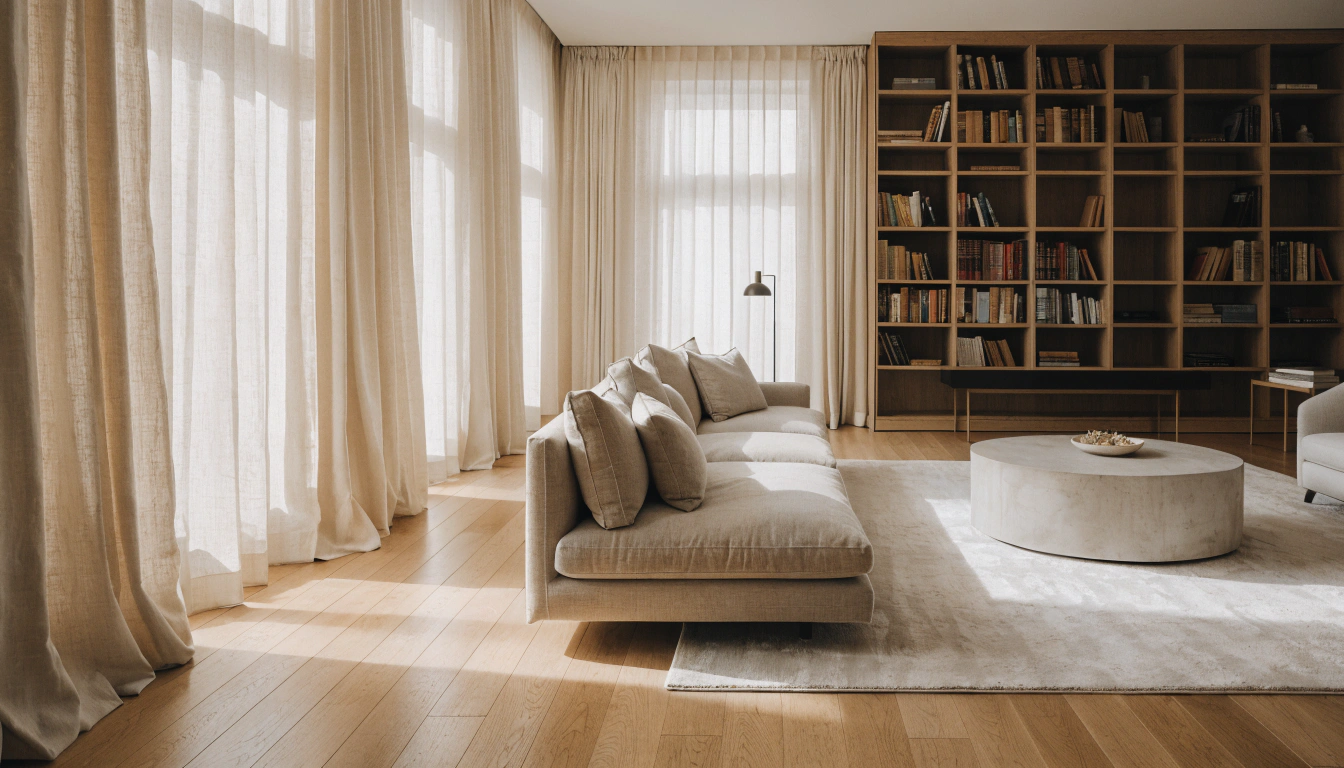



What Color Is Teal? Meaning, Shades, and Design Ideas
My neighbor repainted one bedroom wall dark teal last spring. Warm oak dresser, cream duvet, nothing else touched. Three months in,, she messaged to ask why she hadn'tdone it sooner. The room didn't get new furniture or a new lamp. It just finally has a color that actually means something.
So, if you've been trying to figure out what color is teal — not just find the hex code, but actually understand what to do with it — the answer is a blue-green with depth. Blue gives it calm. Green gives it freshness. The added darkness is what separates it from aqua and turquoise. What follows is about what you do with it.
What Color Is Teal?

A deep blue-green. Made by mixing equal parts blue and green, then adding a small amount of black or gray to give it weight. That's the step that sets it apart from the brighter relatives — it keeps it from looking playful and makes it look considered instead.
The name is from a duck. The Eurasian teal has a narrow blue-green stripe running around each eye, and whoever named the color in 1917 thought that was specific enough to work. Turns out it was. The shade had been used in Egyptian tomb art and Tibetan design for centuries before it got an English name — the Egyptians connected it to truth, the Tibetans to sea and sky. Both make sense once you've spent some time with it.
If you need the numbers: hex #008080, RGB 0/128/128, CMYK 100/0/0/50. Those matters for digital design work. For walls and furniture, a physical swatch matters more.
It Reads Differently at Night Than During the Day

Teal sits precisely on the boundary between blue and green, which makes it more light-sensitive than most colors. Cool daylight pulls it toward blue-green. Warm interior light in the evening pushes it toward green. The paint chip under a store's fluorescent lighting and the same paint on your wall at 9 pm can look like different decisions.
This isn't a crisis, but it is something to plan around. Get a physical swatch. Put it on the wall. Look at it in the morning, in the afternoon, and after dark, before you buy anything.
Teal vs. Turquoise — What Actually Differs

People mix these up constantly. They're in the same part of the color wheel, and they're close. But they land differently in a room, and picking the wrong one is a real decorating mistake.
|
Teal |
Turquoise |
|
|
Depth |
Dark, muted, rich |
Bright, light, vivid |
|
Temperature |
Cool-neutral |
Cool-tropical |
|
Feel |
Sophisticated, adult |
Playful, energetic |
|
Hex Code |
#008080 |
#40E0D0 |
|
Best For |
Bedrooms, kitchens,and living rooms |
Kids' rooms, coastal accents |
|
Pairs With |
Gold, wood, cream, coral |
White, coral, navy, lime |
Here's how I think about it: turquoise belongs on a postcard. Teal belongs on a hotel wall you'd actually pay for. Both are blue-green. Neither is the other.
One thing that rarely shows up in color comparisons is that teal lasts. Turquoise feels current, then starts to feel dated. Teal has cycled back into design repeatedly since the 1920s — kitchen cabinets, velvet furniture, bathroom tile, accent walls — and each time it comes back, it doesn't look like a revival. It just looks good. That's a different situation than a trend color.
The Shades — and How They Behave in Real Rooms

Teal is a family, not a single color. Here's a breakdown based on how the shades actually perform, not how they look in catalog photos.
|
Shade |
Hex |
How It Reads in a Room |
|
Classic Teal |
#008080 |
Balanced. Equal blue and green. Works in almost any room — the safest place to start. |
|
Dark Teal |
#005F5F |
Deep and moody. Strong on accent walls and cabinet fronts. Needs warm wood or brass to stay balanced. |
|
Teal Blue |
#367588 |
Leans blue. Clean and airy. Good for bathrooms, coastal rooms, Scandi-style spaces. |
|
Teal Green |
#264B56 |
Leans green. Warm and organic. Best in rooms with a lot of natural wood and linen. |
|
Light Teal |
#70AFAE |
Soft and fresh. Close to aqua. Good for small rooms and spaces without much natural light. |
Classic Teal
Equal blue and green, deepened just enough. This is probably what you picture when you hear the word teal. It's the most consistent across lighting conditions, which is a practical advantage — you won't be surprised when the sun goes down. If this is your first time working with teal, start here and decide later whether you want something darker.
Dark Teal

Where it gets genuinely interesting, one dark teal wall behind a bed does more visual work than most of what you'd spend money on to achieve the same effect. The room reads intentional without requiring much else.
The kitchen cabinet thing — dark teal fronts, brass hardware, stone counter — has been in high-end kitchen design for years and still doesn't look dated. Not because it's following a trend. Because the contrast logic is structurally sound.
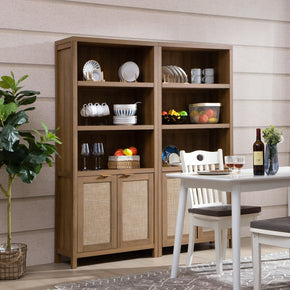
Against a dark teal wall, a Savanna 7-Drawer Tall Dresser in warm wood reads exactly right. The wood grain absorbs the drama of the wall rather than adding to it.
Teal Blue and Teal Green — Worth Distinguishing
Look at your specific shade before committing. Blue-leaning teal reads cooler and cleaner — bathrooms, home offices, coastal rooms handle it well. Green-leaning teal is warmer and more organic — a good match for spaces with heavy wood, rattan, or natural material. These differences aren't subtle. They come out clearly once the paint is on the wall and the furniture is in the room.
Light Teal

The version with the least risk. Brings the family's freshness without any of the weight. Small rooms with limited light — this is what I'd suggest over dark teal in that situation. A bedroom with light teal walls and a Savanna 3-Drawer Nightstand on each side reads quietly and cleanly. Nothing demanding attention it hasn't earned.
Colors That Actually Work Next to Teal

More flexible than most people expect. Teal handles warm tones because it's cool, and it handles neutrals because it has enough character to hold its own.
What Works
- Teal + Warm Wood — This is probably the combination I'd start with every time. Oak, walnut, and caramel finishes take the edge off teal's coolness without looking like they're trying to. You don't need to do anything else to make a room look considered.
- Teal + Brass or Gold — Warm metal against cool teal creates immediate balance. Even one brass lamp or set of drawer pulls shifts the reading of a dark teal room. Worth knowing before you overthink the hardware.
- Teal + White — Straightforward and clean. White lets teal breathe. This isn't the most interesting pairing on the list, but it consistently works and never becomes a regret.
- Teal + Cream — Better than white for bedrooms, in my experience. Cream adds warmth that pure white doesn't, and teal over cream bedding reads richer than teal over pure white.
- Teal + Coral — These sit directly opposite each other on the color wheel. High contrast and genuinely dynamic. In small doses — a coral pillow against a teal wall — excellent. As two equally dominant players in a room, it can become too much to look at for long.
- Teal + Warm Gray — Probably the most versatile living room combination. This has looked right for a long time and shows no signs of stopping.
- Teal + Mustard — More personality than the others. Retro-feeling in the best way. Needs teal as the dominant color — mustard as accent, not equal weight.
What Needs Care
Lime green, neon orange, hot pink, bright red — all of these create friction with teal at full saturation. That's not unusual; highly saturated colors usually don't coexist well regardless of hue. The fix is always the same: turn down the saturation on whichever color you're adding. Muted and dusty versions of all four can sit next to teal without tension. The fully bright versions just can't.
Using Teal in a Bedroom

This is where teal performs best, and it's not just aesthetics. The blue component is linked to reduced stimulation and easier sleep in color psychology research. Cool tones consistently outperform warm, saturated tones in sleep environments. The green component adds what most people experience as freshness — associated with natural settings, which is part of why it doesn't feel clinical the way all-blue can.
According to Homes & Gardens, teal works as a full room color, a single accent wall, or through textiles — which approach suits you depends on how much commitment you want to make before you're sure.
One Wall, Behind the Bed
If I had to recommend one approach for anyone trying teal for the first time in a bedroom, this is it. One teal wall behind the headboard — the other three walls stay neutral. You get all the color impact without anything feeling heavy. Good natural light? Push toward dark teal on that wall. Limited light? Classic teal is the call.
Start With Textiles
Lower stakes testing. Teal bedding against white or cream walls puts the color in the room without any paint commitment. If you still like it a week later, the wall decision gets easier. If you don't, you've only spent money on a duvet cover.
The Nightstand Has to Stay Quiet

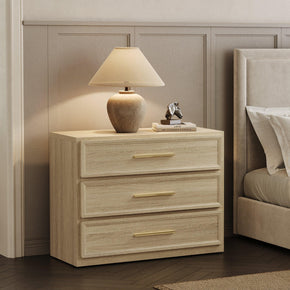
When the walls are teal, the nightstand's job is not to compete—warm wood or white — either works. A Crescent Nightstand, 3 Drawers in natural finish with simple hardware disappears against a teal wall in a good way. Three drawers iarealso genuinely the right number — cables and chargers in one, personal items in the second, and the third for whatever slowly accumulates bby the edside. Don't overthink the organization.
Dresser and Furniture for a Teal Room

The dresser is usually the biggest piece in the bedroom. How it interacts with the wall color changes the room more than most people anticipate when they're shopping for furniture before the paint is done.
Warm Wood, Most of the Time
A warm-finish dresser in oak, walnut, or caramel absorbs teal's coolness and keeps the room from feeling like it's all one temperature. If you're looking through modern bedroom dressers, prioritize clean lines and simple hardware over anything decorative. Ornate styling adds visual noise that fights with teal rather than working alongside it.
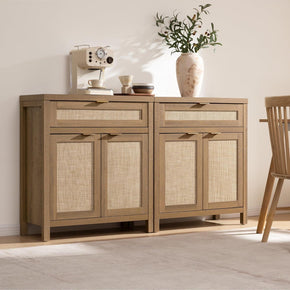
A wide Savanna 6-Drawer Wood Dresser in natural finish handles a teal bedroom well. The horizontal proportions keep the room feeling open, and flat drawer fronts don't compete with anything. It's the kind of piece you stop noticing after it's been in the room for a week — which is actually the goal.
White Can Work Too
White furniture against teal walls is crisp and contemporary. Works better with lighter or classic teal than with very dark teal — deep wall against pure white can feel sharp in a way that's not quite right. If you're working with classic or light teal, though, white furniture is a clean choice.
What to Skip
High-gloss finishes in cool tones — they push the room colder than teal already run—heavyy ornate details — too much visual complexity alongside a color that already has presence. And furniture in a shade close to the wall color — matching teal furniture to teal walls is doable, but it's a precision exercise, and it's much easier to get wrong than right.
For a broader range of pieces that work in rooms with strong wall colors, the bedroom furniture collection has coordinated wood-finish options built for everyday use.
Dark Teal in Other Rooms

Living Rooms
A single teal wall behind a sofa gives the seating area an anchor it probably doesn't have with neutral walls on all sides. A teal sofa in a neutral room becomes the focal point without needing anything else to do that job. And teal rugs on warm wood floors — that's one of the combinations that consistently looks right in contemporary residential design, full stop.
Kitchens

Dark teal cabinets have done what navy blue used to do as the go-to alternative to white, and they do it better. The combination of dark teal fronts, brass hardware, stone counter, and warm wood floor is structurally solid — not trend-dependent. It's held up across several years of high-end kitchen work and shows no signs of aging.
Bathrooms

Matte teal tile with matte black fixtures and a simple wood vanity is a spa atmosphere that reads expensive without requiring expensive materials. One of the better bold color choices for a bathroom — it actually improves how the room feels to be in, rather than just making it more interesting to look at once.
Is Teal a Good Bedroom Color?

Yes. And not just aesthetically.
The blue-to-teal color is consistently linked to reduced arousal and easier sleep onset in color psychology research. Cool, muted tones outperform warm, saturated tones in sleep environments for most people. The green adds what people describe as freshness — the kind tied to natural settings, which is also why teal doesn't feel clinical the way solid blue can in large amounts.
Shade matters. Dark teal creates an intimate, enclosed feeling — some people find this deeply relaxing, others find it oppressive. Light teal is airier and more neutral. Classic teal strikes a balance and is generally fine for anyone.
Warm wood furniture, neutral bedding. That's the combination that ages well and doesn't require you to redecorate in three years.
FAQs
What color exactly is teal?
Blue-green, specifically a dark cyan. You get it by mixing equal parts blue and green and adding enough black or gray to give it depth. Hex #008080 if you need the code. The name is from a duck — the Eurasian teal has a stripe of this color around each eye. First recorded as a color name in English in 1917, though it had been used in design for centuries before that.
Is teal more blue or more green?
Equal parts both, technically. Individual shades within the family lean one way or the other, but classic teal sits right in the middle. This is why two people looking at the same swatch can legitimately disagree about whether it's blue or green. They're both picking up something real.
What is the difference between teal and turquoise?
Teal is darker and more muted. Turquoise is brighter and lighter. Teal looks like a jewel. Turquoise looks like the ocean from a plane—same general area of the color wheel, very different rooms.
What colors go well with teal?
White, cream, warm gray, brass, gold, natural wood, coral, beige, navy, and mustard yellow. The most reliably good combinations — the ones that work across all shades of teal without requiring much else to hold them together — are teal with warm wood and teal with brass hardware.
Is teal a good bedroom color?
One of the better choices for adult bedrooms, yes. The bcolor lue is lassociated withcalm and reduced stimulation. The green adds the freshness associated with natural environments. Warm wood furniture and neutral bedding alongside it — that's a combination that reads right and holds up over time.
What is the psychology of teal?
Teal picks up blue's associations — calm, focus, trust — and combines them with green's — renewal, balance, nature. The result is a color that can feel restful or slightly energizing, depending onthe shade. Lighter teal tends toward energizing. Darker teal tends toward calm. Classic teal sits somewhere neutral.
Does teal work in a small room?
Depends entirely on the shade. Light teal on walls in a small room can actually read as expansive — similar to how a pale blue ceiling can make a low room feel taller. Dark teal in a small room without much natural light usually makes the space feel closed in. If the room has good light, you have more options if it doesn't, stay with classic or light.
What color should you not paint a bedroom?
Very bright reds, neon yellows, intense oranges. These are stimulating rather than calming, which is the wrong direction for a room designed for sleep. High saturation warm colors tend to perform poorly in bedrooms for most people. Teal, soft blues, dusty greens, and warm neutrals are consistently better.
Is teal still popular in interior design?
It's been popular repeatedly across a hundred years, which is different from being a current trend. The 1990s were the last major cultural moment — sports teams, kitchen appliances, consumer electronics. It fell away and came back, as it does. The reason it keeps returning is that the underlying color logic is sound, and it works in rooms regardless of what else is happening stylistically.
Final Thoughts
Here's what I'd actually do if I were starting a teal bedroom right now.
One wall behind the bed. Dark teal if the room gets decent light, classic teal if it doesn't. The other three walls stay white or warm cream. Dresser and nightstands in warm wood with simple hardware — nothing decorative, nothing that draws attention away from the wall. Bedding in cream or white. That's it.
Test the shade first. A paint chip under store lighting and the same paint on your wall at 9 p.m. don't look like the same decision. Get the physical swatch, look at it in the actual room, in the actual light you're going to live with.
Teal rooms hold up. Five years from no,w, a bedroom built around this color won't feel like it needs to be redone. That's not a guarantee most decorating choices can make.
Sources
- Living Spaces — What Color Is Teal? (How to Use It in Your Home)–––Used for color definition, emotional impact in home interiors, and teal furniture and decor pairings throughout the article.
- Homes & Gardens — What Color Is Teal and How to Decorate With It–––Used for design application guidance, blue vs green classification, and styling references in the bedroom and living room sections.
- Canva — Teal Color Meaning, Hex Code, and Palette Ideas–––Used for hex code #008080, RGB and CMYK values, and color meaning context in the technical definition section.
- Wikipedia — Teal–––Used for color etymology, Eurasian teal duck origin, first recorded use in English in 1917, and Egyptian/Tibetan cultural associations.
- Figma — Teal Color Codes and UI Design Usage–––Used for digital color code reference, similar color variants, and accessibility context in the design usage section.
- Asian Paints Beautiful Homes — Innovative Ways to Use Teal Color in Your Home–––Used for room-by-room teal application guidance, including kitchens, bedrooms, hallways, and study rooms.
- House of Hackney — The History of Teal and Styling With Blue-Greens–––Used for historical context on teal pigment origins, Egyptian and Tibetan associations, and the colorsusede in interiors from the 1950s onward.


Stay In The Know
Expert advice. Very good deals. The absolute best (and worst) things we've tested lately.
Looking for something else?
Best Vase for Tulips: A Florist's Honest Guide to Shape, Height, and Styling
LEARN MORE
41 Small Outdoor Living Spaces Ideas to Transform Even the Tiniest Patio
LEARN MORE
Modern Sideboard for Living Room: Complete Buying & Styling Guide
LEARN MORE
17 Camel Leather Sofa Decorating Ideas to Transform Your Living Room
LEARN MORERead more from Blogs
Looking for something else?
36 Wall Art Ideas That Make Any Room Feel Finished
LEARN MORE
What is an Ottoman? 8 Reasons Why You Need One
LEARN MORE
How to Sit in Bed With Good Posture: 10 Simple Tips
LEARN MORERead more from Blogs
You may also like


Further reading
What Is a Platform Bed? A Simple Guide to Types, Benefits, and Buying
Bed Sizes Guide: Dimensions From Twin to King