



21 Tiny Bedroom Ideas for Adults to Save Real Space
A tiny adult bedroom works when three things line up. Furniture pulls double duty, storage climbs the wall or slides under the bed, and nothing blocks the route you walk every morning. The room still has to stay dark, quiet, and cool, since sleep specialists say a bedroom needs those most.
Pale paint alone will not fix it. Plenty of white bedrooms still feel cramped, because the tiny bedroom layout fights you every morning.
These 21 small bedroom ideas suit rentals, apartments, box rooms and guest rooms. Some take an afternoon. A few need a drill. Each one says which.
Sort the Layout Before You Buy Anything
Most guides on this topic start with organizers—wrong order. Buying storage before you know the layout is how rooms end up with three baskets and no floor.
Measure the Fixed Things First
Write down the room size. Then the door swing, the window, the radiator, the outlets, and the bed you already own. Sketch those before anything else. They rarely move, so everything else has to work around them.
Measure how far the drawers slide out, too. A dresser needs about the same amount of clearance in front of it; otherwise, the drawers hit a wall.
Start With the Biggest Piece

Place the bed on paper, then the clothes storage, then a desk if you need one. Small pieces come last. Hold wardrobe and armoire options up against the wall you really have before you lock in the layout.
Decide What the Room Has to Do
Sleep only? Sleep and dress? Sleep and work? Adults inherit a furniture checklist nobody questions. Nobody says a tiny bedroom needs two matching nightstands and a full dresser.
21 Tiny Bedroom Ideas for Adults
Biggest impact first, smallest last.
1. Put the Bed Where It Protects the Walkway

The highest-impact decision in the room, and the one people copy from magazines instead of solving. A bed centered with two nightstands looks balanced. In a narrow room, it can leave two useless gaps.
Try placing it along one long wall. Try under the window. Chalk it out on the floor first.
2. Let the Bed Do the Storing

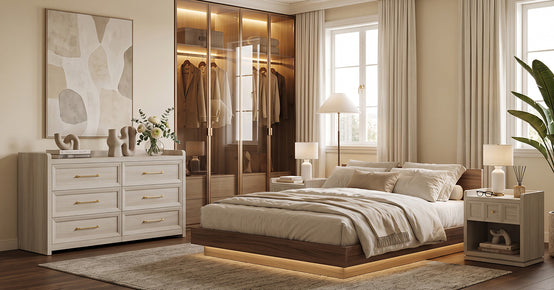
Your bed is the largest object in the room. Make it the largest storage zone too. A storage bed with a drawer base, a hydraulic lift-up frame, or a platform base swallows clothes, linens, and shoes.
Check side clearance before choosing drawers. A drawer that only opens halfway defeats the purpose.
3. Use Under-Bed Bins With the Bed You Own

Renting, or not replacing a working bed? Under-bed storage still works. Measure the gap under your frame first, then buy bins that fit. Doing it the other way round never works.
Split the space in two. Daily things near the edge where you can grab them, seasonal things shoved to the back. Leave a little airflow, since sealed damp storage in a low-airflow spot is where mold problems start.
4. Send the Storage Up the Wall

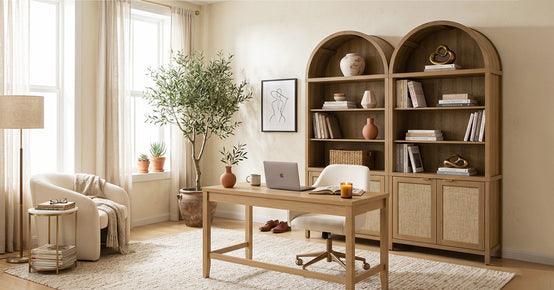
Floor space runs out fast. Wall height barely gets touched. A two-door bookshelf with closed storage takes up little floor space while giving you open display and hidden storage.
Rarely used things go high. Keep daily things between hip and eye level.
5. Build Storage Around the Bed

One wall can hold the headboard, shelving on both sides, and cabinets overhead. It turns a dead wall into a wardrobe replacement.
Anything mounted above a bed must be anchored into studs. Safety agencies say the same about tall, wall-mounted furniture. A shelf hanging over your head is no place to guess.
6. Trade the Nightstand for Something Slimmer

A full bedside cabinet can eat two square feet you cannot spare. Slim bedside tables work just as well, or a wall shelf. Either one holds a phone, a glass of water, your glasses, and a book.
Plan the charging cable into the design. A trailing cord ruins the effect and trips people.
7. Move the Bedside Light Onto the Wall

Lamp bases are floor space in disguise. Wall sconces, plug-in wall lamps, or rechargeable lights clear the whole surface. Pair this with a floating nightstand, and the bedside footprint disappears.
Renting? Rechargeable stick-on sconces need no wiring and leave no holes behind.
8. Choose Furniture That Does Two Jobs

If one rule matters most in a small adult bedroom, it is this one. A flip-open storage bench gives you a seat at the foot of the bed and somewhere for spare bedding, all in one footprint.
- A dresser standing in as the nightstand beside the bed
- Stool that works as a seat, side table and step up to high shelves
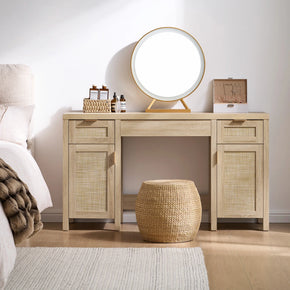
- Mirror with a cabinet behind it for jewelry and small items
- Desk that carries the lamp and the bedside clutter
9. Use a Slim Desk, Not an Office Setup

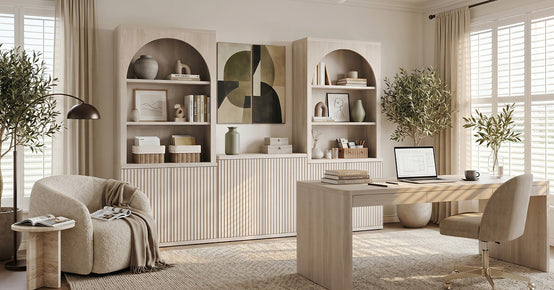
Working from a bedroom is normal now. Office-scale furniture in a tiny room is not. A fluted computer desk with built-in storage gives you a work surface without a separate filing cabinet.
One caution, though. Sleep specialists suggest keeping work and screens out of the bedroom, so your brain ties the room to rest. If the desk can live anywhere else in the home, put it there.
10. Murphy Bed for a Genuine Dual-Purpose Room

Fold the bed away, and the whole floor comes back for the day. That only pays off if the room really doubles as an office, a gym, or a studio, and if you will actually fold it every morning.
Check your wall type and the hardware rating before you order. This is not a rental-friendly option.
11. Try a Daybed When the Room Doubles as a Lounge

A daybed gives you seating without adding an armchair. It works in studios and guest rooms where somebody needs to sit during the day.
Keep the bedding tailored and the cushions few, or it slides into dorm territory fast.
12. Go Low to Make the Ceiling Feel Higher

A low bed frame leaves more visible wall above the mattress. The room reads taller. Nothing actually changed. Pair it with something vertical above the bed to push the effect further.
13. Pick Furniture With Legs

Visible floor under a piece makes a room feel less blocked. Put beds, desks and side tables on slim legs and your eye runs underneath them. A solid block stops it dead.
One exception. When you badly need hidden storage, a closed base beats the visual trick.
14. Use the Space Behind the Door

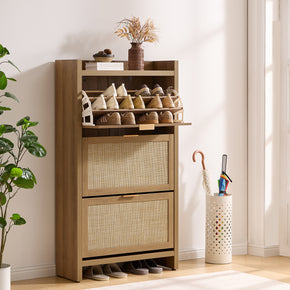
Three inches deep, sitting in every bedroom, ignored by almost everyone. Hang an over-door rack there, or a peg rail, or a row of hooks. Robes, bags, hats and tomorrow's clothes all go on it.
Check the door still shuts properly before you load it up.
15. Make Awkward Corners Earn Their Keep

Standard furniture sizes cannot use odd spaces, which is why they stay empty. Corner shelving fits there. An alcove desk fits. A bed nook, cabinets under a sloped ceiling, a high shelf above the doorway- all of them work where a dresser never will.
Do not force a full-size piece into a space that clearly rejects it.
16. Rethink What Goes on the Window

Two valid approaches, and the right one depends on your room. Roman shades sit inside the frame, so bulky fabric doesn't steal width from a narrow room.
Got wall to spare? Hang light curtains high and wide, and the wall stretches visually—physical clearance or visual height. Pick the one your room needs.
17. Place Mirrors Where They Actually Do Something

A mirror does not magically double a room. Position matters. Hang it facing daylight, an open doorway, or a tidy stretch of the room. If it faces a laundry pile, it just doubles the laundry.
A mirror on a wardrobe door or fixed to the wall costs you no floor at all.
18. Use Color for the Feeling You Want

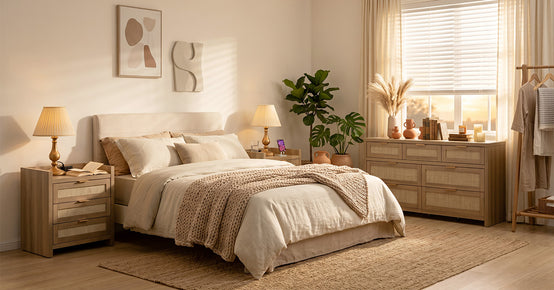
White is not compulsory. Light, warm shades bounce more light around and soften the corners, letting a boxy room breathe a little.
Deep colors work too, as long as you want a cocoon instead of the illusion of size. Cream pulls its weight, and warm off-white, soft green, muted blue and pale grey all do the same.
19. Cut Visual Clutter, Keep Personality

The fewer objects on show, the less obvious the walls become. Closed storage handles the miscellaneous pile. Leave a couple of wall patches bare so the eye has somewhere to land.
Small does not have to mean minimalist. Three bold pieces look chosen. Thirty little ones look like clutter.
20. Draw the Eye Upward

Push the eye up, and the ceiling feels further off. Vertical lines do that, and tall shelving is the easiest one. Floor-to-ceiling curtains, wall paneling, a narrow mirror, vertical artwork, a tall headboard- all the same effect.
21. Keep One Foldable Thing

A folding stool covers the odd need without living in the room full time. A nesting table or a light ottoman does the same. Extra seat when someone visits, extra surface when you want one, put away by bedtime.
Small Bedroom Layout Rules That Beat Decorating
Decoration cannot fix a bad plan. These four do most of the work.
Protect the Main Route
Getting to the door, the bed, and your clothes should not mean turning sideways. As a rough benchmark, accessibility standards call for a comfortable clear route of 36 inches. Beside a bed, most people cope fine with 24 to 30 inches.
Below that, it becomes a squeeze you notice every single day.
Place the Biggest Piece First
Bed first. Wardrobe or dresser next, desk after that, extras last. Do it backward, and you end up with nowhere sensible left for the bed.
Drop the Symmetry
Two matching nightstands look balanced in a large room. In a tiny one, they can eat the only usable corner you have. One nightstand and a wall shelf on the other side is often the better trade.
Use Fewer Pieces With More Storage

Several small units make more visual noise and hold less than one well-chosen piece. A tall four-drawer chest beats three baskets and a small cabinet, and it takes up less floor space.
Tiny Bedroom Trends Worth Using in 2026
Only the ones that help a small room. The rest are for photo shoots.
Built-In and Integrated Storage
Cabinetry wrapped around the bed. Shelving set into the wall. Storage cut to fit an odd corner. Built-ins waste less than freestanding furniture because they leave no gaps.
Cocooning Color and Pattern
The old rule that small rooms must be white is gone. Color drenching, wallpaper, and pattern drenching have taken its place. A dark, enveloping bedroom can feel deliberate rather than cramped. Darkness genuinely helps sleep too.
Multifunctional Furniture
Homes are getting more flexible, and furniture is following. Space-saving furniture that sleeps, stores, seats and supports work is now mainstream. It used to read as a compromise.
Warm Natural Texture
Wood grain, linen, wool and plaster finishes add depth without adding objects. That is exactly what a tiny room needs, because texture takes up no floor space.
Mistakes That Make a Tiny Bedroom Feel Smaller
Buying Before Measuring
Width is the easy part. Door swing catches people out. Drawer pull-outs do too, along with wardrobe door clearance and clear walking space.
Using Lots of Small Pieces
Four little units take up more room and more attention than one properly sized piece. They usually cost more in total as well.
Leaving the Walls Empty
Keeping every item at floor level ignores the room's largest unused surface. Look up.
Covering Every Surface
Full surfaces make a room's edges obvious. Leaving parts of a dresser top and a wall bare does more than any space-saving gadget.
Shrinking the Bed First
The room exists for sleep. Cut the desk, the armchair and the spare shelving before you drop to a smaller mattress than you find comfortable.
Skipping the Wall Anchors
Tall bookcases, chests and anything mounted over the bed need anchoring. It takes five minutes and one bracket, and nobody regrets it.
Final Planning Checklist
Run through this before adding anything to the room.
- Does the bed fit with enough space to get in and out comfortably?
- Can every door and drawer open fully?
- Is the route from door to bed clear without turning sideways?
- Could any of this storage move under the bed?
- Could any of it move onto a wall?
- Can two pieces be replaced by one?
- Can the light or the bedside surface go on the wall?
- Is the space behind the door being used?
- Is anything tall anchored to the wall?
- Does every remaining piece justify the floor space it takes up?
A good tiny bedroom isn't the one with the most furniture. It is the one where every square foot has a job.
FAQs
How to make the most of a small bedroom for adults?
Place the bed first. Put storage under it, then go up the walls. Then choose furniture that does two jobs instead of one. Mount the light and the bedside surface on the wall where you can, and keep one route through the room clear. Plan around what you really do in there, not a standard furniture list.
What are the 2026 bedroom trends?
Four are worth borrowing for a small room:
- Storage built into the room rather than freestanding units dropped into it
- Cocooning color, wallpaper and pattern-drenching in place of default white
- Multifunctional furniture that covers sleeping, storage, seating and work in one piece
- Warm texture coming from wood, linen, wool and plaster finishes
What are some ideas for a very small bedroom?
A storage bed. Tall narrow shelving. A floating or slim nightstand, a wall light, a shallow desk, hooks on the back of the door, and one piece that does two jobs. Start with the bed position, because the rest of the room follows it.
What is the best design for a small bedroom?
No single best layout exists, and anyone who claims otherwise has not seen your room. A good one keeps the walking route clear, leaves enough space around the bed, pushes storage up the wall or out of sight, and stops at the furniture your daily routine actually needs.
How do I lay out my small bedroom?
Measure the room, then mark what cannot move: doors, windows, radiator, outlets. Place the bed first, then map out the main walking route around it. Clothes storage comes next. A desk or bedside furniture comes last, and you check drawer and door clearance as you go.
What color makes a small bedroom look bigger?
Light shades with a soft sheen usually open up a room, since they bounce more of the light you already have. Cream, warm off-white, pale blue, muted green, soft beige and light grey all work. White is not required. Darker shades still succeed when cozy matters more to you than large.
Where should you put a bed in a small room?
Put it wherever the walking route stays clearest, and nothing gets blocked, meaning doors, wardrobes, drawers, and radiators. That might mean centering it on a wall. It might be pushed against one side, tucked under a window, or slotted into an alcove. Test each option on paper before moving anything heavy.
Sources
- Stanford Lifestyle Medicine – Five Simple Changes to Your Bedroom for Better Sleep
- CDC National Institute for Occupational Safety and Health – Create a Good Sleep Environment
- University of Minnesota – What Makes a Good Sleep Environment?
- Georgia Institute of Technology – Features of a Good Sleep Environment
- US Department of Justice – 2010 ADA Standards for Accessible Design
- US Consumer Product Safety Commission –Anchor It, Furniture Tip-Over Prevention
- US Environmental Protection Agency – Mold and Moisture in the Home


Looking for something else?
How to Choose Dinnerware: The Ultimate Dinnerware Sets Buying Guide
LEARN MORE
Velvet 101: How to Care for Velvet (Complete Care Guide)
LEARN MORE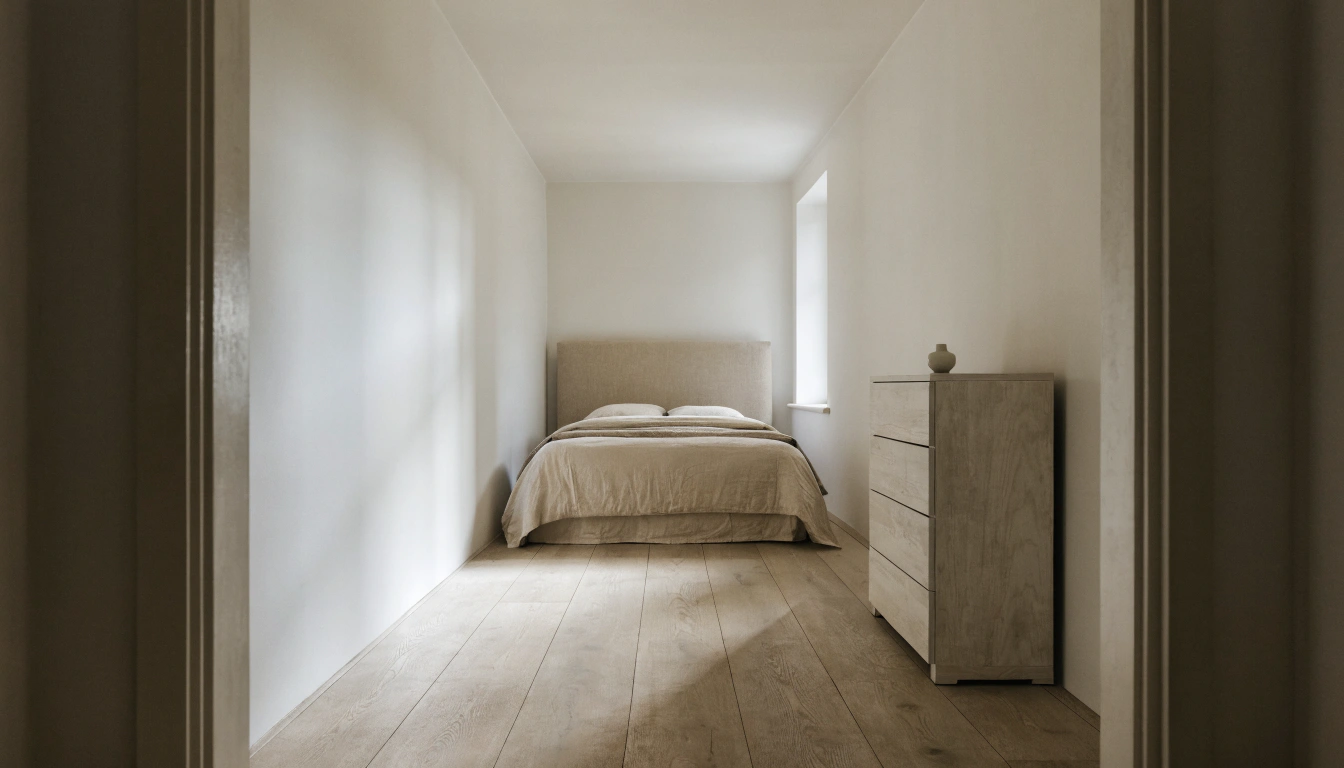
How to Decorate a Narrow Bedroom: 13 Narrow Bedroom Ideas and Layout Tips
LEARN MORE
How to Make a Coastal Centerpiece: Easy DIY Ideas
LEARN MORELooking for something else?
How to Make the Most of Your Hutch: Styling & Organization Ideas
LEARN MORE
How to Decorate a Small Kitchen: Design & Storage Tips
LEARN MORE
Sunbrella Fabric 101: What Is Sunbrella & Why It Lasts
LEARN MORE


Further reading

How to Decorate a Hall Tree: 10 Entryway Ideas That Actually Work

What Is Reclaimed Wood? Sources, Benefits, Risks and Buying Tips


