




15 Timeless Furniture Pieces That Outlast Every Trend
Timeless furniture has nothing to do with age. Something bought last year can be timeless. A reproduction antique can look tired inside a season. Three things decide it. Proportion. Construction. Whether the shape still makes sense after the room around it changes.
Some forms have simply refused to die. The Windsor chair. The trestle table. The plain chest of drawers. Museums hold furniture forms that have survived three centuries of taste for exactly that reason.
This guide covers 15 of them, plus the buying checks that decide whether yours actually lasts.
What Makes Furniture Timeless
Balanced Proportions
Our buying advice leans conservative on proportion, and it is worth saying that plainly rather than presenting it as a rule.
The reasoning is about risk, not taste. A very low seat, an unusually deep sofa, or a curve pushed past comfort ties the piece to a particular moment. Restrained proportions are harder to date, though nothing is undatable. Mid-century pieces looked timeless until they looked like the sixties.
Scale is the part that is not opinion. A deep sofa in a small room eats circulation, whatever the styling. Low seating that works in a loft with high ceilings looks marooned under eight-foot ones. Measure the room before the look enters the conversation.
The user decides the rest. A low seat is a barrier for anyone with knee or hip trouble, and getting up from a deep one takes core strength that not everybody has. A piece nobody wants to sit in has dated on day one regardless of its shape.
Weigh the risk against how long you plan to keep it. A statement piece you will replace in three years carries little of this. Something meant to last fifteen years and move house with you carries all of it.
Buy what you want to live with. Trend risk is one input among several, and it shouldn't be the deciding factor.
Materials That Get Better, Not Worse
Oak, walnut, leather, linen, wool and stone can develop a patina that reads better than new. None of them does it automatically.
What separates the two outcomes is mostly conditions and care. Sunlight fades and degrades most of this list. Moisture raises grain on wood and stains porous stone. Abrasion adds sheen to leather and wears through a linen weave.
Grade and construction decide a lot before you take delivery. Full-grain leather patinas where a corrected split coated in pigment does not. Solid wood can be sanded back; a thin veneer cannot survive it once. Sealed stone behaves differently from unsealed.
Damage does not become character. A ring in an unsealed oak top, a pet claw through wool, an oil stain in raw travertine, or a tear in linen are permanent, and no amount of aging improves them.
Care is what makes the difference visible over five years. Leather needs conditioning. Wool needs the right cleaning method. Stone needs resealing on a schedule the fabricator sets. Skip those and the material ages badly rather than gracefully.
Glossy plastic finishes and printed surfaces fail differently, not necessarily worse. They show scratches and cannot be refinished. What they offer in return is that spills wipe off and nothing needs feeding.
Construction You Can Actually Repair
This is the part most guides skip. A sofa lasts decades because the frame survives one reupholstery. A dresser lasts because you can replace a drawer glide. Nothing survives when the only fix is replacement.
It Works in More Than One Room
A dresser that could become an entry cabinet beats one that only fits a bedroom wall. Furniture moves house. Rooms change use. Flexibility wins over a perfect fit.
Comfort That Holds Up
A classic silhouette nobody wants to sit in gets sold within two years. Comfort is not separate from timelessness. It's what keeps a piece in the house.
Seven Checks That Tell You If Furniture Will Last

Every guide on this topic tells you to look for quality craftsmanship. None of them say what that looks like in a showroom. The checks below take under five minutes, and you do them by hand.
|
What to check |
Do this in the store |
Bad sign |
|
Frame |
Lift one front corner six inches off the floor |
The other front leg stays down or the frame twists |
|
Drawers |
Pull one all the way out and turn it over |
Stapled butt joints, no glide, thin base panel |
|
Doors |
Open one and let go halfway |
It swings shut or drifts open on its own |
|
Shelves |
Press down hard in the middle of a long shelf |
Visible flex, or no center support on a wide span |
|
Cushions |
Squeeze the seat edge between finger and thumb |
You can feel the frame rail straight through it |
|
Back panel |
Look behind the piece |
Thin card stapled on rather than a fitted panel |
|
Hardware |
Unscrew one knob |
Screws bite into loose particle rather than a fixing |
One more check that costs nothing. Ask whether replacement parts are available. A company that will sell you a drawer glide in year six is telling you something about how it built the piece.
Where the Money Should Actually Go
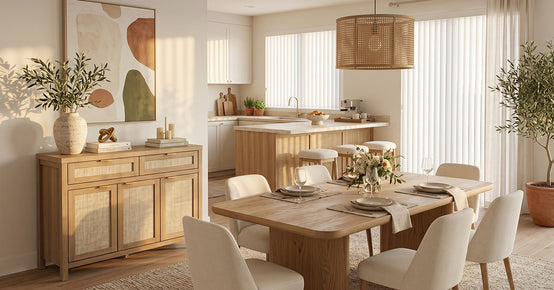
Spend on whatever is heavy to move and painful to replace. Sofas. Beds. Dining tables. Storage. Those four set the shape of a room, and nobody enjoys redoing them.
Take the risks on anything you could swap out in an afternoon. Cushions and lamps. Rugs, art, a small side table, a can of paint. Trends belong there.
One test before buying anything viral. Would you still want it if you had never seen it online? If you hesitate, put it back.
15 Timeless Furniture Pieces Worth Owning
1. Chesterfield Sofa

Deep button tufting. Rolled arms level with the back. A low structured shape. Victorian in origin and still everywhere. The tufting is the whole point. A shallow imitation looks wrong within months.
Leather ages best here. Linen and heavy cotton work if you want it lighter. Skip anything with fringe.
2. Roll-Arm Sofa

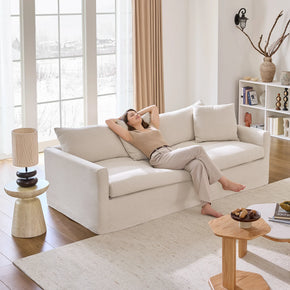
Softer than a Chesterfield and easier to live with. The arm rolls outward in a simple curve with no carving. This sofa disappears into a room and lets everything else do the talking.
Choose a plain weave in a neutral. Pattern locks you into a scheme.
3. Tuxedo Sofa

Arms and back at the same height. Straight lines throughout. It bridges classic and modern better than any other sofa shape. Add a skirt, and it reads traditional. Put it on slim legs, and it goes modern.
4. Wingback Chair

High back and side wings, originally there to block draughts from a fire. The shape has outlived its purpose by two hundred years and shows no sign of stopping.
Fabric decides everything here. A solid or a subtle check keeps it current. A large floral print dates it instantly.
5. Windsor Chair

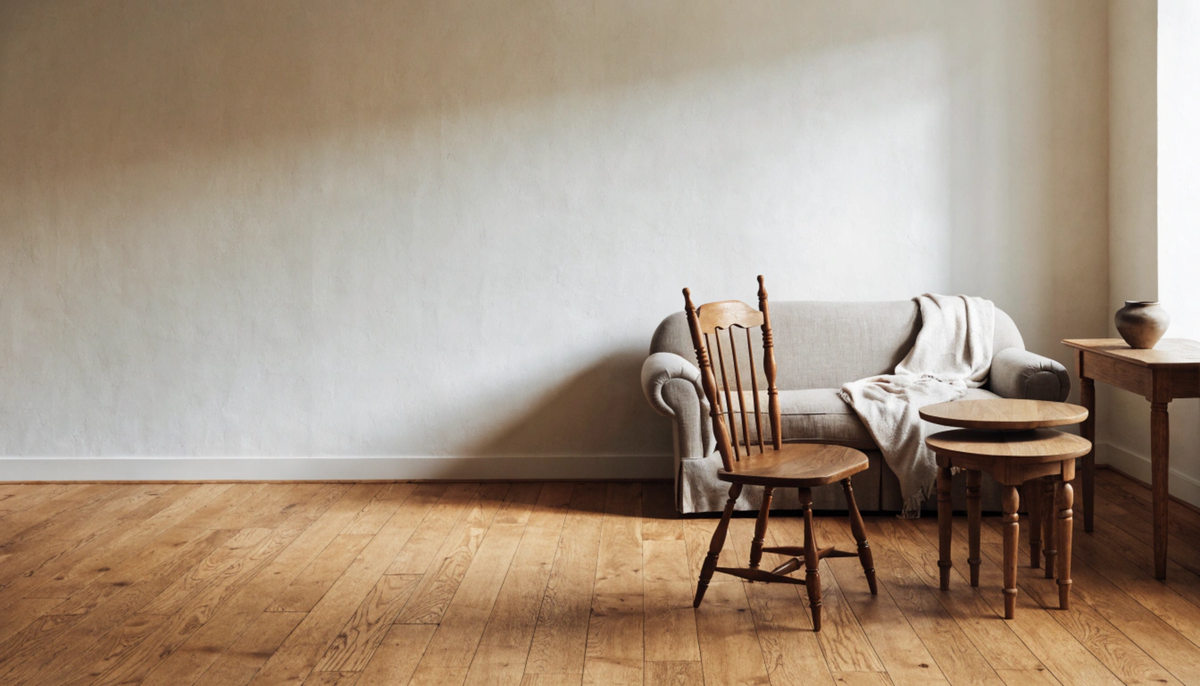
Spindle back. Saddle seat. Splayed legs. All wood. Light enough to shift with one hand and far stronger than the weight suggests. Chair design carries more history than most furniture, and the Windsor shows it plainest.
Put it at a dining table. Or a desk. Or alone in a corner.
6. Louis XVI-Style Chair

Straight fluted legs. An oval or square back. Restrained carving. Far calmer than the Louis XV pieces before it. The Victoria and Albert Museum's work on a 1788 armchair shows how much detail sits in a shape that still reads simple.
Pair it with a plain modern table. Together, two ornate pieces tip into costume.
7. Trestle Dining Table

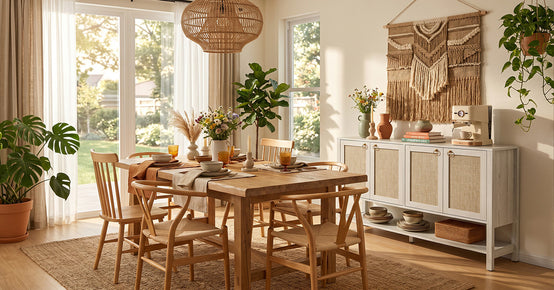
Two end supports joined by a stretcher and no corner legs at all. Medieval in origin and still the most practical dining shape for seating people at the ends.
Solid oak or walnut, natural finish. Of everything on this list, a trestle table is the piece most worth buying in solid timber.
8. Pedestal Dining Table

A single central column with a spreading foot. Nobody straddles a leg. You can push in one extra chair when someone shows up unannounced.
Round pedestal tables suit small rooms—no corner to catch your hip on.
9. Parsons Table

Legs flush with the top. Square section. No detail at all. Designed in the 1930s and still the most adaptable table shape available. Change the height, and it turns into a desk, a console, or a dining table.
10. Four-Poster and Canopy Beds

Four corner posts. A frame across the top, or not. Presence with no ornament at all. A plain wood or slim metal version keeps the silhouette and drops the weight.
Let the bedding do the styling. The same frame reads coastal, traditional, or modern depending on what you put on it.
11. Simple Wood Dresser

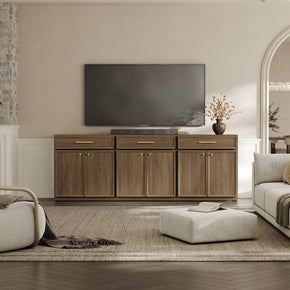
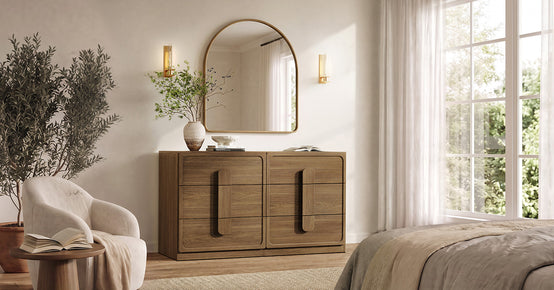
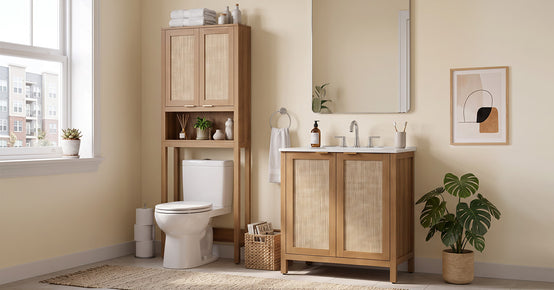
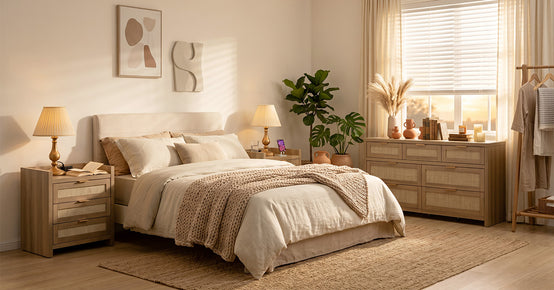
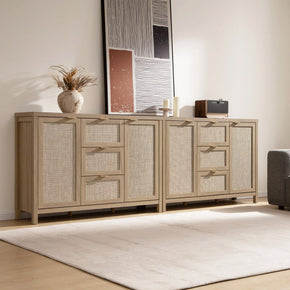
Flat drawer fronts, clean edges, hardware you can unscrew and change. The most useful piece of storage furniture ever made. A six-drawer chest with a plain front will still make sense in a room you have not decorated yet.
One safety point. Tall chests tip. The CPSC anti-tip campaign exists because furniture falls on children every year. Strap it to the wall.
12. Library Bookcase

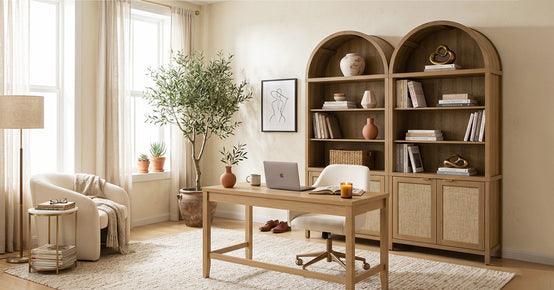
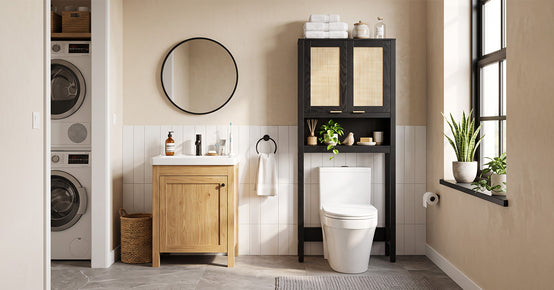
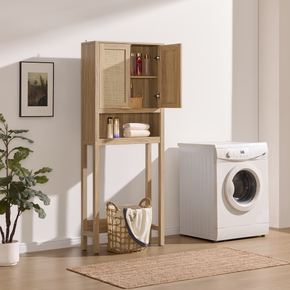
Tall, straightforward shelving with a solid base. It gets more useful the longer you own it, since the contents change while the furniture does not. A two-door bookshelf with a closed lower cabinet handles the things you would rather not display.
Span alone does not predict sag. The 32-inch figure has circulated for years and describes one narrow case. Plenty of shelves clear it and bow anyway.
Deflection rises with the fourth power of span and falls with the cube of thickness. Doubling a span costs sixteen times the sag. Adding thickness buys back more than most people expect.
Material sets the rest. Solid hardwood, plywood, and particleboard of the same dimensions sag by very different amounts. A front edge band or a lip stiffens a shelf considerably. Fixed brackets restrain the ends where loose pins do not.
Start with the rating rather than a span. Manufacturers publish a load capacity per shelf, and that figure already accounts for the material, thickness, and mounting they built in. Exceeding it is the failure you can predict.
Books are the load that finds the limit. A packed run of hardcovers is among the heaviest things a household shelf carries, and it sits uniformly across the whole span rather than in one spot.
Check deflection with the shelf loaded. Lay a straightedge across the span or run a string end to end, then measure the gap at the middle. Repeat after a few weeks. Sag under sustained load keeps developing.
Movement between the two readings means the shelf is creeping. Add a center support, reduce the load, or move to a thicker shelf before it takes a set that will not come out.
13. Glass-Front Cabinet

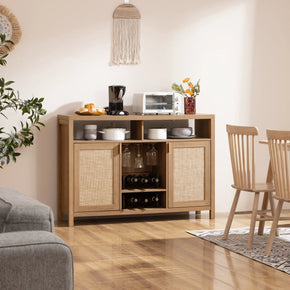
A display cabinet is not only for china. Books. Glassware. Ceramics. Office supplies nobody wants sitting out. A glass-door sideboard cabinet hides things while still keeping them open. Not many pieces manage both.
Keep the frame plain. Whatever goes inside supplies the personality.
14. Console Table

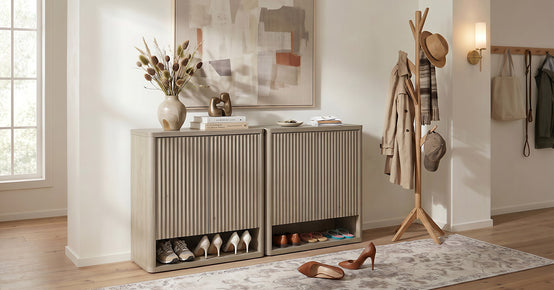
Shallow, long, and useful in every hallway ever built. It holds keys, a lamp, a bowl, and nothing else. A slim console with a drawer and lower shelf also moves behind a sofa or under a mirror when the hallway changes.
15. Nesting Tables

Two or three tables that tuck into each other. Pull them apart when people come over. Push them back when they leave. Nothing else solves that problem this quietly.
Simple materials travel best—wood, glass, stone or plain metal.
Materials That Age Well
- Solid hardwood. Oak, walnut, ash and maple gain color and character instead of just looking worn
- A good veneer over a stable core stays flatter than solid timber, and it will not split across a wide panel.
- Full-grain leather is the one upholstery that improves with use
- Linen, wool and heavy cotton. Neutral weaves that drop into almost any room
- Stone lasts visually as well as physically. It is heavy though, and it stains
- Glass and plain metal stay visually light. Easy to keep clean and hard to date
The Engineered Wood Question
Most guides imply timeless means solid wood. Most furniture sold today is not solid wood. Pretending otherwise helps nobody.
Where Engineered Wood Wins
Engineered panels move less across their width than solid wood does. Cross-banded plies and reconstituted cores distribute the shrinking and swelling that makes a solid top cup or split.
Less is none. Moisture content still changes with the surrounding humidity, and no finish stops that. A finish only slows the rate.
They fail at the edges. Reconstituted cores absorb water quickly through any unsealed edge, and the swelling is permanent. FPL flags edge sealing on these products specifically. Veneered plywood carries face checks from manufacturing that wetting and drying cycles widen over time.
Repairability is the real trade. A solid top that cups can be sanded flat and refinished. A swollen particleboard edge or a delaminated veneer cannot be brought back, and the piece is finished at that point.
Construction decides more than material does. Panel quality, lamination, how the edges are banded, whether the back is sealed, and the hardware all matter. A well-built engineered piece with good hardware can outlast a poorly built solid one, and the reverse is often true.
Match the system to the room. Engineered panels do well in stable indoor conditions away from moisture. Solid wood tolerates humidity swings and damage better, provided it was built to move.
Where It Falls Down
Edges are the weak point. Water swells them, and screws pull out of loose particle. Thin backs and stapled joints are the real problem, not the core material itself.
Check the Emissions Label
Composite panels sold in the United States have to meet federal formaldehyde emission limits. Check the product or the packaging for a compliance mark. Bedroom furniture especially.
Mixing Timeless Furniture With What Is Popular Now
Keep the big shapes classic and move the trend to the edges.
- Add curves through a side table, mirror or lamp rather than a whole sofa
- Bring warmth in with oak and walnut accents against existing pieces
- Layer texture using rattan, linen, wool and handmade ceramics
- Put color on cushions and art, where changing your mind costs little
- Mix eras deliberately. A matching furniture set ages worse than a collected room
The Getty makes a related point about modern design generally. People remember what got taken away far more than what got added.
Timeless Furniture by Room
Living Room
Buy the sofa first and buy it properly. Then one good accent chair. Then a coffee table or nesting tables. Then closed storage. The rest can wait.
Bedroom

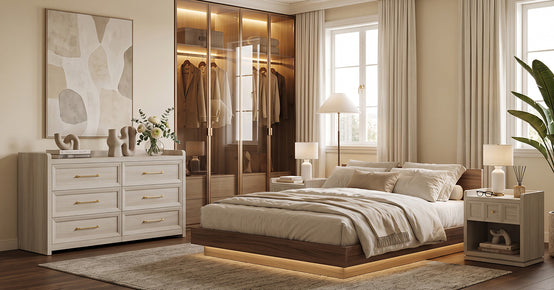
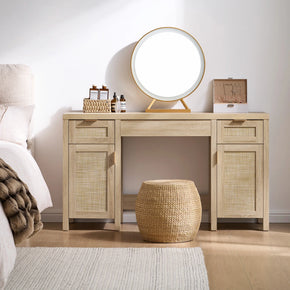
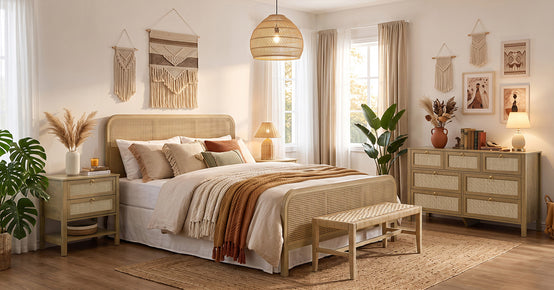
A solid bed frame. A plain dresser. Two nightstands, and they do not have to match each other. Looking across the bedroom range as a whole beats buying a matched set, which dates faster than its parts.
Dining Room
Table first, chairs second. A good table outlives several sets of chairs. Chairs can also be repaired or reupholstered for a fraction of what a new table costs.
Home Office

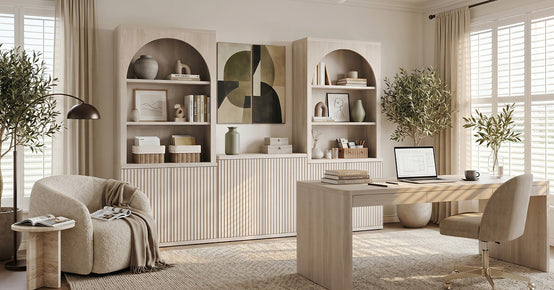
A simple desk and real shelving. Nothing else in a study earns its floor space. Office storage that suits a working room tends to migrate elsewhere in the house later, which is a point in its favor.
Entryway
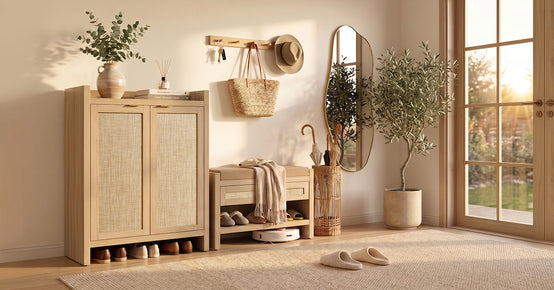
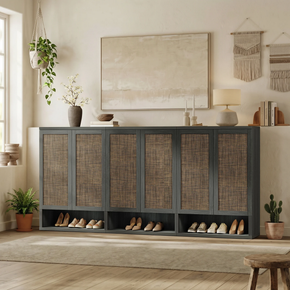
Compact and hardworking. A console. A bench. A shoe cabinet. All three can move somewhere else once the house changes.
Where People Go Wrong
- Assuming neutral means timeless. Beige upholstery over a stapled frame is still a stapled frame.
- Buying a matching set. Collected rooms age better than suites, every time
- Picking looks over comfort on a piece you sit in daily
- Ignoring scale. A classic sofa that blocks a doorway is still the wrong sofa
- Paying more and checking less. Price is not a construction report
- Refusing all trends and ending up with a room that has no personality at all
Final Takeaway
Timeless furniture is a buying method more than a look. Choose balanced shapes, materials that improve with handling, and construction you can repair.
Then stop. Put the money you saved into the parts of the room you enjoy changing.
FAQs
What kind of furniture is timeless?
Anything with balanced proportions, natural materials, and construction you can repair. The shape also needs a decades-long track record. Chesterfield and roll-arm sofas clear that bar. Wingback and Windsor chairs too. Trestle and pedestal tables, plain wood dressers, library bookcases, console tables.
What is a timeless sofa?
A timeless sofa uses a proven shape and neutral upholstery on a frame you can recover later. The main candidates:
- Chesterfield if you want tufted structure and presence
- Roll-arm is the easiest to live with day to day
- Tuxedo bridges classic and modern better than the rest
- Track-arm, plainest of the four
The frame matters more than the silhouette. A shape you love on a frame that fails is a two-year sofa.
What bedroom furniture is timeless?
A four-poster or a plain upholstered bed. A flat-front wood dresser. Simple nightstands, an armoire, a bench at the foot of the bed. Restrained drawer fronts and changeable hardware count for more than the finish color. Knobs come off without touching the furniture.
What furniture is in style for 2026?
Interest right now runs toward warmer woods, natural texture, and sculptural shapes that still work as furniture. Vintage mixed with new. Craftsmanship you can see. Use it all on smaller pieces. Pick anchor furniture based on how long you will keep it, not what is popular this year.
What are the four types of furniture?
Sorted by the job they do:
- Seating, which covers sofas, chairs, benches and stools
- Surfaces. Dining tables, desks, coffee and console tables
- Storage means dressers, bookcases, cabinets and wardrobes
- Sleeping. Beds, headboards, daybeds
Other systems sort furniture by room, era or material. The functional split helps when you are buying.
What is a timeless decor style?
A layered approach rather than one named style. Classic furniture shapes, natural materials and a restrained color range. Good proportions. Personal objects that arrived over years. Rooms built this way rarely look dated. They were never pinned to a single moment.
What is the most famous furniture brand?
No objective answer exists. Global recognition runs from mass-market retailers through heritage workshops to design houses, and it shifts depending on which country you ask in. Fame tracks marketing reach, not durability. A maker nobody has heard of, with better joinery, will outlast a famous one.
Which furniture brand is best in Pakistan?
No single brand suits everyone. It comes down to your city, your budget, the category you are shopping for, and whether custom work is on the table.
Compare wood type, joinery, warranty terms, delivery, and after-sales service in person. Local workshops tend to beat national retailers on solid wood. Larger retailers usually win on availability.
Sources
- The Metropolitan Museum of Art – American Furniture, 1620–1730: The Seventeenth-Century and William and Mary Styles
- Victoria and Albert Museum – The Conservation of Marie Antoinette's Chair
- Denver Art Museum – 3 Things Chair Legs Reveal about Design and History
- U.S. Environmental Protection Agency – Formaldehyde Emission Standards for Composite Wood Products
- U.S. Consumer Product Safety Commission – Anchor It! Campaign Marks 10 Years
- USDA Forest Service – Wood Handbook: Wood as an Engineering Material
- Getty – What Is Modern Architecture, Anyway?


Looking for something else?

Burl Wood Furniture: The Complete Buying Guide
LEARN MORE
What Is a Hope Chest? Meaning, History, and Modern Uses
LEARN MORE
What Is a Foyer? Meaning, Purpose and Design Guide
LEARN MORE
GREENGUARD Gold Certified Furniture: What It Really Means for Your Home
LEARN MORELooking for something else?

How to Clean a Mirror Without Streaks: Simple Step-by-Step Guide
LEARN MORE
21 Above-Bed Decor Ideas for a Stylish Bedroom Wall
LEARN MORE
Furniture Materials Guide: Picking the Right Material Room by Room
LEARN MORE


Further reading

18 Decorative Storage Box Ideas That Hide Clutter Well

How to Store Comforters Without Losing Space or Loft


