





















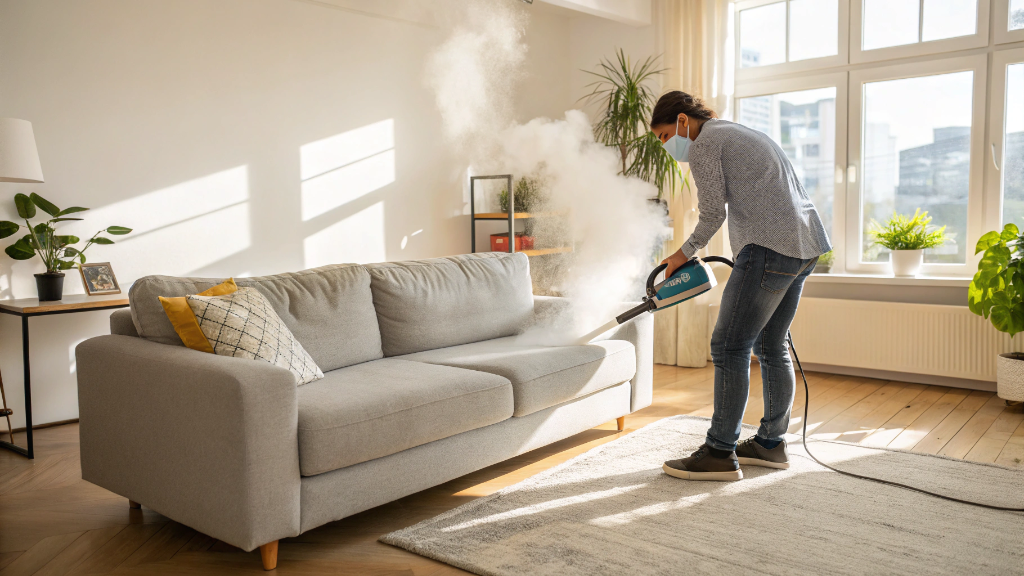

How to Steam Clean a Couch at Home Without Wrecking It
So your couch. Yeah, that one. The crumbs in the seams, the dog-shaped imprint in the third cushion, the coffee ring near the armrest you've personally been ignoring since February. Mine too — don't feel called out. Vacuuming sort of helps, right up until one day you sit down and realize last week's General Tso's is somehow still hanging out in there. That's usually when most of us crack and Google how to steam clean a couch without screwing it up. Good news? It works. Really. The hot vapor pulls the trapped gunk out, breaks down body oils, and gets you to that elusive "just bought it" feel Febreze keeps lying about. Bad news? Pick the wrong fabric, and you're staring at water rings forever. That's the part nobody mentions on Pinterest.
What Is Steam Cleaning a Couch, Really?

Skip the jargon, and steam cleaning a couch is exactly what it sounds like. You clean the couch with steam. Specifically, hot water vapor blasted out of a small machine — handheld or upright, take your pick — onto the fabric surface. The heat softens whatever's been camped out in the fibers. Body oils. Food crumbs. Dust. Pet dander. Whatever's making the cushions look dingy and feel a little sticky. You lift it out with a clean cloth. That's it. No aerosol sprays, no chemical foams, no "miracle solutions" you've gotta vacuum back up later.
People throw the term around loosely, though, which causes a lot of confusion. Some folks call shampooing "steam cleaning." Others use it for hot water extraction. Both are technically wrong — those methods drown the fabric in way more liquid than actual steam does. Real steam cleaning is vapor only, plus a tiny bit of water. The difference starts mattering the second you walk into Home Depot trying to rent a machine, or call a service quoting "steam cleaning" rates that turn out to be hot water extraction. Comparison's coming in a minute.
How Steam Cleaning Actually Works on a Fabric Sofa

Alright, the mechanics. Your machine heats water until it boils into vapor — usually 200 to 240 degrees Fahrenheit, depending on the unit. That vapor hits the fabric. It softens the oils, grease, and dirt that's settled into the fibers over the months. Once everything's loose, you blot it out with a microfiber cloth. Or the machine pulls it back up through the same nozzle. Bonus nobody puts in the brochure — that 200-degree heat also takes out dust mites, bacteria, pollen, and whatever else has been quietly setting up camp in your cushions. You didn't sign up for a microscopic eviction notice, but here you are. Issuing one.
Why steam works well on couches comes down to two things. One, the moisture's way lighter than shampooing — cushions don't end up wet through to the foam. Two, no chemicals required. Distilled water in the tank. That's it. Now — important caveat — steam is not a miracle worker. It handles routine grime. It eases the smells. It will not, under any circumstances whatsoever, undo a red wine spill from Thanksgiving 2023. Some things just live there now.
Steam Cleaning vs Shampooing vs Hot Water Extraction

Three methods. Three different jobs. Even pros use these terms interchangeably, which is honestly annoying. Here's what actually separates them, based on how each one affects your fabric.
|
Method |
Best For |
Main Risk |
Dry Time |
|
Steam cleaning |
Routine refresh, odors, allergens, water-safe fabric |
Heat or moisture damage to delicate fabric |
4–8 hours |
|
Shampooing |
Body oils, food spills, and heavier soil |
Soap residue, over-wetting |
6–12 hours |
|
Hot water extraction |
Deep cleaning, professional-level results |
Cushions stay wet if the extraction is weak |
8–24 hours |
|
Vacuum only |
Weekly upkeep, X-coded or delicate fabric |
Won't lift set-in stains |
Instant |
For most homes? A workable routine looks like this. Vacuum every week or two. Spot clean any spill the second it lands. Deep steam clean once a year. Pet household — twice a year. Kids under five — also twice a year. Sorry, that's just the math.
Pros and Cons of Steam Cleaning Your Couch

Steam cleaning has real upsides and real risks, like every DIY project. Knowing both ahead of time saves you guesswork. Also saves you a few hundred bucks in mistakes.
The Pros
- Lifts deep grime that vacuuming alone leaves behind
- Kills dust mites, bacteria, and pollen with heat alone — no chemicals required
- Zero chemical residue on cushions, which actually matters for kids and pets
- Way cheaper than calling a pro every six months
- Less moisture than shampooing, so cushions dry faster
- Genuinely effective on routine spills, body oils, and weekly buildup
The Cons
- Wrong fabric = water rings, shrinkage, or dye bleed (none reversible)
- Won't lift set-in or specialty stains (old ink, wine, dye transfer)
- Over-wetting risk if you go heavy on the trigger or move too slowly. Drying takes 4–8 hours, sometimes a full day in humid weather
- Only safe on W or W/S coded fabric — S and X are off-limits
- Steam can permanently set certain stains if used incorrectly
How to Decide If Steam Cleaning Is Right for Your Couch

Honestly? Boils down to four questions. What's the care code? What's the fabric? What kind of stains are you actually trying to fight? And how much do you really care about saving this couch? Start with the tag. W or WS, you're cleared. S or X, call a pro and just skim past this whole section. Once the code is sorted, look at the fabric itself. Polyester blends, microfiber, most synthetics — they all handle steam without drama. Heirloom silk? Vintage velvet? Anything unsealed and natural? Hard no. Then think about what you're really trying to clean.
Old, set-in stains that've lived through three seasons and counting probably aren't coming out with a steamer. That's a pro job, no shame in it. But routine grime, the occasional food spill, the lingering pet smell, last winter's body oil on the armrest — steam absolutely handles those. Finally, do the math. If your couch costs $400 and renting a steamer for the weekend costs $90, you're not saving a fortune compared to the $200 cleaning service. The savings are real but not massive. But if you're protecting a $2,000 sofa from premature retirement? Doing this once or twice a year is the obvious move. The longer your couch lasts, the more sense the routine makes.
Couch Cleaning Codes Explained: W, S, WS, and X

I know. Reading a label sounds about as exciting as watching paint dry. Skip it anyway, and you can trash a perfectly fine couch in about five minutes. Here's how. Every fabric sofa sold in the U.S. ships with a tiny tag. One letter. That's it. And that one letter is the difference between a freshened-up sofa and a $1,200 disaster you'll keep seeing every time you walk into the living room.
These codes aren't random, by the way. They're set by the upholstery industry's official cleaning standard, ANSI/IICRC S300, which the professionals follow to keep furniture intact. Once you know what each letter means, you'll never have to guess again.
Where to Find the Cleaning Code

Lift a seat cushion and flip it over. Nine times out of ten, the tag is sewn right there on the underside. Newer fabric sofas like the Nimbus White Sofa Couch ship with a clear W code on a visible tag, so they're steam-friendly from day one. Older couches sometimes hide the tag in weirder spots — the back of the frame, inside the skirt, under one of the legs. While you're crawling around under there, take a phone photo with your phone. Saves you from doing the archaeology every time.
|
Code |
What It Means |
Safe to Steam? |
DIY-Friendly? |
|
W |
Water-based cleaners only |
Usually yes |
Yes, after a spot test |
|
W/S or WS |
Water or solvent cleaners both work |
Yes, with caution |
Yes, but spot test first |
|
S |
Solvent-based cleaners only — no water |
No |
Call a professional |
|
X |
Vacuum only |
No |
Vacuum and soft brush only |
W or WS — go for it. Anything else — hands off the steamer. Water on an S or X fabric leaves rings that just don't lift, shrinks the cover, or yanks the dye out in patches you can't fix without spending serious money on reupholstering. Not worth the gamble. Walk away.
What You'll Need to Steam Clean Your Couch

Gear list? Short. Most of it's probably already sitting in your house. A handheld steamer with an upholstery attachment handles one or two sofas no problem — leave the big commercial machine at Home Depot unless you're cleaning a building. You'll also want a vacuum. Specifically, the upholstery brush attachment and the crevice tool. Not just the floor head you use on carpet. Also need a soft-bristled brush for tight areas (piping, seams), plus a fan or an open window for drying.
Supplies — one thing I'll die on this hill about: distilled water. Tap water leaves mineral spots when it dries, and they show up plain as day on darker fabrics. White microfiber cloths are also non-negotiable. Story time: I once used a navy-blue shop rag on a damp cream cushion. Watched the dye transfer happen in real time. Like, I actually watched it. Only buy white microfiber now, end of story. Grab a fabric-safe pre-treatment, too, if your care code allows—enzyme cleaner for any pet accidents. Throw on gloves if you're using anything stronger than water.
How to Prepare Your Couch Before You Start
Prep. This is where almost every DIY couch cleaning project quietly falls apart. Steam over a layer of dust? Congratulations, you just made mud. Now you've got a damp, dirty cushion drying for eight hours, and somehow you're in worse shape than when you started. Just take the fifteen minutes.
Vacuum Like You Mean It

Take every cushion off the couch. Vacuum the seat deck. Then the back, the arms, and especially that horrible crack where the cushions meet the frame — that's where the gnarly stuff hides. Switch to the crevice tool for seams and piping. Heads up: you're going to find stuff. Possibly stuff you wish you hadn't seen. Goldfish crumbs from last Christmas. Mystery dog hair. Skin flakes (sorry). A quarter, probably two. Doing this properly here makes the steaming about twice as effective. No skipping.
Pre-Treat the Stains That Bother You

Got visible stains? They need attention before the steamer comes anywhere near them. Dampen — emphasis on dampen, not soak — a clean cloth and dab the spot. Then apply a tiny amount of fabric-safe cleaner. The kind your care code actually allows. Walk away for five or ten minutes. Come back, blot. Listen — I cannot say this strongly enough. Blot. Only. Blot. The second you start scrubbing, you're roughing up the fibers and pushing whatever you spilled deeper into the foam. That's how a small problem turns into a permanent souvenir.
Always Run a Five-Minute Spot Test

Find a spot on the couch nobody sees. The back panel. Underside of a cushion. Behind a leg. Anywhere hidden. One quick steam pass. Blot. Walk away. Come back in twenty minutes and actually look. Color bleeding? Shrinkage? Rough patch where it used to feel smooth? A faint ring around the test area? Any of those — stop. Done. Call a pro. Don't try to outsmart what the fabric's telling you. If the patch dried clean and feels normal, you're cleared. Clean the rest of the sofa with the same setup.
Step-by-Step: How to Steam Clean Couch Fabric

Once you've prepped, the cleaning part flies. Here's the sequence I use, in order.
Tank first. Fill it with distilled water. Don't add detergent unless the machine's manual specifically says you can — plenty of handheld steamers void the warranty over soap residue. Yeah. Learned that one the hard way back in 2023. Plug it in, give it a minute to heat up, and grab a clean white microfiber cloth.
Cushions first. Pull them off the couch and lay them flat somewhere clean — your floor's fine if you just swept. Tackle one side at a time, flip when that side's done. Your passes should be short. Overlapping. About the size of your palm. Not a whole cushion. Keep the steamer head moving constantly. Same idea as ironing — park it for too long, and the dye scorches, or the fibers go flat in a patchy way you'll see forever. After each pass, press a clean microfiber cloth onto the damp area. Pulls up everything the steam just loosened. Swap to a fresh cloth when the current one looks gross. They get gross fast. Surprisingly fast.
Cushions done? Move to the body of the couch. Top down. Arms first, then back, then finish with the seat deck. Reason: any drips fall toward stuff you haven't cleaned yet, not over your fresh work. Switch to the smallest attachment for piping, corners, and that nasty,y tight gap where the back meets the seat. Those three spots hold the most grime. Most people skip them completely. Don't be like most people.
Do a final check while everything's still damp. Damp fabric shows you missed spots way better than dry fabric does. Re-steam just the patches that need it. Resist the urge to keep going over the same area, though — extra passes don't clean better. They just mean wetter cushions, longer drying times, and a higher chance of water rings appearing later. Looks good? Stop. Walk away.
How Long Does a Couch Take to Dry After Steam Cleaning?

Most fabric sofas dry in four to eight hours. Humid weather, thick foam, or a heavy hand with the trigger can push that to a full day. Don't sit on it until it's dry. Genuinely dry. Not "close enough." Sitting on damp fabric leaves marks, slows drying, and pushes moisture down into the foam, which is exactly where mildew grows. None of that is reversible.
How to Speed Drying
Open every window in the room if the weather cooperates. Set up a couple of fans pointed at the couch from different angles — one aimed at the cushions, one at the body. Stand the cushions on their edges so air reaches all sides, not just the top. If your house runs humid (looking at anyone in Florida or Houston), a dehumidifier is honestly the best investment you can make for upholstery cleaning, full stop. Blot any spots that still feel wet with a clean dry towel.
Still damp six hours in? That's your sign, you went heavy on the steam. Crank the airflow up now, and use noticeably shorter passes next time around.
Mistakes That Will Ruin Your Couch

Pretty much every steam-cleaning horror story I've heard traces back to the same handful of habits. None of them is dramatic. Just small choices made in a rush, usually around 9 p.m. on a Saturday, probably after wine has been spilled, and probably while a true crime podcast plays in the background.
Top mistake? Skipping the care tag. Tempting, especially if you've cleaned couches before. But here's the deal — fabric isn't standardized across brands. Or even across model years from the same brand. An S-coded sofa water-spots the instant moisture touches it. No exceptions. Check the tag every time. Every. Single. Time. Even on a couch you've cleaned twice already without drama.
Number two — over-wetting. More steam doesn't mean a cleaner couch. It means slower drying. Musty smells. Water rings. Sometimes, there is a permanent change in how the fabric feels under your fingertips. Park the nozzle in one spot for even a few seconds, and the dye underneath can scorch. So keep it moving. Constantly.
Smaller mistakes still cost you. Colored cloths instead of white microfiber? Hello, dye transfer. Is sitting down on the couch dry? Crushes the fibers right where you land, and yes, the mark stays. Expecting steam to undo every stain you've ever made — particularly the old ones — is going to disappoint you. Worse, steam can permanently set certain stains if used incorrectly.
One more thing, completely unrelated to the steamer. Most accidental spills happen because there's nowhere convenient to set a drink down. Add a Savanna end table with a charging port right next to the sofa, and you'll prevent more cleaning headaches than any cleaner ever solves. Prevention beats cleanup—every single time.
Fabrics You Should Never Steam Clean

Not every couch can handle steam plus heat. The no-go list is shorter than the safe list, but ignoring it is how nice furniture dies young. Leather, faux leather — both crack under steam heat. The finish dries out, and the surface basically gives up. Silk and velvet bleed dye and lose that gorgeous pile you paid for. Suede, microfiber suede — they mark up in weird patches that don't come back, ever. Anything coded S or X on the tag is genuinely off-limits. That's the manufacturer telling you, on paper, the fabric will be damaged.
Add antique upholstery of unknown fiber content to the list. Plus any couch with unsealed wood trim, glued panels, cane or rattan inserts, or built-in electronics (power recliners, you know who you are). For all of those, your tools are a vacuum and a soft brush. Period. Anything beyond that — especially on something expensive, vintage, or sentimental — is worth paying a real upholstery cleaner to handle: less stress, fewer mistakes, zero regrets.
When to Call a Professional Upholstery Cleaner

DIY has limits. A pro becomes worth the money in specific situations. Your tag says "S" or "X." There's no tag at all. The couch is genuinely vintage or designer. Old stains keep wicking back up after you thought you'd cleaned them. There's deep pet urine that won't quit. Or the sofa sat in standing water at some point. Can't even ID the fabric type? Also, pro time.
Pros have truck-mounted extraction equipment that controls moisture in ways no consumer machine on the planet matches. They fiber-test the fabric in about thirty seconds. They have access to spot treatments and dye-setting products that just aren't sold at Home Depot or Target. Whatever it costs is almost always cheaper than replacing a sofa you wrecked trying to do it yourself.
Sometimes, though, the math just doesn't add up. If you're sitting on a saggy 12-year-old sofa that no professional cleaning is going to rescue, $300 to clean it isn't the answer either. Browsing the modern living room furniture collection is. Newer builds come with fabrics rated for water-based cleaning right out of the box, so you're starting fresh instead of fighting an old fight you can't win.
Pair Your Refreshed Couch With Quality Furniture
Here's something nobody warns you about. A freshly cleaned couch makes everything around it look a little worse. The TV stand suddenly looks dusty. The bookshelf you haven't moved since 2022 looks like a relic. If the sofa is the centerpiece of the room, the surrounding furniture either lifts it up or quietly drags it down. The hours your cushions spend drying are the perfect window to take stock.
When the Sofa Itself Is Past Saving
If the couch has hit the end of its road — saggy foam, fabric that won't come clean no matter what you throw at it — there are smarter moves than reupholstering. A Nimbus fabric sofa couchfeatures a high-density cushion that actually holds its shape through years of regular steam cleaning. Solid hardwood frame underneath. Davis fabric on top, which handles W-code cleaning without drama.
A Sectional Built for Bigger Households

Bigger families, or anyone who hosts a lot, usually opt for a sectional rather than a single sofa. The Noor 3-seater sectional couch comes apart into modular pieces, which makes deep cleaning a lot less of a wrestling match. Spilled grape juice on cushion three? Pull it off, take it outside, clean it on its own. Try that with a one-piece sofa.
The Anchor Piece Behind Your Sofa

A narrow console behind the sofa pulls a whole room together. The Savanna Console Table slips behind even smaller sofas without bulking up the floor plan. Three drawers handle the remote-control chaos every living room collects, and the open lower shelf is great for baskets that catch the everyday clutter that otherwise ends up on the couch.
Hiding Cables — and the Dust That Comes With Them

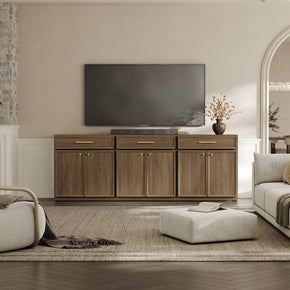
Open shelves under a TV collect dust like a magnet, and that dust ends up on your cushions whether you like it or not. A sturdy Helio modern TV stand with doors hides cables and clutter behind closed panels. Less dust floating around means longer stretches between deep cleans on the couch. Compound effect, basically.
A Sideboard for the Long Wall

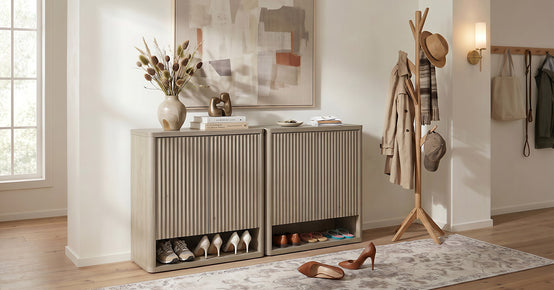
Long blank walls in a living room are tricky. Too tall a piece overwhelms the space, too short looks lonely. The Stria Sideboard with 2 Doors hits the right midpoint. Generous storage behind closed doors, a top surface that's perfect for a lamp or a couple of framed photos, and a clean fluted-front finish that won't fight the sofa next to it.
Tall Storage You'll Actually Use

Vertical storage matters in a living room — somewhere to put books, candles, and the random stuff that otherwise migrates to the sofa. The Willow tall bookshelf gives you that footprint without overwhelming the room. Mostly open shelving up top for display, with closed storage at the base for the things you don't necessarily want everyone to see.
A Statement Piece If Your Walls Need It

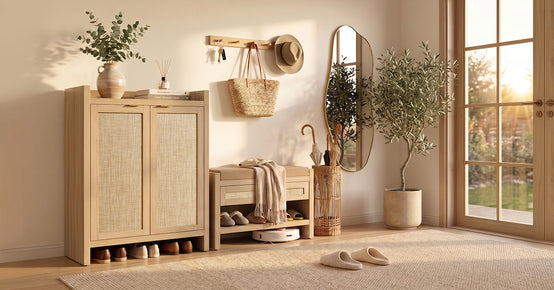
Got a tall blank wall begging for personality? The Savanna Arched Bookcase earns its spot. Arched silhouette, rattan-paneled doors at the base, and just enough open shelving to display without clutter. Anchors a room without taking it over.
Final Thoughts
Steam cleaning a fabric couch isn't rocket science. It's a careful method with five steps that actually matter — check the code, spot test, vacuum first, keep the moisture light, dry fast. Nail those, and you'll get years more out of a couch you might've otherwise tossed.
Where people get burned is rushing. Either skipping the care tag, going too heavy on the steam, or sitting back down on a still-damp cushion. None of those mistakes is dramatic on its own. Stack them together, though, and you'll go from "fresh-looking sofa" to "permanent water ring near the armrest" pretty fast.
Delicate fabric, old stains, or a tag that says S or X? Pay a pro. Everything else? A patient on Saturday afternoon, and a handheld steamer gets it done.
FAQs
Can couch cleaning help with allergies?
Yeah, it actually can — quite a bit. Upholstery traps dust mites, pet dander, pollen, and skin flakes that feed the mites in the first place. According to the U.S. EPA's asthma trigger guidance, reducing those allergens in soft surfaces (couches, rugs, bedding) is one of the most effective ways to manage symptoms at home. A steam pass over water-safe fabric knocks them down — especially when paired with weekly vacuuming. The catch is drying. Trapped moisture grows mildew, which makes allergies way worse, so airflow during the dry phase matters as much as the cleaning step itself.
How long do you let a couch dry after steam cleaning?
Four to eight hours for most fabric sofas. Humid weather, thick foam cushions, or a heavier hand with the steamer can stretch that to a full twenty-four. Run fans, open windows, and stand the cushions on their edges. Don't sit down until it genuinely feels dry — pressing your weight into damp fabric leaves marks you'll see later. Sometimes for the life of the couch.
What are the downsides of steam cleaning?
Water rings. Fabric shrinkage. Color bleed. Flattened texture. Slow drying that turns musty. Every one of those traces back to either using steam on the wrong fabric, or putting too much moisture into a fabric that could've handled less. Done properly on the right couch, the downsides are honestly small.
What should you not clean with a steam cleaner?
Leather. Silk. Velvet (unless the maker specifically gives the green light). Suede. Anything coded S or X. Unsealed wood trim, glued panels, cane or rattan inserts, antique upholstery, and any couch with built-in electronics or motors. When you can't ID the fabric, default to vacuum-only — and call a pro if it needs more.
How do I avoid damaging my couch?
Check the care code first. Always. Spot test in a hidden area before you commit to the whole couch. Distilled water in the tank. Keep the nozzle moving — never park it. Blot as you go with white microfiber cloths only. Dry the couch fast with fans and airflow. And if you're staring at a stain you can't identify on a fabric, you can't ID either? Calling a professional is way smarter than guessing your way through it. Guessing is how nice couches die young.
Sources
- BISSELL – How to Clean Upholstery
- IICRC – S300 Standard for Professional Upholstery Cleaning
- Stanley Steemer – Furniture and Upholstery Cleaning
- Rowenta – How to Steam Clean a Couch or Sofa
- U.S. EPA – Asthma Triggers: Gain Control Over Asthma
- American Cleaning Institute – Upholstery Cleaning Tips


Looking for something else?

Furniture Materials Guide: Picking the Right Material Room by Room
LEARN MORE
How to Mix Wood Tones Without Making a Room Look Mismatched
LEARN MORE
18 College Apartment Furniture Ideas That Save Space and Money
LEARN MORE
Types of Entertainment Centers: 11 Designs and How to Pick One
LEARN MORELooking for something else?

Curio Cabinet Decor Ideas: How to Style a Display Cabinet Without the Clutter
LEARN MORE
Curved Furniture: How to Style, Measure, and Buy It in 2026
LEARN MORE
What Is Rattan Furniture? A Buyer Guide to Types and Care
LEARN MORE


Further reading

How to Choose a Nightstand for a CPAP Machine

How to Choose a Shoe Cabinet for Men's Sizes, High-Tops, and Bulky Shoes


