




Sofa and Dining Table in the Same Room: 7 Smart Layout Ideas That Really Work
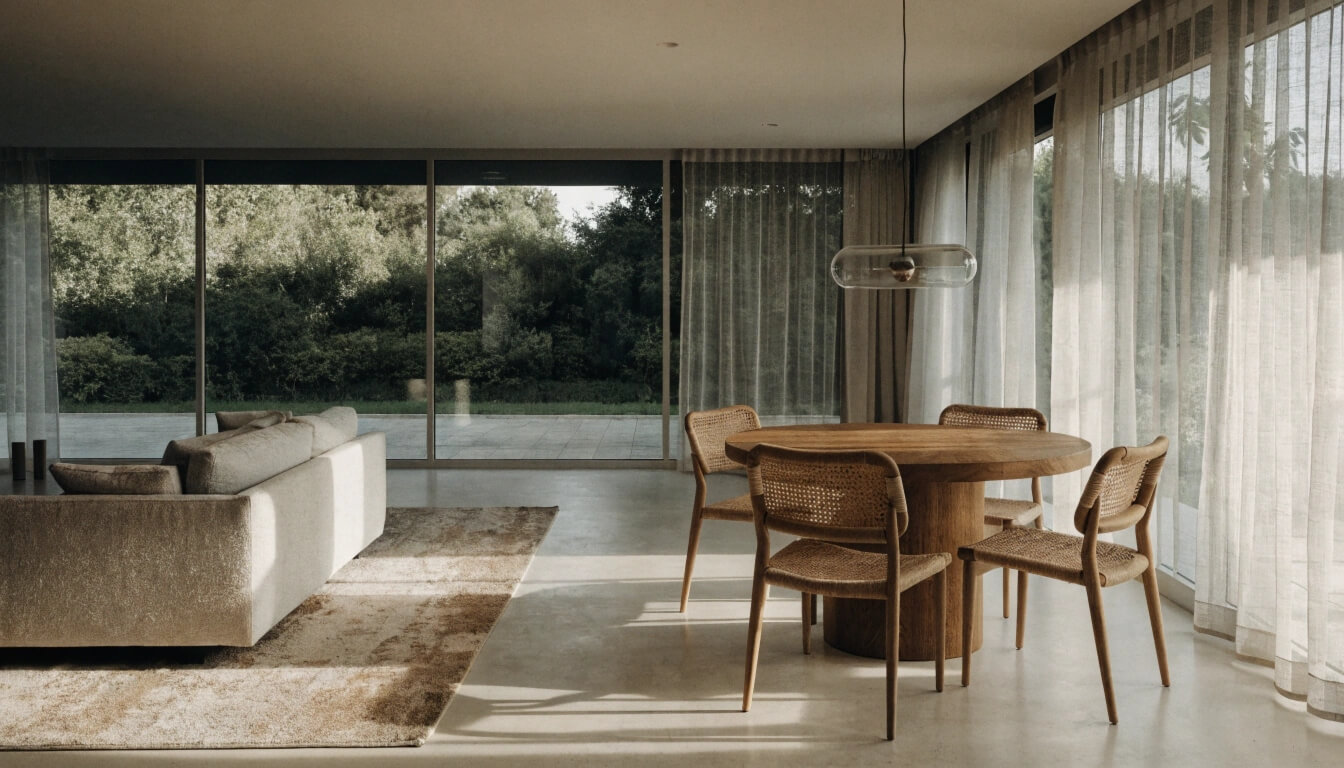
A sofa and dining table in the same room sounds like a compromise, but in a living room dining room combo or open-plan living space, it's how most apartments and homes actually live. The fix isn’t more square footage. It’s treating one floor as two zones — a living side and a dining side — with the furniture itself marking the border. Designers have been styling combined living and dining spaces this way for years, and the playbook turns out to be short.
Seven layouts that work, the zoning tricks worth copying, and the furniture sizes that keep traffic flow moving — that’s what’s below. Nothing here needs a contractor.
Can You Put a Sofa With a Dining Table?

When you put a sofa and dining table in the same room in a living room dining room combo, the short answer is yes—it works. People do it every day in studios, small apartments, and open-plan houses, and most of them never think twice about it. When the pairing fails, the cause is almost always one of three things. The furniture outgrew the floor. The walkway between zones got blocked. Or nothing tells the eye where the living area stops, and the dining area starts. Solve those, and a living room dining room combo stops feeling crowded and starts feeling planned. Long rectangular rooms offer the easiest setup, since each zone can take one end. Square rooms ask for more thought—there's a layout for them further down.
Start With Measurements, Not Furniture

Tape measure first. Shopping cart second. Before anything else, write down these baseline measurements for a living room dining room combo:
-
3 feet of clear walkway between the zones, or someone will be sidestepping through dinner every night.
-
36 inches behind the dining chairs to pull them out. A table that technically fits but pins the chairs against the sofa will bother you forever.
-
4 to 5 feet between the sofa's back and the table edge, which keeps both areas breathing.
Then ask the honest question: how many people eat here on a normal Tuesday? Size the dining table for that number. The holiday crowd shows up once a year, and folding chairs exist. Once the numbers are written down, browsingSicotas open-plan furniture gets a lot faster too.
7 Layout Ideas for a Sofa and Dining Table in the Same Room
1. Turn the sofa into a room divider

In an open-plan living and dining room, face the back of the sofa toward the dining table. Done—you've drawn a line across the room without touching a wall. The eye reads the sofa's back as a border, even though anyone can walk right past it. Oldest trick in the open plan playbook, and it still earns its keep.
2. Add a console table behind the sofa

Want that border to feel more deliberate? Slide a slim console table against the back of the sofa. You pick up a surface for a lamp and a few books, and the divide gets visibly stronger. One warning: leave clearance behind it, or the dining chairs will fight the console every time someone sits down.
3. Run both zones along parallel walls

Long or narrow room? Seating goes along one wall, the dining area along the other, and a clear path opens down the middle. Each zone holds its own territory. Rectangular dining tables handle this furniture layout better than round ones do.
4. Use an L-shaped sectional in the corner

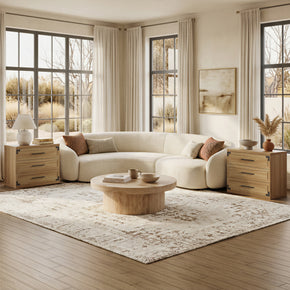
A sectional sofa parked in one corner defines the living zone all by itself — its back becomes the border. A deep-seat sectional couch anchors that corner with enough presence to free the far side of the room for a round dining table. The table’s curve softens the sectional’s straight lines while it’s at it.
5. Float the sofa instead of hugging the walls

Pushing every piece against the walls hollows out the middle and weakens both zones at once. Pull the sofa into the room and let it stand there. Floated furniture reads as designed rather than parked, and the strip behind the sofa often turns out to be the dining area’s natural home.
6. Give the dining table the window

One good window? The dining area gets it. Eating in natural light beats eating in a dim corner every single time, and the sofa zone actually feels cozier when sitting deeper in the room. A drop-leaf table by the window folds down whenever the living room needs its floor back.
7. Go diagonally in a square room

Square rooms shrug off the usual splits. So go diagonal — angle the sofa toward one corner and the table toward the opposite one. Slanted sightlines break up the boxiness, and a small living room usually ends up looking larger than its dimensions suggest.
How to Separate the Zones Without Building a Wall
Anchor each zone with an area rug.

When your sofa and dining table share the same room in an open-plan living-dining space, a rug is the fastest way to draw the lines. Put one under the seating group and watch the sofa, the armchairs, and around fluted coffee table snap together into one unit—a room within the room, basically. A second area rug under the dining table gives the other zone the same treatment. Two rugs, two zones, and no contractor involved.
Let lighting draw the line.
Hang a pendant light low over the dining table, and the eye gets the message instantly: dining starts here. Light the living side differently — with floor lamps and softer pools of light around the sofa. The contrast between the two does the dividing for you.
Repeat colors across both sides.
Two clashing palettes in one open space never read as contrast. They read as chaos. Pick a few colors and repeat them across both sides — black dining chair legs answering a black lamp base, the same walnut showing up at both ends of the room. Sooner or later, the space begins to speak a single visual language.
Use low storage as a soft divider.

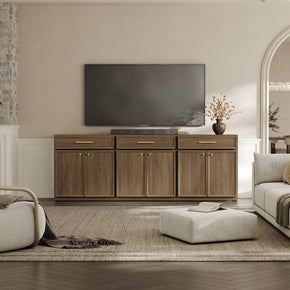
A low bookcase or a slim two-door media console set between the zones divides them at hip height while the view above stays open. One purchase, two jobs: room divider and storage furniture.
Choosing the Right Sofa for a Shared Room

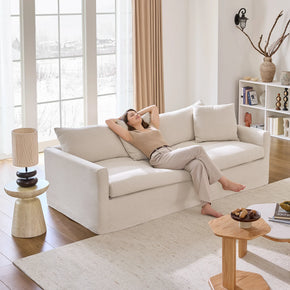
The sofa is the biggest object in the room, which means it writes the rules for everything else. Tight space? A compact sofa with slim arms and raised legs keeps the air in the room — visible floor under furniture lightens any space. Low backs protect the sightline across to the dining area. Write your wall measurement down before you browse a compact living room furniture range, because a sofa that runs 10 inches too long will quietly undo every other decision in this article.
Choosing the Right Dining Table

Round dining tables win in tight quarters. No corners to catch a hip on, and traffic flows around the curve without thinking about it. Rectangular dining tables earn their spot in longer rooms, set parallel to the sofa or pushed along a wall. Seating needs that change week to week? A drop-leaf or extendable design gives you a small table on Tuesday and six seats on Saturday. Go through a dining room furniture lineup with the daily headcount first and the party headcount second.
Simple Design Rules That Keep the Room Balanced
The 2/3 rule answers most proportion questions in one line. People often ask what the 2/3 rule for sofas and living rooms actually means, and it's simple: your sofa should be about two-thirds the length of the wall it sits against, and your coffee table should be roughly two-thirds the length of the sofa. Keep that ratio going down the line, and the pieces will feel related rather than random. A sofa looks right at roughly two-thirds the length of its wall or rug, and a coffee table looks right at roughly two-thirds the length of the sofa. Scale the same logic up, and the whole living room falls in line, big pieces relating to each other instead of landing at random. Around the table, keep seat heights close together — a bench sitting much lower than the chairs makes dinner feel lopsided. Last check: visual weight. A heavy sectional on one side wants a substantial dining table, a strong pendant light, or bold wall decor to answer from the other side.
Storage That Keeps a Shared Room Calm

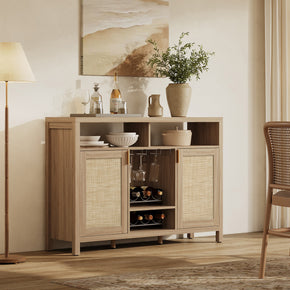
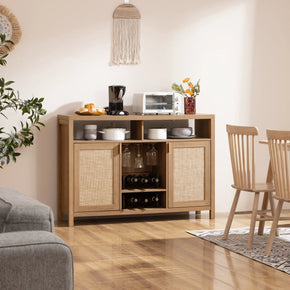
If you've got a sofa and dining table in the same room in a living room dining room combo, this storage advice is for you. A room doing two jobs collects two rooms' worth of clutter. Dishes and placemats pile up on one side, remotes and blankets on the other. Park a four-door sideboard with storage near the dining area, and everything table-related gets a home within reach. The living side hides its mess in an ottoman or a coffee table with storage inside. Floor already full? Go up — shelving uses height instead of square footage. And guard the dining table itself, because in a shared room, it becomes a drop zone for mail and bags faster than any surface in the house.
Furniture Placement Mistakes to Avoid
Buying before measuring tops the list, and it isn’t close. A piece that looked perfect online blocks a door or pins the dining chairs, and now you live with it. Shoving everything against the walls comes next — the middle of the room goes dead, and both zones blur. Watch the path from the entry to the kitchen too, because furniture sitting in that line gets bumped daily and resented weekly. Two competing decor styles, with no shared palette, turn an open-plan space into an argument. And the pendant light over the table is not optional — skip it, and the dining area turns back into furniture someone left in a corner.
FAQs
Can you put a sofa with a dining table?
Yes — it’s the default setup in apartments and open plan homes, not a workaround. Three things make it work: furniture scaled to the actual floor space, a clear walkway between zones, and a single visual marker indicating where each area starts. A rug, a pendant light, or the sofa’s own back all do that job.
What is the 2 3 rule for sofas?
Roughly two-thirds — that’s how much of its wall or rug a sofa should cover to look right. Go smaller, and it floats like a postage stamp. Go bigger, and the room packs tight. Designers treat the number as a starting point, not a law.
What is the 4-in rule for seating?
Keep seat heights around one table within a few inches of each other. Big gaps mean some people tower over the meal while others sink below it, and nobody sits that way comfortably.
Which direction is best for a dining table according to Vastu?
Vastu guidance usually puts the dining area near the kitchen, often toward the west or east of the home, with diners facing east, west, or north. Every home’s layout is different, though. Comfort and a short path to the kitchen should still cast the deciding vote.
What is the biggest mistake in the placement of furniture?
Ignoring scale and traffic flow. People fall for how a piece looks, then find out the sofa blocks a doorway, or the dining chairs can’t pull out. Measure the room and mark the walkways before money changes hands.
What is the new trend in dining rooms?
Warmer and more flexible, in a word. Round and oval tables are pushing out rigid rectangles, statement pendant lights now anchor the space, and the table itself has become a desk, a homework station, and a gathering spot — not a formal-occasions-only zone.
What is the 2/3 rule for a living room?
Same proportion idea, applied across the whole room. Each major piece measures about two-thirds of whatever it relates to: coffee table to sofa, art to wall, rug to seating group. Follow the chain, and the living room scales itself.
How to combine a dining room and a living room?
Give each zone its own ground first — the sofa’s back makes the easiest divider. Then a rug under each side, a pendant light over the dining table, and two or three colors repeating across both zones. That’s the whole recipe for one room that reads as designed.
Sources
-
The Spruce – How to Style a Living Room and Dining Room Combo
-
Apartment Therapy – My Designer Friends Swear By the Two-Thirds Rule
-
Homes & Gardens – Dining Room Trends 2026: 8 Styles and Designs to Know About
-
House Beautiful – The 8 Biggest Dining Room Trends for 2026, According to Designers


Looking for something else?

Furniture Materials Guide: Picking the Right Material Room by Room
LEARN MORE
How to Mix Wood Tones Without Making a Room Look Mismatched
LEARN MORE
18 College Apartment Furniture Ideas That Save Space and Money
LEARN MORE
Types of Entertainment Centers: 11 Designs and How to Pick One
LEARN MORELooking for something else?

Curio Cabinet Decor Ideas: How to Style a Display Cabinet Without the Clutter
LEARN MORE
Curved Furniture: How to Style, Measure, and Buy It in 2026
LEARN MORE
What Is Rattan Furniture? A Buyer Guide to Types and Care
LEARN MORE


Further reading

How to Choose a Nightstand for a CPAP Machine
The machine is the smallest part of the problem. A CPAP sits on maybe ten inches of tabletop, and then the humidifier tub has to slide out to be filled, the tubing and power cord leave from the ba...

How to Choose a Shoe Cabinet for Men's Sizes, High-Tops, and Bulky Shoes
A cabinet can advertise room for thirty pairs and still refuse your largest shoe. The pair count on a product card was calculated with some shoe in mind, and if that shoe was an average low-profil...

How to Choose a TV Stand That Fits a Soundbar
Width is the first thing people check and the least likely thing to go wrong. A soundbar that fits the top of a TV stand can still cover the bottom of the picture, block the remote sensor, sit too...


