




















Smart Solutions: Fabric Pilling on Sofas, Clothes, and More
Fabric pilling begins with one calming fact. The fuzz balls you keep picking at are nothing more than short fibers that rubbed loose and twisted around each other. Nothing underneath is broken. Nothing is worn out. Almost every soft material in the house does this. New couches do it. Old wool sweaters do it too. One point textile experts agree on is that pilling comes down to fiber type and friction rather than quality. Give the right tool ten minutes, and the pills come right off. Keeping them away takes a few small changes in how you wash and store things. The rest of this guide explains why fabric pills form and walks through safe removal steps. Prevention habits come last because they save you the most work over time. Put simply, you will learn why fabric pills form, how to remove pilling safely, and how to keep it from coming back.
Why Does Fabric Pilling Happen?
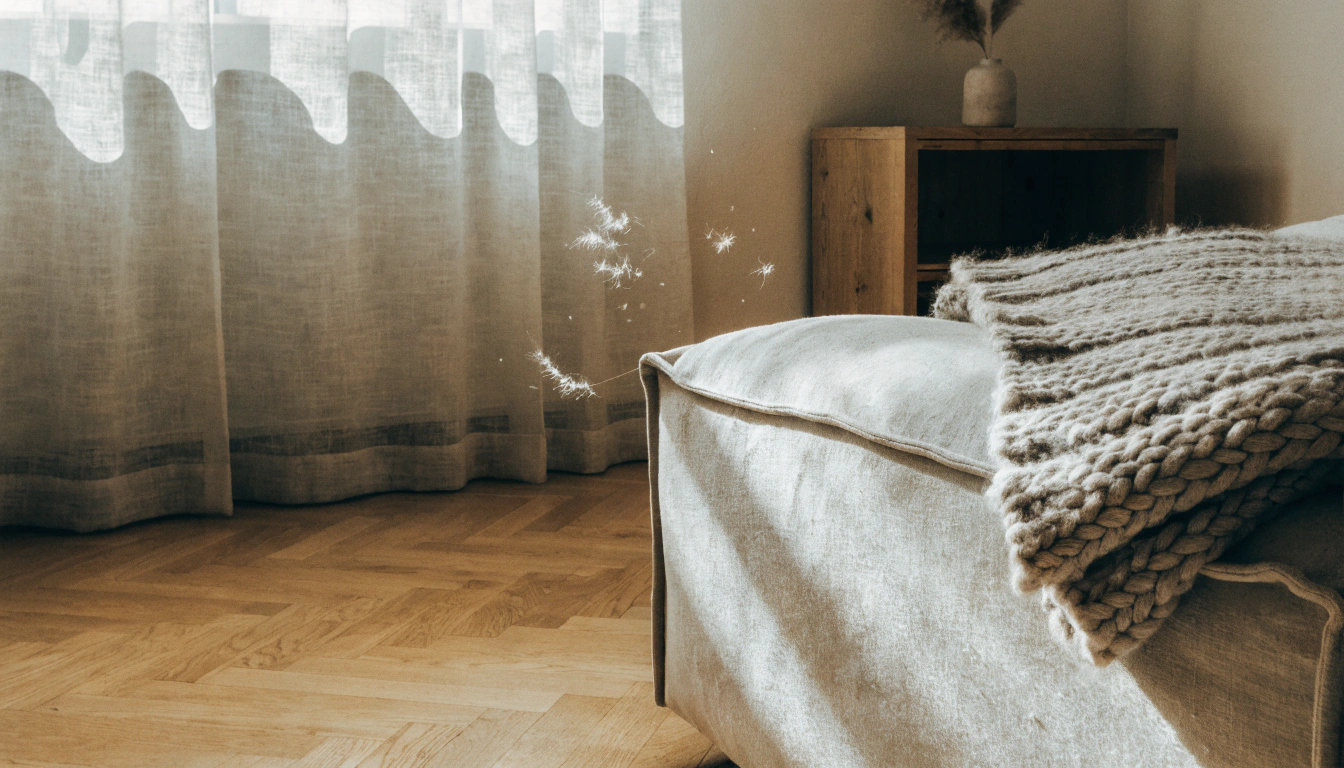
 Why does fabric pill? Blame friction. Two layers of fabric rub together, a few short fibers slip out of the weave, and those loose ends tangle into a tight little ball that your fingers read as a pill. Fiber type matters too. Short, weak fibers work loose quickly, while long, tightly spun ones hold on. That is why a couch seat pills much faster than the couch back. People sit and shift in their seats all day. The back barely gets touched.
Friction Is the Main Cause
Daily use creates the wear. Elbows on armrests, sheets against a duvet, a bag strap crossing a coat. The spots you touch most are the spots that pill first, every single time.
Why High-Quality Fabrics Can Still Pill
 Soft fabric gets its feel from fine, short fibers spun with only a loose twist. Those same fibers loosen easily. A pricey cashmere sweater will pill sooner than a stiff work shirt, and the softness you paid for is the reason. Comb it lightly a few times a year, and the loose fibers come away before they get the chance to knot. That small habit reduces cashmere pilling more than anything else you can do.
When Pilling May Signal a Bigger Issue
Pills plus thinning fabric, fraying, or visible wear-through mean the surface itself is breaking down. Removal will not fix that. A professional assessment, new slipcovers, or reupholstery are the honest options at that stage.
How to Remove Fabric Pills Safely
 Removing fabric pills takes five minutes and one careful pass. This is how to remove pilling using a fabric shaver and other tools without damaging the fabric. Five steps. The steps below protect the fabric while the fuzz comes off.
Step 1: Test a Hidden Area First
Run your tool over a spot nobody sees. The back corner of a cushion. An inside hem. Fabrics react differently to blades, and thirty seconds of testing prevents a visible mistake.
Step 2: Lay the Fabric Flat and Smooth
Lay the garment on a table or another firm spot and smooth it out with your palm. For a sofa cushion, press the fabric flat and pull it a little taut. If the blade crosses a wrinkle, you can end up with a small cut in the fabric.
Step 3: Use Light, Controlled Strokes
Short passes in one direction. No pressure. The tool does the cutting, and pressing harder only thins the surface. Slow beats hard every single time.
Step 4: Remove Loose Fuzz After Depilling
Once the pills are off, grab the upholstery vacuum or a soft brush for clothing. The shaving leaves behind loose fibers you cannot really see, and those leftovers turn into the next batch of pills if they stay. A minute of cleanup stretches out the time before you have to do this again.
Step 5: Repeat Only When Needed
Every pass with a shaver takes off a thin layer of fabric. Shave a sweater weekly, and it will wear thin within a season or two. Hold off until the pills really show, then handle them all in one careful session.
Best Tools for Removing Fabric Pilling
 Five tools cover every fabric in the house. Match the tool to the material, and the job stays safe. One stands out. For most knits and upholstery, a fabric shaver, sometimes sold as a sweater shaver, is often the best tool to remove pilling. It works quickly, and a light touch keeps the underlying weave safe.
Fabric Shaver or Sweater Shaver
Most homes only need this one pilling remover. The rotating blade sits behind a guard, which lets it trim pills without biting into the fabric. It handles upholstery and sweaters just as well as fleece or other synthetics. Buy one with an adjustable guard if you can, and empty the lint cup before it fills up.
Sweater Comb or Fabric Comb
 The gentle option for wool, cashmere, and fine knits. More control, zero motor, no risk of over-trimming. Small areas and delicate fibers are part of the comb.
Pumice Stone or Sweater Stone
A stone drags pills off heavy, dense fabrics. It works fast and roughs up delicate surfaces just as fast—chunky knits only, with a light hand.
Safety Razor
An old trick that still works on flat, firm fabrics like fleece. Glide it; never press. A razor is the riskiest tool here, so it goes last and only on sturdy material.
Lint Roller for Finishing
The cleanup crew, not the main tool. Once the pills are off, a lint roller lifts the loose fuzz left behind so the surface looks finished.
How to Prevent Pilling on Your Sofa
 Sofas pill in the exact spots where people sit. Every upholstery fabric wears out in time, though a loose weave shows fuzz within months, while a good one can last for years. Pick out hard-wearing living room furniture at the buying stage, and you skip most of this problem. Tight, durable weaves shed far fewer fibers during everyday use.
Choose Performance Fabrics and Tight Weaves
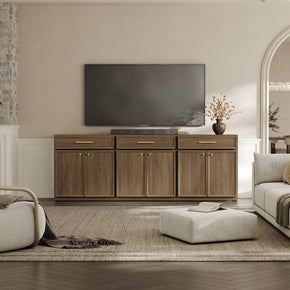
 Performance fabrics resist pilling far better than soft, loose blends, and tightly woven upholstery does the same. Balance helps too. Hard surfaces never pill, and pairing the sofa with a fluted wood media cabinet or a wood coffee table shrinks the total fabric taking daily wear.
Rotate and Vacuum Cushions Regularly
Flip the seat cushions every few weeks and switch their positions. This way, no single cushion carries all the wear. A vacuum pass at the same time pulls up the loose fibers before they can tangle. Spread the wear around like this, and every cushion pills more slowly.
Seasonal Depilling Keeps a Sofa Fresh
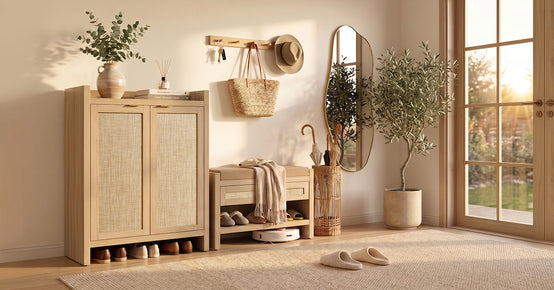
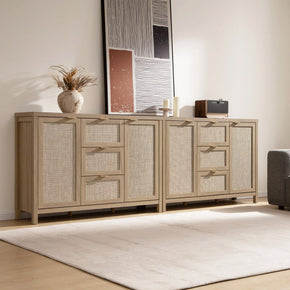
 Most sofas only need this twice a year. One light shave in spring, and another in fall keep the surface smooth, and going past that wears the fabric for no real gain. Follow that schedule on the other fabric-topped pieces in the room, too, like the padded seat on a narrow console with rattan drawers used as an entry bench.
How to Prevent Pilling on Clothes and Sweaters
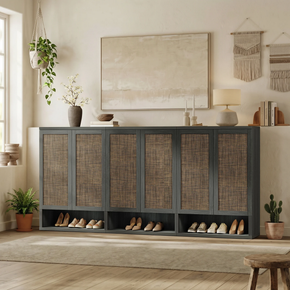
 Your washer takes the blame for a lot of clothing pilling that really starts in the closet. To prevent pilling on clothes and sweaters, the fix begins before laundry day. Look at the closet first. Sweaters packed tight against each other rub every time the door opens. A move into a deep rattan-front wardrobe with proper hanging room puts a stop to that quiet daily damage.
Turn Clothes Inside Out Before Washing
The simplest fix on this list. The visible face of the garment stops rubbing against the rest of the load, and any pilling that occurs lands on the inside, where nobody sees it.
Use Gentle Cycles and Cold Water
Agitation loosens fibers. Heat weakens them. A cold, gentle cycle cuts both problems at the source, and hand washing beats even that for delicate knits.
Wash Similar Fabrics Together
Soft knits tumbling with jeans, zippers, Velcro, or towels come out fuzzier every time. Sort rough from delicate. The delicates last longer.
Use Mesh Laundry Bags for Delicates
A mesh bag is a bodyguard for a sweater. The garment still gets clean while the bag absorbs the rubbing. Lightweight knits and blends earn a bag every wash.
Air-Dry When Possible
 The dryer beats up fibers worse than the wash cycle ever does, between the heat and the constant tumbling. Lay knits flat to dry instead. After they dry, fold them into a tall five-drawer dresser rather than hanging them up. Hangers stretch out knit shoulders and drag the fabric against the rod all season.
What Is the Best Anti-Pilling Fabric?
No fabric is fully pill-proof. Some get remarkably close, and researchers keep pushing the line. A team at Deakin University even developed a polymer treatment that reinforces loose fibers so they cannot tangle in the first place. If you want the best anti-pilling fabric, look for three things together: a tight weave, long-staple cotton, and high-twist yarns.
Tightly Woven Fabrics
The weave holds every fiber in place. Less movement means fewer loose ends, and fewer loose ends mean far fewer pills over the life of the piece. One word does most of the work here. Tight.
Long-Staple Cotton and High-Twist Yarns
Long fibers have fewer ends to escape from. High-twist spinning locks them down even further. That is why the combination shows up in good shirting and worsted wool. It lasts.
Natural Fibers Over Loose Synthetic Blends
Pills on polyester and acrylic refuse to fall off on their own, because those fibers are strong enough to keep the little knot locked firmly in place. Blend the two loosely together, and you get the worst pilling of all. A tight natural weave ages more gracefully. Choose it.
A Simple Anti-Pilling Checklist
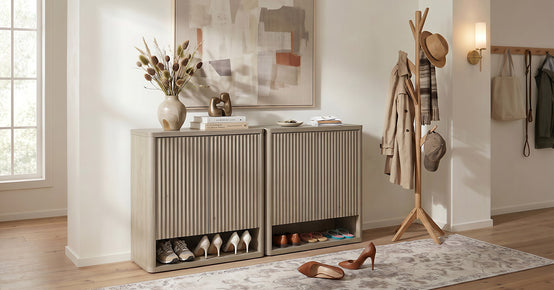
 Keep the whole routine to a few easy habits. Each one cuts friction or clears fibers before they knot, and together they prevent fabric pilling on clothes and sofas alike. Start with breathing room. A crowded rod causes fabrics to rub against each other all day, which is exactly how pills form in the first place. Wash cool. Cold water on a gentle cycle does the least harm, especially when you turn garments inside out and slip the delicate pieces into a mesh bag first. Dry knits flat, far from the hot dryer. Depill about twice a year with one careful pass, then leave the fabric alone between sessions. That first habit matters most. A crowded closet is where sweaters quietly wear each other. Swapping to uncrowded bedroom storage furniture gives each piece a little breathing room and removes friction before it ever starts.
Frequently Asked Questions About Fabric Pilling
FAQs
Is fabric pilling a sign of poor quality?
Not usually. The fiber itself and the amount of rubbing it takes decide where pills form, while price barely enters into it. Cashmere feels luxurious yet pills more than plenty of coarse fabrics do because its fine, loose fibers slip free with ease. A pill is a wear pattern, not a defect.
Does pilling eventually stop on its own?
In many cases, it does. New fabric carries a load of loose surface fibers, and the first few months of use shake most of them out. Once that early shedding ends, the piece usually settles down for good. Upholstery straight from the store does this all the time. Gentle removal during that early stretch clears loose fibers more quickly and helps the fabric calm down sooner.
What is the safest tool for removing pills?
The right choice depends on what the fabric can handle:
- Wool, cashmere, and other delicate knits do best under a sweater comb
- Grab the fabric shaver when you're dealing with upholstery, fleece, or sturdy synthetics.
- Save the sweater stone for heavy and dense fabrics, nothing else.
Finish with a lint roller to lift off whatever fuzz stays behind.
How do I stop my couch from pilling?
Prevention runs on three habits:
- Buy a performance fabric or a tight and durable weave from day one.
- Swap and vacuum the cushions often so wear doesn't pile up in one spot.
- Depill with a fabric shaver about twice a year.
Those three together keep a sofa smooth for years.
Can pilling be reversed?
The pills themselves come off completely, and the fabric looks smooth again. The fiber wear underneath cannot be undone. That is why prevention habits matter more than any removal tool.
Final Thoughts: Keep Fabric Smooth With Smart Care
Fabric pilling is common. It is harmless and fixable. The whole solution runs three steps deep. Knowing how to prevent pilling starts at the store, with tighter weaves and longer fibers. At home, reduce friction with gentle washing and a few small storage habits. Knowing how to remove pilling is the last step, once the fuzz balls show up anyway. Take them off slowly with the right tool. The simplest way to stay ahead is to schedule a seasonal depilling session for your sofa and most-used sweaters. Put it on the calendar. Ten minutes twice a year keeps every soft surface in the house looking the way it did on delivery day.
Sources
- Apartment Therapy – How to Prevent and Remove Pilling, According to a Textile Expert
- REI Expert Advice – How to Prevent and Fix Pilling
- TODAY – Pilling Is Preventable: How to Avoid Those Annoying Fuzz Balls
- Deakin University – New Deakin Treatment Does Away With Fabric Pilling
- Speed Queen – Sweater Weather: How to Prevent Pilling
- CD One Price Cleaners – Fabric Pilling Guide: What It Is and How to Prevent It


Looking for something else?

Burl Wood Furniture: The Complete Buying Guide
LEARN MORE
What Is a Hope Chest? Meaning, History, and Modern Uses
LEARN MORE
What Is a Foyer? Meaning, Purpose and Design Guide
LEARN MORE
GREENGUARD Gold Certified Furniture: What It Really Means for Your Home
LEARN MORELooking for something else?

How to Clean a Mirror Without Streaks: Simple Step-by-Step Guide
LEARN MORE
21 Above-Bed Decor Ideas for a Stylish Bedroom Wall
LEARN MORE
Furniture Materials Guide: Picking the Right Material Room by Room
LEARN MORE


Further reading

18 Decorative Storage Box Ideas That Hide Clutter Well

How to Store Comforters Without Losing Space or Loft


