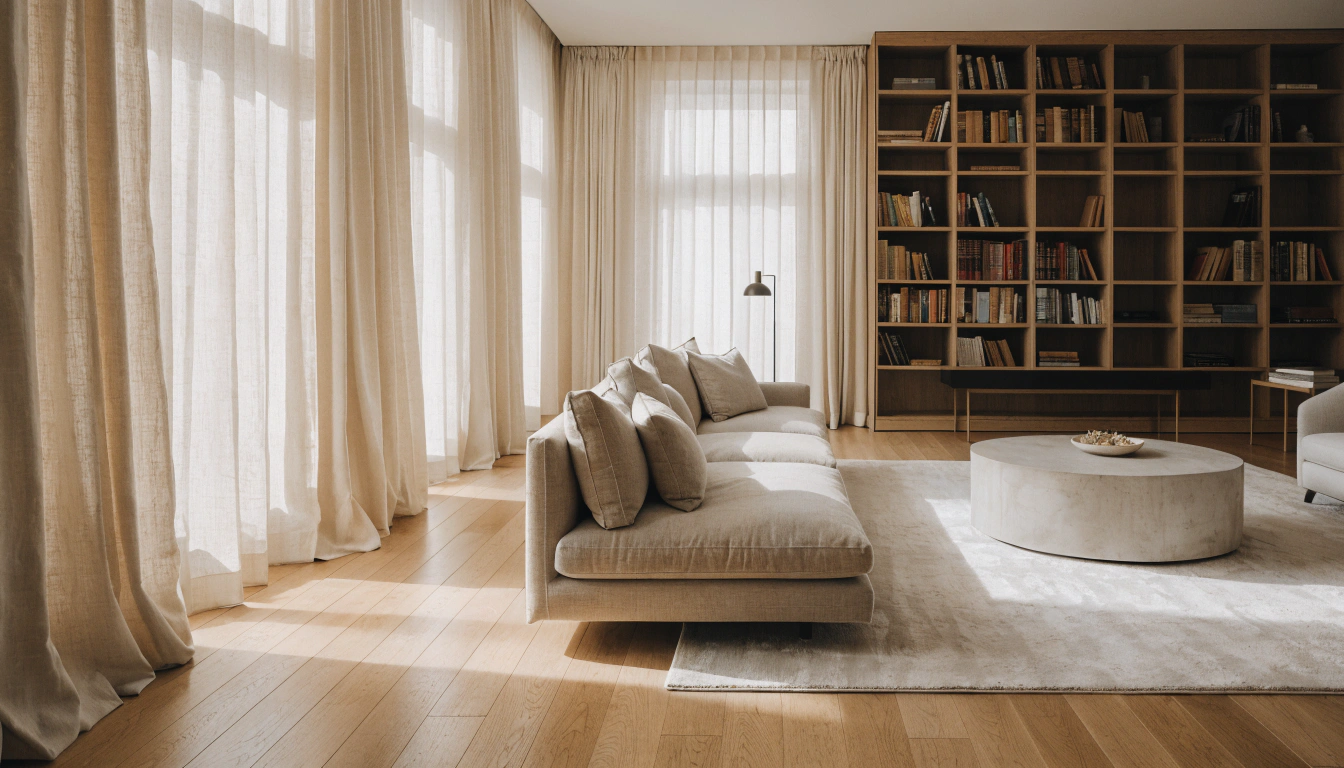




41 Small Outdoor Living Spaces Ideas to Transform Even the Tiniest Patio
Small yards get a bad rap. The second somebody hears "limited square footage," they write off the whole idea of an outdoor living room — like comfort comes in acres. Doesn't. The smallest spaces I've seen in person? They worked harder than on the half-acre lots. Every inch had to earn its keep. Every chair had to do two things. And that pressure is exactly what makes the finished room feel designed.
What follows is 41 actual ideas for small outdoor living spaces. Foundation up — floor, furniture, lighting, plants, privacy, storage, the whole sequence. Some of these are five-dollar trips to the hardware store. Some eat on the weekend. A few need a real budget. Treat the list like a buffet — grab what fits your situation, walk past the rest. Nobody's grading the plate.
One thing nobody tells you. Indoor furniture matters more for outdoor living than the actual outdoor furniture does—the console just inside the patio door. The sideboard holding your good melamine plates. The shoe cabinet that stops muddy boots from migrating onto the kitchen tile. That's the indoor-outdoor flow that makes a 12-by-12 patio read as an extension of the house instead of a tacked-on slab of concrete. We'll get into all of it below.
Setting the Foundation: Floors, Layout, and Structure
Before the furniture, before the plants, before the string lights, everyone's grandma has now — the ground underneath matters. First thing the eye registers. Last thing you should cheap out on. Six ideas to actually lay the groundwork.
1. Lay a Classic Brick Patio

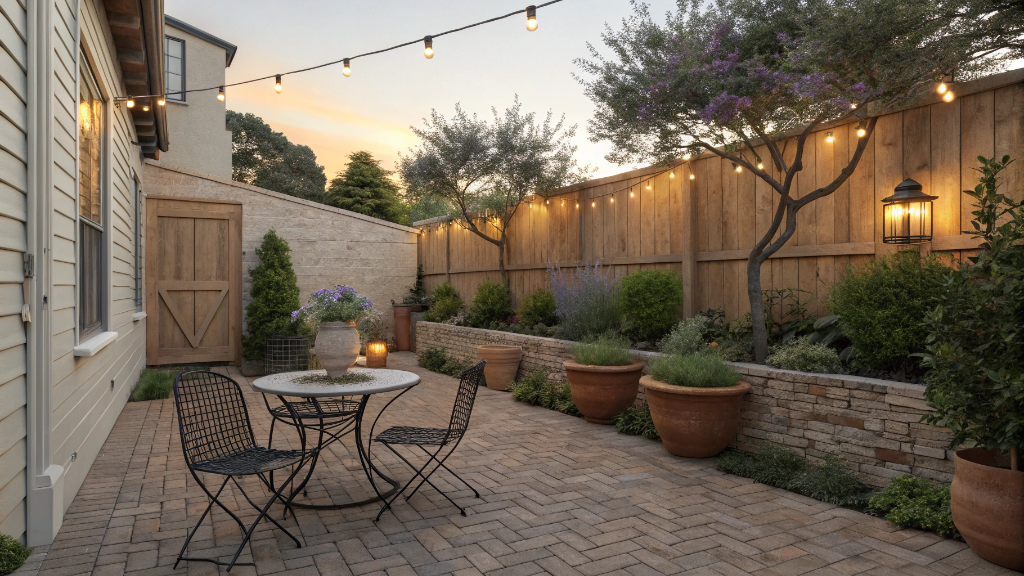
Brick. Classic. Has been since the colonies. A herringbone pattern or a simple running bond carries you through any styling era you throw at it — Monday morning bistro coffee, Saturday night candlelit dinner, same patio. For getting the actual bones right, Southern Living's small backyard patio guide is still the strongest reference in the category.
2. Skip the Pavers and Use Gravel

Gravel's cheap. Drains beautifully. Doesn't crack in February the way a poured slab will. A pea-gravel patio with a rectangular dining table on top reads way more European villa than "backyard afterthought" — but only if you do the base prep right. Skim HGTV's budget guide for small outdoor spaces before you start laying. There's a layered base under there that nobody mentions in the Pinterest photos.
3. Define Zones with Light-Colored Pavers

Light pavers reflect sunlight up at you, making a small patio feel airier than its dimensions suggest. Match the tone to your trim color, not your siding — keeps the eye moving instead of locking onto one zone. Leave actual dirt visible between paver sections so you can plant into it. HGTV's small backyard landscaping guide has the layout ratios that don't feel cramped.
4. Paint or Stain Stripes onto Existing Decking

Have a deck already? Don't tear it out. Paint it. Wide stripes in two tones add visual interest and cost about as much as two cans of porch enamel. Outlasts the outdoor rug you'd otherwise buy, too. Country Living's outdoor styling section keeps a running rotation of painted-deck transformations — bookmark and steal.
5. Anchor the Layout with an Outdoor Rug

An outdoor rug does one thing your eye needs — it draws the line between the living area and the yard. Polypropylene, not jute. Quick-dry, UV-stable, hose-washable. Under-sizing is the rookie mistake; the rug should sit under the front legs of every seat you put around it. Real Simple's outdoor decor guidesspecifically cover sizing for small patios.
6. Add a Low Retaining Wall for Definition

A 12- to 18-inch retaining wall is doing two jobs at once. Defines the boundary of the outdoor room. Doubles as bonus seating without buying a single chair. Stack it from native stone if you've got some lying around — cinderblocks dressed up with porch paint also work and won't look anything like cinderblocks once you've finished. Better Homes & Gardens' landscaping section has the material comparison side by side.
Furniture and Seating That Earns Its Square Footage
Every piece of furniture in a small outdoor space has to work twice as hard. Side table that's also a stool. A bench that hides cushions. A console table that lives most of the year indoors but anchors the back door. Eight pieces below that actually earn their footprint.
7. Pick a Foldable Bistro Set for the Corners

Two iron chairs, one small round table, the whole setup folds flat against a wall. Tucks into any corner. The bistro set is —, and I'll die on this hill — the single most useful piece of small-patio furniture ever invented. Architectural Digest's outdoor seating gallery has dozens of bistro variations that make the case better than I just did.
8. Hang a Porch Swing — Or Make One

Nothing reads more Southern than a porch swing. Doesn't matter if your porch is six feet wide — hang a bench swing from a sturdy beam, and you've added vertical movement plus serious lounge potential. The kind of seat you sit down in for ten minutes and stand up two hours later. Southern Living's porch swing roundup covers safe installation, which matters way more than most DIY guides pretend it does.
9. Choose Adirondack Chairs in Unexpected Colors

Skip the boring white. Go forest green. Dusty pink. That rich navy that reads coastal even if you're three states from the ocean. Two well-placed Adirondacks and a small side table between them — that's a full living room in 30 square feet. Better Homes & Gardens' outdoor furniture guide reviews finishes that won't chalk up by August.
10. Build a Bench with Hidden Storage

A built-in bench with a lift-up seat is the small-space holy grail. Daytime seating. Nighttime cushion storage. Off-season tool storage. One piece, three jobs. The Family Handyman's outdoor storage bench plans walk through the DIY in a weekend — assuming you have a circular saw and one halfway-competent friend.
11. Park a Slim Console Near the Patio Door

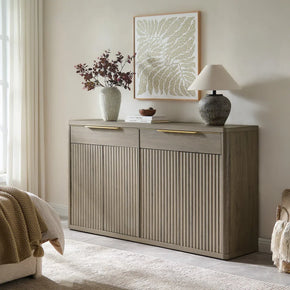
Here's the indoor-outdoor trick nobody mentions. A slim console table parked just inside your patio door becomes the staging surface for everything that has to make the trip out — drinks, candles, the cutting board, sunscreen, the Bluetooth speaker, the wine glasses. The Savanna Console Table with three drawers has a narrow footprint built specifically for this transition zone. Doesn't crowd the doorway. Holds whatever you need to load up before stepping outside.
12. Use Stackable Chairs for Flex Seating

Saturday dinner for six. Tuesday morning coffee alone with a book. Same patio. The furniture has to flex. Stackable metal chairs solve it — pull them out when guests arrive, stack them against the wall when it's just you. Martha Stewart's small patio ideas make the argument for flex seating better than the fixed-dining-set crowd wants to admit.
13. Set Up a Two-Top Dining Table

Tables for eight photograph well. Tables for two actually get used. A 30-inch round table with two chairs is the right scale for breakfast outside, an evening cocktail, and a one-on-one laptop session in the afternoon sun. House Beautiful's outdoor dining inspiration has compact dining setups worth straight-up copying.
14. Add a Daybed or Chaise for One

One chaise in a quiet corner beats a full sofa in a small space every single time. One person, one book, one hour — that's the whole program. Outdoor-rated cushions matter more on the lounger than anywhere else because it's the piece that takes the brunt of the weather. The Spruce's outdoor lounger reviews run real durability tests, not just sponsored writeups.
Lighting That Sets the Mood After Sundown
Here's a thing you don't realize until it's done — a small patio looks twice as good at 9 pm as it does at 2 pm if you light it right. Six moves below that take it from "backyard" to "destination" after dark.
15. Hang Overhead String Lights

Every restaurant patio uses string lights for a reason. They build a glowing ceiling overhead that makes a small space feel enclosed without walls. No trees to hang them from? Run them in zigzags between the house and a fence post — looks intentional, takes 20 minutes. HGTV's outdoor lighting guide handles wiring basics for both renters and owners.
16. Line Pathways with Solar Lanterns

Solar lanterns charge in the sun all day and glow on their own at night. No wiring. No batteries. No plug. Stake them along the patio edge or up the steps leading to it. Probably the highest impact-per-dollar lighting move on the entire list. Better Homes & Gardens' solar light reviews rank them honestly — a lot of the Amazon stuff dies by year two.
17. Mount Wall Sconces by the Back Door

One sconce or two, flanking the back door. Turns the threshold into a proper architectural moment. Plus, the boring practical win of actually finding your keys at 11 p.m. The Spruce's outdoor wall lighting picks cover wet-rated options for actual outdoor exposure, not just decorative ones.
18. Cluster Candle Lanterns on a Tray

Three lanterns. Different heights. Mismatched on purpose. Real candles inside, none of the LED imitations — they read fake in person, even if they look fine in photos. Stick them on a tray on whatever flat surface you already have. Mood, immediately. No installation. Martha Stewart's candle lantern styling is the cleanest visual reference.
19. Build the Layout Around a Fire Pit

Even in a 12-by-12 space, a 24-inch fire pit becomes the gravitational center of the whole room. People drag their chairs toward it without being asked. Conversations get longer. Marshmallows get involved. HGTV's small fire pit ideasfeature compact designs that don't overwhelm a tight space.
20. Up-Light Your Tallest Plants

Stick a small spotlight in the dirt, point it up at your tallest tree or plant. The shadows it throws against the fence or the house wall add genuine drama after dark — the kind that makes guests notice without quite knowing why. About 20 bucks per fixture at the home center. Better Homes & Gardens' landscape lighting basicswalk-through placement angles.
Plants and Greenery in Compact Spaces
Greenery is the line between a patio and a parking spot. Honestly, the trick in a tight footprint is going vertical instead of horizontal, choosing compact varieties over sprawling ones, and resisting the urge to fill every square foot with a planter. Six moves below.
21. Build a Vertical Herb Garden on the Wall

Vertical garden frames bolted to a fence or exterior wall give you basil, mint, rosemary, thyme — all the kitchen workhorses — without dedicating one square foot of ground. Honest, bonus you'll actually use them, because they're three feet from the kitchen door instead of out in the yard somewhere you won't bother walking to. HGTV's vertical garden guide covers the simplest builds.
22. Use Tall Potted Plants for Height

Three tall plants in mismatched pots — say, a fiddle leaf fig, a tall grass, an olive tree — pull the eye up the second you walk in. Makes a small patio read taller than the actual ceiling height. Counterintuitive but real. Country Living's container gardening tips pair pot shapes to plant types better than I can in a paragraph.
23. Plant a Small Edible Garden Bed

Lettuce. Cherry tomatoes. Peppers. Herbs. A single 4-by-4 raised bed feeds a small household most of the summer. Build it from stacked native rock or paver blocks and skip the lumber rot. Better Homes & Gardens' raised bed guide has the bed-size math worth actually reading before you build anything.
24. Hang Trailing Plants from a Beam or Pergola

Trailing pothos. String of pearls. English ivy. They cascade down and soften every hard line in a small space — fence rails, beam edges, pergola corners. Hang them at three different heights so the eye keeps moving instead of locking onto one spot. Better Homes & Gardens' trailing plant picks flag the weather-tolerant varieties. Most houseplants will not survive outside, despite what the garden center sticker promises.
25. Style Ornamental Grasses for Movement

Grasses move when the wind catches them. Most flowers don't. A few clumps of feather reed grass or fountain grass along the back edge of a patio make the whole space feel alive — even on a windless evening when nothing else is moving. HGTV's ornamental grass guide matches varieties to climates.
26. Plant Climbing Flowers on a Trellis

A wisteria or jasmine trellis turns a blank fence into a fragrant focal wall. Year one, you've got bare wood. Year three, you've got a canopy that drops purple flowers and shade in equal measure—word of warning, though — plant American wisteria, not Japanese. Southern Living's notes on wisteria include growing notesexplaining why the difference matters before you accidentally adopt an invasive species.
Privacy and Shade for Tight Quarters
Small yards almost always share a fence line with somebody else's small yard. Awkward. Privacy is what turns those exposed slabs into actual outdoor rooms—five solutions below — from an afternoon's work to a permanent install.
27. Install Bamboo Screens for Instant Privacy

Bamboo screens roll out. Tie them to your existing fence with zip ties. Instantly raise the privacy wall another foot or two without permits or contractors. Cheap. Quick. Surprisingly elegant once it's up. HGTV's privacy screen ideas cover variations if bamboo's not your aesthetic.
28. Plant Tall Perimeter Shrubs

Boxwoods. Holly. Podocarpus. Fast-growing evergreens give you a living privacy wall that gets thicker every year you ignore it. Plant them young, plant them tight together, and prune them hard once a season. Better Homes & Gardens' privacy hedge picks are ranked by growth speed — patience varies.
29. Build a Wisteria-Covered Arbor

An iron arbor or pergola covered in flowering wisteria. Genuinely unbeatable for shade and atmosphere. The structure itself goes up in a weekend if you're handy, two weekends if you're not. The wisteria handles the rest over a season or two — patience absolutely required. Southern Living's pergola and arbor guide is still the strongest read on picking the right structure for your yard.
30. Hang Outdoor Curtains on a Pergola

Outdoor curtains in a heavy linen blend hang from a pergola frame, slide across for privacy or shade, and tie back when you want the open view. Most people don't realize how much wind resistance matters until the first storm pulls them off the rod. HGTV's outdoor curtain DIY covers the weight tricks that keep them in place.
31. Add a Retractable Awning

Retractable awnings give you full sun protection when the afternoon turns brutal and open sky the rest of the time. Pricier than anything else on this list — easily a few thousand depending on width. But it's also the move on this list that adds the most measurable resale value. The Spruce's retractable awning buying guidehonestly ranks the major brands.
Decor, Color, and Personal Touches
Decor is the line between somebody else's patio and yours. Five details that drag a small outdoor living area out of generic-stock-photo territory and into something that actually looks lived-in.
32. Stage a Vintage-Modern Vignette

Pull together a vignette right outside your back door. A vintage pitcher with cut flowers. A stack of weathered books. A candle. One small framed piece. The trick most people miss — do the styling indoors on a sideboard parked near a window, so it reads from both sides of the glass when you look at the patio from inside. The Helio Sideboard with glass doors works specifically well for this because the contents stay visible through the glass front.
33. Hang an Outdoor Mirror to Bounce Light

Outdoor-rated mirrors. They exist. Mounted on a fence or shed wall, they reflect light and visually double the depth of a small patio — your eye can't tell it's a mirror until you're standing right up on it. Treat it like an outdoor window in a wall that didn't have one. Architectural Digest's outdoor mirror styling has the designer-approved examples that prove the point.
34. Use a Window Box Overflowing with Petunias

A window box stuffed past the edges with petunias, lobelia, and trailing ivy makes any window read more like a Parisian café than a suburban tract home. Cheap. Cheerful. Almost impossible to mess up — unless you forget to water for a week. Southern Living's window box planting guidefeatures color combinations that won't clash by August.
35. Add a Tabletop Fountain for Soothing Sound

Even a tiny tabletop fountain disguises road noise, neighbors talking over the fence, and the general hum of the world. Running water just makes a small outdoor space feel cooler — physically and emotionally. There's actual psychology behind it, not just vibes. Better Homes & Gardens' garden fountain guide covers installation for compact spaces.
36. Store Outdoor Cushions in an Indoor Dresser

Outdoor cushions live way longer when they spend nights and off-seasons inside. Sun and damp are what kill them, not use. A dresser in the room closest to the patio door becomes the dedicated cushion storage zone — drawers, ventilation, easy access without making it a project every weekend. The Savanna six-drawer wood dresser has the drawer depth for full-size lounge cushions, not just throw pillows.
Smart Storage and Indoor-Outdoor Transitions
Here's where it gets sneaky. The smartest small-yard styling lives inside your house — just barely. Pieces parked nearest the patio door do invisible work. Staging surface. Storage. Transition zone between rooms and seasons. Five ideas that bridge the gap.
37. Park Garden Shoes in a Shoe Cabinet

Muddy garden boots. The beach sandals that still smell like saltwater from August. The clogs that should never touch the kitchen floor. They don't belong indoors. They don't survive outside in the rain either. A slim shoe cabinet by the back door solves both problems at once. The Cas Black Shoe Cabinet with doors hides everything behind a clean panel front, so the entryway doesn't read as a mudroom.
38. Stash Outdoor Dinnerware in a Sideboard

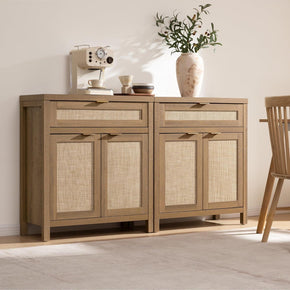
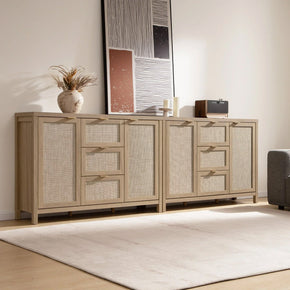
Melamine plates. Acrylic wineglasses. The trays you only break out twice a year. They have to live somewhere. A sideboard in the dining room near the patio door keeps them accessible without colonizing a kitchen cabinet you actually need. Browse buffet sideboards for widths that match the wall you're working with.
39. Keep Reading-Nook Books on a Bookcase

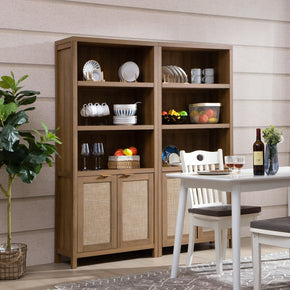
A patio reading nook is only as good as the book pile next to it. A tall arched bookcase indoors becomes the staging area for whatever you're rotating outside that week — paperbacks, garden books, the magazines you keep meaning actually to finish. The Savanna Arched Bookcase has both the open shelving for what you want visible and the closed base for whatever you don't.
40. Set Up an Indoor Bar Cabinet for Outdoor Entertaining

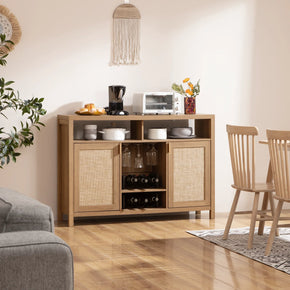
A dedicated bar cabinet parked right by the patio door means you stop running back to the kitchen every time somebody wants another drink. Tongs. Openers. Glassware. The half-finished bottle of vermouth nobody's touched since June—all in one piece, all an arm's reach from where the entertaining actually happens. The Savanna Bar Cabinet with glass holder has the wine rack and the surface space to function for real entertaining, not just look the part.
41. Use an Indoor Side Table for Poolside Essentials

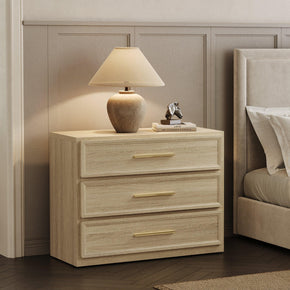
Sunscreen. A book. The glass of water you keep refilling. The phone you keep trying not to check. A small side table just inside the patio door becomes the staging surface for everything you carry out and back in over the course of a single afternoon. The Crescent Nightstand with three drawers hits the right scale — narrow enough to fit near a doorway without blocking traffic, drawered enough to hide whatever shouldn't be on display.
Final Thoughts
The thing nobody admits about a small outdoor living space is that the constraints do most of the work. You literally cannot overdo it — there isn't physical room to overdo. Every piece has to earn its spot. Every plant has a job. Every light fixture sits where it actually does something, not just where it photographs well.
Start with the foundation. Brick, gravel, pavers, painted decking — doesn't matter which, just commit and move on. Then add furniture that does two things instead of one. Light the place so it works after sundown. Greenery vertical before horizontal. Privacy where the fences need help. And — the part nobody talks about — let your indoor furniture handle the work nobody sees. The consoles, sideboards, and bookcases were parked nearest the patio door. That's where the indoor-outdoor flow actually happens. Browse Sicotas's home furniture collection for pieces sized specifically for that transition zone.
And honestly? Stop comparing your 12-by-12 to some magazine spread on a quarter acre. The magazine spread is staged. The vase of flowers gets removed after the shoot. Your patio is going to be actually lived in — coffee rings, sunscreen smudges, the chair that's never quite where it should be. That's the better version. Always was.
FAQs
How do I design a small outdoor space?
Floor first. Then one anchor — a small dining table, a single chaise, a fire pit, pick one. Build everything else outward from that anchor. Use furniture that folds or stacks so the layout can flex when you need it to. Plants go vertical before horizontal. Light from at least two sources after dark. And — most overlooked — resist filling every square foot. Space is doing real work in a small design.
What are outdoor living spaces?
An outdoor living space is any usable area of your yard, patio, deck, or balcony that's styled and equipped like an indoor room— with intentional seating, lighting, surfaces, and decor. It's meant for actual living. Dining, reading, entertaining, or doing nothing for an hour with a coffee. Not just landscaping you stare at through the kitchen window.
What is another name for an outdoor living space?
Plenty to pick from — patio, deck, porch, garden lounge, outdoor room. Loggia, if you live in a magazine. Architecturally, they're all gesturing at the same idea, though. An outdoor zone designed and styled for daily use, instead of being left as a raw yard between the house and the fence.
How do I make a cheap outdoor area?
Gravel instead of pavers for the floor. Folding bistro furniture instead of a sectional. Solar lanterns instead of wired lighting. Potted plants instead of a built garden bed. DIY a pergola from cedar posts and basic hardware from the home center. Under $500 is achievable if you stay disciplined and skip the impulse buys near the register.
How do I design a small living area?
Same rules indoor and outdoor, honestly. Pick one anchor piece. Build seating around it. Leave breathing room between everything. Go vertical with decor instead of sprawling horizontally. Let lighting do the rest of the heavy lifting. Multi-functional furniture is your closest friend in a small room — storage benches, ottomans that double as side tables, tables with hidden drawers, you get the idea.
How do I make an outdoor area look nice?
Three things, in this order. A textile — outdoor rug or cushions. Greenery — potted plants or a vertical wall garden. Light — string lights, lanterns, candles, whatever fits. Those three pieces together drag a bare concrete pad into styled-outdoor-room territory in about an hour of work. Then add personal touches if you want to push it further — vintage finds, framed art on the fence, a small fountain, whatever feels like yours.
What is the cheapest way to build a patio?
Pea gravel over a leveled, weed-blocked base. Frame the perimeter with reclaimed brick if you've got it lying around or pressure-treated 2x4s if you don't. Total material cost usually lands somewhere between $200 and $400 for a small patio. Pair with thrifted furniture from Facebook Marketplace plus a hose-washable outdoor rug from a big-box store, and you've got a styled outdoor space for less than the cost of one fancy dinner.
What is the best time to buy outdoor furniture?
End of summer through early fall, easy. August and September are when retailers start clearing inventory for next year. Discounts in the 30-50 percent range are common — sometimes deeper if the stock's been sitting. Black Friday weekend also reliably drops prices, though the selection's thinner by then. Buy in the off-season, store indoors through winter, and your patio's ready to go in March before anybody else's.
Sources
- Martha Stewart – Small Patio Ideas for Compact Outdoor Spaces
- HGTV – 33 Small Backyard Landscaping Ideas
- HGTV – 40 Budget Ideas for Small Outdoor Spaces
- Better Homes & Gardens – Landscaping Project Basics
- Country Living – Garden Ideas and Outdoor Inspiration
- The Spruce – Outdoor Living Furniture and Décor
- House Beautiful – Outdoor Dining Space Inspiration


Looking for something else?
Best Vase for Tulips: A Florist's Honest Guide to Shape, Height, and Styling
LEARN MORE
41 Small Outdoor Living Spaces Ideas to Transform Even the Tiniest Patio
LEARN MORE
Modern Sideboard for Living Room: Complete Buying & Styling Guide
LEARN MORE
17 Camel Leather Sofa Decorating Ideas to Transform Your Living Room
LEARN MORELooking for something else?
36 Wall Art Ideas That Make Any Room Feel Finished
LEARN MORE
What is an Ottoman? 8 Reasons Why You Need One
LEARN MORE
How to Sit in Bed With Good Posture: 10 Simple Tips
LEARN MORE


Further reading
What Is a Platform Bed? A Simple Guide to Types, Benefits, and Buying
Bed Sizes Guide: Dimensions From Twin to King