




26 Reading Nook Ideas for Adults That You Will Actually Sit In
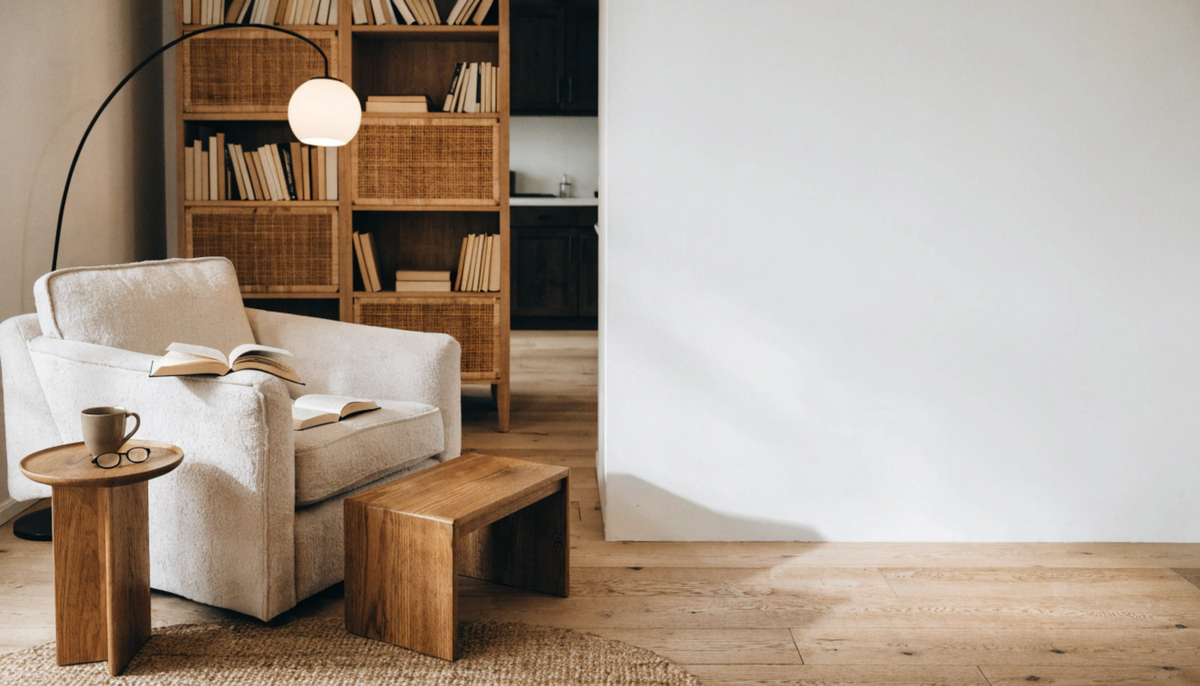
A reading nook does not need a spare room or a wall of built-ins. It needs four things. A seat that stays comfortable past chapter three, light that lands on the page, books within arm's reach, and somewhere to set your tea down.
Most nook roundups show you pretty rooms and stop there. This one gives you the 26 ideas plus the numbers behind them. Seat depth. Shelf depth. Clearance. The lighting rules an eye doctor would actually back.
Jump to whichever room fits your place. Living room. Bedroom. Hallway, closet, under the stairs. Apartments get their own small reading nook section, and there is another on putting a cozy reading corner together cheaply.
Reading is also one of the wind-down habits sleep researchers recommend, which is worth knowing before you plan a bedroom nook.
What Every Adult Reading Nook Needs
Before the ideas, the checklist. A nook that misses one of these four tends to sit empty and slowly turn into a laundry chair.
A Seat You Can Stay In
Comfort wins over looks. Always. A chair can photograph beautifully and still go numb on you by minute fifteen. That one sits empty forever after.
You want back support, a seat you can sink into, and space to shift around. For most adults that lands at 20 to 22 inches of seat depth. Deeper than that and short readers end up perched or slouched.
Light That Reaches the Page
Overhead light casts your own shadow onto the book. You need a side light instead. Eye doctors agree that reading in dim light will not damage your eyes. They do tire faster, though, so a good lamp still earns its spot.
Books Within Reach
Not your whole collection. Just what you are reading and what comes next. One shelf, one basket, or a small stack does the job in a compact corner.
Somewhere to Put the Cup
The most skipped element and the most missed. With no steady surface, the tea goes on the floor, and the glasses vanish under a cushion.
Living Room Reading Nook Ideas
Living rooms usually have the most spare corners going. They also have a TV pulling at you, so a bit of separation helps.
1. Claim the Empty Living Room Corner

Every living room has one corner doing nothing. Angle an armchair away from the TV. Add a floor lamp behind the shoulder, a small table alongside, a low stack of books. One afternoon and the corner has a job.
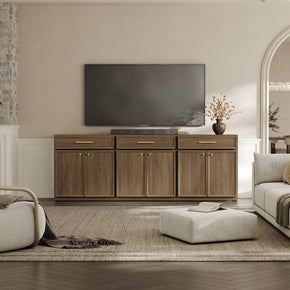
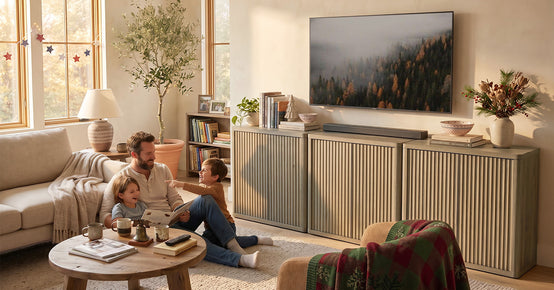
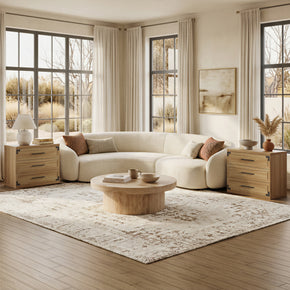
Nothing gets built here. Pulling together living room furniture that anchors a quiet corner is usually enough to make the spot look chosen, not leftover.
2. Angle the Chair Away From the Sofa

Turn the reading chair 30 to 45 degrees off the main seating line. That angle signals to your brain that this seat is for something else. You stop drifting back to the sofa out of habit.
3. Float a Chair Behind the Sofa

In a long living room, the space behind the sofa often goes to waste. Drop in a chair, a slim shelf, and a wall light. You get a second zone, and the main layout never moves.
4. Use a Bay Window

Bay windows already feel like alcoves. Add a cushioned bench or one deep chair. A window-seat reading nook is the easiest to pull off, since the architecture has done half the job for you.
Watch the glare though. South-facing bays want a blind or a sheer curtain. Otherwise the page washes out by mid-afternoon.
5. Build a Bench Into the Bookshelves

Wrap a bench in shelving, and you have a tiny library. Books on three sides. Cushioned seat in the middle. One wall light overhead.
Window seat depth wants to run 20 to 24 inches, enough to pull your knees up. Anything shallower is a perch. Not a nook.
6. Add a Chaise for Real Lounging

Some people read upright. Others want to stretch right out. A chaise or daybed in a wide corner suits the second lot, and it takes a guest when one turns up.
7. Zone It With a Rug

A small rug under the chair draws a line around the reading corner. The spot starts to read as its own little room, and no wall ever moved.
8. Two Chairs for Two Readers

Set two matching chairs on either side of a shared table. One lamp covers both, as long as it sits in the middle and wears a wide shade.
Where two people read, this gets used far more than one lone chair ever does. Reading turns into something you do together, quietly.
Bedroom Reading Nook Ideas
Bedrooms are quiet by design, which makes them the easiest place to concentrate. The trick is reading anywhere but the bed.
9. Put a Chair in the Bedroom Corner

Reading in bed sends the wrong signal to your brain, and you end up asleep on page two. A separate chair keeps reading and sleeping as two different habits.
Cardiologists recommend reading as part of a wind-down routine partly because it can cut stress levels within minutes. The effect works better when you read before you get under the covers.
10. Put a Bench at the Foot of the Bed

A bench or small chaise at the end of the bed gives you somewhere to read without the footprint of a full armchair. Useful in narrow bedrooms. Costs almost no floor space.
11. Turn a Bedroom Recess Into a Corner

Older houses often have a recess beside a chimney breast. Too shallow for a wardrobe, perfect for a chair and a slim table.
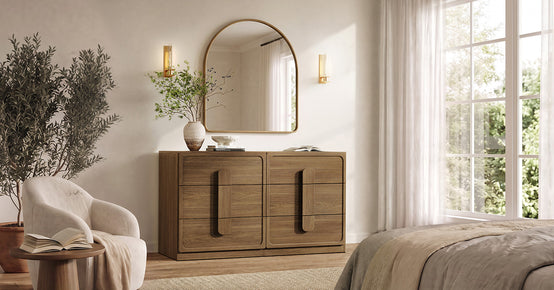
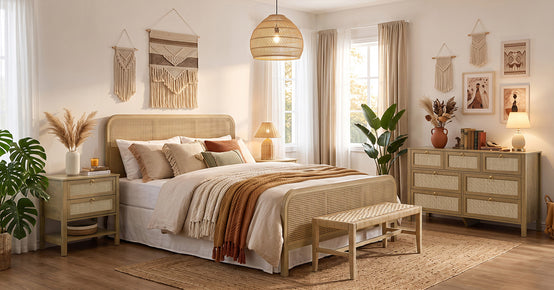
Bedside pieces work well here as reading-corner tables. A fluted bedside table with a charging station keeps the e-reader charged and the phone off the floor. Sounds minor. At 11 pm it really is not.
12. Read by the Bedroom Window

Morning light in a bedroom is often the best light in the house. A chair angled toward the window catches it without putting glare on the page.
13. Fit a Reading Sconce Instead of a Lamp

Wall-mounted lights give you back the whole tabletop. Swing-arm sconces win here, because you can point the light right at the page.
Reading Nooks in Awkward and Overlooked Spaces
The best nooks tend to come out of space nobody could figure out—landings, closets, stair voids, wide hallways.
14. Build Under the Stairs

The classic one. A bench seat runs along under the ceiling slope. Drawers slide in below it. Books go at the tall end where you still have headroom.
Measure headroom at the seat back, not the front edge. You need at least 36 inches right where your head ends up.
15. Convert an Unused Closet

Take out the rail. Fit a cushioned bench at seat height and line the back wall with shelves. A closet nook feels like a cocoon, and that is purely because the walls sit close on three sides.
Paint the nook ceiling to match the walls. Anything sitting below the main room ceiling reads as wall anyway. Match it, and the space feels wrapped instead of capped.
16. Take Over a Landing

Landings are pure walking space. Put a shallow bookcase along one wall and a single chair beside it. Keep the route clear and the dead space turns into a small library.
17. Line a Wide Hallway

Your hallway needs to be at least four feet wide. Twelve inches of shelf depth still leaves roughly three feet to walk through, which handles daily traffic just fine.
18. Use a Dormer or Attic Slope

Sloped ceilings are hard to furnish and perfect for sitting. A low bench under the slope uses the space where nobody can stand up.
19. Steal the Corner of a Home Office

An office already has quiet and good task lighting. Adding a soft chair in the corner gives you somewhere to read that is not your desk chair.
20. Claim a Garden Room or Shed

A separate building is the most private option. No household noise, no laundry in your eyeline, and a door you can close.
Study Nook Ideas That Double as Reading Corners
One small zone can handle reading, writing, and the occasional laptop session. Keeping the two apart matters more than floor area.
21. Pair a Desk With a Soft Chair

Push a compact desk against the wall and set a soft chair next to it. Work stays at the desk. Reading stays in the chair. The two never blur.
22. Choose a Desk With Real Storage

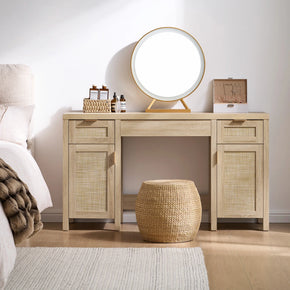
Study nooks fail when paperwork spreads everywhere. A 59-inch rattan desk with drawers shuts the work stuff away. The corner still feels calm later when you drop into it with a novel.
23. Build a Bench-and-Ledge Nook

A narrow work ledge above a cushioned bench gives you both jobs in one piece of joinery. You see it a lot in kitchens and spare rooms.
24. Keep Work Books Separate From Reading Books

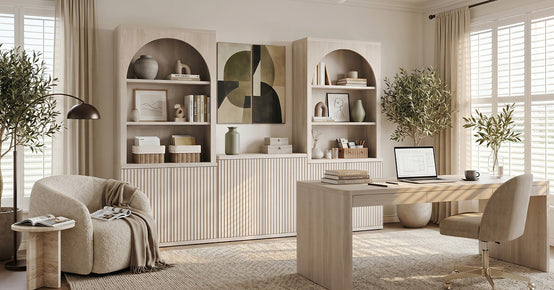
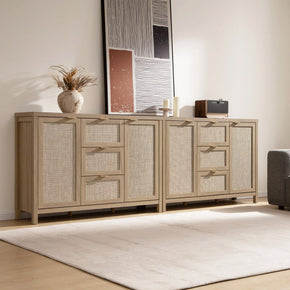
Two shelves, two purposes. Mix them and the corner turns into an extension of the office. Picking home office furniture with doors on it hides the work half once the day is done.
Screen time in a study nook brings its own issue. Optometrists describe digital eye strain as a real cluster of symptoms, and the standard fix is a break every twenty minutes looking at something far away.
Small Space and Apartment Reading Nook Ideas
A nook is defined by function, not floor area. Small rooms need smaller pieces and more discipline with walkways.
25. Use Furniture Instead of Built-Ins

Renters cannot build. One chair, a plug-in wall light, and a narrow bookcase deliver the same result. And the whole lot moves house with you.
Adhesive hooks, clamp lamps, freestanding shelves. That covers nearly every no-drill situation, and none of it needs a landlord's permission.
26. Pick Pieces With Two Jobs

Storage ottomans hold blankets and double as footstools. Nesting tables tuck away. A daybed reads as seating by day and takes a guest at night. Every piece earns twice.
In a studio apartment, this is not a nice extra. It is the only way the corner earns its space.
Choose Seating That Suits How You Read
Match the seat to your actual posture, not to a photo. Watch yourself read for a week, and the answer becomes obvious.
Armchair for Upright Readers
Best if you like to concentrate and hold the book up. Look for arms at a height that supports your elbows, since unsupported arms tire first.
Chair and Footstool for Long Sessions
Foot support transforms a modest chair. Get a footstool one to three inches below your seat height. Your knees stay level, and the pressure comes off your lower back.
Chaise or Daybed for Loungers
For people who read reclined and change position often. Needs more floor than an armchair, so measure before falling in love with one.
Built-In Bench or Window Seat
Only works with a proper cushion, ideally three to four inches thick, plus back pillows. A bare wooden bench looks lovely and gets used twice.
Get the Lighting Right for Day and Night
Lighting is where most reading corners quietly fail. The chair is fine. The light is wrong, so nobody sits there after dark.
Position the Light Behind Your Shoulder
Light should come from behind and over your shoulder, aimed at the page. Directly overhead puts your head's shadow on the book, which is why ceiling lights alone never feel right for reading.
Skip the Dim-Light Panic
Reading in low light will not ruin your vision. Optometrists at the University of Utah list this among the most persistent eye myths, noting only that your eyes tire faster. A good lamp is for comfort, not damage.
Control Glare From Windows
Bright sun on a white page creates harsh contrast and tires your eyes quickly. Sheer curtains, blinds, or simply angling the chair solves it.
Use Wall Lights in Tight Corners
No room for a lamp table? A swing-arm sconce, or a clamp light gripped onto a shelf. Both aim light at the page and take up no floor at all.
Rechargeable lamps are worth knowing about for corners without a nearby socket. No trailing cable across a walkway.
Add Book Storage Without Crowding the Nook
Books need somewhere to live, but shelving that swallows the corner defeats the point.
Go Vertical With Book Storage

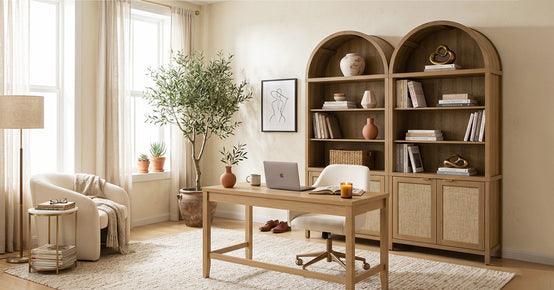
Height is free floor space. A 71-inch rattan bookcase holds a serious collection while occupying about the same footprint as a side table, which is the trade small rooms want.
Match Shelf Depth to Your Books
Depth matters more than people expect. Rough guide:
- Paperbacks and small novels: 6 to 8 inches is plenty.
- Standard hardbacks and mixed collections: 10 to 12 inches.
- Art books, atlases, and vinyl: 13 to 15 inches.
Deeper shelves eat room and let books push back into a dusty gap. Go shallow where you can.
Put Storage Under the Seat
Drawers or cubbies below a bench use space that would otherwise be sealed off. Blankets, spare cushions, and overflow books all fit.
Keep Only the Current Reads Nearby
A single picture ledge or a basket beside the chair is enough—current book, next book, done. The main collection can live elsewhere.
How to Make a Reading Nook Feel Cozy
Cozy comes from enclosure, texture, and warm light. It does not come from stacking cushions until nobody can sit down.
Layer Textiles Without Burying the Seat
Two or three cushions and one throw. That is the whole formula. Six cushions means five on the floor every time you sit down.
Use Color to Wrap the Space
Deep, saturated shades turn an enclosed alcove into a cocoon. Paint the walls, the trim, and any lower ceiling all one color. That is the strongest version of it.
Airy window nooks go the other way. Lighter tones keep them feeling bright and open.
Add One Surface You Can Reach

A drink, glasses, a bookmark, a notebook. Everything needs somewhere to sit. An end table with closed storage takes the cup on top and swallows the clutter underneath. The corner stays calm-looking.
Personalize It, But Lightly
One or two meaningful objects. A plant, a candle, a framed print. Decor should never take the space a book or a mug needs.
Where Not to Put a Reading Nook
Placement kills more nooks than furniture choice does. Avoid these spots:
- In a walkway between two doors. You become the obstacle.
- Blocking a radiator, vent, or any heat source. Bad for comfort, worse for safety.
- Facing a window head-on, where daytime glare kills the page.
- Close enough to hear the kitchen or the TV, if your evenings are busy ones.
- Anywhere the door swing clips the chair.
Clearance matters too. Designers generally want 30 to 36 inches for a main walking route, dropping lower only when the room gives no choice. A nook that narrows a path below that gets resented fast.
Create a Reading Nook on a Budget
The cheapest nook usually comes from stuff you already own; just put it in the right order.
Start With a Chair You Already Have
Move it before you buy anything. Try the corner for a week. Half the time the chair is fine and only the light was missing.
Use Picture Ledges for Books
Slim wall ledges cost a fraction of built-in joinery. They hold a surprising number of paperbacks. Swapping the display takes seconds.
Spend on Light Before Decor
A better lamp changes the experience more than a new cushion ever will. Buy in this order: light, then foot support, then textiles, then anything decorative.
The Five-Step Formula for Your Own Book Nook
Apply this anywhere in the house, and it works:
- Find the quietest, underused spot that doesn't block a walking route.
- Choose the seat based on how you actually read, upright or reclined.
- Position light so it comes over your shoulder onto the page.
- Add books and one stable surface within arm's reach.
- Finish with a throw, a cushion or two, and nothing else.
Consistency does the rest. Sleep researchers point out that repeating the same evening ritual trains your body to settle, and a nook you return to nightly becomes part of that cue.
Common Reading Nook Mistakes
Five patterns explain almost every unused reading corner.
Choosing looks over comfort. A sculptural chair that goes numb in fifteen minutes will never become a habit.
Relying on the ceiling light. Your own shadow lands on the page and you give up after a week.
Overfilling a small nook. Cushions and accessories creep in until there is no room left for a person.
Forgetting the drink surface. Small thing. Constant irritation.
Putting it somewhere noisy. A nook two feet from the TV is a chair, not a retreat.
Final Takeaway
The best adult reading nook is rarely the most elaborate one. It is the corner with a seat that stays comfortable, a light aimed at the page, books you can reach, and enough quiet to lose an hour.
Start with the space you already have. Test the chair before buying anything. Fix the lighting before the decor.
Whether it ends up under the stairs, in a converted closet, beside a bedroom window, or in the corner of your living room, the measure is simple. You keep going back to it.
FAQs
What are some creative ideas for a reading nook?
Look at the spaces nobody uses. Under-stair voids, unused closets, landings, wide hallways, bay windows, chimney recesses, attic slopes, and the area behind a sofa all convert well. A bench built into bookshelves is the most library-like option if you have the wall for it.
What are some ideas for an adult reading corner?
Focus on grown-up comfort rather than decoration. The core setup:
- A supportive armchair or chaise with 20 to 22 inches of seat depth.
- A footstool slightly lower than the seat.
- A floor lamp or swing-arm sconce positioned behind your shoulder.
- A side table for a drink and your glasses.
- A small shelf or basket holding only your current books.
What are the must-haves for a reading nook?
Three things are non-negotiable—a comfortable seat, light that reaches the page, and a spot quiet enough to concentrate. Book storage and a drink surface come next and make a big practical difference. Everything else is decoration.
What are some creative study nook ideas?
Alcove desks, a window-side desk paired with a soft chair, closet-to-office conversions, and bench-and-ledge combinations all work. Keep work storage visually separate from leisure books so the corner does not feel like an office when you sit down to read.
How do you create a cozy reading nook?
Start with enclosure. Corners, alcoves, and recesses already feel sheltered. Add warm task lighting rather than bright overhead light, a cushioned seat, two or three pillows, and one throw. Deeper wall colors help an enclosed nook feel wrapped. Restraint matters more than quantity here.
How can I design my own book nook?
Work in order. Pick the space, choose the seat for your reading posture, position the light, add books and a surface, then finish with textiles. Building in that sequence stops you buying decor for a corner that turns out to be uncomfortable.
What is a cozy reading nook?
A small, deliberately arranged spot for comfortable reading that feels a little separate from normal household activity. Size is not the defining feature. Separation and comfort are.
What are must-have reading room items?
Comfortable seating, a task light, book storage, a side table, and back or foot support cover the essentials. Optional additions that genuinely help include a rug to define the zone, a throw, curtains or blinds to control glare, and a rechargeable lamp where there is no socket.
Is reading in a dim reading nook bad for your eyes?
No. Reading in low light does not cause permanent damage, though it tires your eyes faster and can cause temporary strain or headaches. Good task lighting is about comfort and stamina, not protecting your eyesight. If reading feels hard even in good light, book an eye test.
Sources
- American Academy of Ophthalmology – Common Eye and Vision Myths
- University of Utah Health – Can Reading In Low Light Harm Your Eyes? Top 10 Eye Health Myths Debunked
- American Optometric Association – Computer Vision Syndrome (Digital Eye Strain)
- Sleep Foundation – Reading Before Bed
- American Heart Association – How to Sleep Better With a Bedtime Routine
- NPR – Rituals to Calm Your Body and Mind Before Bed
- Style by Emily Henderson – Living Room Rules Worth Knowing


Looking for something else?

Burl Wood Furniture: The Complete Buying Guide
LEARN MORE
What Is a Hope Chest? Meaning, History, and Modern Uses
LEARN MORE
What Is a Foyer? Meaning, Purpose and Design Guide
LEARN MORE
GREENGUARD Gold Certified Furniture: What It Really Means for Your Home
LEARN MORELooking for something else?

How to Clean a Mirror Without Streaks: Simple Step-by-Step Guide
LEARN MORE
21 Above-Bed Decor Ideas for a Stylish Bedroom Wall
LEARN MORE
Furniture Materials Guide: Picking the Right Material Room by Room
LEARN MORE


Further reading

18 Decorative Storage Box Ideas That Hide Clutter Well

How to Store Comforters Without Losing Space or Loft


