

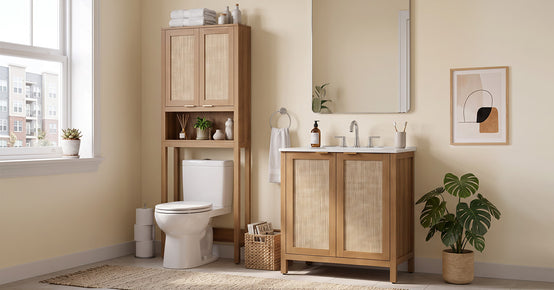
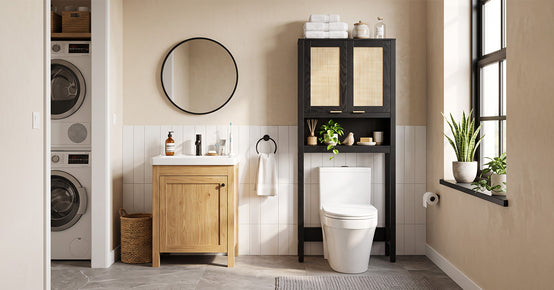


New Home Furniture Essentials: What to Buy First, Room by Room
A new home does not need to be full on day one. It needs a bed, somewhere to sit, a surface to eat at, and enough storage to empty the boxes.
Everything else can wait, and waiting usually saves money. Buying a full room in the first week means choosing before you know how the space works. Where the light falls, where you actually sit, what you never use. Those answers arrive after a month, not before.
Furniture bought early often gets replaced. Not because it was bad, but because it was chosen for a room the buyer had not lived in yet.
This new home furniture essentials checklist works room by room. Buy-first pieces, the measurements that stop returns, and what can safely wait. It also covers the anti-tip rules for dressers and storage units, which almost no furnishing guide mentions.
What Furniture Do You Actually Need First?

Essential furniture means the pieces you can't live without. Not everything a finished home eventually holds. Every new home furniture checklist should start there.
Four functions come before everything else. Sleep. Sitting. Eating. Storage. Sort your list against those four and the buying order becomes obvious.
Start With Sleep
A mattress comes first, always. A frame can follow a week later if money is tight, though a mattress on the floor traps moisture underneath and shortens its life.
Add Somewhere to Sit
One sofa or two chairs. Upholstery usually takes longer to arrive than anything else you order, so it's the first purchase to make.
Confirm the delivery window with the seller before you commit. In-stock pieces ship quickly. Custom fabric, made-to-order frames, and anything shipping long distance take considerably longer, and the quoted range shifts with season and stock.
Get the estimate in writing. Then plan the rest of the room around that date, not when you hoped it would arrive.
Create a Place to Eat
A dining table, a small breakfast table, or two counter stools. Eating off your lap for three months gets old faster than people expect.
Solve Storage as You Go
Storage needs depend entirely on what your home already has. A house with fitted wardrobes needs far less furniture. A flat with one shallow closet needs plenty.
Get the Tape Measure Out First
Measuring is what separates a smooth move from an expensive return. Ten minutes with a tape saves weeks of hassle later.
Measure the Room, Then the Route

Room dimensions are the easy part. The route is where deliveries fail.
Start with your front door width. Then the narrowest point of the hallway, the stairwell turns, and any low ceiling above the stairs. A sofa that fits the lounge but not the landing still won't work.
Mark Walking Paths First
Plan the walking routes before you fill the floor. For a main route, thestandard for accessible walking surfaces sets a clear width of 36 inches. That rule covers public buildings rather than homes, though it is the firmest benchmark available for a path someone uses daily.
Designers often work to a similar range for main routes, so styling advice and the standard mostly agree here. Local building rules may set their own minimums, and anything touching egress is worth checking rather than eyeballing.
Eighteen inches is not a walkway. That figure describes the gap between a sofa and a coffee table, which is a reaching distance, not a path. Keep the two measurements separate, and don't narrow a route to hit it.
Leave more where anything swings or rolls. Doors, drawers, and cabinet fronts need their full travel plus standing room, and a wheelchair or walker needs roughly 60 inches of turning space where the route changes direction.
Draw It Out on Paper

Paper and a pencil do the job. Draw the room to scale. Cut out a rectangle for each piece and shuffle them about until something works.
Painter's tape on the real floor works better still. You see the actual footprint at full size before spending anything.
Note What Is Already Fixed
Windows and radiators limit where furniture can sit. Sockets, vents, door swings and built-ins do the same. Mark them all on the sketch.
Clearances Worth Memorizing

These numbers decide whether a room works. Competitors rarely publish them.
|
Where |
Clearance |
|
Main walkway through a room |
30 to 36 inches |
|
Secondary path or tight spot |
18 to 24 inches |
|
Sofa edge to coffee table |
14 to 18 inches |
|
Behind a dining chair for pull-out |
36 inches minimum |
|
Around a dining table for serving |
42 to 48 inches |
|
Nightstand top height |
Level with the mattress top |
|
TV stand width |
Wider than the TV screen |
|
Front of a chest of drawers |
Enough for a fully open drawer plus standing room |
Bedroom Furniture Essentials

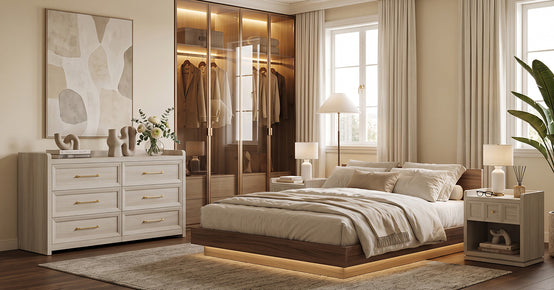
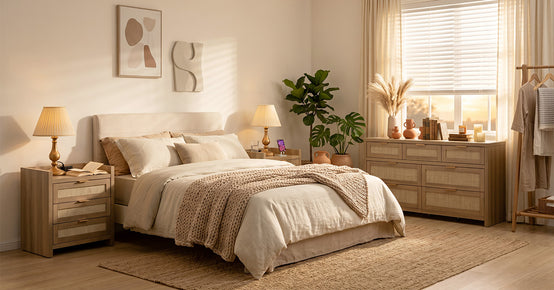
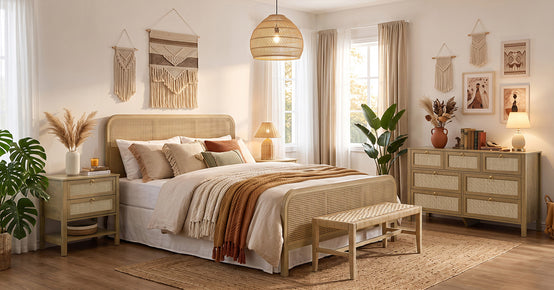
Sleep comes first, so furnish the bedroom first. Working through a complete bedroom furniture range in one go also makes the finishes match. Buying piece by piece and hoping rarely ends well.
Mattress and Bed Frame
The mattress is the hardest-working thing you will buy. Roughly a third of your life happens on it.
Size it to the room, not to ambition. Put a king bed in a small room, and there is nowhere left to walk. No room for a wardrobe door to swing, none for a bedside table.
Bedside Table

One bedside table gets you started. Two look better and settle arguments. A matching pair of bedside tables keeps the wall behind the bed even. Drawers swallow the chargers, medication, and paperbacks that otherwise pile up on top.
Match the top to your mattress height. The lamp then sits at reading level instead of shining in your face.
Wardrobe or Dresser

Only a priority if built-in storage falls short. Check what the closet actually holds before ordering anything.
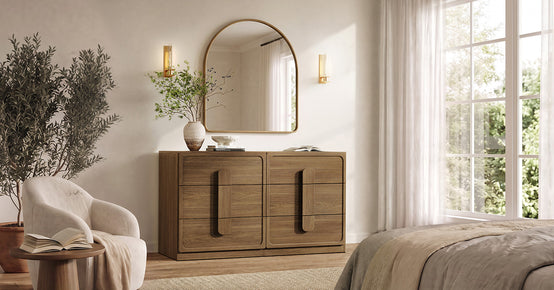
Tall wins over wide in a small bedroom. Drawer count says little about capacity. A tall unit can hold more or less than a wide one depending on how deep and wide the drawers actually run, and a shallow drawer in a tall frame is still a shallow drawer.
Compare internal dimensions rather than the number on the listing. Measure what a drawer holds, not how many there are.A tall five-drawer chest in a narrow footprint suits a small bedroom for its floor space, which is a different argument from capacity.
Check the listed capacity if the seller gives one. Some publish usable volume or a per-drawer weight limit, and that number beats any inference you could draw from the exterior.
Bedroom Lighting
A bedside lamp or a floor lamp beats a ceiling fitting for everyday comfort. Buy one early.
What Can Wait
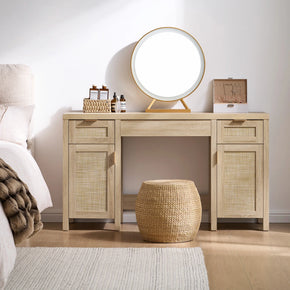
- Dressing tables and vanity units.
- A bench across the foot of the bed.
- Accent chairs.
- Fancy headboards. Big mirrors.
Living Room Furniture Essentials

Living rooms eat the biggest share of most furniture budgets. Start with furniture built for everydayliving rooms, not showroom sets, so you spend on what you will use daily.
Sofa or Primary Seating
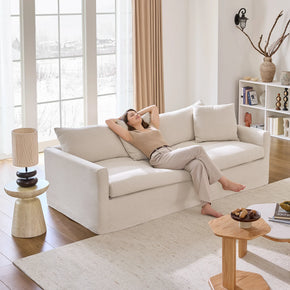
Order this first. Lead times are long, and the room stays unusable until it lands.
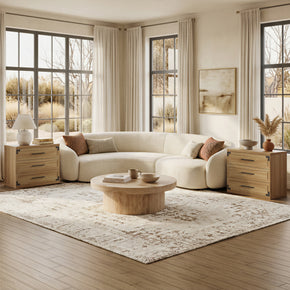
Size it to the room and the doorway, not to the showroom. Modular sofas ship in sections, which is the practical reason to consider one. A single-piece sofa has to clear your front door, any hallway turn, and the stairwell if there is one, all in one rigid shape.
Measure the route before you order, not the room. Doorway width, the tightest turn, ceiling height on a stair. Compare those against the boxed dimensions rather than the finished sofa size.
Ask the seller what happens if it will not fit. Return policies on large upholstery vary, and a failed delivery can leave you paying to ship it back.
Camp chairs or a cheap secondhand seat will cover the gap while you wait.
Coffee Table or a Surface Within Reach
Some surface near the sofa is essential. The size is negotiable.
In a tight room, a small side table or a pair of nesting tables beats a big coffee table. Leave 14 to 18 inches between the table edge and the sofa seat.
Media Console or TV Stand

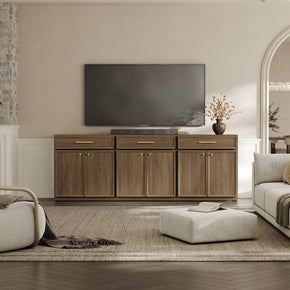
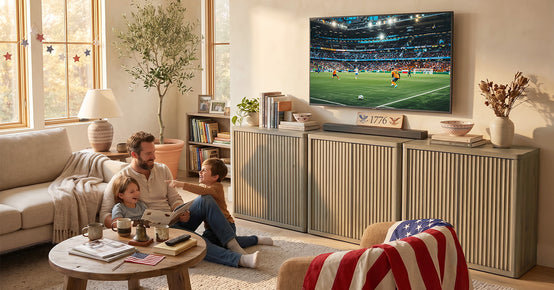
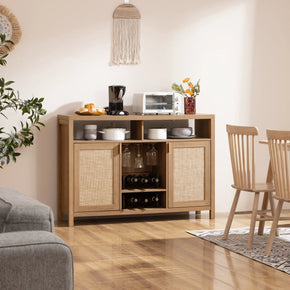
Only needed if the TV is not going on the wall. A 65-inch media console with storage swallows the boxes, cables, and controllers. Those closed doors matter far more than people expect once the room gets lived in.
Pick a stand wider than the screen. A TV overhanging its base looks wrong and sits less securely.
Extra Seating
An armchair or occasional chair helps larger households and regular hosts. For two people in a small flat, it can wait.
Living Room Storage
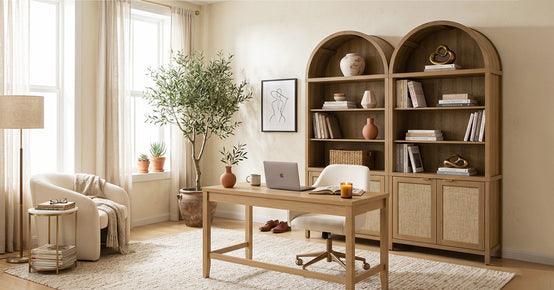
Bookcases, shelving units, sideboards and storage ottomans soak up the clutter a living room makes. Buy once you know what needs hiding.
Dining Area Furniture Essentials
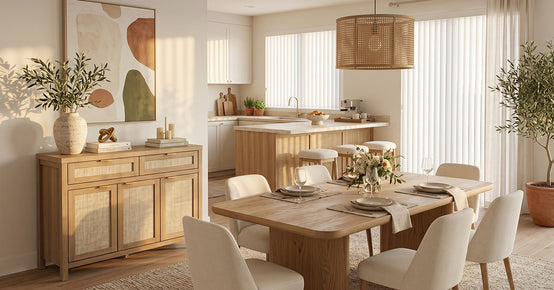
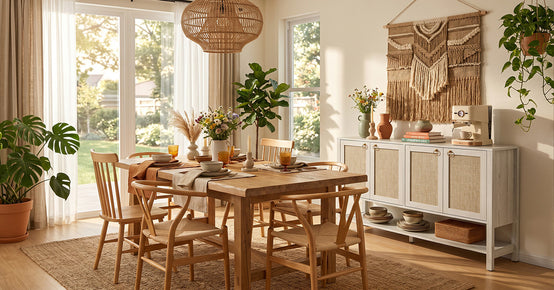
Many homes don't have a separate dining room. Adapt this to whatever eating space you actually have.
Dining Table
Size it for the people who eat there daily. Not the fourteen relatives who show up once a year.
Allow 36 inches behind each chair so it can pull out. Make that 42 to 48 inches if someone has to squeeze past while others are eating.
Dining Chairs
Buy what daily life needs. Folding or stacking extras handle guests without occupying floor space all year.
Sideboard or Buffet
Optional unless dinnerware and linens have nowhere to live. Useful later, rarely urgent.
Small-Space Alternatives

- Drop-leaf tables fold flat against a wall.
- Extendable tables handle the odd dinner party.
- A bench on one side, which tucks fully under.
- A small round table seats more per square foot than a rectangle.
Entryway and Hallway Furniture
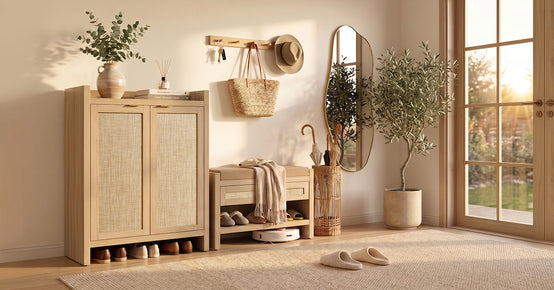
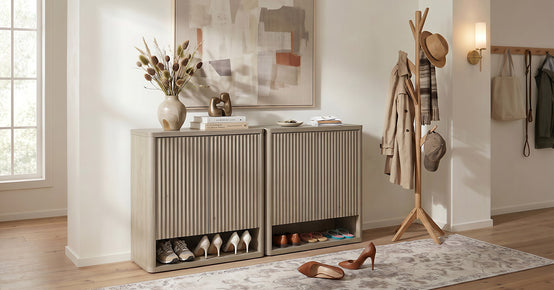
Entryway furniture earns its keep quickly. A little of it stops shoes, bags, and post creeping through the rest of the house.
Shoe Storage

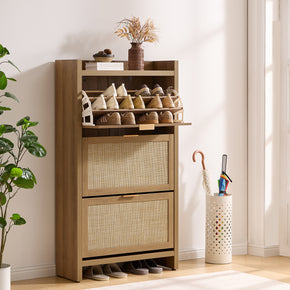
Shoes pile up before anything else does. A flip-down shoe bench fixes two problems at once. You get a seat for pulling shoes on, and closed storage underneath so the hallway stays clear.
Somewhere to Sit and Pull Shoes On
Only worth it if the hallway is wide enough. In a narrow entry, wall hooks and a shallow cabinet beat a bench every time.
Console Table
Handy for keys, post and bags. Measure the depth properly, though. A console that squeezes a hallway below 30 inches turns into an obstacle.
Use the Walls in a Tight Hall
Hooks, wall shelves and slim cabinets do the same job as freestanding furniture. They just don't eat up the floor.
Home Office Furniture Essentials
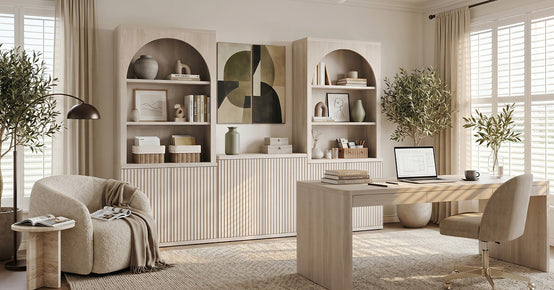
Only urgent if you work or study at home most days. Otherwise, this room can wait months.
Desk
Size it around your actual kit. One laptop needs far less surface than a two-monitor setup.
A Chair That Supports You
This is the one place to spend properly if you sit for hours. Adjustable height and proper back support beat good looks.
Storage and Shelving
Add drawers or shelves to match the paper and kit you actually keep. Most people need less than they think.
Furniture for a Room Doing Two Jobs
If the room doubles as a guest room, consider a sofa bed, a daybed, or a foldaway desk. Both jobs stay possible.
Storage Furniture a New Home Usually Needs
People underestimate storage every time. Then boxes sit unpacked six weeks later.
Wardrobes and Chests of Drawers
Use these where the closets cannot swallow everyday clothing. A chest also gives you a surface on top. A wardrobe does not.
Bookcases and Shelving
Good for books, files and decor. Match the shelf depth to what you own, or books disappear into a dusty gap at the back.
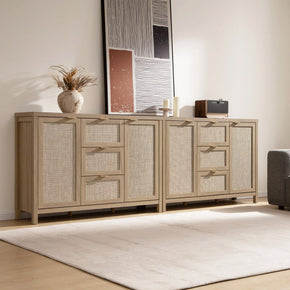
Sideboards and Cabinets
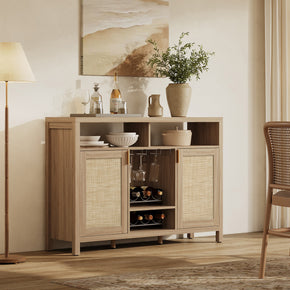
Closed storage for dining rooms, hallways and living spaces. Doors hide the mess that open shelves put on show.
Storage Ottomans and Benches
Strong picks for small homes. One piece gives you a seat, a surface and hidden storage.
Anchor Tall Furniture Before You Fill It

Nearly every furnishing checklist online skips this. It matters more than any styling tip in this guide.
Why Tip-Overs Happen
Chests, bookcases, and TV stands can go over when drawers are open, or a child climbs. The CPSC Anchor It campaign reports that anchoring has cut tip-over injuries and deaths by almost half in ten years.
Full-extension drawers make it worse. A loaded top drawer pulls the whole weight forward.
What the Rules Now Require
A federal standard took effect in September 2023 under the STURDY Act. Clothing storage units such as dressers and armoires must nowmeet stability requirements before they can be sold in the US.
Anchor It Anyway
A stability standard is not a substitute for a wall strap. Consumer Reports has covered the limits of anchors and standards alike, and the practical answer is to use both.
Anchor before you load the drawers. Doing it afterward means emptying everything again.
Check the Emissions Label on Engineered Wood
Most affordable furniture uses particleboard or MDF. EPA states that after March 22, 2019, these products and finished goods containing them must belabeled as TSCA Title VI compliant when sold in the US. The rule caps formaldehyde emissions.
Labels are not universal. A finished piece containing only a small amount of composite wood, under 144 square inches on its largest face, is excepted from the labeling requirement. The material still has to meet the emission limits.
Check the box and the piece. A finished goods label carries the fabricator name, the production month and year, and a compliance statement. California applies its own labeling rules with no size exception.
Compliant does not mean odorless. The cap limits emissions rather than removing them. If the smell bothers you, air new pieces out for a few days in a ventilated room.
A Three-Phase Furnishing Plan

Spreading purchases over months costs less and produces better choices. You learn how the home works before committing.
Phase 1: Get It Livable
Weeks one to four. A mattress and bed support. Something to sit on and something to eat at. Essential storage, plus blinds or curtains for privacy.
Phase 2: Make Daily Life Easier
Months two and three. Bedside tables and a coffee table. Wardrobes and shelving. Add a desk if you work from home, plus lamps throughout.
Phase 3: Add the Character
Month four onward. Rugs and accent chairs. Sideboards, artwork and the decorative bits that make a place feel finished.
By this point you know where the light falls, where people sit, and which corner nobody uses.
Your First-Night Survival List

Furniture aside, this lot gets you through night one:
- A mattress, bedding and pillows.
- Toilet paper, hand soap and a towel each.
- A kettle, mugs and a couple of plates.
- Bin bags and basic cleaning spray.
- A lamp, spare bulbs and an extension lead.
- A screwdriver, tape measure and box cutter.
- Phone chargers, somewhere findable.
Put the lot in one box, mark it clearly, and load it last. It comes off the van first.
How to Budget for New Home Furniture
There is no single correct figure. The split matters far more than the total.
Work Out What Is Left
Subtract moving costs, deposits, repairs, and the first few months of bills. Whatever is left is your real furniture budget.
Pay Up for the Pieces You Use Daily
Mattress, sofa, dining table, desk. You use these every day for years. Cheap versions sag, wobble, and look tired fast.
Save on Easy Swaps
Side tables, lamps, occasional chairs, decor. Tastes change, and swapping these out later costs very little.
Leave Rooms Empty a While
An empty corner costs nothing. Buying the wrong thing twice costs twice as much.
How to Furnish a New Home for Less
Cheap and good value are not the same thing. These four give you both.
Buy Secondhand When You Can See the Wear
Tables, chests, shelving and solid wood are safe secondhand buys. Upholstery and mattresses are not. The wear hides inside where you cannot check it.
Let Temporary Furniture Do a Job
A clothes rail, a folding table or borrowed chairs cover the gap while you wait for the right piece. Temporary beats permanent and wrong.
Choose Pieces With Two Jobs
Storage beds, extendable tables, sofa beds, nesting tables, storage benches. Each one cuts the total number of pieces you have to buy.
Buy for How Long You Are Staying
Renting for a year? Skip built-ins and anything cut to fit one alcove. Freestanding pieces move with you and suit any room.
Home Essentials That Are Not Furniture
Furniture is only half of a working home. This lot fills the rest.
Kitchen Basics
Pots and pans. One sharp knife plus a chopping board. Plates, bowls, mugs, glasses, cutlery. Food containers, tea towels and a bin.
Bathroom Basics
Towels and toilet paper come first. Then hand soap, a bath mat, a toilet brush and a small bin. Somewhere to keep toiletries off the floor.
Cleaning and Laundry
A vacuum, a mop, a dustpan and brush. Detergent and a laundry basket. A drying rack too if there is no dryer.
Safety Items
Smoke alarms and a carbon monoxide alarm. A fire extinguisher. A first aid kit, a torch and spare batteries.
A Basic Toolkit
Tape measure, screwdriver set and hammer. Pliers, a utility knife and a spirit level. A step stool too. Add wall anchors suited to your wall type.
New Home Furniture Mistakes to Avoid
Five errors account for most regretted purchases.
Buying before measuring. Photos online hide scale completely. A sofa that looks neat on screen can swallow a small lounge whole.
Ordering matching sets on autopilot. Separate pieces usually suit a real room better than a group somebody else picked.
Ignoring delivery access. Doors, stair turns, and lifts stop more deliveries than room size ever does.
Chasing trends over daily comfort. A finish goes out of style. An uncomfortable sofa annoys you every single evening.
Filling every room at once. Live in the space first. Your list will change within a month.
Final Takeaway
Start with sleep, seating, eating, and storage. Those four cover the essentials, and everything after them is an improvement, not a necessity.
Measure the room and the route before ordering. Order the sofa early because it arrives last. Anchor anything tall before you load it.
Then let the house tell you what it needs. A few weeks of living there teach you more than any showroom visit, and the furniture you buy afterward tends to be the furniture you keep.
FAQs
What are the top 10 most useful household items?
For a new home, these ten carry the most weight day to day:
- A mattress and bed support.
- A sofa or comfortable chair.
- A table you can eat at.
- One storage unit per room that lacks built-ins.
- A kettle.
- Basic cookware and a sharp knife.
- Plates, mugs, and cutlery.
- A vacuum or broom.
- A basic toolkit with a tape measure.
- Smoke alarms and a first aid kit.
What are the basic home essentials?
Split them into six groups. Furniture for sleeping, sitting, eating, and storing. Kitchen equipment. Bathroom supplies. Cleaning and laundry gear. Safety items such as alarms and a first aid kit. Lighting and window coverings for privacy. Cover those and the home functions.
What is an item everyone needs?
No single item suits every household. In a new home, a safe and comfortable place to sleep comes closest. Seating, lighting, basic cooking equipment, and storage come next.
What are common items at home?
On the furniture side: beds, sofas, chairs, tables, chests of drawers, wardrobes and shelving. Then lamps and window coverings. After that come appliances, cookware, bedding, towels, cleaning products and tools.
What items should every homeowner have?
Beyond furniture, owning a property means owning the repairs. Keep a toolkit, tape measure, torch, first aid kit, fire extinguisher, spare bulbs and batteries, wall anchors suited to your walls, and anti-tip straps for tall storage. A step ladder pays for itself in the first month.
What is a list of everyday house items?
Everyday items are the ones you touch daily. Bedding, towels, plates, mugs, cutlery, cookware, cleaning spray, bin bags, laundry detergent, phone chargers, lamps, and the storage that holds all of it. Anything you use less than monthly is not an everyday item.
What are some DIY home essentials?
A hammer, screwdriver set, adjustable wrench or pliers, tape measure, spirit level, utility knife, and a step stool cover most jobs. Add a drill and wall fixings matched to your wall type, since plasterboard, brick, and plaster each need different anchors. Check what is behind a wall before drilling.
What order should you furnish a house in?
Furnish the bedroom first, then the living room, then the eating area. Sleep affects everything else, so it comes first. Order the sofa early because lead times run six to twelve weeks. Storage follows once you see what will not fit away, and decorative pieces come last.
Sources
- U.S. Consumer Product Safety Commission – Anchor It Campaign Marks 10 Years of Fewer Furniture Tip-Overs
- AnchorIt.gov – CPSC Adopts Final Safety Standard to Prevent Tip-Overs of Dressers and Clothing Storage Units
- U.S. Environmental Protection Agency – Formaldehyde Emission Standards for Composite Wood Products
- U.S. Environmental Protection Agency – Frequent Questions for Consumers About the Formaldehyde Standards
- Consumer Reports – Furniture Anchors Are Not an Easy Fix as Child Tip-Over Deaths Persist
- Style by Emily Henderson – Living Room Rules Worth Knowing
- Grand View Research – Sofa Market Size, Share and Trends Report


Looking for something else?
Small Dining Room Ideas: 15 Tips for a Small Dining Space
LEARN MORE
25 Fall Decorating Ideas for Your Front Porch That Feel Cozy, Not Cluttered
LEARN MORE
How to Choose the Right Shower Curtain (Size, Fabric, Style)
LEARN MORE
Fall-Inspired Living Room with Autumn Colors: Decor Ideas 2026
LEARN MORELooking for something else?
How to Choose Dinnerware: The Ultimate Dinnerware Sets Buying Guide
LEARN MORE
Velvet 101: How to Care for Velvet (Complete Care Guide)
LEARN MORE
How to Decorate a Narrow Bedroom: 13 Narrow Bedroom Ideas and Layout Tips
LEARN MORE


Further reading

How to Choose a Wardrobe That Fits Your Room and Your Clothes

26 Bedroom Coffee Bar Ideas That Actually Work at Home


