















Melamine vs. Ceramic Outdoor Dinnerware: A Practical Comparison Guide
Drop one plate on the patio, and the melamine vs. ceramic outdoor dinnerware debate ends right there. The ceramic one is in pieces. The melamine one rolled under a chair. Patios, pool decks, and picnic tables fill up with melamine plates for exactly that reason, even though ceramic still owns the beauty contest. Each material has a place. Rarely the same place, though. The FDA guidance on melamine tableware answers the safety questions. Durability and weight each get their own section below. Heat rules and style come next. Cleaning and cost round out the guide until the right outdoor plates become obvious. This guide compares melamine and ceramic plates head-to-head so you can pick the right outdoor dishware for your patio.
Melamine vs. Ceramic at a Glance
Strip everything away, and a trade remains. One material survives outdoor life—the other dresses it up. The quick comparison below shows how the two stack up on the points that matter most when it comes to outdoor performance.
- Durability: Melamine is shatter-resistant and shrugs off drops, so it wins outdoors. Ceramic looks better but chips and breaks when it hits a hard patio.
- Weight: Melamine is light and easy to carry across the yard or pack for a trip. Ceramic is heavier, which feels solid on the table but tiring on the move.
- Heat safety: Ceramic marked oven-safe or microwave-safe reheats food with no issue. Melamine serves hot food fine, but must never go in the microwave, oven, or on the stove.
Melamine Dinnerware
 Melamine dinnerware starts as melamine resin, a hardened plastic pressed into molds, and the resulting dishware is lightweight, break-resistant, and built for outdoor abuse. Brick does not scare it. Concrete either. A dropped plate bounces. Kids carry their own bowls without a flinch, and the patterns range from bright and playful to finishes that pass for glazed stoneware dinnerware. One hard rule comes attached. Microwaves and ovens stay off-limits. No exceptions.
Ceramic Dinnerware
 Porcelain, stoneware, and earthenware all sit under the ceramic family name, clay-based, fired at high heat, and usually glazed. Hold a ceramic plate, and the weight tells you something. Reheating goes fine when the label says microwave-safe, and the refined look is one thing plastic never quite reaches. The outdoor catch announces itself. One slip over the slate and somebody sweeps shards away from bare feet.
How Will You Use Your Outdoor Dinnerware?
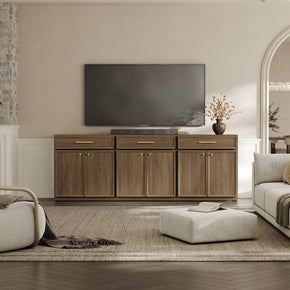
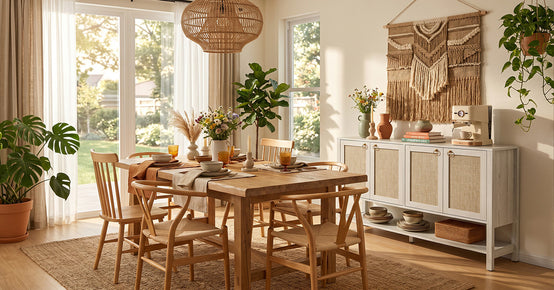
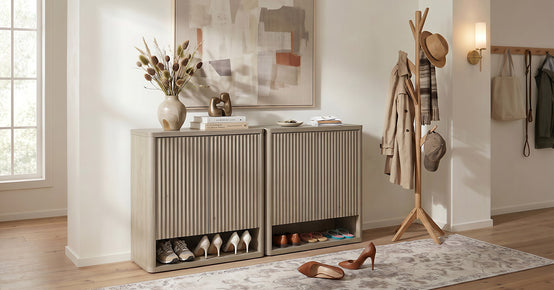
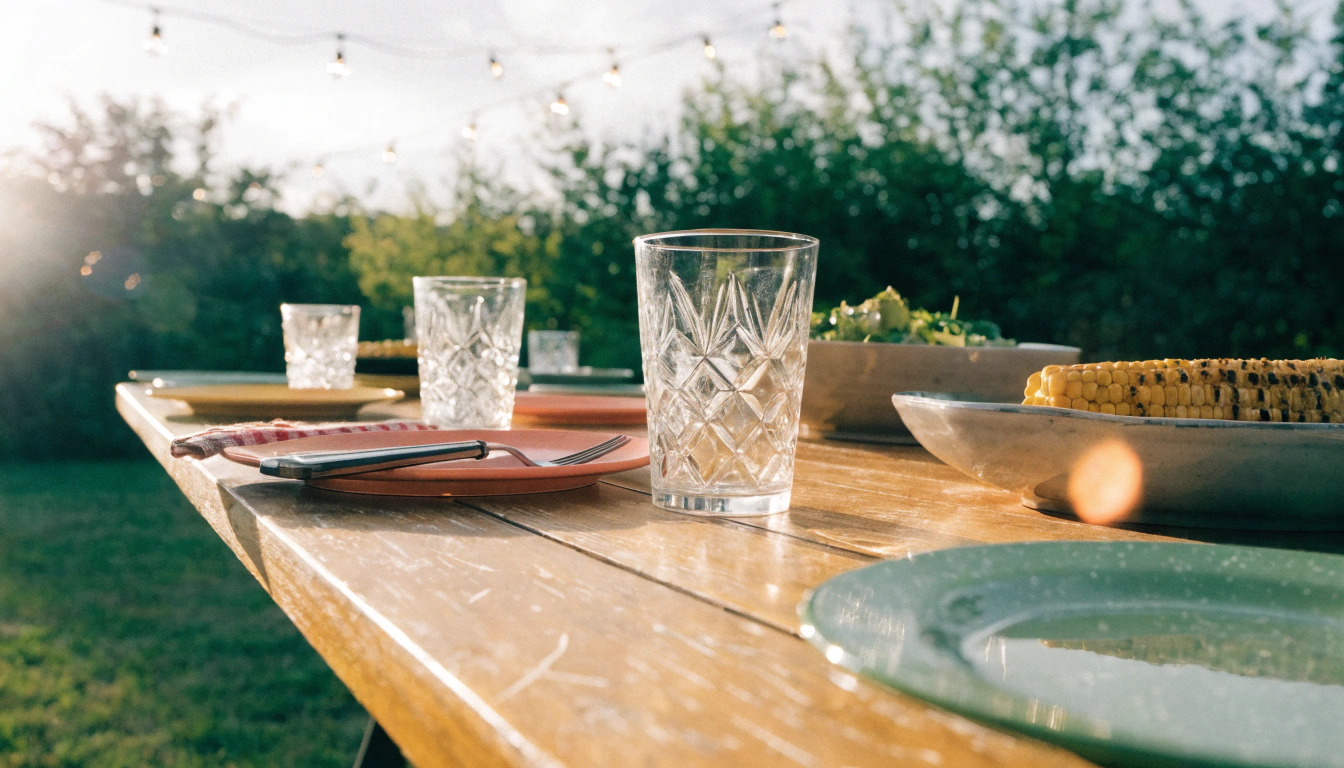
 Where the meal happens decides more than the material does. Your choice of outdoor dinnerware really follows the setting. Ceramic plates do fine at a seated dinner on a stable patio table where nobody walks around carrying them. Flip that for a buffet-style BBQ. Plates cross the yard and balance on knees. They come back for seconds, and all that traffic is where shatter-resistant plates earn their reputation. Poolside removes the debate entirely. Broken ceramic or glass near water and bare feet is a real hazard. A melamine plate that goes in the pool simply floats. Staging matters as well. A slim serving surface near the back door, maybe from the narrow console table lineup, shortens the kitchen-to-patio shuttle into one buffet line, not twenty round trips. That is smart patio dinnerware planning. Picnics and camping lean towards melamine. Kids' parties and big family gatherings do too, for the same three reasons. Light to pack. Easy to stack. Nearly impossible to break.
Durability and Weight: The Outdoor Test
 Break resistance is the trait melamine staked everything on. Stone, brick, and a wooden deck: a plate that hits any of them usually taps and bounces, which is why it dominates patio dinnerware and family-friendly dinnerware alike. Ceramic defines strength differently. Indoors, it shrugs off decades of scratches and daily wear. Outdoors, one bad landing on a hard surface finishes the story.
Put both on a scale, and the split repeats. Melamine runs feather-light, stacks ten high without strain, and suits small hands and older guests. Heft is half of why ceramic feels premium, and it is also what turns carrying plates from the grill to the table to the lap into a chore. Anything mobile favors lightweight dinnerware for comfort alone.
Heat Safety: The Rule That Decides Everything
 The real dividing line runs through heat. Serving food is Melamine's job. Heating food is not ever. That raises the obvious question. Is melamine safe around hot food? It is, but only when the plate never comes into contact with the heat source. Microwave, oven, and stovetop are all off the table. High heat can warp the resin, and according to Healthline's review of melamine safety, it also pushes more of the material toward migrating into the food. FDA rules on melamine dinnerware allow it to be used for serving, not for cooking, for exactly this reason. Ceramic sits across that line entirely. A piece marked microwave-safe or oven-safe reheats the leftovers and travels from oven to table without complaint. The home routine is simple. Reheat on ceramic and serve on whatever you like. Melamine plates hold hot burgers and warm sides all day with no trouble at all. The problem only starts when the plate itself is exposed to heat.
Is Melamine Safe for Outdoor Dinnerware?
 Melamine dinnerware is generally safe when used correctly. In FDA testing, it stayed put and did not migrate into most foods from tableware. Testing found one measurable exception. It showed up only with highly acidic food held at 160 degrees Fahrenheit or hotter for an extended period. Normal serving comes nowhere near that. Safe use comes down to three habits. First, melamine is used for serving dishware and never becomes cookware. Second, retire damaged melamine plates on sight. Any plate that is cracked or deeply scratched has to go, and so does anything warped or peeling. Damaged resin is where trouble starts. Third, read the label. Food-grade, BPA-free dinnerware from a brand willing to print those words is a very different purchase than unlabeled mystery plastic.
Style: Which Looks Better on the Table?
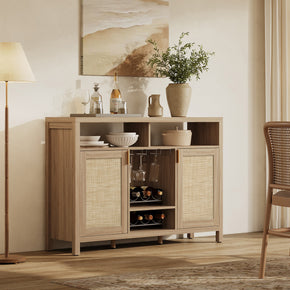
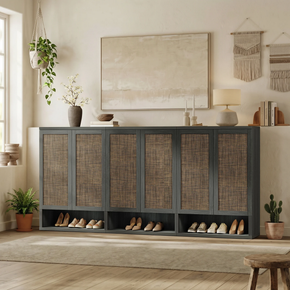
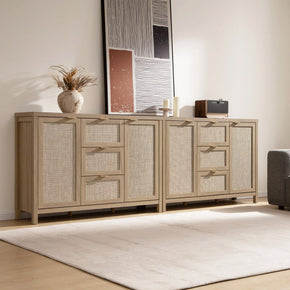
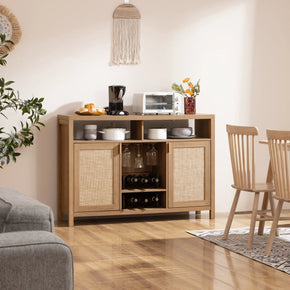
 Most of the old-style gap is gone. Ceramic dinnerware is still the visual benchmark here. Modern melamine dinnerware can mimic glazed stoneware, speckled finishes, and even translucent glass surprisingly well, with palettes that run from coastal blues to warm rustic earth tones for any outdoor table setting. Presence is the one crown ceramic keeps. Its weight, its glaze depth, and the way it photographs all read elevated. Formal dinners reach for it. Indoors, the story ends at display. Open shelving on a four-door buffet server lets the ceramic set show off between dinner parties. The melamine waits below. It sits behind the closed doors until the next cookout.
Cleaning, Care, and Off-Season Storage
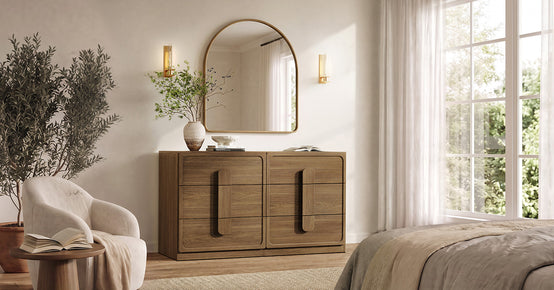
 Cleaning and caring for outdoor dinnerware comes down to a few habits, and they differ for melamine plates and ceramic dinnerware. Ceramic takes the dishwasher round without breaking a sweat. Any rack. Any cycle. Melamine asks for the top rack, where the heat runs gentler, or a quick hand wash with a soft sponge. Steel wool and serrated knives: stay away from your face. Storage decides how long both last. Every piece dries completely, is stacked carefully, and gets an actual home instead of a garage bin. A closed-door sideboard from the Savanna line gives the seasonal melamine a dark, dust-free spot between summers. Good off-season storage for patio dinnerware also keeps it out of sunlight, which slows the gradual fading caused by years of UV exposure on outdoor dishware.
Cost, Lifespan, and the Landfill Question
 Up front, melamine wins on price and keeps winning, since replacements come cheap and the drops that would wipe out a ceramic budget barely register. Ceramic asks more per plate, and careful households genuinely get a lifetime out of it, which rewrites the long-term math. One point rarely makes these comparisons: recycling programs rarely accept melamine, even though it technically qualifies, so worn-out sets mostly end up in the landfill, and a ceramic set that survives just keeps going for decades. Whichever material you point to in your home, durable dinnerware bought once beats cheap dinnerware bought five times.
Best Alternatives to Melamine and Ceramic
 Acrylic drinkware pairs with melamine naturally, because shatterproof tumblers and pitchers belong wherever glass gets risky, poolside above all. Camping and trail duty go to stainless steel, indestructible, light, and never elegant. Bamboo and plant-based dinnerware can look wonderful, but quality varies widely, so check heat and dishwasher ratings piece by piece. Covered patios and calm seated meals still suit porcelain dinnerware and stoneware, breakable but beautiful. Whatever mix ends up winning, one three-door serving cabinet parked near the back door separates the outdoor sets from the everyday china, and the right plates come out with no hunting.
When to Choose Which
 The busy jobs belong to melamine. That covers BBQs and pool parties. It also covers picnic and camping dinnerware, kids' meals, and any backyard entertaining where plates move around and land hard. The calm jobs belong to ceramics. It suits seated dinners on a covered patio, meals where presentation leads, and anything that touches the microwave. In the melamine vs. ceramic outdoor dinnerware debate, melamine is usually the best pick for patios and casual outdoor use. Plenty of homes just run both. Ceramic sets the table. Melamine handles everything in motion. The acrylic tumblers live in a bar cabinet with a glass holder by the patio door. Forcing a single material to do everything never works well.
Final Verdict
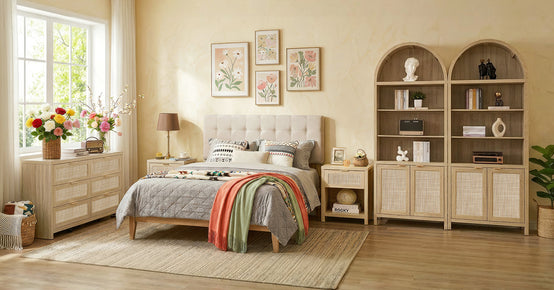
 Most outdoor meals point to melamine. Drops do not end it. The weight stays low, and the cost stays lower. The looks have improved a lot, too. Ceramic still holds up to reheating, formal patio dinners, and the long haul, so it keeps a permanent place even in a melamine-heavy kitchen. That balance is the heart of the melamine vs. ceramic outdoor dinnerware question. The best setups quietly keep both. Ceramic stays out on display. The melamine stacks inside a rattan-front buffet with storage, waiting for the next cookout. The simple move is this. Buy a durable melamine set for everyday patio and poolside meals, then keep a smaller ceramic set on hand for reheating and formal dinners. Match the plate to the party, and neither material ever feels like a compromise.
FAQs
What is the best material for outdoor dinnerware?
For most homes, melamine. Breaking barely happens, the weight stays low, and patios, pools, and picnics all go smoothly. On the drinkware side, acrylic. Calm seated meals still call for ceramic or stoneware.
Which is better, ceramic or melamine plates?
Outdoors, it is melamine. Indoors, and anywhere reheating happens, ceramic. Drops, weight, and cost go to melamine. Heat use, feel, and lifespan go to ceramics. Two jobs, two winners.
Is melamine good for outdoor use?
Few materials suit outdoor use better. Hard patio surfaces bounce melamine plates instead of breaking them, pools float them, and they stack light for picnics and camping. Three rules apply. No microwave. No oven. Damaged pieces get replaced.
What are the disadvantages of melamine plates?
The durability comes with four limits attached:
- Microwave and oven use stay off the table for good.
- A serrated knife will scratch the surface over time.
- Years of sun and washing slowly fade the colors.
- Once a piece cracks or peels, it goes in the trash.
What is the best alternative to melamine?
The job picks the answer:
- Shatterproof outdoor drinkware means acrylic.
- Camping and rough travel call for stainless steel.
- When heat resistance leads the list, ceramic or stoneware is the choice.
What is the longest-lasting dinnerware material?
Indoors, with careful hands, quality porcelain and stoneware can outlive their owners. Ask the same question outdoors, and the answer flips, since the drops that end ceramic sets early are the ones melamine walks away from.
What is the best material for an outdoor kitchen?
For the kitchen structure itself, weather favors stainless steel, stone, and concrete. The dinnerware served from it is different: melamine plates and acrylic drinkware beat anything breakable near hard floors and grills.
Is stoneware or melamine better?
Stoneware brings weight and refinement, plus safe reheating when the label allows. The moment plates leave the table, melamine takes over, around pools, kids, picnics, and casual backyard entertaining, where a drop is only a matter of time.
Sources
- FDA – Melamine in Tableware: Questions and Answers
- Healthline – What Is Melamine? Safety for Use in Dishes
- The Filtery – Is Melamine Safe? And Alternatives for Melamine Dishes
- Organic Authority – What Is Melamine, and Is It Safe for Your Kitchen?
- City Food Equipment – Is Melamine Safe for Hot Food? What You Need to Know
- Culinary Depot – What Is Melamine Dinnerware and Is It Safe?


Looking for something else?

Burl Wood Furniture: The Complete Buying Guide
LEARN MORE
What Is a Hope Chest? Meaning, History, and Modern Uses
LEARN MORE
What Is a Foyer? Meaning, Purpose and Design Guide
LEARN MORE
GREENGUARD Gold Certified Furniture: What It Really Means for Your Home
LEARN MORELooking for something else?

How to Clean a Mirror Without Streaks: Simple Step-by-Step Guide
LEARN MORE
21 Above-Bed Decor Ideas for a Stylish Bedroom Wall
LEARN MORE
Furniture Materials Guide: Picking the Right Material Room by Room
LEARN MORE


Further reading

18 Decorative Storage Box Ideas That Hide Clutter Well

How to Store Comforters Without Losing Space or Loft


