




Maximizing Space with Sofas and Sectionals: 10 Smart Layout Tips for Small Living Rooms and Open Spaces
Maximizing space with sofas and sectionals starts with a simple question. How much room do you actually have? Measure that first. The sofa takes more floor space than anything else you own. Where it sits changes how the rest of the space works, and the traffic flow depends on it too. Get the size and the spot right, and even a tight room seats everyone. The editors at Apartment Therapy often cover ways to maximizespace in small homes with sofas and sectionals. Their advice matches what most designers say. Pick a shape that fits the way you live. The 10 tips below cover corner placement, floating layouts, modular pieces, and the smaller furniture around them. In short, maximizing space with sofas and sectionals comes down to one right-sized sectional sofa layout, placed where it helps the room flow, plus a handful of small living room sofa ideas to open up the rest of the floor.
Sofa or Sectional: Which Saves More Space in a Small Living Room?

There is no single right answer here. Room size settles most of it. The shape of the space matters too, plus the number of people who need a seat on a normal evening. A standard sofa leaves more open floor space and moves easily. A sectional packs more seats into one connected piece. Both save space when the size matches the room.
When a Sofa Works Better
Narrow rooms usually do better with a regular sofa. Renters too. Anyone who moves often will thank themselves, since one piece passes through doorways and settles into a new floor plan without much fuss. A sofa also leaves wall space free for accent chairs and tables. More sofa arrangement ideas open up over time because of it. In a studio, an apartment sofa or a loveseat fits where a sectional simply cannot.
When a Sectional Works Better
Families lean toward sectionals for a reason. Movie nights need the seats. An L-shaped sectional uses a corner that would otherwise hold only a plant—a U-shaped sectional seats a full house around one conversation area. Open layouts get something extra. The long back edge marks where the living zone ends, so there is a boundary and no need to build a wall.
When to Choose a Modular Sectional
Pick a modular sectional sofa when you expect the room to change. The pieces separate and reconnect in different shapes. An L this year. A U the next. Or a straight sofa with the chaise pulled off to the side. Renters and growing families tend to get the most use out of that flexibility.
Tip 1: Measure the Room Before Choosing a Sofa or Sectional

Saving space starts before any shopping happens. Grab a tape measure. Ten minutes now spares you the layout mistakes that cost the most to undo later. A functional sectional sofa layout starts with accurate measurements and clear 30- to 36-inch walkways, so note the room's length and width and mark where those paths need to stay open before you settle on a size.
Measure Walls, Doorways, and Walkways
Write down the width and depth of the room. Then the doorways. Measure every passageway the sofa must go through on delivery day, including stairways, hallway turns, and the elevator if you live in an apartment building. Plenty of sectionals fit the room fine and still get stuck in the stairwell.
Leave Enough Walking Space
Clear paths keep a room livable. Keep 30 to 36 inches open on the main walkways. Two people can pass each other at that width without turning sideways. A tight corner can run a little narrower. If furniture blocks the natural route, nothing else you style will make up for it.
Use Tape to Mark the Layout
Painter's tape costs almost nothing and answers the big questions early. Mark the full outline of the sofa or sectional on the floor. Live with it for a day or two. Walk past it. Bump into it. Every pinch point on the way to the kitchen shows itself, and moving tape takes seconds.
Tip 2: Pick the Right Sofa or Sectional Scale

Bulk and comfort are not the same thing. A well-scaled piece seats just as many people as an oversized one. The rest of the small room stays usable too.
Choose Slim Arms and Clean Lines
Track arms save several inches per side compared with rolled arms. Low backs keep sightlines open. Raised legs reveal the floor beneath, making any piece look lighter than it is. Most small-space furniture comes down to details exactly this small.
Avoid Oversized Pieces in Tight Rooms
Deep, overstuffed seating quickly uses up floor space. Compare a 40-inch-deep sofa with a 34-inch-deep one. The difference is an entire walkway. In a tight room, those six inches decide whether people walk through comfortably or turn sideways to get past.
Consider a Loveseat or Apartment Sofa
A loveseat seats two and leaves space for everything else. Apartment sofas run shorter and shallower than standard models on purpose. Either one works in a small living room—a studio, too —or even in a bedroom that needs a reading spot.
Tip 3: Use Corner Placement to Open the Center of the Room

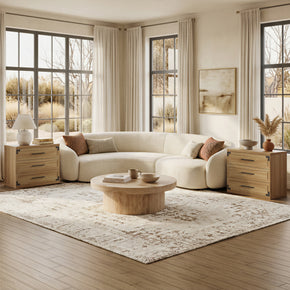
Most homes have at least one corner that holds nothing. Maybe a floor lamp. A sectional sofa for small spaces belongs right there, since corner placement tucks the seating into wasted square footage and leaves the middle of the room open on its own. It is the small living room sectional layout that frees up the most usable floor space.
Tuck an L-Shaped Sectional Into Two Walls
Run the two arms of an L-shaped sectional along two walls that meet. Wasted corner turns into seating. The center of the room stays free for a rug and a coffee table. For a sectional sofa in a small space, corner placement is usually the first move to try.
Keep the Room Feeling Airy
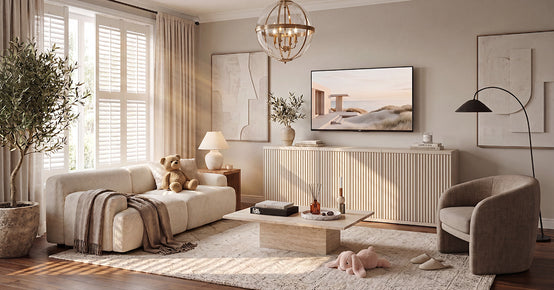
Light upholstery helps a corner unit blend into the surrounding walls—slim legs and a lower profile help as well. Two corner sectionals can share identical measurements and feel nothing alike. The pale, compact sectional almost disappears. The dark, boxy one takes over.
Make Sure Recliners and Chaises Have Clearance
Reclining seats need room to open fully. Check the fully extended depth first. Only then, park a recliner sectional near a wall or a window. The chaise end needs a clear landing zone as well, or the family steps around it every evening.
Tip 4: Try a Floating Sofa Layout in Open Floor Plans

The walls are not the only place a sofa can go. A floating sofa layout pulls the seating away from them in a larger room, opening clear paths so foot traffic moves around the seating rather than through it. The whole space often works better for it.
Use the Sofa as a Room Divider

A floating sofa divides an open floor plan into zones—with seating on one side. Everything behind the sofa's back becomes a separate area, usually for dining. No wall gets built. The sightlines remain open throughout the space, and arranging coordinateddining room furniture on the far side helps the two zones look like one planned home rather than two loose halves.
Add a Console Table Behind It

The strip behind a floating sofa is useful real estate. A narrow console with a lower shelf holds a lamp and a small tray for keys without taking any real walking room. Keep it a little lower than the sofa back. The line across the room stays clean that way.
Keep Pathways Clear Behind the Sofa
Floating layouts usually fail for one reason. The sofa lands in the path people already use. Before you call the layout done, walk the route from the entry to the kitchen yourself. The space behind the sofa should be a real path. Doors still need to open all the way.
Tip 5: Choose a Chaise Sectional for Lounging Without Extra Furniture

A piece that covers two needs saves more room than any styling trick. The chaise is the easiest example.
Replace the Ottoman With a Built-In Chaise
A sofa with a chaise builds the stretch-out spot into the sofa itself. No separate ottoman sits out in the walkway. A chaise sectional also looks lighter than a boxy L, since the extended seat has no backrest. The view across the room stays open.
Pick the Right Chaise Direction
Left-facing and right-facing sound like fine print until the sofa arrives. They are not. Point the chaise toward the window or the TV, away from the main walking path. Get it backward, and the longest part of the sofa lands right where everyone walks. You notice that every single day.
Use a Reversible Chaise for Flexibility
A reversible chaise slides from one end of the sofa to the other. Renters get the most from this. The next apartment always puts its doors and windows somewhere new, and the same sofa keeps up anyway.
Tip 6: Go Modular for Flexible Seating

Life at home does not stand still. Kids grow. Guests come. The office ends up in the living room half the time. A modular sectional sofa was made for exactly that.
Rearrange Pieces for Different Needs
The same set of modules runs as an L-shape most of the year. Stretch it into a U-shape when the whole family gathers. Or split it into a straight sofa plus a separate chaise by the window. That is several layouts out of a single purchase.
Make Hosting Easier
Armless modules turn into single chairs when a crowd shows up. Corner units and ottoman pieces can spread out around the coffee table for extra seats. Guests leave. The pieces return to their usual shape within a few minutes.
Choose Modular Pieces With Connectors
Connectors are the small clips holding the modules together. They matter more than they look. Skip them, and the sectional slowly drifts apart every time someone flops down. Check the listing before buying. A quick photo of any layout you like makes it easy to rebuild later, too.
Tip 7: Use Multifunctional Pieces Around the Sofa

The sofa is only part of the picture. The tables and storage around it decide how crowded the room ends up feeling. Pick pieces that do more than one job.
Add a Storage Ottoman
A storage ottoman handles several jobs at once. Footrest on a normal night. Extra seat when company comes. A top tray turns it into a coffee table. The storage inside keeps blankets and toys out of sight. Not much multifunctional furniture gives back this much for the space it takes.
Try Nesting Tables Instead of a Large Coffee Table
Nesting tables spread out when guests need somewhere to set a drink. The rest of the week, they stack back into a single footprint. Each table is light enough to carry one-handed. A big fixed coffee table offers neither of those things.
Use Wall Shelves Instead of Floor Storage

Storage that climbs the wall frees the floor underneath it. Floating wall shelves carry books, plants, and decor. The height pulls the eye up, too, so the ceiling reads taller. For heavier storage needs,a tall, space-saving bookcase with closed lower storage for small living rooms fits a full cabinet's worth of storage onto a footprint about 31 inches wide.
Tip 8: Pair a Sofa With Smaller Accent Chairs

A sectional is not automatic. Plenty of rooms do better with a standard sofa and two small chairs. The square footage matches, and the walking gets easier.
Keep Seating Flexible
Accent chairs move. Angle one toward the sofa for a chat, or turn it to face the TV for a movie. Sunday afternoon, carry it over to the window. The sofa stays put, and the chairs follow whatever the day needs.
Choose Small-Scale Chairs
Slipper chairs drop the arms and save close to a foot of width. Armless chairs do the same. Compact club chairs and small swivel recliners hold a full-size adult on a fraction of the floor space a sectional needs.
Create a Conversation Area
Turn the seats toward each other around the coffee table or the fireplace. Keep facing seats within about 8 feet of each other. Nobody has to raise their voice at that distance. A living room seating layout arranged for conversation feels warmer than the same furniture lined along the walls.
Tip 9: Use Rugs, Lighting, and Color to Make the Room Feel Bigger

Square footage is fixed. How big the room feels is not. The styling around the sofa controls most of that feeling.
Anchor the Seating With the Right Rug Size
An area rug defines the seating zone. At a minimum, the front legs of the sofa or sectional should rest on it. A rug floating loose in front of the seating breaks the floor into small patches. The whole room looks tighter than it really is.
Choose Light or Neutral Upholstery
Light gray, beige, cream, and soft blue-gray bounce light back into the room. A light-colored sofa also appears smaller than a dark one with the same measurements. Neutrals hold up over the years, too. The biggest purchase in the room keeps fitting as everything around it changes.
Add Vertical and Wall-Mounted Lighting
Table lamps steal surface space. Floor lamps, wall sconces, and picture lights brighten the same corners, with nothing sitting on the tables. Spread the light across two or three heights. A dark corner makes a room feel smaller than almost any furniture choice does.
Use Pillows and Throws Without Overcrowding
A few textured pillows and one folded throw finish the seating. Pile on too many, and guests move pillows to the floor before they can sit. Keep the count low and the seats free.
Tip 10: Keep Traffic Flow Comfortable

One question settles whether a layout works. Can people cross the room without planning their steps?
Leave Space Around Coffee Tables

Leave 14 to 18 inches between the edge of the sofa and the coffee table. Drinks stay within reach at that range. Knees stay out of trouble. A space-saving rectangular coffee table protects that spacing in a compact room, where a wide table would close the gap completely.
Do Not Block Doors or Windows
Check every door for its full swing. Window latches should stay reachable, and the curtains still need room to move. Furniture that crowds the openings makes the room feel a little off every day. Nobody can ever say exactly why.
Face the Main Focal Point
Aim the main seating at whatever the room is actually for. In a media setup, that means the TV. A viewing distance of around 1.5 times the screen's diagonal measurement suits most people. In a conversation room, face the fireplace or the view instead. Rooms arranged around a clear focal point tend to look planned even when nothing else matches.
Best Sofa and Sectional Layouts for Different Room Types
Different rooms lean on different tips. Start with the pairings below.
Small Living Room

For small living room sofa ideas, go compact and light. A small sectional tucked in the corner works well. A slim-arm sofa on the longest wall gets there, too. Swap the big coffee table for nesting tables. The middle of the room stays open. Starting withspace-saving living room furniture up front beats having to replace oversized pieces a year from now.
Apartment or Studio

In a studio, every piece needs a second job. A sleeper sofa or a sleeper sectional turns the living area into a guest room after dark. The reversible chaise mentioned earlier survives the next move. A storage ottoman hides whatever a studio has nowhere else to put.
Open-Concept Living Room

This sectional sofa layout starts with the piece floated, so its back edge defines the living zone. Add the console behind it to finish the divider. Anchor the seating with an area rug, a simple sofa arrangement idea that keeps the space defined. The rest of the floor plan remains open on all sides.
Large Family Room

Scale up. A U-shaped sectional or a large modular set brings everyone into a single conversation area. Put a big ottoman in the middle for feet, snacks, and board games. Small furniture disappears in a big room. Let the seating take up its fair share.
Media Room

Comfort and viewing angle come first. A chaise sectional or a recliner sectional gives everyone a stretch-out seat facing the screen. A clean-lined media console under the TV keeps devices and cables out of sight behind closed doors. The media wall stays tidy during the movie.
Common Mistakes to Avoid When Arranging Sofas and Sectionals
Four slips show up in the living room after the living room. Run your plan past each one before moving anything heavy.
Buying Before Measuring
A gorgeous sectional that cannot clear the doorway is still a problem—an expensive one. Measure the room, the walkways, and the delivery path before ordering anything.
Choosing Too Much Furniture
A large sectional, two oversized chairs, a bulky table, and a pair of ottomans add up fast. Nobody can cross that room. Cut the piece count and give what remains some air.
Pushing Everything Against the Walls
Pushing everything against the walls feels like the space-saving move. In practice, it often spreads the seats so far apart that the room loses its middle. A few inches of pull-forward often bring the whole arrangement back together.
Ignoring Daily Habits
Plan around the life the room actually holds. TV most nights, kids on the floor, a dog with a claimed corner, company twice a month. A layout that ignores the routine gets rearranged within the year anyway.
Final Checklist for Maximizing Space With Sofas and Sectionals
Walk this list once before you buy or rearrange. Measure the room. Pick a scale that fits it. Hold the main walkways at 30 to 36 inches. Use a corner for L-shaped seating, or float the sofa when the floor plan is open. Modular pieces, a storage ottoman, and nesting tables belong wherever one item can cover two jobs. A sectional that feels heavy for the room can give way to a smaller sofa with accent chairs. Rug size, light upholstery, and layered lighting handle the visual side. Then shape the final plan around how your family actually uses the room. Maximizing space with sofas and sectionals comes down to ten small decisions, each one easy on its own. If you only do one thing this weekend, start by measuring your room and protecting 30- to 36-inch walkways around your sofa or sectional, since that single step drives almost every choice that follows.
FAQs
How do you maximize space with a sectional sofa?
Start with size and placement. The rest follows from three moves:
-
Pick a compact or modular sectional scaled to the room.
-
Tuck it into a corner, or float it as a room divider in an open layout.
-
Keep walkways clear and pair them with a storage ottoman or nesting tables.
Together, those choices add seats while the floor stays open.
Is a sofa or a sectional better for a small living room?
A small sofa usually wins in a narrow room, since it leaves space for a chair and clear paths. A compact L-shaped sectional works well, too, as long as it fits in a corner and replaces the extra chairs rather than joining them.
How do you arrange a sectional in a small living room?
Place it along two walls or into a corner. Choose a low-profile design so the room keeps its sightlines. Add a small coffee table, keep at least 30 inches of clearance along the walking path, and never let the chaise end block a door or window.
Should a sectional go against the wall?
In a small room, yes. Wall and corner placement saves the most floor space. In a large or open room, floating the sectional often works better, since the back edge defines the living area and the flow improves on both sides.
How much space should be around a sofa or sectional?
Keep main walkways around 30 to 36 inches wide. Leave 14 to 18 inches between the sofa and the coffee table. Give doors their full swing, and keep facing seats within about 8 feet of each other so conversation stays easy.
What type of sectional is best for small spaces?
Three types fit small rooms best:
-
A compact L-shaped sectional with slim arms and a low back.
-
A reversible chaise sectional that adapts to the layout.
-
A modular sectional you can reshape or shrink as needed.
All three add seats without the bulk of a full-size set.
How do you make a living room look bigger with a sofa?
Choose a lighter color and a slim profile. Raised legs and clean lines help the piece float visually. Add a mirror, layer the lighting, size the rug so the sofa's front legs sit on it, and resist filling every empty corner. Open floor reads as space.
Sources
-
Apartment Therapy – 5 Best Small Living Room Layouts for Making the Most of Your Space
-
Apartment Therapy – The Ideal Measurements for Everything in the Living Room
-
Homes & Gardens – Sectional Living Room Ideas: 10 Stylish Ways With Seating
-
Homes & Gardens – How to Plan the Perfect Living Room Layout
-
Emily Henderson – How to Design a Living Room: Our Go-To Rules
-
Living Cozy – How to Arrange a Sectional Sofa in a Small Room


Looking for something else?
21 Bathroom Wall Decor Ideas to Refresh Any Space
LEARN MORE
How to Decorate a Leather Couch: 21 Easy Styling Ideas
LEARN MORE
10 Ways to Decorate a Gray Living Room (Warm, Not Cold)
LEARN MORE
How to Decorate a Shelf: Simple Ideas for Any Room
LEARN MORELooking for something else?

How to Stylize Your Powder Room: 9 Ways to Make a Small Space Stand Out
LEARN MORE
How to Choose the Perfect Bath Rug: Size, Material, and Fit for Every Bathroom (2026)
LEARN MORE
12 Storage Solutions for a Small Laundry Room That Free Up Every Inch
LEARN MORE


Further reading
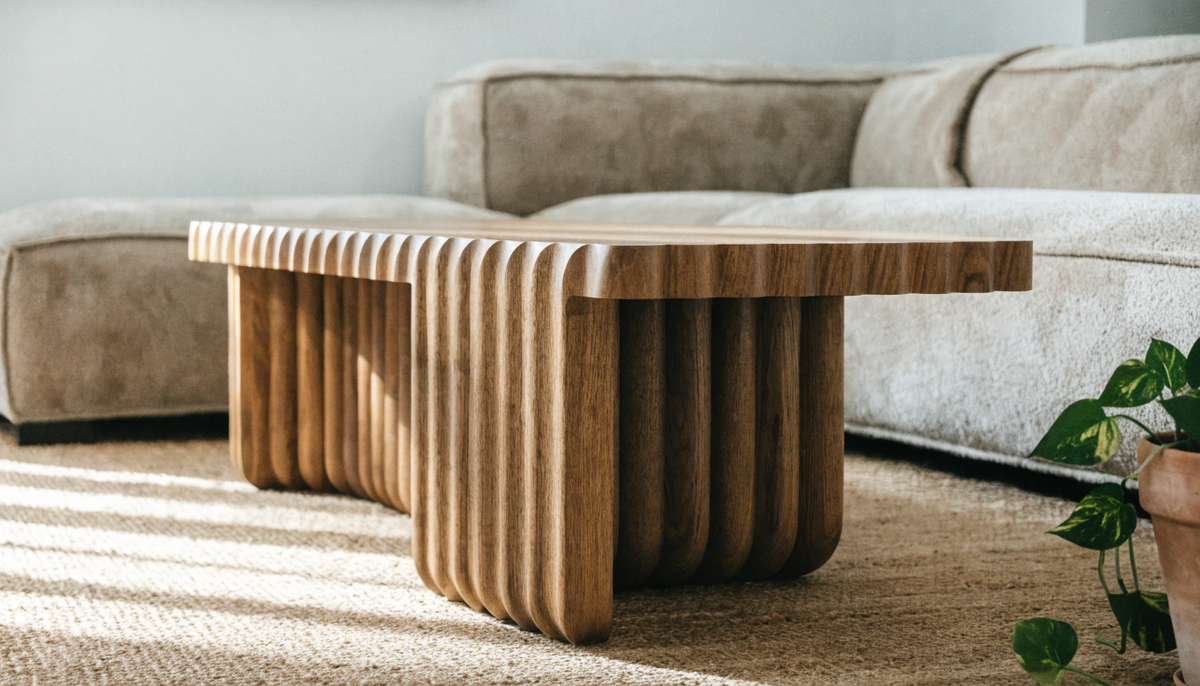
How to Choose a Coffee Table: The Complete Buying Guide
Choosing a coffee table sounds simple until you stand in the store. Size, height, shape, material, storage. Each one changes how the table works. Get them right, and it anchors the room. Guides atC...
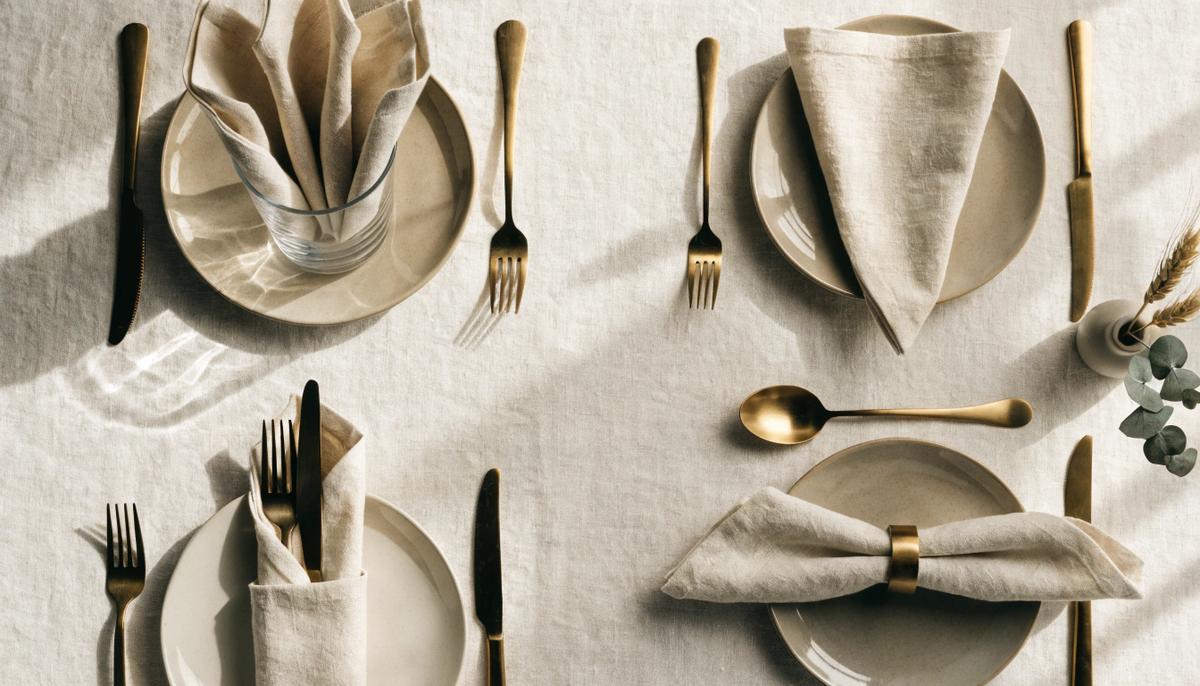
How to Fold Napkins: 10 Easy Ways to Dress Up Any Table
Nothing dresses up a table faster than a folded napkin. It costs you nothing and a spare minute, but a plain place setting suddenly looks like you tried. Learning how to fold napkins covers you for...

How to Decorate Your Front Door for Christmas (2026)
First impressions at Christmas start at the front door, and no spot is quicker to make festive. Add a wreath, a bit of garland, and warm light, and a plain entry turns over in an afternoon. No ladd...


