


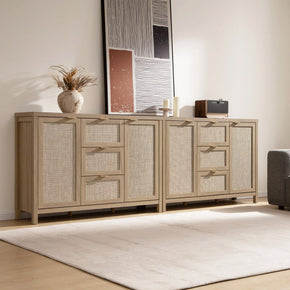
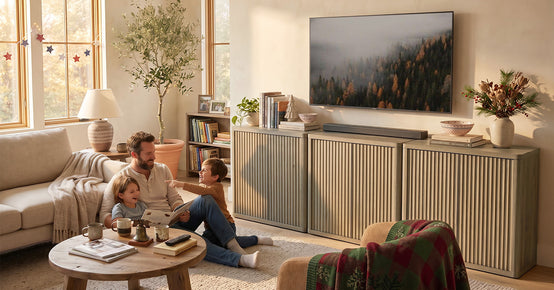



Kids Dresser Safety: How to Choose, Anchor and Childproof a Dresser
Kids dresser safety comes down to one thing above all others. An unanchored dresser can tip onto a child.Climbing does it. Pulling on an open drawer does it too.
CPSC counted 234 fatalities from clothing storage unit tip-overs between January 2000 and April 2022, including 199 children.The agency's August 2023 announcement of the STURDY rule also estimated 84,100 emergency department injuries from 2006 through 2021, averaging 5,300 a year.
Those counts stop where the report does. Neither has been updated since. CPSC's release does not define the age band behind the 199, though the rule itself was written to protect children up to 72 months.
Clothing storage units mean dressers, armoires, and wardrobes. Shelving units and media consoles fall outside the category. This guide covers what the rule requires, how to anchor a dresser properly, and what to check before you buy one.
Why Dressers Tip Over

A dresser is stable until the weight moves forward. Then physics takes over.
Four things shift that weight:
- A child climbing the drawers like a ladder
- Several drawers open at once, pulling the load forward
- Heavy items stored in the top drawers
- Carpet or an uneven floor letting the unit rock
Add a television on top, and the center of gravity climbs higher still. Flat screens look light. They are not.
Supervision does not solve this. Many tip-overs happen in bedrooms while an adult is elsewhere in the house, and a falling dresser gives no warning.
What the STURDY Rule Actually Covers
Most parents have heard of the STURDY Act. Very few know which furniture it applies to.
The rule sits in 16 CFR part 1261 and adopts the ASTM F2057 standard. CPSC applies it to clothing storage units manufactured after September 1, 2023.
The Definition Is Measurable

A clothing storage unit has drawers or hinged doors, is intended for clothing, and meets all four of these:
- Free-standing
- At least 27 inches tall
- At least 30 pounds
- At least 3.2 cubic feet of enclosed storage
That matters when you shop. A small three-drawer unit under 27 inches falls outside the rule. It can still tip.
Bookcases, TV stands, and toy boxes also fall outside it. The rule covers clothing storage only, so anchor the rest anyway.
What the Tests Simulate
The standard is stricter than the old voluntary one. Testing covers stability on carpet, loaded drawers, multiple drawers open at once, and forces simulating a child of up to 60 pounds climbing or pulling. Protection targets children up to 72 months.
Compliant units must also ship with an anti-tip device meeting ASTM F3096.
How the Rule Applies by Manufacture Date
The standard binds manufacturers at the point of production. Units manufactured after September 1, 2023 have to meet it. Units built before that date were made legally under the voluntary standard in force at the time, and retailers can still sell them.
That is ordinary scoping, not an oversight. Product safety rules generally attach to when something was made. A manufacturer cannot retroactively change a unit already built.
Older stock turns up in predictable places. Clearance sections, floor models, and secondhand listings all carry pieces that predate the rule.
Ask the seller two things. Request the manufacture date, and request documentation that the unit complies with the current standard at 16 CFR part 1261. A listing that names the standard has usually done that work already.
Check the recall list separately. CPSC posts recalls at cpsc.gov, and a clothing storage unit involved in a tip-over incident can be recalled regardless of when it was manufactured.
Anchoring covers the gap either way. CPSC recommends securing clothing storage furniture to the wall, regardless of its manufacture date. The date matters. It does not decide the outcome on its own.
What to Look for in a Dresser for a Kids Room
Shape does a lot of the work. Wide and low beats tall and narrow every time, because a wider base needs more force to tip.
Go Wide Rather Than Tall

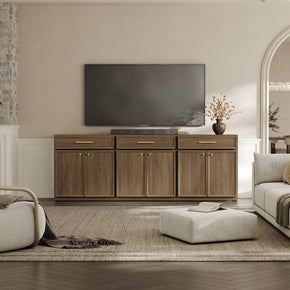
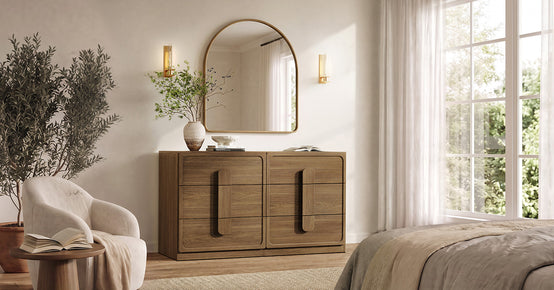
Four to six drawers in a wide format suit a young child better than a tall chest. A six-drawer dresser around 57 inches wide keeps the weight low across the floor rather than stacked upward.
Keep the Top Within Sight

Height matters just as much as width. Anything a child can see the top of is less tempting to climb. A six-drawer unit standing about 31 inches tall sits low enough that nothing up there is worth reaching for.
Check These Details Before Buying
Then work through the specifics:
- Compliance information. Ask the seller whether the unit meets the current US clothing storage unit requirements, and when it was made.
- Supplied anti-tip hardware. Check that it is in the box and that the instructions cover your wall type.
- Drawer stops. Drawers should not pull free with one hard tug.
- Hardware at child height. No sharp edges, no protruding metal at toddler face level.
Smaller Rooms, Fewer Drawers

Fewer drawers work for a smaller room. A four-drawer chest in a compact footprint still needs anchoring, but there is less drawer to climb.
One caution. No dresser is safe because of how it looks or what it weighs. Compliance is a document, not an impression.
How to Anchor a Dresser to the Wall

This step prevents injury. It takes about fifteen minutes.
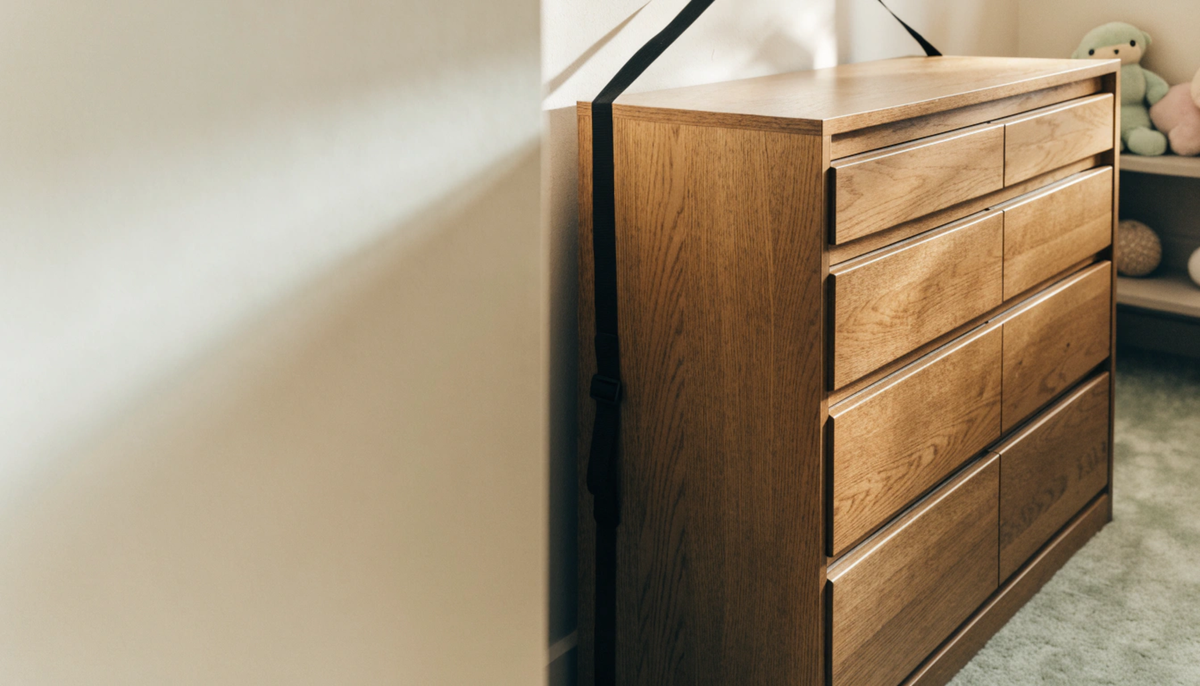
- Read the kit's instructions first. Every unit sold under the current standard ships with an anti-tip restraint, and the instructions specify the fastener, the anchor point on the furniture, and the wall types the kit is rated for. Those instructions govern everything below.
- Identify what the wall is made of. Wood framing behind drywall is common in US homes but far from universal. Metal studs, plaster over lath, masonry, concrete, and hollow block each need different hardware, and a kit rated for wood framing does nothing in any of them.
- Locate the framing if the kit calls for it. A stud finder helps but isn't proof. Sixteen inches on center is a common spacing, though twenty-four inches appears in plenty of houses, and older construction follows no reliable rule. Confirm with a small test hole rather than trusting the reading.
- Match the hardware to what you found. If the supplied kit doesn't fit your wall, get rated hardware for that wall type instead of improvising. Drywall anchors are not a substitute for framing unless the anchor itself is rated for the load.
- Get help when the wall is uncertain. Plaster of unknown condition, concealed pipes or wiring, a rental you cannot drill, or a wall you simply cannot read are all reasons to bring in someone qualified.
Hardware selection runs on ratings and testing, not on what a part is made of. A tested restraint rated for the load performs; an untested one does not, no matter what it is molded or stamped from.
Straps, brackets, and anchors are different parts of the same system. The strap or bracket connects the furniture to the wall. The anchor transfers that load into the wall material. Both need to be right for the assembly to hold.
Anti-tip kits meeting ASTM F3096 are the ones designed for this job—units sold under the current clothing storage unit rule ship with one. If you buy one separately, make sure the kit is tested to that standard.
The wall sets the second half. An anchor rated for wood framing is not rated for hollow block, and a masonry sleeve does nothing in drywall. Match the anchor to what is actually behind the surface.
Follow both sets of instructions exactly. The furniture manufacturer specifies where the restraint attaches to the unit, and the anchor manufacturer specifies hole size, depth, and torque. Deviating from either one voids the rating you paid for.
Inspect what you install. Check the connection when you move the furniture, after anything bumps it hard, and once a year otherwise. Loose fasteners, a stretched strap, or movement at the anchor point mean it needs attention.
Buy known brands too. Counterfeit anchor kits turn up on marketplace listings, and the hardware is often the part that gives way.
Heavier units deserve two anchors, not one.
If You Rent
Talk to the landlord before leaving a dresser unanchored. Explain that it is childproofing. A screw hole is patchable in ten minutes at move-out.
Drawer Safety and Child Locks
Drawer measures control access. They do not stop a tip-over.
Drawer Stops and Interlocks

A drawer stop keeps the drawer from coming all the way out. An interlock goes further and allows only one drawer to open at a time.
Interlocks matter because open drawers are both a weight problem and a staircase. One drawer is much harder to climb than four.
Do Magnetic Child Locks Work on Drawers?

Yes, when the drawer front is compatible, and the lock is fitted correctly. They mount inside, so nothing shows.
Two conditions, though. Test every lock after fitting, and keep the magnetic key somewhere a child cannot see or reach it.
Choosing Between Lock Types
External strap locks are easiest to fit and the most visible. Internal spring latches suit wooden drawers. Magnetic locks look tidiest and cost the most.
None of them replace a wall anchor. Treat locks as a second layer on top of anchoring, never instead of it.
Load and Set Up the Dresser Safely
Put the heaviest items in the bottom drawers. Lightest go up top. That single habit lowers the center of gravity.
Put the clothes your child needs daily in the lowest drawer they can reach on their own. A child who can reach has no reason to climb.
Keep the top clear. Toys, tablets, remotes, and treats up there are an invitation.
Keep Televisions Off Entirely

Never put a television on a dresser in a child's bedroom. If storage is tight, wardrobes and armoires hold more without adding a tempting flat surface at climbing height. They need anchoring too, since the rule covers them as well.
Plan the Room Around the Anchor Points

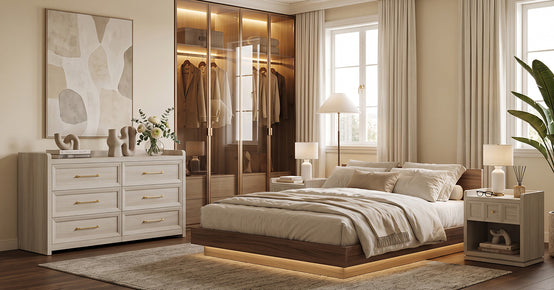
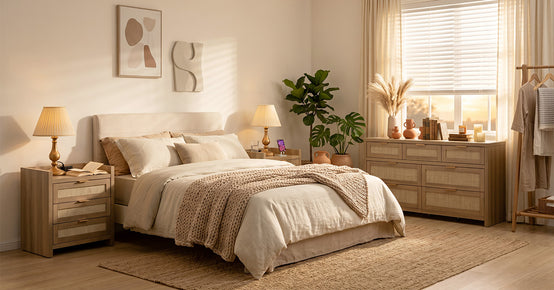
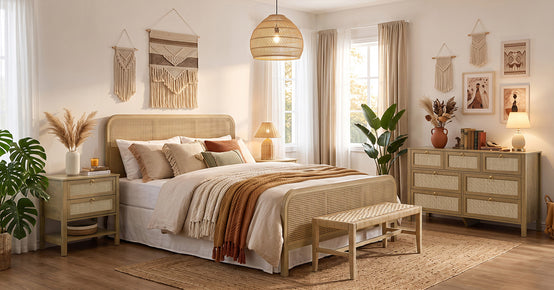
When you are furnishing the whole room at once, plan the layout around the anchor points. Matching bedroom sets make that easier, because you can place every tall piece against a wall with accessible studs.
Childproofing a Dresser You Already Own

Start with the recall check. Find the brand, model, and any label inside a drawer, then search current CPSC recalls before you do anything else.
Report any tip-over you have had, even one that hurt nobody. Reports go to SaferProducts.gov, and they trigger recalls of dangerous models.
Then inspect for loose joints, a bent frame, missing hardware, or wobbly feet. Fix or replace anything failing.
Check the existing anchor if there is one. Straps loosen. People remove them when they move furniture and forget to refit them.
Redecorating is the usual culprit. The dresser comes off the wall for painting and goes back unanchored.
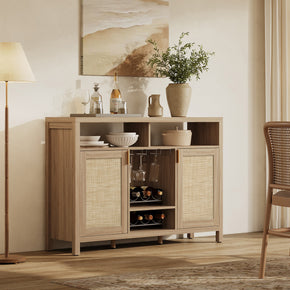
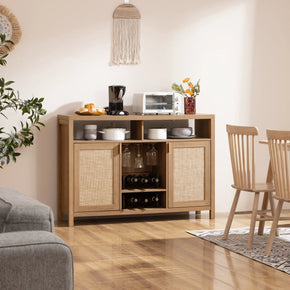
Hand-me-down and vintage pieces need the most care, since anything made before September 2023 predates the mandatory rule. A four-drawer dresser with an open lower shelf shows the low, wide proportion to aim for if you decide to replace an older tall chest.
Final Takeaway
Kids' dresser safety is a system, not a purchase. Choose a wide, low unit and confirm its age. Anchor it into a stud before it holds a single item of clothing.
Load the weight low, keep the top bare, and add drawer locks if your child climbs. Then recheck the anchor twice a year.
The anchor is what saves a life. Everything else is support.
FAQs
What is the best way to childproof a dresser?
Anchor it to a wall stud with the supplied anti-tip hardware. Then load heavy items in the bottom drawers, clear the top surface, and fit drawer stops or locks if your child climbs. Check the anchor every few months, especially after moving the furniture.
What are 10 safety rules for kids and dressers?
Keep these ten in mind:
- Anchor the dresser before use
- Fix into a stud, never drywall alone
- Buy wide and low rather than tall and narrow
- Check the manufacture date and compliance information
- Store heavy items in the lowest drawers
- Keep only one drawer open at a time
- Keep toys and electronics off the top
- Never put a television on a dresser
- Use drawer stops or locks where needed
- Recheck anchors, hardware, and recalls regularly
What are the safety considerations for kids' furniture?
Tip-over stability first, then assembly quality, anchoring hardware, edges and pinch points, drawer behavior, cords within reach, and recall status. Age matters too, since what is safe for a seven-year-old may not suit a toddler who climbs.
What are some safe dressers for kids?
No single model is safest for everyone. Look for a unit that meets current US clothing storage unit requirements, was made after September 2023, has a wide, stable base, includes anti-tip hardware, has reliable drawer stops, and has no active recall. Then anchor whichever one you choose.
How do you toddler-proof furniture?
Anchor everything tall, including bookcases, TV stands, and wardrobes. Remove climbing aids from nearby, clear tempting objects off high surfaces, secure cords, and limit drawer access where it helps. Redo the check as your child grows and reaches higher.
What are the best child locks for drawers?
It depends on the drawer. Magnetic internal locks suit smooth modern fronts and stay invisible. Spring latches work well in wooden drawers. External strap locks fit almost anything and are the simplest to install. Test whichever you pick.
Do magnetic child locks work on drawers?
They do, as long as the drawer front isn't too thick, and the adhesive or screws hold properly. Fit them, then try to defeat them yourself. Store the magnetic key out of sight, because a found key makes the lock pointless.
Sources
- U.S. Consumer Product Safety Commission – Clothing Storage Units: Business Guidance and Small Entity Compliance Guide
- Anchor It!, U.S. Consumer Product Safety Commission – CPSC Adopts Final Consumer Product Safety Standard to Prevent Tip-overs of Dressers and Other Clothing Storage Units
- Federal Register – Safety Standard for Clothing Storage Units, 16 CFR Part 1261
- Consumer Federation of America – New Safety Standards Go Into Effect Friday That Will Prevent Child Injury and Death from Dresser Tip-Overs
- U.S. Government Accountability Office – Consumer Product Safety Commission: Safety Standard for Clothing Storage Units
- SaferProducts.gov, U.S. Consumer Product Safety Commission – Report an Unsafe Product


Looking for something else?

Burl Wood Furniture: The Complete Buying Guide
LEARN MORE
What Is a Hope Chest? Meaning, History, and Modern Uses
LEARN MORE
What Is a Foyer? Meaning, Purpose and Design Guide
LEARN MORE
GREENGUARD Gold Certified Furniture: What It Really Means for Your Home
LEARN MORELooking for something else?

How to Clean a Mirror Without Streaks: Simple Step-by-Step Guide
LEARN MORE
21 Above-Bed Decor Ideas for a Stylish Bedroom Wall
LEARN MORE
Furniture Materials Guide: Picking the Right Material Room by Room
LEARN MORE


Further reading

18 Decorative Storage Box Ideas That Hide Clutter Well

How to Store Comforters Without Losing Space or Loft


