




How to Style a Shelf Like a Designer: 12 Easy Tips
Learning how to style shelves is simpler than most people think, and this step-by-step guide walks you through it with practical shelf styling ideas for bookshelves, open shelves, and built-ins alike. Follow it top to bottom, and you will move from an empty or cluttered shelf to one that looks pulled together on purpose. The catch is that shelves sit at eye level, which means every mess shows. No design degree needed to sort that out, though. A few basic rules carry you most of the way. Keep things balanced. Leave gaps. Vary the heights. Add a piece or two you actually care about. That's the gist of it. Pros use the same scale and proportion basics from MasterClass, and we'll steal them below. From here, you get a step-by-step way to style any bookshelf, open shelf, or built-in so it looks put together.
Start With an Empty Shelf

Strip the shelf bare first—every last thing. You can't style over a mess, so clear it and wipe it down. An empty shelf reads as one clean canvas. Not a heap of random stuff you stopped noticing years ago.
Now spread your decor on the floor. Or a nearby table. Make little piles. Books in one. Vases in another. Then plants, frames, bowls, baskets. Spot anything cracked, dusty, or just plain ugly to you? That one goes back in the cupboard.
What to Gather Before You Start
- Some books. Hardcovers, plus a few with nice spines.
- Small framed art or photos.
- A vase, a bowl, and a candle or two.
- A plant, or a bit of greenery.
- A basket or box to hide stuff.
- One or two keepsakes that mean something.
Pick a Color Palette or Theme

Good shelves tend to share a color story. Pick two or three main colors before anything goes up. Grab them from the room you're in. The rug. The sofa. The curtains. A piece of art on the wall. Match those, and the shelf belongs to the room. It won't float off as its own weird zone. Going neutral? Whites, creams, wood tones, black, a little greenery. Going bolder? Repeat one accent color so the whole thing looks intentional. Styling open shelves in aspace-saving living room furniture setup? Pick up a shade that's already in the room, and everything clicks.
Easy Shelf Color Combos
- Warm neutral: cream, tan, wood, brass.
- Modern: black, white, stone, glass.
- Coastal: white, blue, rattan, pale wood.
- Organic: ceramic, stone, linen, plants.
Leave Some Negative Space

Most folks skip this rule. It's the one that matters most. Don't cram every inch. Open space gives each piece room to breathe. It also stops the shelf from looking like a shop shelf. Leave a gap next to a tall vase. Give a framed print some air. Put a little breathing room between your groupings. This is what designers call negative space, and Minotti London explains how it gives your eye somewhere to rest. The shelf ends up calm and high-end. Not crowded.
A Quick Fix
Does the shelf look busy? Pull one or two small items off. Does everything look flat? Take out the weakest piece and drop in one larger anchor instead—small edits, big change.
Follow the Rule of Three

The rule of three is a designer's go-to. There's a reason for that. Cluster items in threes, or any odd number, and they look more natural than a tidy pair. Variety is the whole trick. Each piece in the group should differ. Different height. Different shape. Different texture. Picture a tall vase, a short bowl, a framed photo. Or a stack of books, a candle, a small plant. Three matching things in a row? Falls flat. Shake it up instead.
A Simple Rule of Three Formula
- Tall items: a vase, a plant, a candlestick.
- Medium item: a bowl, a candle, a small sculpture.
- Low items: a book stack, a tray, a box.
Use the Triangle Rule for Balance

The triangle rule stops a shelf from going flat. Simple idea, really. Set your pieces so the eye jumps from a tall point to a medium point to a low point—kind of a loose triangle. Put the tallest thing a bit off to one side. Set a medium object beside it. Drop the smallest piece in front or over to the other side. Works with just about anything. Vases. Books. Candles. Little odds and ends. That same balance idea runs through the core principles of interior design, and it's one of the easiest to copy at home.
An Example Triangle Setup
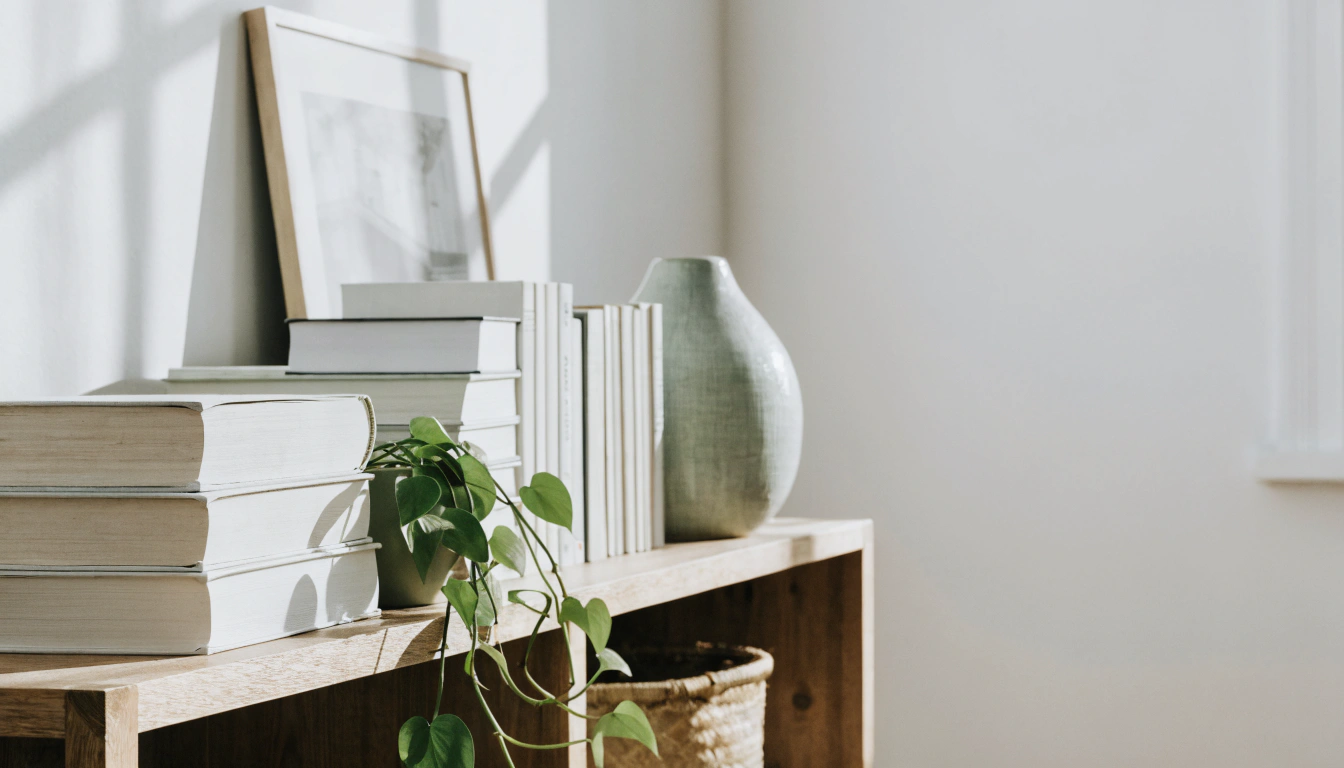
- Back: a leaning framed print for height.
- Middle: a medium ceramic vase.
- Front: a small bowl or a short candle.
Stack Books to Add Height

Books are the easiest styling tool you already own: height, color, personality, all in one. Lay two or three flat, then pop a small object on top. A candle. A bowl. A little vase. A keepsake. That move lifts the small stuff so it doesn't vanish. Coffee table books, thrifted finds, plain neutral spines, they all pull their weight.Atall bookshelf built for stylish, functional storage hands you plenty of tiers to work with. And books fill space without leaving the shelf packed.
Best Ways to Style Books
- Flat stack with a small object on top.
- Upright books held up by a bookend.
- A few books leaning against the shelf side.
- Books are grouped loosely by color.
Mix in Vertical Books and Bookends

Don't lay every book down flat. Upright books bring rhythm and a little height. Stand three to five of them together. Then keep them in place with a sculptural bookend or a small,, heavy vase. Break up a long row with an object or two. Otherwise, it reads like a library shelf. Some upright, some stacked flat, and the whole unit starts to move.
A Styling Tip
Don't run the same book layout down every shelf. Switch it up. Flat stacks on one, upright rows on the next, and so on. That back-and-forth is what makes shelves look styled—not stored.
Add Greenery With Plants

Plants soften those hard shelf lines. They bring the display to life, too. Trailing plants really shine here, since the vines pull your eye up and down the unit. Reach for potted plants, small succulents, faux greenery, or a few dried stems. Just check the light first. Some spots are too dark for anything living, and a pothos care guide from Clemson Extension points out that even easy vines want bright, indirect light to do well. Dark shelf? Faux greenery is the move.
Best Plants for Shelves
- Pothos or ivy for trailing vines.
- A small snake plant for an upright shape.
- Succulents are a low, fuss-free option.
- Dried eucalyptus or faux stems for dark spots.
Use Art as a Backdrop

Lean some art at the back of a shelf, and you get instant depth. It adds height, color, and character. Makes the shelf look deeper than it really is, too. Prop one framed print against the wall. Then layer a couple of smaller pieces in front of it. Mix big frames with small ones. And leave a bit of room up top so nothing feels crammed. Art takes a plain shelf and makes it feel collected.
An Art Styling Formula
- Lean one framed print at the back.
- Set a small vase off to one side.
- Place a bowl or candle in front.
- Keep the colors tied to the rest of the shelf.
Mix Shapes, Heights, and Textures

Flat, dull shelves usually share one flaw. Everything's the same size or shape. Easy fix. Mix it up. Put a round bowl next to the square books. Stand a tall vase by a low tray. Blend matte ceramic, shiny glass, rough stone, smooth metal, woven baskets. Texture pulls the most weight on neutral shelves, where color isn't doing much. It ties into that same 60/40 balance idea covered by Consumer Reports and design pros when they talk about balanced, safe, well-loaded shelving. Mixing heights keeps the eye moving.
Easy Texture Pairings
- A ceramic vase with a wood bowl.
- A glass object with a stack of books.
- A brass candle holder with a stone tray.
- A woven basket with a framed print.
Add Personal Pieces and Memories

This is the part that makes a shelf feel like yours. Not a page from some catalog. Slip in travel souvenirs, family photos, framed postcards, handmade ceramics, or a small gift you love. Don't bury it all under trendy filler, though. One object that means something, set beside a few plain pieces, beats five generic ones. Every time. These little bits are what guests notice. What do they ask you about?
Personal Shelf Decor Ideas
- A framed family photo.
- A small find from a trip.
- Kids' artwork in a simple frame.
- A handmade bowl, or a favorite old book.
Keep Heavy Items on Lower Shelves

Big, heavy pieces belong down low. It anchors the whole unit and settles the visual weight so nothing looks top-heavy—baskets, storage boxes, large books, wide bowls, all good picks for the bottom shelf. Lighter stuff drifts up top. There's a safety angle too. Tall units can tip, so the Anchor It safety campaign from the CPSC pushes you to anchor bookcases to the wall. Extra important with kids or pets around. Heavy pieces down low, plus a wall anchor, keep it steady.
Best Bottom Shelf Items
- Woven storage baskets.
- Large books lay flat.
- Wide ceramic bowls or boxes.
Style Each Shelf as a Mini Scene

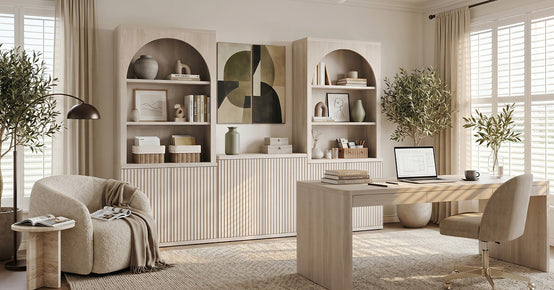
Think of each shelf as its own little display. Give everyone a focal point. And don't copy the same layout twice. Mix it as you go. A single statement piece here. A group of three is there. A few books. Some open space. Keep stepping back to check the full unit. A tall bookcase or a home office furniture shelf looks best when similar colors are spread around rather than clumped in one corner.
Easy Shelf Vignette Combos
- Books, a vase, a candle.
- Art, a plant, a bowl.
- A basket, a photo frame, some books.
Add Storage and a Little Light

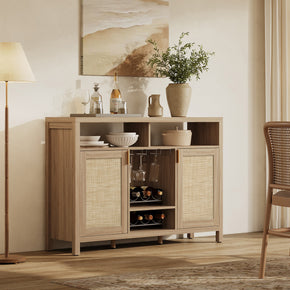
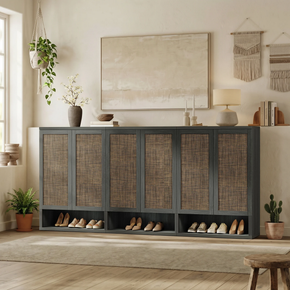
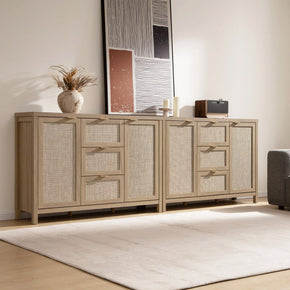
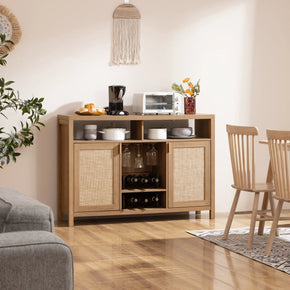
Shelves should earn their keep, not just sit there looking pretty. Functional shelf styling is the trick: every open surface can hold something you actually reach for while still looking pulled together. Baskets and lidded boxes swallow remotes, chargers, papers, all the little junk, and add texture while they're at it. Keep those down low where you can grab them. Asideboard that stores clutter behind closed doors pulls the same trick under open shelving, so a single piece handles both display and hidden storage at once. That balance, pretty on top and organized behind the doors, is what keeps a styled shelf from sliding back into a mess. Then warm it up with light. A small rechargeable lamp, LED puck lights, or a picture light makes ceramics, books, and plants glow.
Handy Storage and Light Picks
- Woven baskets and lidded boxes.
- A small rechargeable table lamp.
- LED puck lights or a picture light.
Step Back and Edit
This last step is what turns a decent shelf into a great one. Once it's all up, walk to the other side of the room and really look. Hunt for clutter, empty gaps, repeated heights, and colors bunched on one side. Snap a phone photo while you're at it. The camera catches stuff your eye glides right past. Then pull, swap, or nudge things until it feels right. Styling shelves almost always takes a couple of rounds. Don't expect perfection on try one.
Quick Editing Questions
- Is there enough open space?
- Are the colors spread out evenly?
- Is one side heavier than the other?
- Does every shelf have a clear focal point?
Choosing the Right Shelf to Style

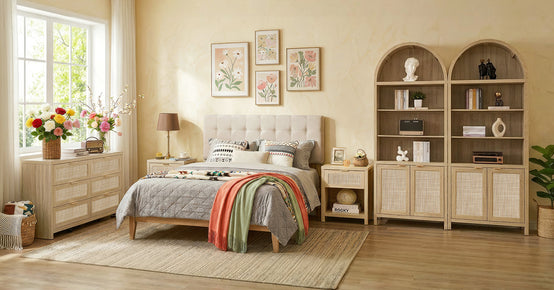
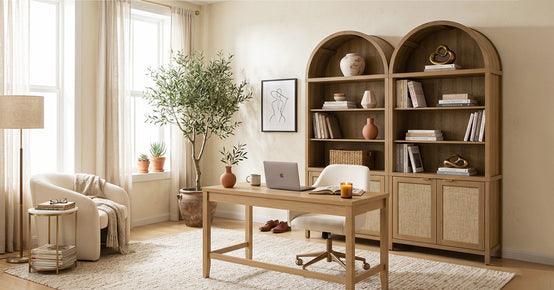
The piece you start with shapes everything after it, so choosing the right shelf makes learning how to style shelves far easier and gets you designer-level results with less fuss. Good styling starts with the right unit. Open shelves put books and decor on show and keep a room feeling light. Shelves with doors hide the messy bits. A lot of pieces do both, like an arched bookcase with open tiers up top and a closed cabinet down below. A Savanna Arched Bookcase hands you display space and storage in one, which makes styling way easier. After a lighter, display-first look? Glass-front pieces like a Helio glass sideboard with doors let your favorite things show while staying dust-free.
Match the Shelf to the Room
- A tall open bookcase for a book-heavy living room.
- An arched or mixed unit for display plus hidden storage.
- A glass-front cabinet for a lighter, curated look.
Common Shelf Styling Mistakes to Avoid
A handful of small slip-ups catch nearly everyone out. Most open shelf styling problems come down to the same few habits, and steering clear of them puts your shelves ahead of most.
- Cramming every shelf and skipping the open space that good open shelf styling relies on.
- Too many tiny objects that just read as clutter instead of a collection.
- Lining everything up in one flat row, the fastest way to flatten any bookshelf styling idea.
- Picking items that are all the same height, so nothing draws the eye.
- Ignoring the room's color palette when you arrange decorative shelf displays.
- Stacking all the heavy pieces up top, which throws off the balance.
- Using only books, or only decor, never both.
- Forgetting to step back and edit once everything is placed.
Final Takeaway
Styling a shelf really comes down to a few habits. Clear it out. Settle on a color story. Mix your heights and textures. Lean on books and the rule of three. Toss in a plant and one personal piece, and always leave a little open space. Heavy stuff goes low. Add some light. Then step back and edit. Do that, and any shelf can look like it was designed. Pick one shelf today and go from there.

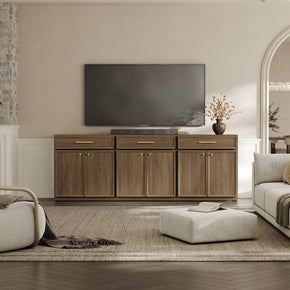
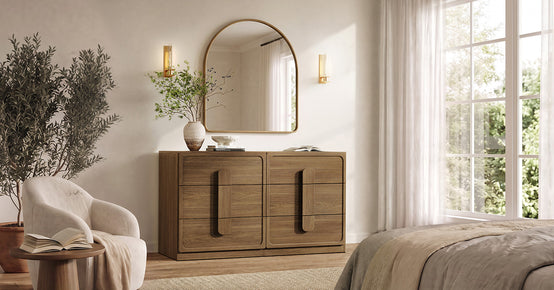
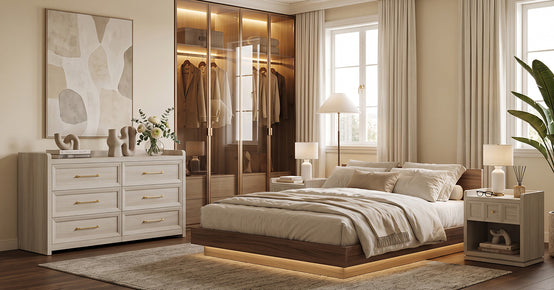
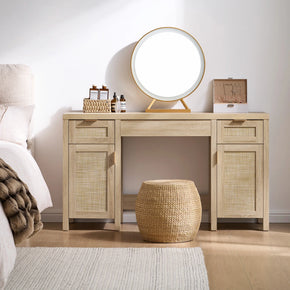
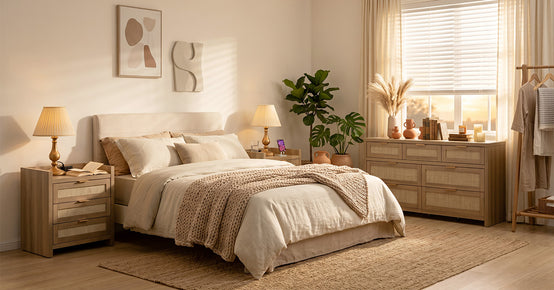
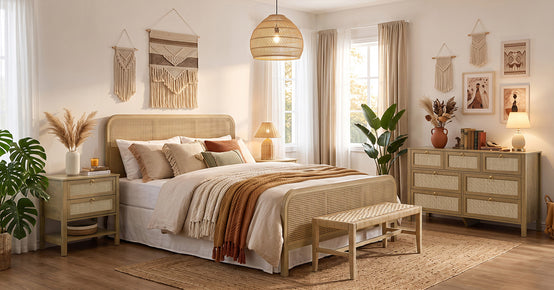
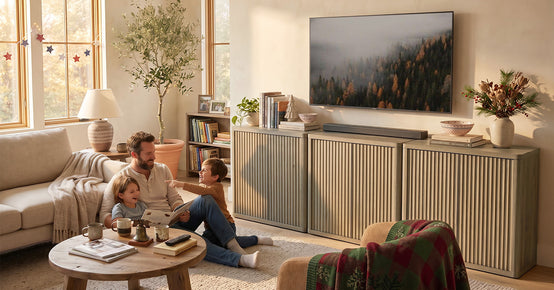
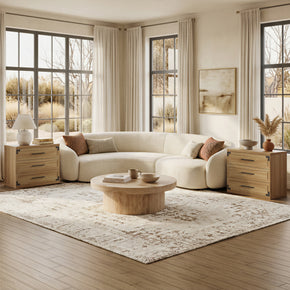
When you are ready for pieces that carry the look into the rest of your home, start with the room you use most. For a living space that needs display and hidden storage in one, browse theliving room storage and display furniture. For a bedroom that could use a styled dresser top plus real drawer space underneath, explore thebedroom storage and dresser lineup. Style the surface, then let the piece below it do the heavy lifting.
FAQs
How to style shelves so they look put together?
Keep it simple:
- Settle on a color palette, then add books for height.
- Work in plants, art, and a personal piece.
- Leave open space and clear out any clutter.
What looks good on a shelf? Easy decorative shelf ideas
Loads of things do. Books, vases, bowls, candles, plants, framed art, baskets, boxes, and personal keepsakes all look good on a shelf. What works for you depends on your room and how much storage you actually need.
How do I arrange objects on a shelf? Bookshelf styling ideas that work
A quick method:
- Set your larger anchor pieces down first.
- Add books and art, then cluster small items in groups of 3.
- Mix tall, medium, and low pieces. Then step back and check.
What is the rule of three for shelves?
It means grouping three objects for a natural, balanced look. Mix the heights and textures, like a vase, a small bowl, and a framed photo. Odd numbers just feel more relaxed than pairs do.
What is the triangle rule for shelves?
It means placing items at tall, medium, and low points so your eye travels in a loose triangle. That keeps a shelf balanced without looking stiff or perfectly matched side to side.
How do I hang shelves like a pro?
Measure the wall and grab a level so shelves sit straight. Screw into studs where you can, and use proper wall anchors for drywall. Check the weight limit. And leave enough room between shelves for your tallest books and vases.
Sources
- MasterClass – How to Use Scale and Proportion for Better Interior Design
- U.S. Consumer Product Safety Commission – Anchor It! Furniture Tip-Over Prevention
- Clemson Cooperative Extension – How to Grow Pothos Indoors
- Penn State Extension – Low Light Houseplants
- Consumer Reports – Best Furniture Anchor Kits to Prevent Tip-Overs
- VDCI – Design Principles: Harmony, Scale, Proportion, Balance, Rhythm
- Minotti London – The Importance of Scale and Proportion in Interior Design


Looking for something else?

Burl Wood Furniture: The Complete Buying Guide
LEARN MORE
What Is a Hope Chest? Meaning, History, and Modern Uses
LEARN MORE
What Is a Foyer? Meaning, Purpose and Design Guide
LEARN MORE
GREENGUARD Gold Certified Furniture: What It Really Means for Your Home
LEARN MORELooking for something else?

How to Clean a Mirror Without Streaks: Simple Step-by-Step Guide
LEARN MORE
21 Above-Bed Decor Ideas for a Stylish Bedroom Wall
LEARN MORE
Furniture Materials Guide: Picking the Right Material Room by Room
LEARN MORE


Further reading

18 Decorative Storage Box Ideas That Hide Clutter Well

How to Store Comforters Without Losing Space or Loft


