




How to Make the Most of Your Hutch: Styling & Organization Ideas
Visual weight is the hutch's whole game, more than any other piece in the room owns. Styled well, it passes for a built-in. Styled badly, it looks like a garage shelf that grew doors. A handful of habits make the difference, not talent or money.
How to make the most out of your hutch comes down to the ten hutch styling ideas below, covering dining room hutch decor and organization: editing, layering, lighting, hidden storage, and safety. Behind each idea sit the same balance and proportion principles designers use, found in every well-planned room. None takes more than an afternoon.
What Is a Hutch, Exactly?

A hutch is a two-part storage piece. Doors and drawers fill the bottom cabinet or buffet. Open or glass-front display shelves ride on top. One piece of furniture that stores, hides, and shows all at once. A dining room hutch handles serveware, a kitchen hutch keeps everyday dishes close, and the same china cabinet styling rules cover them both.
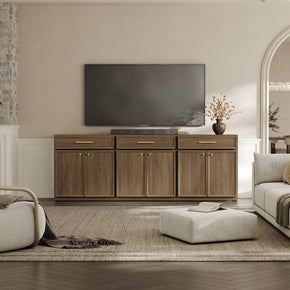
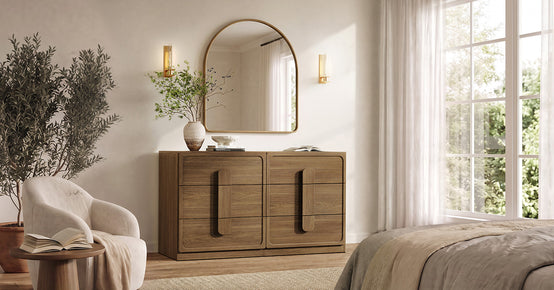
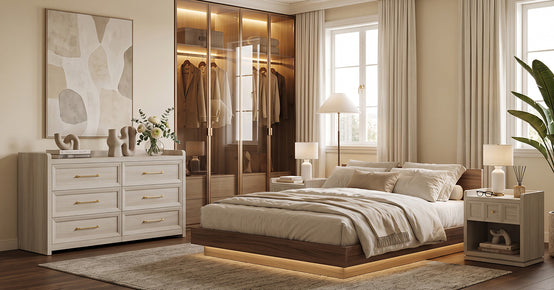
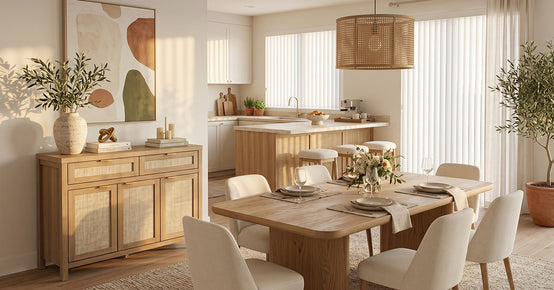
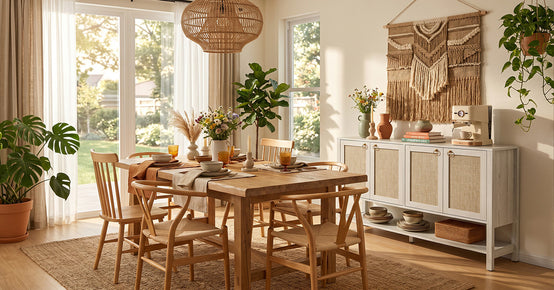
Dining rooms and kitchens hold most of them, stocked with china, glassware, serveware, and linens. Buffets, sideboards, and display cabinets belong to the same family, and the Sicotas dining room furniture range runs through every branch of it. Each idea below works on all of them.
Older names still float around. A china cabinet is the glass-door cousin. The open-shelf original went by the name Welsh dresser. The label on the piece changes nothing about how the styling works.
1. Start Empty: Hutch Organization Begins With a Full Reset

Every good hutch starts bare. Everything comes out, the shelves get a wipe, and the empty piece gets a minute of honest looking. Most people skip that reset, and it shows.
Three piles sort the lot: display, store, donate. Chipped mugs, single saucers, and freebie glasses go. What survives should earn its shelf. Around two-thirds full is where a hutch works best.
Duplicates eat space quietly. Twelve matching mugs do not need twelve spots on display. Keep four out, store the rest in the base, and the shelf instantly breathes.
2. Anchor It, Then Give the Top Height

Safety comes before styling on a tall piece. Anti-tip straps into a wall stud are the fix, since theCPSC's Anchor It! campaign warns that unsecured furniture and TVs can tip onto children. One screwdriver and ten minutes settle it for good.
Once the piece is secured, the very top gets to carry height. A tall vase, a wood bowl, a plant, or one basket up there pulls the eye upward. Air between the objects matters. From across the room, a crowded hutch top reads as clutter.
Renters have options too. Removable anti-tip kits and furniture cables install without big holes, and most patches are invisible at move-out. The strap matters far more than the hardware brand.
3. Layer From Back to Front: Hutch Display Ideas That Add Depth

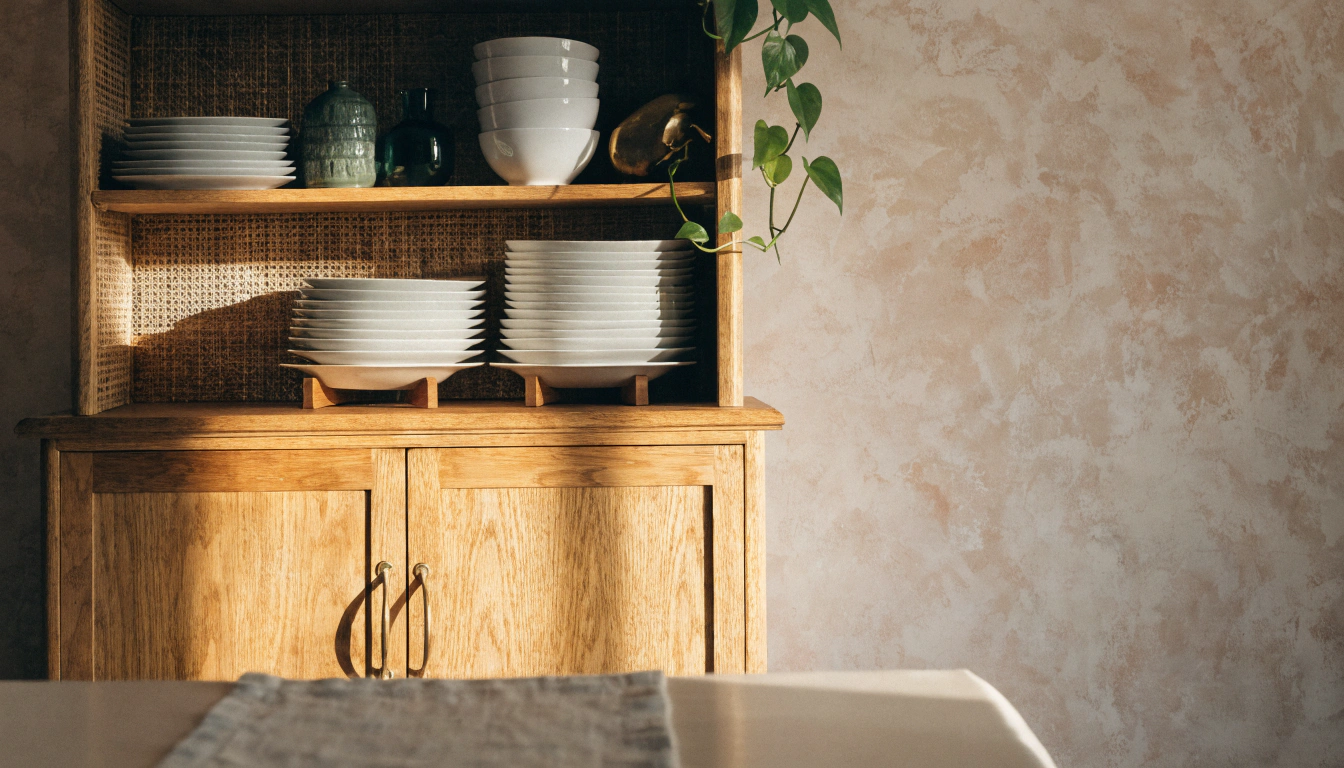
Shelves gain depth in three layers. The back row belongs to large plates, platters, trays, or small art. Pitchers, bowls, and jugs hold the middle. Small items land up front.
Plates stand best on wood or plastic stands. Skip the spring-metal hangers, because the Canadian Conservation Institute warns they stress plates enough to crack them. Lean, do not clamp, and the china outlives the trend.
Books make honest risers. A short stack under a bowl or a small pitcher adds height where the shelf needs it, and the spines sneak in one more color.
4. Group Things in Odd Numbers

Odd numbers are read as natural—three pitchers, five plates, one bowl. Even pairs read as formal and a little stiff, so save them for the symmetrical moments.
Little triangles built inside each shelf do the composing. One tall piece, one medium, one small, set so the eye moves in a loop. Repeat the shape across shelves, and the whole hutch feels composed without looking staged.
Vary the heights inside every group as well. Two tall pieces side by side cancel each other out. Tall, medium, low, that stagger is what keeps a shelf moving.
5. Keep the Color Palette Tight

Two or three colors, plus wood and one metal. That is the whole formula. White ironstone with sage and brass. Navy dishes with cream and walnuts. The palette does more for the finished look than any single object on the shelf. This tight palette approach anchors both dining room hutch decor and kitchen hutch styling ideas, since the same restraint reads well in either room.
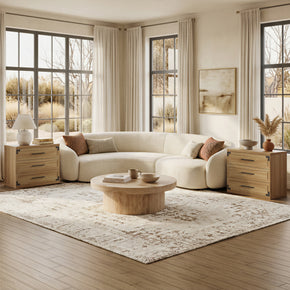
In an open floor plan, borrow the colors already nearby. Echo a tone from yourliving room storage pieces or the rug, and the hutch stops floating alone and joins the room.
Metals count as a color, too. Pick one, brass, black, or silver, and repeat it at least twice. Mixed metals can work, but one metal always works.
6. Mix Function With Display

A hutch full of untouchable pieces wastes half its point. Smart hutch storage ideas start with reach: keep the everyday dishes on the easiest shelf. Let the pretty platters and pitchers take the eye-level spots. That mix is the core of everyday hutch organization, where beautiful and useful share the same cabinet.
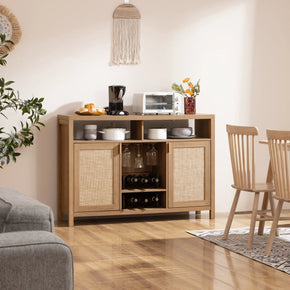
Glassware deserves its own zone. Stemware hangs neatly in a Savanna bar cabinet with a a glass holder, turning one section of the wall into a small serving station. Guests find their glass without opening five doors.
A morning station earns its spot the same way. Mugs, a small tray, and the coffee or tea tins on one reachable shelf, and the hutch join the daily routine.
7. Use the Base for Closed Storage

The lower cabinet is where the mess disappears. Behind those doors live the table linens, serving bowls, small appliances, board games, and candles. Lidded boxes and baskets hold the categories apart, and nothing turns into a junk drawer.
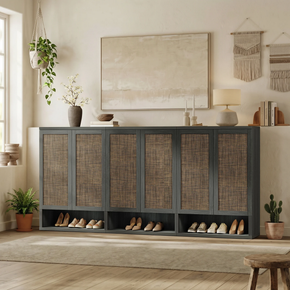
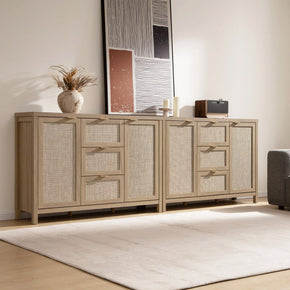
Short on base space? A Helio sideboard buffet with four doors, placed beside or below open shelving, adds a full wall of hidden storage while the display shelves stay light and airy.
Label the boxes, even roughly—napkins in one, candles in another, seasonal swap pieces in a third. Labels are the difference between storage and a place where things go missing.
8. Light the Shelves

Light is what turns a hutch from furniture into a focal point. A stick-on LED strip or battery puck lights under each shelf sets glass and ceramic glowing after dark. Wood and dishware look best under warm white bulbs. Cool white flattens both.
Put the lights on a small remote or a timer. The hutch switches on with the evening lamps, and the room gains a second layer of light for zero wiring.
Glass doors double the payoff. The panes throw the glow back into the room, and after sunset, the whole cabinet reads like a lit display case.
9. Add Texture and Natural Life

All china and no contrast reads flat. Mix in wood boards, woven baskets, stoneware, a stack of worn books, or a small brass piece. Rough beside smooth is what makes each shelf interesting up close.
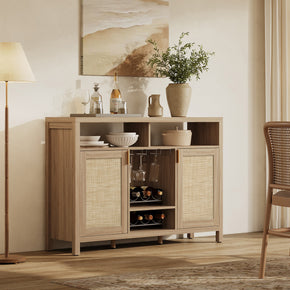
One living thing finishes it. A trailing plant, a jug of branches, or dried stems softens every hard edge. A piece like theWillow farmhouse sideboard already provides a warm, rustic base, which lets the shelves above stay simple. When you decorate a hutch with texture and greenery, that plain base does the heavy lifting, so a few woven baskets or trailing plants read as styled rather than cluttered. These small hutch decor ideas work because the sideboard grounds them.
There's room for a candle here too, either inside a hurricane or on a small dish. A foot of clearance from anything that burns is the rule, and it goes out whenever the room empties.
10. Rotate With the Seasons

A hutch earns attention when it changes. The bones hold steady all year, the plates, the layering, the palette. Only the small front-row pieces swap: mini pumpkins in fall, greenery and brass in winter, fresh stems in spring.
Store the off-season bits in one labeled box in the base cabinet. Ten minutes, four times a year, and the hutch never goes stale.
Holiday china earns the same treatment. Out for its season, boxed for the rest of the year, and the everyday shelves never have to fight it for space.
Hutch Styling and Organization Mistakes to Avoid

Most hutch problems trace back to the same short list, whether they show up in how the piece is styled or how it's organized. Even the size problem has a fix, since modular pieces like themodular sideboard set when a full hutch is too large grow section by section instead of forcing one giant cabinet. Watch for these:
- Filling every inch of the shelf until nothing can breathe.
- Ignoring the back layer, the shelves look shallow and thin.
- Using six colors when two or three would look styled.
- Clamping plates into spring-metal hangers that stress the china.
- Leaving a tall or top-heavy piece without a wall anchor.
- Allowing the base cabinet to become an unsorted junk zone.
Final Takeaway
Making the most out of your hutch is a sequence. Empty it, edit hard, and anchor the piece. Layer back to front, group in odd numbers, and hold a tight palette. Mix the useful with the beautiful.
The base gets real storage jobs, the shelves get light, texture, and one living thing comes in, and small pieces rotate with the seasons. Ten ideas, each at most an afternoon, and the biggest piece in the room finally earns its footprint.
FAQs
What do you put in a hutch?
The classic mix covers three jobs:
- Display: china, glassware, pitchers, platters, and small art.
- Daily use: everyday dishes and mugs on the easiest shelf.
- Hidden: linens, serveware, candles, and games in the base.
How do you style the top of a hutch?
Keep it to two or three items with real height. A tall vase or jug works; a basket or wooden bowl beside it, maybe a plant or a single leaning piece of art. The open space between them keeps the top reading intentional instead of crowded.
What is the difference between a hutch and a buffet?
A buffet is the low cabinet on its own, built for storage and serving. A hutch adds a shelf unit on top for display. Every hutch contains a buffet;; in other words, a buffet only becomes a hutch once the top goes on.
How do you display china in a hutch?
Stand the large plates at the back on wood or plastic stands, never in spring-metal clamps. Group the patterns in odd numbers, mix in a pitcher or a bowl for shape, and slip a soft pad between any stacked pieces.
Are hutches outdated?
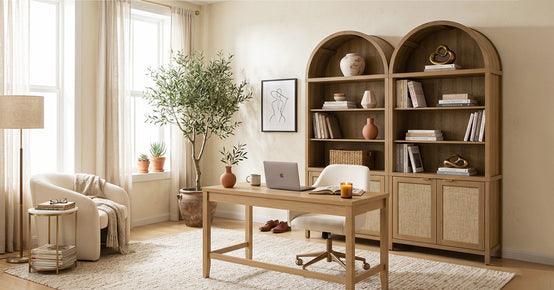
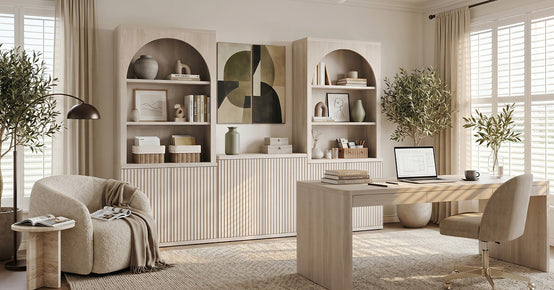
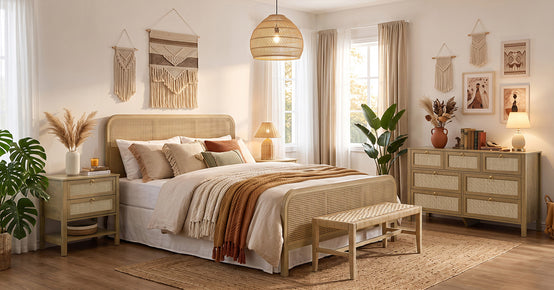
The heavy, dark, glass-everywhere hutch reads as dated. The piece itself does not. Painted finishes, rattan doors, lighter wood, and edited styling have pulled hutches straight back into modern and farmhouse rooms. Storage plus display never really left.
Can you use a hutch in the living room?
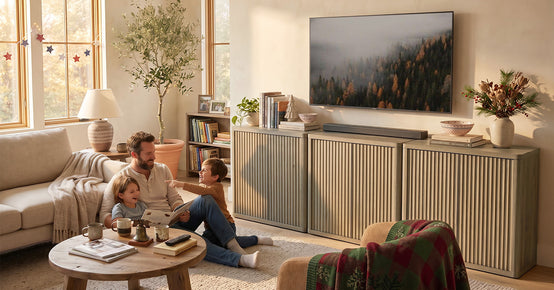
Easily. Books, baskets, a bar setup, plants, and framed photos replace china in a living room hutch. The rules never change: tight palette, layered shelves, closed storage below, and a little light inside.
How do you organize a hutch you use every day?
Give every shelf one job:
- Eye level holds the pieces you love looking at.
- The easiest-reach shelf holds daily plates, bowls, and mugs.
- The base hides linens, serveware, and the overflow in baskets.
Sources
- U.S. Consumer Product Safety Commission – Anchor It! Prevent Furniture Tip-Overs
- Canadian Conservation Institute – Basic Care of Glass and Ceramic Objects
- Utah State University Extension – Cleaning, Repairing, and Reconditioning Wood Furniture
- MasterClass – How to Use Scale and Proportion for Better Interior Design
- VDCI – Design Principles: Harmony, Scale, Proportion, Balance, Rhythm
- National Fire Protection Association – Safety With Candles


Looking for something else?

Burl Wood Furniture: The Complete Buying Guide
LEARN MORE
What Is a Hope Chest? Meaning, History, and Modern Uses
LEARN MORE
What Is a Foyer? Meaning, Purpose and Design Guide
LEARN MORE
GREENGUARD Gold Certified Furniture: What It Really Means for Your Home
LEARN MORELooking for something else?

How to Clean a Mirror Without Streaks: Simple Step-by-Step Guide
LEARN MORE
21 Above-Bed Decor Ideas for a Stylish Bedroom Wall
LEARN MORE
Furniture Materials Guide: Picking the Right Material Room by Room
LEARN MORE


Further reading

18 Decorative Storage Box Ideas That Hide Clutter Well

How to Store Comforters Without Losing Space or Loft


