

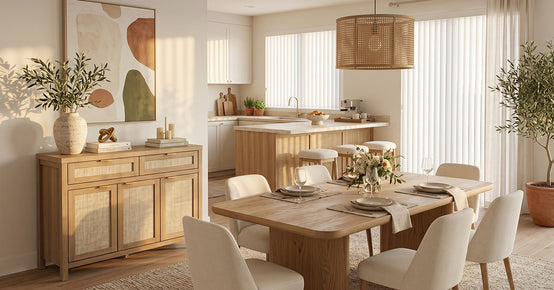
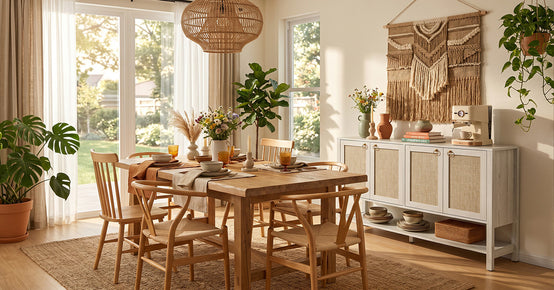
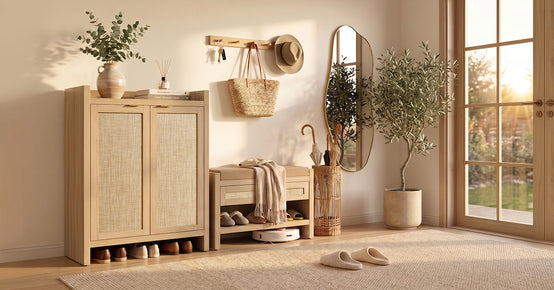
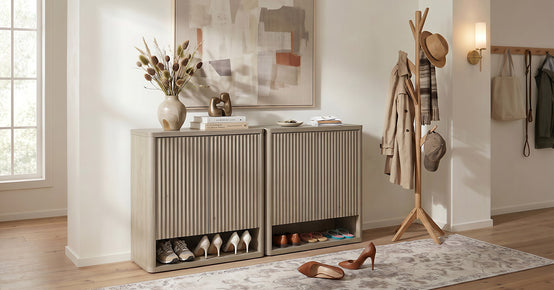



How to Decorate a Small Living Room: Ideas and Layout Tips (2026 Guide)
Small living rooms punish guesswork. One oversized sofa or one wrong rug and the whole space tightens up. The fix is not tiny furniture everywhere. The fix is a plan. The layout-first path to a smart small living room layout runs through everything below, including function, measurements, furniture scale, storage, and light, the core small living room ideas to make a small room look bigger.The moves follow the same scale and proportion rules designers rely on, sized down for real rooms. A weekend covers most of it.
Decide What the Room Needs to Do
The first step in how to decorate a small living room is function, and that comes before shopping. Movie nights, dinner parties, a home office, and a playroom will not all fit in one small living room. Pick the two or three jobs that it truly does daily.
The rest counts as a nice-to-have. A reading chair stays only if somebody actually reads in it. Once the real jobs are named, every furniture decision gets easier.
Measure Before You Buy Anything

The tape measure is the whole foundation. Wall lengths, ceiling height, window and door positions, outlets, radiators, all of it goes on paper. Furniture that stays gets measured, too. A few centimeters decide whether a room flows or fights you back.
The delivery route needs checking, too:: hallways, stairs, elevator doors, and tight corners. Many a sofa has fit the room perfectly and never made it past the stairwell.
Painter's tape on the floor marks each piece of piece of 'sfurniture's footprint before anything is ordered. Live with the outlines for a day. The layout problems show up before the money leaves.
Plan the Layout First, Style Second

No pillow fixes bad flow, and the best small living room layout ideas all start with placement, not decor. The largest piece lands first, usually the sofa, usually on the longest uninterrupted wall. The rest builds around it, with one walking path kept clear through the room.
Walls do not need every piece pressed against them. A few inches of air behind the sofa, or one chair floated off the wall, and a compact living room layout reads planned instead of packed. Checkingcompact living room furniture for small apartments with the tape measurements in hand keeps every candidate honest.
Protect the negative space. An open floor and a bare wall are not wasted areas. The furniture only breathes because that openness exists.
Choose the Right Sofa for a Small Living Room

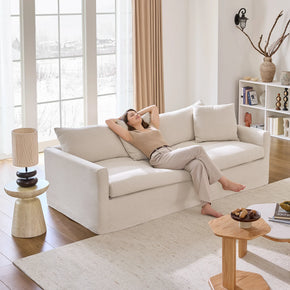
Choosing small living room furniture starts with the sofa, since it sets the tone for everything around it. The best sofa size for a small apartment living room keeps a slim profile, meaning narrower arms, a shallower frame, tailored cushions, and visible legs with the floor showing underneath. Low backs keep sight lines long, especially near windows.
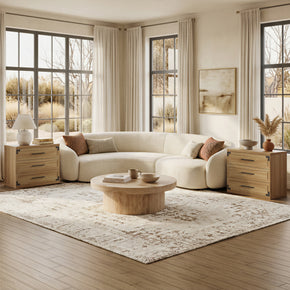
A straight sofa keeps its options open and leaves space for an accent chair. When the seat count matters most, a compact sectional like the Noor three-seater fits more people into a smaller footprint than any sofa-and-chairs combo.
The chaise dream survives even here. Park a movable ottoman at one end of a straight sofa. Feet up at night, coffee table with a tray by day.
Add Seating Without Crowding the Room

One compact accent chair beats a matching three-piece suite. Open frames, slim arms, and lighter fabrics keep it visually quiet. A small swivel chair earns extra points, since it serves the TV and the conversation.
Poufs and stools are the quiet heroes. They tuck under a console between visits, then come out as footrests, extra seats, or side tables. Seats also hide in a cushioned window ledge, which never touches the floor plan.
Pick Furniture That Does Two Jobs

Small rooms run on multifunctional furniture, where each piece earns its floor space twice. A Savanna storage bench with a drawer does three jobs in one: a guest seat, a hidden bin for remotes and throws, and a bench under the window.
A lift-top coffee table holds the laptop at noon and the dinner plate at eight. Guests split the nesting tables apart, and afterward, the set stacks back into one. Storage ottomans swallow blankets and toys.
Rooms that moonlight as workspaces do best with a fold-down desk or a slim writing table from a home office furniture range, closed up and invisible by dinner.
Get the Coffee Table and Rug Right

Round and oval coffee tables win in tight layouts: no corners to bump, easier walking curves, softer look. Whatever the shape, leave enough clearance that nobody sidesteps to sit down.
Getting the small living room rug size right runs opposite to instinct. Small rooms want big rugs, oddly enough. The largest size the layout supports is what makes a small room look bigger, with at least the front legs of the sofa and chairs sitting on it.
A rug that floats alone under the coffee table chops the floor into pieces. One generous rug anchors the seating in a single calmer zone, and in an open plan,, it defines the living area's borders on its own.
Choose a Color Palette That Fits the Mood
White is a choice, not a requirement. Color works in small rooms whenever the palette stays deliberate and tight. Two directions cover most homes.
Light and Airy

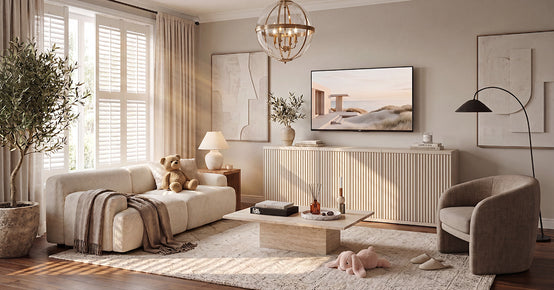
Think soft white, warm cream, pale beige, light gray, muted blue, gentle green. Daylight bounces off light walls, and the room's edges blur a little. Keep trim and ceiling close in tone so nothing chops the walls short.
Dark and Cozy

A small room wrapped in navy, forest green, chocolate, or charcoal feels held, not shrunk. Commitment is the trick. The deep tone runs across walls and trim, and lighter furniture, brass, and plenty of lamps lift it.
Make the Room Feel Bigger and Brighter

To make a small living room look bigger, mirrors do the heaviest lifting. One large mirror hung opposite or beside a window doubles the daylight, and the view comes along free. Point it at something calm, a window or a plain wall, and never at the TV or the busiest shelf.
Keep sight lines long. Leggy, open-based furniture shows the floor. Low media units and horizontal art stretch the walls sideways. In an open plan, repeating the same wall color into the next zone keeps the room from reading as a box.
Hang Curtains High and Wide

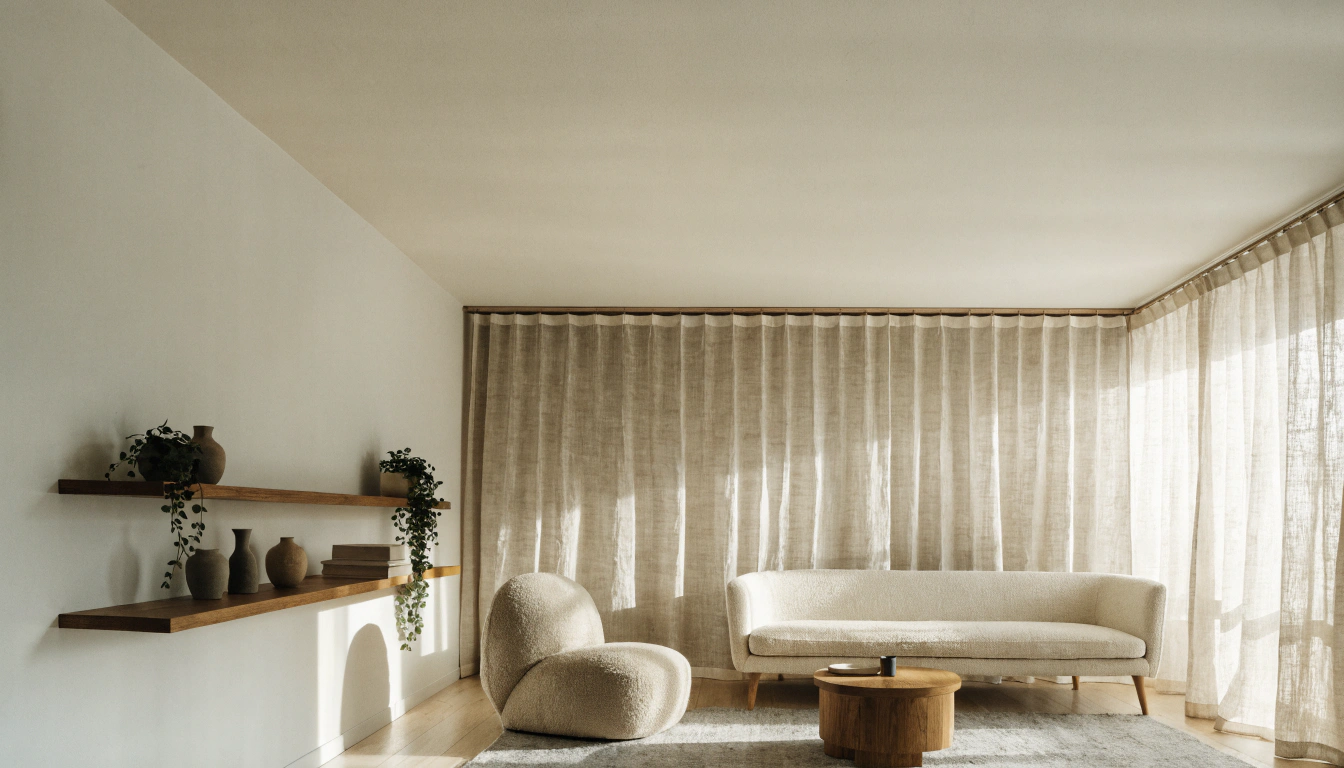
The rod goes close to the ceiling and runs past the window frame on both sides. Panels then stack against the wall instead of glass, and every inch of daylight gets through.
Light, simple, floor-length panels pull the eye upward, and the walls read taller for it. Short curtains cut the room off at the knees.
Layer the Lighting

One ceiling fixture on its own flattens a small room. Layered light does the opposite, and lighting guidance from the University of Maryland Extension sorts the work into three jobs: ambient for the whole room, task for reading, and accent for shelves and art.
Overlapping pools of warm light are the goal. Two table lamps and one floor lamp are enough for most small living rooms. Where side tables are scarce, plug-in wall sconces free the surface entirely.
Use the Walls and Go Vertical

Floor space runs out long before wall space does, which makes vertical wall storage for compact living rooms the easy win. Books, plants, and small art ride on floating shelves with zero footprint. Four scattered storage pieces rarely beat one organized storage wall for calm.
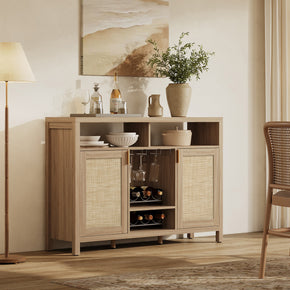
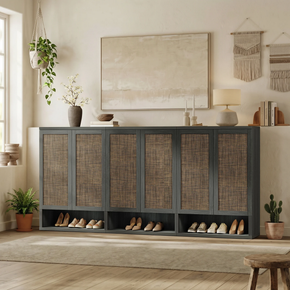
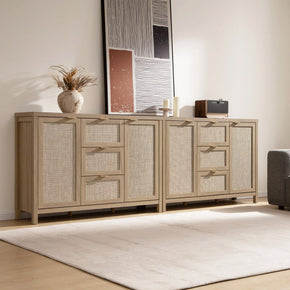
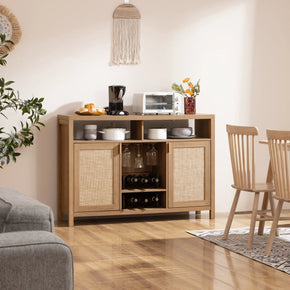
Lower down, slim-footprint furniture pulls the same trick. A narrow rattan console table with drawers puts lamps, keys, and hidden clutter on a hallway wall that the room could not otherwise use.
No tall piece skips the anchor. TheCPSC's Anchor It! program ties furniture tip-overs to unsecured shelving, and small rooms go tall out of necessity. Ten minutes and one strap close the risk.
Plan the TV Wall

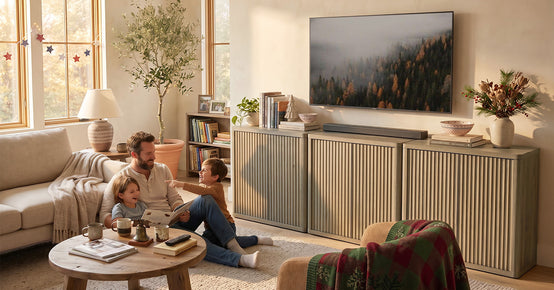
Wall-mounting frees an entire surface, but keep the screen near seated eye level, the same viewing-height logic OSHA applies to monitors. Mount the screen on the ceiling, and the space savings come with a sore neck.
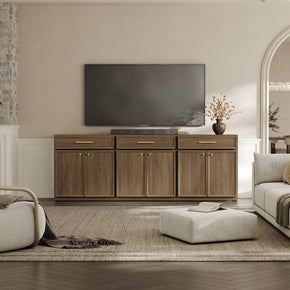
On the floor, slim beats deep. A Cas 65-inch TV stand with cable management keeps the media wall shallow and swallows the cords, which is half the battle. Tidy, the TV wall reads as one calm surface. Tangled, it reads as chores.
Decorate With Fewer, Bigger Pieces

Every room needs its own clear focal point: a fireplace, a large artwork, a styled shelf wall, or the view. Fewer and larger accessories than do the decorating around it. One substantial vase beats five small ones.
Group what remains into little clusters and leave some surfaces empty. Personal pieces, travel finds, books, and and family photos help keep a compact room from feeling like a catalog page. Edit twice a year, and the room stays light.
Common Small Living Room Mistakes
Most small living room mistakes come down to the same handful of habits. Watch for these:
- Ordering furniture before the room and the delivery route are measured.
- Collecting tiny pieces where a few right-sized ones would do.
- Pushing every single piece flat against a wall.
- Using a rug so small it floats alone under the coffee table.
- Parking tall furniture or heavy drapes in front of the windows.
- One of the most common small living room lighting mistakes: running the whole room off one bright overhead light.
- Packing every shelf and wall until nothing has room to breathe.
Final Takeaway
One order governs decorating a small living room. The room's real jobs get named, everything gets measured, and the biggest piece goes out first. The sofa scales slim, the furniture works twice, and the rug sizes up, never down.
Palette tight, lamps layered, curtains high, storage up the walls. Then one focal point, a few bigger accessories, and a walking path nobody trips through—small stops mean cramped.
FAQs
How to make a small living room look nice?
Nice comes from order, not from more decor. A planned layout does the work, helped by a properly scaled sofa, one big rug, a tight palette, layered lamps, and a single focal point. Add a few personal pieces and stop early.
What not to do when decorating a small living room?
When decorating a small living room, the damage mostly comes from four habits:
- Guessing sizes instead of using the tape measure.
- Crowding the floor with extra furniture.
- Blocking daylight with tall pieces or heavy curtains.
- Using a tiny rug and one harsh ceiling light.
Which colors make a small room look bigger?
The colors that make a small room look bigger are soft whites, warm creams, pale grays, light blues, and muted greens, since each one bounces light and blurs the room's edges. The shade helps; the continuity helps more, so walls, trim, and ceiling stay close in tone.
What is the best color for a small living room?
No color wins outright. Open and airy call for light neutrals. Cozy and wrapped-in calls for deep navy, green, or charcoal carried wall to wall. The best color matches your mood and never wavers.
What are some common small living room mistakes?
The usual list runs: unmeasured furniture, a crowd of small pieces, everything shoved to the walls, an undersized rug, blocked windows, a single overhead light, and overfilled shelves. Fixing any two of those visibly opens the room.
Where should I place a sofa in a small room?
The longest clear wall makes the starting point, facing the room's focal point, with the main walking path left open. A few inches of breathing room behind it helps. The sofa does not have to touch the wall to work hard.
How to make a small room look bigger?
The reliable moves:
- Show floor with leggy, open-based furniture.
- Hang one large mirror near a window.
- Size the rug up and the curtain rod high.
- Send storage vertically and clear the floor.
Sources
- MasterClass – How to Use Scale and Proportion for Better Interior Design
- University of Maryland Extension – Lighting Your Home
- U.S. Consumer Product Safety Commission –Anchor It! Prevent Furniture Tip-Overs
- OSHA – Computer Workstations eTool: Monitors
- VDCI – Design Principles: Harmony, Scale, Proportion, Balance, Rhythm
- Utah State University Extension – Cleaning, Repairing, and Reconditioning Wood Furniture


Looking for something else?

Burl Wood Furniture: The Complete Buying Guide
LEARN MORE
What Is a Hope Chest? Meaning, History, and Modern Uses
LEARN MORE
What Is a Foyer? Meaning, Purpose and Design Guide
LEARN MORE
GREENGUARD Gold Certified Furniture: What It Really Means for Your Home
LEARN MORELooking for something else?

How to Clean a Mirror Without Streaks: Simple Step-by-Step Guide
LEARN MORE
21 Above-Bed Decor Ideas for a Stylish Bedroom Wall
LEARN MORE
Furniture Materials Guide: Picking the Right Material Room by Room
LEARN MORE


Further reading

18 Decorative Storage Box Ideas That Hide Clutter Well

How to Store Comforters Without Losing Space or Loft


