




HowChoose the Right Entryway Rug: Entryway Rug Size, Material, and Foyer Placement Guide
Two regrets often follow most rug purchases, and learning how to choose the right entryway rug can prevent both. One is a rug that reads like a lost doormat. The other is a rug so thick that the front door scrapes it on every swing. Both are avoidable. The entry rug works harder than any other textile in the house. It catches grit. It takes wet shoes. It also greets every guest first, all while setting the style for the rooms behind it. This guide sorts out the three decisions that matter most: entryway rug size, the best entryway rug material, and entryway rug placement.
Designer entry galleries like thefoyer ideas at HGTV make the case in photo after photo. Size comes first below. From there, we move through shape and material, then placement, rug pads, and simple care. That order is deliberate because a size mistake is the one thing nothing else can style around.
Why the Entryway Rug Matters More Than You Think
No room in the house collects grit faster than the entryway. Every shoe lands here first. A good front door rug earns its spot three ways. It shields the flooring from scratches and moisture. It marks the entry as its own zone within an open layout and hides the daily dirt between cleanings. A bad one just slides, curls, or gets caught under the door.
The stakes are small in dollars and large in daily annoyance, which is why the choice deserves ten minutes of thought before checkout. Renters feel this dilemma, since the rug is often the only thing standing between a security deposit and a scratched floor. Ten minutes now beats a year of a door that drags.
Get the Entryway Rug Size Right First

Size is the make-or-break decision. Buyers often ask which rug size for an entryway actually works. Measure the space first. Then plan for a visible floor around the rug, somewhere between one and two feet on the open sides. That border makes the entry feel framed rather than carpeted. Sizing guides like the one atRugs Direct specify a border width of 12 to 24 inches and warn against skipping the door-swing check. Write the numbers down before browsing. Screens make every rug look the right size. A rug that catches the door is the wrong rug, no matter what it looks like.
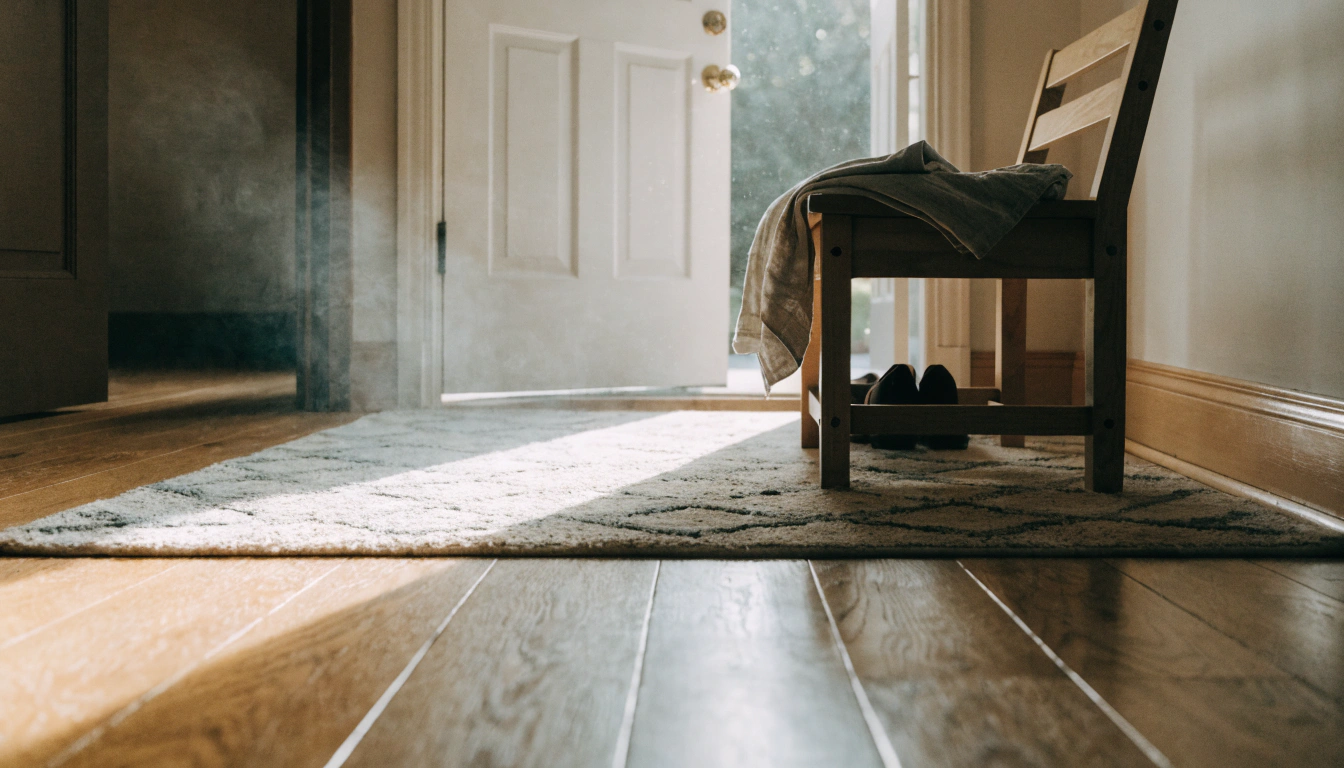
Furniture decides the rest. A common trick is to place only the front legs of entry furniture on the rug. The pieces feel anchored that way, without demanding a bigger size. Aflip-down entryway shoe bench with its front feet on the rug ties the whole landing zone together. Half-on, half-off at an angle is the one look to avoid. Anchored beats accidental.
Runner, Doormat, or Area Rug?

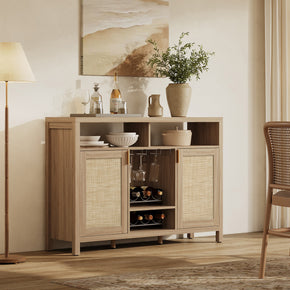
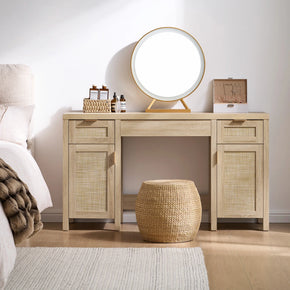
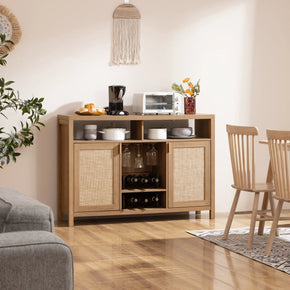
The layout picks the shape. Long, narrow entries want a runner rug for the entryway, sized so a strip of floor shows on both sides. Square foyers take a rectangular area rug or a round rug centered under the light fixture. Tight thresholds get an indoor doormat. A layered doormat over a larger, flat rug covers both function and style in one move, and it makes a smart front-door rug for muddy seasons. Most entryway rug ideas come down to matching the shape to the space you actually have. Runners follow one more rule. Stop the strip just short of therattan console table with two drawers, rather than running it underneath. The console stays on the solid floor that way, and the rug keeps its job of marking the walking path. Round softens square foyers. Rectangles calm busy ones.
Pick a Material Built for High Traffic

The entry is no place for delicate fibers. Wool earns the title of best entryway rug material for a reason. It takes years of traffic and bounces back from crushing. It hides soil. It also cleans more easily than most people expect. Jute and sisal come next, with natural textures that grip dirt like a brush, as long as standing moisture stays away. Renters usually land on polypropylene and other synthetics, which shrug off stains at the friendliest cost. Homes with dogs and kids do best with machine-washable rugs, full stop. Pile height matters as much as fiber. Keep it low. Most interior doors clear the floor by about three-quarters of an inch. A thick pile plus a pad eat that gap fast. Rug guides such asAtlanta Designer Rugs repeat that clearance number for good reason. Flatweave and low-pile constructions solve it. They slide under the door. Then they hand their grit to the vacuum instead of holding onto it. Climate gets a vote as well. Snowy regions rely on synthetics and washables to withstand constant moisture, while dry climates can enjoy wool and other natural fibers freely. Pick the fiber for your traffic, the pile for your door, and the best rug material for high-traffic entryways, and it will last for years.
Choose Colors and Patterns That Forgive

Light solid rugs show every footprint by Friday. Patterns forgive. A patterned rug hides dirt and daily footprints far better than a light solid rug. A medium tone with some movement in the design hides the week between vacuums. Dark borders help too. They take the worst of the traffic line without complaint. Style-wise, the rug should nod to the rooms it introduces. Warm boho entries suit jute textures and faded traditional patterns. Modern homes read best with geometric designs and quiet palettes that match clean-lined pieces, like those in theclean-lined Helio collection. Test in place when possible. A pattern that sings online can shout in a small entry. Set a swatch beside your own floor. That one look answers more than any product page. Loud or quiet, the rug gets one rule. It should never feel like a stranger to the rest of the house.
Match the Rug to Your Entryway Type
Small and Apartment Entries

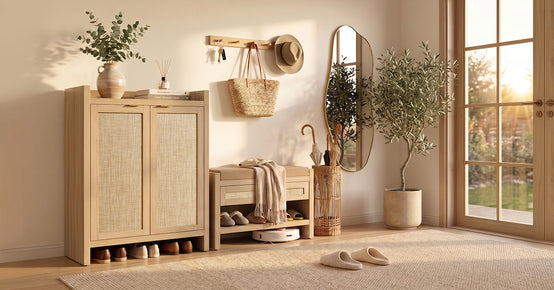
Tight entries need every inch to work twice. The landing spot needs defining, not carpeting, so a small rectangular rug or a short runner does the job without swallowing the floor. Keep every profile low, and the door swings free. Storage climbs the wall instead, and aslim two-door shoe cabinet takes the whole shoe pile off the rug. Grit that never lands on the pile never grinds into it. That single habit doubles a rug's life in an apartment. As a rule, the right rug size for a small apartment entry is a 2x3 or a slim runner, just enough to mark the doorway without crowding the walkway or blocking the door.
Large Foyers and Front Halls

Big entries flip the problem. A rug sized like a bathmat floats in the middle of a foyer and reads as an afterthought; scale up until the foyer rug feels deliberate in the space. Think bigger than feels safe.
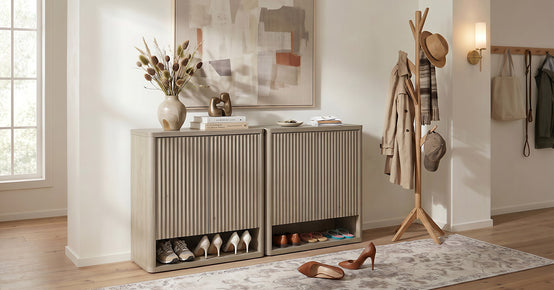
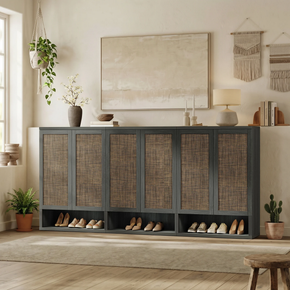
Then check the walkway. Round rugs suit foyers with a center table or curved stairs. Wide halls handle a generous rectangle plus real storage along the wall, and households with real shoe traffic can anchor that wall with a four-door 50-pair shoe cabinet so the grand rug stays a rug and never becomes a shoe mat.
Never Skip the Rug Pad

An entry rug on bare hardwood is a slide waiting to happen, so if you have been wondering how to keep an entryway rug from sliding, this is the fix. A non-slip rug pad handles most of it at once. The rug grips the floor; every step gains a little cushion, and the finish underneath stays protected. Pad advice fromTSAR Carpets goes one step further, pairing non-slip rug pads with rug grippers or double-sided tape at the corners of the busiest doors. The pad itself should be thin felt-and-rubber, rated safe for hardwood. Small purchase, big savings. Thick pads raise the rug into the door swing, undoing the earlier low-pile choice. Safety is the quiet reason this section exists, since a sliding rug at the front door is the most predictable cause of a fall in the house.
Keep the Entryway Rug Looking New

Care runs on a short schedule, and grit is the real enemy, not dirt. Weekly vacuuming matters most, since ground-in entry grit cuts fibers from the inside. Twice a year, turn the rug so the traffic line wears evenly instead of carving one path.
Spills get blotted fast, mild soap handles the spot cleaning, and washable rugs hang until fully dry before going back down. Designer care notes, like those at Kevin Francis Design, favor flatweave wool and low-pile constructions partly because they clean easily. A shake outside every few weeks does more for jute and sisal than any machine ever will.
Entryway Rug Mistakes to Avoid
Going too small tops the list, since an undersized rug reads as a doormat that wandered. Ignoring door clearance comes next, followed by high-pile and shag textures that trap grit and catch the door edge. Skipping the rug pad invites the slide. Light solid colors in a busy household guarantee visible dirt by midweek. Placing furniture fully off the rug, when the space allows, makes the entry look like separate purchases rather than one planned room. Every mistake on this list traces back to buying by looks alone. Function first, then style. Most of these entryway rug mistakes are really front door rug mistakes that show up within a week of daily foot traffic, so choosing for durability and fit beats choosing for looks every time.
Final Takeaway

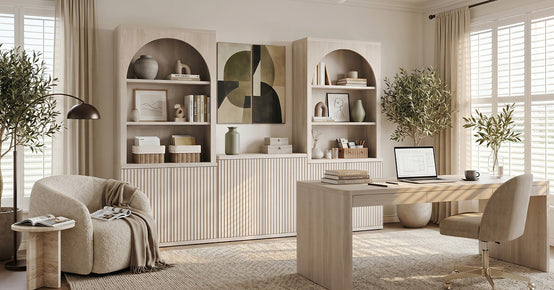
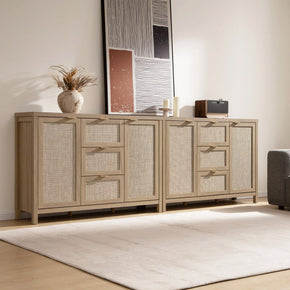
Working out how to choose the right entryway rug comes down to one short path. Measure the space and the door gap. Pick low pile in a forgiving pattern. Match the material to the traffic, add a non-slip pad, and let the furniture share the rug with front legs on. Ground the whole entry with low storage along the wall, whereslim buffet sideboards and shoe cabinets keep the clutter off the one textile every guest steps on first. Your next step is simple: measure your space and door clearance today, then pick a low-pile, patterned rug with a non-slip pad before anything goes down.
FAQs
What size rug is best for an entryway?
Match the size to the layout, not a formula:
-
Small entries suit a compact rectangle or a short runner with floor showing on the open sides.
-
Narrow halls take a runner sized so a strip of flooring frames both edges.
-
Standard foyers look finished with a mid-size rectangle and one to two feet of visible border.
-
Grand entries need a large rectangle or round rug that fills the space with purpose.
What is the best material for an entryway rug?
Wool outlasts everything and bounces back from traffic. Jute and sisal grab dirt and add texture, though moisture is their enemy. Polypropylene resists stains without straining the budget, and homes with pets and kids win with machine-washable rugs. Whatever the fiber, low pile beats plush. Skip shag entirely.
Should the entryway rug match the living room?
Coordinate, never copy. The entry rug should share a color family or general style with the rooms it opens into, so the home reads as connected. An exact match falls flat, while a total-stranger rug makes the entry feel as if it were borrowed from another house.
How do you keep an entryway rug from sliding?
Layer the fixes, and the rug stays put:
-
A non-slip rug pad does most of the work on hard floors.
-
Rug grippers or double-sided tape lock down the corners.
-
A heavier low-pile rug barely shifts in the first place.
-
Rest the front legs of the furniture on the rug,, and it stays pinned all day.
How often should an entryway rug be cleaned?
Weekly vacuuming suits any active household. Spills get spot-cleaned the day they land, and a twice-yearly rotation spreads wear evenly. Every month or two, washable rugs take a machine cycle, while natural fibers like jute would rather have a hard shake outside.
Sources
- HGTV – 32 Inspiring Decorating Ideas for Your Entryway
- Rugs Direct – What Size Rug for Entryway? Foyer and Hall Rug Size Guide
- Atlanta Designer Rugs – Designer Rug Entryway: Best Picks
- TSAR Carpets – How to Choose Entryway Rug Size
- Mats4U – Your Ultimate Entryway Rug Size Guide
- Kevin Francis Design – Entry Hall Rug Ideas: Luxury Designer Rugs for Your Foyer


Looking for something else?

Burl Wood Furniture: The Complete Buying Guide
LEARN MORE
What Is a Hope Chest? Meaning, History, and Modern Uses
LEARN MORE
What Is a Foyer? Meaning, Purpose and Design Guide
LEARN MORE
GREENGUARD Gold Certified Furniture: What It Really Means for Your Home
LEARN MORELooking for something else?

How to Clean a Mirror Without Streaks: Simple Step-by-Step Guide
LEARN MORE
21 Above-Bed Decor Ideas for a Stylish Bedroom Wall
LEARN MORE
Furniture Materials Guide: Picking the Right Material Room by Room
LEARN MORE


Further reading

18 Decorative Storage Box Ideas That Hide Clutter Well
ARTICLE BRIEF
Primary Keyword
decorative storage box ideas
Secondary Keywords
decorative storage boxes · decorative boxes with lids · stylish storage boxes · DIY storage boxes
...

How to Store Comforters Without Losing Space or Loft
Storing comforters comes down to four things. Clean and bone dry. Loosely folded, and sitting in something that breathes. Miss any one, and next season you pull out something that smells like a dam...

Furniture Distance From a Fireplace: How Far Is Safe?
Furniture distance from a fireplace answers two questions with one number. Keep anything that can burn at least 3 feet from heat sources.The U.S. Fire Administration gives that message for fireplac...


