



How to Choose a Wardrobe That Fits Your Room and Your Clothes
Most wardrobe regrets happen before anyone opens a product page. Wrong depth. Doors that will not open. A rail-only inside, bought by somebody who folds nearly everything.
Choosing a wardrobe is mostly measuring and planning. Take the room measurements. Work out what is going inside. Pick the type, the doors, the material, and the finish after that, in that order.
Every step is below. You also get three buying guides: emission labels on engineered wood, moths, and bolting a tall unit to the wall.
1. Start With the Room Measurements
Your bedroom decides which wardrobes are even possible. Everything else is preference.
Take Width, Height and Depth
Three numbers, written down, before you browse anything. Wall width you can spare. Floor to ceiling. And how far the unit can stick out into the room.
Most wardrobes stand between 71 and 84 inches tall. The tall ones use wall space well. They also need ceiling room to tilt upright while you build them, which catches people out.
Why Wardrobe Depth Trips People Up

Depth is the number people get wrong. A hanger measures about 22 inches at the shoulders, which means the inside of the wardrobe needs roughly 24 inches for clothes to hang free of the back panel.
Coats and thick knitwear want a little more depth. Somewhere around 22 to 24 inches is a common starting point for a hanging section, though what matters is internal depth rather than the outside measurement.
Several things move it. Thick hangers add width across the shoulder. A bulky coat sits deeper than a shirt. A rail running front to back needs different depth from one running side to side, and a door with a thick panel or an inset frame eats clearance you assumed you had.
Check the listed internal dimensions before you order. Hang your bulkiest coat on the hanger you actually use and measure it front to back. That figure tells you more than any general range.
Leave Room to Walk Past

Aim for about 30 inches of walking space beside the sides of the bed you use. Twenty-four inches works as a tight-layout compromise when the room leaves no choice.
Those are styling figures, not code. Building rules and accessibility standards set their own minimums, and you should check anything on an escape route rather than estimate. A wheelchair or walker needs considerably more than 30 inches, including turning room where the path changes direction.
Measure with the drawers open. A nightstand drawer or a dresser front eats the gap you just planned, and the same goes for a door that swings into the room.
Then check the swing. Hinged doors need their own clearance in front, and a door that hits the bed frame is a daily irritation.
Measure the Delivery Route as Well

That wardrobe has to reach the bedroom physically. Check the front door. The hallway. The stairs. Every turn on the way up.
Tight corner? Measure the diagonal of the biggest box rather than its width. A flat-packed panel will slide through gaps that a built wardrobe never gets near.
2. Work Out What Is Going Inside
Almost everyone skips this bit. Six months later, that is why the wardrobe feels wrong.
Hanging Clothes Versus Folded Clothes
Rough count, nothing exact. Long garments that need the full drop. Shirts and jackets that need to hang short. Knitwear and jeans that you fold anyway.
Measure what you own rather than working from an average. Hang everything on a rail, push it together until the garments touch without squashing, and measure that length in inches. Add a few inches for room to move hangers along.
That number is your hanging requirement. It accounts for how many coats you own, whether you keep suits, and how thick your hangers are, none of which a general figure can know.
Split it by garment length once you have the total. Long coats and dresses need full-height space. Shirts, folded trousers and jackets suit a double-hung section, which doubles the rail in the same footprint. Shelves take whatever is left.
Shoes, Bags and Accessories
Shoes, belts, scarves, jewelry. None of them store as clothing does. Count yours before paying extra for a shoe rack that ends up half empty.
What Can Live Somewhere Else

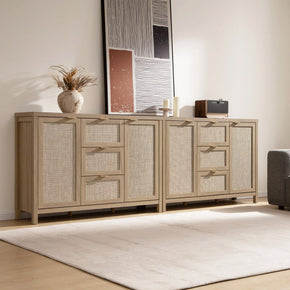
Nothing says the wardrobe must swallow everything. Put folded clothes in a dresser or five-drawer wood chest, and leave the wardrobe for hanging and shoes.
In most bedrooms, two smaller pieces sit better than one giant unit filling a wall.
3. Choose the Internal Layout Before the Look
You touch the inside every single morning. Sort that out first, then choose a unit that fits.
Full-Length Hanging for Long Garments

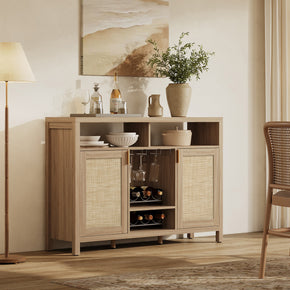
Dresses, coats, and long robes need a clear drop of about 60 to 66 inches. A rattan-front wardrobe with a full hanging rod covers that, and the drawers underneath take the smaller things.
Double Hanging for Shirts and Jackets
Two rails, roughly 40 inches apiece, and a foot of wardrobe suddenly holds double. Shirts. Jackets. Skirts. Trousers folded over the bar.
Nearly everybody wants more short hanging than they guessed, and less full-length.
Shelves and Drawers for Everything Else

Adjustable shelves beat fixed ones. Clothes change over the years, so the spacing has to move with them. Once the drawers are full, a horizontal chest with open drawers beside the wardrobe mops up the overflow.
Socks, underwear and accessories belong in drawers. Leave them on an open shelf, and it is a mess within a week.
4. Pick the Right Wardrobe Size

Single units of 24 to 36 inches suit guest rooms, kids' rooms, or spare storage. One adult will outgrow one fast.
Doubles run about 36 to 63 inches. One person fits easily. Two people fit if you've cleared it out. This is where most buyers land.
Triples begin around 60 inches and go up to about 98 inches: couples and bigger bedrooms.
Test the layout before you commit to a size. Tape the wardrobe footprint onto the floor, including how far the doors swing or how far a drawer pulls out. Live with the tape for a day and walk the room as you normally would.
Visual weight is separate from footprint. A tall unit in a low-ceilinged room reads heavier than the same piece under high ceilings. A pale finish disappears where a dark one dominates. Doors with mirrors or slim frames lighten a wall that a solid panel would close in.
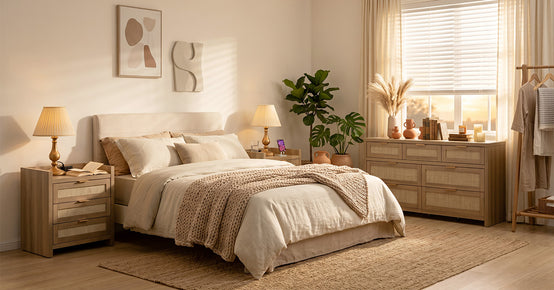
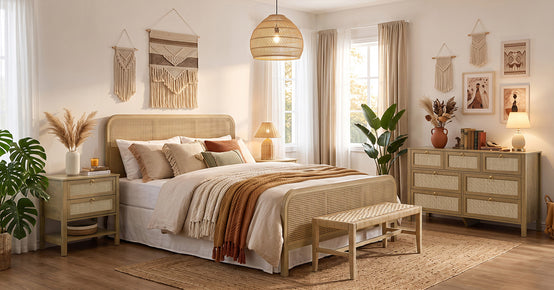
Judge it against what else is going on. A wardrobe that overwhelms a room on its own may sit fine beside a low bed, and a small nightstand, and the rest of thebedroom furniture range is part of that calculation.
5. Which Wardrobe Type Suits Your Room?

No type wins outright. Pick the structure based on two things: how long you are staying put, and how awkward the room is. Once you know the shape you need, browse freestanding wardrobes and armoires.
Freestanding Wardrobes
Movable, kinder on the budget, and they come with you when you move. Renters and furniture-shufflers should start here. The catch is odd gaps at the sides and wasted space above.
Fitted and Built-In Wardrobes
Built around the room, which means alcoves, sloped ceilings and every inch of wall height get used. They cost more and stay behind when you sell the house.
Modular Wardrobes
A middle path. You can add or rearrange components as storage needs shift, without a joiner and a two-week lead time.
Corner Wardrobes
Underrated in box rooms. A straight unit leaves that corner dead. A corner wardrobe uses it, though the inner corner is always a stretch to reach.
Walk-In Wardrobes
Treat this as a room-planning decision, not a furniture one. Storage plus enough floor to stand and turn around in front of it.
6. Hinged or Sliding Doors?

The room decides this more than taste does.
Hinged doors swing wide and show you everything at once. Nothing to clean out of a track. Easier to live with. They only ask for clear floor in front.
Sliding doors do not require door-swing clearance, which is why small bedrooms lean on them. You still need room to stand in front and reach the handle, and the track and frame take up their own depth.
The cost is access. One panel sits in front of the other, so half the inside is hidden at any moment. Put anything you reach for daily on the side you open first.
Mirrored fronts throw light around and save you buying a floor mirror. One panel is usually plenty. A whole wall of mirror can feel a bit cold.
Suppose you get the chance, open and shut the doors a few times before you commit. Soft-close hinges and a smooth track beat a handsome handle every time.
7. Materials and What to Check
Solid Wood
Heavy, long-lasting, and you can sand it back and refinish it years later. It costs more. It also moves a little with humidity, which is normal and not a defect.
MDF and Engineered Wood
Most wardrobes today are MDF or particleboard under a laminate or veneer face. The good ones sit stable, feel smooth and hold a clean finish. Quality depends on board density, edge banding and hardware rather than the material name.
Check the Emission Label on Engineered Wood

Few buying guides mention this. The resins that bond MDF and particleboard can off-gas formaldehyde, which is why TSCA Title VI caps emissions for these boards in the US and requires labeling.
Check the listing for TSCA Title VI or CARB Phase 2 compliance. A wardrobe is a large panel of board sitting in the room where you sleep, so this matters more here than for a small side table.
Inspect the Parts That Move
Hinges, drawer runners, tracks and fixings say far more about daily quality than the surface finish does. Wobbly runners are the first thing to fail.
8. Choose a Color and Finish That Suits the Bedroom

Function first, looks second. With storage settled, the finish decides one thing: does the wardrobe disappear, or does it announce itself?
Pale finishes matched to the wall let a big unit sink back. Handy in a small room. Wood tones warm up a wide flat front. Dark and bold colors need a room with enough space to carry them.
Nothing has to match exactly. It has to relate. A matching vanity and wardrobe set settles it in one go, though a shared wood tone and similar heights get you there with separate pieces too.
Clashing finishes and heights all over the place are what make a bedroom feel thrown together.
9. Looking After Clothes Once They Are Inside
Buying guides tend to stop at the delivery van. Your clothes then live in there for years.
Put Clothes Away Clean
Clothes moth larvae feed on wool, silk and fur. Soiling makes it worse, since sweat, food and body oils draw them in and give them extra nutrition. Clean wool is still at risk, just less of it.
Wash or dry clean woolens before you put them away for the season. Seal them into a closed box rather than leaving them loose on a shelf.
Check stored items now and then rather than trusting the box. Look for larvae, silky webbing, or grazed patches on the fabric. Small holes clustered in one spot are the usual sign.
Let Some Air Move Through
Still, damp air suits mold and fabric pests alike. Never put a slightly damp shirt in a closed wardrobe. Open the doors occasionally when the weather turns humid.
Prevention runs on habits, not one fix. Clean garments before storing them. Seal woolens into closed containers instead of leaving them on open shelves. Vacuum the corners and edges of the wardrobe floor, where lint and hair collect.
Inspect rather than assume. Check stored items a few times a year for larvae, webbing, or grazed patches. Sticky pheromone traps show whether adults are present, telling you if there is a problem before holes appear.
Deal with an infestation directly. Isolate what is affected, launder or dry clean it, and clean the space it was stored in. Call a pest control professional if it keeps coming back or spreads beyond one item.
Anchor a Tall Unit to the Wall

Tall furniture tips forward. It happens most often when a drawer is open, and a child hangs off it. Wardrobes are tall, narrow, and loaded unevenly, so they fall into that category.
Use the anti-tip strap that came in the box and fix it into a stud where you can.
Common Wardrobe Buying Mistakes
A quick audit before you order:
- Settling on the outside first, then living with whatever interior turns up
- Forgetting the door swing until a hinged door meets the bed
- Going for the biggest unit the wall will physically take
- Leaving the stairs and hallway unchecked until delivery day
- A fixed interior that cannot move when your clothes do
- Paying extra for pull-out racks and trays that stay empty
Final Takeaway
Measure the room and the delivery route. Count what needs hanging and what gets folded. Choose the internal layout, then the size, then the doors.
Material and finish come last. On any engineered wood unit, give the emission label thirty seconds of your attention.
The best wardrobe is not the biggest one, or the one currently in fashion. It is the one that makes your own clothes easy to see, easy to reach, and easy to put back.
FAQs
How to choose the right wardrobe?
Measure the room first, and the route into it. Next, go through your clothes and work out how much rail, shelf and drawer space they actually need.
Type, doors, material and finish all come after that. Follow that sequence, and you avoid the classic mistake: a wardrobe that looks right and stores badly. Done in that order, choosing a wardrobe stops being complicated.
How do I figure out my wardrobe style?
Two different questions hide inside this one, so I'll answer both.
Meaning the furniture? Take your lead from the room. The floor, the bed, the wall color, and how much contrast you enjoy living with.
Meaning your clothes? Look at what you actually reach for week after week, not at what you wish you wore. The pieces you repeat are already your style.
What is the 70/30 rule for wardrobe?
The 70/30 rule is about your clothes and not the cabinet. Around 70 percent are core pieces you wear with everything, and 30 percent are seasonal or statement pieces.
Treat it as a shopping guide. It was never a formula for dividing rails and shelves. Plenty of people ask, expecting a storage ratio, and get the wrong answer.
Which type of wardrobe is best?
No type is best overall. They each fix a different problem:
- Freestanding if you rent, move often, or shift furniture around
- Fitted where there are alcoves, sloped ceilings or wall height going spare
- Modular when you know your storage needs will shift
- Corner units in a box room with a dead corner
- Sliding doors any time floor clearance is what limits you
What are common wardrobe design mistakes?
Buying before measuring is the big one. After that:
- A rail, shelf and drawer mix that does not match the clothes
- Doors that swing into the bed or another door
- Dead height sitting above a short freestanding unit
- Shelves so deep that things vanish at the back
- Shoes with no home, so they end up on the floor regardless
Which color wardrobe looks best?
That depends on the room. Match the finish close to the wall color and a large wardrobe fades back, which is normally what a small bedroom wants.
Wood tones warm up a wide flat front. Dark, bold shades turn the wardrobe into a feature, so save them for rooms with the space and light to carry them.
What are the trends for wardrobe design in 2026?
Design coverage points to a few directions: more precise interior fit-outs, layered lighting with sensors, matte finishes you want to touch, and real color instead of default white.
Full walls of plain mirror are giving way to smoked, antiqued, or partial mirror panels. Built-in and full-height storage keeps growing as bedrooms get smaller.
Sources
- U.S. Environmental Protection Agency – Formaldehyde Emission Standards for Composite Wood Products
- UC Statewide IPM Program – Clothes Moths: Management Guidelines
- University of Maryland Extension – Clothes Moths and Fabric Pests
- New Mexico State University – Preventing Damage from Clothes Moths and Carpet Beetles
- Utah State University Extension – Clothes Moth Identification and Prevention
- U.S. Consumer Product Safety Commission – Anchor It! Furniture Tip-Over Prevention
- Bob Vila – How to Use Drywall Anchors


Looking for something else?
Small Dining Room Ideas: 15 Tips for a Small Dining Space
LEARN MORE
25 Fall Decorating Ideas for Your Front Porch That Feel Cozy, Not Cluttered
LEARN MORE
How to Choose the Right Shower Curtain (Size, Fabric, Style)
LEARN MORE
Fall-Inspired Living Room with Autumn Colors: Decor Ideas 2026
LEARN MORELooking for something else?
How to Choose Dinnerware: The Ultimate Dinnerware Sets Buying Guide
LEARN MORE
Velvet 101: How to Care for Velvet (Complete Care Guide)
LEARN MORE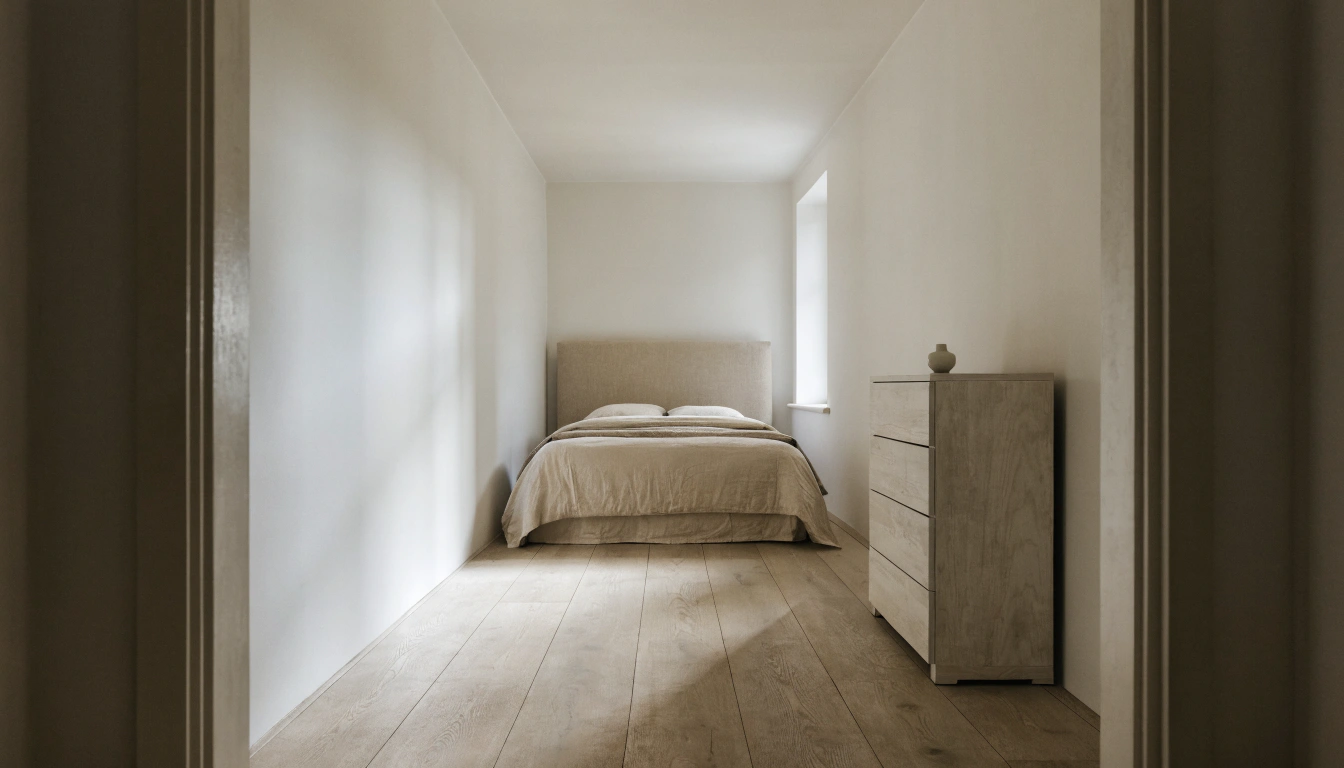
How to Decorate a Narrow Bedroom: 13 Narrow Bedroom Ideas and Layout Tips
LEARN MORE


Further reading
How to Choose a Wardrobe That Fits Your Room and Your Clothes

26 Bedroom Coffee Bar Ideas That Actually Work at Home


