




How Tall Should a Nightstand Be? Bedside Height Guide
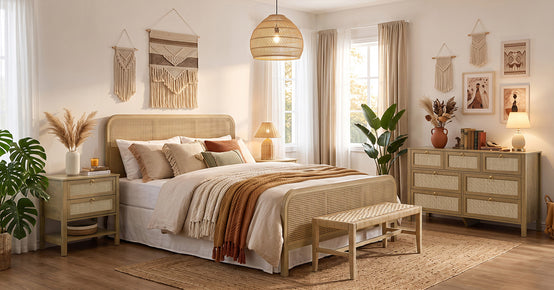
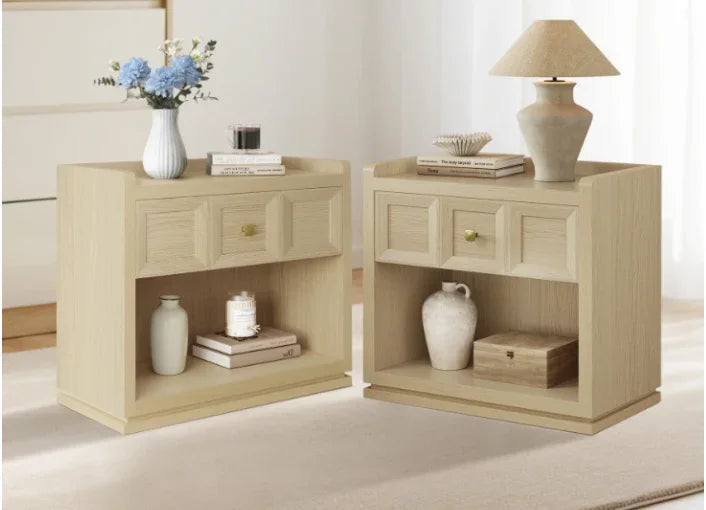
You use your nightstand every day—often before your eyes are fully open—so getting the height right matters more than most people realize. The perfect height makes reaching for water, a phone, or a lamp switch effortless and keeps the whole bedroom looking balanced. This guide answers the core question how tall should a nightstand be, explains how tall should a nightstand be compared to the bed, and covers how tall should a nightstand lamp be so your bedside feels comfortable, safe, and cohesive. If you’re shopping, you can compare dimensions and designs in the nightstands.
The Short Answer (and Why It Works)
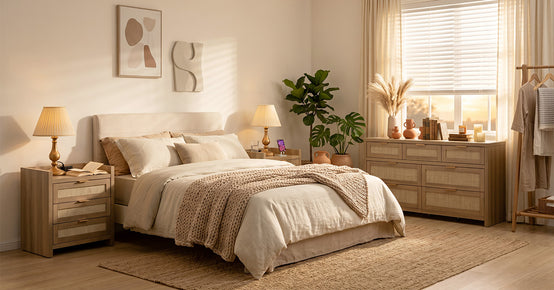
For most rooms, the ideal nightstand height is even with the top of your mattress or within ±2 inches (≈5 cm). Many sleepers prefer the table to be slightly higher—about 1–2 inches above the mattress—so you reach down less and avoid knocking things over while half-asleep. If your bed is unusually low or high, match the nightstand to your mattress height rather than a generic size.
- Low platform beds: nightstand top 20–24 in (51–61 cm)
- Standard beds (most homes): nightstand top 24–28 in (61–71 cm)
- Tall beds / pillow-top + box spring: nightstand top 28–32 in (71–81 cm)
That’s the functional baseline. The rest of this guide shows you how to measure accurately, adjust for special cases, choose lamp sizes that won’t glare in your eyes, and keep the room visually balanced.
Step-by-Step: Measure Your Bed and Set the Target
-
Measure from floor to top of the mattress. Don’t guess—pillows and toppers can add surprising height. Note the number in inches or centimeters.
-
Set a target window. Your nightstand surface should be equal to mattress height ±2 in. If you frequently reach for water, medications, or an alarm in the night, aim 1–2 in higher than the mattress.
-
Check bedding reality. If you rotate mattresses or add/remove a topper seasonally, allow a small buffer. Adjustable bases can move the head section up; if you sleep with the head elevated, plan for a slightly taller nightstand so the reach still feels natural.
-
Cross-check with the lamp. The nightstand and lamp work as a set. You’ll confirm lamp height shortly—but it’s wise to keep the combined proportion in mind as you choose furniture.
How Tall Should a Nightstand Be Compared to the Bed?

The nightstand isn’t just a table; it’s part of the bed composition. When the surfaces sit level, the look is calm and hotel-tidy. When the nightstand is slightly higher, it feels intentional and helps prevent spills. Problems arise when the table is noticeably lower than the mattress; reaching down strains your shoulder and makes knocking items likely.
- Matched height: top of nightstand ≈ top of mattress
- Slightly higher: nightstand top +1–2 in above mattress
If you love a low table next to a lofty bed for style reasons, compensate by using a taller lamp with a long neck so the switch and shade sit at the right level for reading.
Visual Balance: Don’t Forget Proportion
Nightstand height interacts with width, depth, and the headboard. As a rule of thumb, the nightstand height should hit at or below the lower third of the headboard—tall enough to feel substantial, short enough not to chop the headboard visually. Low, long headboards welcome slightly taller nightstands; very tall, sculptural headboards prefer a more modest table height so they remain the star.
Quick Reference Table
|
Bed Type / Setup |
Mattress Height (floor → top) |
Nightstand Height Target |
|
Low platform, minimalist |
18–22 in |
20–24 in |
|
Standard bed (common) |
22–26 in |
24–28 in |
|
Tall bed, box spring + thick topper |
26–30+ in |
28–32 in |
|
Adjustable base (head elevated) |
varies |
mattress height +1–2 in |
How Tall Should a Nightstand Lamp Be?

A great lamp makes reading easy and softens the room. A poor lamp glares in your eyes. The simplest rule is ergonomic: when you’re sitting up in bed, the bottom of the lampshade should be at, or slightly below, your eye level. For many setups, that translates to a lamp height (base + shade) of about 24–30 inches sitting on a typical nightstand.
A second rule designers love: the combined height from the floor to the top of the lamp should land around 58–64 inches for a balanced look in most bedrooms. If your nightstand is low, choose a taller lamp; if the nightstand is tall, pick a shorter lamp to keep the total in that comfortable window.
Glare check: When seated, you shouldn’t see the bare bulb. If you do, either lower the lamp (shorter lamp or taller table) or use a deeper shade with proper bulb positioning.
Special Cases and How to Solve Them
1) Two Nightstands, One Bed: Must Heights Match?
Matching is neat, but it’s not mandatory. If you use different pieces (say, a small chest on one side and a table on the other), keep the tops within about 2 inches of each other and use lamp heights to visually unify the sides. Matching shade shapes and similar lamp heights across the pair make the arrangement read as intentional.
2) Small Bedrooms and Narrow Footprints
In tight rooms, the right depth matters as much as height. A 12–14 inch deep nightstand preserves walkway space while keeping essentials near. Maintain the height match to the mattress even when you go narrow so the setup stays comfortable. Explore compact silhouettes in the nightstands and prioritize models with drawers to reduce surface clutter.
3) Shared Bed, Different Needs
If one sleeper reads upright and the other lies flat, aim the lamp rules to the taller reader and add a swing-arm sconce for the flatter sleeper. Keep both nightstands at the same height relative to the mattress for symmetry and adjust lighting individually.
4) Extra-Tall Headboards
When the headboard is dramatic, pick a nightstand height that keeps the top at or below one third of the headboard height. A lower table with a taller, graceful lamp preserves the headboard’s presence without creating a blocky profile.
5) Kids’ and Guest Rooms
For kids, emphasize stability and rounded corners. Height can be slightly lower than the mattress if a pull-out step or safety rail is present. For guest rooms, err on the side of slightly higher tables so newcomers don’t have to reach down in the dark.
Styling That Supports Function (and Height)
A nightstand is a working surface. Start with the lamp and water zone and make sure those placements feel natural at your chosen height. Leave room for a book or e-reader and a tray for rings, glasses, or earbuds. If your nightstand includes a built-in charging station, set cable lengths so devices can rest on the top without tugging; this prevents items from migrating to the floor at night.
If you like a clean look, store multiples in drawers or a lidded box and keep only one or two daily-use objects on the surface. The calmer the top, the more the correct height does its job—nothing to bump when you reach out in the dark.
Common Height Mistakes (and Gentle Fixes)
Table too low: This is the most frequent problem. You’ll notice a downward reach and occasional spills. Fix by raising the nightstand with a slim plinth, switching to a taller lamp to balance the composition, or—best—choosing a taller unit that meets the mattress height.
Table too high: Reaching upward strains the shoulder. Lower the profile with a shorter lamp and consider a slimmer tray instead of thick books or tall accessories on top. If replacing furniture, choose a model closer to mattress height.
Ignoring lamp proportions: If the lamp is miniature on a tall table, the bedside feels awkward even when height is technically correct. Select a lamp with shade diameter ~⅓ to ½ the nightstand width so the set reads intentional.
No room for reach: A tall, narrow table that sits back from the mattress edge forces you to reach forward too far. Align the front edge of the nightstand with the mattress edge so the hand finds it naturally.
How to Choose the Right Nightstand Height When Shopping Online
Product pages typically list overall height and sometimes top height if the design includes a gallery edge or raised rail. Compare that number to your measured mattress height. If you’re between sizes, round up by an inch or two unless your headboard is very high, in which case a slightly lower table can look elegant with the right lamp.
While browsing the nightstands, keep a short checklist:
- Height: matches mattress height ±2 in
- Width: at least one third of mattress width (per side) for queen/king beds; narrower is fine for full/twin or small rooms
- Depth: 12–18 in for most rooms; 14 in is a sweet spot in tight spaces
- Storage: drawers if you dislike surface clutter; an open shelf for a speaker or small basket
- Cable plan: openings or space behind to route chargers without mess
Lamp Pairing: Three Easy Formulas
- Eye-Level Shade Rule: Sit up in bed. The bottom of the shade should land at, or just below, your eye level. Adjust lamp or table so the bulb is never in direct view.
- Floor-to-Top Rule: Measure floor → top of lamp; aim for 58–64 inches overall. This keeps the bedside element in harmony with headboard and art heights.
- Proportion Rule: Shade diameter ≈ ⅓–½ the nightstand width. On a 20-inch-wide table, a 10–12 inch shade looks at home.
If you love sconces, hang the switch zone comfortably above the mattress and align the shade bottom near seated eye height. Sconces liberate surface space and make tight rooms feel lighter.
Examples: Real-World Nightstand Heights That Work
- Platform bed, 20″ mattress height: A 22–23″ nightstand with a 27–28″ lamp keeps the shade bottom near eye level and the total height around 60–61″—calm and proportional.
- Standard bed, 24″ mattress height: A 25–27″ nightstand with a 25–28″ lamp lands the top of lamp between 58–62″ from the floor. This is the classic “hotel bedside” feel.
- Tall bed, 29″ mattress height: A 30–31″ nightstand paired with a 23–25″ lamp avoids glare and prevents shoulder lift when reaching for water. Keep the shade deeper to hide the bulb.
- Adjustable base (head raised 10–15°): If your mattress height is 26″ flat but effectively ~28″ when raised, choose a 29–30″ nightstand so the surface doesn’t “drop away” when you elevate the head.
Safety and Comfort Details (Quiet but Important)
An ideal height won’t help if the nightstand wobbles. Level the feet, use felt pads on uneven floors, and route cables so they don’t tug. If you’re in a household with kids or energetic pets, anchor tall pieces and keep heavy objects low. A motion-sensing night-light near the floor prevents midnight toe stubs and keeps you from flailing for the lamp switch.
Frequently Asked Questions
How tall should a nightstand be compared to the bed?
Match the top of the nightstand to the top of the mattress, or place it 1–2 inches higher. Lower than the mattress is less comfortable and leads to spills.
How tall should a nightstand lamp be?
Use the eye-level shade rule: seated in bed, the bottom of the shade should meet or sit just below your eyes. In practice, that’s often a 24–30 inch lamp on a typical nightstand, with a floor-to-top total of 58–64 inches.
What if I like mismatched nightstands?
Great—keep their tops within about 2 inches and coordinate lamp heights and shade shapes for unity.
Do I need a taller nightstand for an adjustable base?
Usually yes. If you sleep with the head raised, choose a table about an inch taller than you would for a flat setup so the reach stays easy.
Is there a universal number that always works?
No. Beds vary from 18 to 30+ inches tall. Measure your mattress, then pick a nightstand height that meets that number ±2 inches.
Bringing It All Together
When you ask how tall should a nightstand be, you’re really asking how to make your bedroom function beautifully. The answer is reassuringly simple: match the top of your nightstand to your mattress height, or go up by an inch or two if you like a safer reach. Then choose a lamp that meets your eyes comfortably when you sit up and keep the total composition—table, lamp, and headboard—looking calm.
With those rules in hand, you can shop by numbers, not guesswork. Measure your bed, set your target, and then explore silhouettes, storage options, and finishes that fit your room in the nightstands. Pick the right height once, and every morning and night will feel a little easier.


Looking for something else?

Burl Wood Furniture: The Complete Buying Guide
LEARN MORE
What Is a Hope Chest? Meaning, History, and Modern Uses
LEARN MORE
What Is a Foyer? Meaning, Purpose and Design Guide
LEARN MORE
GREENGUARD Gold Certified Furniture: What It Really Means for Your Home
LEARN MORELooking for something else?

How to Clean a Mirror Without Streaks: Simple Step-by-Step Guide
LEARN MORE
21 Above-Bed Decor Ideas for a Stylish Bedroom Wall
LEARN MORE
Furniture Materials Guide: Picking the Right Material Room by Room
LEARN MORE


Further reading

18 Decorative Storage Box Ideas That Hide Clutter Well

How to Store Comforters Without Losing Space or Loft


