


How High Should a Nightstand Be? Bedside Height Tips
You touch your nightstand before coffee, after lights out, and in every sleepy moment in between. Get the height right and everything feels natural—water glass, alarm, lamp switch—right where your hand expects it. Get it wrong and you’ll notice every time you reach. This guide answers how high should a nightstand be, covers how high should a nightstand be next to a bed, explains how high should a floating nightstand be, and clarifies how high should a sconce be above a nightstand so your bedside is both comfortable and beautifully balanced. If you’re shopping, you can compare sizes and silhouettes in the nightstands.
The two-inch rule: the simple answer that just works
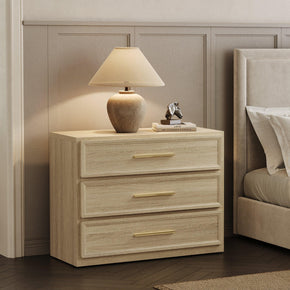
For most bedrooms, the best height is to match the top of the nightstand to the top of your mattress, or keep it within ±2 inches (≈5 cm). Many people prefer the surface slightly higher—about 1–2 inches above the mattress—because you’re reaching sideways rather than down, which reduces spills and shoulder strain. Much lower than the mattress is where problems begin; it forces you to dip your arm at an awkward angle when you’re half-asleep.
Typical ranges that feel right in real rooms look like this: platform setups often land between 20–24 inches; standard beds between 24–28 inches; and taller pillow-top or box-spring setups between 28–32 inches. These aren’t rules so much as landmarks. Always measure your mattress first and let that number lead.
How high should a nightstand be next to a bed? Measure, then decide

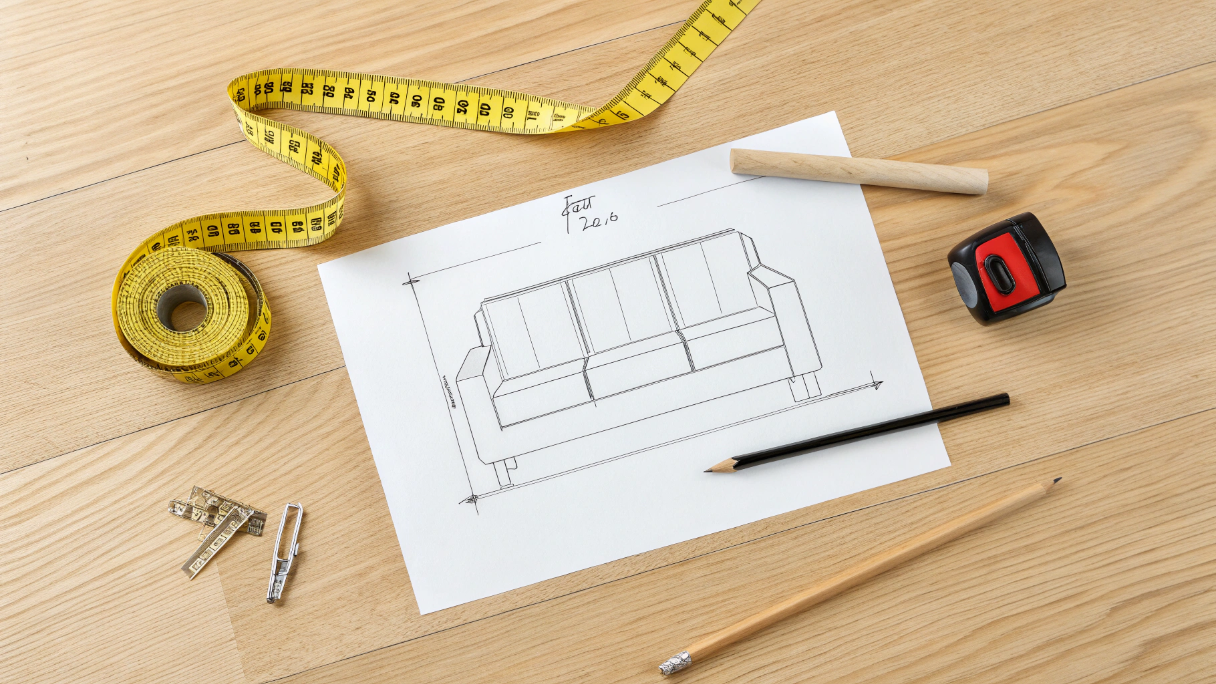
Start by measuring from the floor to the very top of your made mattress. Don’t guess—toppers, protectors, and different mattress profiles can change this number by an inch or three. Once you have the number, you’ve already done most of the work. Set your nightstand target at the same height or a touch taller. If you regularly reach for medication, a sleep mask, or a glass at night, err on the higher side so your hand doesn’t travel downward in the dark.
Height isn’t the only dimension that affects comfort. Depth and placement matter too. A table can be the perfect height but still feel off if it sits too far back from the mattress edge. Try to align the front edge of the nightstand with the edge of the mattress so your reach is short and natural. In tight rooms, a 12–14 inch depth preserves walkway space without sacrificing function, and you’ll find compact options like that within the SICOTAS.
Visual balance: how the nightstand height plays with your headboard
Function leads, but proportion seals the deal. A nightstand usually looks best when its top lands at or below the lower third of the headboard. If the headboard is low and long, a slightly taller nightstand can keep the arrangement from feeling squat. If the headboard is tall and sculptural, a lower nightstand with a taller lamp maintains the headboard as the hero. The goal is to let your eyes travel calmly from mattress to nightstand to lamp to headboard without a jarring step change.
It helps to think in layers. The mattress and nightstand create the base layer, the headboard is the backdrop, and the lamp adds a vertical accent. When nightstand height is right, the whole composition reads as one thoughtful unit rather than three pieces parked near each other.
Lamps and the “eye-level shade” rule
You can choose the perfect nightstand height and still struggle if the lamp is wrong. A simple rule keeps things comfortable: when you sit up in bed to read, the bottom of the lampshade should be at, or just below, your eye level so you never stare straight into the bulb. In practice, that often means a lamp height (base + shade) somewhere around 24–30 inches sitting on a typical nightstand, but the better way is to test: sit on your bed, measure eye height from the floor, and make sure the combined floor-to-shade-bottom dimension matches.
Designers also use a helpful sanity check: the total height from the floor to the top of the lamp usually looks balanced around 58–64 inches in most bedrooms. If your nightstand is low, choose a taller lamp; if your nightstand is tall, pick a shorter lamp to keep the total in that comfortable window. When that total height is harmonious, the bedside feels polished even before you add art or accessories.
How high should a sconce be above a nightstand?
Sconces are wonderful in small rooms because they free up surface area, but their placement is more exacting than a table lamp. There are two key references you can use together. First, when you’re seated in bed, the bottom of the sconce shade should land around seated eye level—close to the lamp rule—so the light spills onto your page without glare. Second, measured from the floor, most bedside sconces feel natural between 55–65 inches to the center or lower edge of the shade, depending on mattress height and cushion thickness.
Horizontally, center the sconce 6–12 inches from the bed edge so you’re not leaning into the light but can easily reach the switch. If the shade is opaque or directional, aim it so the beam skims your book and doesn’t blast across the pillow. For adjustable reading sconces, give yourself a bit more flexibility with the arm so the head can drop slightly below eye level when you’re reclined.
How high should a floating nightstand be?

The beauty of a floating nightstand is its made-to-measure feel. The height target doesn’t change because it’s wall-mounted—the top should still meet the mattress height or sit within ±2 inches. The mounting detail is what makes it sing. Use a level and mark stud positions, set the top at your measured height, and test with a book, a glass, and your phone before committing. Many people mount floating units one inch higher than a comparable legged table purely because the installation looks cleaner when the top planes align with the mattress line.
Because floating designs show the wall and floor beneath, cord routing and sconce placement matter even more. Plan a cable channel behind the cabinet or choose a unit with a cutout so chargers don’t droop. If you’re pairing with sconces, lay out both heights together in painter’s tape: top of floating nightstand at mattress level, sconce shade bottom near seated eye level, and the switch comfortably reachable without a stretch.
Small rooms, tall beds, and other tricky setups
Not every bedroom is a rectangle with perfect spacing. In a small room, a narrow nightstand keeps the walkway clear; just maintain the height relationship to the mattress so the reach stays easy. In an attic with sloped ceilings, you might choose a lower nightstand and a wall sconce mounted slightly higher to draw the eye upward and keep the wall composition balanced. In a room with an extra-tall mattress—common when you layer a box spring, plush mattress, and topper—the comfortable table height can push into the 30–32 inch range. That’s okay; choose a nightstand with enough visual substance at that height or use a shorter lamp with a deeper shade so the bulb stays hidden.
Mismatched nightstands are popular and practical. They don’t have to be the same piece, but it helps if their tops fall within about two inches of each other and the lamps share a related height or shade shape. Your eye will read the pair as intentional, not improvised.
Comfort checks you can do in five minutes
After you place or mount the nightstand, sit on the bed as you normally read and go through a simple rehearsal. Reach for a glass with eyes closed. Tap your phone. Turn the lamp on and off. If any movement feels like a dip or a stretch, adjust the height now rather than learning to live with it. With floating units, this is as easy as nudging the template holes up or down a notch; with legged pieces, you can test with felt pads or a thin plinth while you decide if you need a different model.
Once the basics feel good, step back and look at the composition. The top of the nightstand should meet the mattress cleanly, the lamp should sit comfortably within the headboard’s silhouette, and the shade bottom should meet your eyes when you sit. When those three relationships snap into place, accessories almost style themselves.
Styling the surface to support the right height

A well-sized surface makes height even more forgiving. Keep the front corner open for your nightly reach. Place the lamp slightly back and outboard so you don’t hit the shade when you grab for water. A low, wide tray can corral the everyday bits—rings, earbuds, lip balm—without stacking the vertical profile higher than it needs to be. If you like a stack of books on the surface, remember that you’ve effectively raised your “usable” height; if it starts to feel too tall, move those reads to the open shelf and keep the top clear.
Closed storage calms the scene. Drawers or a cabinet keep cables and remotes out of view and let the nightstand work harder without looking busy. If you prefer open storage, choose a single lidded box rather than a cluster of small containers, and echo the finish of the furniture so the organization reads as part of the design.
Safety that disappears into good design
Great height won’t help if the piece is wobbly. Check for level, shim if your floors are uneven, and anchor anything tall or top-heavy. Keep heavier objects low in drawers or on lower shelves so the center of gravity stays near the floor. If you share your home with children or energetic pets, anchoring is non-negotiable. Safety is invisible when you get it right—and that’s exactly the point.
Troubleshooting common height mistakes (and easy fixes)
If the nightstand is too low, you’ll feel a drop when you reach in the dark and you’ll see more spills. The cleanest fix is to choose a taller unit. Short-term, you can test a thin plinth or risers, but treat that as a temporary solution while you shop. If the table is too high, your shoulder will tell you; swap to a shorter lamp so the overall composition stays balanced, thin the surface accessories, or move to a model that matches your mattress number.
If your lamp glares, the height may actually be fine and the shade is the culprit. A deeper drum or an opaque shade with a diffuser shields the bulb without sacrificing brightness. With sconces, small tweaks in height—often a half inch—can eliminate a line-of-sight hotspot.
Real-world examples you can copy
Picture a low platform bed with an 21-inch mattress height. A nightstand at 22–23 inches with a 27–28 inch lamp lands the shade bottom right at eye level and keeps the total floor-to-lamp height around 60–61 inches—calm, tailored, and easy on the eyes. For a standard bed at 25 inches mattress height, a 26–27 inch nightstand and a 25–28 inch lamp usually hit that same sweet spot. For a tall bed at 29 inches, a 30–31 inch nightstand with a 23–25 inch lamp avoids shoulder lift when reaching for water, and a slightly deeper shade hides the bulb when you recline.
Floating designs follow the same math. Set the top at the mattress number (or one inch above), route cords cleanly, and hang the sconce so the shade bottom meets your seated eye line. The result feels custom because—functionally—it is.
Choosing online with confidence
Product pages list overall height, which is the number you need to compare against your mattress measurement. Some designs include a gallery rail or raised lip; if so, focus on the top surface height rather than the overall finial. When you’re between sizes, the more comfortable choice is rounding up by an inch; reaching slightly sideways is easier than reaching down. As you browse the nightstands, keep a short mental checklist: height at mattress level or a touch higher; width scaled to the bed size; depth friendly to the walkway; storage that suits your habits; and a cable plan that doesn’t clutter the lovely surface you just dialed in.
Frequently Asked Questions
How high should a nightstand be next to a bed?
Match the nightstand top to the top of your mattress, or keep it within ±2 inches. Slightly higher than the mattress is usually more comfortable than lower.
How high should a sconce be above a nightstand?
Aim for seated eye level to the bottom of the shade, typically 55–65 inches from the floor, and place it 6–12 inches from the bed edge so the switch is an easy reach.
How high should a floating nightstand be?
Exactly like a standard table: set the top at mattress height or 1–2 inches above. Tape the outline on the wall and test the reach before drilling.
Is there a one-size-fits-all number?
No. Mattresses range from 18 to 30+ inches tall. Measure your own bed and let that number set the target.
What if my partner and I use different sides differently?
Keep both nightstands the same height for symmetry and adjust lighting to each person’s needs with lamp choice or adjustable sconces.
The bottom line
If you remember only one thing from this guide, make it the two-inch rule. The most comfortable answer to how high should a nightstand be is to match your mattress height, with the option to go an inch or two higher for easier reach. From there, choose a lamp that meets your eyes when you sit up, place or mount a sconce at a similar level if you prefer wall lighting, and let proportion to the headboard guide the rest. When the numbers are right, the bedside feels calm, useful, and effortlessly put together.
When you’re ready to put the plan into practice, explore silhouettes—tall, compact, floating-look, with drawers or open shelves—in the nightstands. Pick the right height once, and every night and morning gets a little easier.


Stay In The Know
Expert advice. Very good deals. The absolute best (and worst) things we've tested lately.
Looking for something else?
Best Furniture for Small Spaces: Bedroom, Entryway, and Living Room Picks
LEARN MORE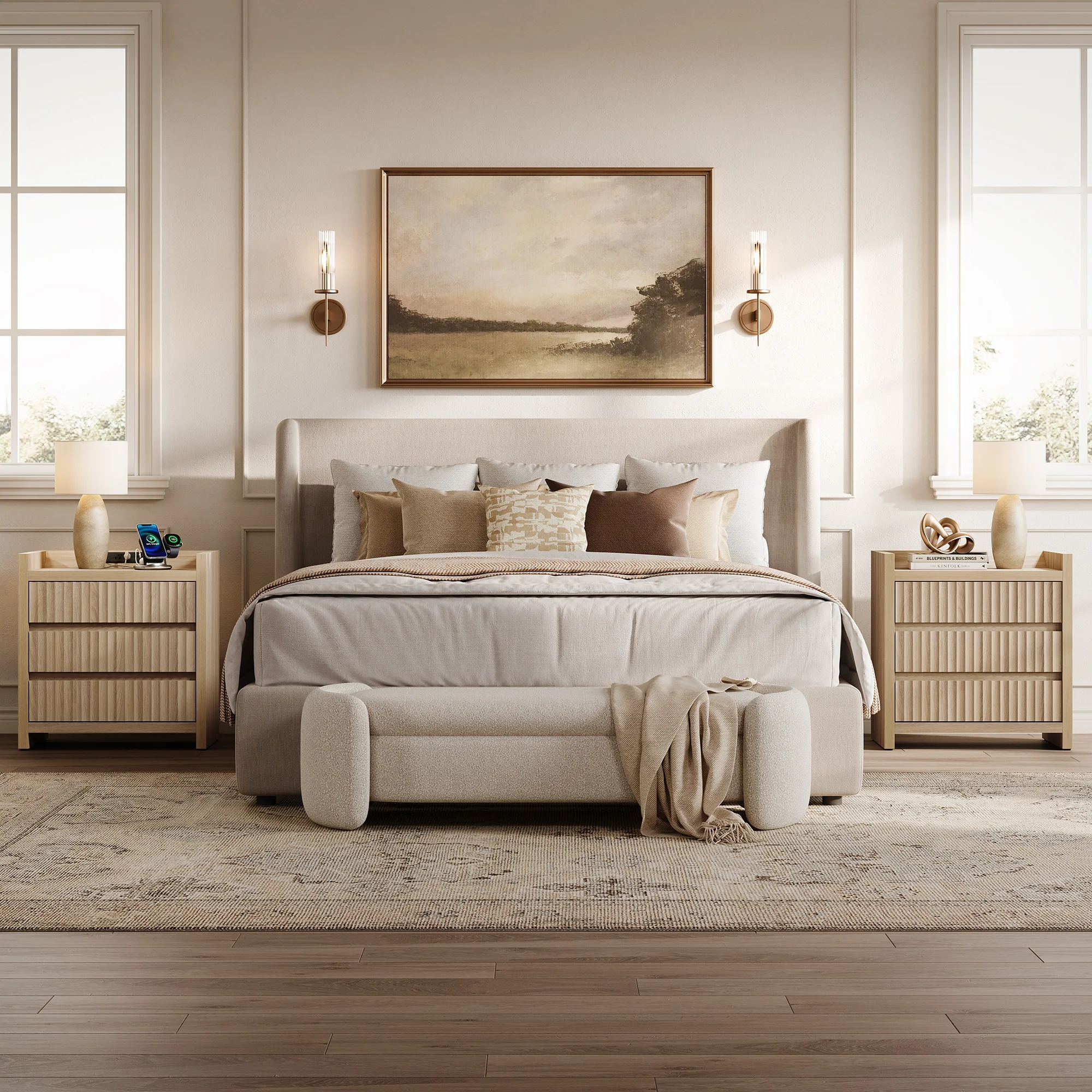
25 Office Guest Room Ideas That Actually Work for Both
LEARN MORE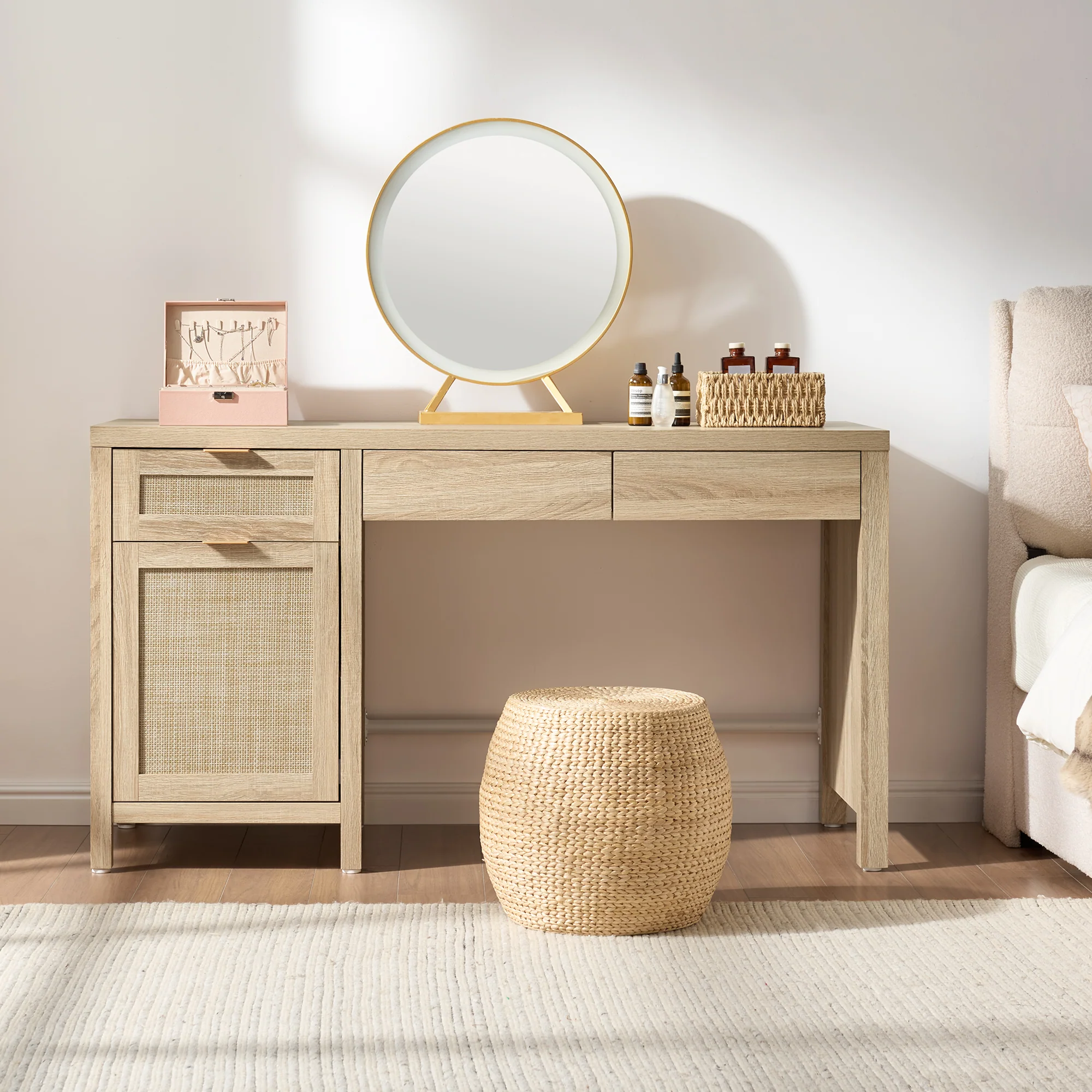
18 Vanity Ideas for a Chic, Organized, and Functional Space
LEARN MORE
25 Office Guest Room Ideas That Actually Work for Both
LEARN MORERead more from Blogs
Looking for something else?
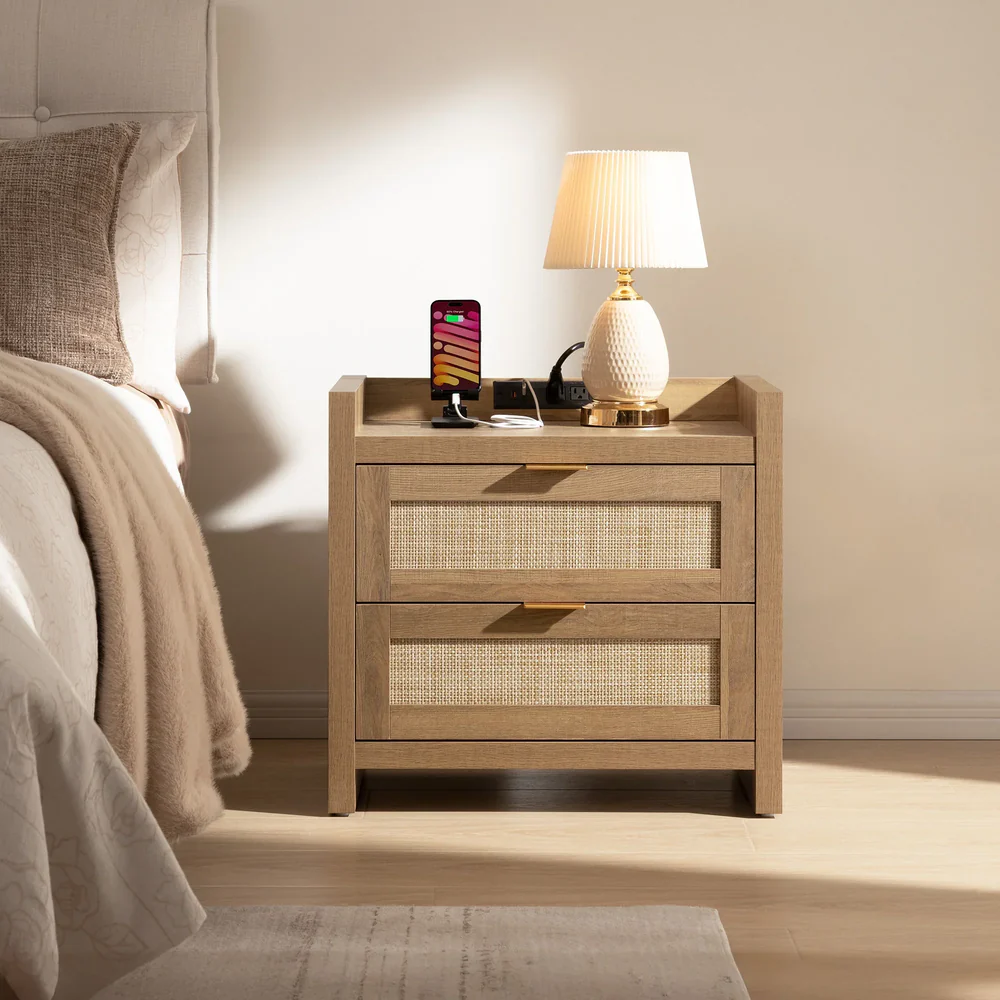
What Size Nightstand for a King Bed? A Simple Buyer's Guide
LEARN MORE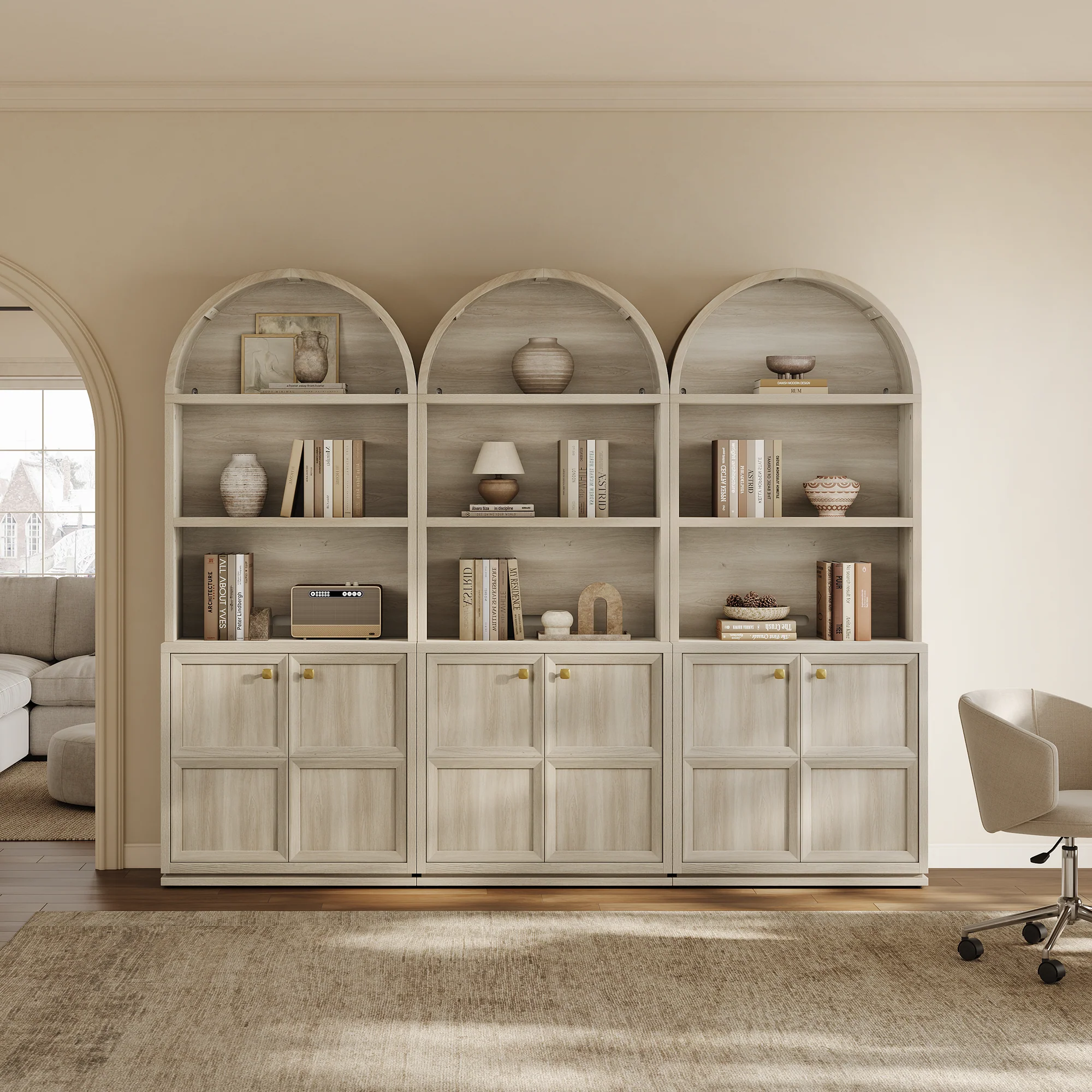
How to Style a Bookshelf: 10 Designer Rules for a Curated (Not Crowded) Look
LEARN MORE
What Is a Daybed and When Does It Make Sense for a Small Space
LEARN MORERead more from Blogs
You may also like


Further reading
15 Office Design Ideas for a Productive Modern Workspace
Is Chenille Soft? What Chenille Fabric Really Feels Like